
MA in Development
To help improve lives by enhancing livelihoods
Details
Our MA in Development is a full-time, two-year postgraduate programme that prepares you to address India’s pressing development challenges. Through an interdisciplinary curriculum, you will explore how development thinking has evolved, engage with ethical and practical questions, and build a strong foundation in both theory and field-based practice.
The programme helps you critically examine real-world challenges and equips you with the tools to design inclusive solutions — especially for those most vulnerable.
The programme equips you to:
- Address the urgent challenges of our time: From inequality and environmental stress to public service gaps, India’s development issues need professionals who can think critically and act responsibly — this programme prepares you to do exactly that.
- Understand the systems shaping lives: Learn how social, economic, political, and ethical factors interact in real-world contexts, and why development today requires working with communities, governments, markets, and civil society.
- Acquire tools that matter on the ground: With a blend of theory, field immersions, and practice-based courses, you’ll build the analytical, ethical, and problem-solving skills essential for effective development work.
- Build a career that creates change: Whether your path leads to grassroots organisations, policy spaces, research institutions, or development programmes, our MA in Development equips you for roles that contribute meaningfully to a more just and equitable society.
Why study with us?
Our MA in Development programme offers you:
- A unique blend of classroom learning and field experience: This programme combines strong academic foundations with extensive on-ground exposure, helping you understand development where it actually happens.
- A chance to learn from experts with real field insights: Faculty bring both deep academic knowledge and hands-on experience from working across India’s development landscape.
- A curriculum with a strong ethical and justice-focused approach: You will examine development through the lens of fairness, inclusion, and the needs of the most marginalised.
- A 360-degree view of India’s development: Explore how history, society, politics, and the economy shape development — and how different actors like the state, market, and civil society influence change.
- A supportive, vibrant learning community: Benefit from mentoring, student-led initiatives, community engagement, and opportunities that prepare you for meaningful careers in the social sector.
Programme Structure
Our MA in Development is an 80-credit, two-year, full-time programme that blends rigorous classroom learning with immersive field experiences. You have to complete 10 core courses, 3 field practice components, and 7 electives.
Year 1
Build your foundations in economics, sociology, sustainability, development theory and governance. The year includes a 2‑week field immersion, a 3‑week data workshop, courses on research methods, and a 6‑week summer internship with a development organisation.
Year 2
Deepen your learning through a core course on programme management and your choice of 7 electives from 45 – 55 offerings. You will also design and carry out an 8‑week field project, followed by analysis and presentation of your findings.

Course Structure
In the first two semesters, students will be introduced to the foundational courses that will provide the socio-economic, political, environmental, institutional, and normative context within which development takes place.
Our core courses:
- draw upon disciplinary lenses and tools of some foundational disciplines such as politics, sociology, economics, and ecology for you to develop a deep understanding of the nature of development.
- build a strong foundation for understanding data, evidence and research methods through a hands-on approach.
- nurture skills and competencies including project management, social interventions to allow students to engage in development action.
Together, the core courses set the context for key debates in development and equip you with research and analytical skills required for effective action.
Economy and Development: The Indian Experience
Core
Explore India’s economic history and its development trajectory.
Environmental Perspectives for Development
Core
Understand how ecological systems and development intersect
Sociology of Modern India
Core
Learn how social structures and institutions shape development
Evidence and Ethics for Development Action
Core
Study how values and evidence inform responsible action
Understanding India’s Development Realities through Data
Core
Work with real datasets to interpret development trends
Theories and Histories of Development
Core
Trace how ideas of progress and growth have evolved
Social Interventions
Core
Examine how individuals and organisations mobilise for social change
Research Methods for Development Practice
Core
Develop skills for designing and conducting social research
State and Governance in India
Core
Analyse the role of the state in shaping development policy
Project Management for Development Interventions
Core
Learn to plan, implement, and monitor social sector projects effectively
In the second year of the programme, you can select from seven electives out of 50+ courses on offer, including one elective in an exciting workshop-mode in Semester III.
The elective courses will strengthen and consolidate the learnings acquired in mandatory courses and allow you to deepen your understanding of specific fields within development such as gender, livelihoods, health and nutrition, public health, environment, and sustainability.
Some electives will also be focused on building competencies in quantitative techniques and technical software while others will emphasise on perspective building.
This is an indicative list.
Click here to know more.
Agricultural Livelihoods in Contemporary India: Critical Perspectives
Elective
Who are the people involved in India's largest occupation and who is a farmer?
Climate change: Science, adaptation and mitigation
Elective
Introduction to the three critical aspects of the subject- climate science, climate mitigation, and climate adaptation.
Dalits: State and Development
Elective
Engages critically with the ‘Dalit Development Question’-i.e, how have Dalit communities engaged with the Indian State, and in turn, how has the State responded to that question both in colonial and post- colonial India.
Economics of Sustainability: Exploring Perspectives and Possibilities
Elective
What are the economics of creating a sustainable world?
Gender and Development
Elective
What is it about being a woman or a man that particularly heightens our risks of being affected by certain issues/problems?
GIS for Sustainability
Elective
The course extends student capacity to analyse and understand the spatial dimension of these issues.
Migration in contemporary India
Elective
A course designed for future development practitioners, action-researchers, and social activists to understand the challenges faced by migrant workers.
Public Health Care, Rights, and Accountability
Elective
The course aims to equip the students with the perspectives of human rights and social accountability, to apply this framework to understand the health rights of communities, and to learn tools and techniques for strengthening the public healthcare system.
The Land Question in India
Elective
The course prepares students to employ political-economy– and anthropological perspectives to explain and analyse several topics that they may encounter in their fieldwork such as land acquisition, women’s property rights, Dalit-Adivasi land rights, and the role of middlemen in land deals.
Urban India: Trajectories of Development
Elective
A course to help students discern sociological, political-economic, and phenomenological tenets on urbanisation and urbanisms in India that aid the students to map and analyse the interconnections, flows and processes of development.
Field engagements are designed to help you gain practical experience, confidence, and capacities to conceptualise new interventions based on your own ideas.
The extended field practice components add up to a total of 16 weeks of time in the field, and 19 credits within the programme. In addition, many courses include day-long ‘Practicums’, where you may go on field visits to different locations or organisations to understand ground realities and certain types of interventions.
Community Learning and Reflection
A two-week exploration of the life experiences of different communities across India where you learn through observation and reflection.
Field Internship
A six-week engagement with an organisation to participate in development action.
Field Project
An eight-week opportunity to ideate and pursue a development intervention that you are passionate about.
Classroom Practices
Our MA in Development programme introduces you to:
- A seamless mix of classroom learning and field immersion: Concepts are constantly reinforced through real-world exposure, ensuring you understand development through direct experience with communities and organisations.
- Innovative simulation tools: Signature pedagogical experiences like Janata Express and Surveypura bring community realities and research practice into the classroom, making complex ideas engaging and intuitive.
- Learning through real projects: Opportunities such as the Winter Field Project and hands-on elective courses allow you to design, test, and implement ideas — from social entrepreneurship models to grassroots development initiatives.
- Practitioner-led teaching: Regular interactions with grassroots workers, development professionals, and guest experts connect theoretical learning with on-ground insights.
- Collaborative and inclusive learning environment: Group work, peer learning, and supportive teaching methods ensure learners from diverse backgrounds can meaningfully engage, contribute, and grow.
Our graduates work closely with communities, support grassroots institutions, run development programmes, lead participatory monitoring and evaluation, document field insights, raise resources, and conduct research for policy and advocacy.
You could work with NGOs, social enterprises, producer collectives, CSR and philanthropic foundations, research and advocacy groups, think tanks, or government bodies — there’s a wide range of pathways depending on what excites you.
Since inception, over 1,200 alumni have completed this programme. Many now hold leadership positions in the social sector, some have started their own organisations, and others have pursued PhDs.
Related Stories
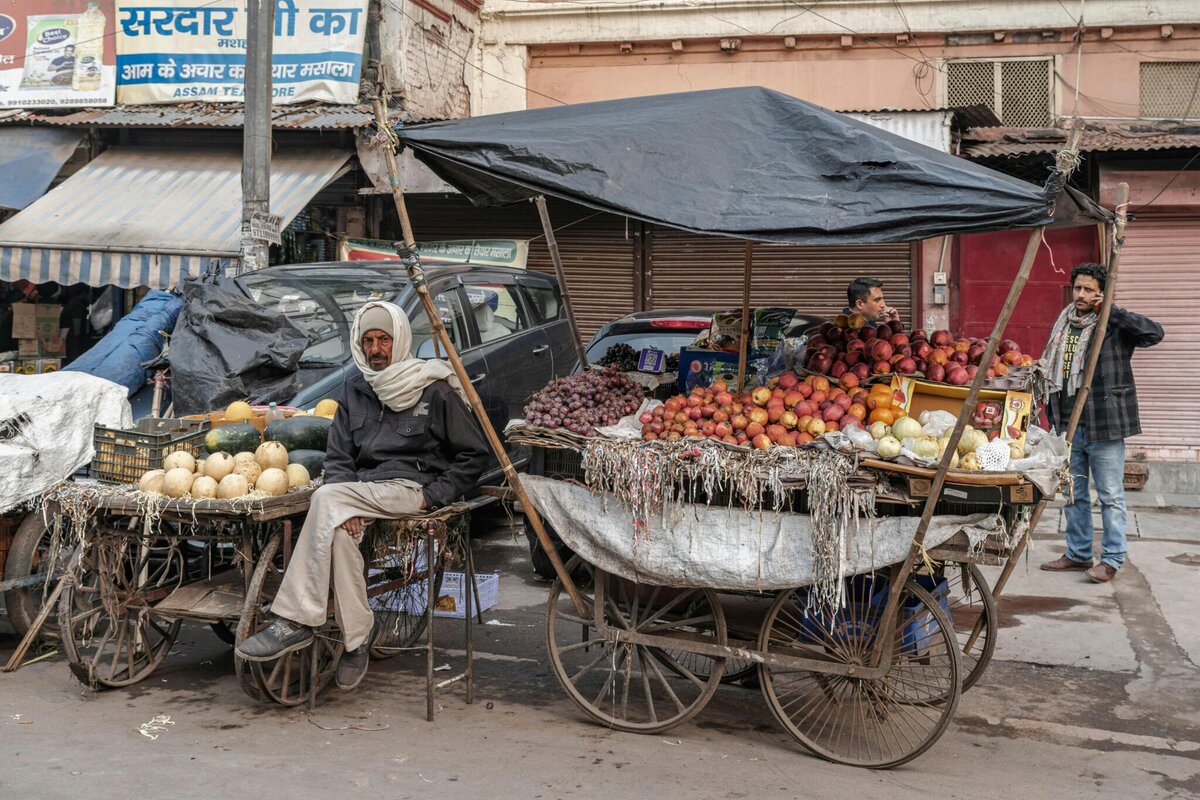

Revisiting India’s Street Vendors Act 12 Years Later
The gap between the promise of the Street Vendors Act, 2014 and the everyday realities of vendors is a key focus area for Annapurna Neti, Puja Guha, and Rajesh Joseph, writes Meryl Garcia.

Why is the participation rate of young Muslim women low in the formal workforce?
A research study conducted by Durrain Desnavi in Bhopal, Madhya Pradesh
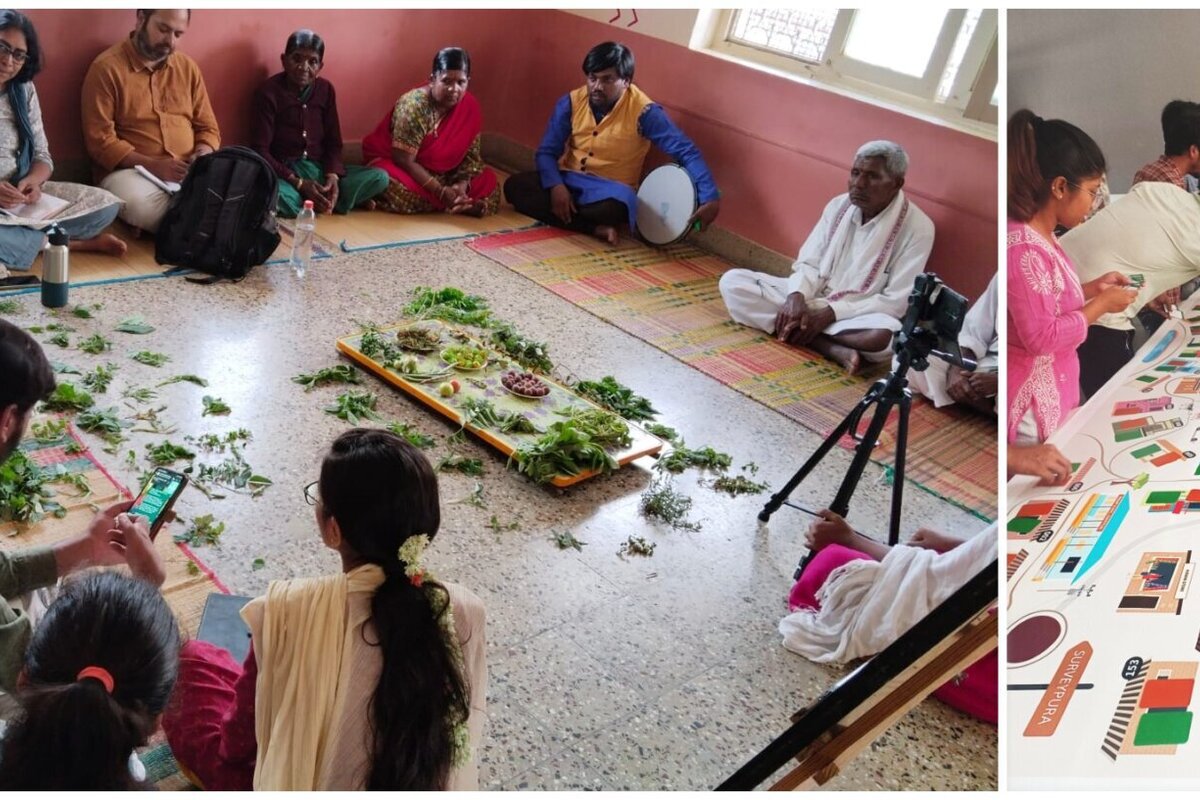
Is there a Place for ‘Best Practices’ in the Field of Development?
Adithya Pradyumna unpacks the complexity of the phrase in a world of rapidly growing developmental challenges
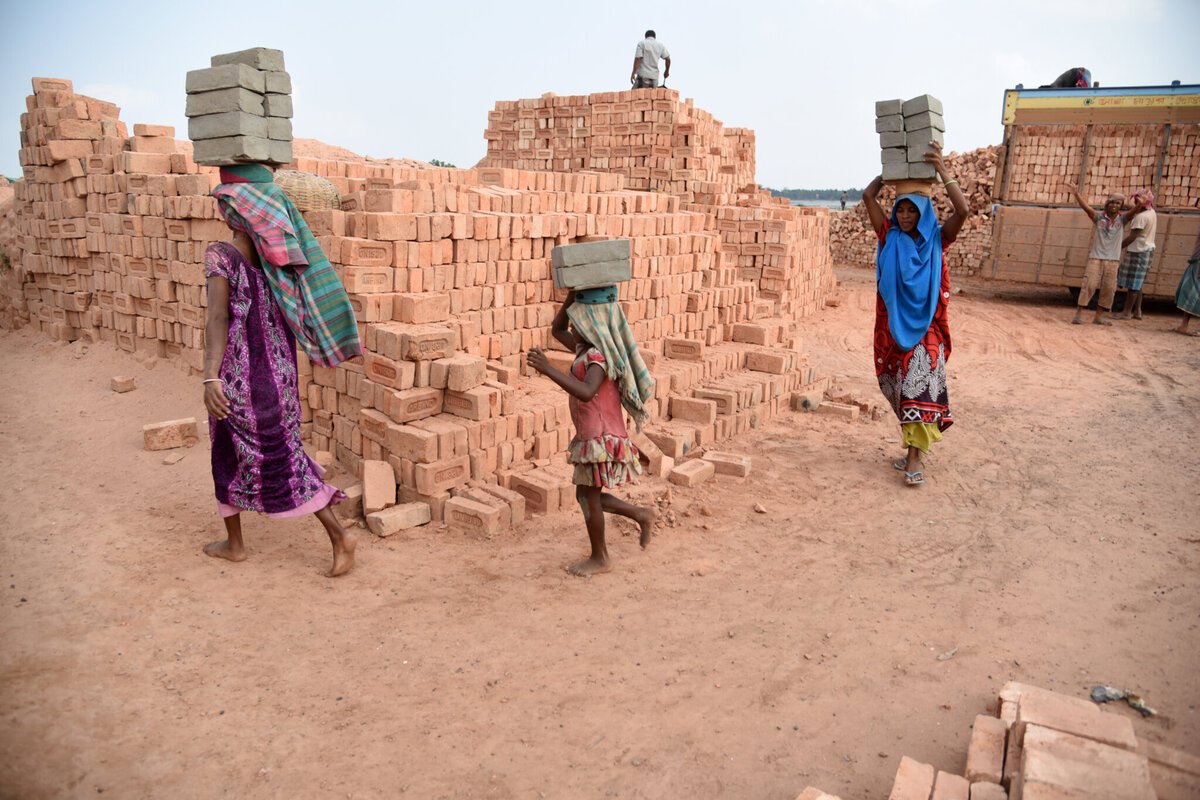
Chronicles of Child Labour: Building New Narratives
Anuradha Nagaraj recounts her conversation with a survivor of child trafficking, who had the rare agency and ability to revisit her past in a matter-of-fact way
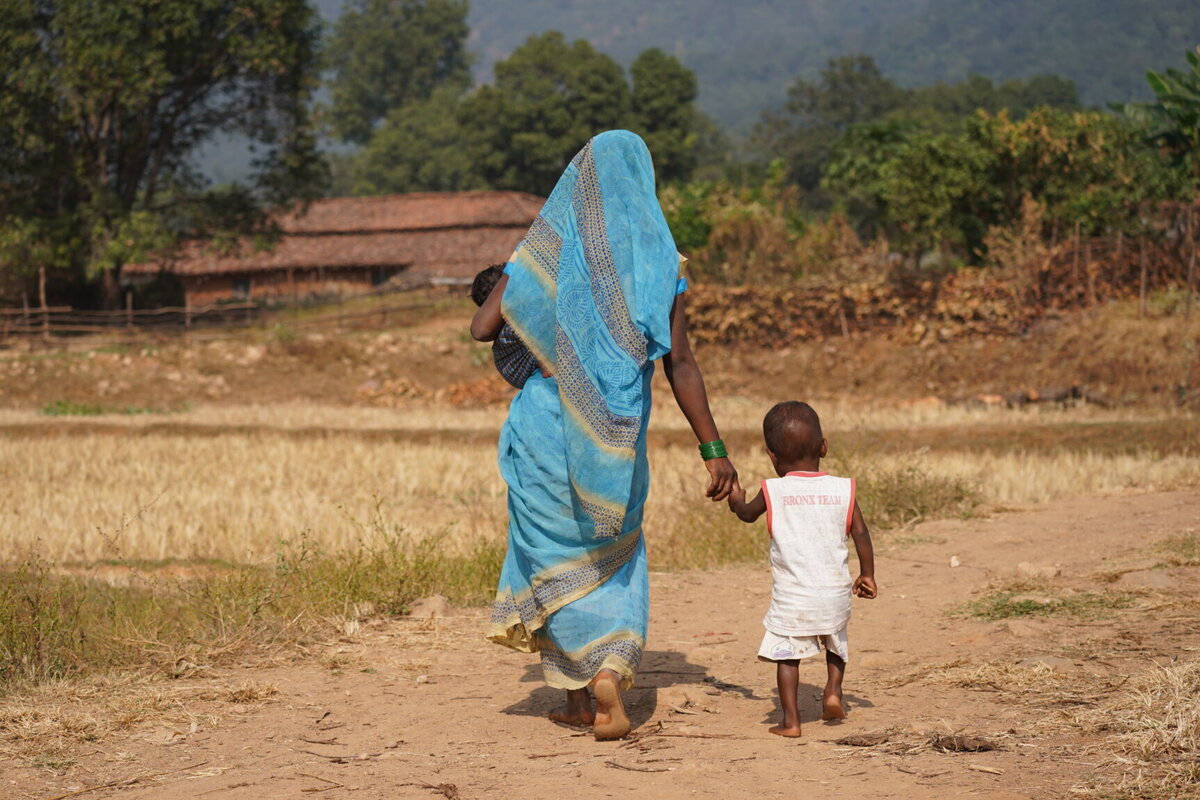
Women’s postpartum challenges and their coping strategies in rural India
Kanchan Patole shares insights from 15 in-depth interviews conducted as part of field practice in Dhuma block, Seoni district, Madhya Pradesh.
Explore
Faculty
- Adil Hossain
- Amalendu Jyotishi
- Anuradha Nagaraj
- Aravindhan Nagarajan
- Arima Mishra
- Ashok Kumar Sircar
- Asim Siddiqui
- Awanish Kumar
- Budhaditya Das
- Deepa E
- Divya Sharma
- Edward Premdas Pinto
- Juhi Tyagi
- Kaveri
- Kunal Nath Shahdeo
- Madhuri Ramesh
- Mukta Gundi
- Nilanjana Sengupta
- Nilotpal Kumar
- Pijush Kumar Dutta
- Porag Shome
- Pravasa Ranjan Mishra
- Puja Guha
- Richa Govil
- Rushikesh Dhanaji Gawade
- Sampurna Das
- Sarbani Sharma
- Shaurabh Anand
- Smitana Saikia
- Sujit Kumar
- Vandana Rai
- Vikas Kumar
32 of 45 All Programme faculty →