
Faculty Research
To inform and inspire
Details
Faculty research at Azim Premji University spans across the social sciences, natural and physical sciences, development, and education. A defining feature of research at the University is its interdisciplinary character. Faculty draw on diverse perspectives and methodologies to address complex questions that cut across conventional disciplinary boundaries.
Researchers engage with questions that are central to understanding contemporary society, including education, livelihoods, development, governance, public policy, inequality and social justice. They examine issues such as caste, gender, political economy, sustainability, and climate change, while also exploring areas related to culture, media, literature, and history.
Faculty also investigate questions across the life sciences, physical sciences, mathematics, information sciences, and psychology. Their work spans topics such as biological invasions, forest resilience, quantum chromodynamics, computational chemistry, geometric group theory, data science, topology and neurological and mental health disorders.
The Annual Research Forum is a platform for showcasing individual and collaborative research undertaken by members of the University. Conceived as a space for intellectual exchange and dialogue, the forum brings together researchers from different disciplines to present their work and engage with new ideas.
Presentations and posters showcased at the forum reflect the breadth of research pursued by members, and create opportunities for meaningful conversations across disciplines. Reflecting the University’s commitment to interdisciplinary and collaborative approaches, the forum serves as a collective space for peer learning.
The tradition began in 2023 as Annual Research Conclave, and it was renamed to Annual Research Forum in 2026. The forum also features workshops and discussions on research practice, including balancing teaching commitments with research, communicating research, and research relevance. The Bengaluru and Bhopal campuses each host their own Annual Research Forum.
In 2026, the Annual Research Forum was held on October 6 at the Bengaluru campus. To know more, click here.
-

Book
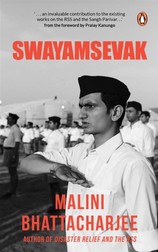
Swayamsevak
In September 2025, the Rashtriya Swayamsevak Sangh (RSS) completed a hundred years. Founded in 1925 by Dr Keshav Baliram Hedgewar with a small group of handpicked young men, the Sangh sought to reinvigorate Hindu society through sangathan (organization) and seva (service). What sustains the RSS…
-

Chapter in a Book
Marginalisation & Livelihood Dispossession: What Eludes Odisha?
Natural resources, which are considered free goods in mainstream economics, are subject to appropriation and exploitation for larger economic gains and have been a problematic area. It has been contested historically. Some of the policies of appropriations, while showing the ‘power’ of certain actors, are…
-

Chapter in a Book
Taking Geography Seriously: Exploring Spatial Heterogeneity in Determining Childhood Malnutrition in Rural Maharashtra
Childhood malnutrition is a significant challenge for India. Literature exploring the determinants of malnutrition has emphasised the importance of the local context. Malnutrition is an outcome of the various socio-economic forces that are entwined in local specificities. This makes it very important to keep the…
- Pachar, S., Sriram, V., Keshri, V. R., & Mishra, A. (2025). #RollBackRTH: Tactics, strategies and framing in the Right to Health Care Act 2022 debate in Rajasthan, India. Global Public Health, 20(1), 2597619. https://doi.org/10.1080/17441692.2025.2597619
- Sengupta, A., Anand, S., & Radhakrishna, S. (2025). Behavioural flexibility in rhesus macaques (Macaca mulatta) in human-modified environments. International Journal of Primatology, 46(4), 932 – 954. https://doi.org/10.1007/s10764-025 – 00506‑1
- Bheemarasetti, S., De, A., Narayanan, R., Saboo, P., & Tamang, L. (2025). MGNREGA as a technological laboratory: Analysing wage payment delays as a result of two digital interventions. Indian Journal of Labour Economics, 68(2), 681 – 706. https://doi.org/10.1007/s41027-024 – 00539‑9
- Prakash, A., & Yadav, I. S. (2026). Institutional quality and women’s employment: A global analysis of economic, demographic and urban influences. Comparative Economic Studies, 68, 13. https://doi.org/10.1057/s41294-026 – 00279‑3
- Banerjee, R., Gangadharan, L., Kumar, A., & Murali, S. (2026). Effect of social information on competition choice. Journal of Economic Behaviour & Organisation, 248,107591. https://doi.org/10.1016/j.jebo.2026.107591
- Venkatachalam, R., Diviya, & Kumar, S. M. (2026). Against standardisation: Reflections on decolonisation, logic and economics. New Mathematics and Natural Computation, 22(4), 1161 – 1188. https://doi.org/10.1142/S1793005726500626
- Kumar, S., & Tannen, N. (2026). Legislating for (in)justice? Draft PESA legislation and civil society in Jharkhand. Economic and Political Weekly, 61(2), 17 – 19. https://doi.org/10.71279/epw.v61i02.45681
- Zietek, M., Miguel, A., Shi, H., Khusainov, I., Asmar, A. T., Ram, S., Wartel, M., Sueki, A., Schorb, M., Goulian, M., Collet, J.-F., Beck, M., Huang, K. C., & Typas, A. (2025). Bacterial cell widening alters periplasmic size and activates envelope stress responses. The EMBO Journal, 44(20), 5816 – 5833. https://doi.org/10.1038/s44318-025 – 00534‑w
Featured Faculty Stories
-
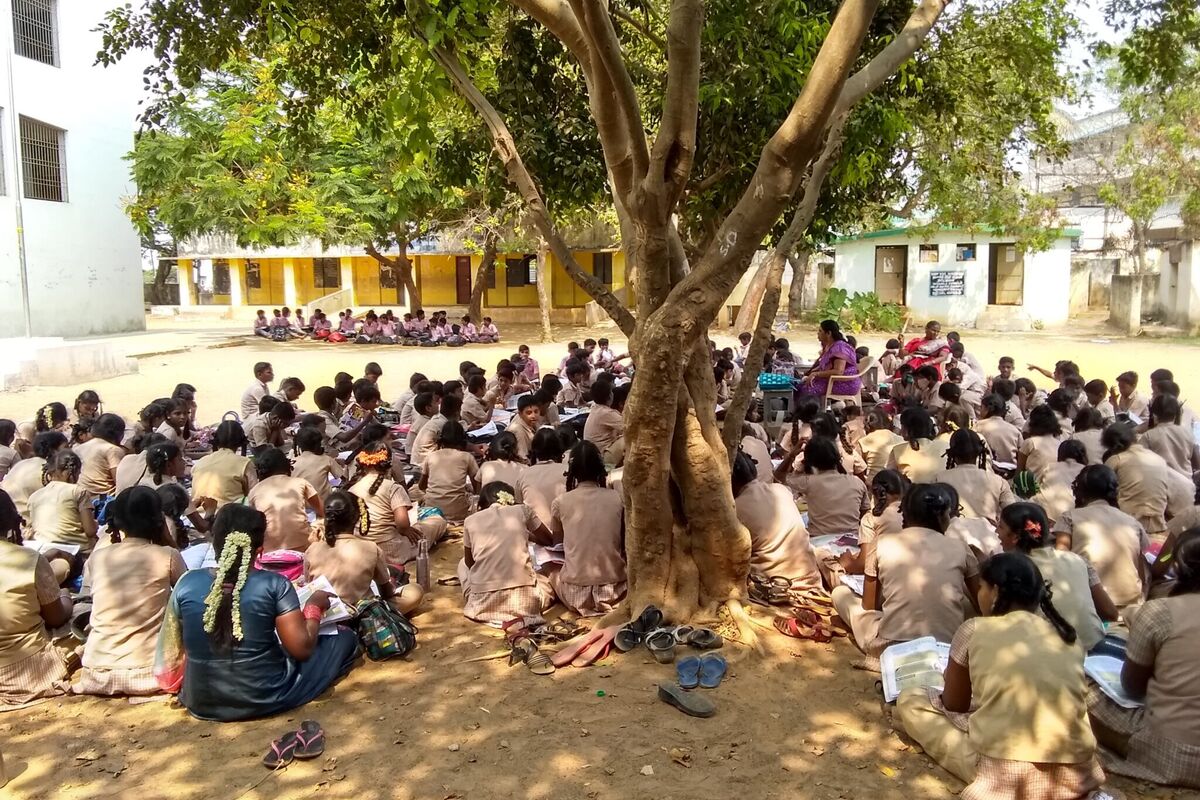

Making it Through an Overstretched Secondary School System
Miriam Thangaraj’s study reveals how systemic pressures and school-level decisions shape the daily realities of secondary schooling in marginalised (Adi Dravida) youth.
-
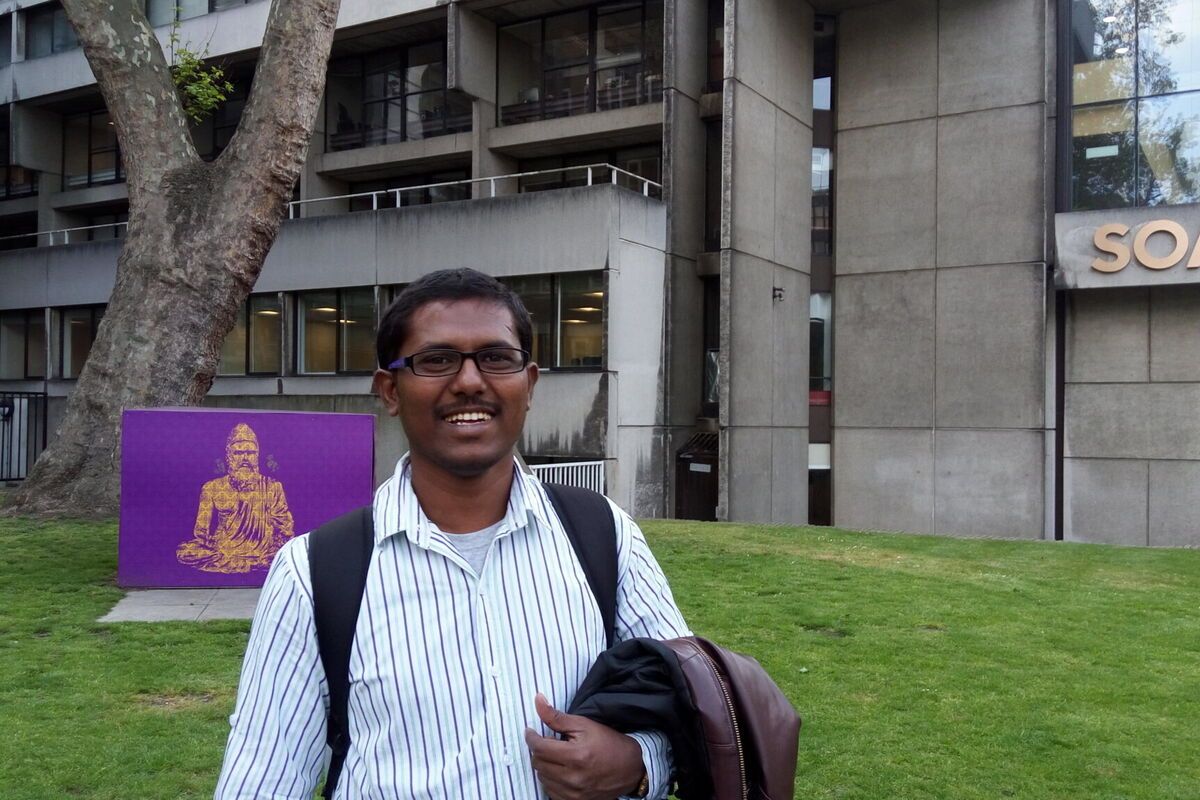
Piecing Together a Forgotten Part of Rayalaseema’s History
Chakali Chandra Sekhar is recovering the overlooked history of Dalit Protestant Christianity in Rayalaseema through archival research and oral traditions
-
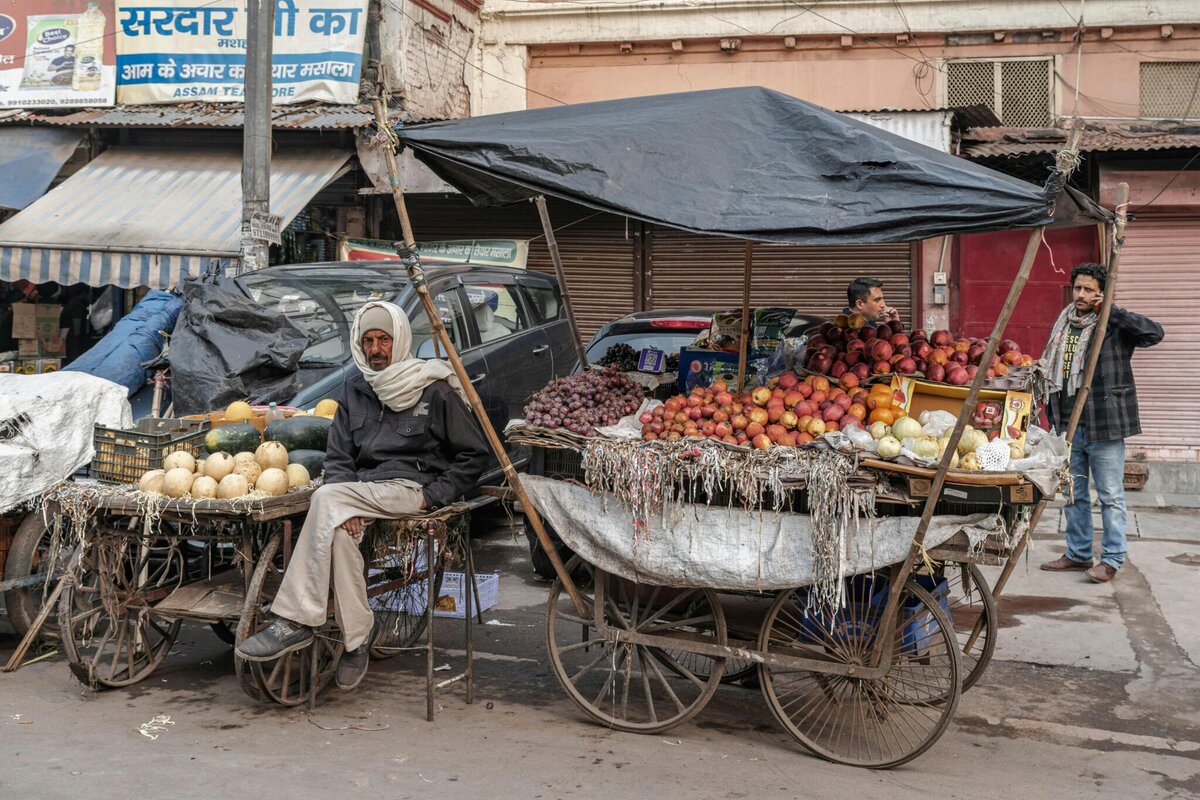
Revisiting India’s Street Vendors Act 12 Years Later
The gap between the promise of the Street Vendors Act, 2014 and the everyday realities of vendors is a key focus area for Annapurna Neti, Puja Guha, and Rajesh Joseph, writes Meryl Garcia.
-
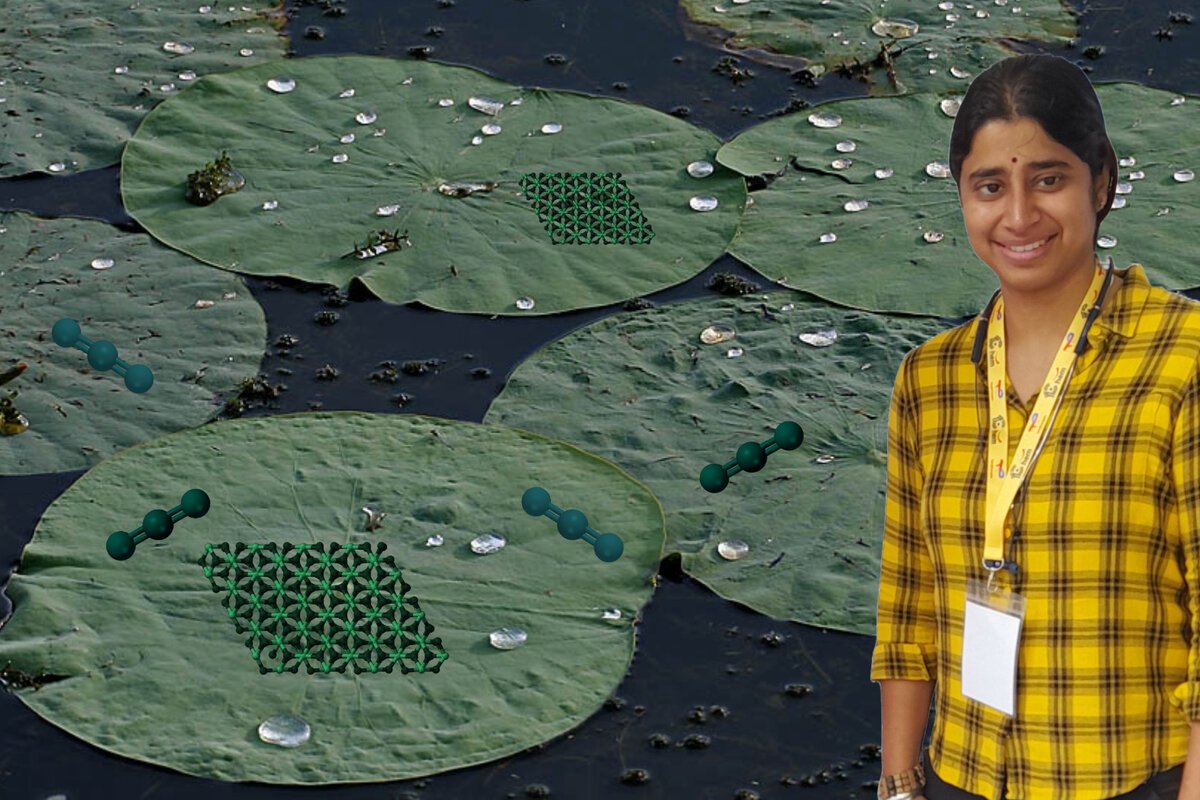
Chemistry vs Carbon dioxide: Challenges in a Catalytic World
Aditi Chandrasekar deploys her computational skills to tackle a familiar problem in catalytic chemistry— getting carbon dioxide to react.
-

How pop-science got us closer to solving a big solar mystery
Murthy O V S N and Piyali Chatterjee on how a young girl’s observation sparked off an unusual discovery around spicules — jets of plasma ejected from the sun’s surface
-
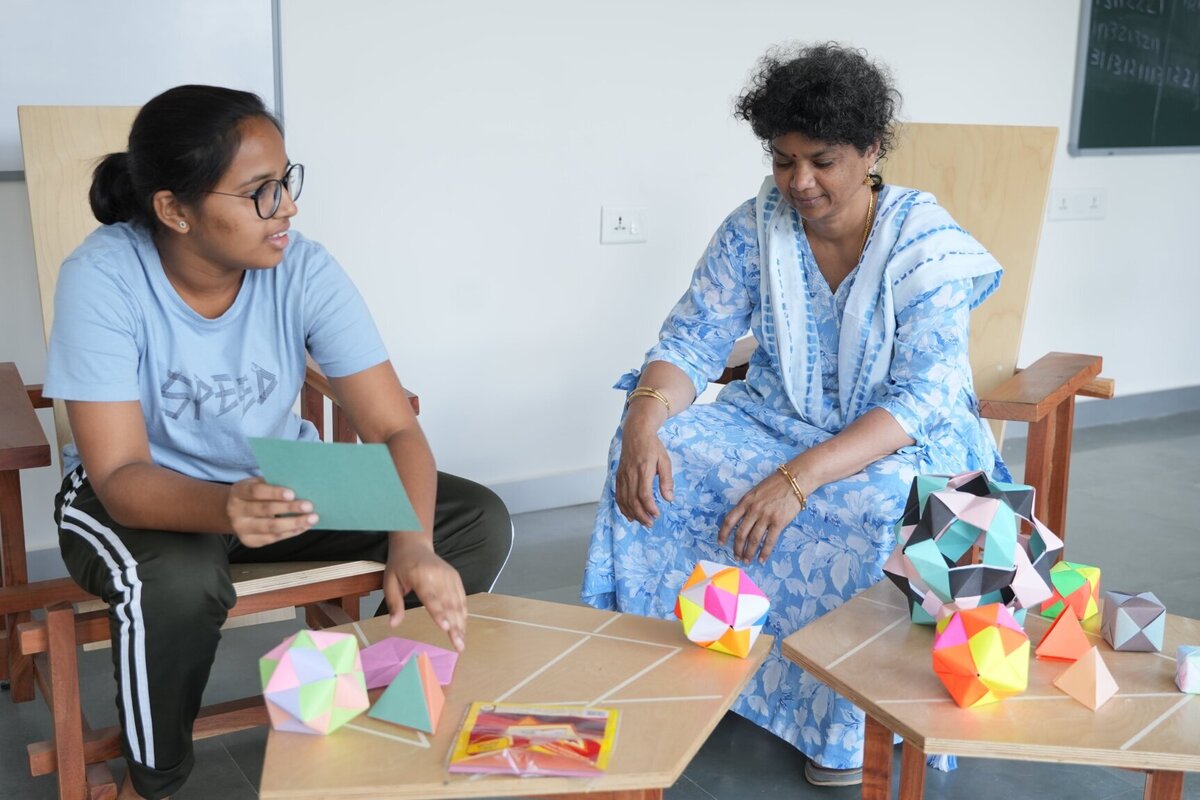
Forget Me Knot: A Mathematician’s Lasting Tryst with Knot Theory
Forty years since the discovery of the Jones Polynomial, Shantha Bhushan reflects on her enduring relationship with knots and braids.