
Women’s postpartum challenges and their coping strategies in rural India
Kanchan Patole shares insights from 15 in-depth interviews conducted as part of field practice in Dhuma block, Seoni district, Madhya Pradesh.
Details
Postpartum, the period from childbirth to 42 days post it, is crucial for both mother and child. After childbirth, with the attention shifting to the child, it often leaves the mothers feeling neglected. The existing literature around postpartum period primarily uses a biomedical lens, overlooking the socio-cultural and health service accessibility that shape the health experiences among mothers.
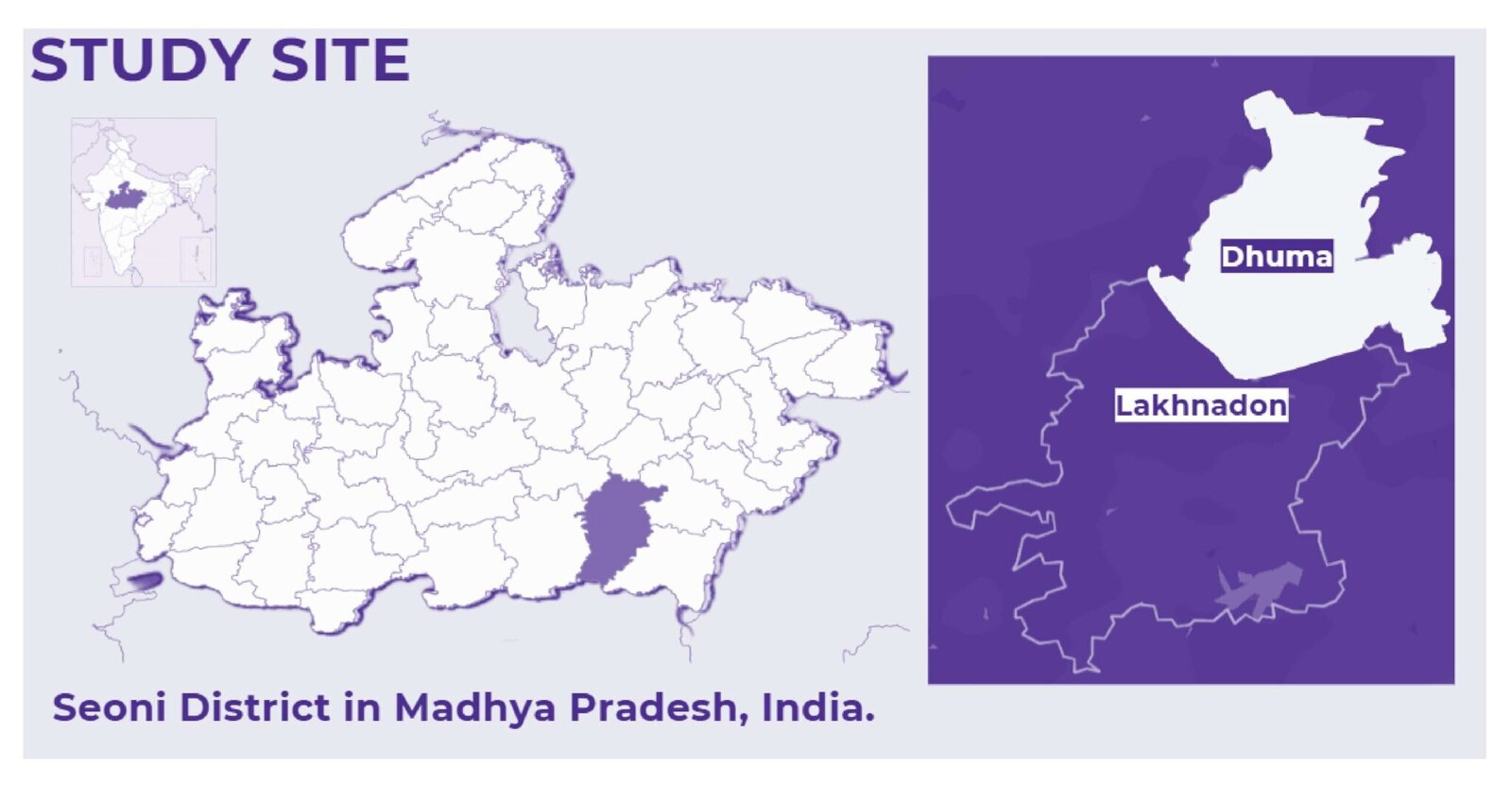
It is critical to study the experiences associated with the postpartum period among women living in the rural areas as their health vulnerabilities are far more complex due to the local dynamics, a strong cultural hold and norms that influence their experiences and agency. Dhuma block in Seoni district of Madhya Pradesh was selected to study the challenges, cultural norms, support mechanisms and coping strategies employed by women in the postpartum period.
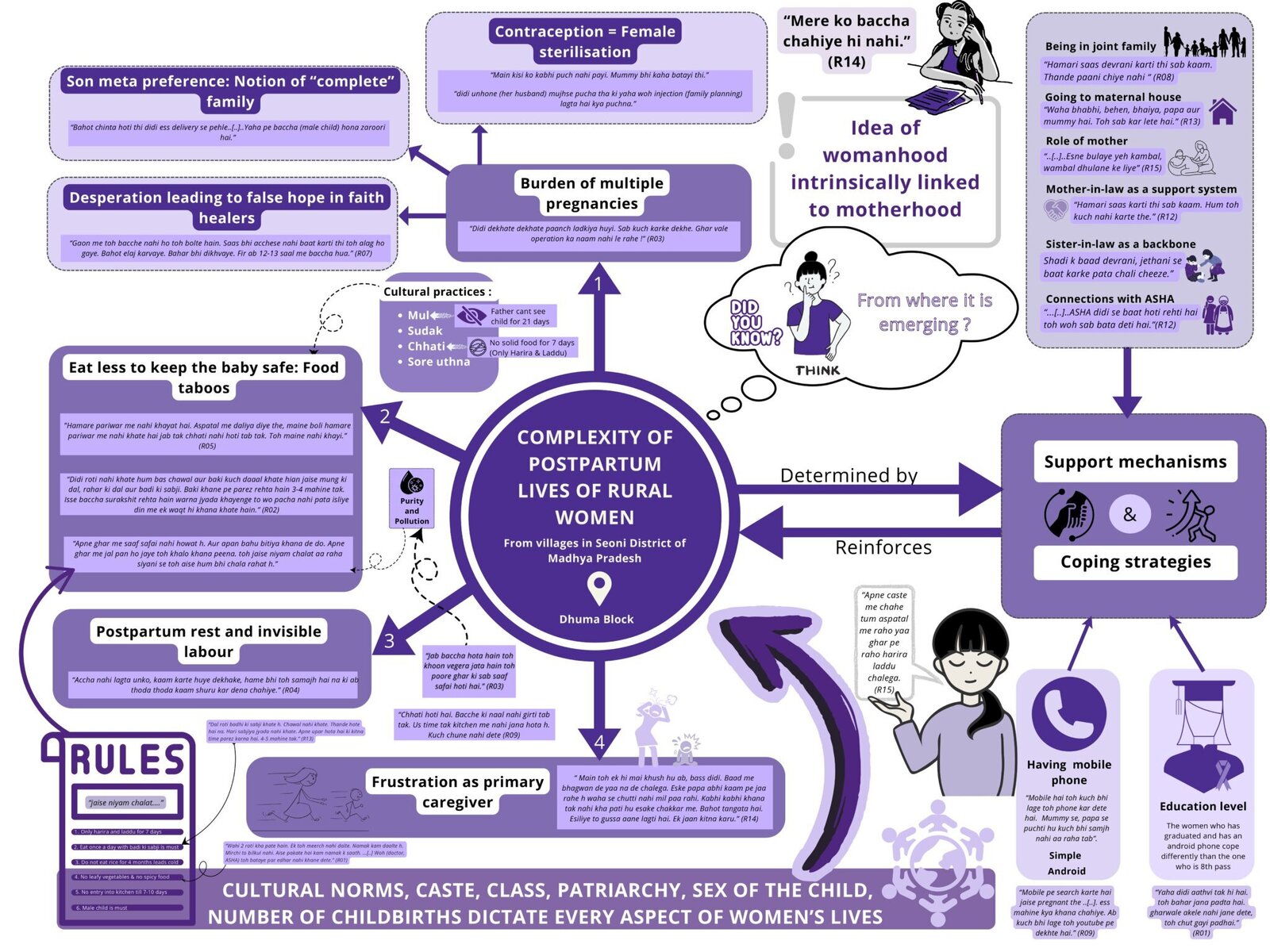
The findings reveal the complexities of the postpartum lives of women, where sex of the newborn significantly influences the postpartum care that they receive.
15 in-depth interviews were conducted with women belonging to different castes and educational backgrounds on Village Health and Nutrition Day and during home-based newborn care visits. The findings reveal the complexities of the postpartum lives of the women where sex of the newborn significantly influences the postpartum care and rest. Women with male newborn experience increased confidence, improved household relationships, as compared to women with female newborns. A respondent said, “Bahot chinta hoti thi didi is delivery se pehle, yaha pe baccha hona zaruri hai.” [I was immensely worried before giving birth to my child. Here, having a male child is important].
The desperation to have a male child is such that families move towards faith healers, adding to the complexity. Women end up with multiple pregnancies, with dominating in-laws around.
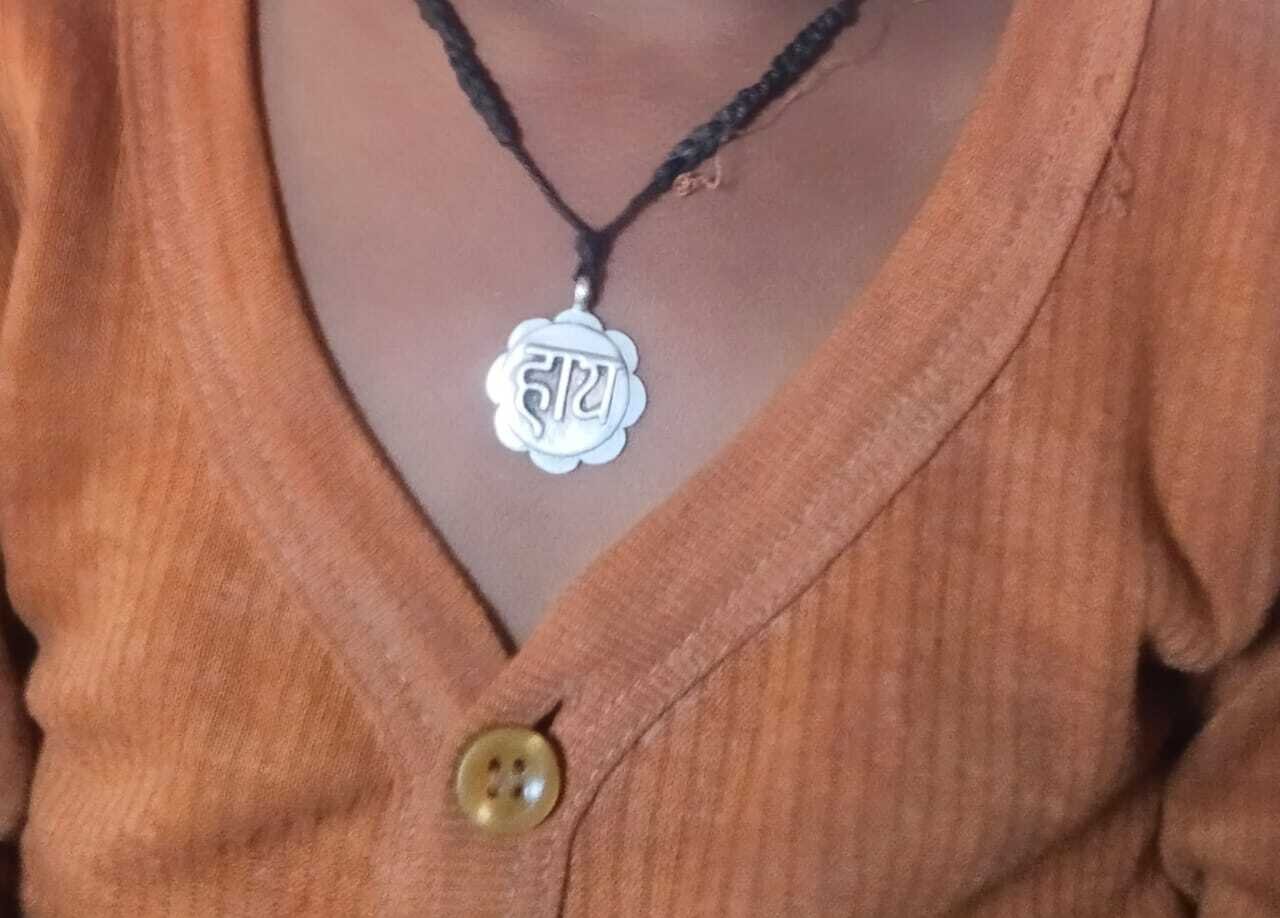
Some girl children are made to wear amulets around their necks, believed to protect them from illnesses. Image credits: Kanchan Patole
“Gaon me toh bacche nahi ho toh bolte hain. Saas bhi acchese nahi baat karti thi toh alag ho gaye. Bahot elaj karvaye. Bahar bhi dikhvaye. Fir ab 12 – 13 saal me baccha hua,” [People talk in our village if there is no baby. My mother-in-law did not talk to me properly so we started living separately. I underwent a lot of treatments. We also went outside our village for treatment. 12 – 13 years later, now I have a baby], said a respondent.
Cultural practices like Chhati (where women are not allowed inside the kitchen as they are considered ‘impure’ until the newborn’s naal (umbilical cord) doesn’t fall off , further complicate the mother’s recovery, which restricts food intake for seven days to anything except jaggery laddu and harira.
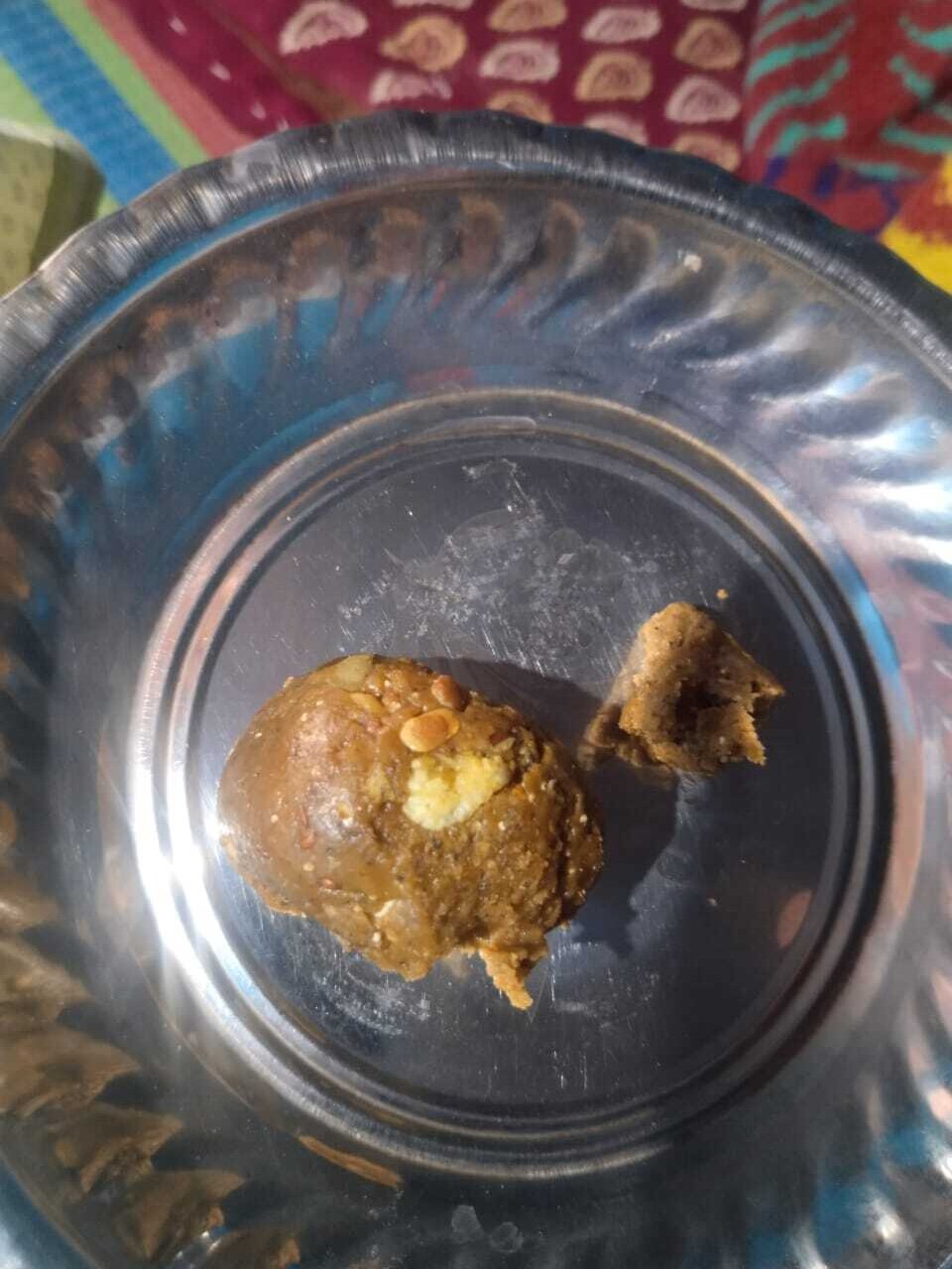
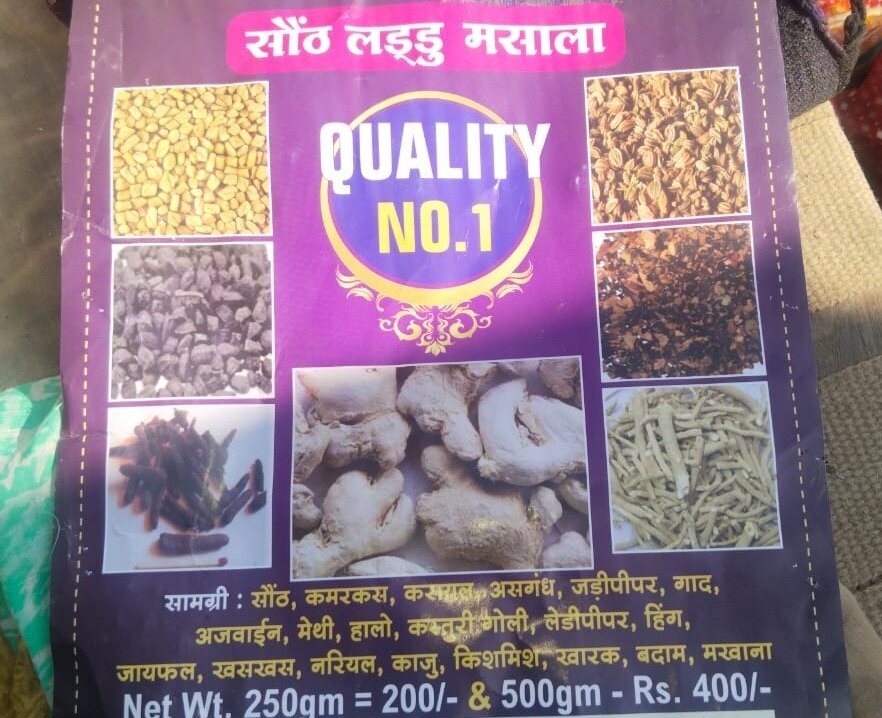
Women, except those who undergo a c‑section, are given gud ke laddu (jaggery sweets) (left) during the chhati period and after. Nowadays, families buy readymade ingredient mixtures from grocery stores to prepare these. The ingredients are listed on the package (right). Image credits: Kanchan Patole
Joint family structures, support and timely information from ASHAs (Accredited Social Health Activists) — community health workers — and keeping in regular touch with the maternal family members turned out to be coping mechanisms for women in the postpartum stage.
While factors like caste, class and patriarchy shapes the postpartum experiences, the sex of the child emerged as the most significant determinant of maternal ease or distress, overriding other factors.
Poster presented by Kanchan to summarise her findings:
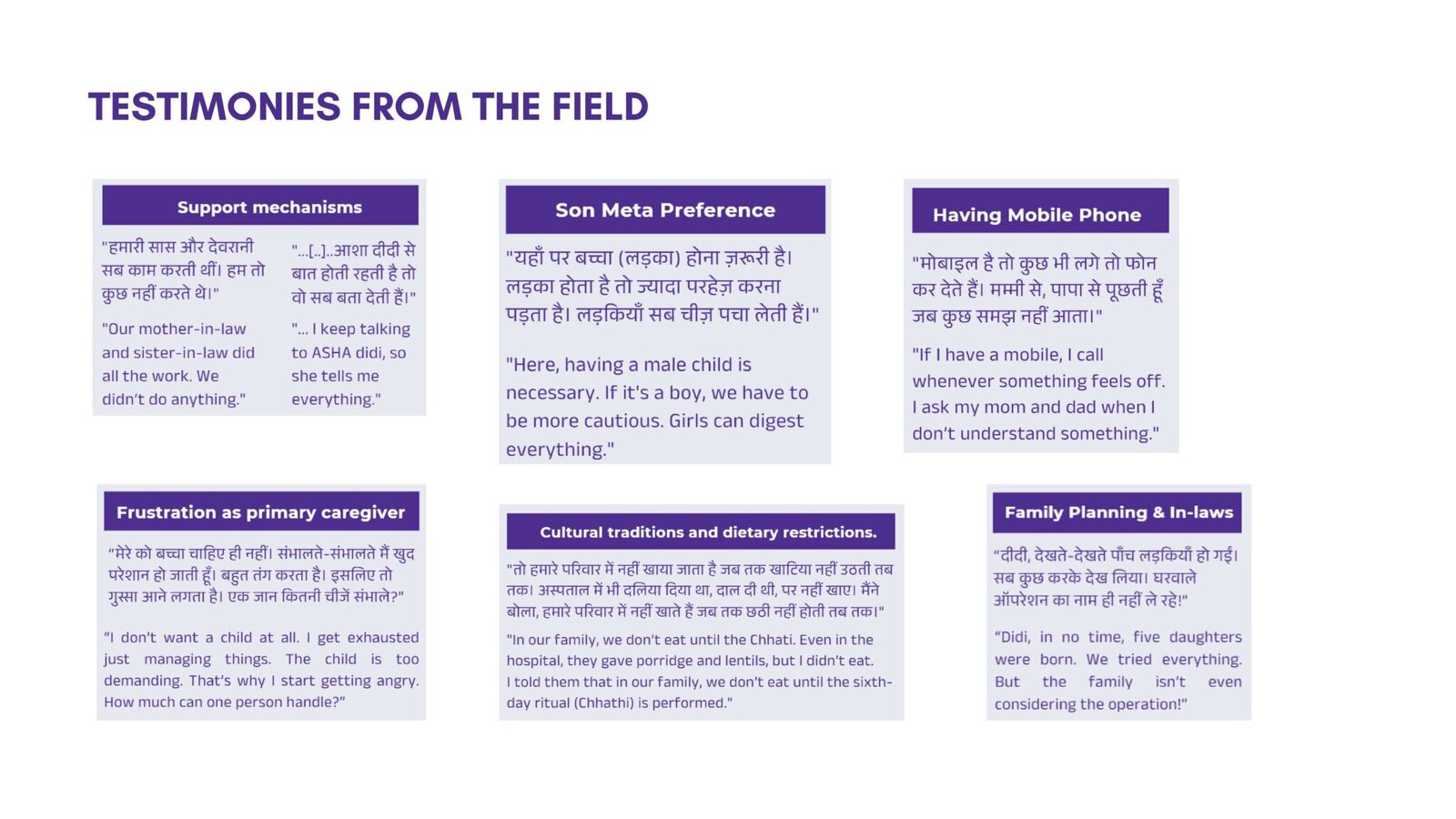
Data collection was facilitated by The Antara Foundation (TAF).
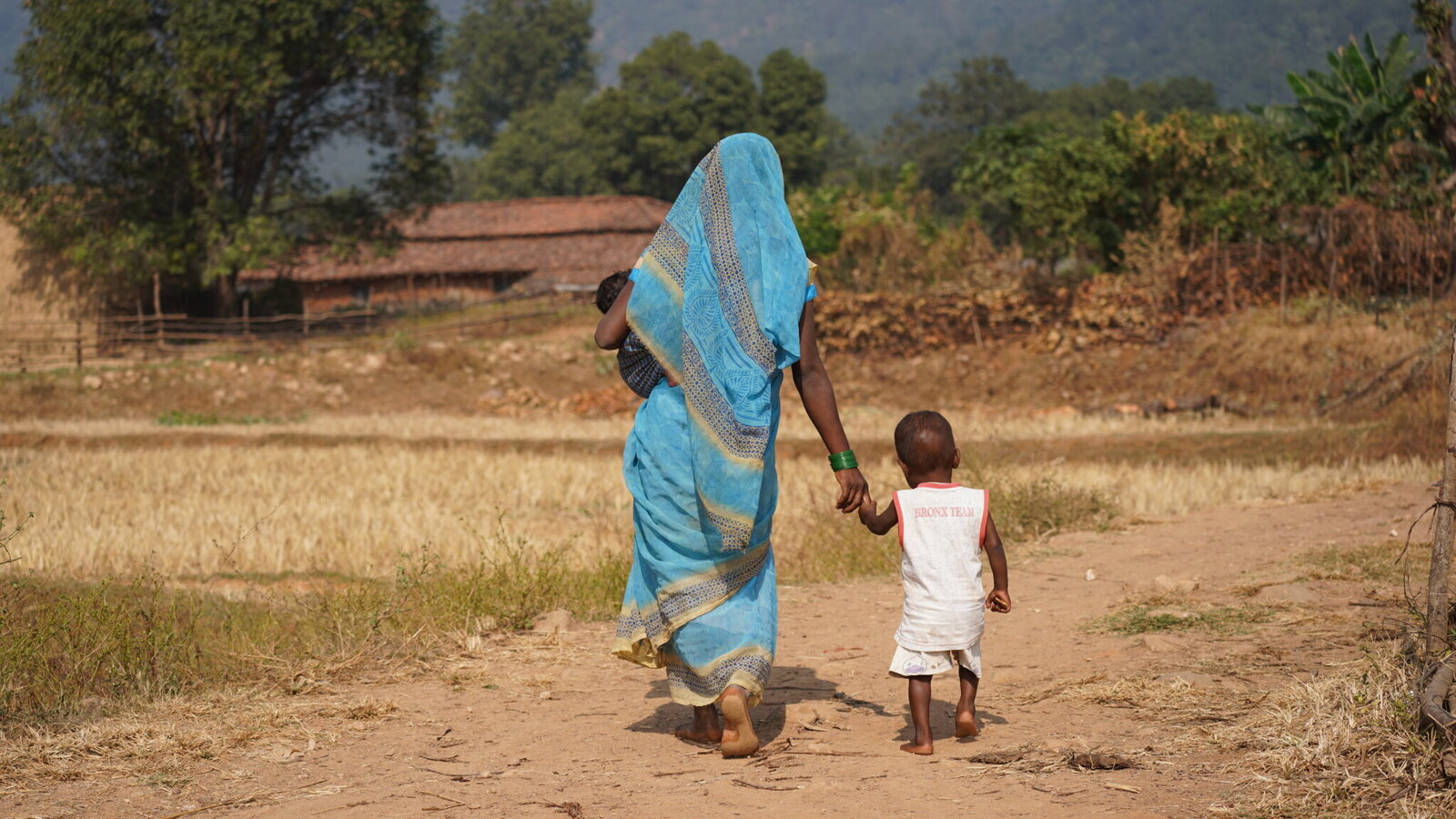
The first image in the story is for representational purpose only. Credit: Purusottam Thakur
About the researcher
Kanchan Patole is an MA in Development (2023−25) student at Azim Premji University.
Click to read more such articles here.