Biology Laboratories
Understanding life, shaping the future
Details
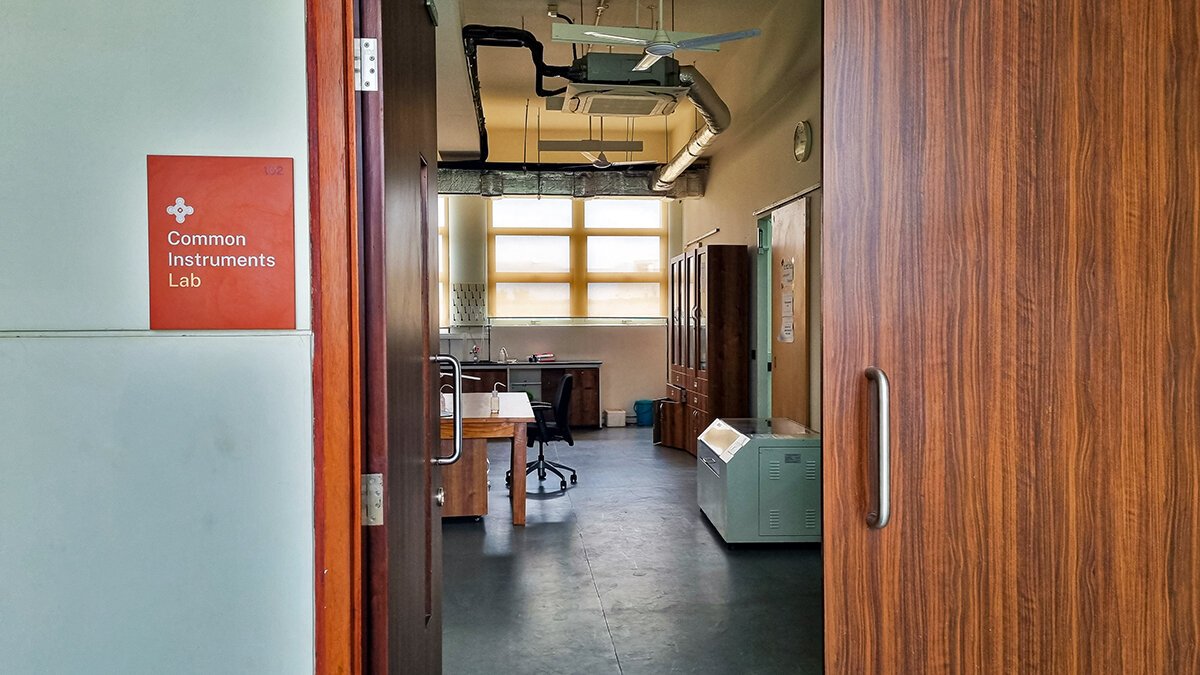
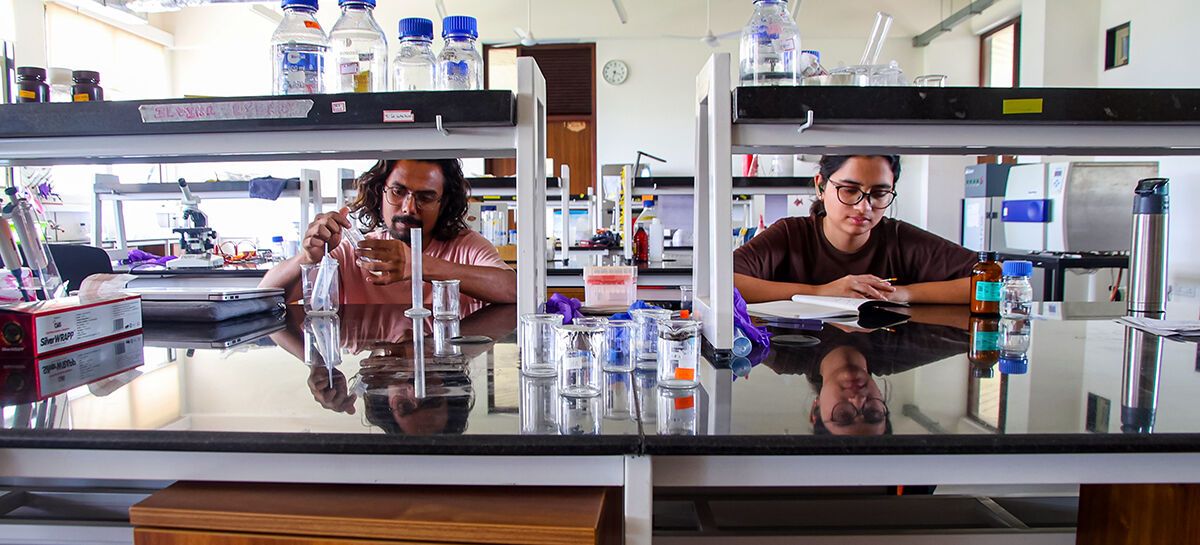
At Azim Premji University, we have five fully functional biology laboratories — three research labs and two teaching labs — that support an inclusive, collaborative atmosphere conducive for undergraduate learning. The research labs include a common instrumentation lab, an ecology lab and a molecular biology lab.
- 3 Research Labs
- 2 Teaching Labs
Highlights
- -80°C refrigerators for long term storage of tissues
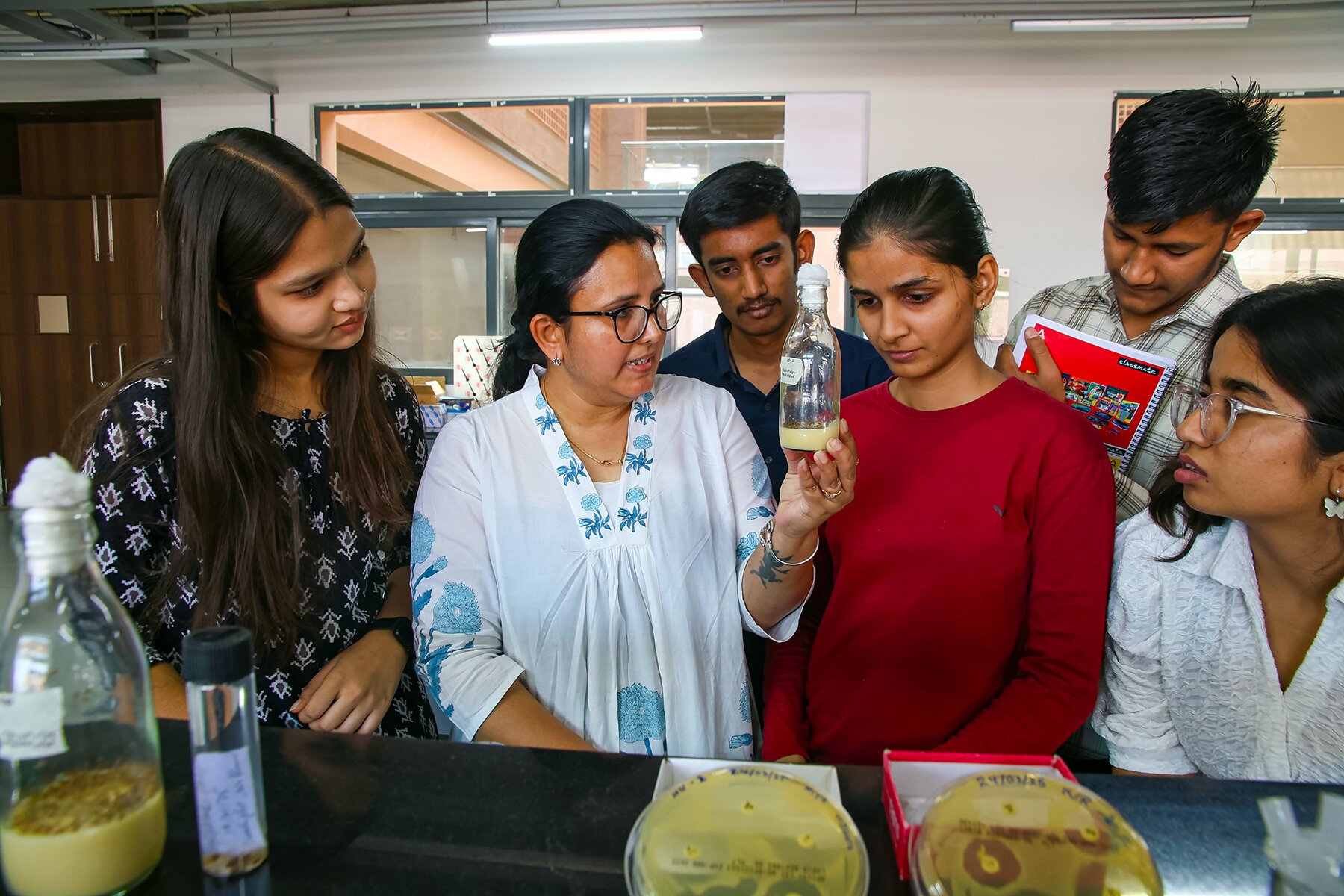
- Multiple temperature-controlled incubators to maintain the various lab model organisms like bacteria, C. elegans, Drosophila (fruit flies), hydra used for regular lab teaching and research
- Root scanner that helps access a plant’s capacity to reproduce, withstand draught
- High precision weighing machines up to 4 decimal places
- Fluorescent microscope which helps visualise cellular structures by labelling them with fluorescent dyes
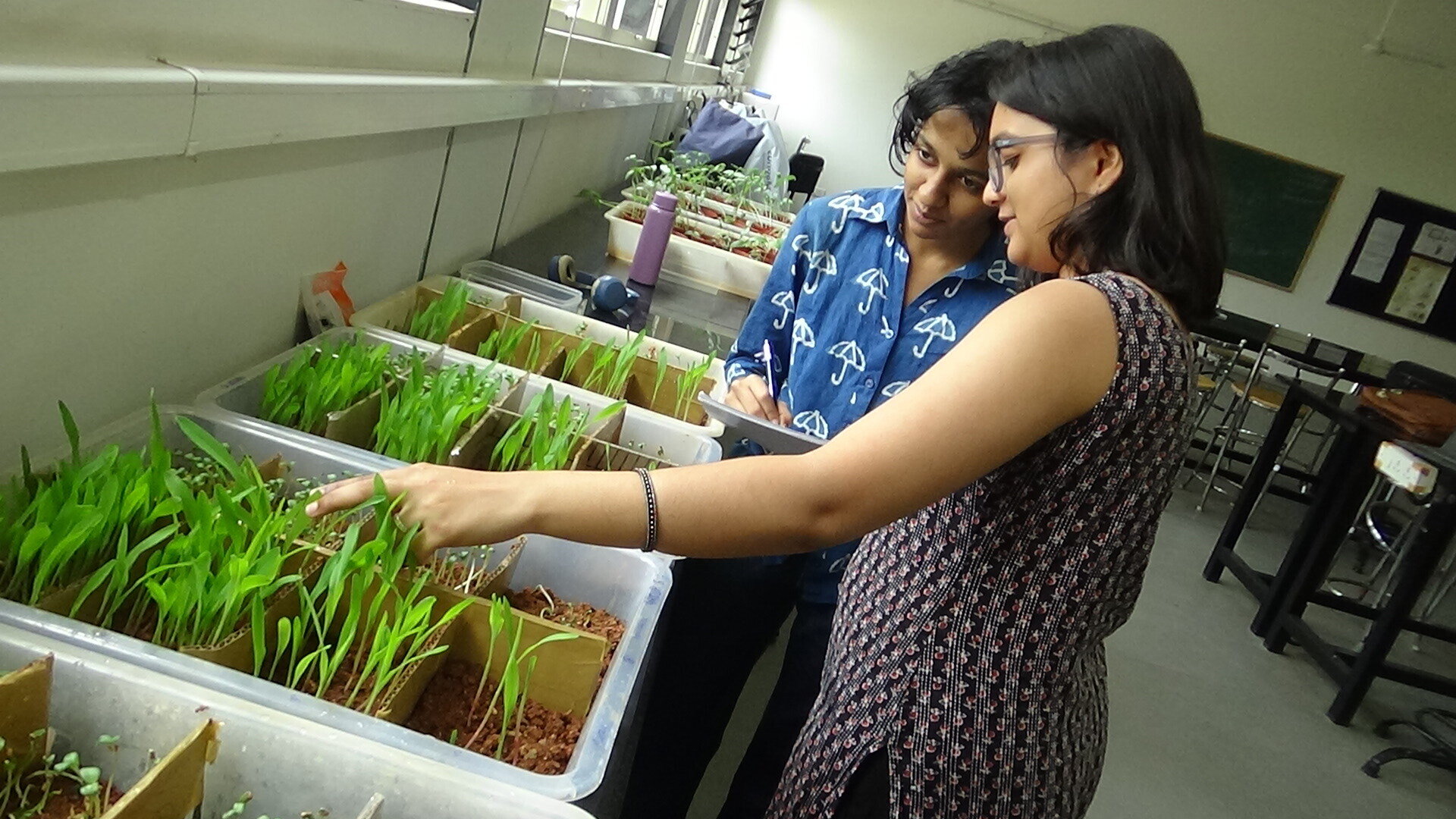
- Climate chambers to carry out plant growth experiments in controlled conditions
- Lab access through access cards to enable students to spend time in the labs post their lecture hours
- Peer learning where students support each other with learnings and other support to carry out research
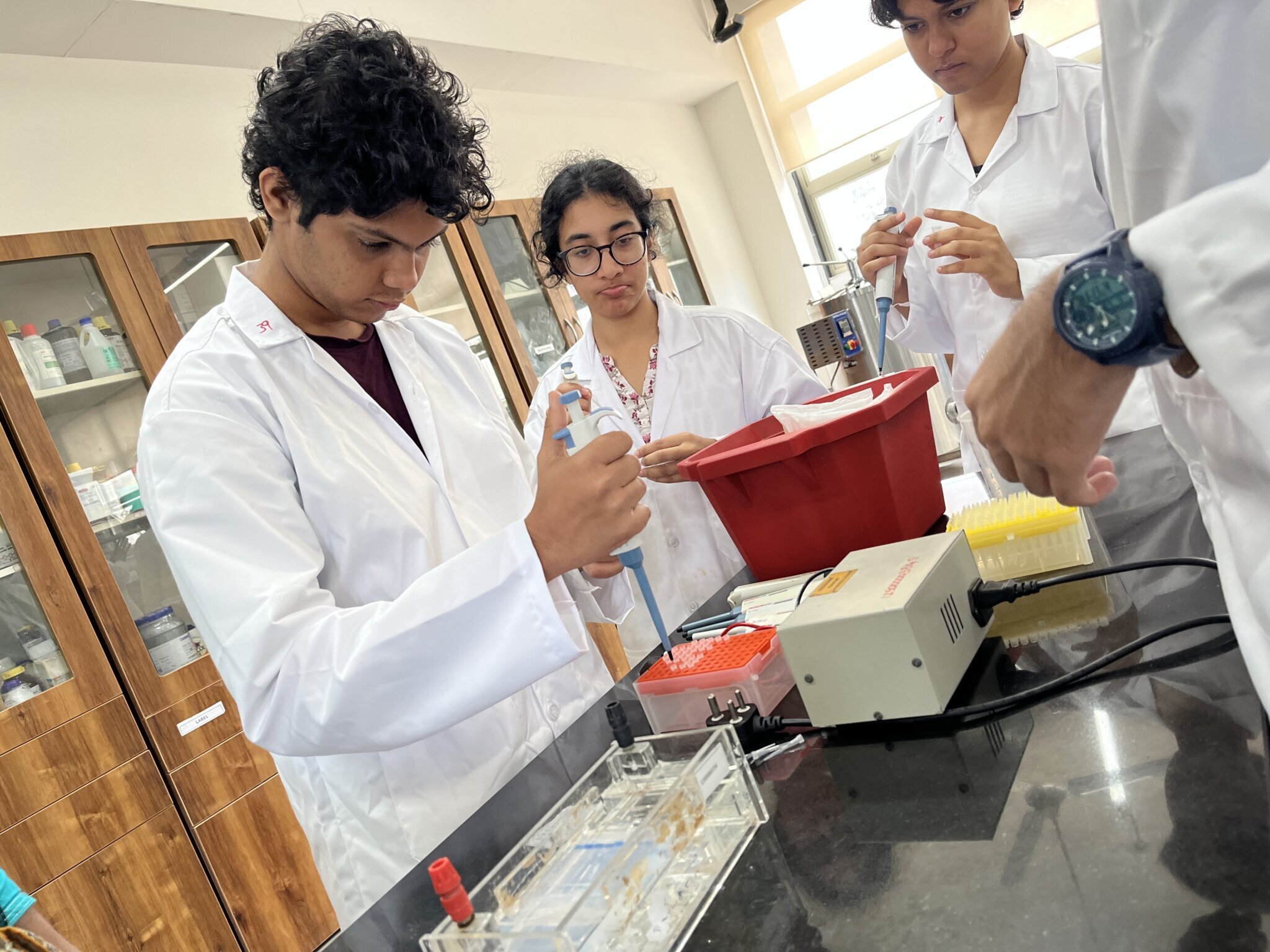
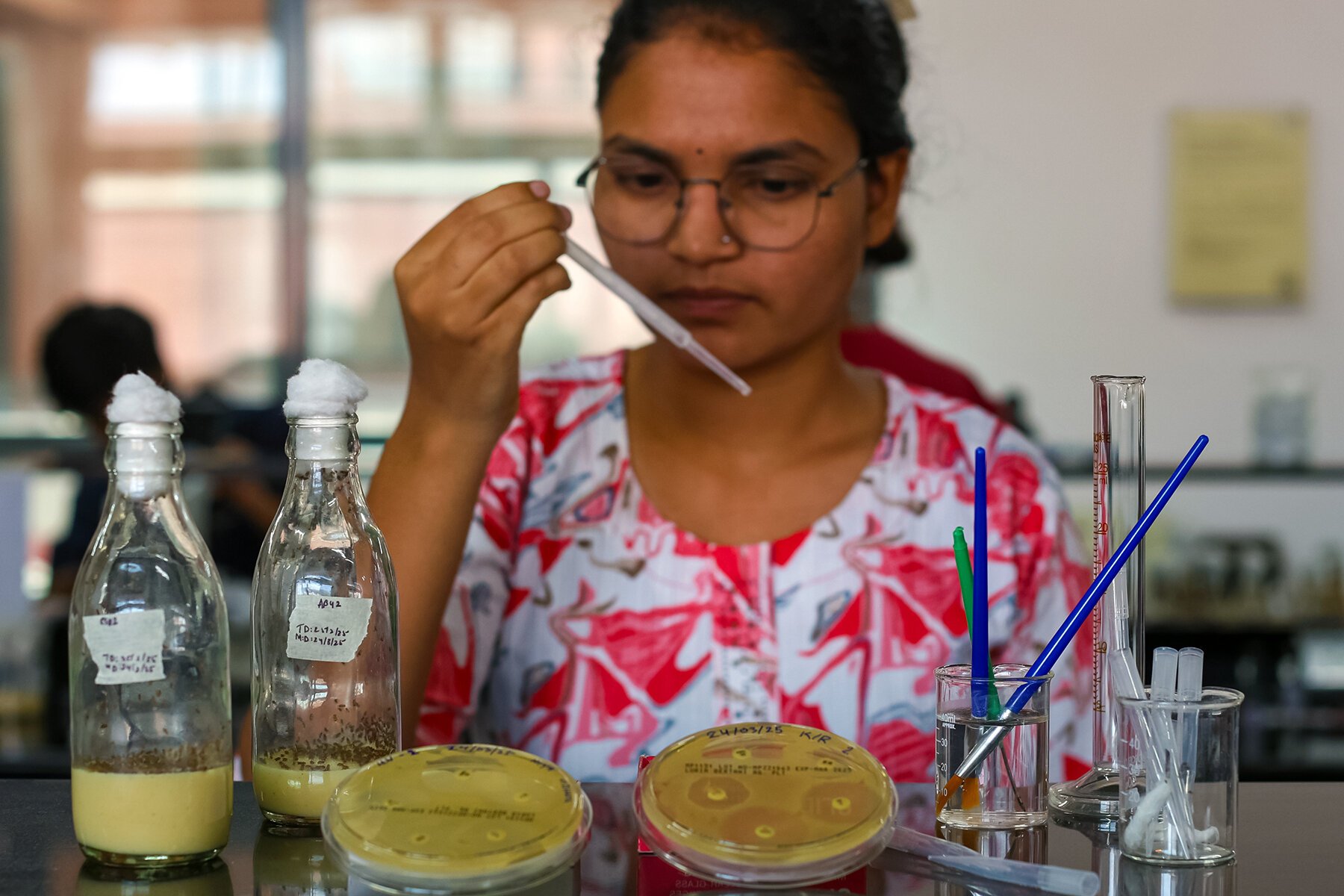
“One of the first skills I learned in lab class was the importance of precision in laboratory work. I was amazed by the precision and validity of pipettes, which can measure in micro-units. As a beginner, one may think that a small amount does not matter, but a slight change in small quantities can lead to a significant difference in the final results.”
Step in to understand the full spectrum of possibilities that the bio lab offers to an undergraduate student at the University.
Safety regulations
The labs have rigorous safety regulations in place to ascertain that the members working with certain dangerous materials are safeguarded.
Encouraging interdisciplinary research
True to the University’s culture, staff and students from other programmes, working on research projects are welcome to use the biology lab. This is to encourage interdisciplinary cooperation and the possibility to perform a range of research.
Greenhouse
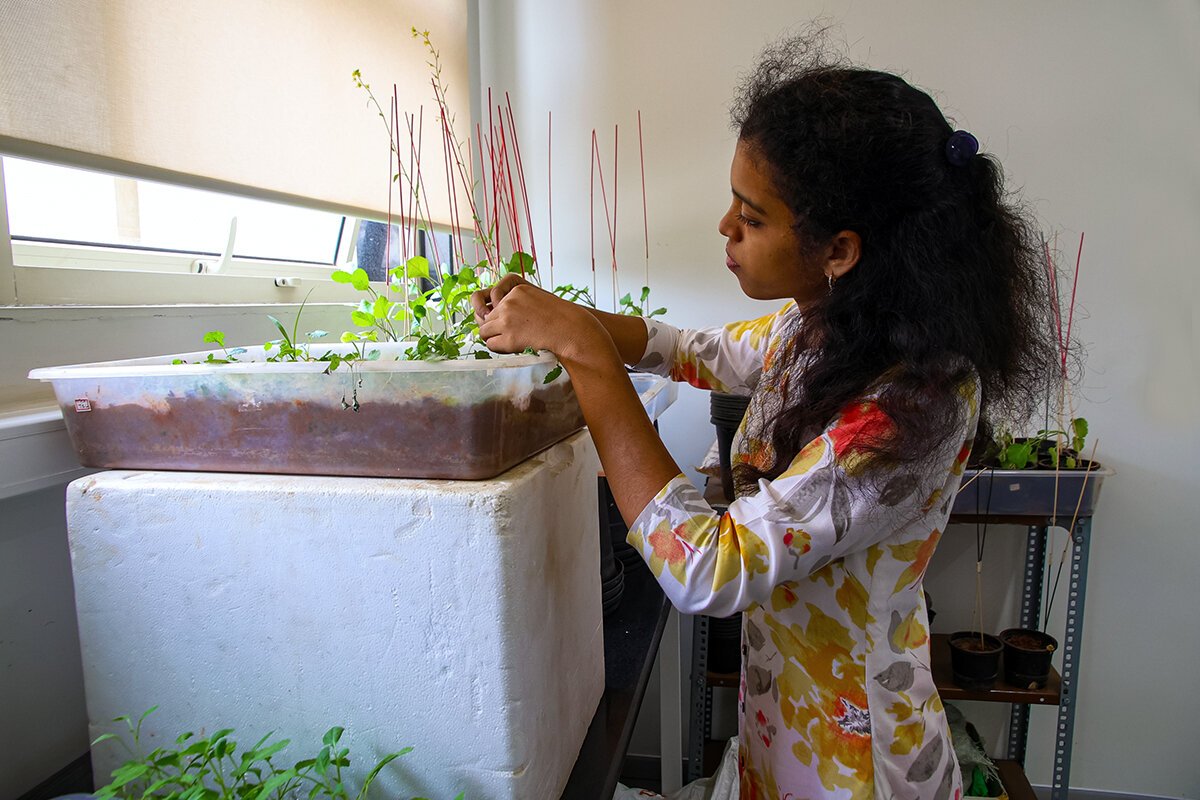
The biology team also has a greenhouse on campus in addition to lab space. Students can explore plant growth and development in this controlled environment. Many different kinds of plants, including those that are not local to the area, are grown in the greenhouse.
Lab courses
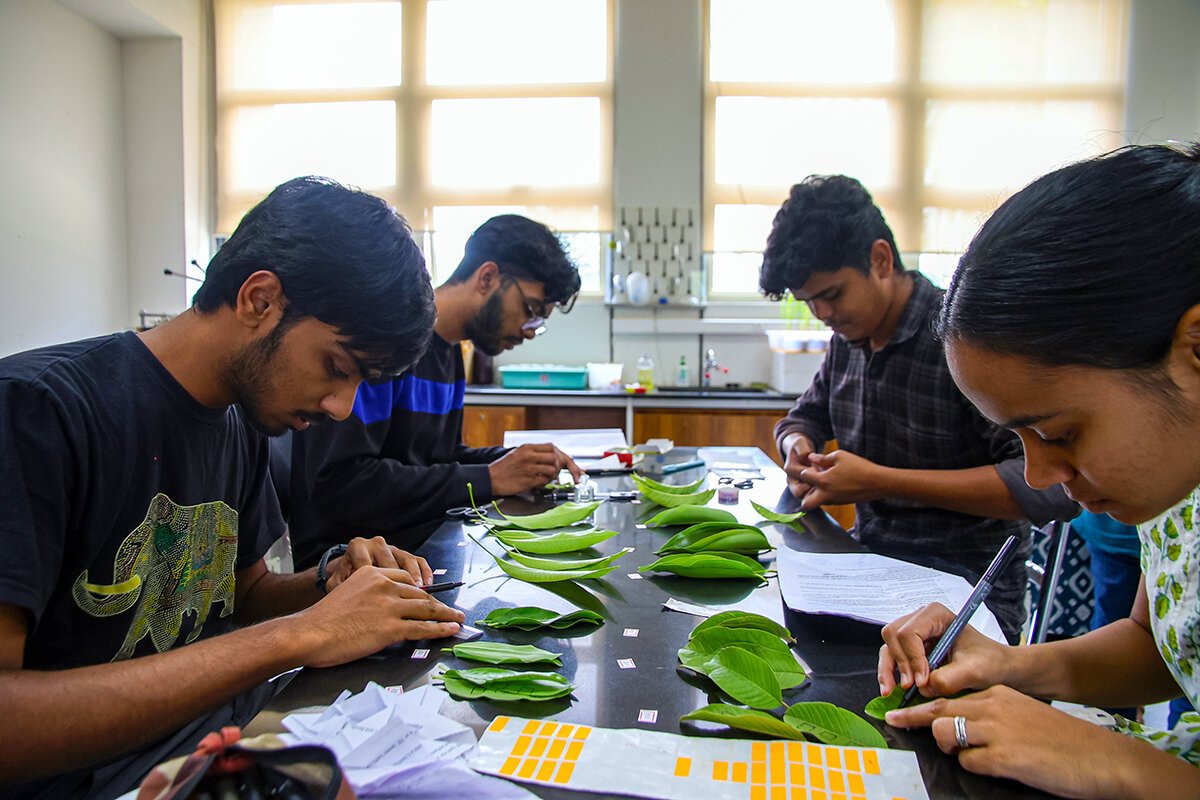
Our lab courses offer an immersive, hands-on approach to understanding the natural world, combining experimentation, fieldwork, and data analysis to build essential scientific skills.
- Exploring life through hands-on biology: From microbes to ecosystems
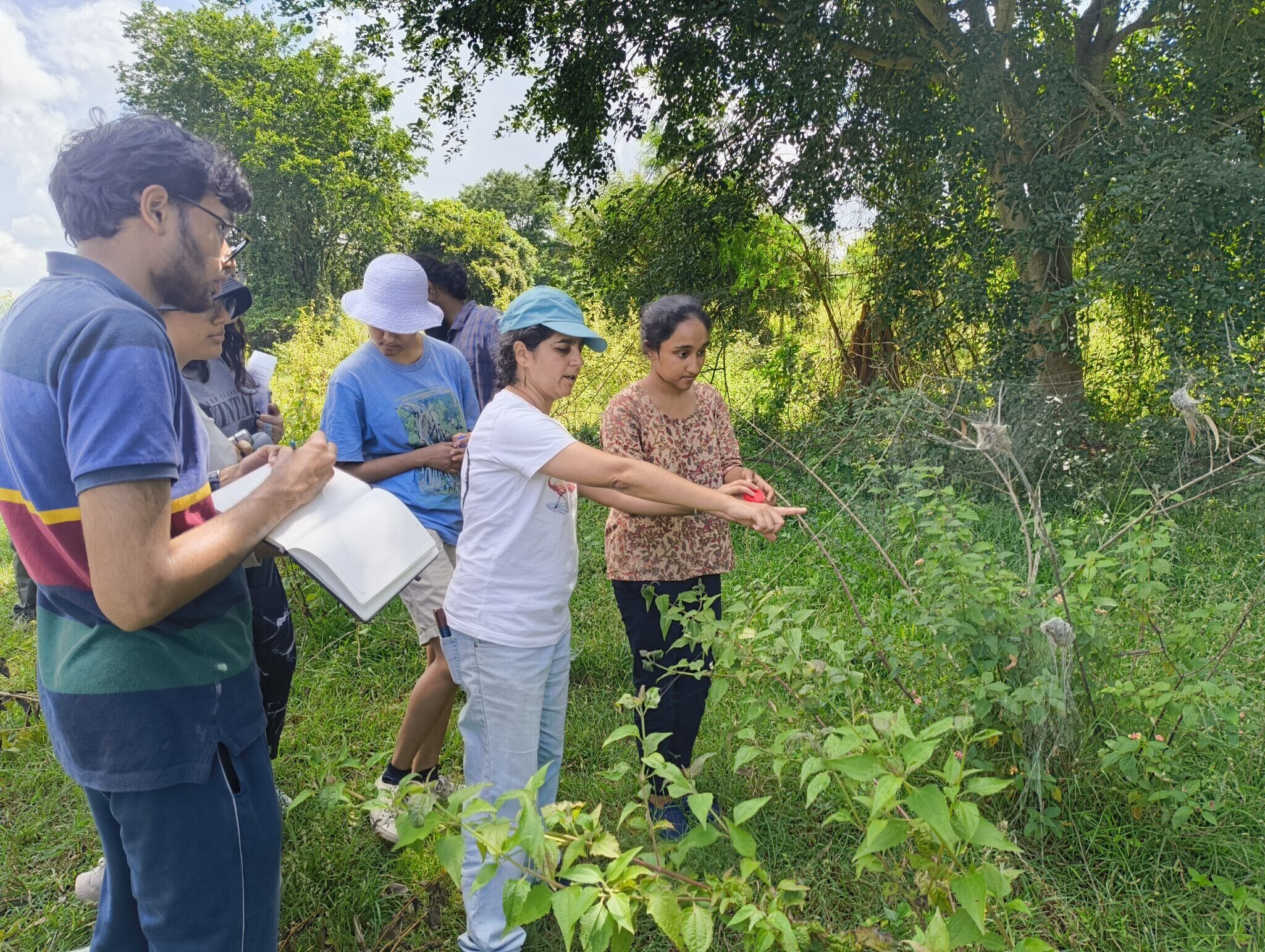
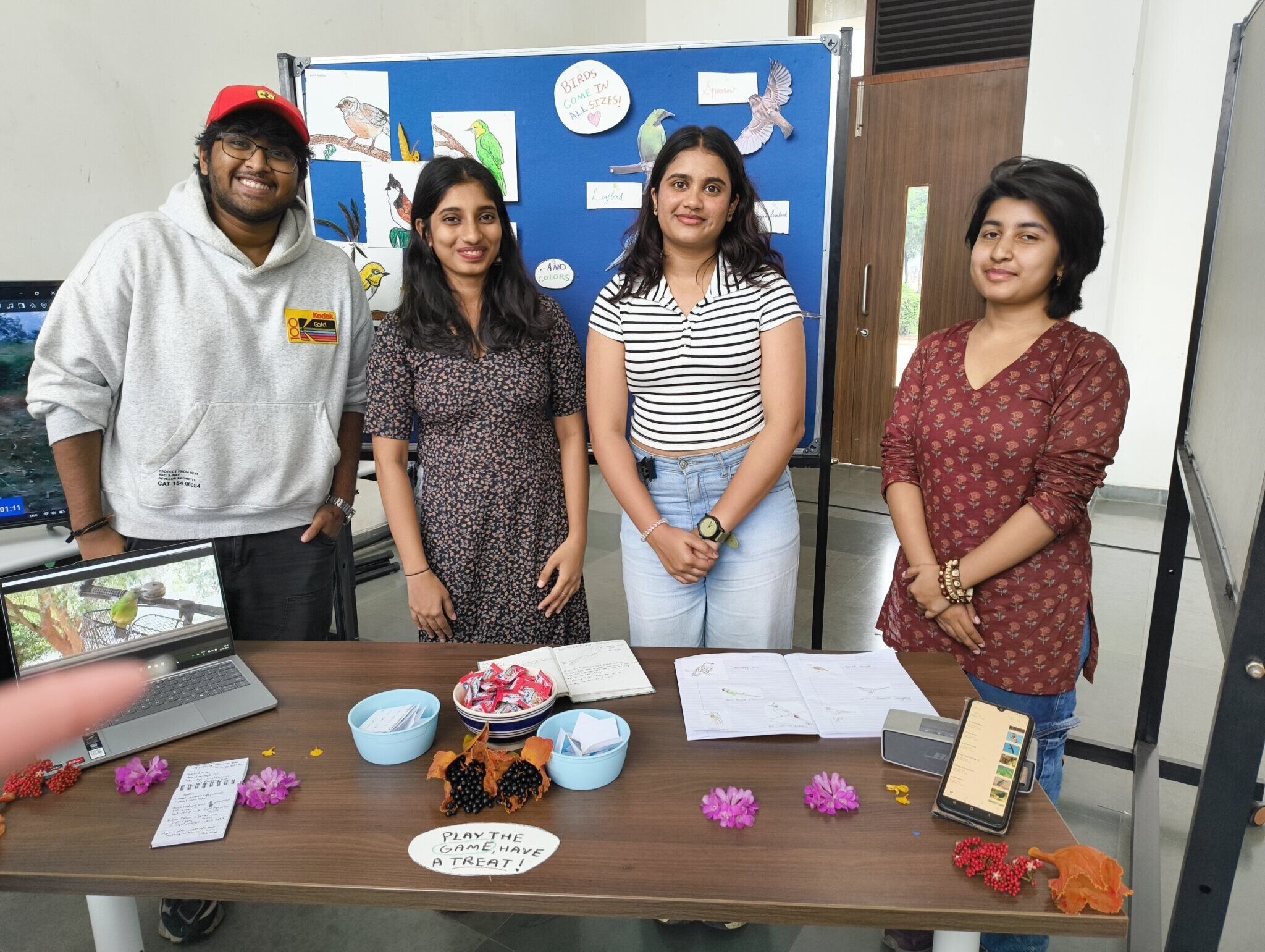
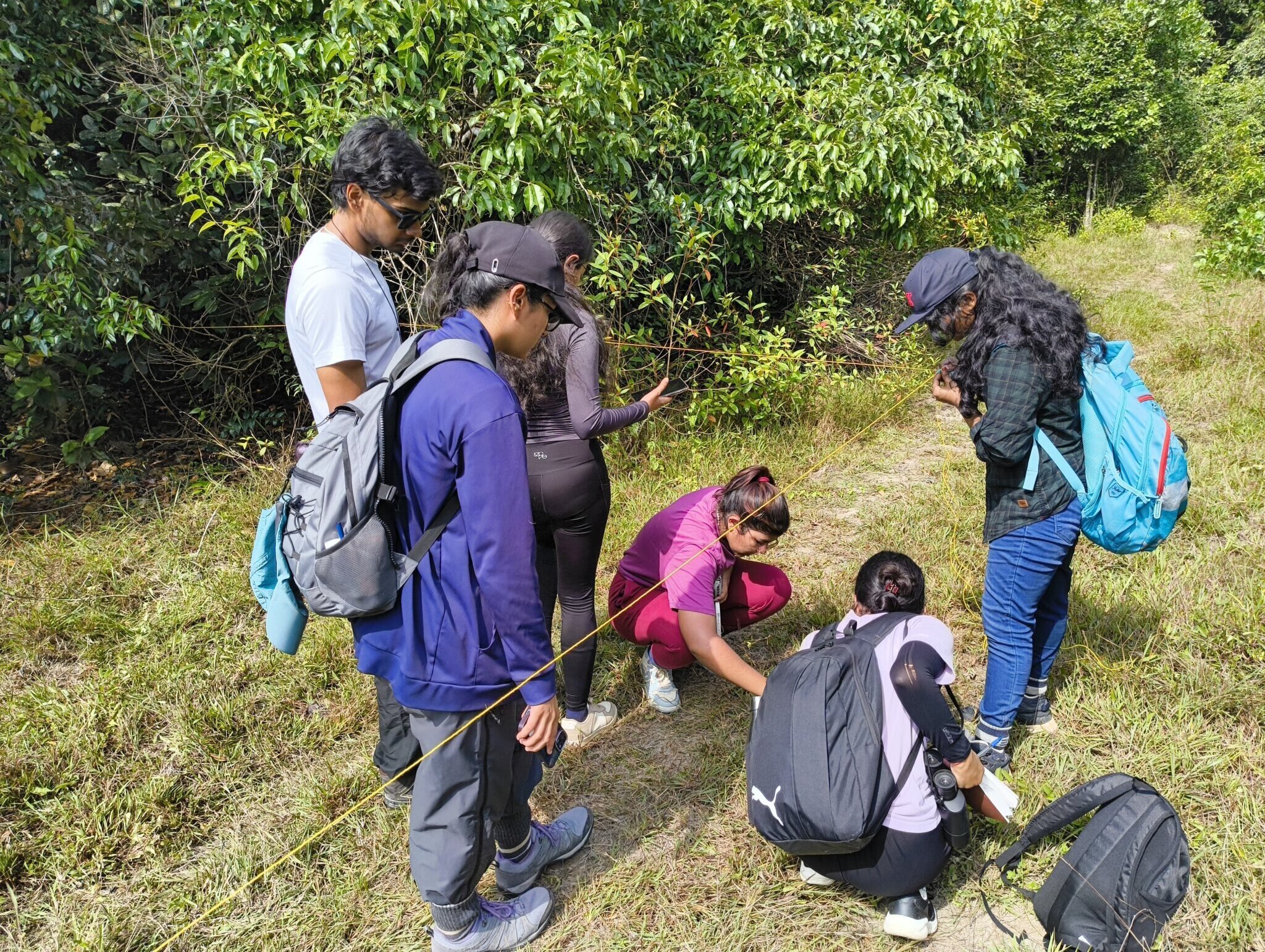
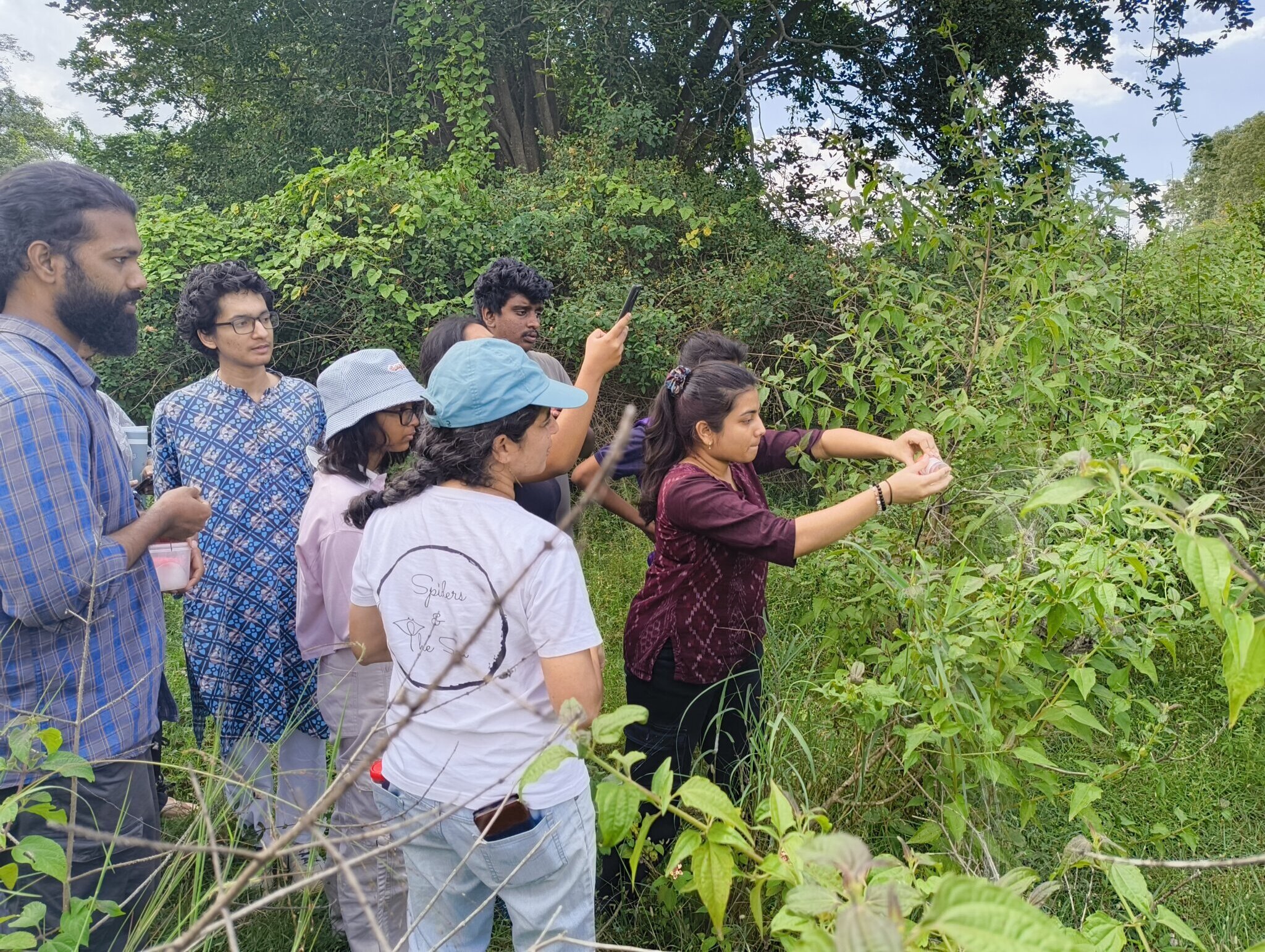
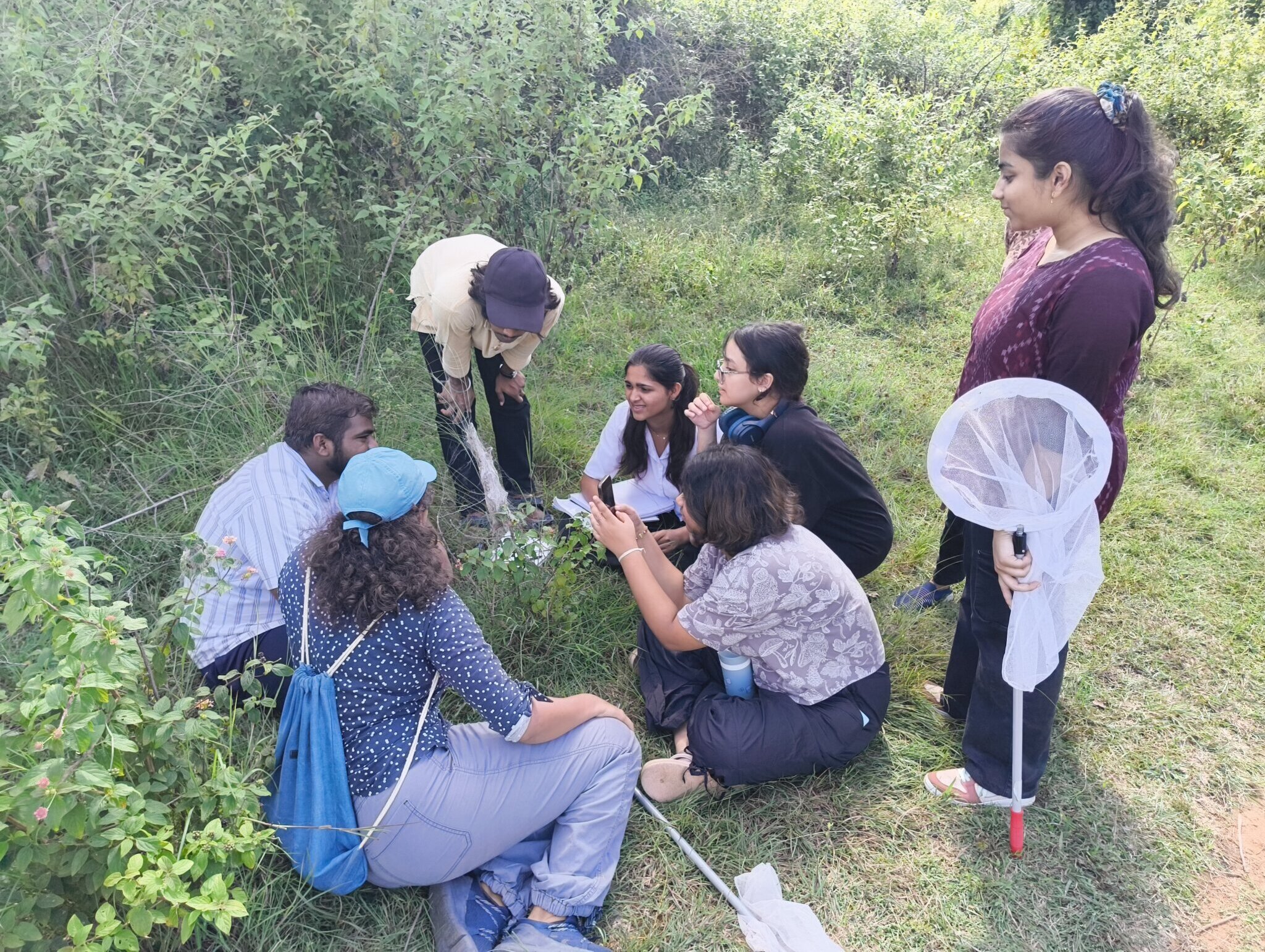
In What is Biology and Introduction to Organisms and Ecosystems, students engage in field-based ecological studies, observing insects and birds in their natural habitats and analysing their foraging behaviour, helping them cultivate a deep understanding of biodiversity, ecological interactions, and the role of organisms in sustaining ecosystems.
- Exploring life at the molecular level: Genetics, molecular biology and biochemistry
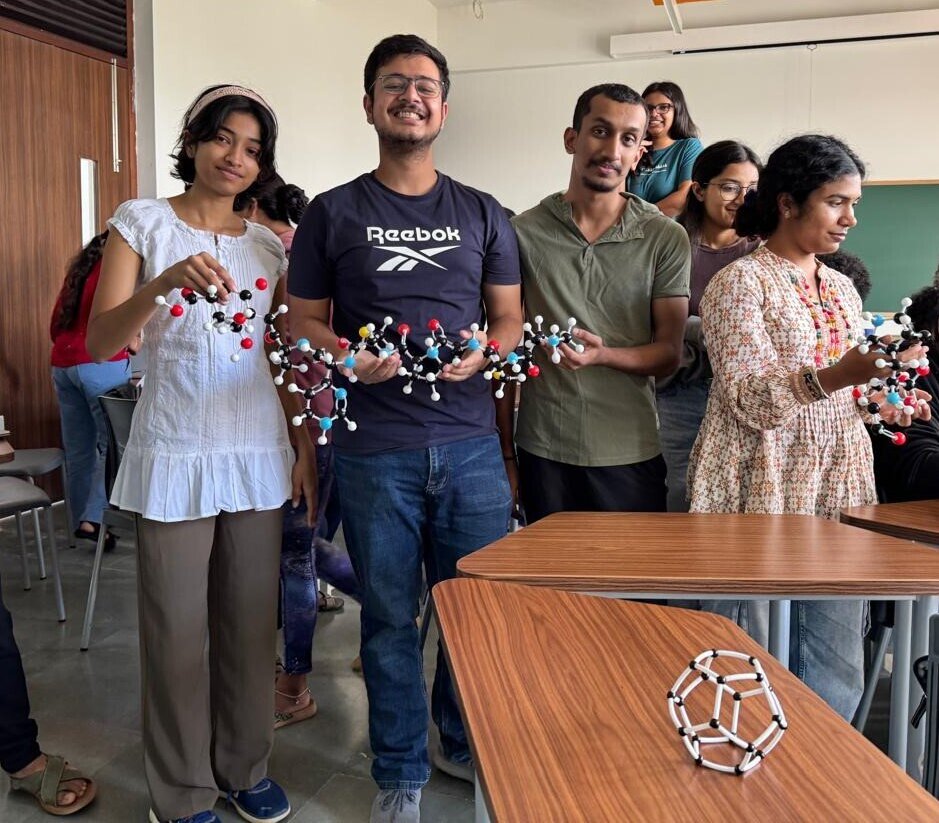
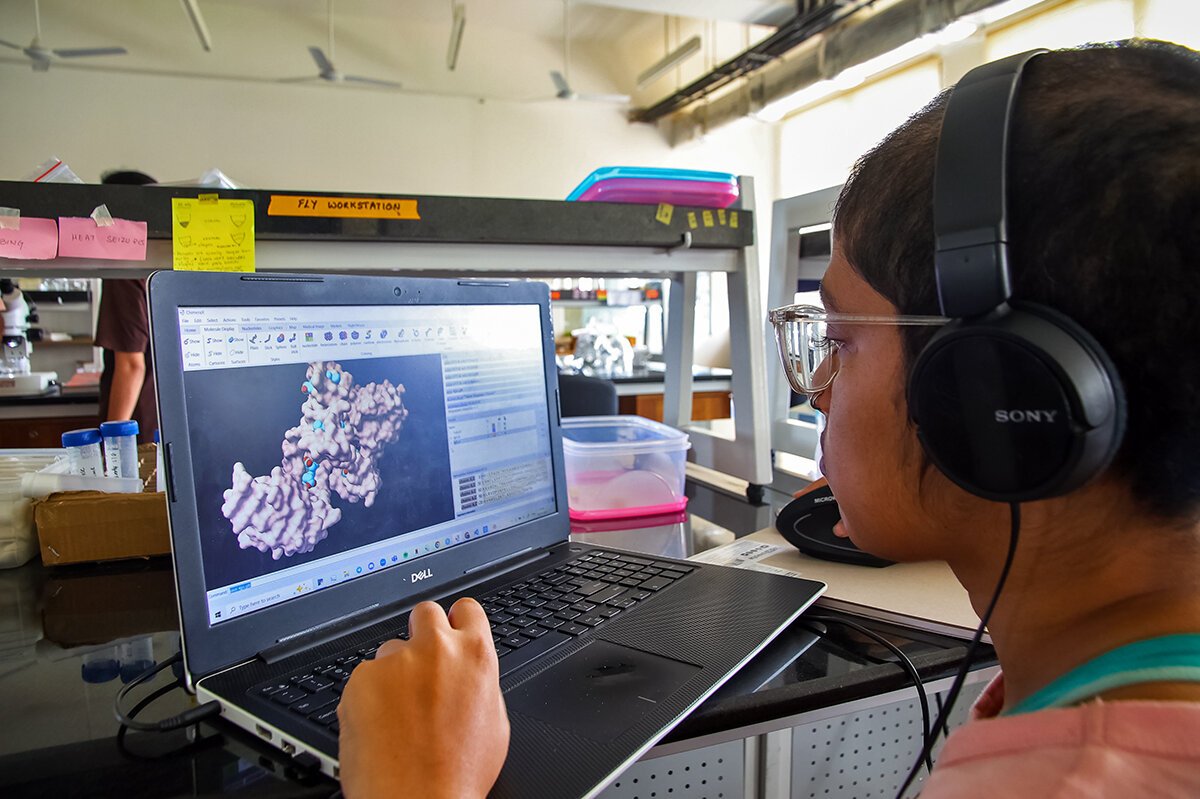
In Genetics, Biology of the Cell, and Biochemistry courses, students learn through a hands-on, experimental approach, the fundamental principles driving inheritance, gene expression, and cellular processes. From practical expertise in DNA isolation, Polymerase Chain Reaction (PCR) amplification, protein purification and setting up genetic crosses using model organisms like fruit flies — students witness genetic principles in action! Through virtual labs and specialised software, they engage in simulations, sequence analysis, and molecular modelling, enhancing their ability to interpret genetic and biochemical data.
- Exploring adaptations in plants and animals
The Form and Function course helps understand how the structure of organisms influences their movement, survival, and adaptation. For example, students investigate human physiology by exploring the effects of exercise on blood circulation, measuring heart rate changes, and examining anaerobic respiration and lactic acid buildup during intense physical activity.
- Ecology and biodiversity conservation: Exploring nature through field studies
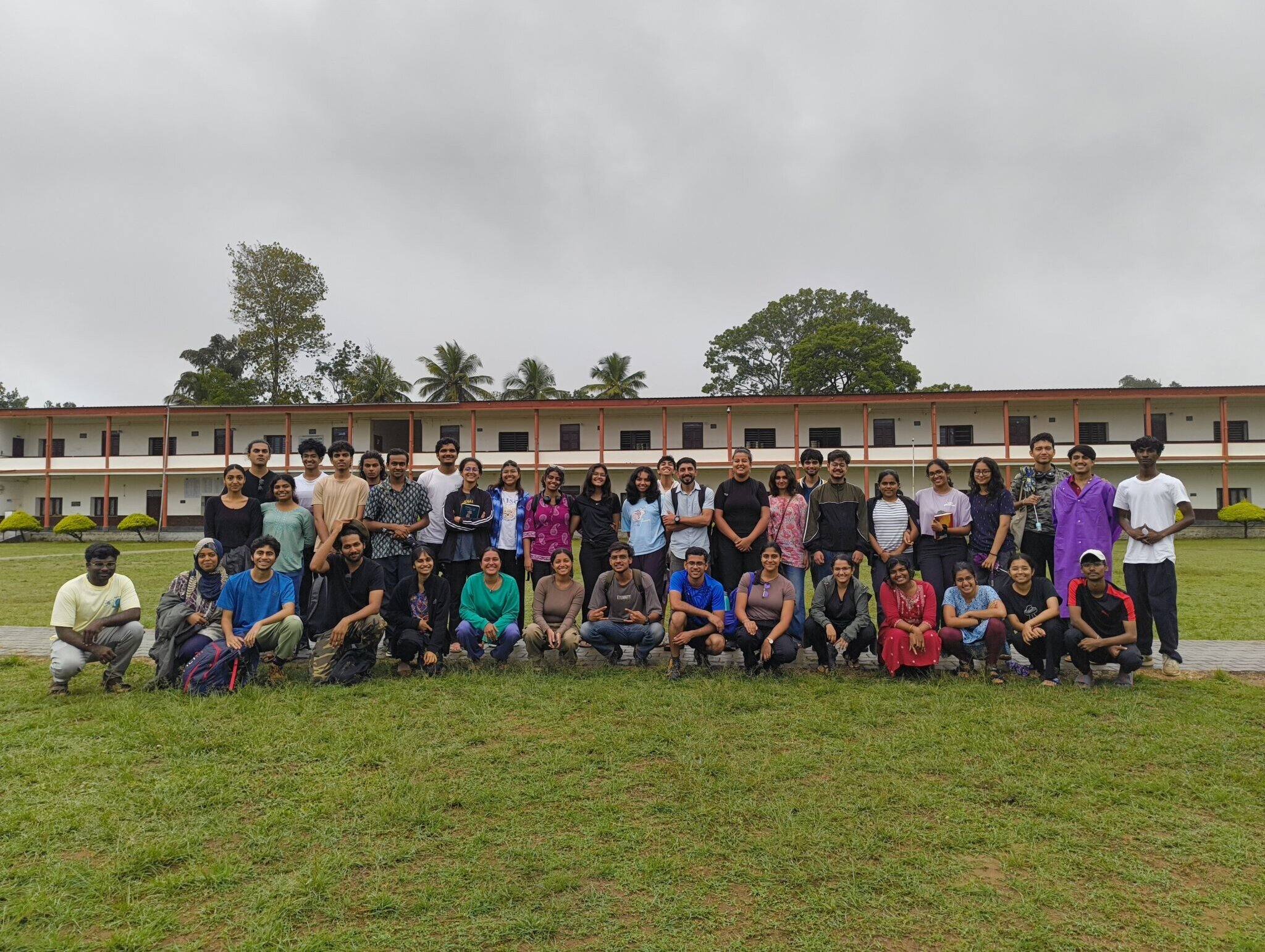
Through simple observation-based studies, students explore key ecological processes such as predation, seed dispersal, and species interactions. They are also encouraged to participate in nature walks. These hands-on experiences deepen their understanding of ecosystems while fostering a sense of curiosity and appreciation for biodiversity.
- Lab and Field techniques: Building confidence in research, teaching, and scientific inquiry
Students gain expertise in media preparation, sterilisation, microbial culturing, and identification, and more. To integrate their learning, students design and execute group research projects, independently investigating biological questions using the techniques they have mastered.