
Notes on Strategy
Details
Why do we need to strengthen government schools? Why is it important for a practitioner to understand the local political economy of the place? Academics involved in theory and research develop insights and formulate strategies and best practices for various social, cultural and political situations. These are collated in this section so practitioners while they focus on their work on the ground, know that they are also in sync with the macro-level objectives for sustainable development.
-


Education-Development Interlinkages (Part XXI)
Does education contribute to sustainable development?
Q&A with Santhakumar V | 16 Feb 2026
Students who participate in environmental projects develop a better attachment to the community than those who work on civic issues.
-

Education-Development Interlinkages (Part XX)
Does the spread of education help to improve governance?
Q&A with Santhakumar V | 23 Jan 2026
There could be different theoretical reasons for the positive impact of education on governance. One could be the potential role of the middle class in strengthening democracy and governance, and the role that education plays in the creation of such a class.
-
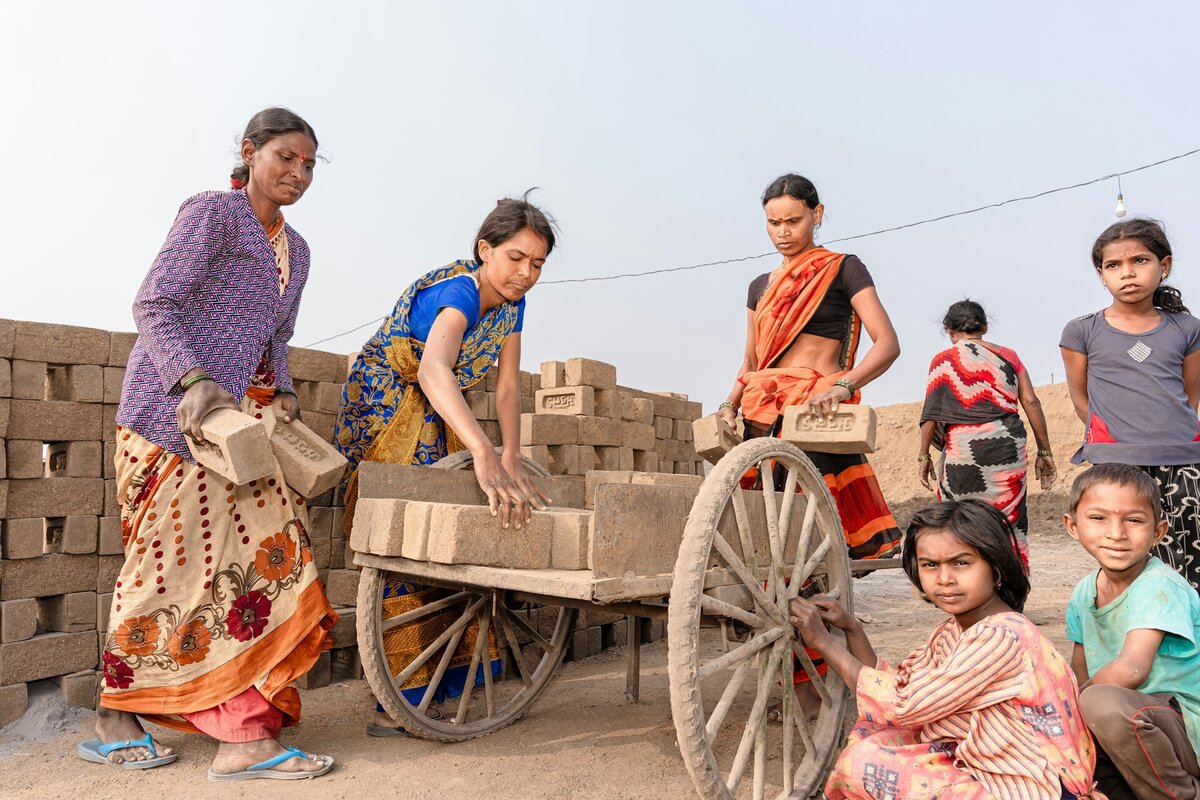
Education-Development Interlinkages (Part XIX)
Does the spread of education among the population help reduce discrimination in society?
Q&A with Santhakumar V | 2 Jan 2026
Providing education per se is not enough to empower women. There should be other socioeconomic policies. They should be supported to take up jobs wherever these are available. This may require interventions in gender norms.
-
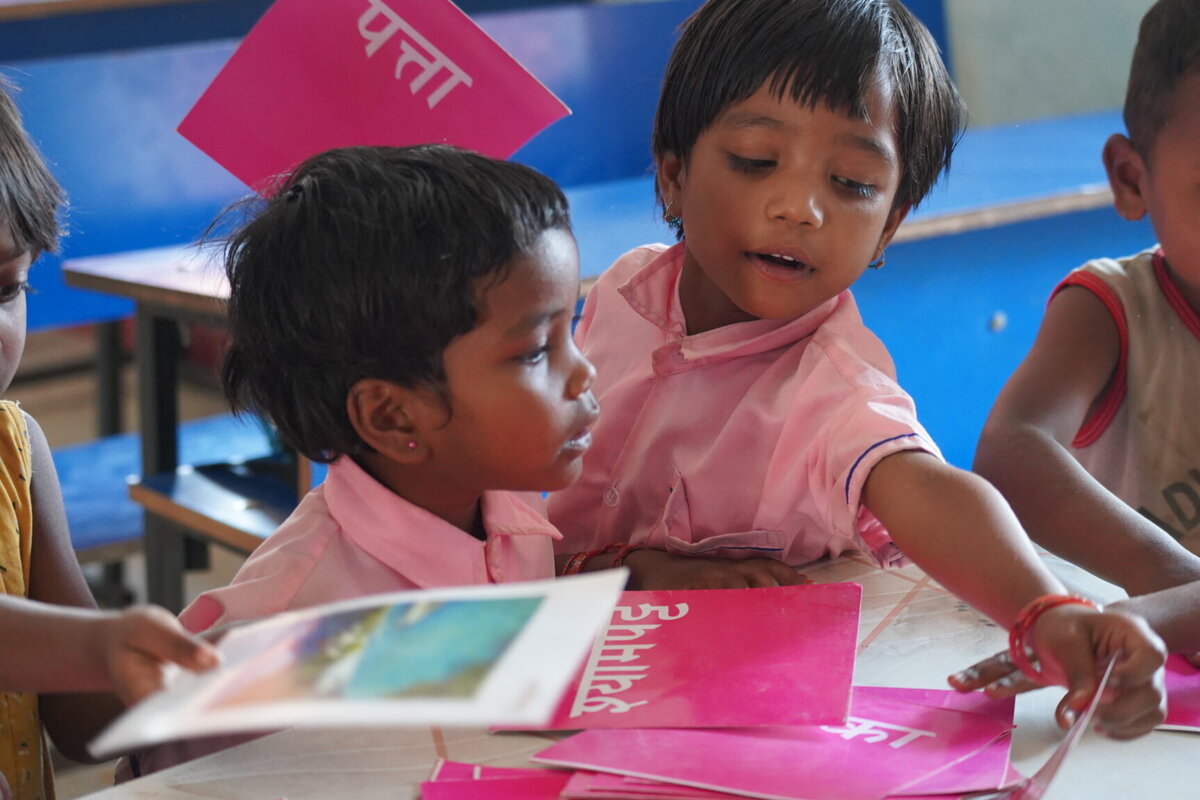
Education-Development Interlinkages (Part XVIII)
Social Benefits of ‘Education for All’
Q&A with Santhakumar V | 19 Dec 2025
Analysis based on cross-sectional datasets confirms that households with a higher level of education are less likely to be poor. Moreover, returns from education rise with the level of education.
-

Education-Development Interlinkages (Part XVII)
Vocational training as part of school education: A socioeconomic view
Q&A with Santhakumar V | 17 Oct 2025
There are efforts currently on in India to impart skills to youngsters. This may help a section of them to find jobs.
-
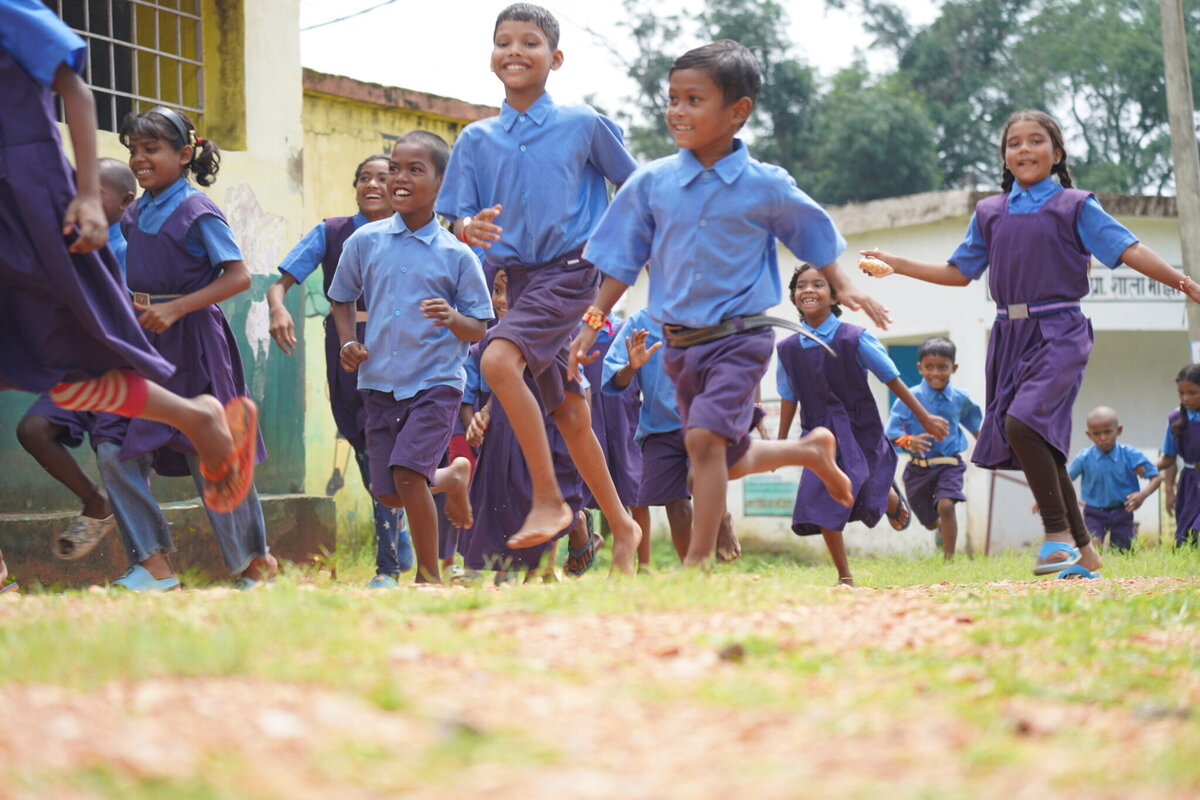
Education-Development Interlinkages (Part XVI)
What happens when all students attend school? Second-generation challenges in school education
Q&A with Santhakumar V | 18 Sept 2025
Improving facilities and making government schools attractive to middle-class parents is a necessary step in addressing the second-generation challenges in school education.
-

Education-Development Interlinkages (Part XV)
India’s Problems in Higher Education and Its Linkages with School Education
Q&A with Santhakumar V | 22 Aug 2025
It is not necessary or even ideal for everybody to go for higher education. They may not have the interest or aptitude for it.
-
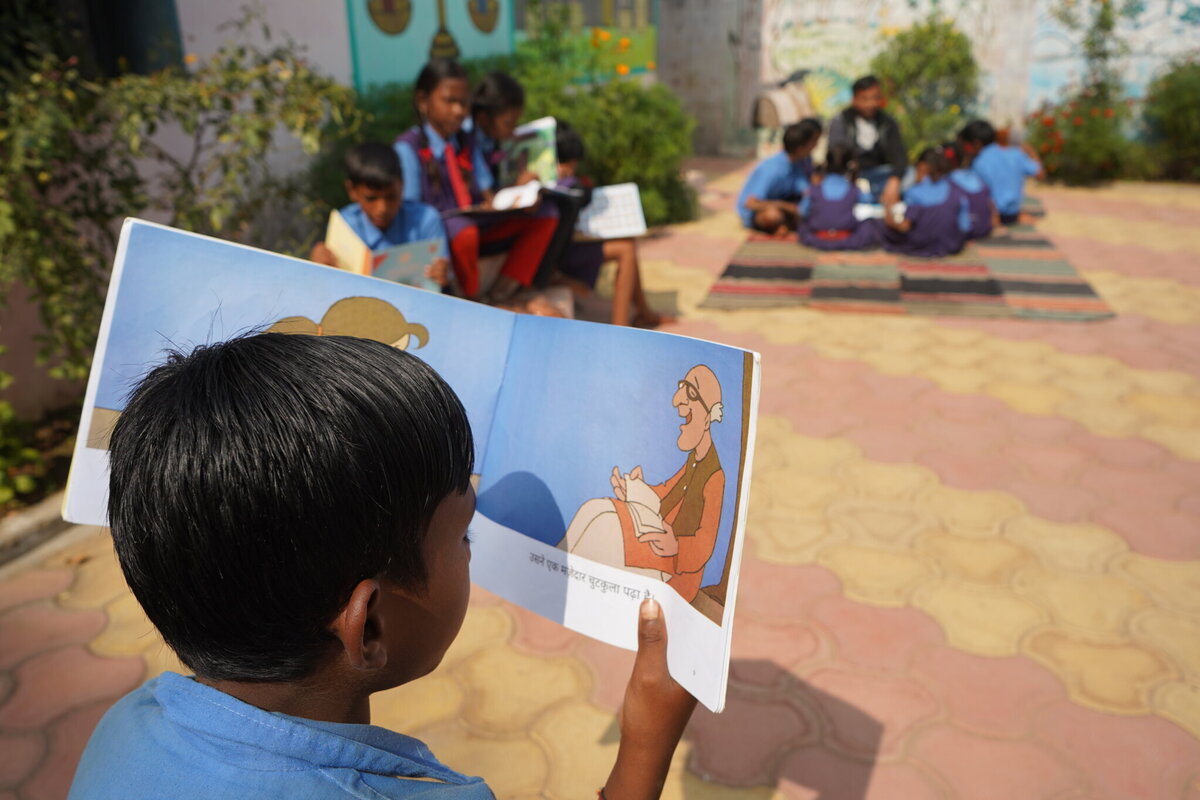
Education-Development Interlinkages (Part XIV)
Role of Non-governmental Organisations and Philanthropic Foundations in Education: Possibilities and Challenges
Q&A with Santhakumar V | 08 Aug 2025
NGOs and Foundations which are active in the education domain need to be a lot more active in communicating with the public at large. There should be a higher level of participation and a shaping of public discourse. These discussions should lead to policy changes.
-

Education-Development Interlinkages (Part XIII)
Technology in Education: Potential and Limitations
Q&A with Santhakumar V | 11 July 2025
When technology is used in schools and classrooms, it can be an effective public investment for this purpose, and it can narrow the digital divide.
-
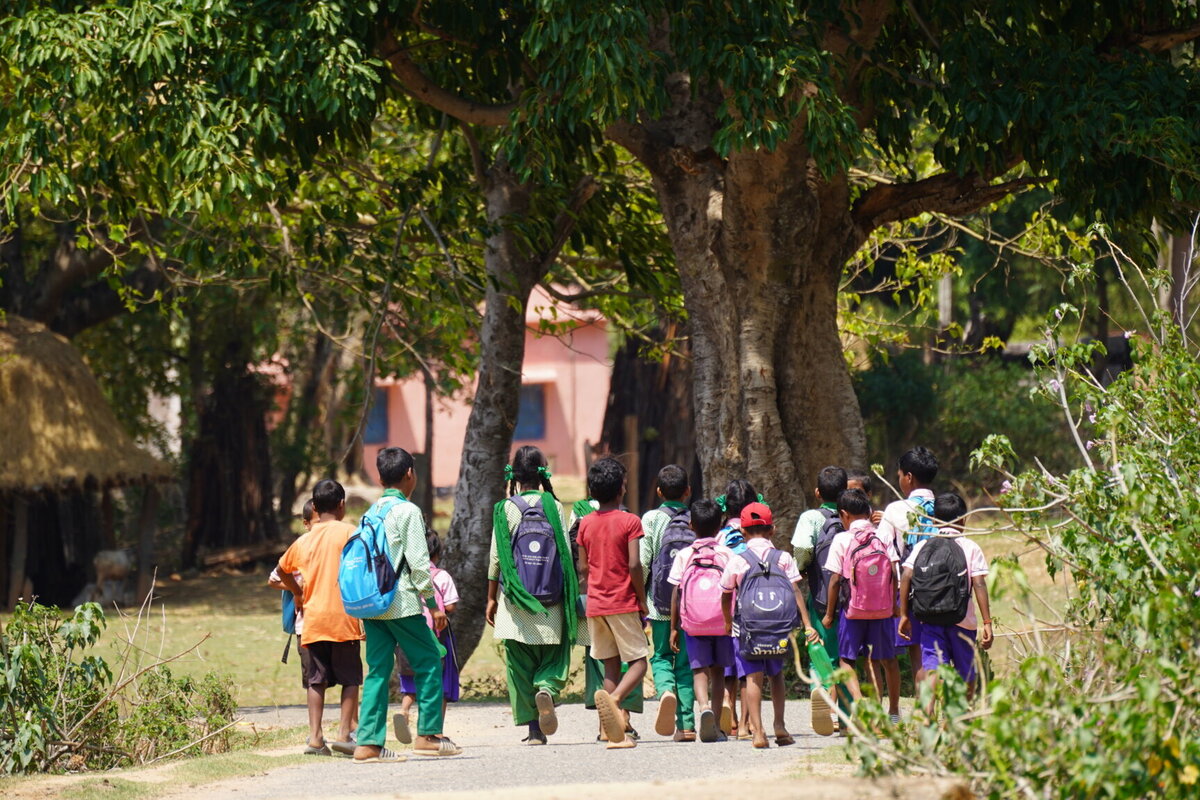
Education-Development Interlinkages (Part XII)
What drives the demand for English-medium education in India?
Q&A with Santhakumar V | 27 June 2025
There could be an argument that English has to be the link language in India, when each state has its own language. However, the European Union is thriving without using English or any one European language as the link language. There must be something else that is tangibly influencing the demand for the English language in India.
-
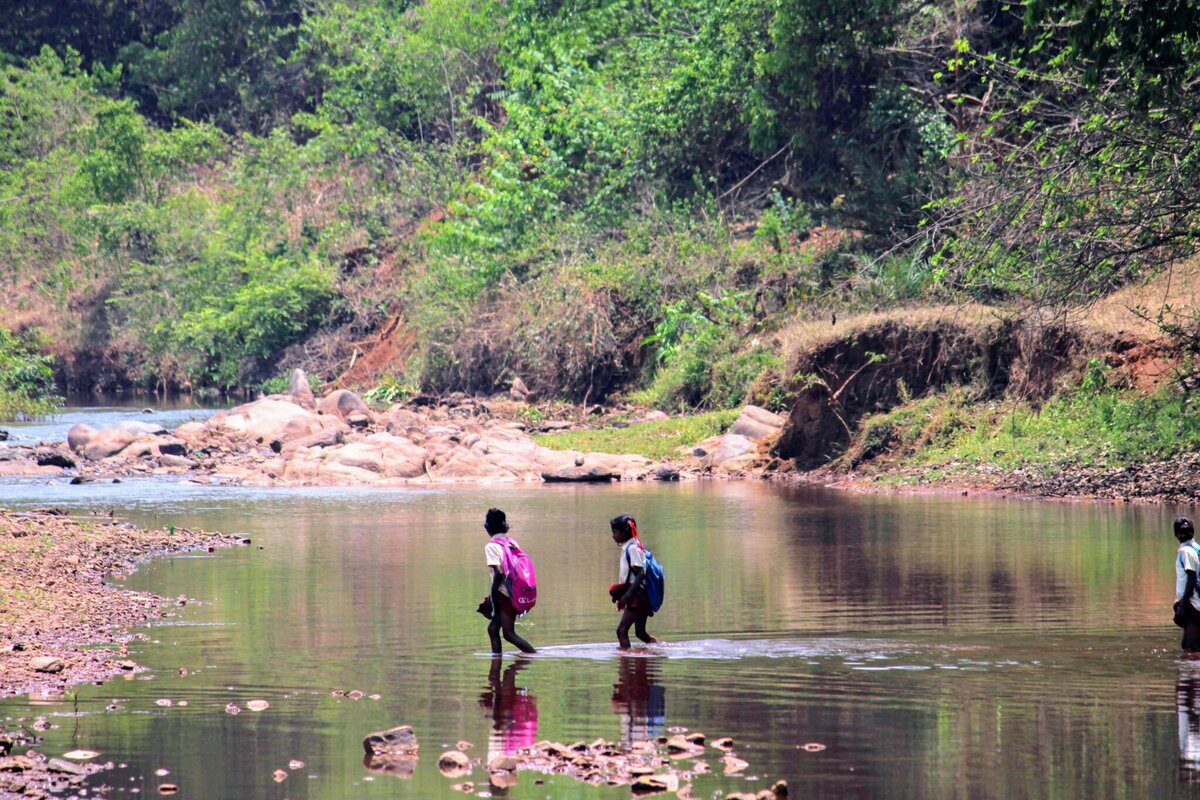
Education-Development Interlinkages (Part XI)
Addressing Family and Socioeconomic Disablers of Education: Strategies in the National Education Policy 2020
Q&A with Santhakumar V | 12 June 2025
Implementation and practical actions are more important than policy statements. These have to be taken by multiple (millions of) actors at different levels. Expecting policy change to translate into a change in practices of these millions of actors quickly is not realistic.
-
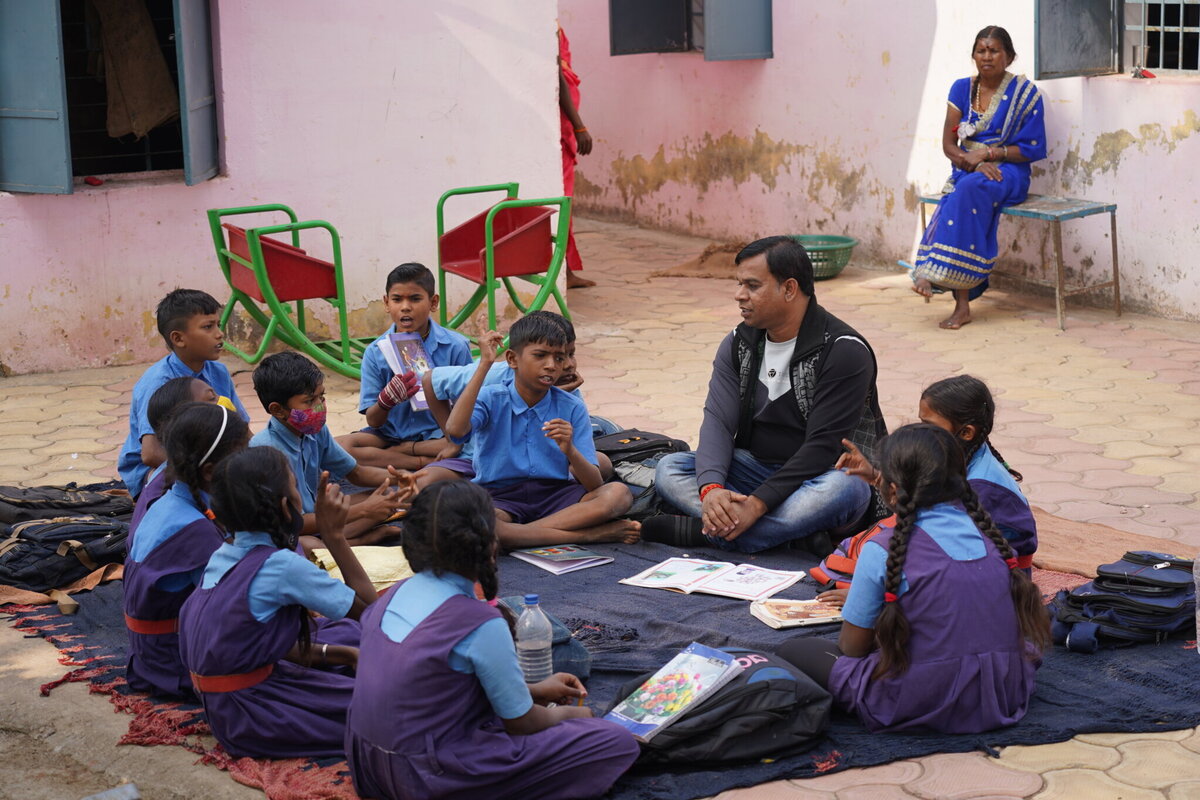
Education-Development Interlinkages (Part X)
Role of school teachers in addressing the needs of students from poor and marginalised groups
Q&A with Santhakumar V | 5 May 2025
Teaching a child by understanding their family and socioeconomic background should be a part of the regular responsibilities of school teachers. Many teachers who are aware of the need to do something in this regard, take one or the other action, but a well-informed response is largely missing.
-
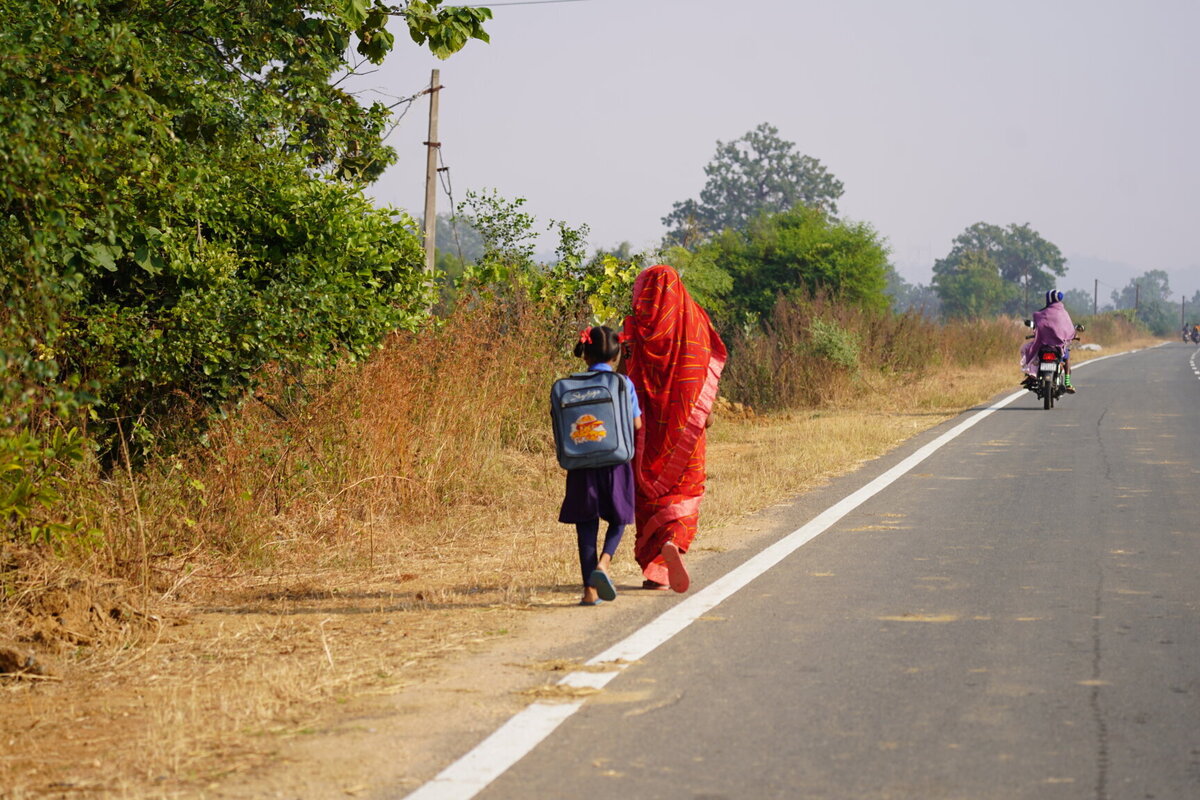
Education-Development Interlinkages (Part IX)
Political transformation and educational development
Q&A with Santhakumar V | 16 Apr, 2025
Political development can play an important role in making public debates and education policies balanced and comprehensive.
-
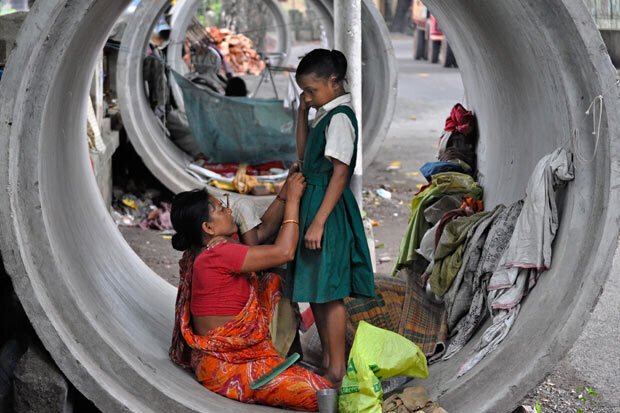

Education-Development Interlinkages (Part VIII)
The possible role of communities in education and challenges in India
Q&A with Santhakumar V | 04 Apr 2025
There should be attempts to form SMCs and PTAs in all schools. Even in those schools where head teachers find it difficult to form these committees, non-governmental organisations and social activists can help with it. There should be a continuous effort on the part of teachers and these organisations/activists to connect with parents either as part of, or outside, these forums.
-
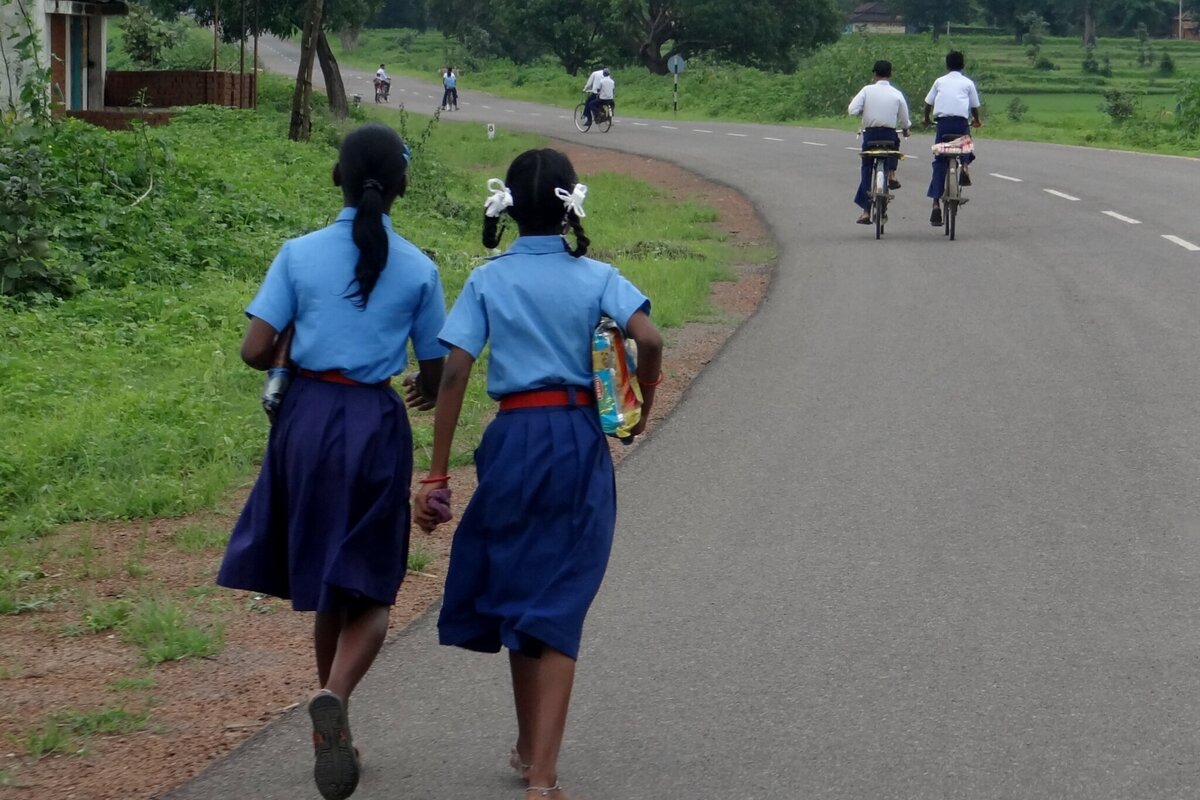
Education-Development Interlinkages (Part VII)
Can a dependence on private schools address the challenges of school education in India?
Q&A with Santhakumar V | 14 March 2025Most people would agree that there is a need for some form of government intervention in education. Does that mean that governments must run all schools and colleges? Can private schools and colleges not provide education within the regulatory framework of governments?
-
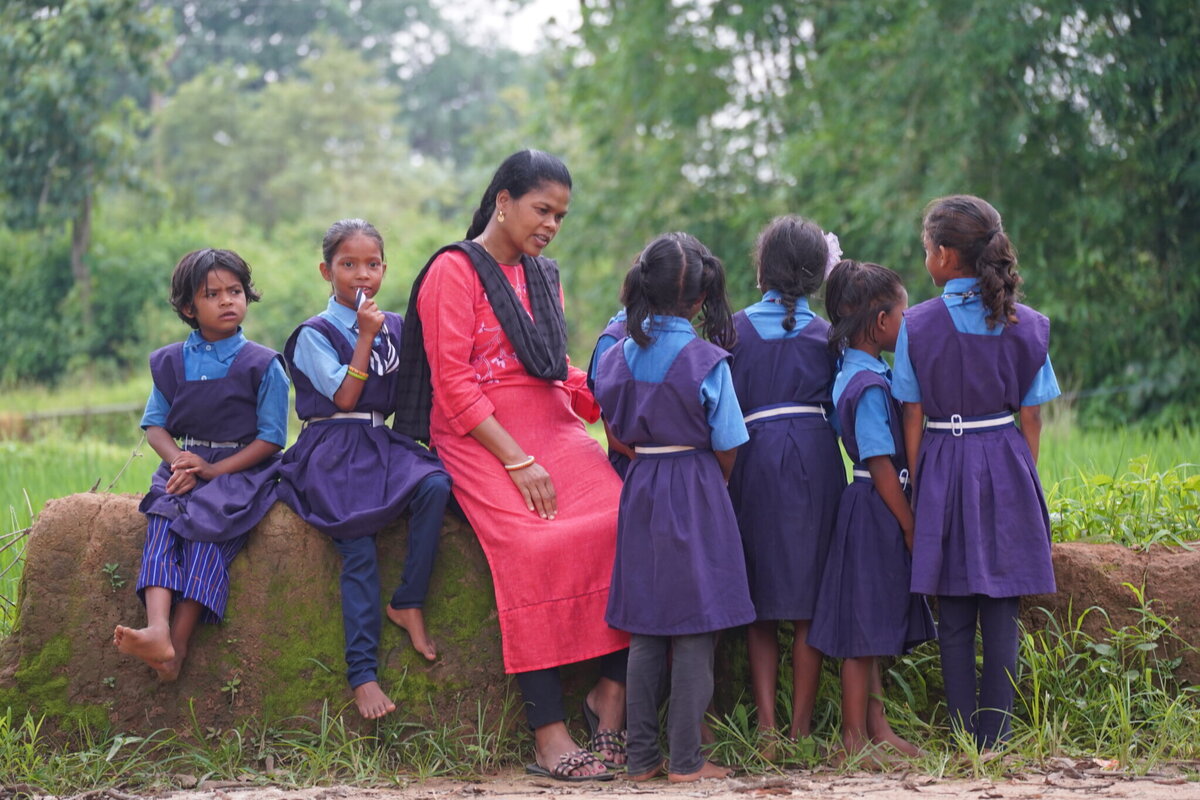
Education-Development Interlinkages (Part VI)
Challenges in the education of children from tribal communities in India: What can be attempted
Q&A with Santhakumar V | 14 Feb 2025
Tribal communities should have greater control over those schools where their children study. The higher representation of tribal people as teachers may facilitate this process. Moreover, local governments which have a higher representation of tribals may be given a greater role in the management of schools.
-

Education-Development Interlinkages (Part V)
On the possible connection between India’s economic/human development and performance in education
Q&A with Santhakumar V | 30 Jan 2025
The demand for education will increase and enrolment at all levels may go up. However, there may be a set of youngsters who may drop out in higher grades in schools, and the share of this population could be higher in India than in countries which have similar levels of economic development.
-

Education-Development Interlinkages (Part IV)
How have other countries addressed the problem of access to education? What are the reasons for India’s relatively poor performance in this regard?
Q&A with Santhakumar V | 17 Jan, 2025
-

Education-Development Interlinkages (Part III)
Children not Learning Well in Schools: Familial and Socio-Economic Factors
Q&A with Santhakumar V | 3 Jan, 2025
The finding that well-educated parents positively impact the education of their children is not very useful from a policy perspective because it may give the impression that nothing can be done in the short term to improve the learning of children with less educated or uneducated parents.
-
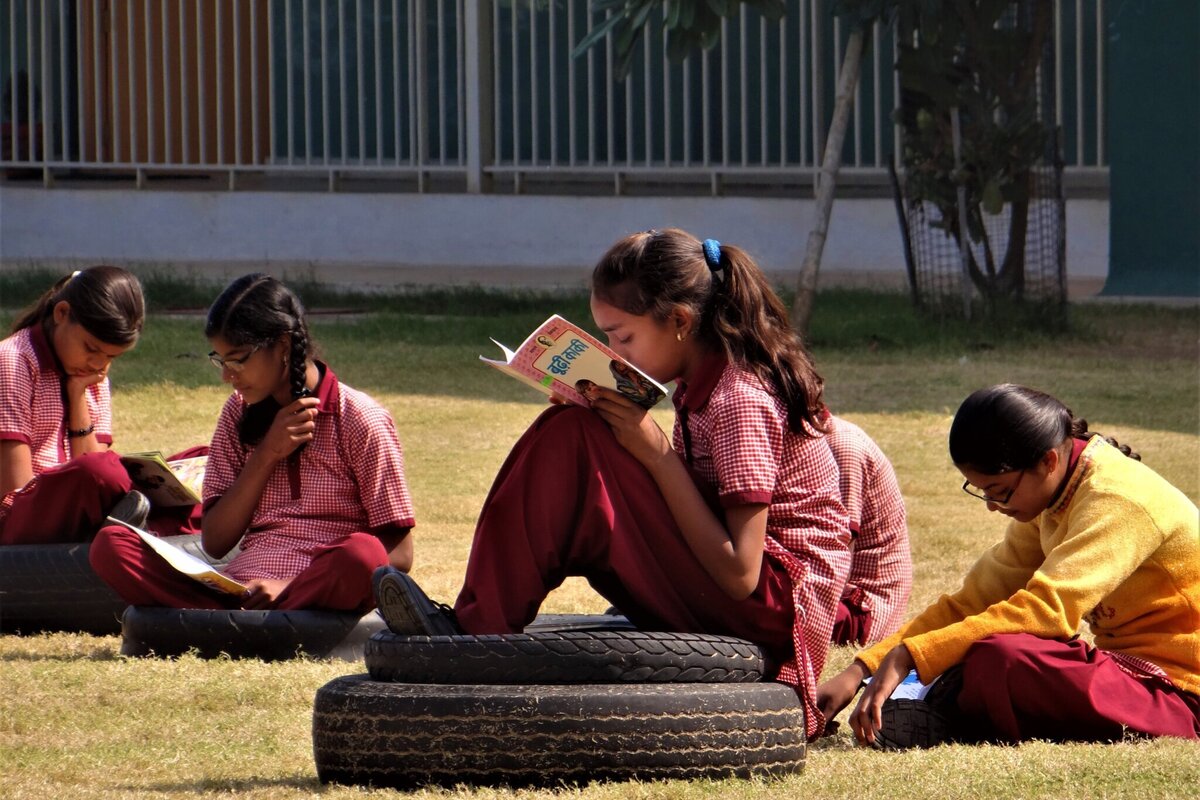
Education-Development Interlinkages (Part II)
About Children who do not Complete School Education in India
Q&A with Santhakumar V | 6 Dec 2024
The EDIL perspective should highlight the importance of poverty eradication and employment generation even if the purpose is to see that all children get the benefit of school education. Effective functioning of the Public Distribution System and Employment Guarantee Schemes is important even for enhancing access to school education.
-
Education-Development Interlinkages (Part I)
Educationists should think about the social context; Development practitioners cannot neglect education
Q&A with Santhakumar V | Nov 15, 2024
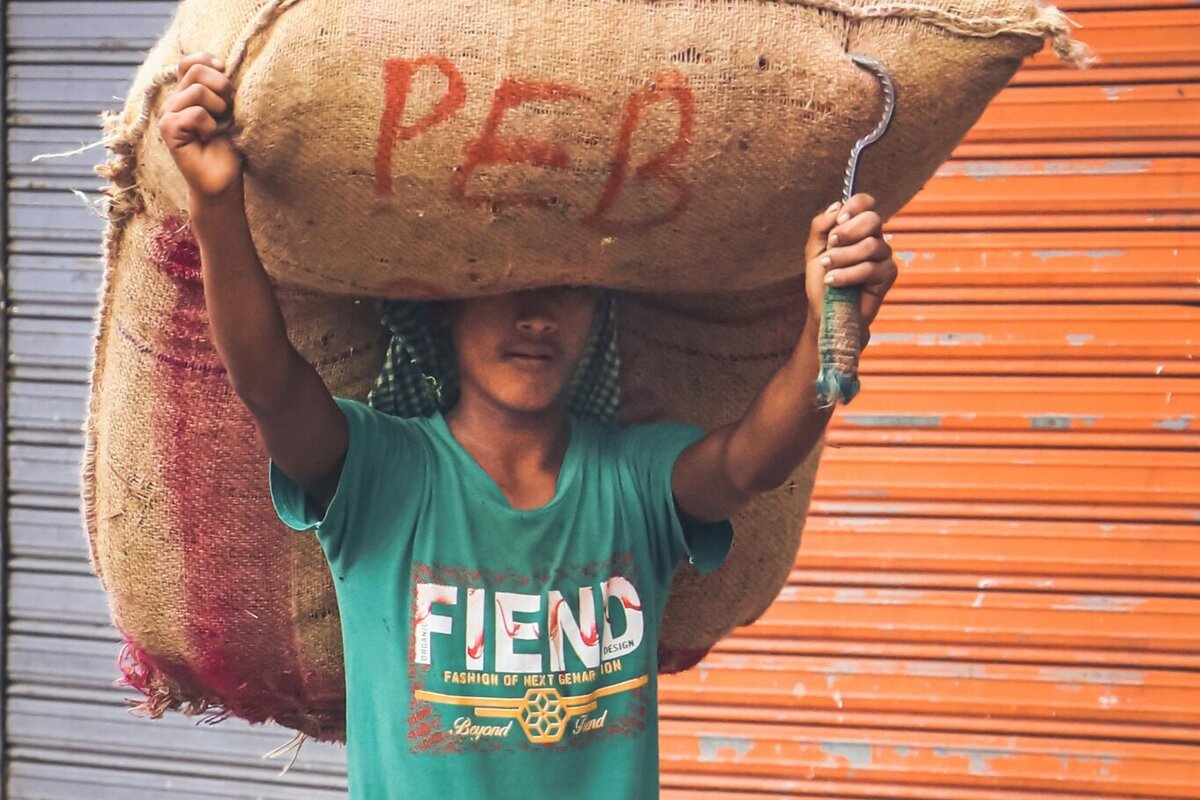
All systematic studies globally have shown that children drop out of school due to one or more familial, social, and economic reasons. These may include poverty, ill health, gender norms (which may prevent girls from attending schools and completing secondary education), discrimination prevalent in certain contexts, etc.
-

The Importance of Self-Reflection for Public Officials
Q&A with Santhakumar V | Oct 18, 2024
Public officials must practice self-reflection to ensure that their actions are beneficial to society. In one way, this informed self-reflection is to change one’s (own) values to make these compatible with the needs of society as a whole.
-
Privately Provided Public Services: A Reflection of Underdevelopment
Q&A with Santhakumar V | Sept 20, 2024
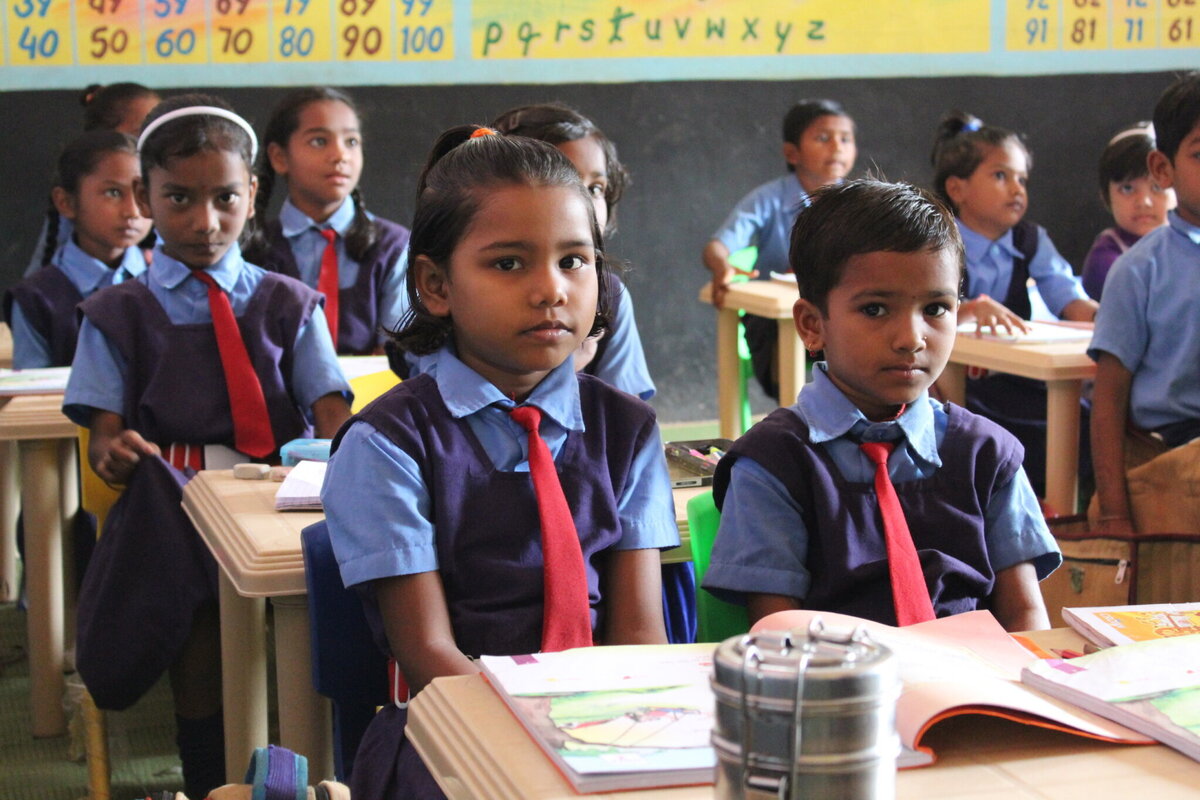
There is a need for collective action to improve public services. However, there may be challenges in collective action in poorer and developing countries. This could be due to social divides among people based on economic class or social identities. -

Hierarchy in Public Organisations: Need, Challenges and Possible Reforms
Q&A with Santhakumar V | Sep 5, 2024
Hierarchy to some extent is useful for effectiveness. Through hierarchy, the decision-making power rests with specific individuals. This solves the collective action problem to a great extent.
-

Privatisation and Outsourcing as Ways to Enhance Effectiveness of Public Services
Q&A with Santhakumar V | Aug 23, 2024
Are privatisation and outsourcing desirable for improving the effectiveness of public services?
-


What Motivates Government Officials to Work Effectively? What Should Motivate Them?
Q&A with Santhakumar V | July 5, 2024
Government jobs offer certain benchmark salaries and social security, making them attractive. Therefore, all types of individuals, not just those who are driven by intrinsic motivation, may look for government jobs. Once they are in these jobs, they may seek financial incentives which are unethical and fraudulent. This can be a reason for the corruption among a section of government employees.
-

Natural Regeneration vs. Plantations as Means of Land Restoration
By Santhakumar V and Daniel Piotto | May 22, 2024
If a part of a natural forest is cut down and then a plantation of indigenous trees is created, there is a definite negative impact on land restoration. On the other hand, the creation of such a plantation in an already degraded land will have a positive benefit.
-


Land Restoration in Brazil: A National Systems Perspective on Achievements and Challenges
G20 Global Land Intiative | Mar 5, 2024
Brazil has a law which compels private landowners to conserve/restore a part of their farms. Such farms include large plantations which are owned by private corporations. These plantations are an important part of the land use in Brazil.
-
Land Restoration and Social Context: Opportunities for Successful Land Restoration
G20 Global Land Initiative | Oct 31, 2023
The topic of land restoration, including indigenous/traditional and scientific knowledge, should be included in different disciplines in tertiary education institutions, as well as primary and secondary education. Policymakers, practitioners and users need better training on and awareness of restoration practices.
-
Land and Ecosystem Restoration: Working with Communities, Social, Economic and Institutional Aspects
G20 Global Land Initiative | Oct 12, 2023
Restoration initiatives often work as a top-down process where there is a lack of recognition or inclusivity of local communities. Although in certain parts of the world, community-driven approaches have been recognised as a policy-driven mandate, this was largely ignored in the rest of the world.
-
Opportunities for Restoration as a Business : Money Does grow on Trees!
G20 Global Land Initiative | Sep 27, 2023
The voluntary carbon offsetting market is taking off after a slow start and bringing significant resources into the restoration market and is estimated to be tens of billions of dollars per year by 2030, with prices for quality projects of at least at 30 USD/Ton by 2030.
-
Enabling Resources for Land Restoration: Financing, Policies, Regulation and Technologies
G20 Global Land Initiative | Sep 9, 2023
Ensuring more resources for land restoration requires a set of enabling factors which this paper addresses, namely, financing, policies, regulation and technologies.
-


Financing Land Restoration: Challenges and What Needs to be Attempted
Compiled by Santhakumar V and Apoorva Bose | July 24, 2023
Restoring 150 million hectares of degraded agricultural land could generate USD 85 billion in net benefits to national and local economies, raise USD 30 – 40 billion a year in extra income for smallholder farmers, and provide additional food for close to 200 million people.
-

Aligning Development Policies for Green Jobs and Land and Ecosystem Restoration
G20 Global Land Initiative | Aug 29, 2023
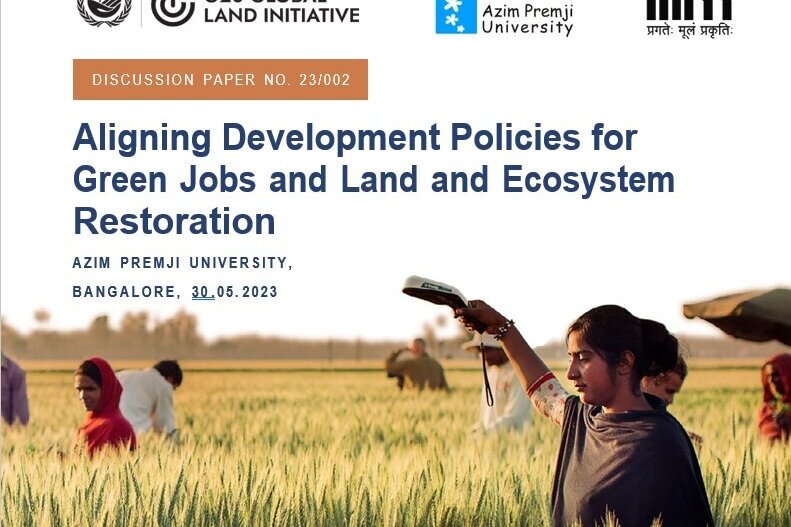
Recently, the Government of Karnataka along with Azim Premji University, LibTech India, ATREE and the Foundation for Ecological Security has initiated work towards understanding the avenues for aligning MGNREGA with the goal of ecological restoration. This work was done as a pilot project in Chikkabalapur district of Karnataka.
-


Envisioning a National System of Land Restoration (Part II)
By Santhakumar and Apoorva Bose | April 14, 2023
The human development indicators of most Indian states are low. The development of the manufacturing sector is slow (though there has been higher economic growth during the last 3 – 4 decades) and this has slowed the transition of a land-dependent population towards industries and urban areas.
-

Envisioning a National System of Land Restoration (Part I)
By Santhakumar V and Apoorva Bose | March 24, 2023
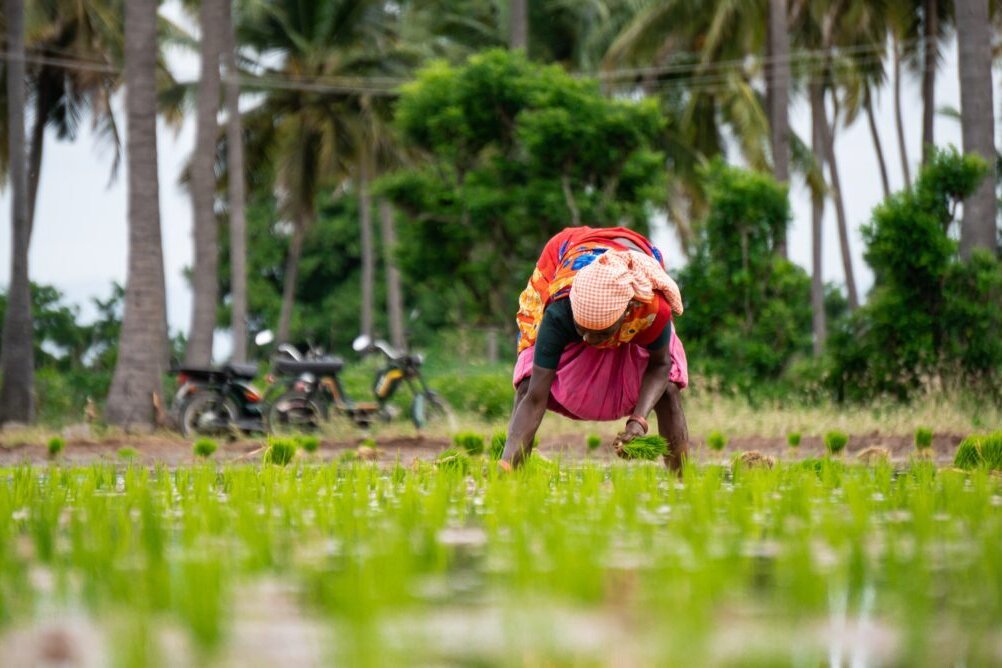
It is obvious that different socio-economic and institutional factors impact land restoration in a country. These may include laws and their enforcement, economic incentives of people which in turn are determined by national and international markets and government policies; actions of organisations that are involved in restoration, etc. -

India Needs an Intercultural Education
By Santhakumar V | Feb 24, 2023
‘Intercultural Education is the response to classroom diversity aiming to go beyond passive coexistence, to achieve a developing and sustainable way of living together in multicultural societies through the creation of an understanding of respect for and a productive dialogue between the different groups.’
-
Different Motivations Behind Green and Ethical Investments Implications on Policy-making and Regulation (Part II)
By Santhakumar V | Mar 30, 2022
There is a well-known trade-off between intrinsic motivation and financial incentives or disincentives. The conventional idea that an intrinsically motivated person can be further encouraged through financial incentives need not work in all circumstances.
-

Different Motivations Behind Green and Ethical Investments Implications on Policy-making and Regulation (Part I)
By Santhakumar V | Mar 18, 2022
The research on behavioural economics has brought out insights into the actual motivations of individuals. Some of these are not in tune with the concepts of rationality and self-interest within the framework of conventional microeconomics.
-
Outcome-Based Funding for Social Development: A Theoretical Critique (A Discussion)
Shantanu Ghosh (SG) and V Santhakumar (VS) | Feb 15, 2022
A discussion between Shantanu Ghosh, CEO, Social Finance India and Santhakumar V, Professor, Azim Premji University, Bengaluru
-

Outcome-Based Funding for Social Development: A Theoretical Critique (Part II)
By Santhakumar V | Feb 14, 2022
Government schools are expected to work on tangible and intangible outcomes and have a public service orientation. They are less likely to have an ‘outcome’ orientation and may not have an internal incentive structure that can be changed through OBF.
-

Outcome-Based Funding for Social Development: A Theoretical Critique (Part I)
By Santhakumar V | Jan 18, 2022
In cases where the private gain is greater than the private cost, one can expect for-profit organisations to invest even in education and healthcare. This is evident from the functioning of fee-paying private schools or self-financing colleges.
-
Education for Rural Management: Challenges and Possibilities (Part II)
By Santhakumar V | Jan 6, 2022
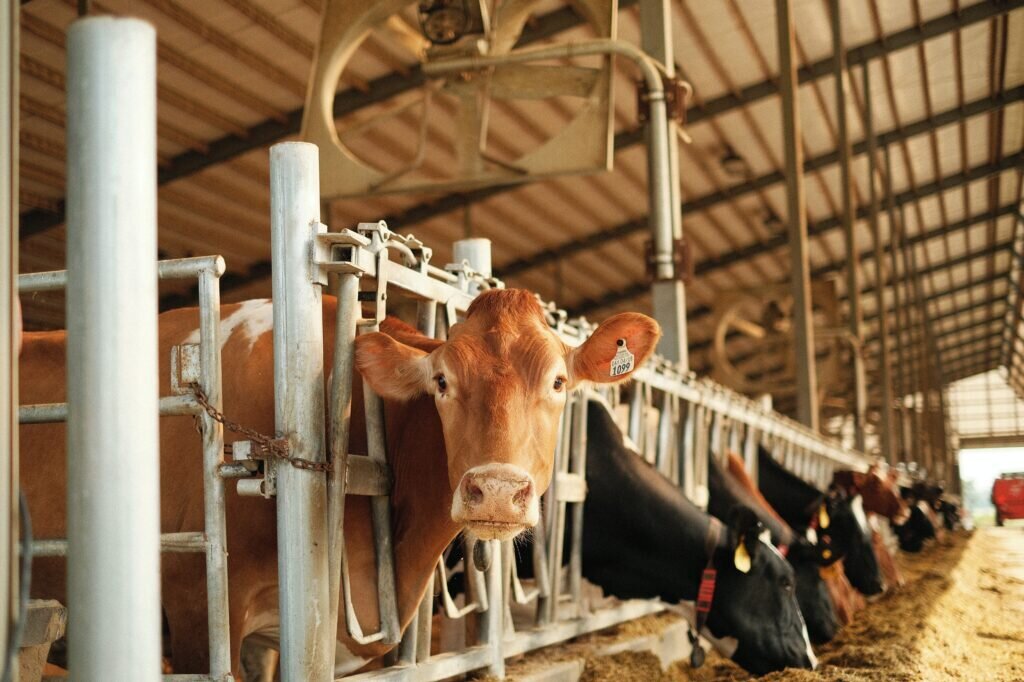
It is possible to think about alternative ownership structures, such as worker- or consumer-owned companies and to visualise Education for Rural Management for creating managers for these alternative organisations. It is also possible to think of ERM as education for creating professionals in the public sector and NGOs.
-
Education for Rural Management: Challenges and Possibilities (Part I)
By Santhakumar V | Dec 20, 2021
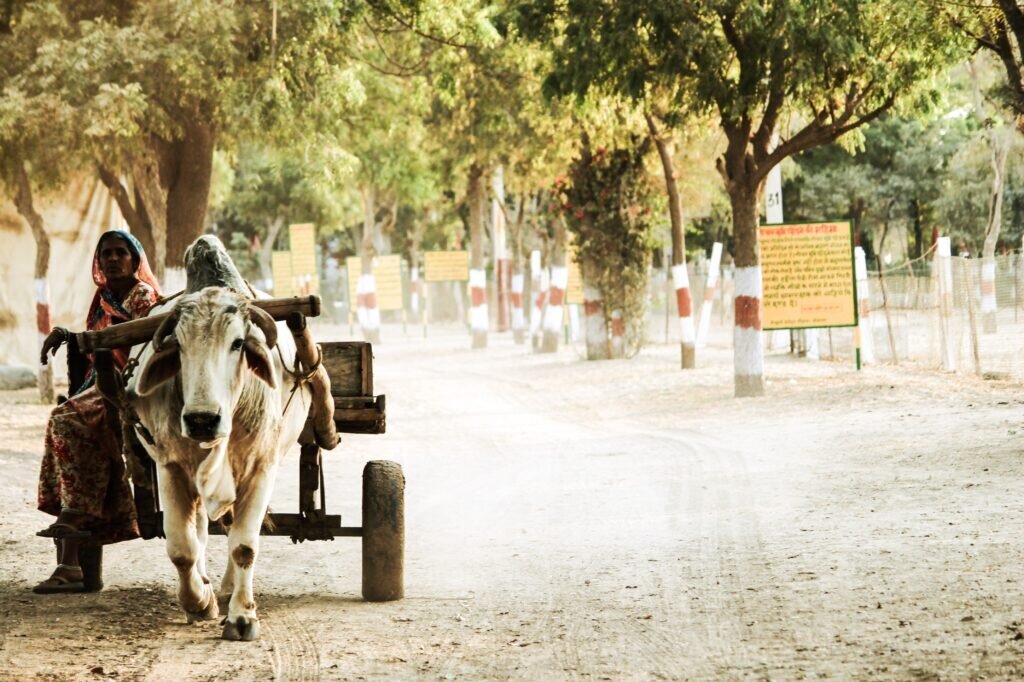
Worker-owned companies can be made efficient if they are managed like privately owned firms, and then, the surplus that is generated can be used for the welfare of all workers. This may need the limiting of employment to an optimum number of workers on each day but all workers can benefit from the consequent surplus.
-
Future of Development Assistance: Horizons Framework and New Financial Instruments
By M S Sriram | Dec 7, 2021
There could be an alternate approach to examine aid and design financial instruments appropriate to the objective and tenor. Distinct instruments are needed for interventions that benefit society at large in the long term with unknown outcomes and intrusive interventions for course correction in the marketplace.
-

Social Purpose in Higher Education: A Debate (Part II)
By Santhakumar V, Kerry Shepard, Qudsia Kalsoom, Lorenz Probst, Paul Gannon | June 9, 2021
Those who advocate the use of higher education to educate for sustainable development know that what they really seek is some form of value education but they avoid calling it that. Instead, they use the euphemism of ‘competence’ to make it appear more acceptable to higher education. The plan works in situations where we judge the quality of education by how many pass exams, or what the students think about the teachers, but generally fails when we judge the quality of education as resulting in social change.
-
Social Purpose in Higher Education: A Debate (Part I)
By Santhakumar V, Kerry Shepard, Qudsia Kalsoom, Lorenz Probst, Paul Gannon | May 13, 2021
We would all agree that the creation of autonomous-thinking individuals should be the goal of education (whether it has any direct social purpose or not). However, the majority of schools/colleges in India (and possibly in Pakistan and several such countries) fail in this regard. What happens in our education system is the outcome of many constraints… -

The Road so Far: Forest Rights Act and Constitutionality
By Devashree Pillai and Amrita C | Mar 12, 2021
It is argued that the Act is a colourable piece of legislation that is outside the legislative competence of the Parliament as it falls under the State List, and therefore, ultra vires the Constitution. The petitioners contend that the forest lands referred to in the Act are more closely associated with the item ‘Land’ instead of ‘Forests’ because it deals with the conversion of forest lands into revenue lands and pertains to rights accrued in and over such land.
-
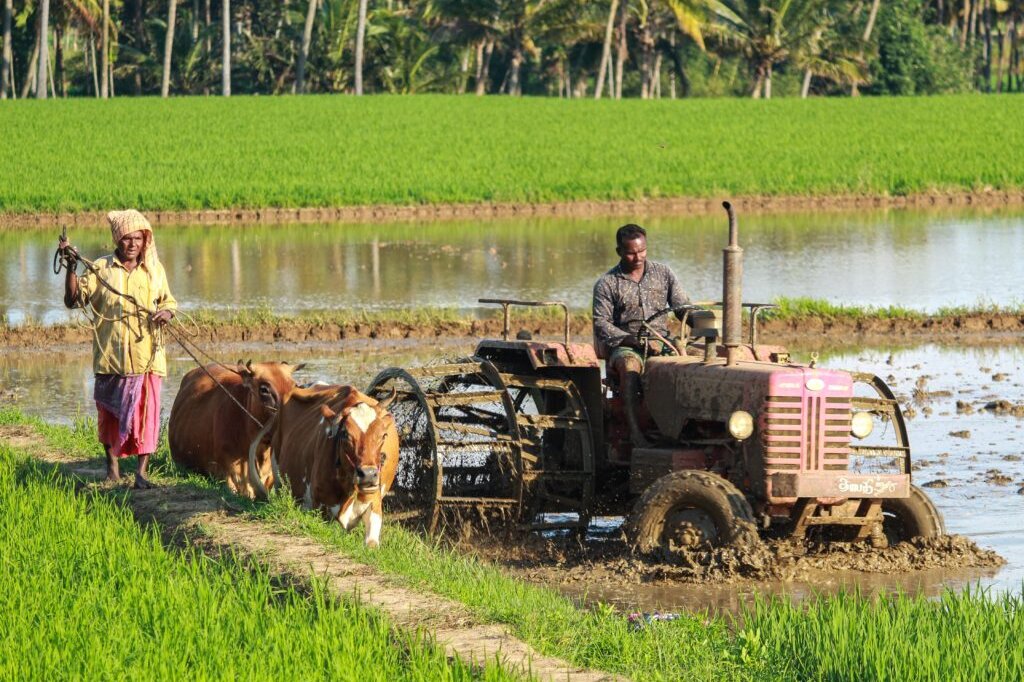
Contract Farming and Farmers’ Empowerment & Protection Bill 2020
By Braja Bandhu Swain | Dec 4, 2020
It is important to note here that the parliamentarians have failed to identify and highlight the potential implications of these bills and to redress their many limitations. While the bills have received presidential assent and are notified in the gazette on 27 September 2020, the actual effects of these ordinances can only be seen after the coming Kharif harvest.
-


Governance Mechanisms in the Forest Rights Act, 2006: A Review
By Amrita Chekkutty and Suraj Jacob | Oct 13, 2020
The process of implementation of the FR Act in Kerala has many serious lapses, which could actually defeat the purpose of the original Act. One fundamental problem is the abysmal level of awareness about the Act, rights and processes among the beneficiaries and the officials. Another problem is the burden of workload, as the state nodal agency is invested with the implementation of several other welfare schemes for the Scheduled Tribe and Scheduled Caste communities.
-


Women Domestic Workers and Nurses in India’s Migration Policy: Problems and Recommendations
By Praveena Kodoth | Oct 6, 2020
To equip India’s emigration policy to deal with the emerging character of the overseas market, policymakers would need to rethink the restrictive gender perspective that has guided policy hitherto and adopt a fundamentally different perspective that empowers women migrant workers by ensuring their right to mobility and protection from exploitation.
-

Complete and Effective Implementation of FRA in Kerala: Strategies and Approaches
By Seema Purushothaman and Rema Devi | Sep 24, 2020
The cultural-ecological know-how of the adivasis is of obvious value in this era of the pandemic, economic slowdown and climate change. This realisation might accelerate and support effective FRA implementation by generating necessary momentum among departments and development agencies and within the constituency of the adivasis themselves.
-

Empowering Tribal People, Deepening Democracy
The Scheduled Tribes constitute nearly 1.45 percent of Kerala’s population. However, their human development indicators are significantly lower than those of the mainstream population. Their female literacy rate is nearly 36 percent lower than that of the state as a whole. Poverty among them is nearly 2.5 times higher than that of the rural population. This reflects their inadequate access to resources considering their spatial settlements in forests, their socio-cultural specificities, and historical deprivation.
-
Accountability of Philanthropic Foundations
By Santhakumar V | Mar 19, 2020
Most philanthropic foundations have resources generated through private/corporate (for-profit) firms, and hence, there is a lingering suspicion about the possible influence of the ‘profit motive’ in their actions.
-

Limitations in Strategies for Empowerment of Women in India
By Santhakumar V | Mar 11, 2020
This note explores the limitations of the strategies for the empowerment of women and the need to move towards a more radical approach in this regard. The work of several organisations which follow different approaches to women’s empowerment informs this note.
-
Challenges in Managing Employees of an Altruistic Organisation
By Santhakumar V | Feb 25, 2020
The role of intrinsic motivation is higher in not-for-profit organisations. Though employees in all organisations — for-profit and not-for-profit — look for certain non-monetary ways of gratification, the importance of these could be much higher in the latter.
-
Thinking About Think Tanks and Universities
By Santhakumar V and Esther Agustin | Feb 10, 2020
A desirable future would be one where academic institutions move towards the space occupied by think tanks, and the latter take up, partially, the role of higher education institutions.
-
Philanthropic Foundations and NGOs: Challenges in the Relationship
By Santhakumar V | Mar 2, 2020
Philanthropic foundations may have to develop a partnership with other NGOs to further their goals. However, there are challenges in building workable partnerships for this purpose.
-
Philanthropic Foundations and the Government: Challenges in the Relationship
By Santhakumar V | Jan 17, 2020
Even when foundations are disconnected from corporate organisations and are ideologically interested in pursuing an agenda which is in the interest of people at large, there are challenges in making a positive impact.
-

Intercultural Education of the Indigenous People in Brazil
Session Report by Asim Siddiqui and Pragati Tiwari
Rita Gomes, in her talk about the education of indigenous people, spoke of their long and arduous journey to first prove themselves as indigenous people of Brazil, and then demand their rights.
-
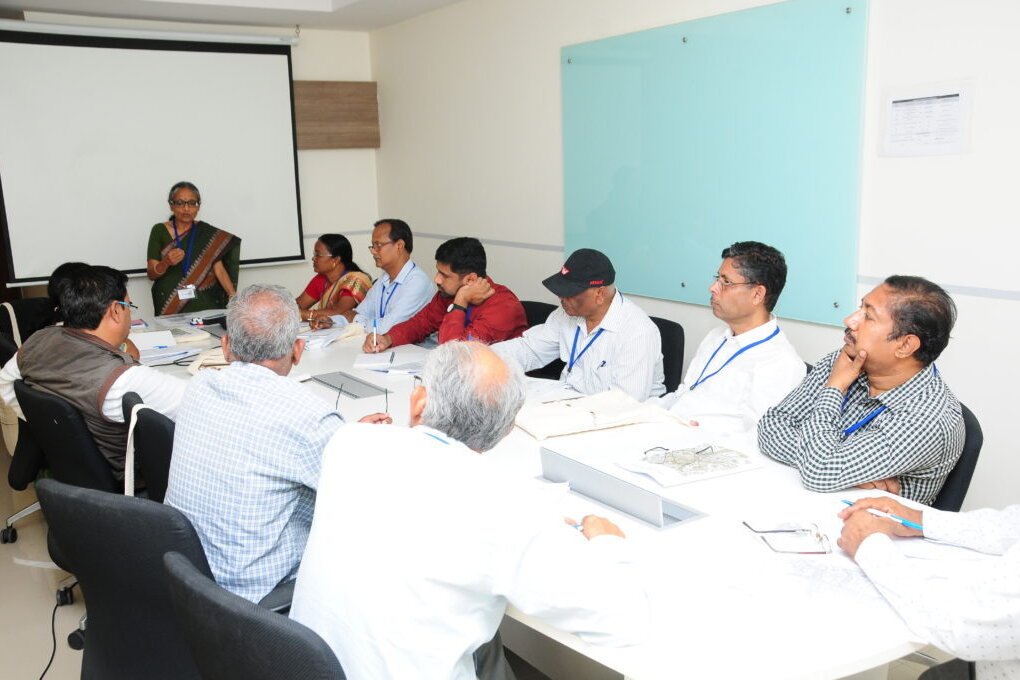

Teacher Capacities, Attitudes and Inclusion of Teachers from the Adivasi Communities
Session Report by Indira Vijaysimha
It is important to keep in mind that many of the Adivasi children are first-generation school-goers and if the teacher cannot speak their language, the children will not benefit from schooling.
-
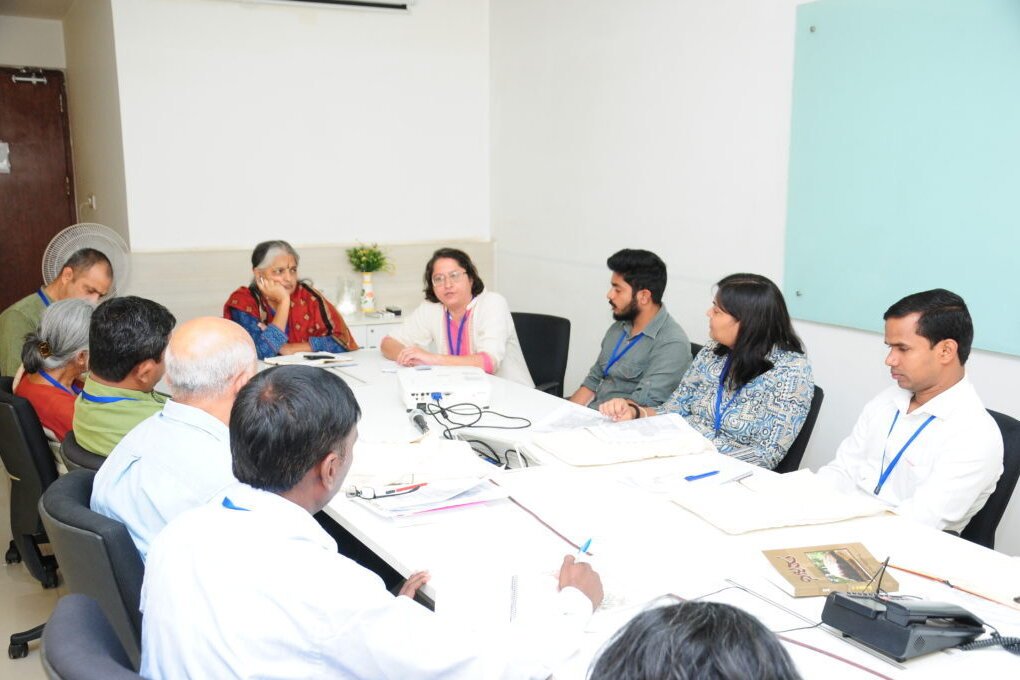
Policy-Making and Planning in the Public Education System for Adivasi Children
Session Report by Indu Prasad and Sonal Baxi
Policy-making for Adivasi education requires an understanding of the Adivasis in their historical and contemporary contexts and, more importantly, a consideration of what they themselves want.
-
Education-Development Interlinkages (Part XVII)
Vocational training as part of school education: A socioeconomic view
Q&A with Santhakumar V | 17 Oct 2025
There are efforts currently on in India to impart skills to youngsters. This may help a section of them to find jobs.
-
Learning outcomes & well-being of children in public schools: Some reflections
By Rishikesh Shanker | Aug 14, 2019
A discussion on strategies to improve access, enrolment, attendance, retention; and improving learning outcomes and wellbeing of Adivasi children.
-
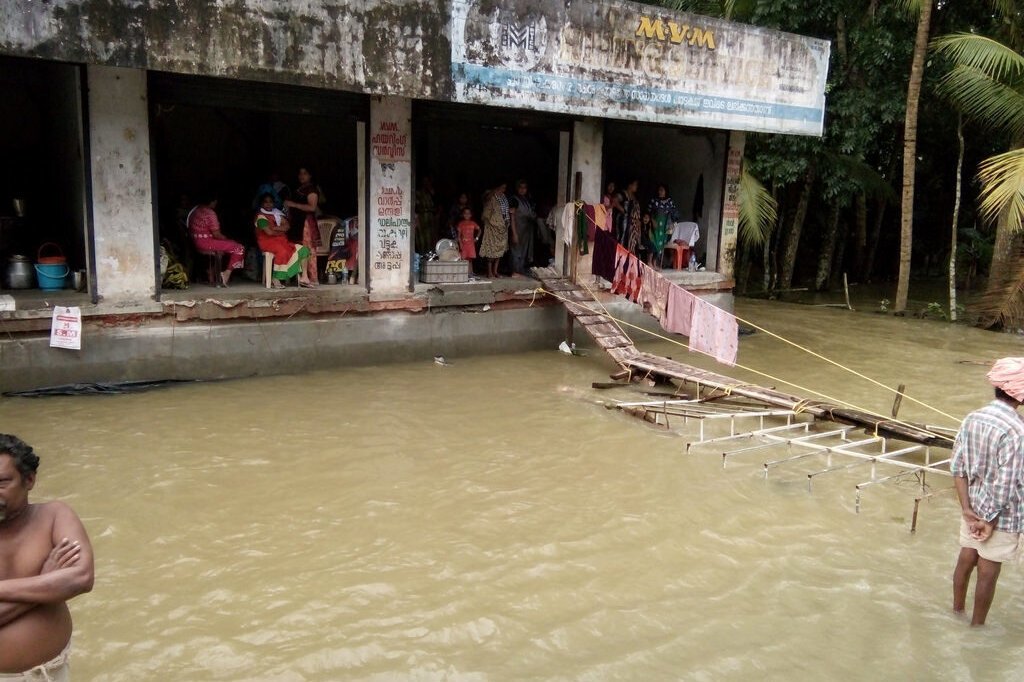
Governance of Post-Disaster Kerala: Some Crucial Aspects
By Santhakumar V | Aug 6, 2019
The recent floods have highlighted the social, economic & environmental vulnerability of man-made structures and their management in Kerala. A strategy for development that would make the state resilient in the face of major natural disasters.
-
The Emerging Role of a Governmental Agency in Promoting Renewable Energy: Lessons for ANERT, Kerala
By Santhakumar V | Jan 22, 2019
There will be a greater demand for and willingness to use alternative sources of power in Kerala in the future. How should ANERT transition to meet these?
-
Behavioural Change as Part of Development Practice
By Santhakumar V | Jan 3, 2019
Though the impact of social norms on human behaviour has been an important part of social sciences from the beginning, there is a realisation of the need now to integrate the findings from neurosciences, psychology, behavioural economics and anthropology to understand the specific ways in which these social norms or ways of ‘making sense’ impact the thinking and actions of individuals, which in turn impact development outcomes.
-
Creating Effective Organisations
By Santhakumar V | Dec 14, 2018
What can be the criteria for evaluating and designing effective organisations?
-
Challenges in Managing Development Organisations
By Santhakumar V | Nov 27, 2018
Setting up an organisation to receive or provide a service is not necessary for all contexts. There may be several other options. At the same time, there are several genuine reasons why creating an organisation is preferred over other options.
-
Working with a Social Purpose: Why Altruism Alone is Not Enough
By Santhakumar V | Nov 13, 2018
What motivates altruism? Is it self-interest, the desire to acquire money or power, or the compulsion to do the ‘right thing’? All these are examined in detail in this note.
-
Economic Analysis of Trade-offs in Development Practice
By Santhakumar V | Nov 2, 2018
If a set of children get an education or people in a village get healthcare through a development action, how do we calculate these social benefits? Basic ideas from Economics.
-
Development Practitioners have to be Responsible Environmentalists
By Santhakumar V | Oct 15, 2018
To enhance the effectiveness of our actions towards environmental protection, we must adopt a strategy informed by rational thinking that does not neglect basic insights and indications.
-
The Need to Sustain Benefits of Development Practice
By Santhakumar V | Oct 1, 2018
In general, it is relatively easy to create an asset or implement a project – construction and implementation can be hired or outsourced. However, this will not ensure that the asset will function well as long as it lasts.
-
Analysing Trade-offs in Development Practice
By Santhakumar V | Aug 28, 2018
Those who have decided to devote their lives to development practice and may have sacrificed a better income elsewhere – why should they consider the costs and benefits of it? Will such an analysis not deter them from doing good if the trade-off is discouraging?
-
Why We Need Development Practitioners
By Santhakumar V | Aug 9, 2018
It is important to note the persistence of a high level of poverty and underdevelopment in India, despite its achievements in the economic sphere and the income growth for a relatively smaller section of the society.
-
Development Practitioners Need Critical Self-Reflection
By Santhakumar V | Jul 26, 2018
Before starting a development action, it is important to honestly question one’s own motivations. This is true for individuals as well as organisations…
-
Assessing the Need for Development Actions
By Santhakumar V | Jul 2, 2018
There can be two ways of identifying the need for intervention – the first is based on what is ‘demanded’ by the people; the second is when the ‘interventionist’ feels that there is a need for intervention even if people concerned are not demanding it.
-
Development Practitioners Should Take Note of Local Political Economy
By Santhakumar V | Jun 6, 2018
In a socio-political context that is controlled by the elites but where the majority is poor who have less control over public resources and governmental decisions, it is obvious that the elites will not have enough incentive to work towards broad-based development.
-
Community Participation in School Management: Reasons it May Not Work in India
By Santhakumar V | May 16, 2018
There are arguments that favour enhancing the participation of the community (which includes parents) in the management or affairs of schools, especially those that are government-controlled or government-aided.
-
The Need to Strengthen Government Schools in India
By Santhakumar V | Apr 30, 2018
Though private schools may be efficient in terms of expenditure, they may give lower salaries to the teachers. The higher salaries in government schools may encourage many teachers to join private schools or government schools as contract teachers while aspiring for permanent appointments in government schools or other better-paying jobs.