
Response to COVID-19
Details
-


Successful COVID-19 Vaccination, Primary Health Centre, Sorapet
By Shankar K | Jun 27, 2022
Getting everyone vaccinated has direct and indirect impacts on society, like low infection rate, fewer chances of public lockdown and school closure etc. But the pace of vaccination in Puducherry was slow during the middle of the year 2021.
-

Reintegration & Rehabilitation Policies for Emigrants in Kerala: Strategies for a Post-COVID World
By Akhil C S, Ashwin Kumar and Sabeer V C | Nov 27, 2020
Given the importance of international migration to Kerala’s economy, old and new migration corridors need to be kept open for those who are willing to re-migrate in the future. A larger migration framework, which clearly outlines India’s approach to migration, is the need of the hour.
-

Fighting the Pestilence: Lessons from South Korea (Part III)
By Gouranga Gopal Das | Nov 20, 2020
The South Korean approach to COVID-19 may be difficult to emulate even for countries like the US and UK, but it provides important policy implications for developing countries and the need for strengthening three core competencies: digital technology, efficient health governance, and civic partnership.
-

Fighting the Pestilence: Lessons from South Korea (Part II)
By Gouranga Gopal Das | Nov 19, 2020
Seventy percent of 10,400 confirmed cases were tested, treated, and confirmed recovered and sent back home. ‘Nearly 20,000 people are being tested every day for coronavirus in South Korea, more people per capita than anywhere else in the world’, a BBC report mentioned.
-
Fighting the Pestilence: Lessons from South Korea (Part I)
By Gouranga Gopal Das | Nov 17, 2020
Lockdowns and the associated effects on consumption and work (labour hours) are demand and supply shocks that increase the severity of a deep recession, exacerbate the size of it but save lives by reducing the severity of the epidemic.
-


COVID-19 and the Challenges of Virtual Mode of Education in India
By Balakrushna Padhi and Lalhriatchiani | Sep 18, 2020
It is apparent that digital divide and disparity exist across social categories, regions and sectors. A proper institutional mechanism is needed to monitor, assess and bridge this digital divide. A review of the existing disparities in access and uses of ICTs, especially among young learners.
-
Vietnam’s Effective and Low-Cost Response to COVID-19
By Shona Schonning | Sep 10, 2020
Vietnam’s response to the COVID-19 pandemic has been lauded as exemplary having drawn attention in the international media and praise from the World Health Organization. While the Vietnamese success may not be replicable in all countries due to differing contexts, nonetheless, there are many valuable lessons from what made Vietnam’s success possible.
-
COVID-19: Fragility of Health Governance and Women’s Health in UP
By Shadab Alam | Sep 3, 2020
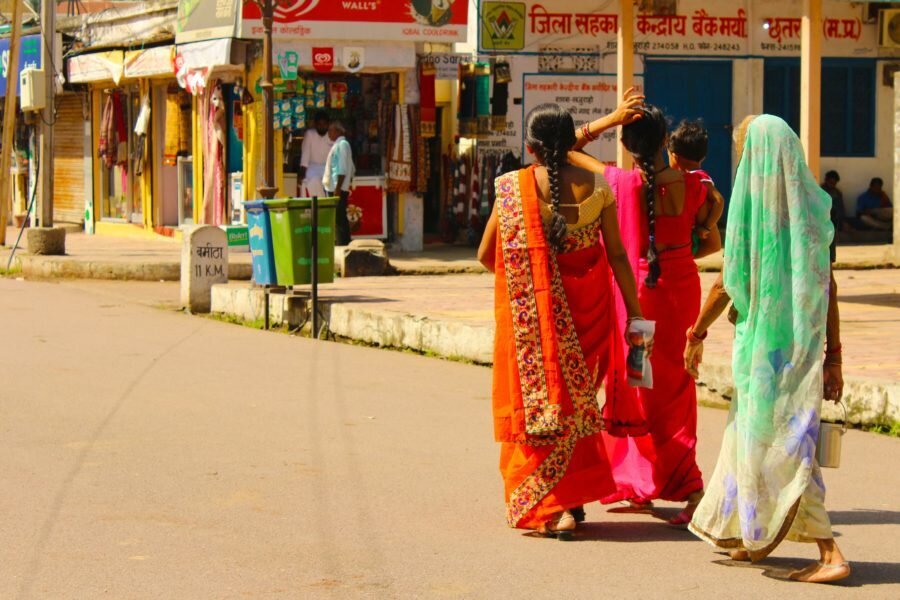
Recently, the United Nations Population Fund (UNFPA) concluded that the pandemic could cause around 7 million unintended pregnancies and leave 47 million women unable to access modern contraceptives. Since India is the world’s second-largest population, comprising 48 percent of the female population over the globe, therefore, India inevitably must have become an epicentre of unwanted pregnancies.
-

Textile and Clothing Industry Severely Hit by COVID-19
By Tanveer Ahmad Khan | Aug 31, 2020
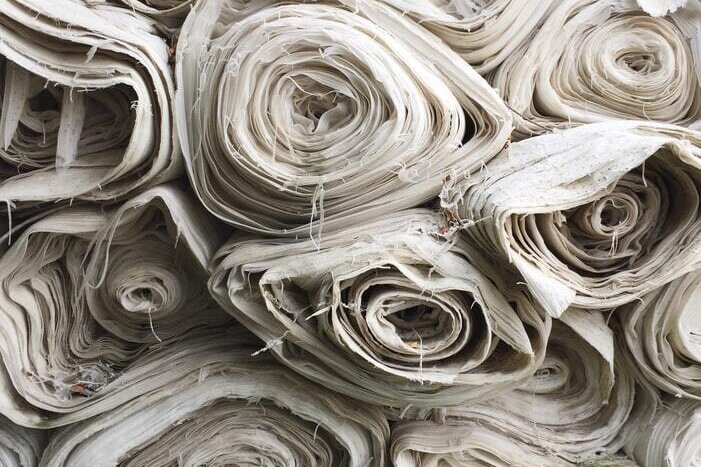
In the fall of 2019 when the virus hit China, Indian firms began to feel the brunt as India imports various raw materials from China. When the lockdown was announced and within no time became a universal instrument to fight the virus, it brought disastrous economic effects as a by-product. Textile and apparel producers began to press for a relief package.
-
New Zealand’s COVID-19 Containment Strategy and Outcomes
By Srikanta Chatterjee and Nikhil Srivastava | Aug 24, 2020
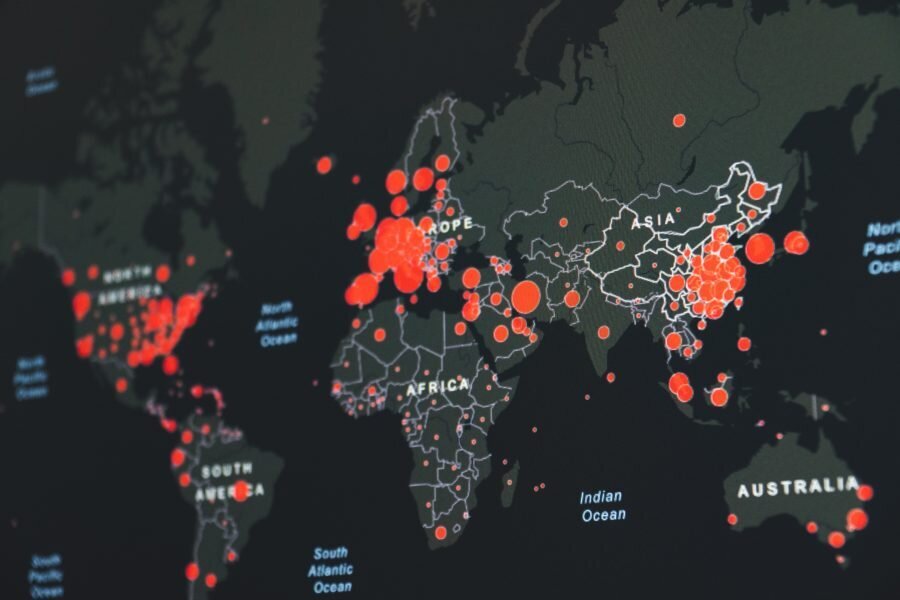
New Zealand’s COVID-19 strategy has been not just to contain the virus but to eliminate it through a consistent and sustained set of policies, informed by expert scientific advice and sound common sense. The major strands of that policy-setting included border controls, monitoring the incidence of the disease, physical distancing of people and the observance of some sensible rules of personal hygiene, all clearly communicated to the general public regularly.
-

Implications of COVID-19 on India’s Fight to Eliminate Undernutrition
By Rudra Narayan Mishra | Aug 13, 2020
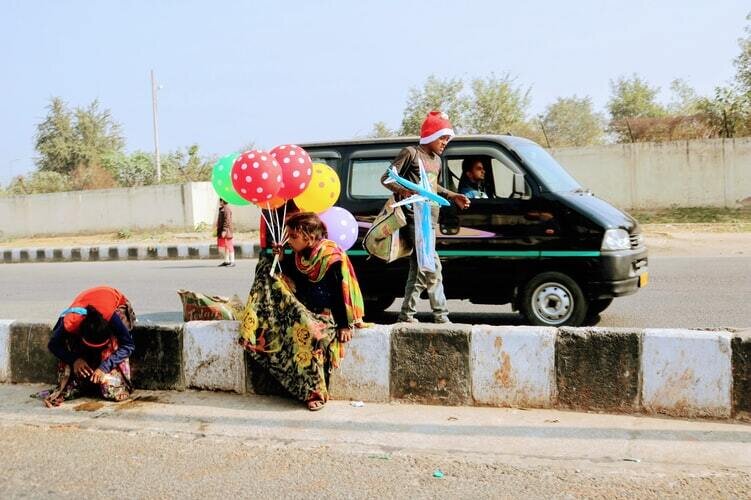
With disrupted production and supply chain activities in the food market due to COVID-19, it is very likely that the availability of grains, fruits and vegetables will be interrupted in the future. COVID-19 has led to an increase in transaction costs and uncertainty in India’s food supply chains dominated by private players and 92% of food consumption in the country is going to be affected by this disruption.
-

COVID-19: Lockdown Impact on Informal Sector in India
By K Chandra Shekar and Kashif Mansoor | July 29, 2020
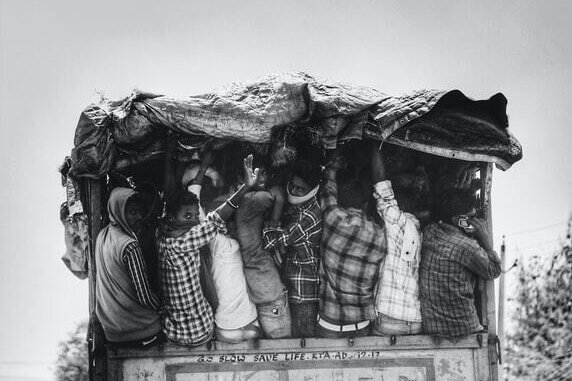
COVID-19 will initiate a new realignment. First, there may be a tendency to use suppliers in more expensive locations (but closer to major markets) by replacing labour with capital. Second, in the medium term, we will see greater exclusion of productive activities by global value chains from the informal economy. Both will be at the expense of countries that want to take advantage of their low labour costs by engaging in manufacturing supply chains.
-
COVID-19 in Costa Rica: Navigating the Virus
By Luis G Solis | Jul 27, 2020
It is still impossible to predict what the final outcome of this pandemic will be. Yet, at least for Costa Rica, it will unlikely mean the kind of catastrophe that it has produced in the US, Mexico, Brazil, Nicaragua, and Ecuador. Having a well-grounded, social security system that is universal, financed by a tripartite, solidarity mechanism and accessible to citizens regardless of their economic condition and national origin, makes the difference.
-
Education of Indigenous People During the Pandemic: The Experience of Ecuador
By Sebastián Granda Merchán Quito | Jul 21, 2020
It is essential that the State and civil society organisations consider the real situation of the indigenous population and schools, with a view to implementing strategies to resolve the difficulties that have been evident in these three to four months of the health emergency and ensure the continuation of the educational process of indigenous children and adolescents.
-
Governance in the Time of Corona Crisis: Karnataka’s Response
By Supriya Menon | Jul 17, 2020
The Karnataka government which received immense praise for keeping the numbers low and developing innovative methods of contact tracing, is now, drawing flak from different corners. The Chief Minister, who initially seemed adamant in continuing commercial activity and was confident the state does not need to do a 180, has done exactly that with this new announcement.
-
COVID-19: A View on the German Response
By Ramesh Karuppusamy | Jul 14, 2020
Because of the two World Wars, the German public is, in general, wary of military displays and their privacy laws and public policies are highly scrutinised; the public places a very high value on the freedom of movement. For instance, the outcome of the political debate on whether the army should be enlisted to protect the supermarkets (due to fear of riots owing to the breakdown in supply chains) was unanimous – the public has the discipline to avoid deploying the armed guards.
-
COVID-19 – A Trigger for Policy Implementation, Economic and Socio-Cultural Behaviour Change in Uganda
By Antony Tebitendwa | Jul 10, 2020
Uganda started implementing lockdown measures on March 20, 2020 and fully implemented a lockdown on March 30, 2020. It was at this point that all Ugandans started feeling the impact of this pandemic. Following the lockdown, there was an urgent demand food and other life necessities.
-

Unequal Impact: COVID-19 Will Hit Youth Harder
By Basit Abdullah and Kashif Mansoor | Jul 6, 2020
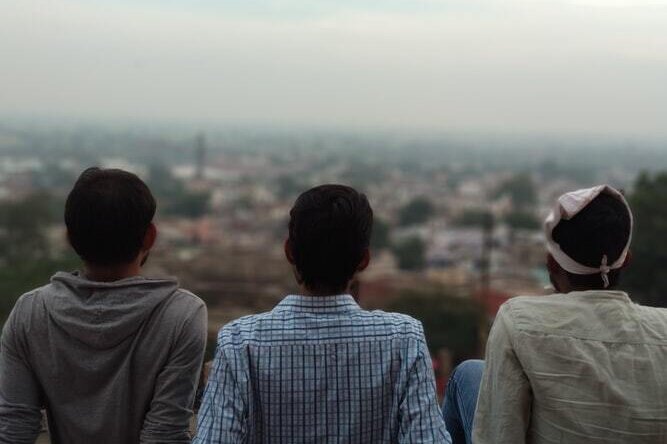
The current pandemic, once more, underscores the requirement of the universal basic income to have a safety net for the vulnerable section of the population. Social protection measures, like unemployment benefits for youth through active fiscal policy, will be a relief for millions of youth affected.
-


Lessons from Combating COVID-19 Critical for Sustainable Development in Kenya
By Benard O Nyatuka | Jul 3, 2020
Understandably, climate change, is as dramatic as the COVID-19 disease. In fact, expert opinion has it that if unchecked, climate change stands to claim even a higher number of lives compared to the coronavirus. The main contrast between the two is that climate change is taking place at a slower pace compared to the pandemic.
-
Kenya’s Response to COVID-19
By Charity Mukiri Limboro | Jul 2, 2020
The Government of Kenya largely adopted ‘containment’ as the strategy in the fight against COVID-19. After the confirmation of the first case in the country, the government’s immediate reaction was instituting policy measures and behavioural protocols aimed at averting the spread of the virus especially into the rural areas where most of the senior citizens reside.
-
Pakistan’s Humanitarian Response Plan for COVID-19
By Shafqat Munir | Jun 30, 2020
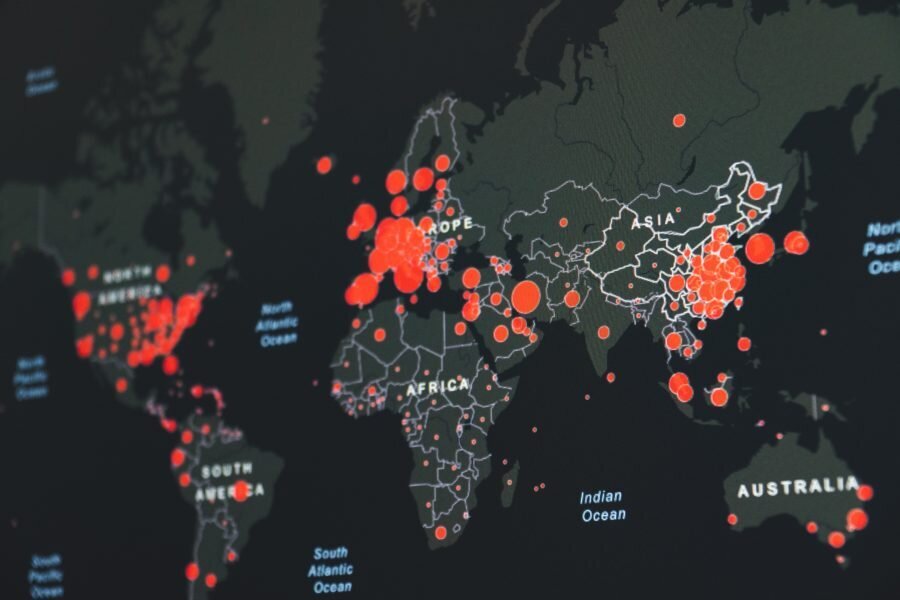
Pakistan is finalizing its annual budget 2020 – 21 in which healthcare has been considered for the first time in its history as a top priority area. Before the COVID-19 pandemic, Pakistan used to spend around 2% of the GDP on the health sector, five times less than the global average of 10% spending on health.
-
Build a Welfare State During Ordinary Times to Survive Pandemic Times: Lessons from Italy
By Nanditha Mathew | Jun 24, 2020
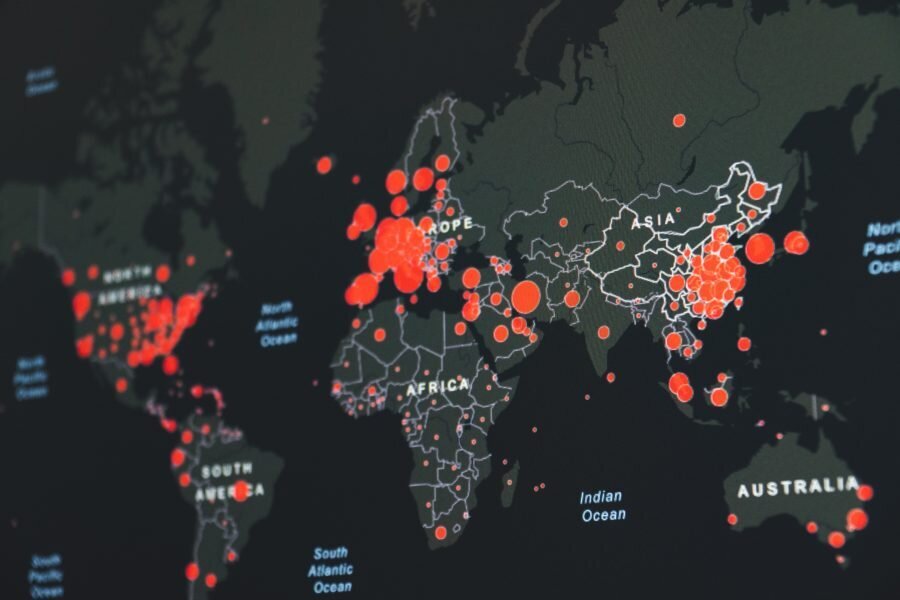
In all policies to fight COVID-19, there should be a strong involvement of scientists, especially epidemiologists and virologists, in the decision-making process along with politicians. Politicians’ role should be confined to addressing facts, making timely decisions based on science and helping the vulnerable.
-
COVID-19 and the Institutional Response in Assam
By Jojo Jacob | May 23, 2020
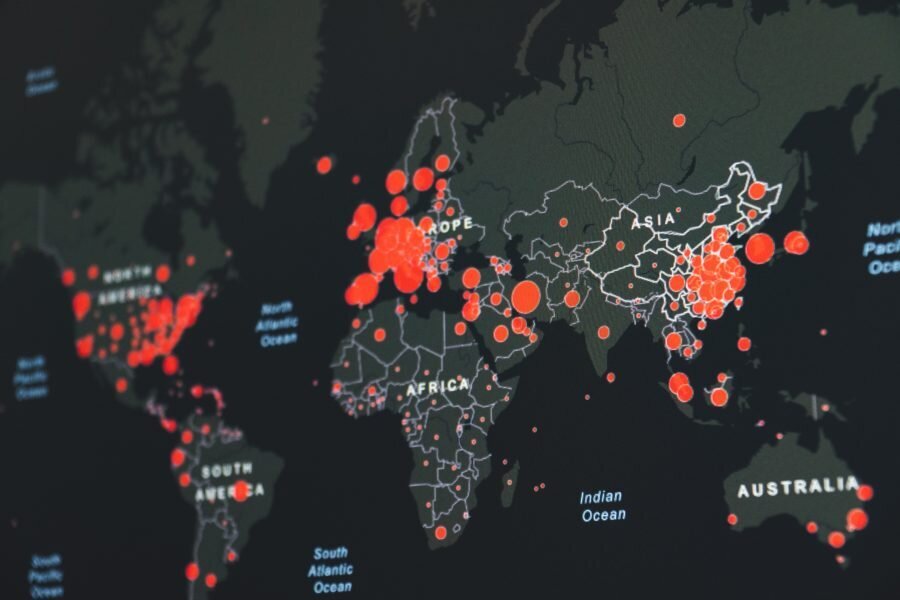
Amidst the COVID-19 pandemic, there is the fear of floods looming in Assam, which is a regular phenomenon in the state, causing extensive damages to life, property, and crops every year. This is going to make the fight against COVID-19 more difficult for the state government and its people not only in terms of compromise of social distancing norms but also due to the diversion of money, physical infrastructure and human resources for damages caused by the floods.
-
Governing the COVID-19 Crisis and its Repercussions in Switzerland
By Urs Geiser | Jun 17, 2020
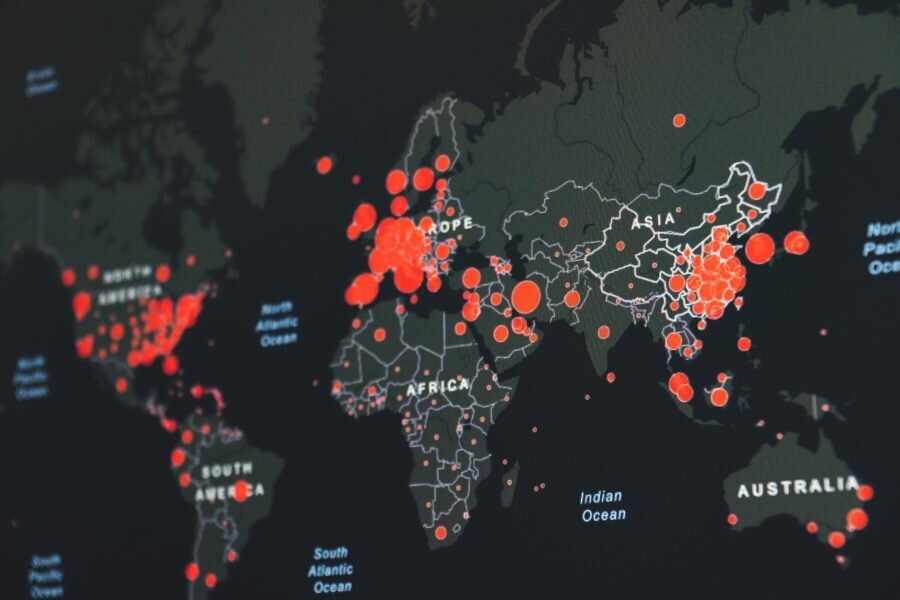
The first confirmed death related to COVID-19 in Switzerland was reported on March 5. The Federal Council launched a huge awareness campaign focusing on regularly washing of hands with soap; social distancing; and a message to ‘stay at home, if possible’. Consequently, many private companies, as well as the public administration and tertiary education institutions, allowed ‘working from home’.
-
COVID-19 and Lockdown : The Divergent Trajectory of Inter-state Migrants in Kerala
By Tijo George, Mala Ramanathan and Udaya S Mishra | Jun 16, 2020
While the State has not accorded the inter-state migrants the status of citizens, it duly planned for the provisioning of their welfare. These efforts will certainly bring hope among the beleaguered inter-state migrants and serve as an exemplar for other states regarding the management of human costs of the pandemic and lockdown imposed on the citizenry.
-

Uncommon Response for Common People: The Case of Bankura, West Bengal
By Sritama Rana and Porag Shome | Jun 12, 2020
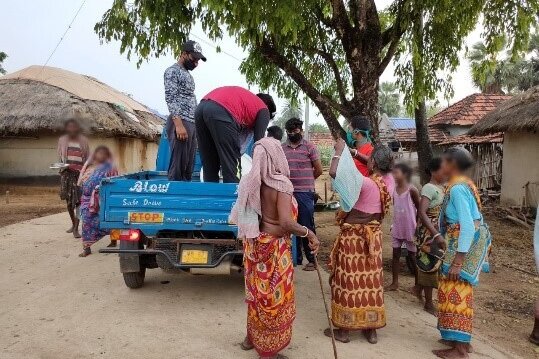
As we move ahead in this fight, it is befitting to pause and acknowledge the efforts made by several large and small informal citizen groups that are unregistered and have no formal access to leverage financial support, and which came together to extend humanitarian support.
-
Migrant Lives Matter: A Photo Feature
By Team ECE | Jun 11, 2020
Like Narasimhulu and Paravthi’s family, there are more than 40 other families in the nearby locality in the same situation. Although the government and voluntary organisations are working hard to reach all the needy, there are many families that are left out and remain unserved.
-
Pandemic Response: Field Stories from Telangana
By Team ECE (Early Childhood Education) | Jun 10, 2020
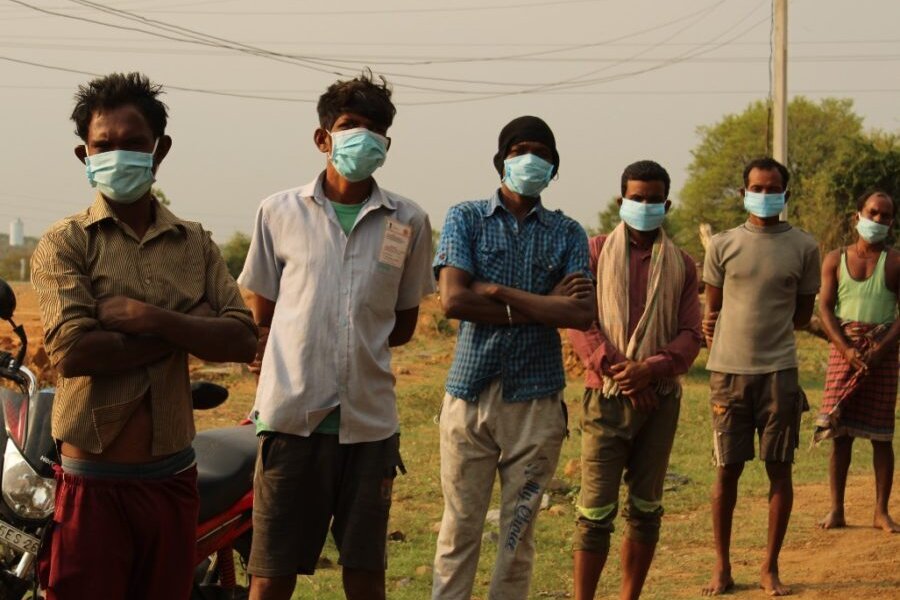
The lockdown affected the community more than COVID-19 itself. It revealed how the majority of the population is living (earning and spending on essentials) on a daily basis. When the economy comes to a standstill, the weakest take the blow. With very little cash, resources and rations to sustain them, they suffer in silence. The government support, unfortunately, is designed in a way that it reaches the neediest, last.
-
West Bengal’s COVID-19 Strategy: Beyond the Hype
By Arghadeep Saha | Jun 4, 2020
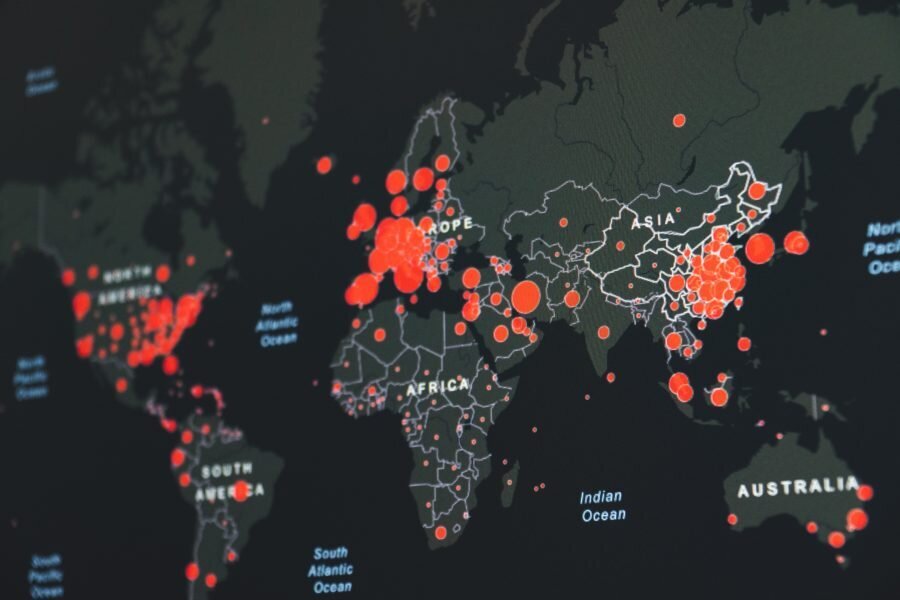
The devastation caused by the Super Cyclone Amphan has in many ways dealt a body blow to the administration struggling to contain the pandemic in already challenging circumstances. Incidentally, the cyclone-affected areas are also the most affected by the coronavirus. Going forward, it would be imperative for the central and state administration to work in tandem to overcome the double-edged sword that has cut across West Bengal to ensure lives are saved and the economy put back on track.
-
Containment and Welfare: Rajasthan’s Two-Pronged Response to COVID-19
By Indira Patil | Jun 3, 2020
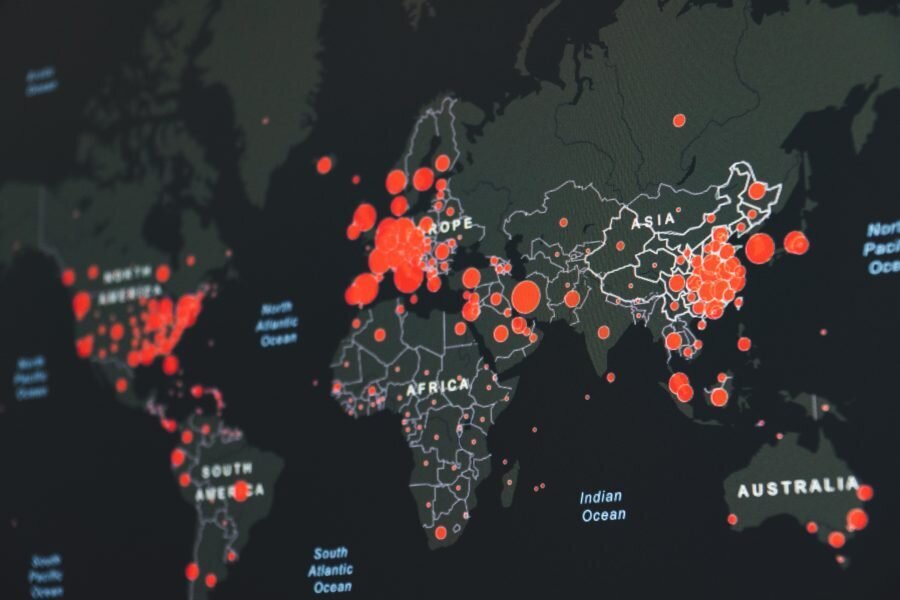
The strategy of strict containment, screening and lockdown was popularised as the ‘Bhilwara Model’. Other districts were encouraged to adopt it to tackle and limit the spread of COVID-19. But as the District Magistrate of Bhilwara himself suggests that, the Bhilwara Model is applicable only in the context of small towns and districts where the population density is low, and it is easier to practice social distancing.
-
Bihar and the Looming Corona Crisis
By Poorva Awasthi | Jun 2, 2020
Shocking images of poor migrants being held like prisoners in detention centres across India and reports of their starvation are rampant on social media. Despite this, the state government has refused to acknowledge the tragedy and continues to claim that it is handling the crisis well.
-
Responding to the Pandemic: The Gujarat Model
By Keshab Das and Hastimal Sagara | Jun 1, 2020
The state stands nowhere close to the efforts and achievement of several other Indian states neither as prosperous nor having as comparable extensive, high-end healthcare endowments. How Gujarat has responded to the pandemic thus far is the central concern of this short paper.
-

COVID-19 Pandemic: Maharashtra — Civil Society Response and Challenges Ahead
By Sanchita Das and Peehu Pardeshi | May 27, 2020
In in Mumbai since March 24, when the lockdown was announced, more than fifty organisations were already at the forefront of relief activities in different pockets of the city. They have pooled in their resources (existing funds) for distributing ration, setting up shelter homes, and community kitchens, distributing protective medical equipment and creating awareness in vernacular medium.
-
Australia’s Experience in Dealing with COVID-19: Are There Lessons for India?
By Ranjan Ray | May 26, 2020
While India and Australia share some common features, such as a large landmass, concentration of its working population in and around the urban metropolitan areas, and a federal structure with significant movements within the country, there are several disparate features between the two countries that may have shaped their different COVID-19 experiences to date.
-
An Exploration into Delhi’s COVID-19 Response Model
By Binoy Goswami | May 25, 2020
The Government of Delhi has been proactive in dealing with the COVID-19 pandemic. It has monitored the situation continuously and responded to it as per the need of the time. While formulating its response strategy, all stakeholders and their positions within the response model have been clearly identified and the responsibilities assigned to them have been unambiguously stated.
-
Indonesia’s Response to Covid-19 Outbreak
By Esther Sri Astuti SA | May 21, 2020
This pandemic has and will have a larger impact on the national economy. Many people will see a drastic decrease in their incomes and loss of their livelihood and many may lose their lives. Indonesia is predicted to experience a recession, even a depression.
-
Punjab’s Fight Against COVID-19: Hopes, Fears and the Balancing Act
By Indervir Singh and Naresh Kumar | May 20, 2020
Punjab is one of the few states that has taken relatively early and more stringent measures to tackle the COVID-19 crisis. The early actions were quite understandable as it is one of the states that have the largest diaspora living in countries most affected by the virus. A large section of these persons of Indian origin (PIO) and non-resident Indians (NRIs) travel to Punjab almost every year between October and March.
-
Is Tamil Nadu’s Fight against COVID-19 Becoming More Challenging?
By Jafar K | May 19, 2020
The state of Tamil Nadu is known for having established an impressive public healthcare system, and health infrastructure with a large network of institutions. In response to the pandemic, the state government mobilised Rapid Response Teams (RRTs) at the state and district levels, set up control rooms, started thermal scanning of passengers, prepared isolation wards, developed guidelines and began awareness campaigns.
-
COVID-19: Response of France and Some Lessons for India
By Jojo Jacob | May 18, 2020
Although France’s health system weathered the storm unleashed by the coronavirus outbreak, the crisis exposed the cost of abandoning its erstwhile long-term pandemic response strategy. While that strategy drew ridicule for pouring in one billion euros of taxpayer money for stockpiling masks and testing tools, two months of lockdown has cost 120 billion euros in lost revenue.
-
Intelligent Lockdown to Combat COVID-19: The Dutch Way
By Abdul Azeez Erumban | May 18, 2020
It is hard to imagine that the Dutch way of ‘intelligent lockdown’ can be an appropriate strategy for India, given the size and nature of its economy and the collectivistic cultural attitude of society. However, the clarity, consensus, and reliance on expert opinion in decision-making that was prominent in the Dutch process, is a valuable lesson for India.
-
Uttar Pradesh’s Strategic Preparedness and Response to COVID-19
By Shashank Khare | May 15, 2020
Agra was declared as the first COVID-19 cluster in India with one of the first cluster cases identified in the city. However, Agra was quick to curb the spread of the virus, and the numbers stopped rising rapidly within a few days. The strategy and response adopted by the district authorities were so successful that this was praised by the Central Government and came to be known as the Agra Model.
-
COVID-19 and the United States Government
By Preethi Krishnan | May 14, 2020
The US government signed into law the Families First Coronavirus Response Act that requires public and private insurance plans to cover the cost of COVID-19 testing. But even in this dire situation, the law does not cover the cost of COVID-19 treatment or other associated charges unrelated to testing. Will an uninsured person visit a doctor if they have symptoms of COVID-19?
-
Brazil Against COVID-19 Pandemic: A Timeline Review
By James Tiburcio | May 12, 2020
By March-end, different public hospitals in the country were already reporting a situation that was bordering on chaos: hospitals that had no soap for handwash or paper towels to dry, intensivists that lacked alcohol gel, goggles or a mask. The increase in demand for services caused by the pandemic of the novel coronavirus was already testing the weakened capacity of the SUS.
-
Geographical Variations in the Propagation of COVID-19
By Jean-Philippe Platteau | May 11, 2020
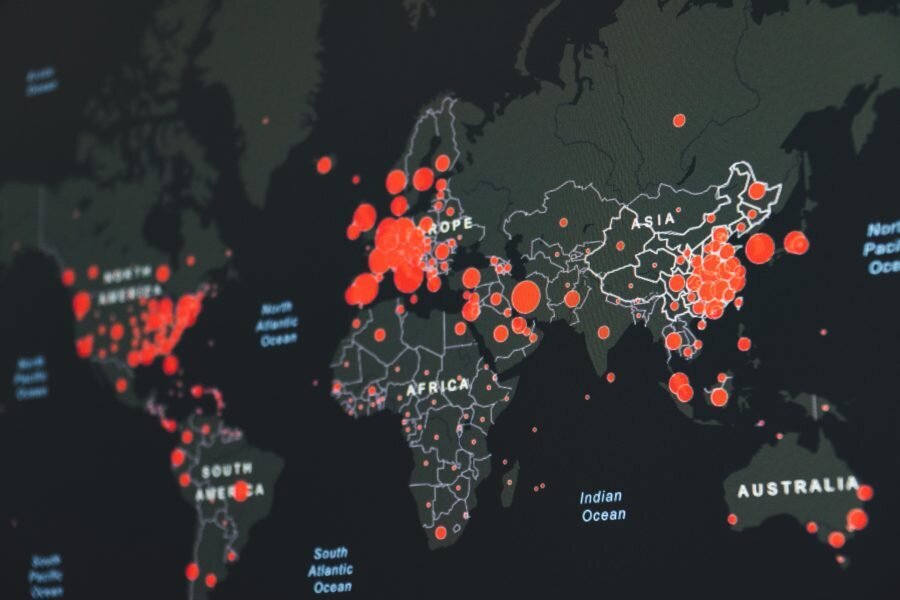
A striking contrast offered by the map of COVID-19 in Europe is between the relatively low rates of infections (and hospitalisations) in countries like Germany, Austria, Scandinavia (except Sweden), and Eastern Europe, on the one hand, and the relatively high rates observed in countries like Italy, Spain, France, UK, Belgium and the Netherlands, on the other.
-
Beyond the Hype: Understanding how Kerala is Handling COVID-19
By V Santhakumar | May 11, 2020
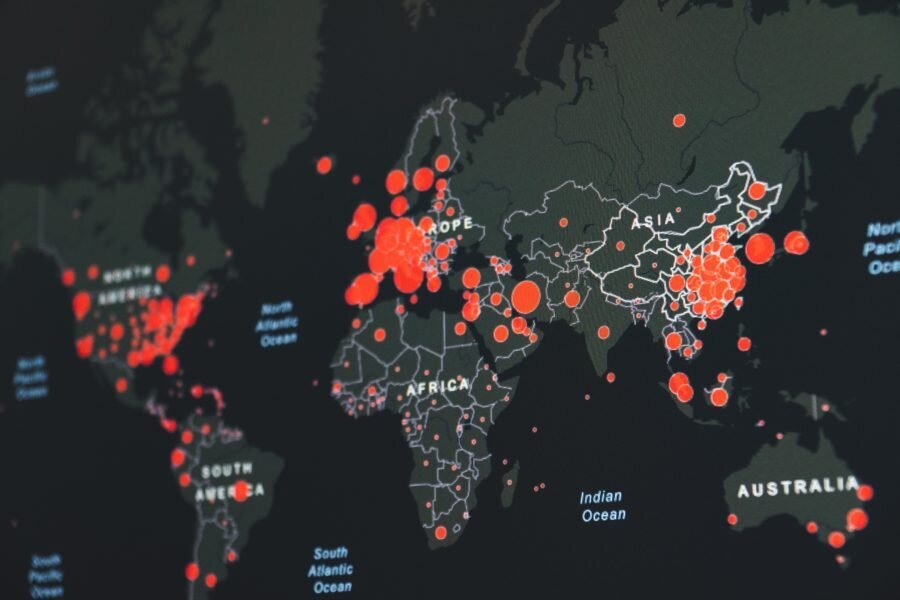
Kerala government became alert and pro-active to meet the COVID-19 emergency before most other Indian states. The experience of handling the Nipah virus last year may have sounded an alarm to the administration. So, when the infection started spreading in Wuhan (China), Kerala could foresee the arrival of the virus into the state.
-
COVID-19 Strategy: The Swedish Model and Lessons for India
By Ashok Swain | May 6, 2020
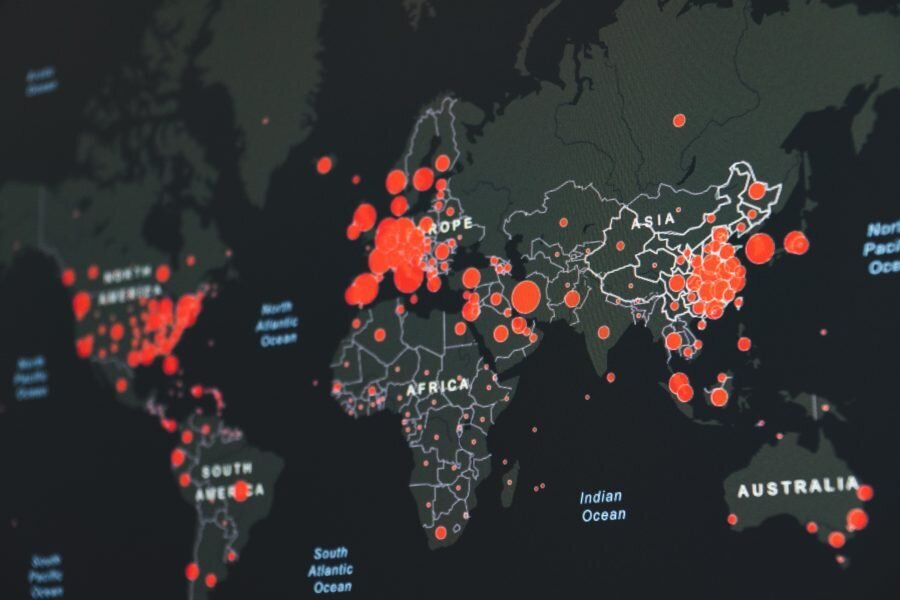
Sweden is treating the coronavirus crisis as a health emergency and it is the economic need, not the political expediency that is shaping the country’s policies. The number of COVID-19 patients in Sweden is quite high, still, its hospital system has not collapsed, like in Italy, nor has it gone for building new hospitals overnight, like China.
-
Odisha’s Fight Against COVID-19
By Amarendra Das and Subrat K Mishra | May 5, 2020
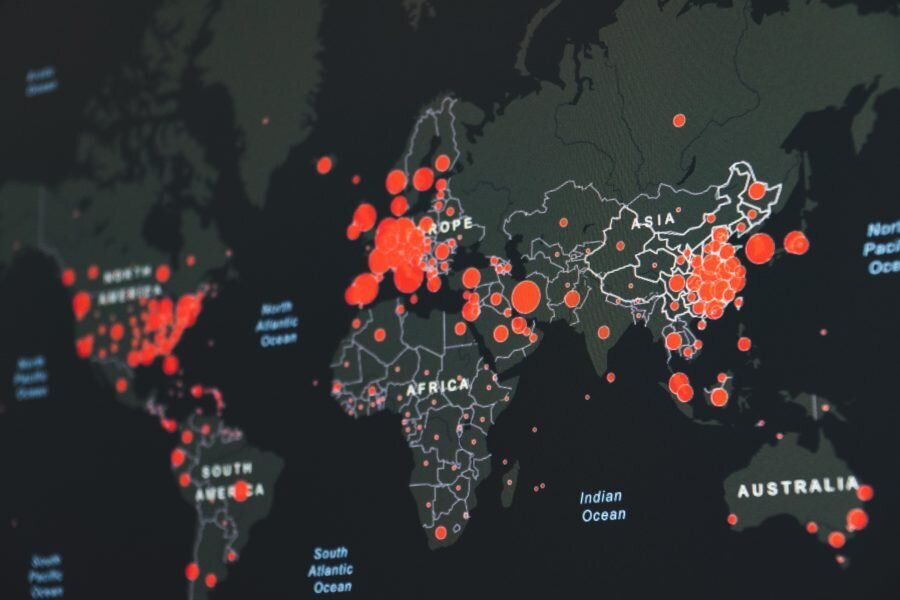
The state has shown some first of its kind actions to handle the COVID-19 pandemic. This could be seen as the state’s learning from handling natural disasters year after year. During and post these disasters, the state has already been credited with management resulting in zero human and cattle loss. The same passion, commitment, proactiveness is visible in its fight against the COVID-19 pandemic.