
Insights from Social Contexts
Details
What happens when a state achieves ‘full’ literacy? Does education promote development or vice versa? Focussing on specific social settings, experts present their views in this section. Practitioners will be able to relate to these social contexts and contribute to make this section richer with their experiences.
-


Indian Student Migration for Medical Education to Central and East Asia
Understanding Demand, Supply and Roles of Market and State
By Santhakumar V | May 9, 2024
There is no point in taking a negative view of this exodus from India for medical education. The cost of medical education is prohibitively high in India. Entry barriers are unreasonable.
-

Land Degradation in India: A National Systems Perspective on Achievements and Challenges
By Santhakumar V | Apr 11, 2024
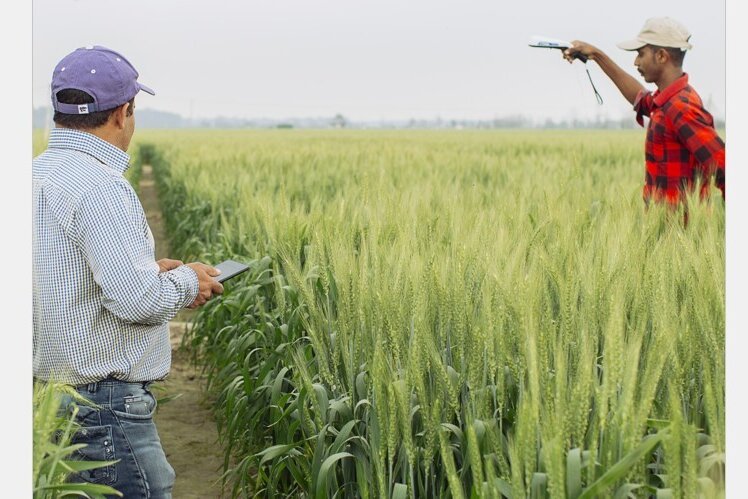
Though there was a high rate of deforestation in India in the past, the degradation of remaining natural forest cover has declined. According to official data, there is an increase in areas covered by forests in the country.
-

Enrolment in Higher Education: Need for Reflection (PART II)
By Santhakumar V | Jan 9, 2024
The real problem is the lack of an approach to connect academic subjects with the real-life or occupational contexts of students. The subjects that students study in their UG programme should contribute to their lives and occupations even if they do not pursue higher levels of education.
-

Enrolment in Higher Education: Need for Reflection (Part I)
By Santhakumar V | Dec 28, 2023
A mere increase in the enrolment in higher education may not be the ideal way forward. There is a need for a deeper analysis of factors which encourage youngsters to go to a college/university.
-
Education and Development: A Comparison Between South and Central Asia
By Santhakumar V and Mir Afzal Tajik | May 26, 2023
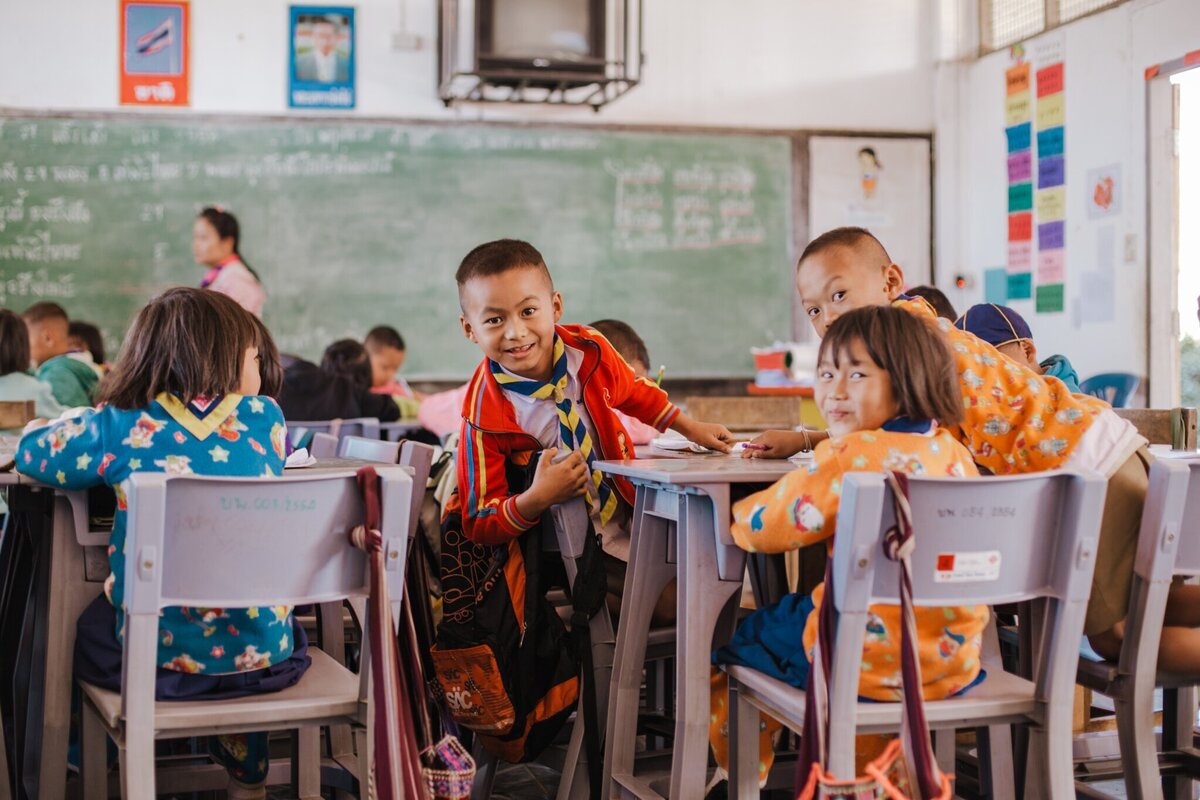
The slow spread of school education for all has affected the economic development in South Asian countries. If we compare the situation in India with that of China, it is clear that the latter could ensure the provision of basic education to the majority of children, which helped the growth of manufacturing industries.
-

Peatland Restoration in Indonesia Needs a Global Collaborative and Pragmatic Approach
By Santhakumar V | Mar 10, 2023
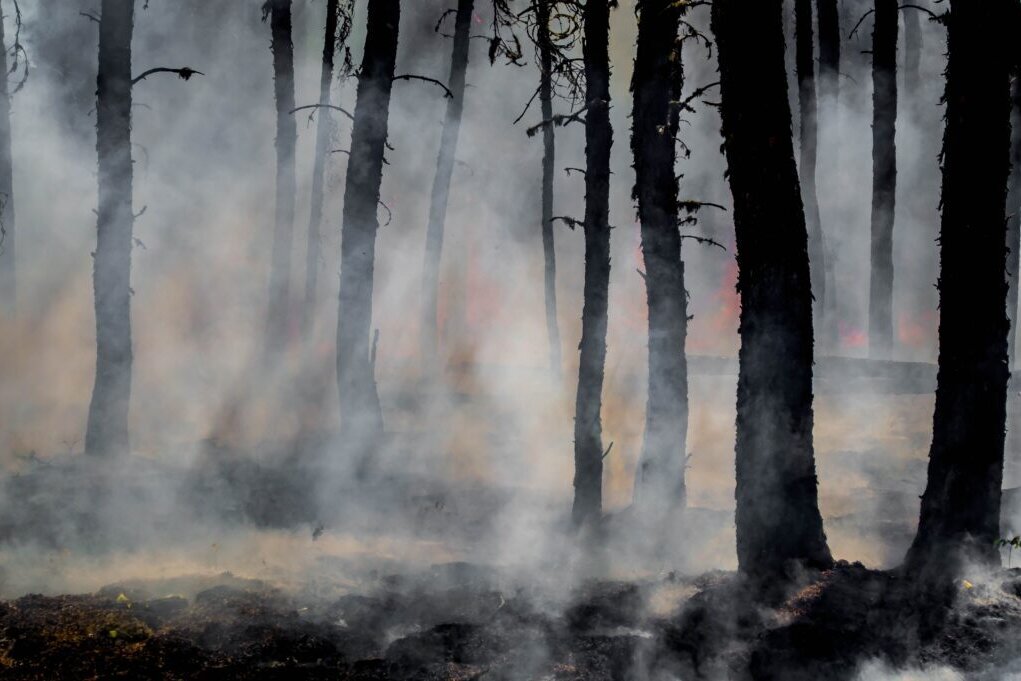
The restoration of peatlands in Indonesia and elsewhere is important not just for these countries but also globally. The burning of peatlands can add significant amounts of carbon dioxide to the atmosphere and can also lead to other problems, such as haze that affects airline traffic.
-


Socio-economic Conditions that Enable Restoration of Land and Ecosystems
What we know – What we need to know
By Santhakumar V | Dec 29, 2022
Discussions on land restoration have so far not focussed adequately on the connection between human development and the restoration of land and ecosystems. There are cases where broad-based development led to an increase in the vegetative cover over those lands which were used for intensive (or degrading) agriculture in the past.
-
Educational Challenges of Roma People in Europe and Dalits in India: A Comparative Analysis (PART II)
By Santhakumar V and Edina Kovács | Nov 3, 2022
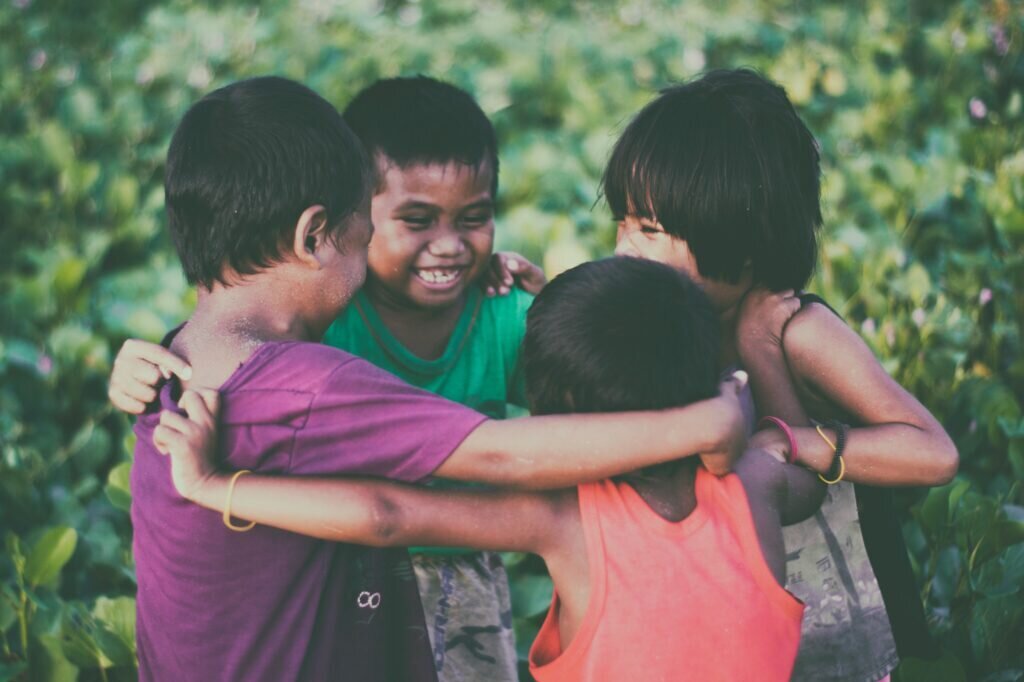
The cases of Roma people and the Dalits show that specific social groups can remain less educated and underdeveloped for generations. An equilibrium of social discrimination combined with economic deprivation can sustain for a long time as evident not only from the study of these two sections of people but also from that of the Black community in the United States.
-

Educational Challenges of Roma People in Europe and Dalits in India: A Comparative Analysis (PART I)
By Santhakumar V and Edina Kovács | Oct 21, 2022
Historically, there were periods of suppression and exclusion of the Roma people. Even when their children were admitted to schools, they were not fully accepted. Their historical underachievements in education continue to impact the performance of children from these communities, even though government policies have become more enabling for their children.
-

Challenges in Schooling for Rural Poor: India versus Kenya (Part II)
By Benard Nyatuka, Santhakumar V | Sep 7, 2022
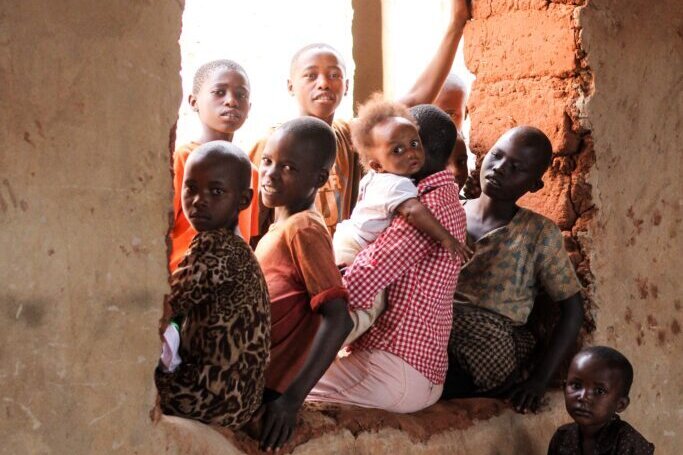
Despite a relatively better economic status as a whole and higher public investments, India seems to be facing challenges in terms of retention and learning in schools somewhat similar to those that Kenya faces. But the reasons for the underperformance in school education seem to be different in the two countries.
-
Challenges in Schooling for Rural Poor: India versus Kenya (Part I)
By Benard Nyatuka, Shanthakumar V | Aug 25, 2022
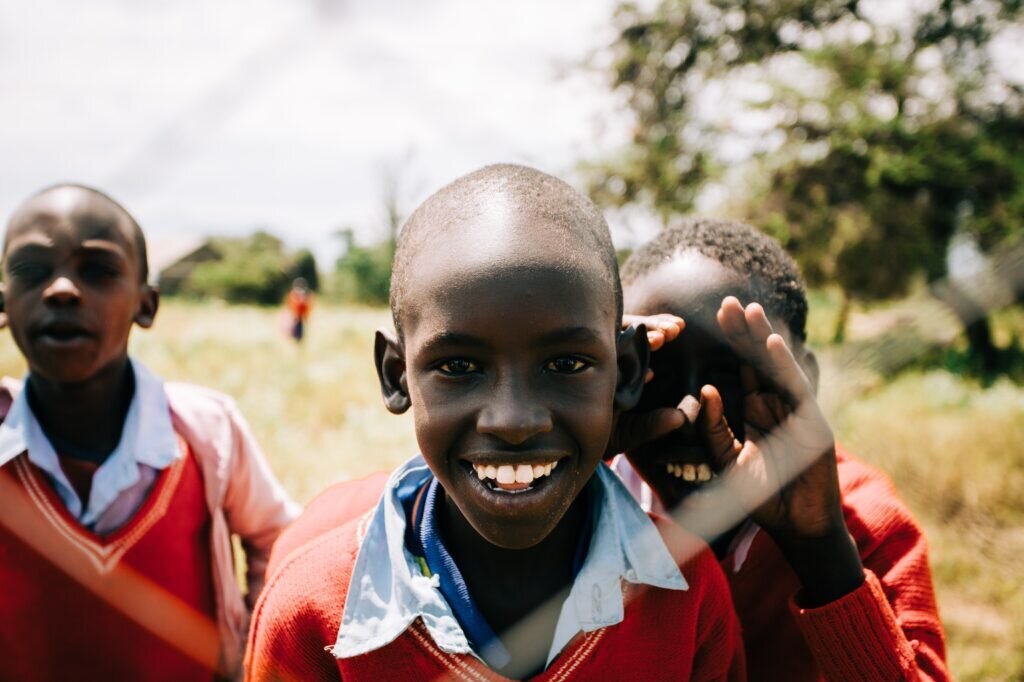
There are important differences in the schooling patterns in India and Kenya. For example, those social groups that do not do well in education are different in the two countries. But this note focuses on the differences in the responses of governments in both countries in addressing the challenges related to the demand for and supply of education, among the rural poor.
-
Training for Local Development: University of Central Asia (Part II)
By Bohdan Krawchenko | July 25, 2022
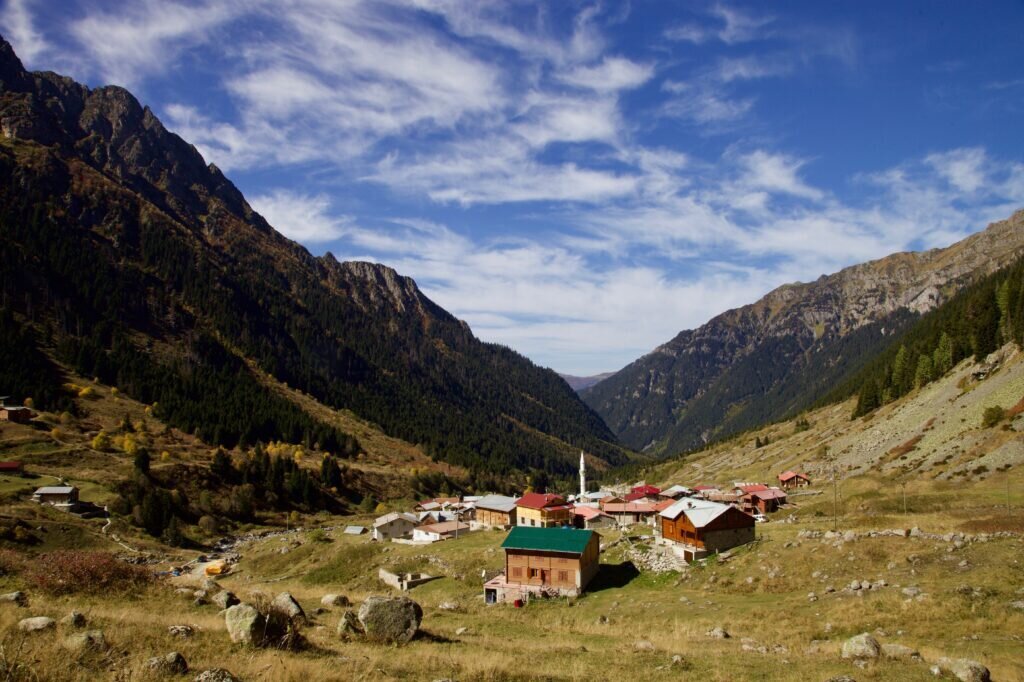
School of Professional and Continuing Education (SPCE)-Afghanistan is unique because it is embedded in state educational establishments and, in effect, is a private-public partnership. Three of its Learning Centres are at Teachers’ Training Colleges located in remote mountain towns of the Badakhshan province.
-

Training for Local Development: University of Central Asia (Part I)
By Bohdan Krawchenko | July 12, 2022
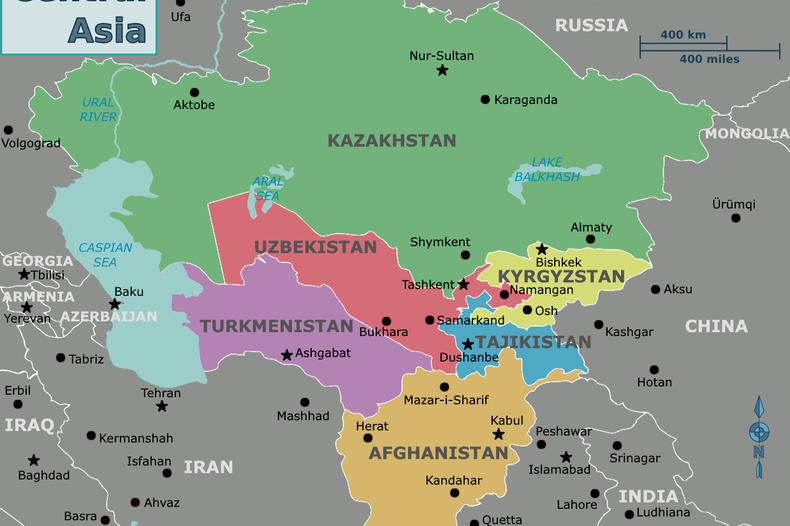
The University of Central Asia defines itself as a ‘development’ university. Its locations reflect this commitment — the campuses are in secondary towns among poor mountain communities where it becomes a significant driver of economic growth.
-
Dependence of Urban Poor on Private Schools in Nairobi: An Institutional Analysis (Part II)
By Charity Limboro and Santhakumar V | Jun 16, 2022
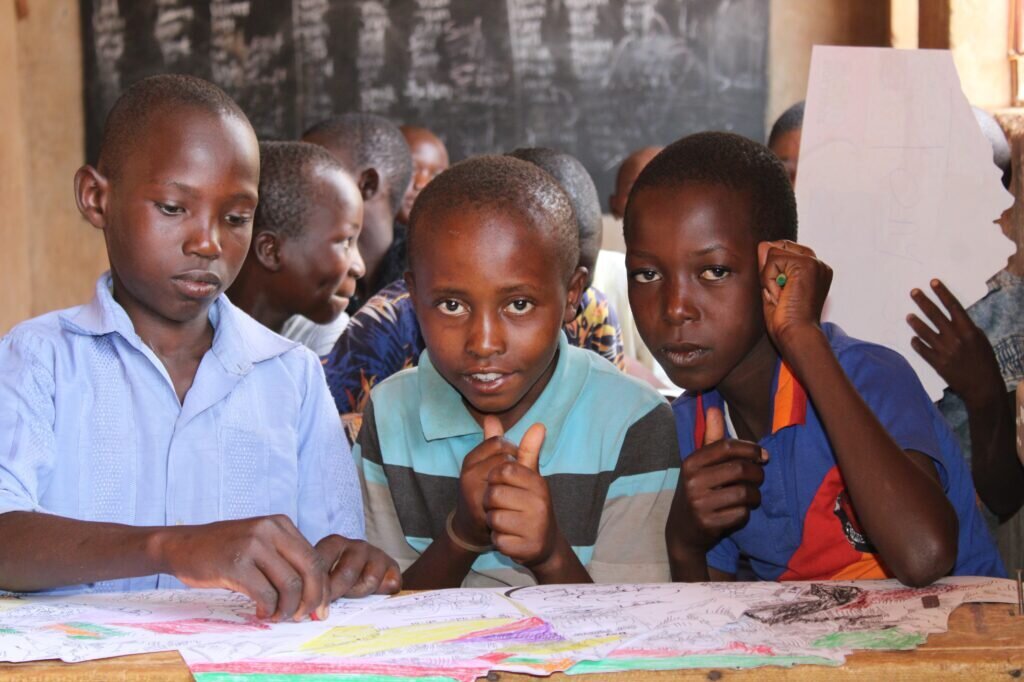
A few researchers and a set of parents argue that low-fee private schools provide ‘quality’ education. Though such schools fail in terms of almost all indicators of quality (basic infrastructure, qualified teachers, availability of learning materials), personal attention may enable some of their students to score better on standardized tests.
-
Dependence of Urban Poor on Private Schools in Nairobi: An Institutional Analysis (Part I)
By Charity Limboro and Santhakumar V | May 31, 2022
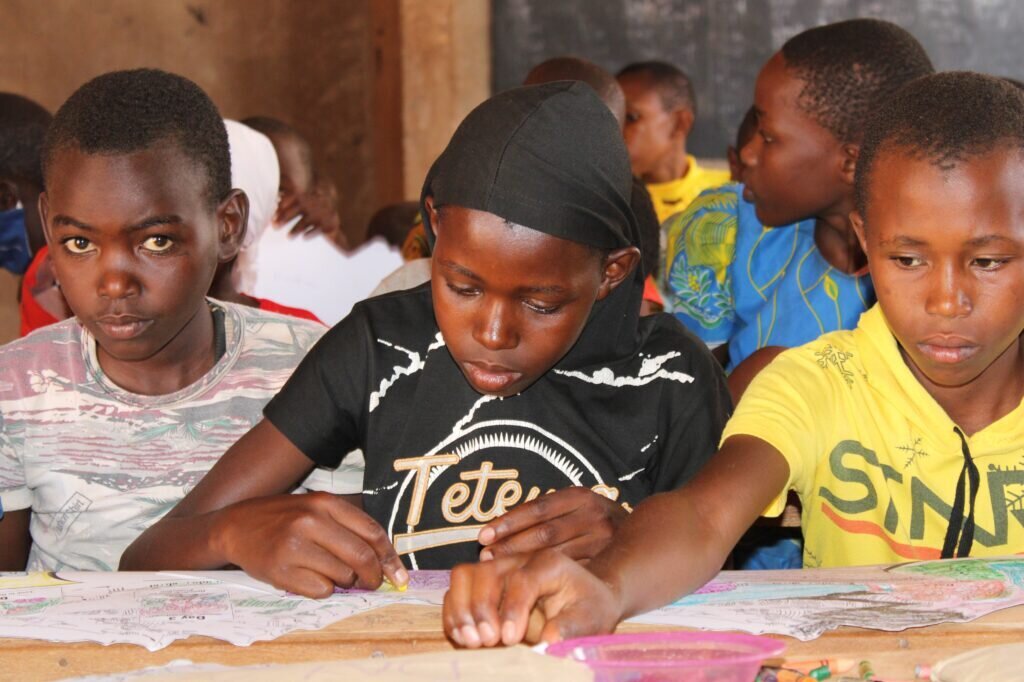
This article looks at low-fee paying private schools in urban Nairobi and is based on short-period fieldwork in a set of such schools and interactions with school directors and teachers as well as other stakeholders, including the association of these alternate schools.
-
Challenges to Kerala’s Democracy: A Conversation with TM Thomas Isaac (Part II)
Santhakumar V speaks with TM Thomas Isaac | May 5, 2022
‘…whether it is Turkey or India or the Philippines, there is a preference, among the middle class or the aspirational middle class, for a strong leader, a strong government which survives and facilitates economic growth, even if there is a certain trade-off in terms of democracy, human rights, etc.’
-


Challenges to Kerala’s Democracy: A Conversation with TM Thomas Isaac (Part I)
Santhakumar V speaks with TM Thomas Isaac |
‘In a democracy, there will be and there should be alternatives before the people. But I don’t agree with the fact that competitive politics demands that the ruling party keeps on changing every five years. It has proven to be detrimental to people’s interests.’
-
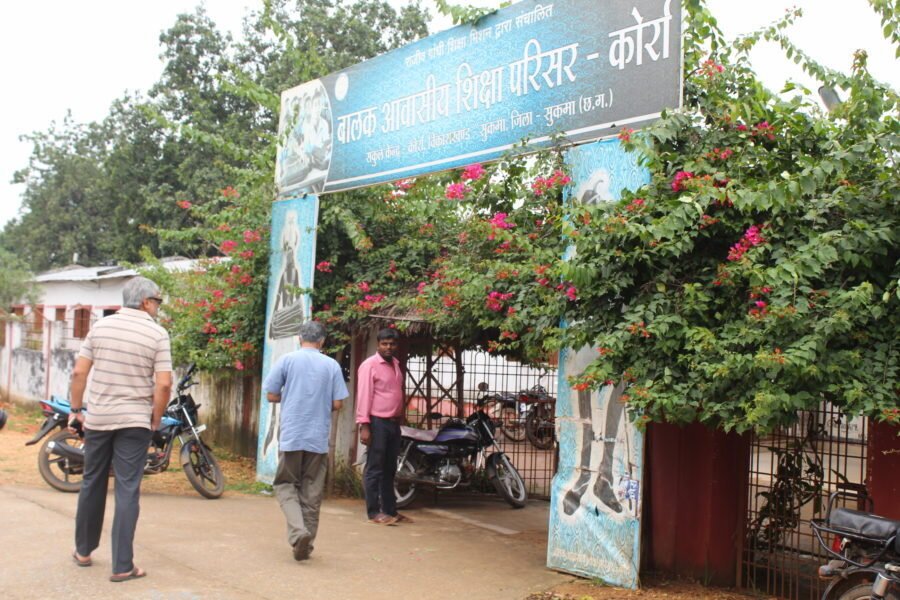
संघर्ष क्षेत्र में अनुसूचित जनजातियों की शिक्षा
द्वारा: शांताकुमार वी एवं अनंत गंगोला | Mar 9, 2022
सामान्य तौर पर सुकमा और बस्तर क्षेत्र में आदिवासी समुदायों और मुख्यधारा के समाज की भाषा के बीच एक उल्लेखनीय अंतर है। यह आश्चर्य की बात नहीं है क्योंकि मुख्य जनजाति — कोंड — और उनकी भाषा द्रविड़ परिवार का हिस्सा है जो हिंदी से बहुत अलग है। हालांकि, वहां की जनजातीय आबादी को भाषा-उपयुक्त और संदर्भ‑विशिष्ट शिक्षा प्रदान करने के पर्याप्त प्रयास नहीं किए गए हैं।
-
Education and Development Linkages in South Asia (Part VI)
By Santhakumar V | Nov 17, 2021
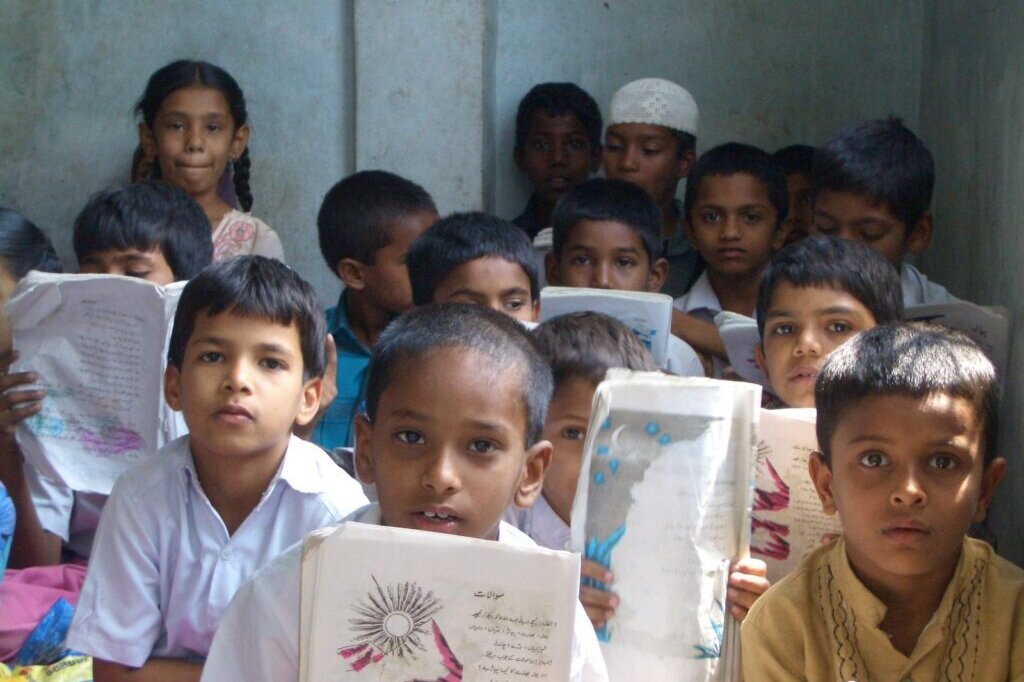
Though it is obvious, the possible positive contribution of education towards economic and human development can be seen from the experience of different countries in the South Asian region.
-

Education and Development Linkages in South Asia (Part V)
By Santhakumar V | Oct 29, 2021
Bhutan is one case where a desirable equilibrium or mutually beneficial interlinkages between education and development could be achieved. This is even though modern education started in a major way only about 50 years ago.
-
Education and Development Linkages in South Asia (Part IV)
By Santhakumar V | Oct 13, 2021
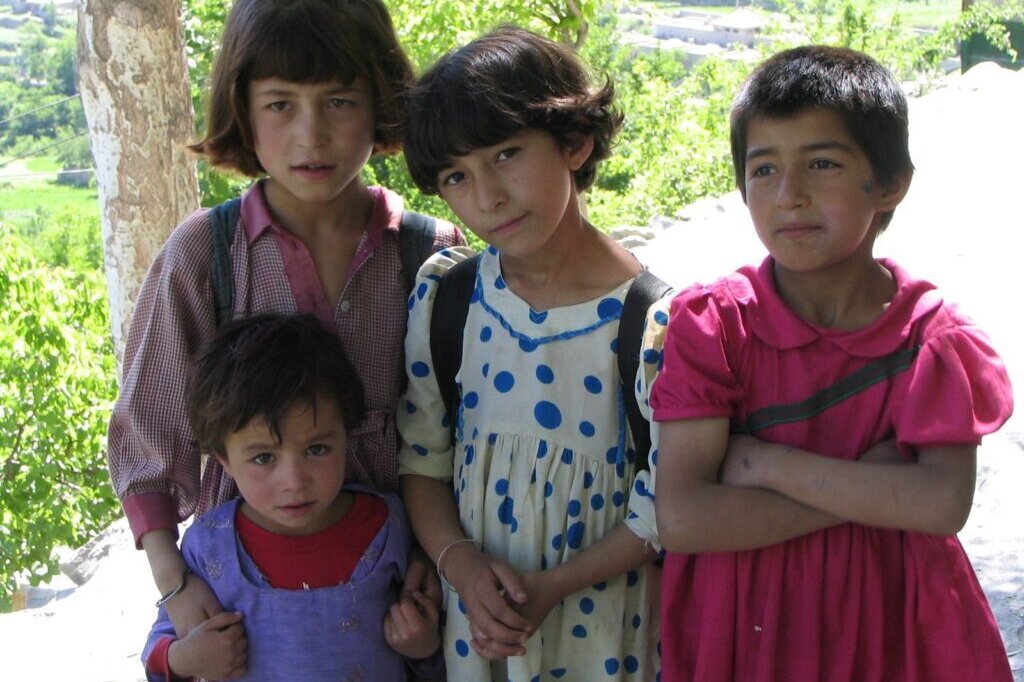
The traditional community norms in these regions were also strengthened by the versions of Islam which gained dominance there and, over time, strengthened the norms against modern education for girls. Instead of a religious issue, it is more of a cultural issue. It may be more correct to say that the traditional values in these localities may have found certain rigid versions of Islam acceptable over time.
-
Education and Development Linkages in South Asia (Part III)
By Santhakumar V | Sept 28, 2021
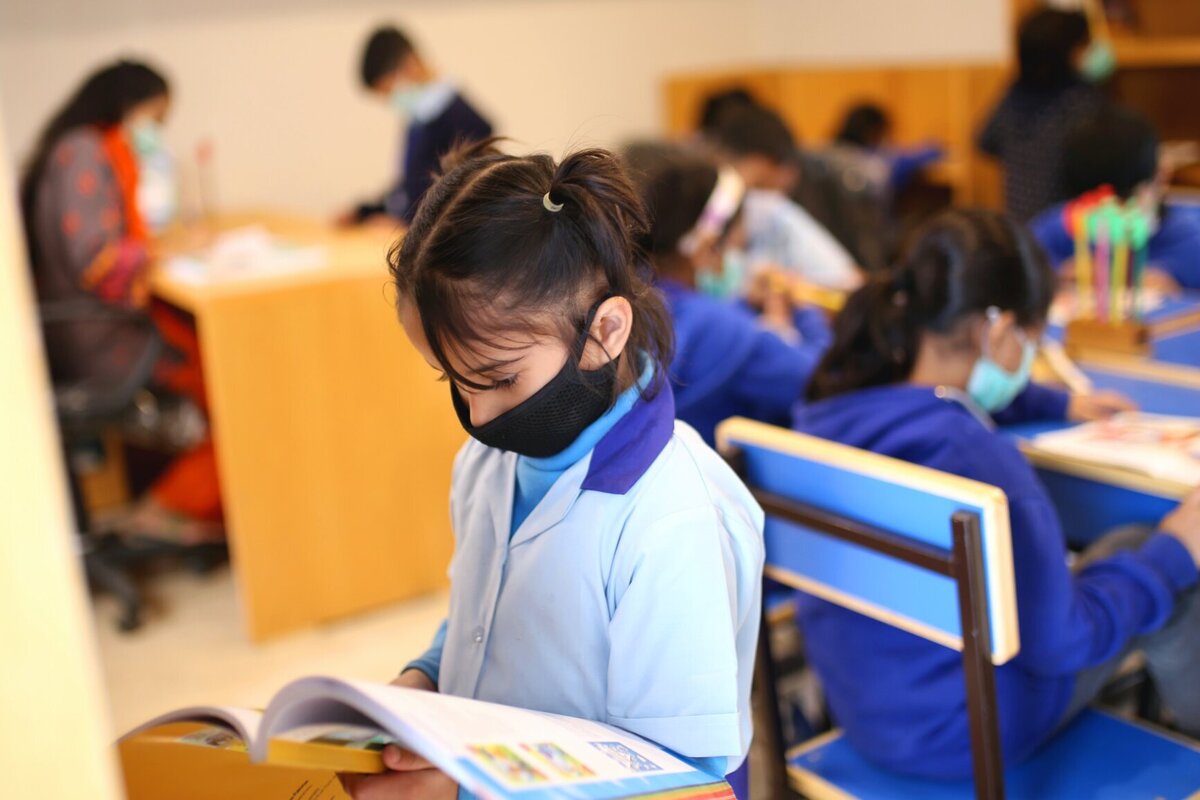
Bangladesh is an example where the education-development linkage provided a positive feedback loop which strengthened both spaces even though the country is at a relatively lower level in terms of both education and development. This may have implications on poverty, reduction, economic and human development.
-
Education and Development Linkages in South Asia (Part II)
By Santhakumar V | Sept 16, 2021
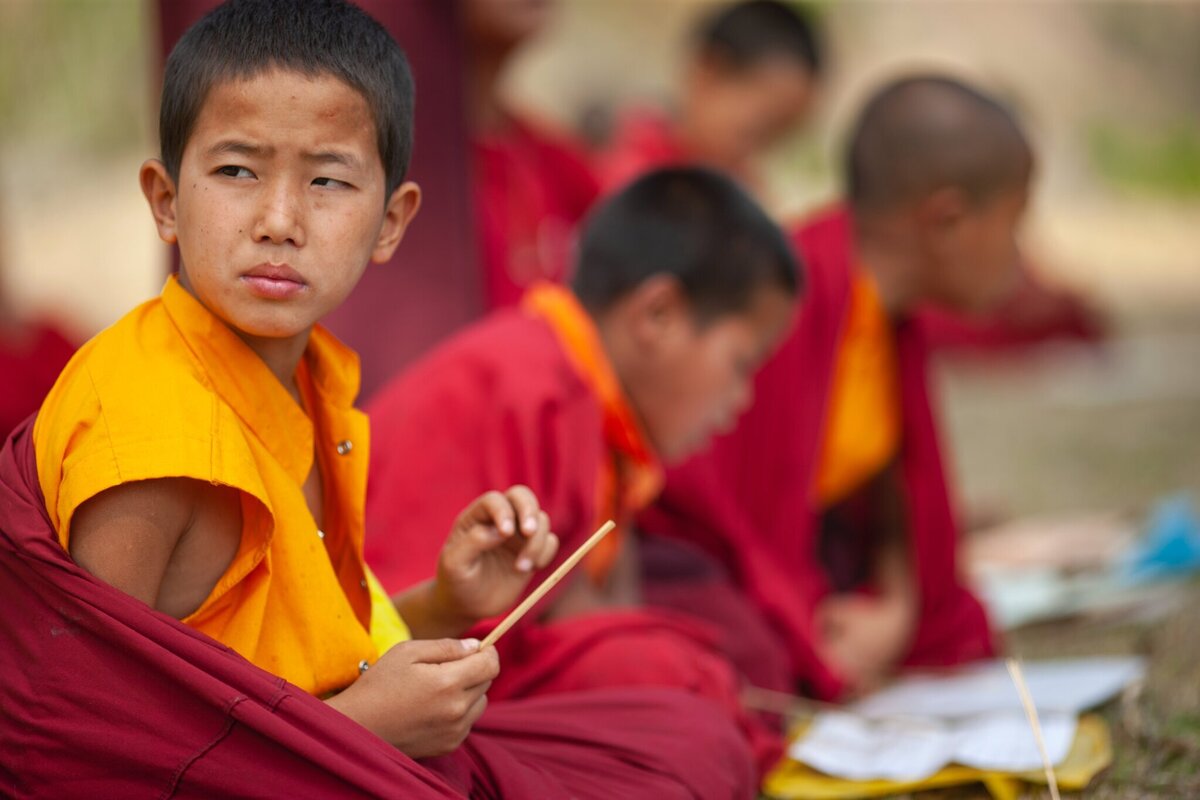
Nepal is the only country where internal factors and forces of globalisation have not helped in substantially increasing the demand for and use of education on the one hand and the better and more opportunities for educated people on the other.
-
Education and Development Linkages in South Asia (Part I)
By Santhakumar V | Sept 1, 2021
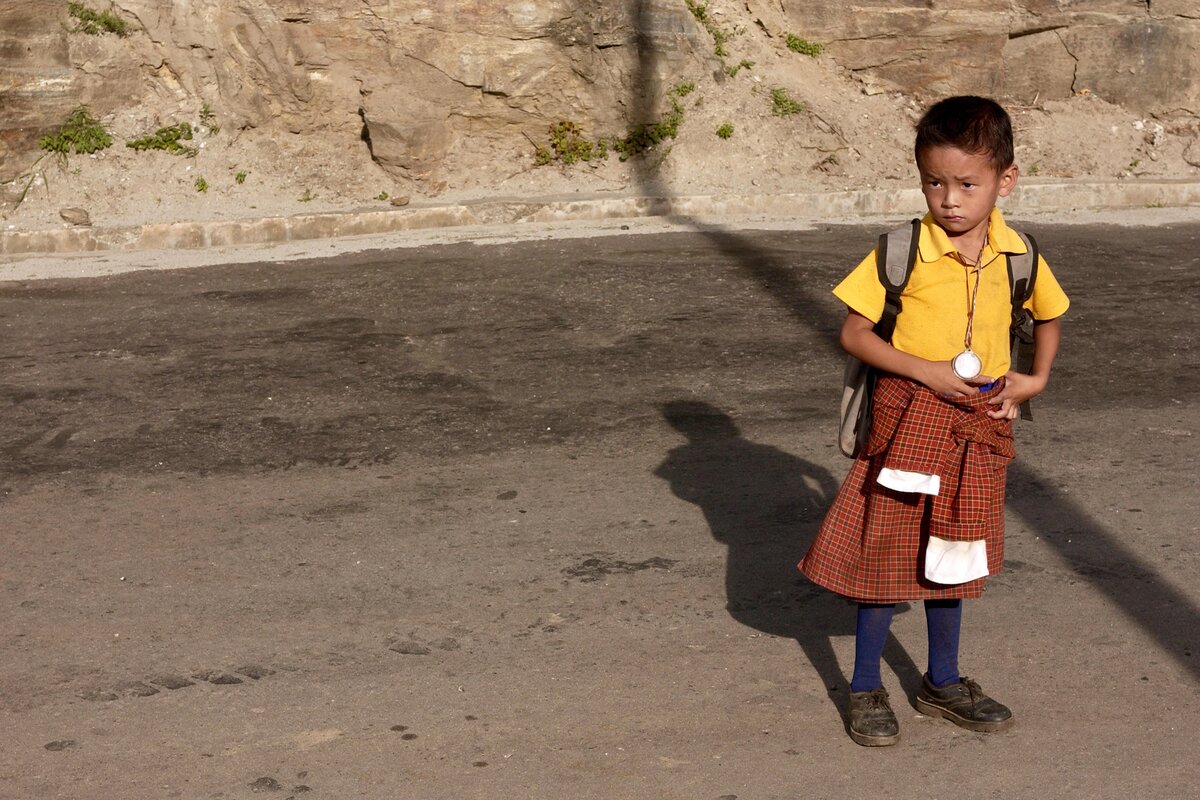
Barring Sri Lanka and Bhutan, other countries in South Asia have not been very successful in extending school education to all through proactive governmental efforts which are needed to overcome the constraining family circumstances of children that prevent them from using school.
-

Mo Upakari Bagicha: Improving the Nutritional Status of Women and Children
By Rajib Kumar Roul and Shrikant Mohanta | Aug 17, 2021
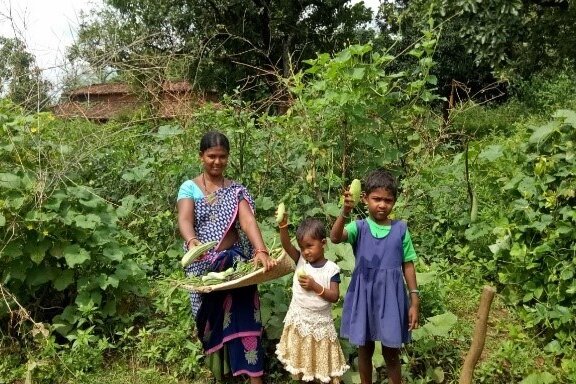
Despite various challenges in the first year of implementation, the project has achieved huge success in terms of promoting dietary diversity among the beneficiaries. Till March 2021, around 3.13 lakh households have grown nutri-gardens in their households.
-

Technology in Education and Social Equilibrium in Developing Societies
Using technology, teachers may be able to learn innovative practices to teach specific concepts or subjects. The innovation of a few teachers can be disseminated quickly, and others can adopt these easily with the help of technology. Students can access and acquire additional learning materials.
-
Nagada Village: Four Years After Media Exploration
By Amarendra Das | May 4, 2021
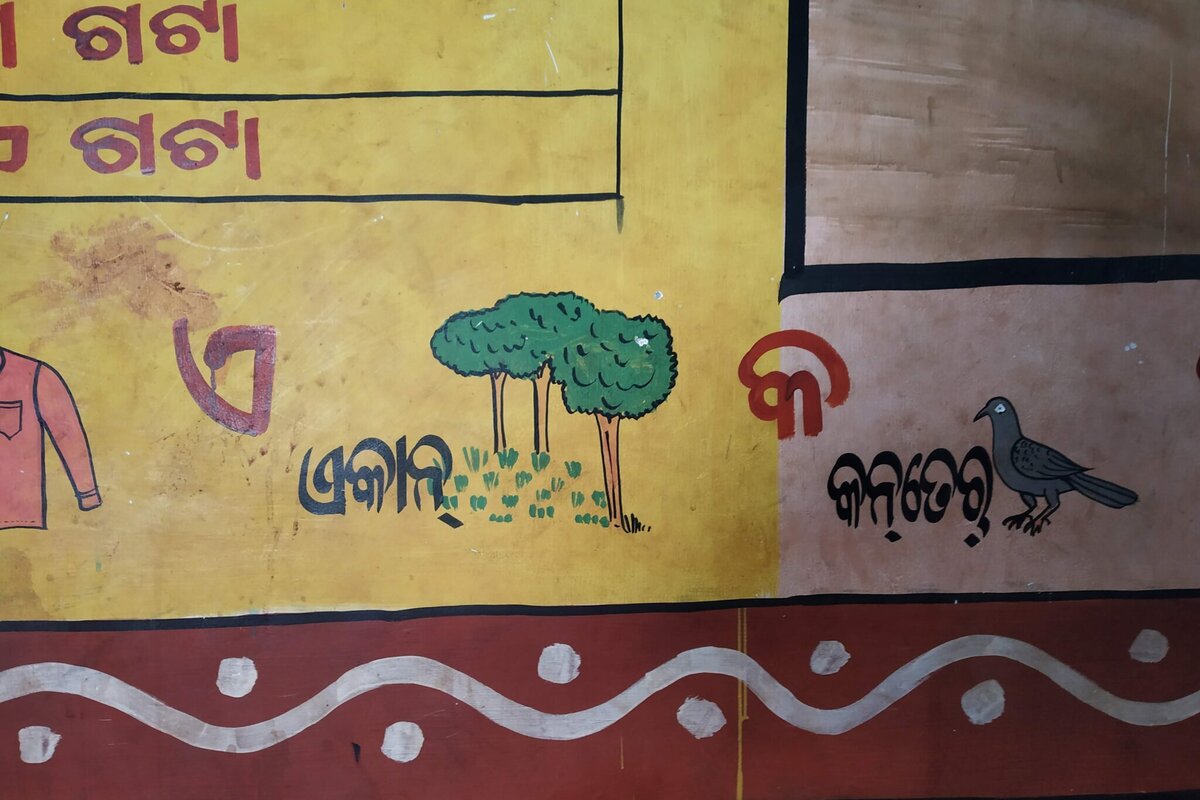
The road to economic development requires basic infrastructure, like all-weather roads and physical access to health, education and markets. Therefore, the government should, on priority, connect all small hamlets with all-weather roads and provide easy access to education and health.
-

Budgeting of Sustainable Development Goals in Odisha
By Balakrushna Padhi and Udaya S Mishra | Apr 22, 2024
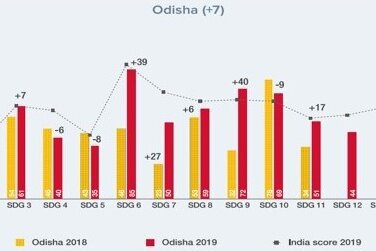
Odisha is a frontrunner among major Indian states in introducing far-reaching reforms in budgeting and governance over the past decades. The State’s budget for 2021 captures people’s aspiration for a ‘New Odisha’ by transforming ‘reactive governance’ to ‘proactive governance’.
-

Does Education Enable Active Citizenship and Vibrant Democracy? (Part II)
By Santhakumar V | Mar 30, 2021
Education has the potential to enhance equality of opportunity (for higher education) and employment. However, the evidence is mixed. Even in a developed country like the USA, social mobility facilitated through education is mediated through the socio-economic background of the family. This could be more so in India.
-
Does Education Enable Active Citizenship and Vibrant Democracy? (Part I)
By Santhakumar V | Mar 26, 2021
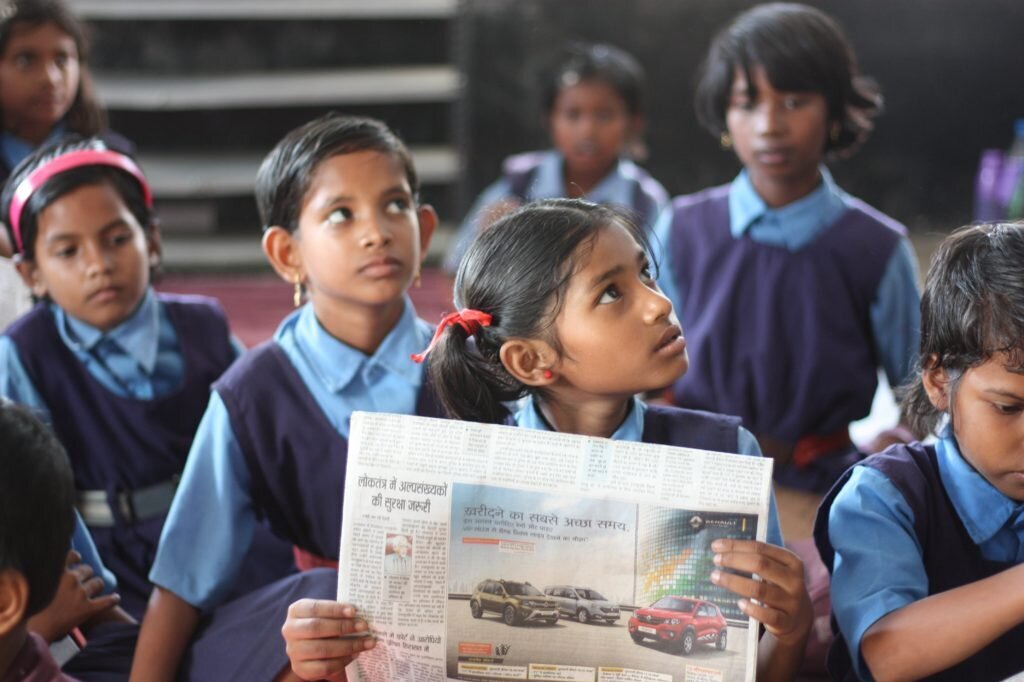
There could be different theoretical reasons for the positive impact of education on good governance. One could be the potential role of the middle class in strengthening democracy and governance, and the role that education plays in the creation of such a class.
-
Education for Equitable Development (Part II)
By Santhakumar V | Feb 25, 2021
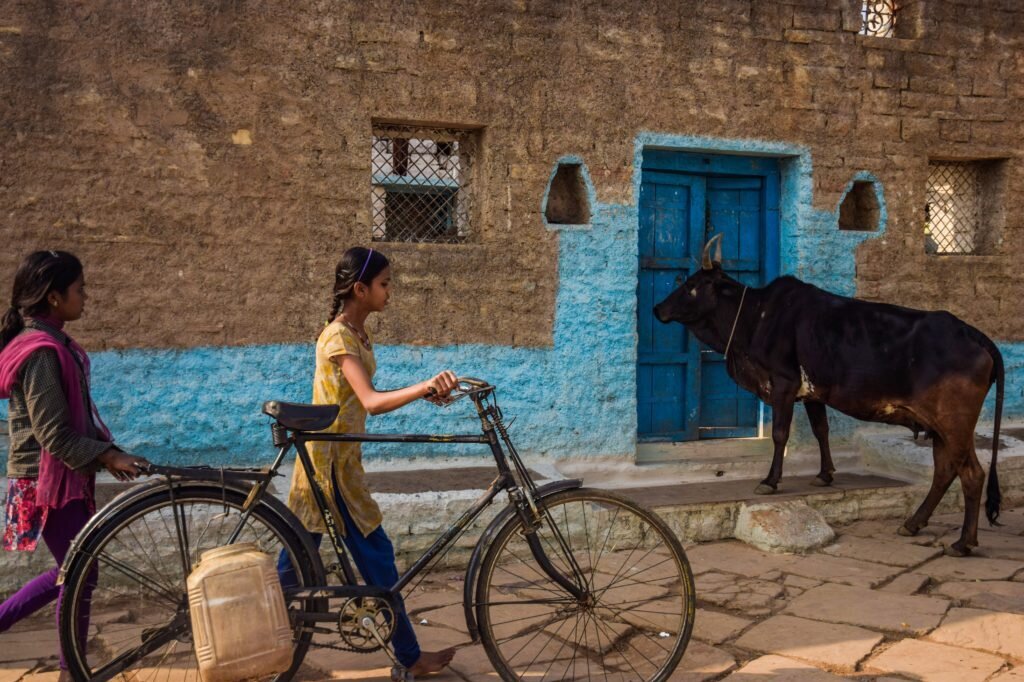
There is evidence indicating that higher levels of education, and not merely primary education, improve the health and well-being, and position of women in family and society. If we take women’s workforce participation rates as an approximation of women’s empowerment, then wage employment is a critical factor. However, the relationship between education and employment is a little more complex.
-
Education for Equitable Development (Part I)
By Santhakumar V | Feb 19, 2021
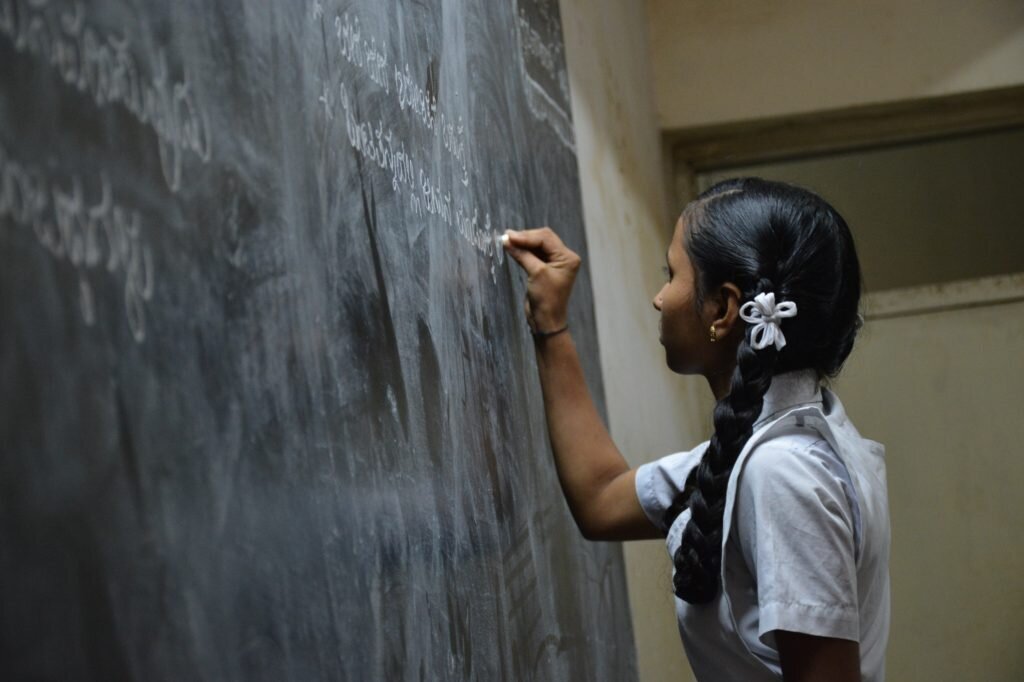
‘Education for all’ can bring important benefits to society even if it is not very successful in terms of the wider set of goals or even if the quality does not meet international standards. This argument is not to weaken the efforts to improve the quality of, or to reach other goals through education but to stress the importance of enhancing the access to and use of education by all without waiting for notable improvements in its quality or comprehensiveness.
-
Implementation of Forest Rights Act: Observations from Kerala’s Attappadi Block
By Seema Purushothaman, Rema Devi, Amrita C | Jan 29, 2021
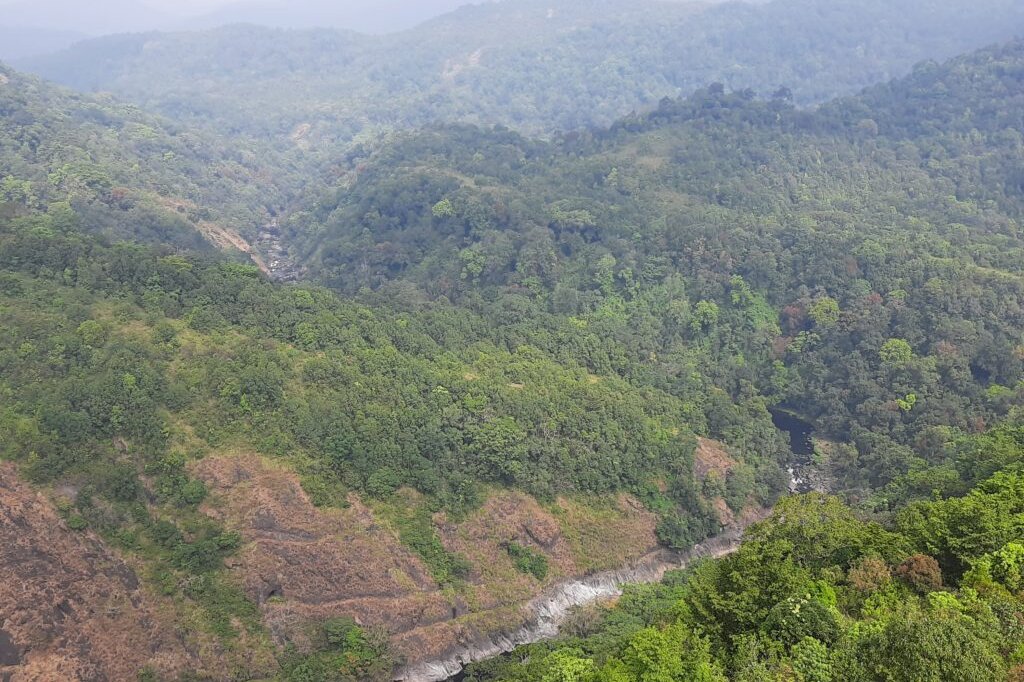
Converting tribal peasant gatherers into wage labour, as mentioned above, is the most visible livelihood change here. The interventions that deployed tribal labour include afforestation and demarcation of forest boundaries, both often curtailing their access to seasonally cultivated areas.
-
Implementation of Forest Rights Act: Lessons from Vazhachal Division of Kerala
By Seema Purushothaman, Rema Devi and Amrita C | Dec 19, 2019
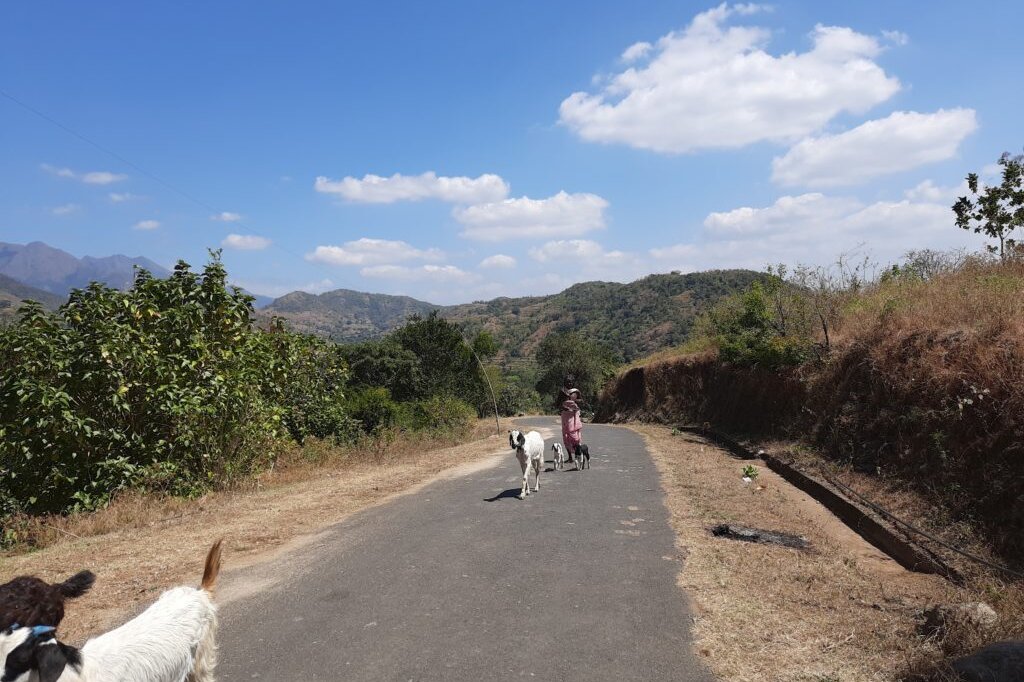
Three things clearly emerged as instrumental in making Vazhachal a pioneer in FRA implementation in the state, especially in vesting the provisions under CFR:
a) A mission mode of implementation with clear responsibilities;
b) Committed, active and informed NGOs and;
c) Proactive leadership from the community.
-

Implementation of Forest Rights Act: Observations from Wayanad District of Kerala
By Seema Purushothaman, Rema Devi and Amrita C | Jan 6, 2021
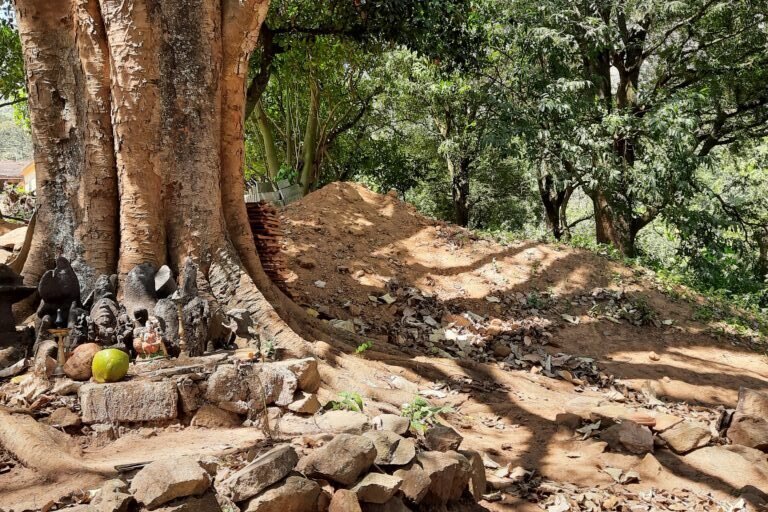
In the early 2000s, Wayanad saw land struggles gathering momentum, demanding rights of tribals to forest lands. Many landless tribals encroached forest lands and raised hutments. As per an agreement to put an end to the struggle, a decision to vest land to tribals was taken. But its implementation was tardy.
-

Development and Environment Linkages: Lessons from Kerala
By Santhakumar V, Muralee Thummarukudy and Devashree Pillai | Sep 16, 2020
There is a need for a set of actions to achieve an environmentally sustainable and welfare-enhancing future for the people of Kerala. These require the use of technological solutions; institutional changes; public investments to make the future environmentally benign, and; enabling policies at the state level.
-

Conservation of Agrobiodiversity: Lessons from Kerala
By Sunil Mani, S M Mohanakumar, Santhakumar V and T Abhilash | Aug 28, 2020
This article assesses the effectiveness of the institutions (laws), programmes, and organisations to conserve agrobiodiversity in the Indian state of Kerala, which is one of the most biodiverse states in the country.
-

Material Production by Amazon River Communities and its Implications
By José Bittencourt da SILVA, Cledinei Oliveira da SILVA, Márcio Fernando Duarte PINHEIRO, Raimundo Nonato Leite de OLIVEIRA, Roberta da Trindade | July 23, 2020
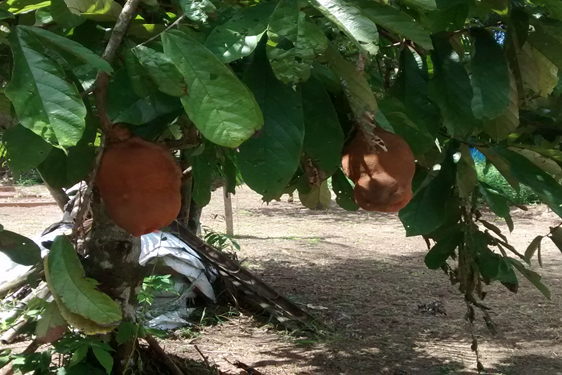
The residents of Boa Vista do Acará community (Belém, Pará, Brazil) have diversified forms of work and within the model of simple production and reproduction, that is, they work, produce, seal and buy goods and services with a focus on their own family consumption, not using surpluses to accumulate wealth and acquisition of more income.
-
Development Path for Indigenous People: Lessons from India and Brazil
By Santhakumar V and Amarendra Das | Feb 19, 2019
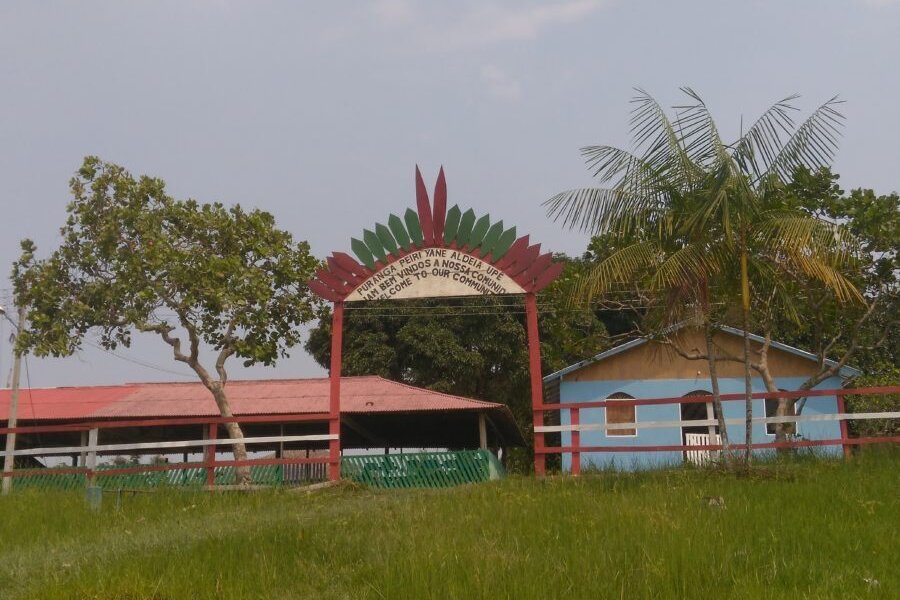
The focus on the tribal communities in choosing the right balance between tradition and modernity is because they are at the threshold of what can be termed as ‘modernity’ and these choices can be crucial for them.
-
Improving the Quality of Schooling: Some Observations from Bhutan
By Santhakumar V and Phuntsho Choden | Dec 27, 2018
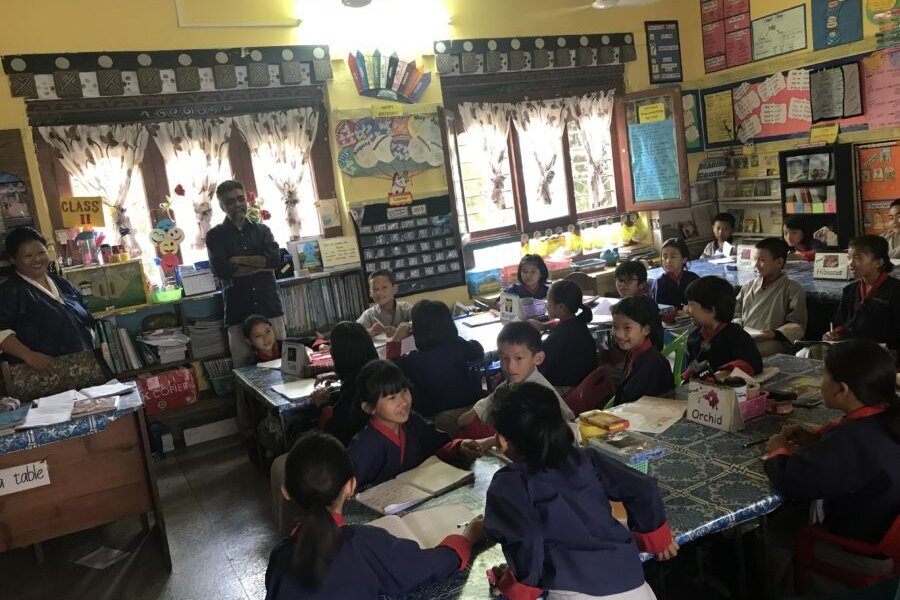
Bhutan’s achievements in terms of access to education are remarkable. There is nearly 99 percent enrolment in the primary grades with hardly any difference between boys and girls in this regard.
-

Political Change and Education Reforms: Lessons from Delhi under Aam Aadmi Party
By Santhakumar V, Nimrat KD Khandpur, and Shraddha Jain | Dec 7, 2018
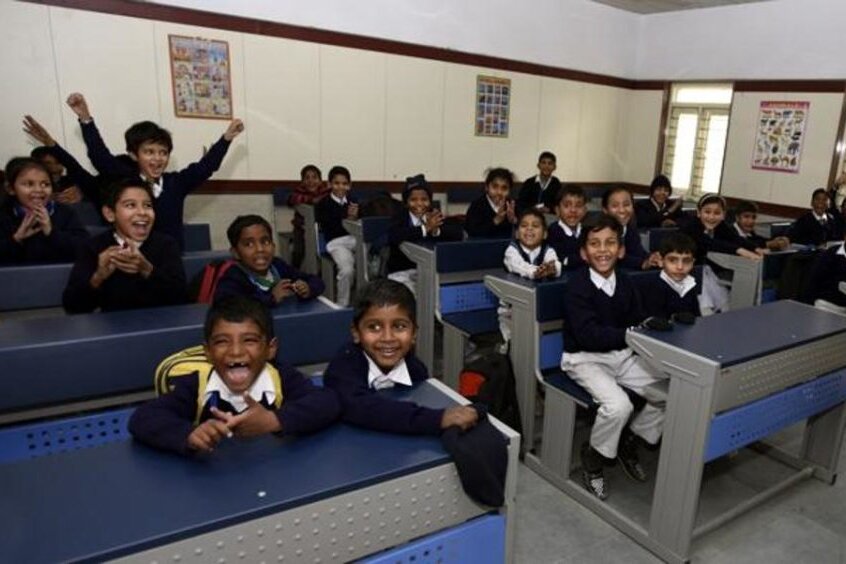
Ability-based grouping and differential curriculum are the most contested aspects of the education reforms pursued by the Aam Aadmi Party in the state of Delhi. An assessment of education reforms in Delhi under AAP.
-
The Education of Scheduled Tribes in a Conflict Zone: Lessons from Sukma, Chhattisgarh
By Santhakumar V and Anant Gangola | Nov 19, 2018
The schooling of tribal children in conflict zones is riddled with severe challenges. We study the work of a relatively small and new NGO, Shiksharth, which is trying to support the public education system. In light of this, we present the situation, the challenges and some possible solutions.
-


Quality Schooling for All: Lessons from the Total Literacy Campaign
By Santhakumar V | Sep 18, 2018
The campaign was first carried out in the Ernakulam District, Kerala and was a joint effort by the district administration and the Kerala Sasthra Sahithya Parishad (KSSP). M P Parameswaran, who played a key role in it, in a freewheeling chat with Santhakumar V.
-
The Knowledge of Head Teachers
By Santhakumar V, Umashankar Periodi, Guru Sankayya Moger, Gurunathagouda Gowder | Jul 19, 2018
The process of reforming government schools is a continuous one and there have been consistent efforts to improve their performance. One way to do this is to enhance the capacity of the school leadership, mainly the head teachers (UNESCO, 2009).
-
Second Generation Problems in Schooling: Lessons from Mizoram
By Santhakumar V | Jun 11, 2018
Mizoram is one of the states in India which has been successful in bringing almost all children to at least the primary school and ensuring reasonably adequate infrastructure and other facilities for school education at a reasonable distance for most habitations.
-
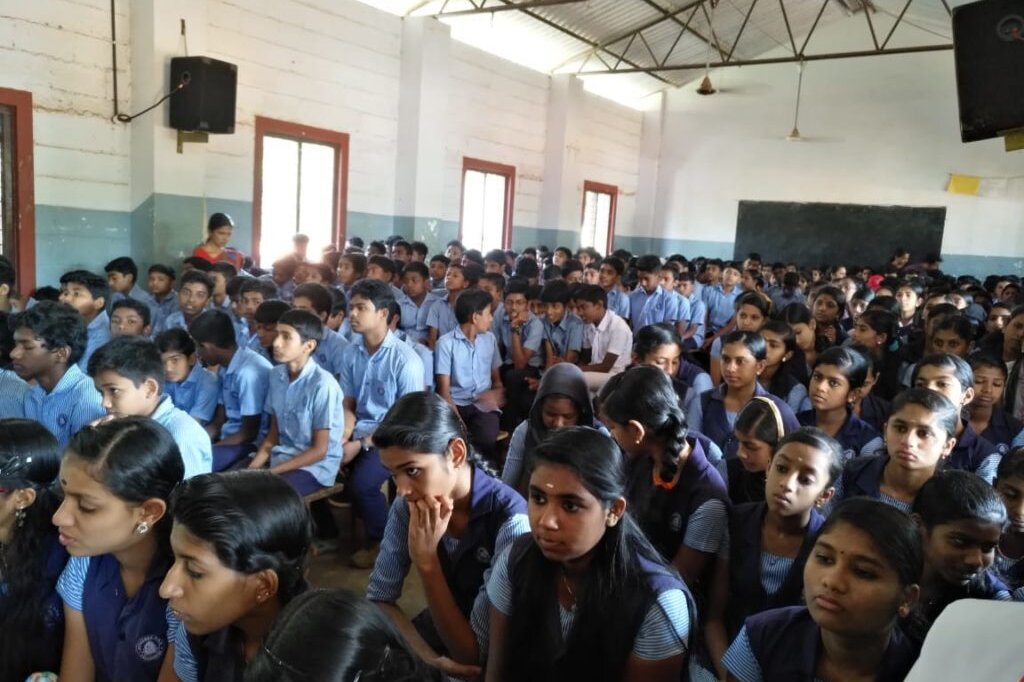
What Happens when most Children are in School?
By Santhakumar V and Vargheese Kochattu | May 29, 2019
Are there other factors which work against improving the quality of learning? The insights from the experience of Kerala may be useful for other states which are currently grappling with first-generation problems, like the retention of students in schools.
-
The Inter-Linkages between Education and Development
By Santhakumar V, Indervir Singh, Naresh Kumar | May 9, 2018
Himachal Pradesh is known for its relatively better achievements in schooling in India. Based on the Annual Status of Education Report (ASER) 2014, the non-enrolment in schools among children in the 6 – 14 years age group is only 0.3 percent in the state whereas, the all-India figure is eleven times higher, at 3.3 percent.
-
Schooling and Work Participation of Girls: Lessons from Indonesia
By Santhakumar V | May 3, 2018
This report analyses this by drawing parallels between various aspects enabling education and work participation of girls in Indonesia with those in India, which have emerged from my fieldwork in parts of India and Indonesia.