
BA in English
Batch of
The building blocks of literature: Language, form and text
Details
Literature in the English language is a whole world, full of craft and aesthetic and forms that tell us stories. These stories speak of the worlds in which we live: different places and experiences, and many perspectives. In this programme, we take you through an exploration of literature in the English language — written in English, translated into English, from different times, in different forms and via different media. Through this exploration of the written word and oral expression we hope you learn to love literature as a way of reflecting on our lives.
Who should join us?
- If you are considering a career as a writer or an editor
- If you aim to polish your English as a broad foundation for success
- If you love escaping into novels and short stories
- If you find it satisfying to express yourself in poetry
- If you are intrigued by the way literature reflects history and society
Why study with us?
We offer Interdisciplinary Openness
Our programmes encourage you to explore and follow your interests. We design our courses to ensure that you can specialise in a subject of your choice while learning various subjects across disciplines.
A Common Curriculum for all students
You will meet all your classmates at the beginning of your course to build all the tools you need for your four years of study. This includes foundational courses, an understanding of India, interdisciplinary studies, and courses in creative expressions.
We provide Academic Assistance
Our consistent academic assistance through language support, peer tutoring, faculty mentorship, etc., ensures that you meet the programme’s academic requirements.
We ensure Financial Support
We extend need-based financial assistance to students that cover tuition and accommodation expenses.
Programme Structure
Our programme is centred on you. We hope you will bring your experiences, languages and cultures into the classroom.
Our classes will include discussions, close reading and analysis, group and pair work, presentation and peer review. We will do field trips, reflection and writing, and we encourage you to create your own reading lists and writing portfolios.
Please visit this page to learn more about our four-year undergraduate programmes.

The Common Curriculum will introduce students to the study of the themes and areas that emphasise and build critical and analytical abilities, and sensibilities for dialogue, reflection and cooperative learning. The Common Curriculum has four sub-components organised as below:
Academic Reading and Writing: Introduces students to domain specific reading and writing skills
Creative Expressions: Students are empowered to participate with meaningful social connection, fostering a community of active and responsible citizens
Public Reasoning/The World of Computing: The students will do one of the two courses.
- Public Reasoning: Introduces students to the practices of understanding as well arguing for claims in the public realm.
- The World of Computing: This enables students to explore the potential of computing devices and computational reasoning
Understanding India: India’s history, society and possible future.
In the core courses, we help you build all the tools you need for an appreciation of literature. We explore rigorous writing, language training and an exploration of theory, cultural studies and translation. We include quantitative reasoning into our course work.
An Introduction to Literature
Disciplinary Major
This is a gateway course that conveys the excitement of doing close reading and literary analysis. It also looks at different genres and the interaction between the student and literary text, and the inevitability of multiple meanings and perspectives.
An Introduction to Creative Writing: Poetry and the Short Story
Disciplinary Major
Using poetry and short stories to explore creative writing.
Poetry and the Short Story from Across the World
Disciplinary Major
In focusing on questions of form and context, this course will start by examining the ritual origins of poetry, the circumstances that led to the development of more quotidian and secular modes, the relationship between poetry and narrative, and the development of non-narrative poetic genres.
Contemporary India Through Literary and Cultural Texts
Disciplinary Major
Discover the meaning of the term “contemporary” in terms of literary and cultural texts from India and how they respond to the time period they emerged in.
Statistics and Society
Disciplinary Major
How do numbers and data represent our world?
Romantic Literature: Nature, Self and Society
Disciplinary Major
Revisit this popular and familiar period of English literature through the themes of our relationship with nature, our notion of the individual and our place in society
Drama as Text and Performance
Disciplinary Major
Learn how drama evolved, and find out more about the complex relationship between the written word and its performance.
Approaches to Literature
Disciplinary Major
Exploring critical reflection through other disciplinary areas.
Writing for the Public
Disciplinary Major
Learning how to write professionally for public audiences.
Students must be prepared for the world of work at the end of the programme should they choose to enter it. We aim to provide the required skills and competencies for this through a Minor featuring courses in an Occupational or Interdisciplinary theme. These sets of courses are aimed to provide both conceptual understanding and skills and tools that will allow students to contribute through work and further study.
Students can opt for a Minor in any one of the indicative areas listed below.
The selection of these indicative areas is based on the availability of courses and our evaluation of the student’s interests and academic needs. For each cohort, a final list of available courses will be announced at the end of their second semester.
Music Education
The undergraduate Occupational Track programme in Music Education is designed in collaboration with SaPa, the Subramaniam Academy of Performing Arts. SaPa is on a mission to make quality music education accessible to all. A large part of this involves creating enough music teachers to build the ecosystem for music education, and creating certifications and knowledge sets to make music teachers employable, both in schools and at music institutions.The Music Education OT aligns with this objective and aims to offer students an understanding of music itself, and how music may be taught in different environments. This will help students be employable,…Design for Communities
Design concerns itself with envisioning, planning and creating objects, spaces or interactive systems to address a need or a problem. It attempts to meet the needs of a variety of users with responses that are aligned with their specific contexts. It aims to understand situations and create holistic, appropriate solutions. While design is a large discipline with many domains, this Occupational Track will look at the design of products, the practical use of technology in various enterprises and the design of spaces for accessibility and interaction. It includes the process of ideating, developing and refining products that meet specific market…Data, Democracy and Development
The set of courses will orient you to think about data as an essential part of building empathy and democratic values. We ensure you have the requisite tools for data collection, analysis, presentation, and dissemination so that you can construct the right platforms and build technologies that embody democratic principles. These courses will foster a culture of investigation with data, keeping in mind questions of ethics and politics.Climate Studies
These courses will help you develop the knowledge necessary to understand the earth’s climate systems. You will examine and analyse the role of human activity on the earth’s climate and its effects on the present and future climate scenarios, and identify the effects of climate change on biodiversity through the lens of historical changes in the Holocene. We hope you will apply systems thinking to examine the origins of the climate crisis and proposed solutions and grow comfortable with civic engagement and transfer of knowledge and resources for climate solutions at different levels.Technology for Social Good
The Technology for Social Good occupational track has been designed based on the Azim Premji Foundation’s extensive experience in working with social sector organizations. Many of these organizations are addressing long-standing social problems through utmost dedication and a strong desire to improve the society we live in. There is a lot of scope for facilitating the work of these organizations through the use of digital technology. While accomplishing social change is a slow process requiring long-term engagement, digital technology can assist these organizations in making their operations more effective and by permitting better utilization of scarce resources. At present, these…Biodiversity Conservation
Biodiversity conservation, management, and habitat restoration requires a multi-pronged approach, and an interdisciplinary understanding is essential. This OT will acquaint students with the rich biodiversity of the Indian subcontinent and the associated threats to them, and provide the students with the lens to identify pertinent questions such as — what to conserve, why to conserve, when to conserve, and how to conserve. The field of conservation binds the need for species and ecosystem conservation with the requirements for human well-being, livelihood, and rights. Through this curriculum, the students will be aware of the interdisciplinary approach in this field and will…Media and Journalism
These courses will introduce you to the critical and conceptual tools involved in media texts. This course is based on research and practice, and you will study how media texts are created and their social, historical and political contexts. This course is for students who wish to prepare for careers in journalism, communications, and social work.Education
The Occupational Track (OT) in Education at Azim Premji University leverages the liberal arts tradition by fostering a deep understanding of human society and its relationship with education. This program delves into psychology, sociology, politics, and philosophy, revealing how these disciplines influence how individuals and societies approach learning. Additionally, the arts, humanities, and diverse philosophical perspectives enrich our understanding of educational thought and practice.The OT in Education recognizes the importance of analysing educational processes and systems at various levels, from individual student experiences to national and international trends. By examining different perspectives – personal, communal, organisational, national, and international –…Sports and Fitness
We believe that a regimen of physical activity can have a powerful effect on an individual’s physical, mental, and emotional well-being. Sport can be used as an effective tool to help an individual learn crucial life skills and also to build an empathetic, equitable community. In these set of courses, we want you to have a powerful experience of sport not just as a physical activity but as a way to build yourself and your social surroundings. We also want to teach you ways in which you can create these transformational experiences for others.

Students can craft their own educational experience by selecting courses in the following ways:
- Students will have the option to take additional courses in their Disciplinary Major.
- Interdisciplinary Minor that will enable them for their further higher studies or career pathways.
These courses could also be selected to enhance and broaden their
- Language skills and Quantitative reasoning capacities/programming skills.
- Understanding of themes outside their Major subject.
Classroom Practices
Discussion-based learning, guidance in creative writing, grassroots interviews, comparative textual analysis, digital lab work and phonetic simulations. Students also investigate cultural texts and practices, and critically examine issues such as race, gender, class, post-colonialism, globalisation and identity.
Honours Projects
2023
- The Modern Indian Picture Book — Tigers and Crows: Aesthetics of Folk-Art in the Contemporary Indian Picture-Book, Gayatri Allamsetty, mentored by Shalini Srinivasan
- Masquerades and Marred Heroism: Tracing the Serialisation and Transmission of Manga, Ishi Jha, mentored by Shalini Srinivasan
- A Contemplation on the Figure of the Mother in Contemporary American Horror Cinema, Riasai Subheesh, mentored by Nitya Vasudevan
- Feminism in Modern Urdu Poetry, Seema Hussain, mentored by Diviya
- How Coco Becomes Chanel: Exploring the Celebrity Persona and Manufacture, Sneha Negi, mentored by Diviya
- Understanding Listening Skills in Early Years Learners: A Qualitative Study, Subhasri Ranjani, mentored by Sharoon Sunny
- Exploring Depictions of East Asian Women in Early 20th Century Anglophone Authors, Suhani Kurpad, mentored by Sonali Barua
2022
- Kabir Kala Manch and Ambedkarite Aesthetics: A history of Dalit Bahujan Resitance in India’s Cultural Resistance Movements, Tara Brahme, mentored by Bindu Menon & Asim Siddiqui
- The Lavender Menace: Lesbians and the Sexual Revolution,Meghana Rupakula, mentored by Nithya Vasudevan
- Media and Mobilisation During the Telangana Movement (2009−2014), Nandita Ponugoti, mentored by Srinivas SV
- Covid Poetry: The Role of Poetry in Building Affective Communities, Shrishti Sinha, mentored by Sonali Barua
2021
- Participation and Value of Art on Instagram, Divij Ingale, mentored by Srinivas SV
- Caste and Violence in Tamil Cinema, Vishnubhala Kailasam, mentored by Srinivas SV
2020
- Consumption, Culture, Commemoration — The Irani Cafes of Hyderabad, Ramsha Farhan, mentored by Srinivas SV
- Masculinities and Their Cultures In Contemporary Pakistani Fiction, Varun Andhare, mentored by Sonali Barua
2019
- Tracing the interconnections between contemporary Indian English and India’s recent and current socio-political and historical landscape, Anandi, mentored by Sonali Barua
- Facebook Meme Cultures: Evaluation, Convention, Collaboration, Neeta Subhiah, mentored by Neeraja Sundaram
- The Created Being in Contemporary Science Fiction, Nirica Srinivasan, mentored by Neeraja Sundaram
2018
- Media Representations of Conflict and Politics: The Case of Irom Sharmila, Adit Dzouza, mentored by Neeraja Sundaram
- The Crisis Narrative in the Humanities: Examining the question of relevance, Sabyasachi Saikia, mentored by Srinivas SV & Asim Siddiqui
Partnerships and Workshops
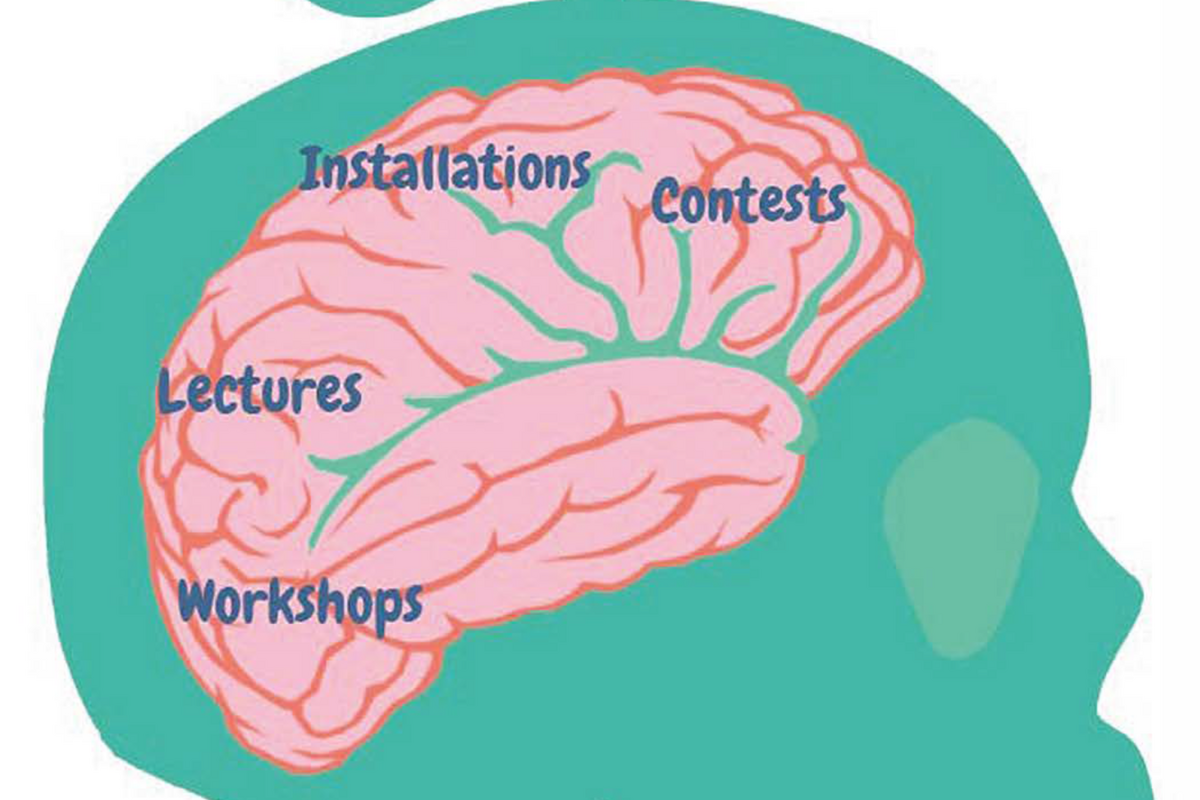
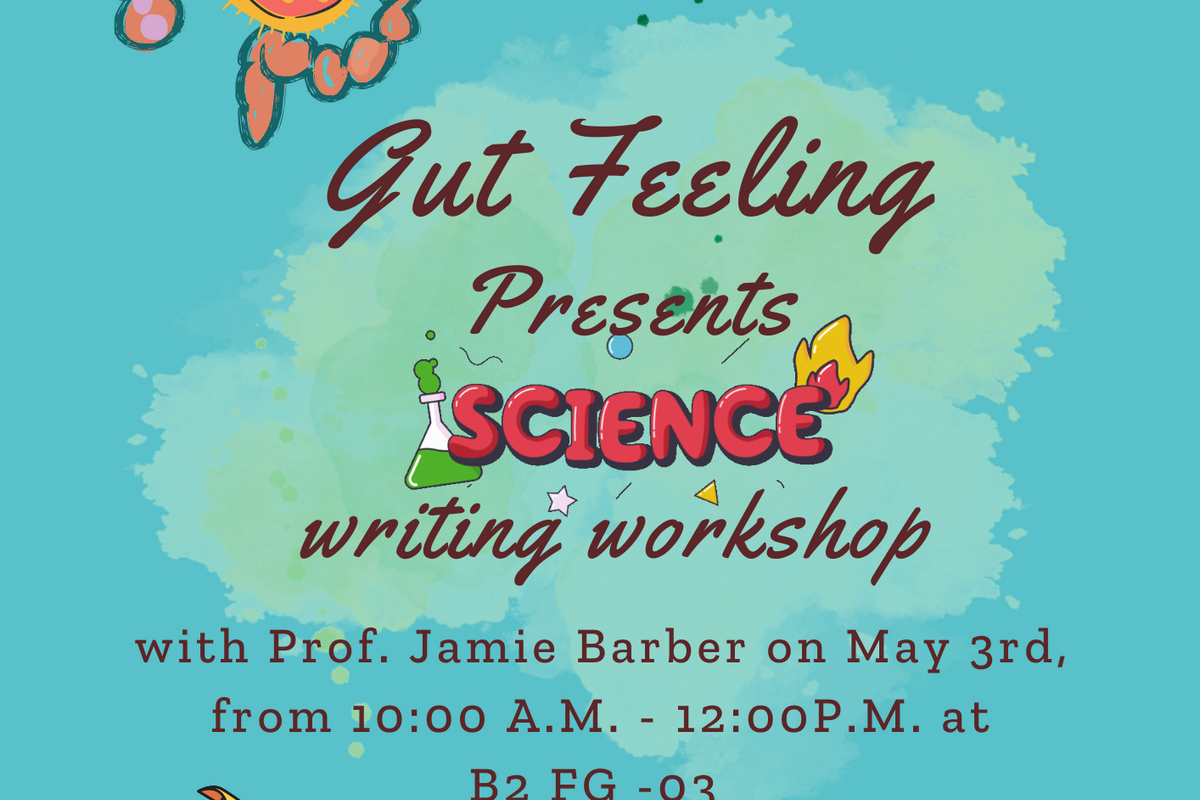
We invite collaborations between hungry young writers, illustrators, and scientists. Workshops are aimed to help introduce students to creative possibilities — science communication, design and illustration, and speculative fiction.
The workshops and resource persons will foster in students a solid grounding in science, communication, creativity, and the many ways in which these can intersect, both here and in the students’ futures.
Here are some of the recent workshops:
Related Stories
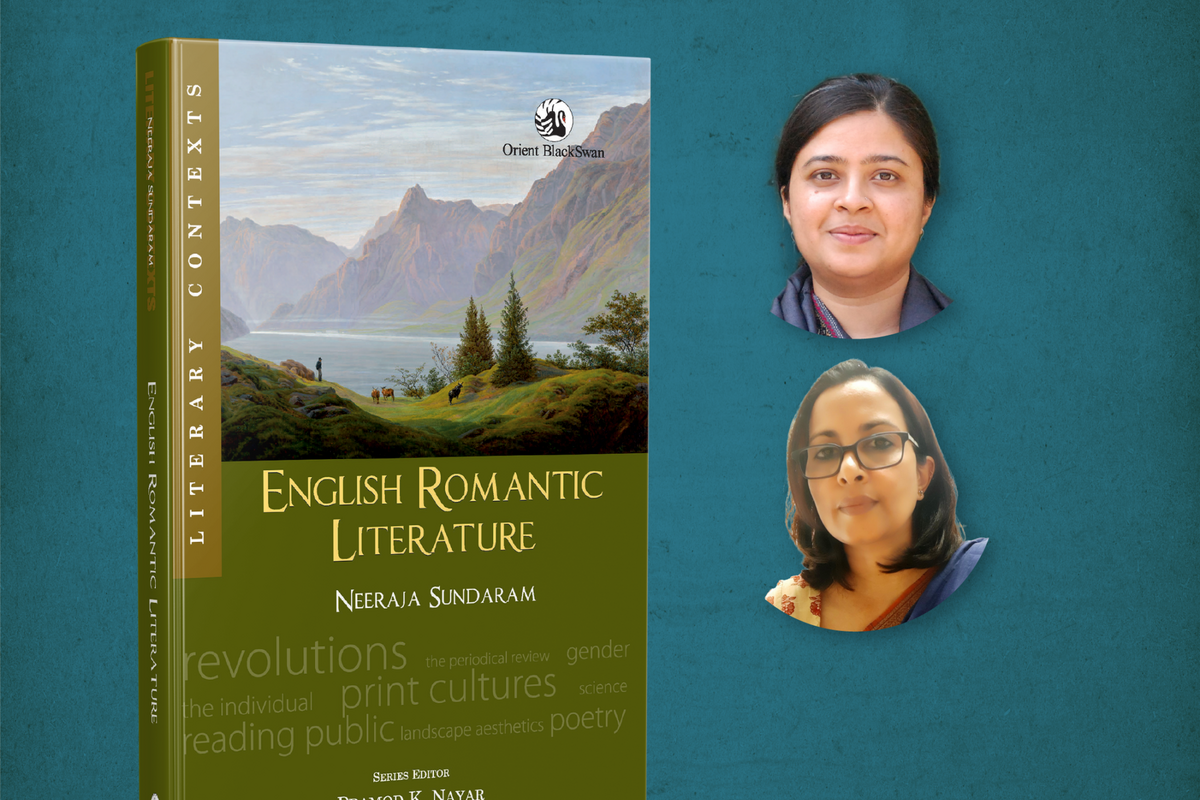

Teaching English Romantic Literature
Neeraja Sundaram, in conversation with Shefali Tripathi Mehta, about her new book English Romantic Literature, highlights the value of students committing time to extensive historical study in a literature course.
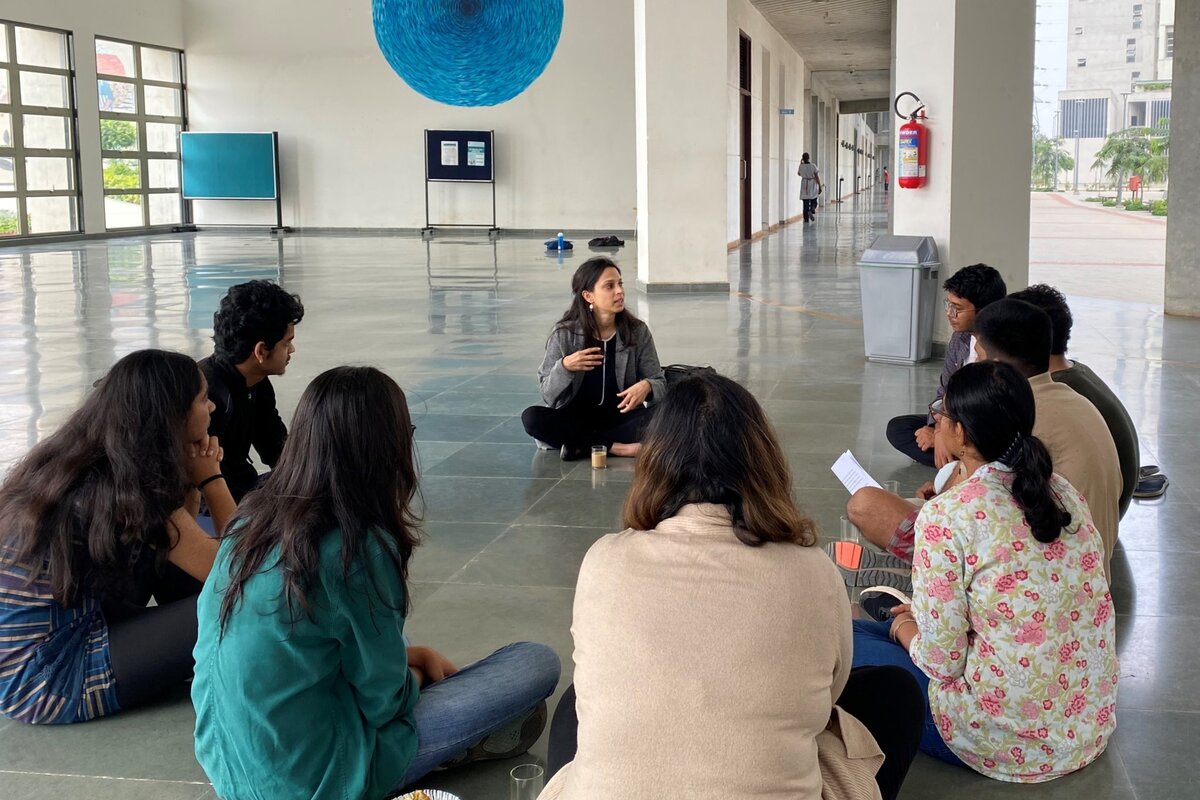
Craft of Fiction: Explore literary fiction in a fun and enlightening manner
An intensive, hands-on workshop to help students learn the craft of writing literary fiction
Explore

Faculty
15 of 15 All Programme faculty →