

MA in Early Childhood Care and Education
Build a career shaping how India cares for and educates its youngest citizens
Details
The early years shape everything that follows. Global research indicates that nearly 80 percent of brain development occurs before the age of eight, making early childhood care and education one of the most crucial foundations for lifelong learning and wellbeing.
With the National Education Policy (NEP) 2020 and the National Curriculum Framework for the Foundational Stage (NCF- FS 2022), India is reimagining how young children are cared for, educated, and supported. This shift requires professionals who understand children deeply, can work across systems, and design practices that are ethical, inclusive, and grounded in real-world contexts.
The MA in ECCE programme prepares you for exactly this work.
Who should join?
This programme is for those who want to work closely with young children and influence the systems that shape their lives.
You should consider this programme if you want to:
- Build a professional career in early childhood care and education
- Understand children’s development in Indian and global contexts
- Work with children, families, educators, organisations, or policy systems
- Contribute to improving care, learning, and wellbeing in the foundational years
Graduates from any discipline, such as arts, sciences, psychology, home science, engineering, commerce, as well as working professionals, are welcome. What matters most is your commitment to young children and their futures.
Why Study MA in ECCE at Azim Premji University?
A strong foundation in child development and learning
Develop a deep understanding of how young children grow, learn, and thrive — cognitively, socially, emotionally, and physically.
A comprehensive and deep understanding of interdisciplinary domain of ECCE
Explore the perspectives that guide early years programmes, intervention, policy direction, curricular principles and explore possible pathways for improving quality of ECCE in India.
Learning rooted in Indian realities
Understand the diverse ecosystem within which children grow. Engage closely with ECCE contexts across Anganwadis, preschools, schools, NGOs, and community settings.
Field-based and practice-oriented learning
From the first semester, your learning is closely tied to field engagement, observation, and hands-on work with children and educators.
Ethics, care, and inclusion at the core
The programme foregrounds sensitivity, inclusion, care, and professional ethics in all aspects of ECCE work.
A community of committed practitioners
Learn alongside peers and faculty who share a deep commitment to strengthening early childhood systems in India.
This is not just a degree; it is preparation for responsible, meaningful work with young children.
Course structure
A two-year journey of learning, practice, and reflection
The MA in ECCE is a two-year, full-time programme that blends theory, research, and extensive field engagement for children in the 0 – 8 years age group.
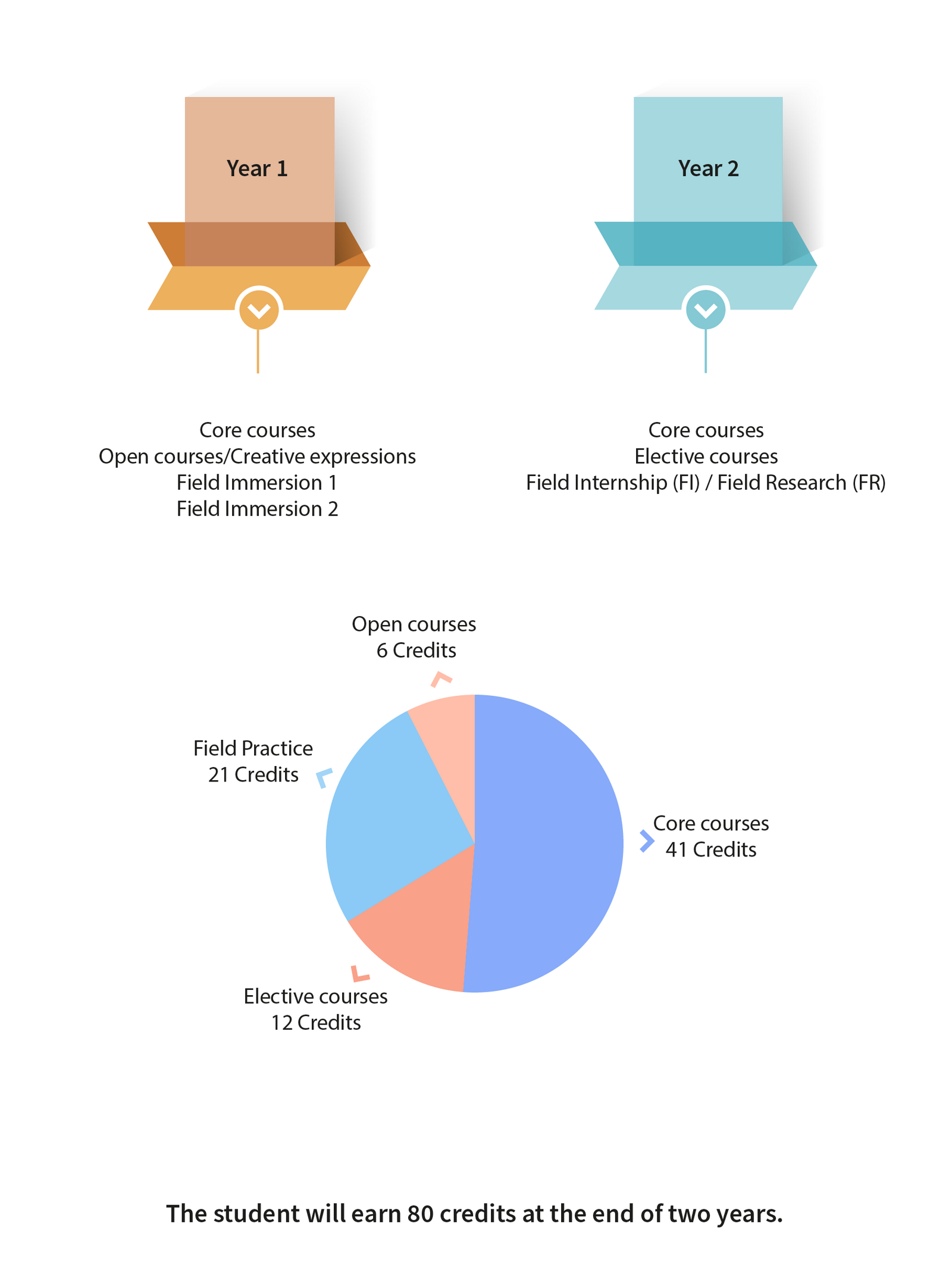
Core courses build a shared foundation in understanding young children, childhoods, and ECCE systems. These courses focus on the why, what, and how of working with young children.
Development and Learning in Early Years‑I
Core
Critical perspectives on the domains of development, their interlinkages and implication for educational and caring experiences of children in the early years
Development and Learning in Early Years – 2
Core
Perspectives and theoretical frameworks to help understand children’s thinking and learning in the early years
Foundations of Early Childhood Care and Education
Core
Integrated, interdisciplinary understanding of ECCE, and its significance for laying the foundation of lifelong development and learning in children.
Childhoods in Contexts
Core
Critically engage with multiple perspectives on children, childhoods and the diverse contexts (both Indian and global) in which children live
ECCE: Policy, Systems and Programmes in India
Core
A systemic perspective on care, education and safety provisions for children in India through policies, structural elements and quality criteria.
Early Stimulation, Health and Wellbeing
Core
Explore children’s growth and development in natural environments in the light of child-rearing practices, parenting styles, and cultural contexts
Play, Creativity and Materials in Early Childhood
Core
A hands-on course to enable direct engagement with materials and play experiences in ECCE
Curriculum and Pedagogy for Foundational Years (CPFY)
Core
Understand principles and processes that underpin curriculum development for children in the 3-8 years
Language and Literacy in Foundational Years
Core
Understand the importance of conversations, storytelling, extended discussions and play in supporting children’s oral language development and literacy
Professional Development of Early Childhood Educators
Core
Insights into the multiple roles that an Early Childhood Educator is expected to play besides education—creating awareness, supporting nutrition, health and caregiving needs of children
Introduction to Research in ECCE
Core
Discuss children as subjects of research, and the significance of their voices and participation in research
Social and Emotional Development in Early Years
Core
Insights into key components that contribute to social and emotional development in children
Inquiry in Foundational Mathematics & Science
Core
On integrated learning between domains, and more
In later semesters, you can deepen your interests through elective and open courses in areas such as:
- Documenting Childhoods
- Childhood vulnerability, safety, and Protection
- Reading and Writing in Early Primary Classrooms
- Assessment in Foundational Stage
Explore diverse creative expressions with courses to strengthen academic reading and writing, and aid domain-based skill development.
Field engagement is central to the programme and runs across semesters.
- Field Immersion 1: Exploring diverse ECCE settings and observing practice
- Field Immersion 2: Working directly with young children and educators
- Field Immersion 3: Field internship with an organisation OR Field research leading to a master’s dissertation
In addition, weekly practicums ensure sustained engagement with local ECCE sites such as Anganwadis, preschools, schools, and NGOs.
What will you learn?
- Foundations of early childhood development and learning
- Curriculum and pedagogy for the foundational years
- Health, nutrition, wellbeing, and early stimulation
- Language, literacy, play, creativity, and materials
- Policy, systems, and programmes in ECCE
- Research and inquiry in early childhood contexts
Learning is interdisciplinary, drawing from education, psychology, sociology, health, and policy.
Classroom Experience
Learning happens through discussions, hands-on material development, simulations, case studies, films, and engagement with practitioners and researchers. Reflection, collaboration, and inquiry are central to the classroom experience.
ECCE is a rapidly growing field with opportunities across education, care, research, and policy.
Graduates of the MA in ECCE work as:
Early childhood educators and foundational stage teachers
Design and lead developmentally appropriate learning experiences for children in the foundational years.
Child-care and early intervention professionals
Support young children and families through early stimulation, care, and timely interventions during critical developmental stages.
Teacher educators and trainers
Prepare and mentor educators and caregivers working across early childhood and foundational learning settings.
Curriculum and educational material developers
Create age-appropriate curricula, learning resources, and materials that support play-based and inclusive learning.
Programme managers and resource persons in NGOs
Plan, coordinate, and support early childhood programmes across communities, institutions, and systems.
Entrepreneurs and leaders in ECCE initiatives
Build and lead innovative programmes, organisations, or services focused on improving early childhood care and education.
Policy analysts, advocates, and researchers
Study early childhood systems and influence policy, practice, and public understanding through research and advocacy.
Your work can shape how children experience learning, care, and dignity in their earliest years.
Related Stories


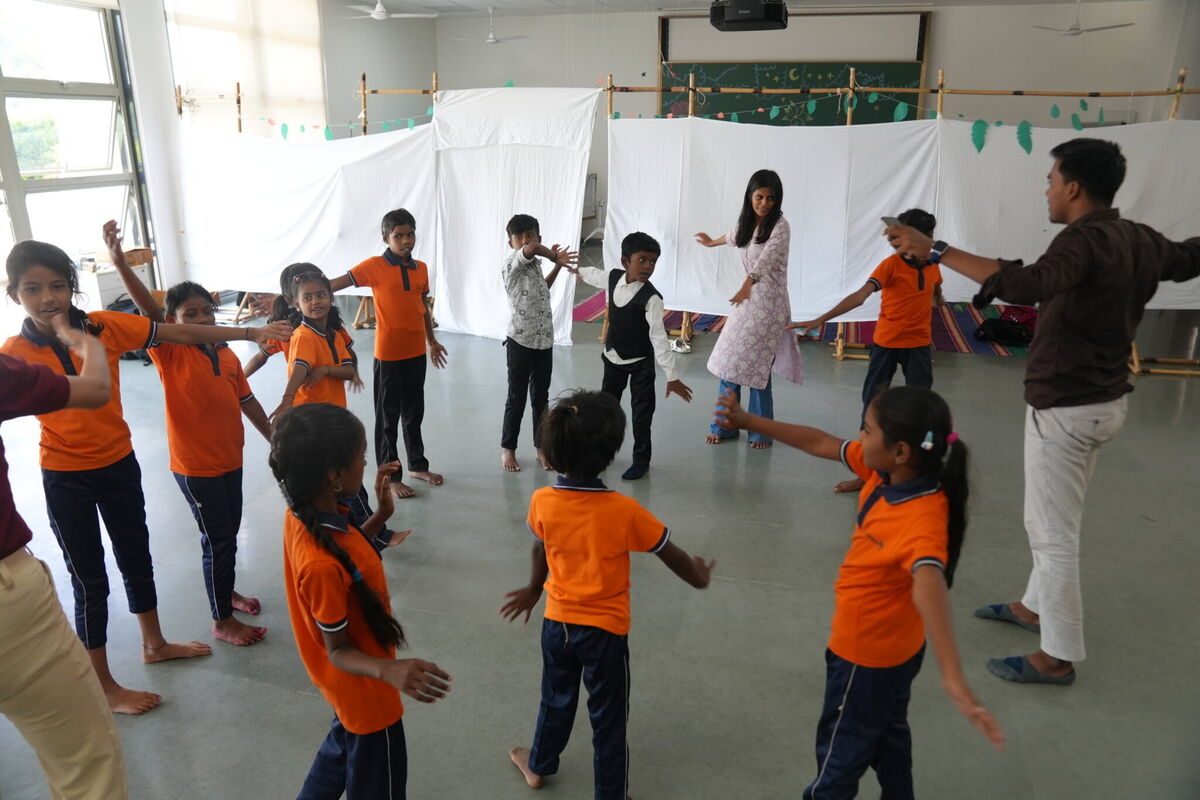
Indo-Finnish Research Seminar on Education — Charting Collaborative Pathways in ECCE
Ira Joshi summarises various aspects of studies presented in the seminar.
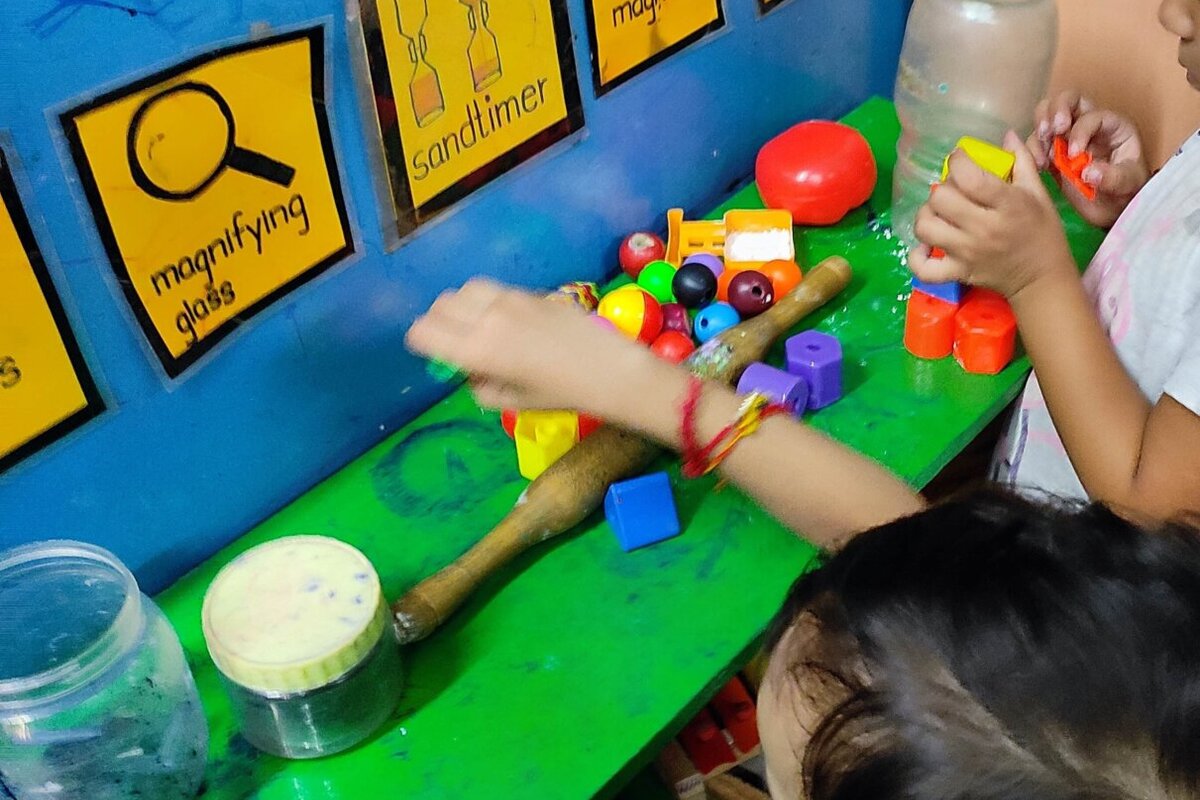
A Child-Centred Model of Learning for the Early Years
Muktangan Education Trust, Mumbai
By Ira Joshi | Oct 4, 2024
Muktangan-run BMC preschools follow a child-centred, inclusive, and community-based education model to promote quality learning experiences for children from underserved communities. The schools are founded on the philosophy of ‘active constructivism’, a perspective that views children as competent and active beings.
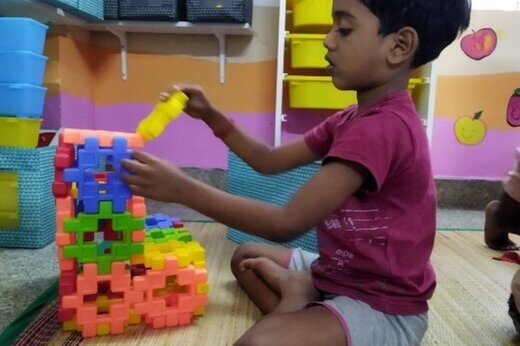

ECE Resource Centre: Demonstrating a Model Learning Environment
By Shankar K | Oct 27, 2023
This successful model has inspired the Samagra Shiksha, Puducherry to establish 50 more similar ECE Resource Centres in the academic year 2023 – 24 across all districts of Puducherry.

Spatial Understanding and Thinking in Early Childhood Education: Implications for School Readiness
By Akila Radhakrishnan | Sept 6, 2023
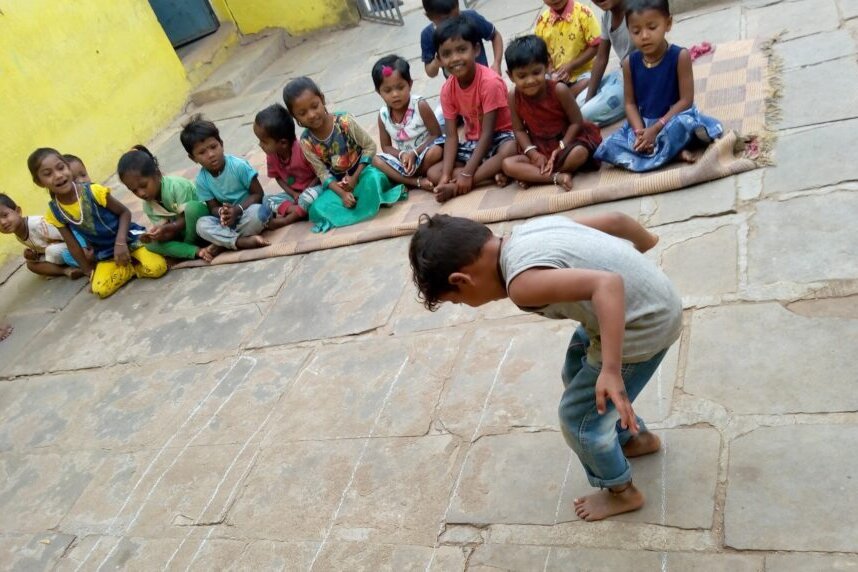
In Anganwadi centres, spatial learning is fostered through various activities, such as playing with building blocks, puzzles, and educational games, that are designed to help children develop spatial awareness. Additionally, Anganwadi centres can incorporate elements of sensory integration therapy to help children develop spatial awareness.

Early Intervention Programme: Lessons from National Institute of Speech and Hearing
By Ankur Madan | July 2, 2019
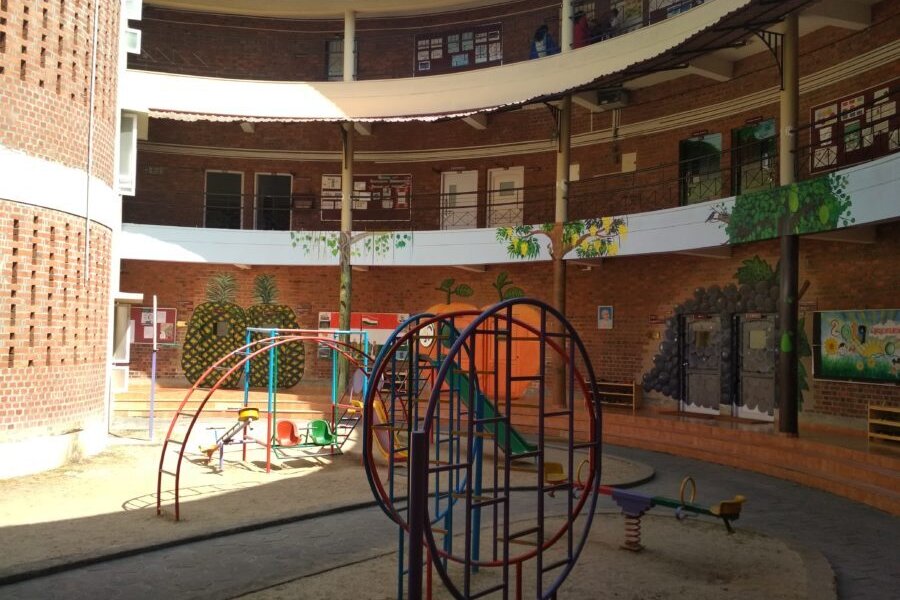
According to the 2011 Census data, 7.01 percent of children in the age group of 0 – 6 years in India have a disability, inborn or acquired. In this regard, early identification and intervention services can play a crucial role in prevention as well as remediation of the developmental delays that occur in young children.
Explore
Faculty
16 of 16 All Programme faculty →