
Publications & Resources
Our faculty, students and researchers work together everyday to contribute to a better world by grappling with urgent problems we are facing in India. We conduct rigorous work to produce high quality learning resources and publications to contribute to public discourse and social change. Here, we feature a sample from our work for everyone to access. You can explore featured resources, policies, and the latest publications from the University.
To explore all the work of our University, please visit our publications repository.

- Published
- Authors
Abstract
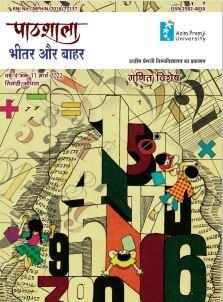
पाठशाला भीतर और बाहर का ग्यारहवाँ अंक, गणित पढ़ाने और सीखने पर केन्द्रित है। इसमें, गणित और संस्कृति, प्रारम्भिक वर्षों में गणित पढ़ाना ‚गणित के प्रति डर व इसकी उत्त्पति, गणित शिक्षण में ठोस सामग्री का उपयोग और गणितीय सोच विकसित करने के तरीकों और उनकी पड़ताल करते लेख शामिल हैं। हमेशा की तरह इस अंक में भी स्कूली शिक्षा के विविध आयामों पर कुछ और लेख शामिल हैं।
The March issue of Pathshala is focused on Teaching and Learning Mathematics. There are article exploring mathematics & culture, teaching mathematics in early years, fear of mathematics & origin, concrete material and developing mathematical thinking. As always you also have articles on different dimensions of school education.
Links

- Published
- Authors
Abstract
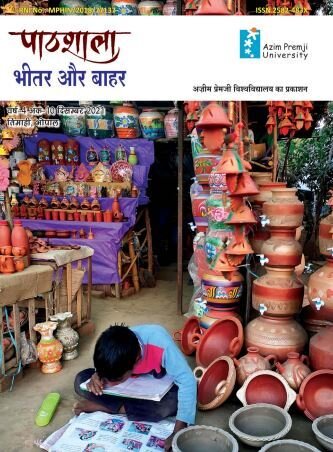
पाठशाला भीतर और बाहर का दसवाँ अंक कक्षा शिक्षण की प्रक्रियाओं पर केन्द्रित है। इसमें एक लेख जेण्डर के मुद्दे पर हुई रोचक बातचीत पर आधारित है। एक अन्य लेख, बच्चे कक्षा में अपने विचार स्वतंत्रता के साथ रखें और शिक्षक संवेदना के साथ बच्चों को अपनी भाषा में विचार अभिव्यक्त करने के लिए प्रोत्साहित करें, के मक़सद को सामने लाता है। कुछ लेख बच्चों की किताबों के उपयोग के महत्त्व को उजागर करते हैं और बताते हैं कि ‘लिखना’ क्यों और कैसे अपने विचारों को अभिव्यक्त करने का ज़रिया है, न कि शब्दों के पुनरुत्पादन का अभ्यास मात्र। विज्ञान की कक्षा में समूह शिक्षण पर लेख उन सम्भावनाओं को उभारता है कि शिक्षक कैसे और क्या समझ बनाए और ध्यान रखे कि पीयर शिक्षण को प्रभावी और सही मायने में सहभागी बनाया जा सके।
सामाजिक विज्ञान पर लेख इस विषय की प्रकृति पर चर्चा करता है और कक्षाओं में पढ़ाए जाने वाले सामाजिक अध्ययन और बच्चों के सामने आने वाले मुद्दों के बीच अलगाव को उजागर करता है। कोविड महामारी के दौरान रोजमर्रा की चिंताओं का अभाव और भी अधिक स्पष्ट प्रतीत होता है जब कक्षाएँ, बच्चों और उनके परिवार की चिंताओं की ज़िम्मेदारी नहीं ले पाती हैं।
Issue 10 of Pathshala Bheetar aur Bahar focus on classroom processes. There is an article on an interesting conversation around the issue of Gender, an article on freedom of expression in a classroom, teacher being sensitive and encouraging children expressing their thoughts in their own language. There are articles that bring out the importance of the use of children books, illustrates how writing is about expressing and is not a mere letter reproducing exercise. The article on peer-instruction in a science class brings out the possibilities that the teacher needs to have and the care that must be exercised in making peer-learning effective and truly participative.
The article on social science discusses its nature and brings out the disconnection between the social studies taught in the classrooms and the issues that confront children. The absence of day-to-day concerns seems even more stark during the COVID pandemic as the classrooms cannot take up the concerns of children and their families.
These are just a few examples of the variety of articles and the issues raised in them.
Links

- Published
- Authors
Abstract
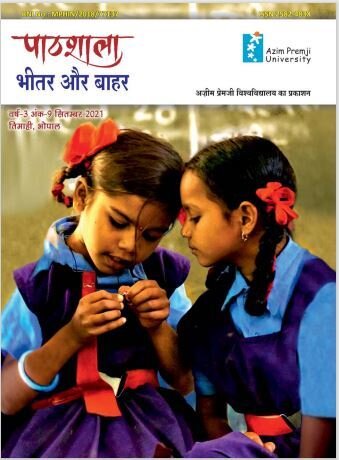
पाठशाला भीतर और बाहर के अंक 9 में बच्चों को पढ़ना-लिखना सिखाने की शुरुआत और आगे इसका विस्तार कैसे किया जा सकता है इस पर लेख हैं। कुछ अन्य लेख गणित शिक्षण से जुड़ी मान्यताओं, और ये मान्यताएँ शिक्षण और सीखने को कैसे प्रभावित करती हैं, पर केन्द्रित हैं। सामाजिक अध्ययन की कक्षा में परस्पर विरोधी मुद्दों पर की गई चर्चा कैसे बच्चों में आलोचनात्मक सोच विकसित करती है, से जुड़े लेख भी इस अंक में हैं। एक‑दो लेखों में लॉकडाउन के दौरान बच्चों व शिक्षकों के लिए आयोजित की कई कक्षाओं के अनुभव साझा किए गए हैं।
इस अंक में समावेशन और समानता से सम्बन्धित दो लेख हैं। पहले लेख में शिक्षक‑शिक्षा पाठ्यक्रम के अन्तर्गत ‘जेण्डर संवेदनशील शिक्षण क्यों व कैसे’ की पड़ताल की गई है। दूसरा लेख जनजातीय बच्चों को शिक्षा के दायरे में लाने और उनके लिए सीखना सम्भव बनाने के बारे में है। इस अंक का साक्षात्कार, अनुराग बेहार से राष्ट्रीय शिक्षा नीति 2020 के मूलभूत तत्त्वों पर टुलटुल बिस्वास द्वारा की गई बातचीत पर आधारित है। पुस्तक चर्चा में जिस किताब की चर्चा है, उसका नाम है- एक स्कूल मैनेजर की डायरी ।
Issue- 9 includes a range of articles on importance of and teaching of reading and writing to children. These explore how reading and writing maybe initiated and then furthered. Other articles touch upon beliefs about teaching of mathematics and how they impact teaching and learning and on how classroom discussion on conflicting issues in Social Science help develop critical thinking. Some other articles focus on the sharing experiences of organizing classes for children and for teachers during the lockdown.
There are two articles related to issue of inclusion and equity in education. One on of them explores why and how of Gender education in context of teacher education curriculum and the other is about education of Jan Jati children and making learning possible for them. The interview in this issue is with Anurag Behar and focuses on the foundational elements of the National education policy 2020. And the book discussed in the issue is ‘Ek School Manager kii dairy’.
Links

- Published
- Authors
Abstract
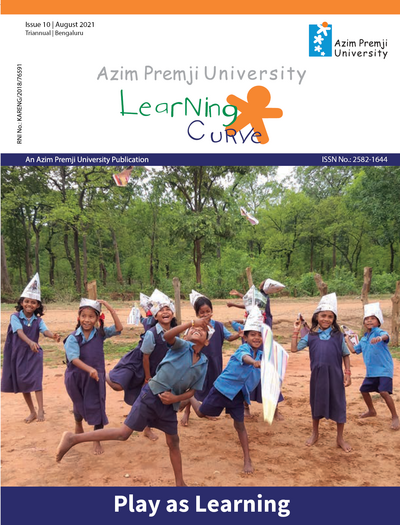
The articles in this issue are broadly based on the two aspects of play in learning – the innumerable lessons that are learnt from play – teamwork, strategy, inclusion, respect, sharing, handling fights, settling arguments, addressing bullying, and second, how play can be used as pedagogy for circular learning as well as structured activities such as educational videos and unstructured ones like pretend play. The idea behind both is to nurture the free spirit with which child must learn.

- Published
- Authors
Abstract
इस अंक में 16 लेख हैं और इनमें अधिकांश लेख पढ़ना सीखने और उसमे रुचि पैदा करने पर आधारित हैं। शिक्षकों और शिक्षक‑प्रशिक्षकों द्वारा लिखे गए कक्षा अनुभवों और शिक्षणशास्त्र पर आधारित लेख, शिक्षण में बच्चों की भागीदारी बढ़ाने के तरीकों के विभिन्न पहलुओं को सामने लाते हैं। बच्चों को पढ़ना सीखने और उनकी लिखित अभिव्यक्ति विकसित करने में मदद के लिए, स्कूल व कक्षा में क्या किया जा सकता है, इसके बारे में विचार देते हैं। किताबों और पुस्तकालय से, डायरी लेखन व दीवार पत्रिका से, पढ़ने-लिखने की सामग्री से और बातचीत व कहानी कहने से सीखने में मिलने वाली मदद के विवरण भी इन लेखों में मिलते हैं। इस अंक का संवाद भी शुरूआती पढ़ना, लिखना, साक्षरता, संख्यात्मक और गणितीय ज्ञान पर केन्द्रित है। लेख यह भी दर्शाते हैं कि जब बच्चे पाठ्यपुस्तकों के अध्यायों पर काम कर रहे हों तो उन्हें बात करने और अपने विचार व्यक्त करने की पूरी आज़ादी होना चाहिए।
शिक्षक के साथ साक्षात्कार महामारी के दौरान बच्चों के साथ जुड़े रहने के प्रयासों का विश्लेष्ण प्रस्तुत करता है। एक अन्य लेख महामारी के दौरान बच्चों के अपने स्कूल के साथ सम्बन्धों की जटिलता को सामने लाता है।
This eighth issue of Pathshala carries 16 articles. Learning to read and write is the foundation of all further learning. Most of the articles in this issue are focussed on learning to read and building of interest in it. The Samvaad is also focussed on ‘ Early reading, writing, literacy, numeracy and other mathematical knowledge’. Based on classroom experience and pedagogy the articles written by teachers and teacher educators bring out various aspects of the manner of engaging children and give ideas about what can be done in the school and in the classroom for helping children to learn read and develop their written expression. The articles bring out the changing role of the reader at different stages of the reading process, how working with the library and books, diary writing, Deewar Patrika (Wall magazine), availability of material to read and write, conversation and storytelling etc. help in learning and how peer learning, conversations with and among children help in this process. They point out that children should also be given freedom to talk and express when they are working with chapters from textbooks. The interview with the teacher presents an analysis of the efforts to continue to engage with children during the pandemic. One article of a different genre brings out the complexity of the relationship of children to their school as exposed by the pandemic.
Links

- Published
- Authors
Abstract
पाठशाला भीतर और बाहर के 7वें अंक में आप पढ़ेंगे ‘भाषा शिक्षण और भाषाई खेल’, ‘ऑनलाइन शिक्षण जब समुदाय बना सहभागी’, ‘शिक्षण अधिगम सामग्री की समझ एवं उपयोग’ जैसे कुछ महत्वपूर्ण मुद्दों पर अनुभव आधारित आलेख।
Links

- Published
- Authors
Abstract
पाठशाला भीतर और बाहर के इस 6ठे अंक में शिक्षकों का संवाद ‘महामारी के दौर में शिक्षा, स्कूल और बच्चे’ शामिल है। साथ ही ‘तालाबन्दी के दौरान ऑफ़लाइन शिक्षा प्रक्रिया’ और ‘कक्षा अवलोकन के ज़रिए शिक्षण प्रक्रिया को समझना’, ‘भाषा शिक्षण में बातचीत क्यों ज़रूरी है’ जैसे आलेख इस अंक में हैं।
Links

- Published
- Authors
Abstract
पाठशाला भीतर और बाहर के इस 5वें अंक में शामिल है एक लेख कि बच्चों का सवाल पूछना कितना जरूरी है और उन सवालों को किस तरह से समझा जाए। शिक्षकों के क्षमता संवर्धन में उनके अनुभवों का लिखा जाना कितना जरूरी है, बच्चों को सवाल पूछने के अवसर देना और उनके सवालों को समझना जैसे विषयों पर महत्वपूर्ण आलेख भी इस अंक में शामिल हैं।
Links

- Published
- Authors
Abstract
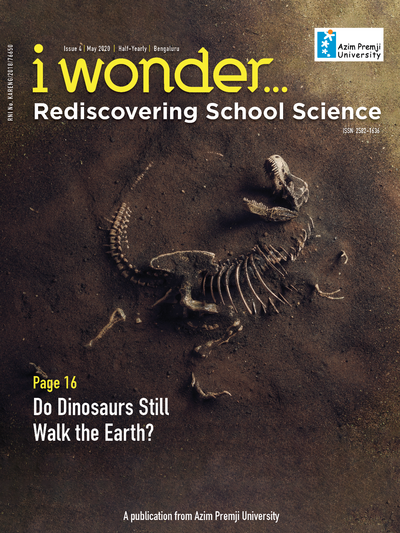
What does evolution by natural selection mean? How does ‘survival of the fittest’ explain the transformation of male clownfish into females? Or the many non-combative, non-competitive, and seemingly friendly interactions observed between ants and plants? Does it provide clues to the identity of the mysterious descendants of dinosaurs in today’s world? These are some of the questions we explore in our theme section ‘Evolution revisited’. In Annals of History, relive unsung surprises in the process of discovery of penicillin with interactive resources designed for the science classroom. How do we use pendulums to illustrate fundamental concepts in mechanics? How do we recognize and clarify incorrect student conceptions of the science of everyday phenomena? Find out with the detachable activity sheets & concept builders in ‘The Science Lab’.

- Published
- Authors
Abstract
पाठशाला भीतर और बाहर के अंक 4 में एक लेख देश में महिला शिक्षा की पड़ताल करता है। एक अन्य लेख बचपन के अर्थ पर सवाल उठाता है और पूछता है कि क्या शिक्षा का एक मात्र उद्देश्य एक आदर्श बच्चे का विकास करना है; पत्रिका में शामिल एक और लेख शारीरिक दण्ड के सदियों पुराने सवाल की समाजशास्त्रीय पड़ताल करता है और एक दूसरे लेख का पहला भाग भारतीय शिक्षा पर मैकाले के प्रभाव की जाँच करता है। इस अंक के दो अनुभव आधारित लेख कविता कहानियों के माध्यम से भाषा शिक्षण के रुचिकर तरीक़े सुझाते हैं। संवाद में शिक्षकों व शिक्षक- प्रशिक्षकों के साथ मूल्यांकन और परीक्षा के विभिन्न पहलुओं पर बातचीत है। दो-एक लेख शिक्षा से जुड़ी नीतियों और इनके अमल में आने वाले मुद्दों की आलोचनात्मक पड़ताल करते हैं।
The fourth issue of “Pathshala ..” has an article that examines women’s education in the country; an article that interrogates the meaning of childhood and asks if the only purpose of education is to develop an ideal child; an article that examines the age old question of corporal punishment sociologically; the first part of an article that examines Macaulay’s relationship with/impact on Indian education; there are two experience based articles on interesting ways to teach language using stories and poems; and a discussion among teachers and other educators around assessments and examination. Some of these articles critically examine policies and the issues in their application.
Links

- Published
- Authors
Abstract
पाठशाला भीतर और बाहर का तीसरा अंक स्कूली शिक्षा के दो महत्त्वपूर्ण सरोकारों पर चर्चा व विश्लेषण करता हैं- रटन्त पढ़ाई का मसला और सही मायने में सीखने का सवाल। शारीरिक दण्ड के ऐतिहासिक और दार्शनिक आयामों पर भी इसमें एक लेख शामिल है। इस अंक में कुछ अनुभव आधारित लेख भी हैं जिनमें एक ग्रामीण परिस्थितियों में शिक्षक की निर्मिति पर, एक स्कूल हेडमास्टर की यादों पर और एक इस बात से सम्बन्धित है कि हम बच्चों को कितना समझते हैं। भारत में शिक्षा के विकास पर लेख की ऋंखला इस अंक में भी जारी है क्योंकि इसमें यात्रा के एक महत्त्वपूर्ण कालखंड के अध्ययन को प्रस्तुत किया गया है। हर अंक की तरह इस अंक में भी शिक्षकों से साक्षात्कार और पुस्तक चर्चा जैसे स्थाई स्तम्भ शामिल हैं।
The third issue has articles that discuss and analyse two important concerns of school education – the question of rote memorization and actual learning. There is also an article on the historical and philosophical dimensions of corporal punishment. There are interesting experience-based articles – one on the process of making of a teacher, one on the reminiscences of a school headmaster and another related to how much we understand children. The series on the development of education in India continues as it covers an important period in that journey. Then there are regular columns like interview with a teacher and book reviews.
Links

- Published
- Authors
Abstract
पाठशाला भीतर और बाहर के अंक 2 में भारतीय शिल्प व चित्रकला में, शिक्षण सम्बन्धी चित्रों के बारे में लेखों की दिलचस्प ऋंखला शृंखला का पहला भाग शामिल है। यह लेख शिक्षा के रोचक इतिहास के एक पहलू को खोलता है। इस अंक में विज्ञान शिक्षण पर दो अन्य लेख हैं, जो इस विषय में कुछ काम करने प्रयासों और विज्ञान सीखने में मिलने वाले आनन्द व जुड़ाव की बात करते हैं। एक लेख फ़ेल न करने की नीति और इसकी ग़लत व्याख्याओं के बारे में है। एक लेख में शिक्षक की पहचान व स्थिति की पुनर्कल्पना करने की आवश्यकता, इसमें स्कूल नेतृत्व की भूमिका और चुनौतियों की चर्चा है। इस अंक में भाषा शिक्षण और सीखने के पहलुओं पर अध्यापकों से बातचीत भी शामिल है। महत्त्वपूर्ण भाषाओँ पर अंग्रेज़ी की पकड़ कैसे बनी, इसके विश्लेषण पर आधारित एक लेख भी इस अंक में शामिल है।
The second issue of “Pathshala..” carries the first part of a very interesting series on schools as they were. The article brings out in an interesting manner how we come to know about what happened in earlier times. Two other articles on science teaching talk about the effort of making something work and the joy and engagement it brings to learning science. There are articles that discuss the policy of non-detention and the way it is mis-interpreted, the need to re-imagine the identity and status of the teacher, what role does school leadership play in it and the challenges the leadership faces. The conversation with teachers is on dimensions of language teaching and learning. There is also an article that analyzes the way English has captured the place of the most important language.
Links

- Published
- Authors
Abstract
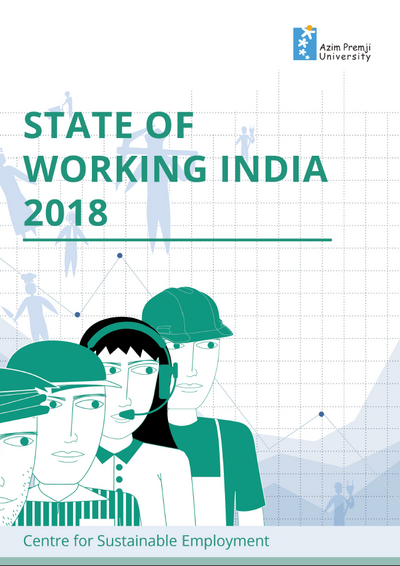
India is one of the world’s fastest growing economies. To be a stable and prosperous democracy, this growth must be accompanied by the creation of meaningful, secure and remunerative employment. Realising this goal requires a grounded and comprehensive overview of the state of labour markets, employment generation, demographic challenges and the nature of growth.
The State of Working India (SWI) is envisioned as a regular publication that delivers well-researched, analytically useful information on India’s labour market, by bringing together researchers, journalists, civil society activists, and policymakers interested in labour and employment issues.
The report is based on the research of CSE staff, as well as on background papers which are available online. SWI conceives of India’s ongoing structural transformation as composed of two processes — movement of workers from agriculture to non-farm occupations (the Kuznets process) and from informal activities to formal ones (the Lewis process). But it adds crucial considerations of social equity and ecological sustainability to this standard framework. In the 21st century, Lewis and Kuznets have to meet Ambedkar and Gandhi.
Report Documents
Figure Data (XLS)
Background Papers
Bijolia’s Harvest of Stone: Conditions of Work Among Quarrying Labour in Rajasthan
Gender Differentials in Expansion of Informal Enterprises
Labour Absorption in Indian Manufacturing: The Case of the Garment Industry
Hard Work, Low Pay : Work Patterns Among Rural Women in West Bengal
Understanding the performance of India’s manufacturing sector: Evidence from firm-level data
The Indian Labour Market: A Fallacy, Two Looming Crises and a Silent Tragedy
Domestic Workers and the Challenges of Collective Action in Informal Work: A comment
Individual Chapters:
Chapter Two : Who Is Looking For Work?
Chapter Three : Where Is the Work?
Chapter Four: How Good Is The Work
- Published
- Authors
Abstract
पाठशाला भीतर और बाहर का यह पहला अंक है। इस अंक में कक्षा और शिक्षकों से जुड़े विभिन्न विषयों पर कई लेख केन्द्रित हैं जो इनसे जुड़ी चिंताएँ और सवाल उठाते हैं। क्या कक्षा में सीसीटीवी कैमरों का उपयोग करना उचित है; क्या शिक्षक पेशेवर है और पेशेवर शब्द का मायने क्या है, जैसे सवाल इसमें शामिल हैं। अन्य लेख जिन मुद्दों से सम्बन्धित हैं, वे हैं- बोर्ड परीक्षाओं के प्रति हमारा दृष्टिकोण क्या होना चाहिए; हमें पर्यावरण अध्ययन की कक्षा में बातचीत कैसे शुरू करनी चाहिए; बच्चों की उच्चारण सम्बन्धी गलतियों पर प्रतिक्रिया कैसे देनी चाहिए; क्या एक ‘अच्छी कक्षा’ गणित की ‘सफ़ल कक्षा’ भी हो सकती है? आदि।
The first issue of “Pathshala ..” covers matters of classroom and teachers through many articles and raises a few areas of concern and questions. This includes appropriateness or otherwise of using CCTV cameras in classrooms, whether the teacher is a professional and what does the word professional mean. Other articles deal with what should be our attitude to board examinations, how should we begin to have a dialogue in an environmental studies class, how should we react to pronunciation mistakes of children and whether a mathematics class perceived to be ‘good’ is also a useful learning class.
Links

- Published
- Authors
Abstract
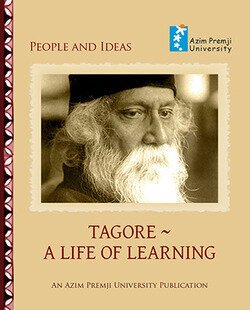
Azim Premji University attempts to explore ideas, lives and work of many social reformers, writers, thinkers and philosophers who have influenced us deeply, and fundamentally shaped our vision and philosophy. This graphic novel is on Rabindranath Tagore’s ideas and philosophy of education. Tagore is an educator for all times and his ideas are as relevant today, as they were when he lived. Tagore expresses in all his writings, that he experienced no joy while being taught by a series of teachers, or shifting from one conventional school to another. His approach to teaching grew from his life experiences. The school he set up in Santiniketan was ‘conceived to free the students’ minds and lead them to a state of creative unity where they would respect human beings, irrespective of caste or creed’. Tagore tried to inculcate the joy of learning among his students by integrating the classroom with nature. The myriad celebrations at Visva Bharati were envisaged to educate his students about the natural and human world around them, about collective action and community involvement. The dream was to foster complete human development where the unique potential of each child could flower in a happy and secure environment.
Note: Best viewed as two pages with the cover separate