
Publications & Resources
Our faculty, students and researchers work together everyday to contribute to a better world by grappling with urgent problems we are facing in India. We conduct rigorous work to produce high quality learning resources and publications to contribute to public discourse and social change. Here, we feature a sample from our work for everyone to access. You can explore featured resources, policies, and the latest publications from the University.
To explore all the work of our University, please visit our publications repository.
List of Publications & Resources

- Published
- Authors
Abstract
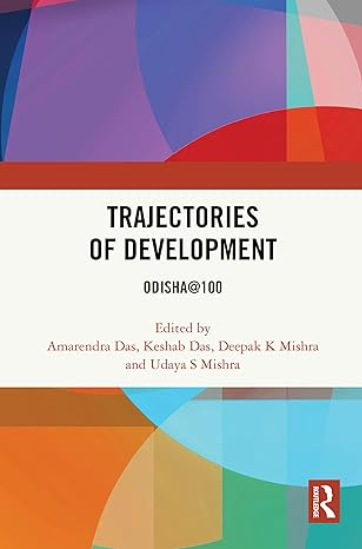
Natural resources, which are considered free goods in mainstream economics, are subject to appropriation and exploitation for larger economic gains and have been a problematic area. It has been contested historically. Some of the policies of appropriations, while showing the ‘power’ of certain actors, are also subject to numerous conflicts and contestation. Odisha, endowed with numerous natural resources in abundance and diverse social groups dependent on these resources, has historically posed challenges that corroborate the ‘resource curse theory’. Odisha has 37% of its geographical area covered with forests. It has a coastline of 450 km, spanning more than 150,000 sq. km of area. Several rivers, lakes, and ponds define its freshwater resources. In addition, Odisha is endowed with numerous mineral resources, including iron ore, coal, and bauxite, among others. On the other hand, several communities and social groups inhabit Odisha. These include 62 Scheduled Tribes that have their own distinct dialects, customs, practices, and resource dependencies. These diversities in resources and communities make it challenging for planners and policymakers to devise sustainable frameworks for natural resource management.
Authors:
Madhusmita Dash, Saswat Kishore Mishra, Amalendu Jyotishi
Links

- Published
- Authors
Abstract
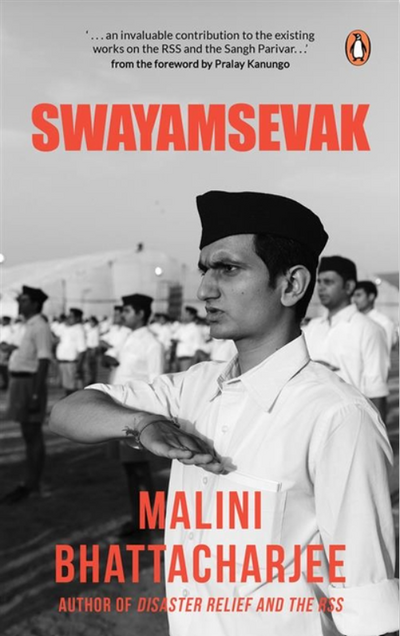
In September 2025, the Rashtriya Swayamsevak Sangh (RSS) completed a hundred years. Founded in 1925 by Dr Keshav Baliram Hedgewar with a small group of handpicked young men, the Sangh sought to reinvigorate Hindu society through sangathan (organization) and seva (service). What sustains the RSS a hundred years on? Who are the individuals who animate this vast and enduring organization? Are they conservative or modern, privileged or marginal, urban or rural? Swayamsevak explores these questions in depth. At its heart are ten compelling life stories of nine swayamsevaks and one sevika. Through these intimate portraits, the book foregrounds the everyday experiences, moral worlds, and motivations that shape their journeys, revealing the discipline, commitment to service, and quiet conviction that sustain the Sangh’s remarkable continuity and expansion. By restoring the swayamsevak to the centre of the narrative, this book opens up a rich and largely unexplored terrain and offers a nuanced and deeply human window into the RSS.
Links