
News
List of News
The NCF will raise standards of school education in the country
The National Curriculum Framework (NCF) for School Education released by the Ministry of Education (MoE) offers a broad canvas that could take schooling beyond the narrow confines of rigid curricula, writes Anurag Behar in Mint.
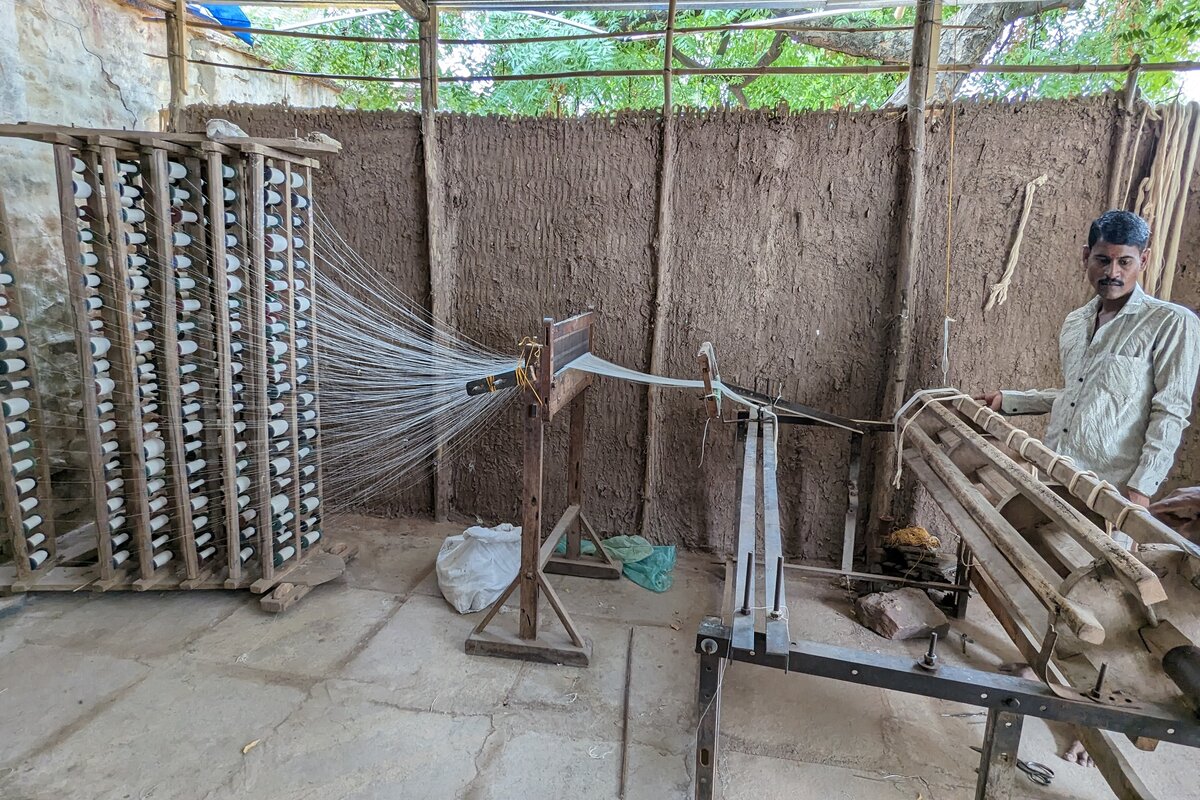

Traditional Weavers of Guledgudda
Alaka S and Jhelum Mukherjee, in Point of View, present snapshots of the 400-year-old Ilkal saree weavers and explore why the younger generation of weavers are giving up weaving and migrating to the cities.
Constructive Conversations for Conflict Resolution
Artful conversations have the potential to convert conflicts into positive forces of change, writes Sudheesh Venkatesh, in The Pioneer.
India’s Scheduled Caste list must be religion-neutral. Muslims, Christians are also Dalit
Dalit Muslims and Christians have been mobilising to be duly added to the SC list. This is a fit case for the Supreme Court to exercise the power of judicial review, writes Khalid Anis Ansari in ThePrint.
What is the Health and Education Cess being spent on?
Since FY 2018 – 19, citizens have dutifully paid the Cess, but the government has let the money remain within the Consolidated Fund of India, in the absence of a special purpose fund (Reserve Fund), writes Himanshu Upadhyaya, in The Wire.
Bengaluru’s daily waste production soared from 200 to 6,000 tonnes between 2000 and 2020
If the current government wants to account for the future of urbanisation in the city, it must create a robust municipal infrastructure that prioritises proper drainage and waste management, writes Anshul Rai Sharma, in Citizen Matters.
Bengaluru needs nature-based solutions as well, not just tech-focused ones
Focus on home-grown solutions, pay attention to ecological wisdom, and keep communities at the centre while building a different imagination when it comes to conservation, says Harini Nagendra, as reported by The Hindu.
‘Sandras’ were water bodies, book recalls
The non-fiction work by Harini Nagendra and Seema Mundoli, expected to be released in September 2023, takes a look at the history of Bengaluru’s lakes and tanks
How correct is our correction?
Jwairia Saleem, in Teacher Plus, explores how teachers can make checking students’ work a fruitful exercise that supports student learning, builds trust and creates positive classroom dynamics.
Rajasthan’s Killer Sandstone Mines
Seema Sharma, in The India Forum, highlights the situation of mine workers in Rajasthan, perhaps the most vulnerable among manual workers in India’s unorganised sector.
Plastic Earth
India is the second-largest generator of plastic waste, second only to the US. Plastic is cheap and convenient, but ultimately, we pay a steep price for this convenience. Harini Nagendra, in Deccan Herald, explores the way out.
Going beyond the board
The Karnataka government’s move to change the Pre-University (PU) exam pattern for the academic year 2023 – 24 signifies a shift towards a more comprehensive assessment of student abilities, writes Shilpi Banerjee, in Deccan Herald.
A few good actions may actually be enough to improve education
Dedication and coordination can deliver what’s needed to raise the quality of schooling at low cost, writes Anurag Behar, in Mint.
‘उद्योग 5.0’ की सामाजिक उद्देश्य की ओर मुड़ती राह
उद्योग जगत अपने सामाजिक उद्देश्य के प्रति सजग और सक्रिय हो रहा है। सुधीश वेंकटेश, प्रभात खबर में लिखते है कि हम औद्योगिक क्रांति के पांचवें दौर में दाखिल हो रहे हैं, जिसकी जरूरतों के मुताबिक हमें खुद को ढालना है।
Bridge the glaring gaps in learning
Merely axing portions of existing syllabi in the name of content rationalisation and reduction of students’ workload will not help. We need other constructive solutions to enable students to regain their lost learning, writes Anshu Saluja, in Deccan Herald.

Drying out fast: Laundry work in Fort Kochi
The arrival of mechanised laundromats has put the future of the members of the Vannan community — who do the laundry work in Fort Kochi, Kerala — at risk, reports Vibha Satish, in People’s Archive of Rural India (PARI).
K’taka model has long way to go
For the guarantees to become the basis for a substantive welfare-centric ‘Karnataka model development’, much more is needed than what the budget has proposed, writes Narayana A, in The Times of India.
Sylhet Referendum Anniversary: A time to remember partition wasn’t only about a Hindu-Muslim binary
Focusing on the Hindu-Muslim binary deflects attention from the smaller histories, often more complicated, that played out in micro-contexts in the run-up to independence, write Malini Bhattacharjee and P C Venkatraman, in The Wire.
Online education is inadequate for reasons we have long known
Online education cannot address the core requirements of good education — neither core educational goals nor the fundamental process of learning. And that is why it has very limited effectiveness, writes Anurag Behar, in Mint.
Children who struggle with reading
Kamlesh Chandra Joshi, in Learning Curve, highlights the importance of providing students with meaningful reading experiences to ensure that students can improve in the areas of reading and writing.
Green shoots of renaissance in public libraries
A public library is a social institution and despite the sweep of digital content, will continue to exist as a social space, an antidote for the isolation of the digital world, writes Sudheesh Venkatesh, in The Times of India.
शिक्षा पर भारी न पड़े कृत्रिम बुद्धिमत्त
एआई के बड़े विशेषज्ञों द्वारा चेतावनी दी जा रही है। यदि हमने ध्यान नहीं दिया, तो हम जल्द ही एक और रसातल के मुहाने पर होंगे, ठीक उसी तरह, जिस तरह परमाणु प्रौद्योगिकी के समय थे, अनुराग बेहर, हिंदुस्तान में लिखते हैं।
Artificial intelligence could hurt education at its most basic level
Using AI tools to outsource thinking is likely to weaken this fundamental human faculty over time, writes Anurag Behar, in Mint.
ವಿಶ್ಲೇಷಣೆ: ಗ್ರಂಥಾಲಯ ಮಹತ್ವ ಮತ್ತು ಪುನಶ್ಚತನ ಕ್ರಮ
ಸಾರ್ವಜನಿಕ ಗ್ರಂಥಾಲಯವು ಒಂದು ಸಾಮಾಜಿಕ ಸಂಸ್ಥೆಯಾಗಿದ್ದು ಡಿಜಿಟಲ್ ಕಂಟೆಂಟ್ ಗಳ ವ್ಯಾಪ್ತಿ ಹೆಚ್ಚಾಗುತ್ತಿದ್ದರೂ, ಸಮಾಜದಲ್ಲಿ ತನ್ನ ಅಸ್ತಿತ್ವ ಉಳಿಸಿಕೊಂಡಿದ್ದು ಈಗ ಇದು ಕೇವಲ ಪುಸ್ತಕ ಸಂರಕ್ಷಣೆಗಷ್ಟೇ ಸೀಮಿತವಾಗಿರದೇ ತನ್ನ ವ್ಯಾಪ್ತಿಯನ್ನು ವಿಸ್ತರಿಸಿಕೊಳ್ಳುತ್ತಿದೆ. ಈ ಕುರಿತು ಸುಧೀಶ್ ವೆಂಕಟೇಶ್ ಅವರ ವಿಶ್ಲೇಷಣೆ ‘ಪ್ರಜಾವಾಣಿ’ ಪತ್ರಿಕೆಯಲ್ಲಿ ಪ್ರಕಟವಾಗಿದೆ.
ಜನರು ಮತ್ತು ಕೆಲಸದ ಮೇಲೆ ‘ಉದ್ಯಮ 5.0’ರ ಪರಿಣಾಮಗಳು
ಉದ್ಯಮ 5.0 ಮಾನವ ಕೇಂದ್ರಿತ, ಸುಸ್ಥಿರತೆ ಮತ್ತು ಸ್ಥಿತಿಸ್ಥಾಪಕತ್ವದ ತತ್ವಗಳ ಮೇಲೆ ನಿರ್ಮಿತವಾಗಿದ್ದು ಅನೇಕ ತಂತ್ರಜ್ಞಾನಗಳು ಸಂಯೋಜಿತವಾಗಿ ಕಾರ್ಯನಿರ್ವಹಿಸಲು ಇದು ಸಹಾಯಕವಾಗಿದೆ. ಈ ಕುರಿತು ವಿಜಯವಾಣಿ ಪತ್ರಿಕೆಯಲ್ಲಿ ಪ್ರಕಟವಾದ ಸುದೀಶ್ ವೆಂಕಟೇಶ್ ಅವರ ಲೇಖನ.
Understanding Verdict Karnataka 2023: Between the past and the future
Verdict Karnataka 2023 has an unmistakable class character to it. Even a cursory glance at the results shows that the economic situation influenced the people’s choice, writes Narayana A, in The India Forum.
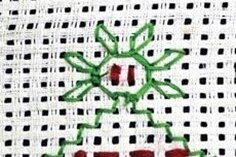

Kasuti: The mathematics of embroidery
Nishtha Chhabra, in At Right Angles (AtRiA), highlights how Kasuti embroidery helps children learn the art of mathematics by giving them the sense of feeling and doing.
The aims of physical education
Aditi Mutatkar and Akash Lugun, in Learning Curve, illustrate with examples, how physical education enhances teaching-learning practices in school.
Library: An important central point of elementary schooling
Dinesh Patel, in Learning Curve, shares his experience of running an active and creative library, and the interesting things that came up while working formally with children in school libraries.
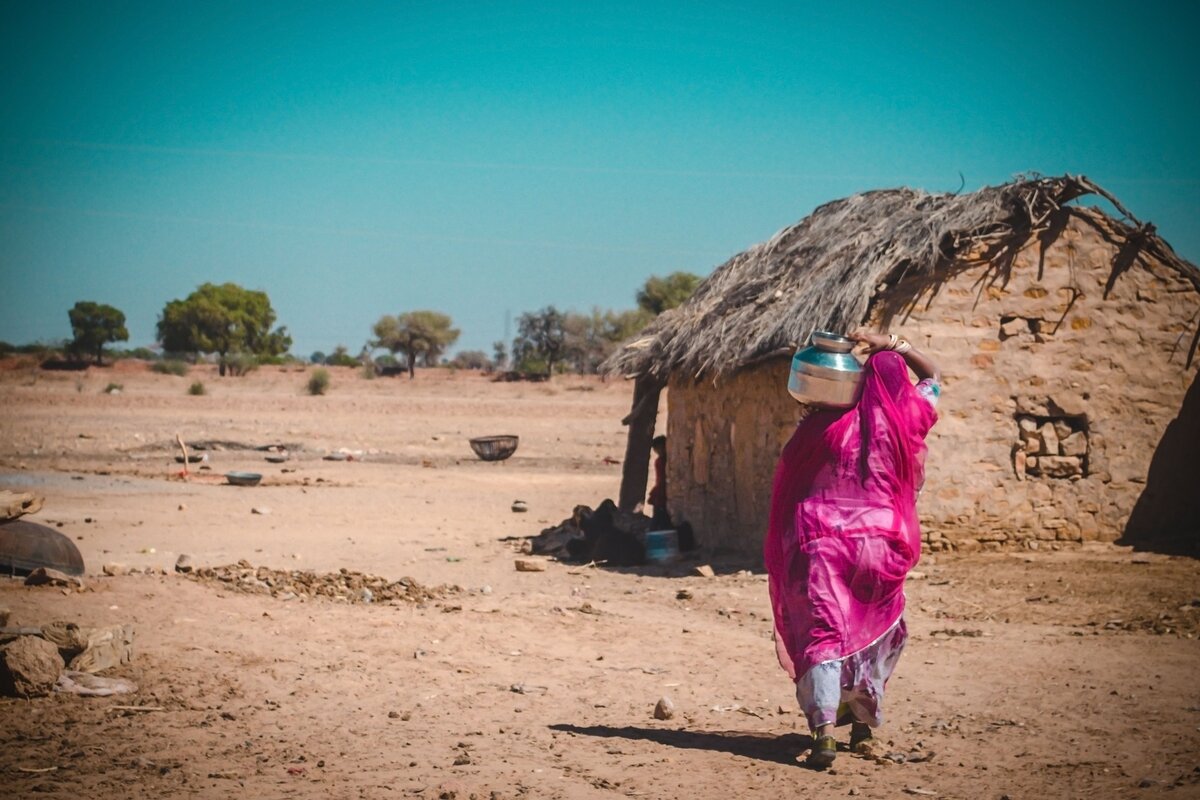
Raika women don’t just herd
Women in the Raika pastoral community play a big role in the care of animals and also do other work. Geetakshi Dixit, in People’s Archive of Rural India (PARI), reports Sita Devi’s story.