
News
List of News
What’s ailing welfare in India today?
The launch of ‘Realising Rights: A Handbook of Welfare in India’, published by Azim Premji University on June 26 considered this question in depth, writes Falak Ali in The Wire.
Rights or benefits? Azim Premji University handbook examines shift in India’s welfare architecture
Has India quietly moved from guaranteeing welfare as a right to delivering it as a benefit? That question dominated the launch of Realising Rights, published by Azim Premji University, writes Vitasta Kaul, in ThePrint.
State govts bear 90 percent of social sector spending as Centre’s share drops sharply: Azim Premji University
The report highlights that governments collectively spend around 7 percent of GDP and 21 percent of total public expenditure on key welfare sectors and schemes, writes Ajith Athrady in Deccan Herald.
States account for nearly 90 percent of India’s social sector spending as Centre’s share declines: Study
For the study, Azim Premji University analysed allocations and spending patterns under major schemes, highlights Priyansh Verma in Moneycontrol.
Azim Premji University launches Realising Rights: A Handbook of Welfare in India
The new volume examines the achievements, gaps, and future of India’s welfare architecture
From right holders to beneficiaries: New handbook raises questions over India’s changing welfare model
Azim Premji University’s new welfare handbook says India’s public systems have expanded, but health, education, nutrition and social security still face deep gaps, writes Vivek Mishra in DownToEarth.
How donors behave shapes key outcomes in the not-for-profit sector
India’s social sector requires a high degree of awareness among donors of their own weaknesses, writes Anurag Behar in Mint.


The Original Aam Aadmi
Unboxed, a podcast from Azim Premji University, explores India’s deep-rooted mango obsession, highlights The Economic Times.
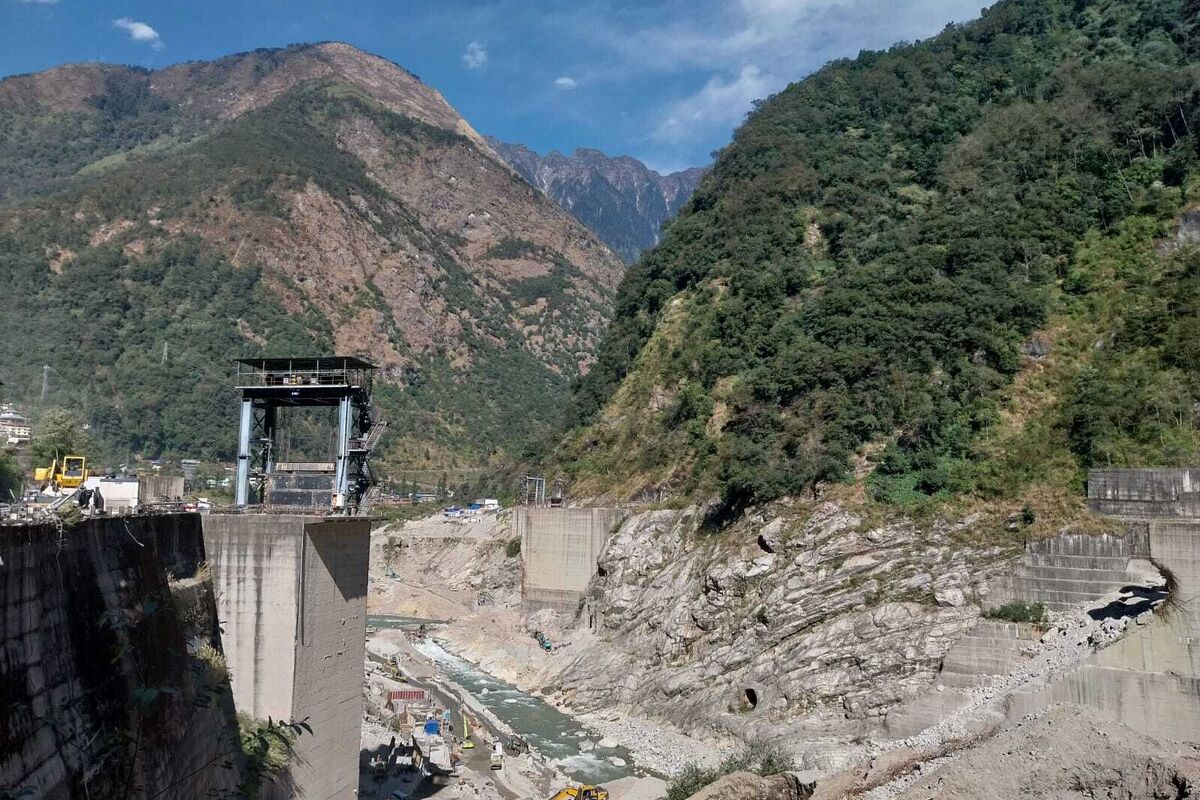

One River, Two Perspectives: Hydropower Projects in North Sikkim
Shakshi Rai explores how internal differences, especially across two generations, shape the way hydropower is understood, contested, or reluctantly accepted, in Sikkim Project.
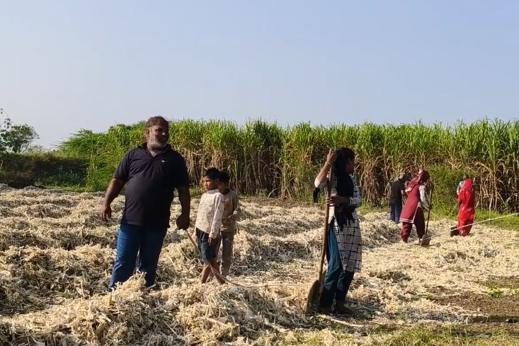

How migrants power the jaggery mills of Maharashtra
Shivaji Thorat visited three jaggery processing units and met workers in Marathwada to understand the process, as highlighted in The Migration Story.
A Letter To David Attenborough: What the Children Must Also Know
Children’s education must include the history of colonial destruction of wildlife and the frequently overlooked conservation wisdom of indigenous communities, writes Anish Mokashi in The Wire.
The inherited classroom
Chandrika Muralidhar and Neha Pant, in Teacher Plus, examine how inherited beliefs, traditions, and power structures shape teaching, urging educators to critically reimagine classrooms for equity, agency, and meaningful learning.
Socio-demographic paradox of matrilineality and high fertility in Meghalaya
While Meghalaya’s fertility decline in National Family Health Survey (NFHS) 6 is encouraging, policies should address the structural drivers of continued childbearing, writes Mayur Trivedi in The Shillong Times.
Let’s not overload the Indian school curriculum with causes that are dear to us — it’s heavy enough
We can build a strong society by helping it stand firm under the weight it already carries, rather than adding more weight to an already burdened institution, writes Anurag Behar in Mint.
Mulling over multiplication: Rote learning or a life skill?
Growing up on an overstimulated digital diet, children now have flickering attention spans and diminishing patience. They find memorising tables very challenging, writes Aruna Sankaranarayanan in Deccan Herald.
Chennai may see 1°C rise in summer temperatures by 2040: Report
The report, released by Azim Premji University, warns that climate change is no longer a distant threat and India’s coastal regions are already entering a period of significant environmental transition.
डिजिटल युग में भी पोस्ट कार्ड की प्रासंगिकता बरकरार, जनगणना जागरूकता प्रदर्शनी में दिखा इतिहास
आयोजन का उद्देश्य केवल जनगणना के प्रति जागरूकता फैलाना ही नहीं, बल्कि संचार के पारंपरिक माध्यमों के ऐतिहासिक महत्व से भी लोगों को परिचित कराना था।
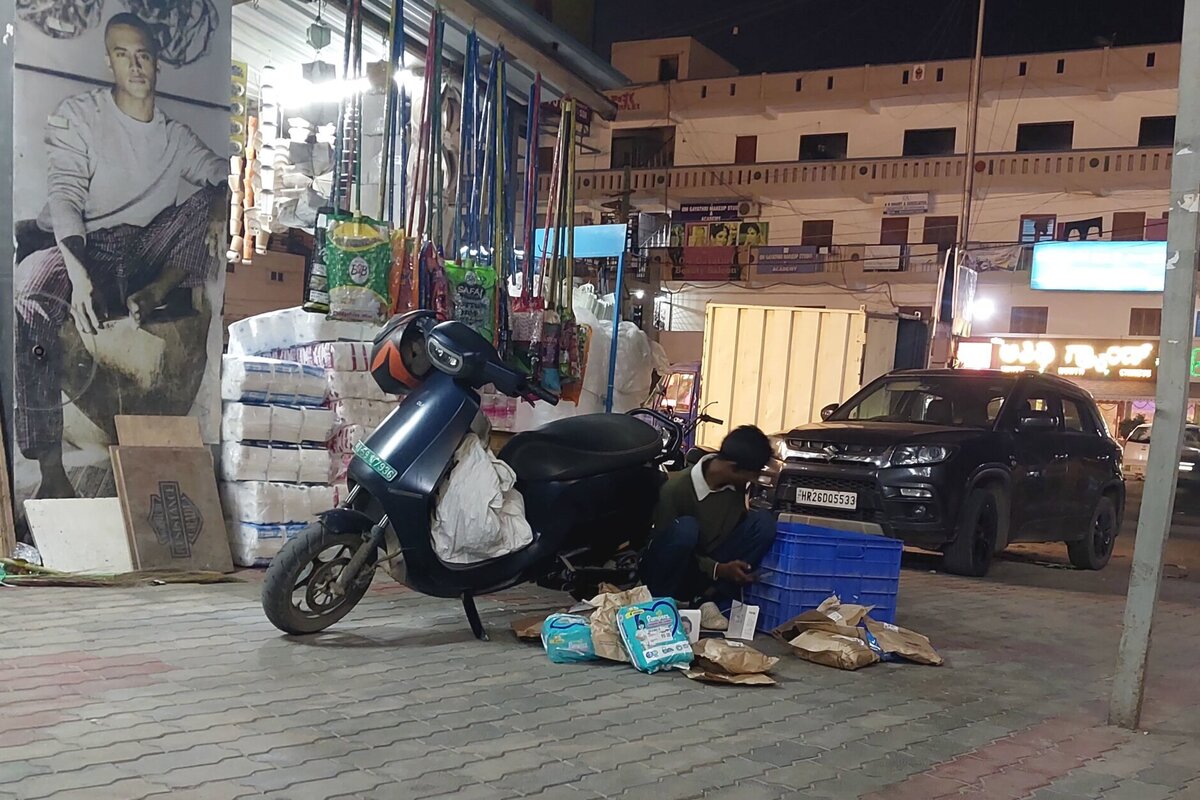
Working through the heat: How Bengaluru’s gig workers are bearing the cost of rising temperatures
Unless policy frameworks evolve to address climate risks, the burden of urban heat will continue to fall on those least equipped to bear it, writes Chaluvadi Sai Dinesh in DownToEarth.
40 coastal districts in India likely to see summer temperatures rise by over 1°C by 2040: Report
India’s average temperatures are projected to increase by 1.5°C by 2040, with approximately 40 coastal districts likely to see summer temperatures rise by over 1°C, as per the Indian Coastal Region: Climate Projections 2021 – 2040 report by Azim Premji University.