
News
List of News
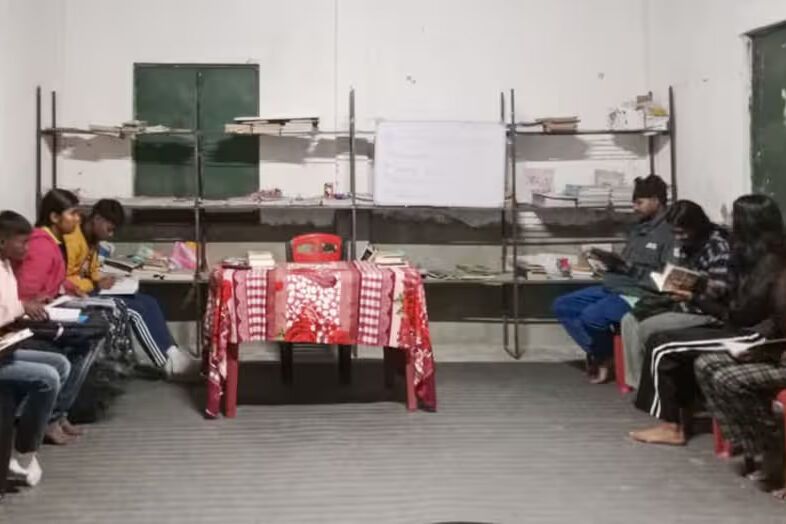

In Dooars: A Room of Books
Oraon tribals working for generations in a Jalpaiguri tea garden now have a place to call their own – a library set up by Simran Oraon, as highlighted in People’s Archive of Rural India (PARI).
Campus Bengaluru
Data shows lack of functioning toilets for children with disabilities
Less than four out of ten schools in India have a toilet that is usable by a child with a disability, write Karan Babbar and Raunak Maitra in The Hindu.
India’s Fight Against Air Pollution: Why Citizen Science Matters
Citizen science is not about turning everyone into scientists; it is about ensuring that scientific knowledge is made accessible to them in a way that resonates with their lived experiences, write Manisha Mishra and Mohammad Irshad in Gujarat Morning Post.
Open minds please: Schools can’t teach children everything but must foster lifelong teaching
Schools can build capacities and dispositions: the stamina to stay with a long text, the ability to hold a view lightly, the pleasure of being surprised, the instinct to ask why and to listen, writes Anurag Behar in Mint.
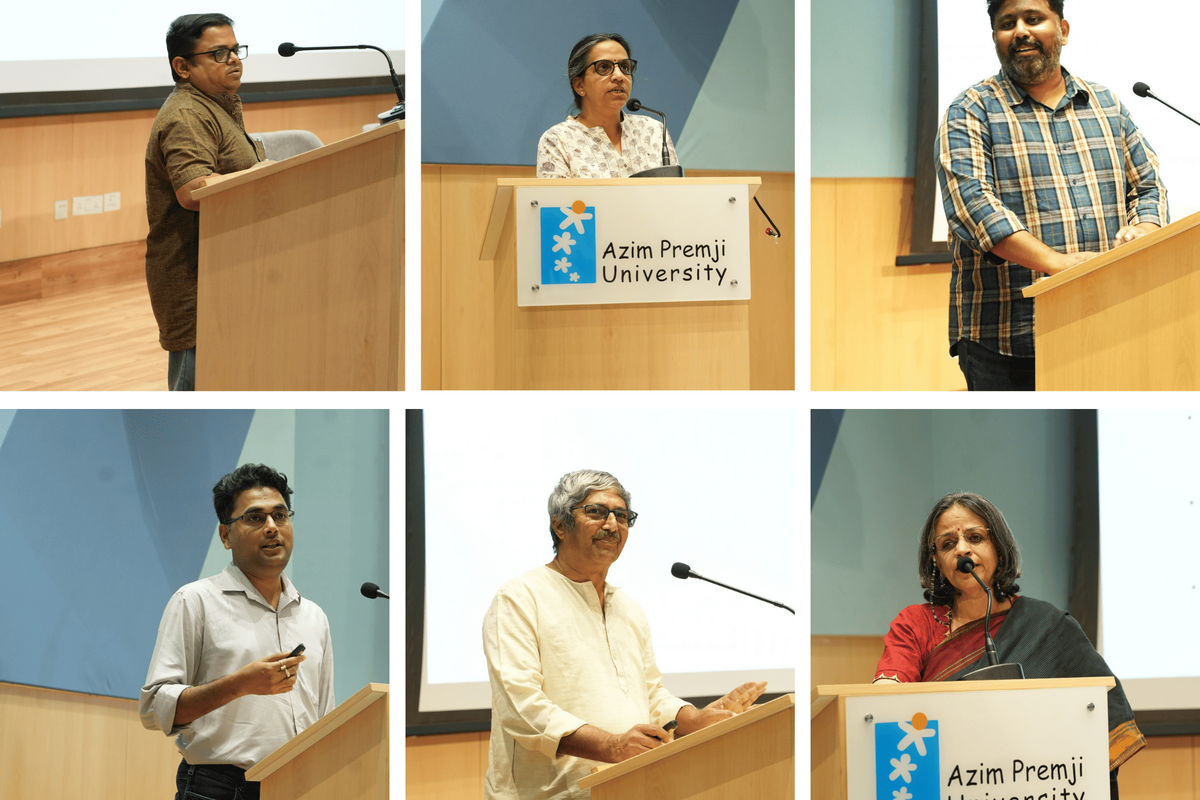

Annual Research Forum 2026: A Day of Research and Conversation Across Disciplines
A full day of short talks and poster presentations offered a window into questions and ideas shaping research at the University, as highlighted by Meryl Garcia.
Campus Bengaluru
SRM Institute of Science and Technology, Chennai wins Azim Premji University’s National Social Enterprise Idea Challenge
The event brought together students from across India to present business ideas addressing social problems.
Campus Bengaluru
When the Spotlight Fades: The Unseen Mental Health Struggles of Drag Artists
The absence of queer-affirmative mental health support remains a major barrier for India’s drag performers, writes Swati Modh in Deccan Herald.
Government schools embrace phonics to build early English skills
Kuzu Phonics, a Sikkim State Education Department initiative, with technical support from Azim Premji University, has been helping young children take their first confident steps towards reading.
Is India’s finance boom outrunning its real economy?
Prompt policy action is needed to strengthen the foundations of India’s growth before vulnerabilities become crises, as highlighted in India’s Macroeconomy: Growth, Resilience, and Vulnerabilities, by Azim Premji University. | The Daily Brief by Zerodha
Why schools must teach children to be active citizens
While children understand that they are born citizens of a country, we need to build the disposition and competencies to make them active, engaged participants, writes Aruna Sankaranarayanan in Deccan Herald.


Azim Premji University Marks 10 Years of National Social Enterprise Idea Challenge with 10th Edition in Bengaluru
Ten student teams from across India to present ideas addressing challenges in health, sustainability, inclusion, livelihoods, and more
Campus Bengaluru
Climate festival to bring rivers, forests and mountains alive at NEHU
Shillong is set to host Festivals of Life, with a five-day programme at North-Eastern Hill University (NEHU) from 5 – 9 Oct 2026.
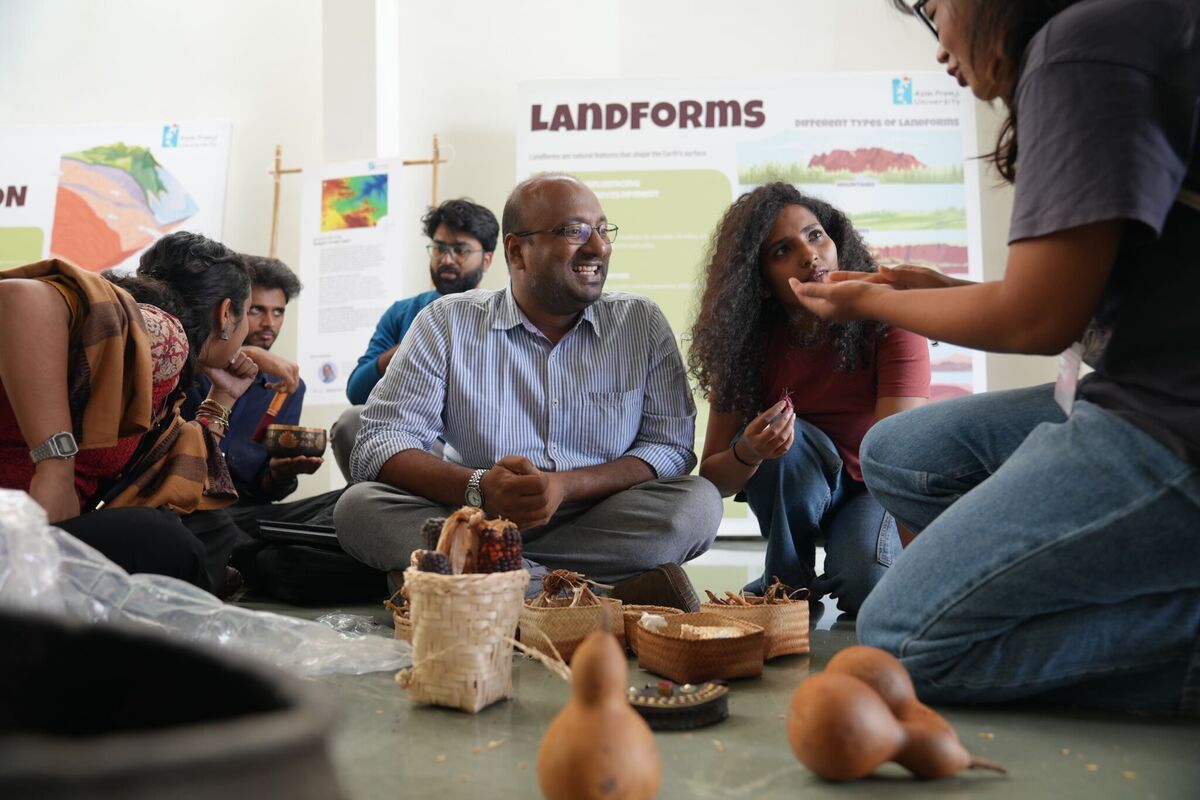
Azim Premji University and North-Eastern Hill University bring Festivals of Life to Shillong for the first time
The five-day festival from 5 – 9 Oct 2026 will explore nature and climate through art, science, and interactive activities
Campus Bengaluru
Oracles of AI are gambling with the future of children, workers, and others. Why let them?
We are outsourcing cognition to AI at precisely the stage when the whole purpose of schooling is to build it, writes Anurag Behar in Mint.
Shaunak Sen on taking termite to TIFF: ‘After Oscar nomination, it’s easier to get meetings’
At Toronto International Film Festival (TIFF) 2026, he is presenting Termite, produced and presented by Janato Cinema, an initiative by Azim Premji Foundation, as highlighted by Upala KBR in Mid-day.
The OECD’s school report obfuscates a global education emergency instead of raising an alarm — why?
We are failing an entire generation even as the clock runs out on the scope for real action, writes Anurag Behar in Mint.
Unready urban India
We need a national urbanisation policy with a new definition of “urban” considering the city’s ecology, write Arvind Lakshmisha and Harini Nagendra, in Frontline.
Fading Kuhls and Gharats: The human cost of hydropower on Himachal Pradesh’s altered rivers
Explore how small-scale hydropower projects are changing the cultural and ecological landscape.
Photo essay: Rachit Tiwari in India Water Portal
Gold rings or rights? The patriarchal underpinnings of Tamil Nadu’s Thaimaman scheme
The scheme comes from the underlying understanding of women as objects of state benevolence, valued for the roles of wife and mother, rather than as citizens with rights, writes Dipa Sinha in The News Minute.
What is Janato Cinema? How Azim Premji Foundation’s New Initiative Is Backing Socially-Engaged Films
As the Azim Premji Foundation enters film production with Janato Cinema, filmmakers see an opportunity to fill a long-standing gap in funding for independent, socially engaged work, writes Zico Ghosh, in The Hollywood Reporter.
Why fewer state-run schools does not signal neglect of education: It’s learning that matters
Consolidation is not neglect of the public system but an improvement – and only if you are not seeing the reality on the ground you think of it otherwise, writes Anurag Behar in Mint.
Cascading hazards and the limits of transboundary preparedness in the Himalayas
The Bhote Koshi flood was not a conventional glacial lake outburst. Understanding what happened and preparing for what comes next will require more than any one discipline, or any one country, can offer, writes Remya S N in The Times of India.
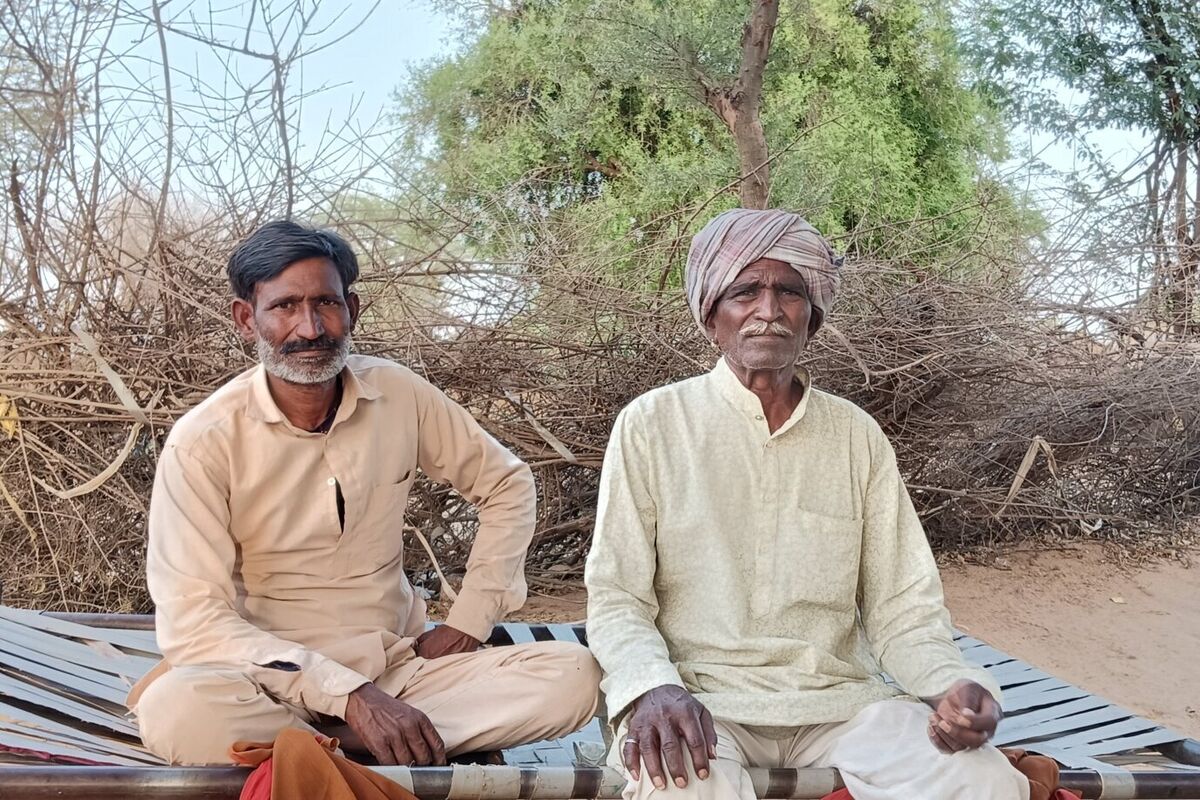
Bhopas in Churu: Putting Down Roots
The nomadic life of this community of musicians is slowly changing as they settle in one place. Access to state benefits is yet to reach them, writes Pramod Indaliya in People’s Archive of Rural India (PARI).
Azim Premji University to screen documentary on Kannada scholar
‘Shabdajeevi’, a documentary celebrating the life and literary contributions of renowned Kannada lexicographer Prof G Venkatasubbaiah will be screened at the Indian Institute of World Culture, Basavanagudi, Bengaluru on 26 Aug 2026.
School children shouldn’t have to pay the price for untenable orthodoxies about learning
While continuous evaluation was supposed to keep learning on track, a whole generation of students had to bear the cost, writes Anurag Behar in Mint.
Azim Premji University to host lecture on India’s changing middle classes
‘A Tale of Two Middle Classes,’ by Sonalde Desai on 24 Aug 2026 at 6:30 PM at the Bangalore International Centre (BIC), will explore how India’s economic transformation has reshaped everyday life in the 21st century.
Location Bangalore International Centre (BIC)
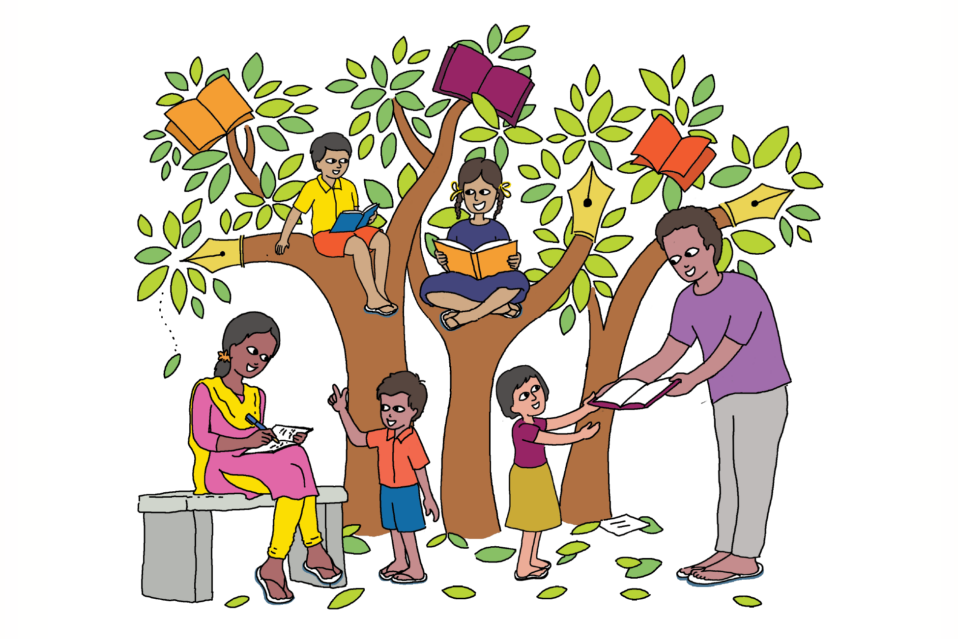

Kannada Children’s Literature Fellowship Announced: Nine Works Selected for Publication
The jury selected works for publication across a wide range of genres, from poetry to short stories.
Campus Bengaluru
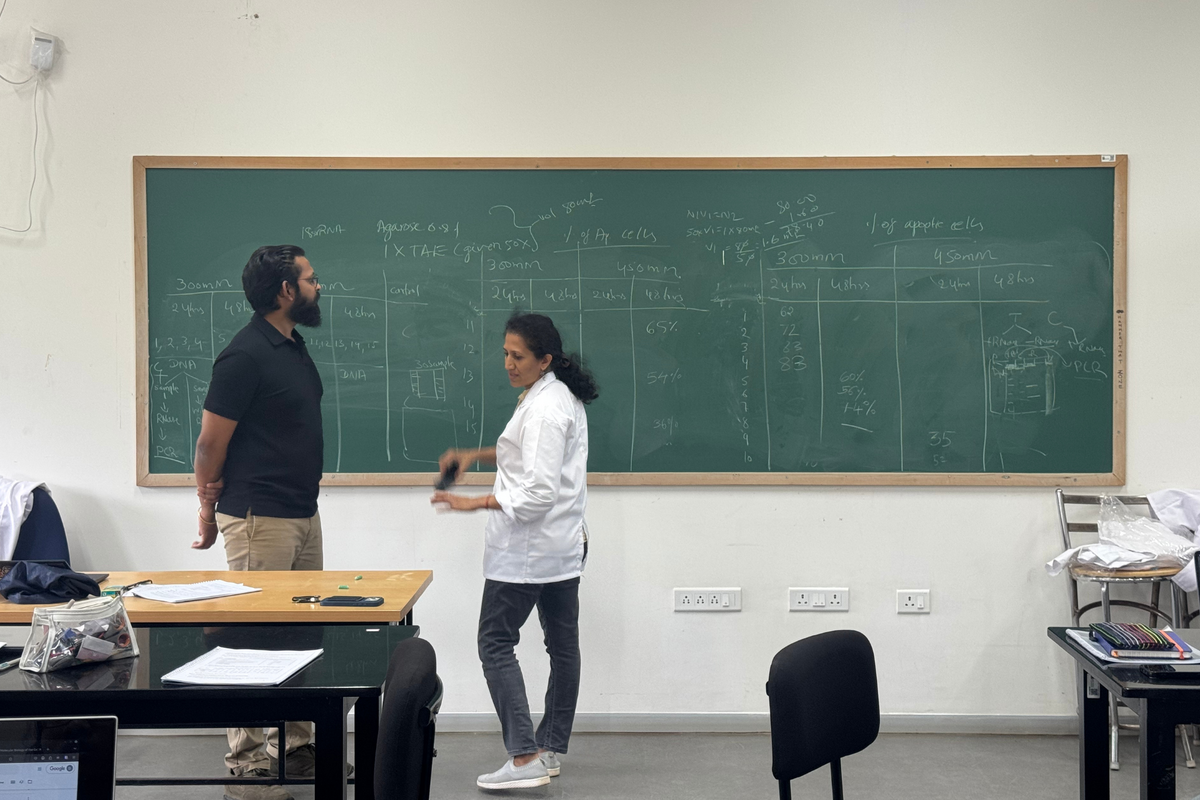
Same Experiments, New Story
Molecular biology workshops are nothing new to Beena DB and Krishna Deepak, but this time they chose to follow a completely different approach, as highlighted by Nandita Jayaraj.
What makes inheriting Partition different from remembering it
When history is passed down in fragments, through family stories, silences, memories of loss and belonging, we do not inherit the whole of the past. We inherit particular versions of it, writes Malini Bhattacharjee in ThePrint.
‘You miss the real motivations by seeing RSS only through politics’: Author Malini Bhattacharjee
In her new book Swayamsevak, Malini Bhattacharjee shifts the lens from top leadership to the ordinary cadres who sustain the Rashtriya Swayamsevak Sangh (RSS) at the grassroots, as highlighted in Business Today.