
News
List of News
7th National Social Enterprise Idea Challenge | Meet the Winners
Explore the prize-winning ideas from the students of Odisha University of Technology and Research, Bhubaneswar, and Ramjas College, Delhi University.
Campus Bengaluru
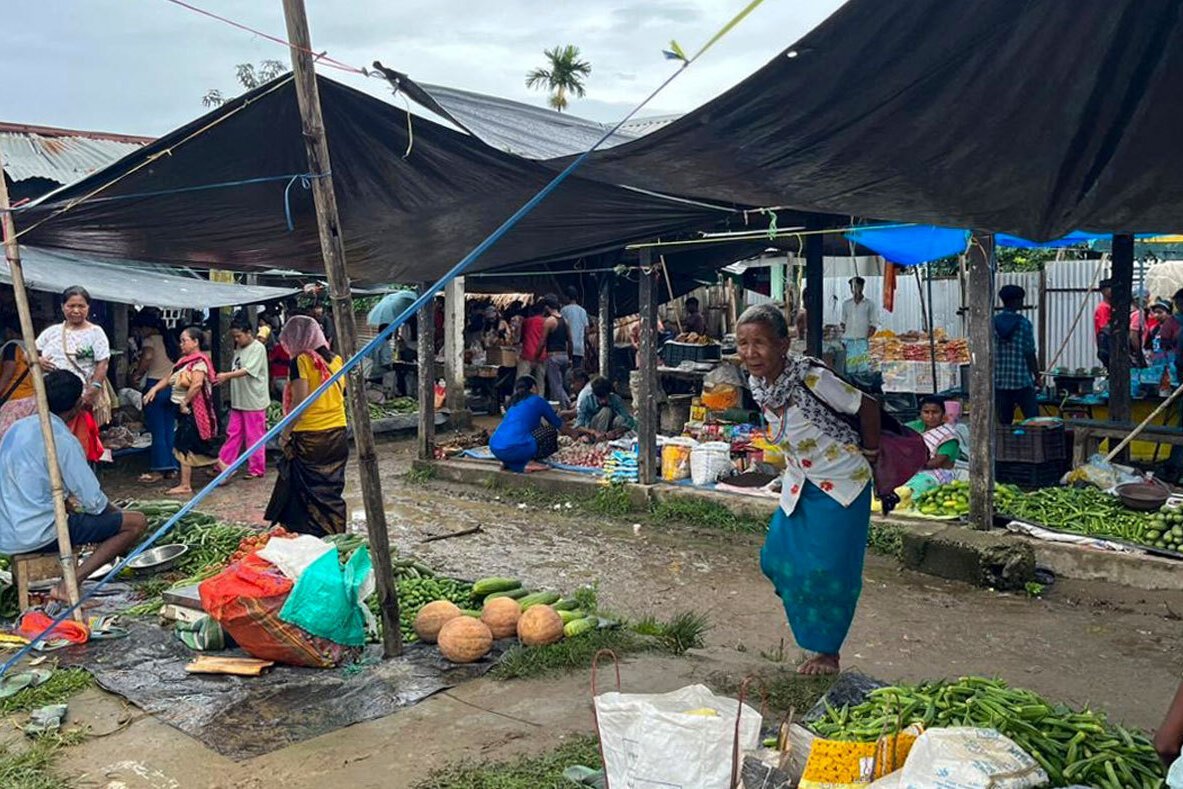

Red Hot! Thursday at the Kanubari Market
Dnyaneshwar Bhalerao, in PARI (People’s Archive of Rural India), explores the weekly market at Kanubari in Arunachal Pradesh’s Longding district where buyers and sellers flock for trade in red ants, king chillies, and a variety of local meats and vegetables.
Sustainable Cities, Environmental Activism and More with Harini Nagendra
In this episode of In Perspective, for Swaddle, Harini Nagendra, talks to us about the need for re-imagining environmental sustainability, reframing the development versus environment binary, and creating more equal cities by fostering urban commons.
We must inculcate sound values for education to be meaningful
The National Curriculum Framework for School Education (NCF-SE) 2023 provides Indian schools a practical format to impart these, writes Anurag Behar, in Mint.
எப்படி இருக்கிறது இந்தியப் பணியாளர்களின் நிலை ?
ஸ்ரீனிவாசன் ராகவன் மற்றும் அமித் பசோலே அவர்கள் தி ஹிந்து தமிழ் நாளிதழிலில், “இந்தியப் பணியாளர்களின் நிலை 2023’ [State of Working India 2023 (SWI)] அறிக்கை“யை விளக்குகின்றனர்.
ವಿಶ್ಲೇಷಣೆ: ಪಠ್ಯಕ್ರಮ ಚೌಕಟ್ಟು ಮತ್ತು ತಾತ್ವಿಕ ನೆಲೆಗಟ್ಟು
ಎನ್ಸಿಎಫ್ ಪಠ್ಯಕ್ರಮವು ಪಠ್ಯಕ್ರಮದ ಅಭಿವೃದ್ಧಿಗೆ ಪೂರಕವಾದ ಚೌಕಟ್ಟಾಗಿದೆ ಎಂದು ಅನುರಾಗ್ ಬೆಹರ್ ಪ್ರಜಾವಾಣಿಯಲ್ಲಿ ಬರೆಯುತ್ತಾರೆ
உரிமைத்தொகைத் திட்டமும் பெண்களுக்கு அதிகாரமளித்தலும்
“வளர்ச்சியின் பாதை பாலினச் சமத்துவம், சமூக நீதி ஆகிய இரண்டையும் ஒருங்கிணைக்கும் ஒரு மாற்று இருக்க வேண்டும் ” என்பதை ஸ்ரீனிவாசன் ராகவன் மற்றும் ரோசா ஆப்ரஹம் அவர்கள் தி ஹிந்து தமிழ் நாளிதழிலில் வலியுறுத்தியுள்ளனர்.
How ‘reaction videos’ shed light on society’s collective consciousness
These cinematic spectacles are shaping our public sphere and redefining the essence of citizenship, writes Srinivas S V, in Frontline.
When leaders stand up for their teams
Bosses should lead their teams responsibly and champion ethical conduct to create a work environment that is conducive to productivity and employee well-being, writes Sudheesh Venkatesh, in People Matters.
In world’s most populous democracy, citizen concerns struggle to reach Parliament
During the recently concluded G20 summit, India positioned herself as the ‘mother of democracy’. This claim however calls for some critical self-examination, write Rajendran Narayanan and Anupama Hegde, in Citizen Matters.
‘Today, mathematics is not only necessary in daily life but pervasive’
Mohan R interviews Apoorva Khare, one of India’s leading young mathematicians, for The Hindu, about his influences, collaborating with maths superstar Terence Tao, and why prizes matter to scientists.
Streamline planning processes for transparent and efficient urban development: Mathew Idiculla
Mathew Idiculla, in part two of the interview with Harshitha Padmavinod, Citizen Matters, discusses the absence of an urban planning process and cites a few case studies to illustrate his point.
Urban designers must first answer the question, whose city is it anyway
Mathew Idiculla, in part one of the interview with Harshitha Padmavinod, Citizen Matters, addresses the core concerns of urban planning in the city, in terms of lack of legal monitoring, public participation and more.
Water in the age of climate change, with Harini Nagendra and Seema Mundoli
Harini Nagendra and Seema Mundoli speak to Divya J Shekhar, Forbes India, about our complicated collective history with water, community warriors who are showing the way, whether we need to put a price on water, and how we can start rebuilding our relationship with it.
Subjects taught in school are set to emphasise rounded learning
The new national curriculum framework aims to break silos and foster synergy across disciplines, writes Anurag Behar, in Mint.
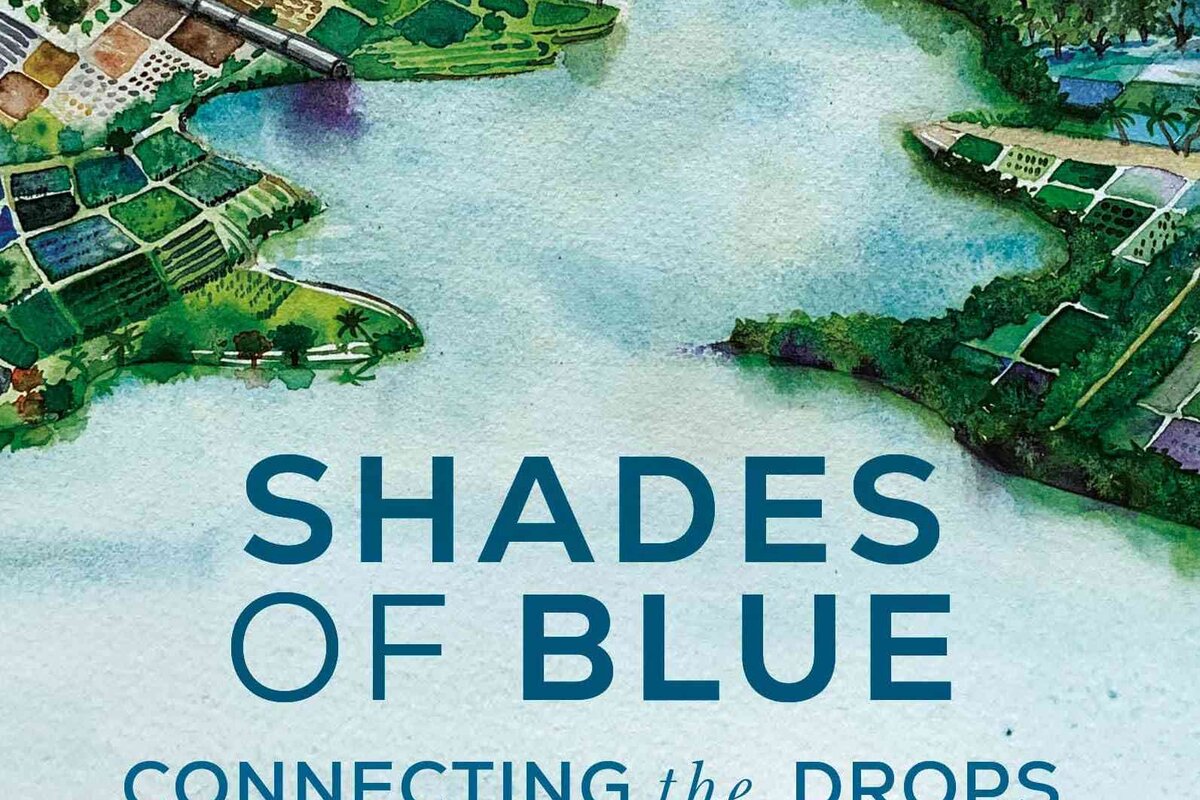

Could Udaipur, City of Lakes, turn into a dust bowl surrounded by denuded mountains?
An excerpt from ‘Shades Of Blue: Connecting the Drops in India’s Cities’, by Harini Nagendra and Seema Mundoli, published in Scroll.
From earth to earth, living by the cycle of life
As the Gauri-Ganesha festival season draws to a close, Harini Nagendra highlights how our orientation — as individuals, communities, and indeed as a society — toward nature, water, and worship has changed.
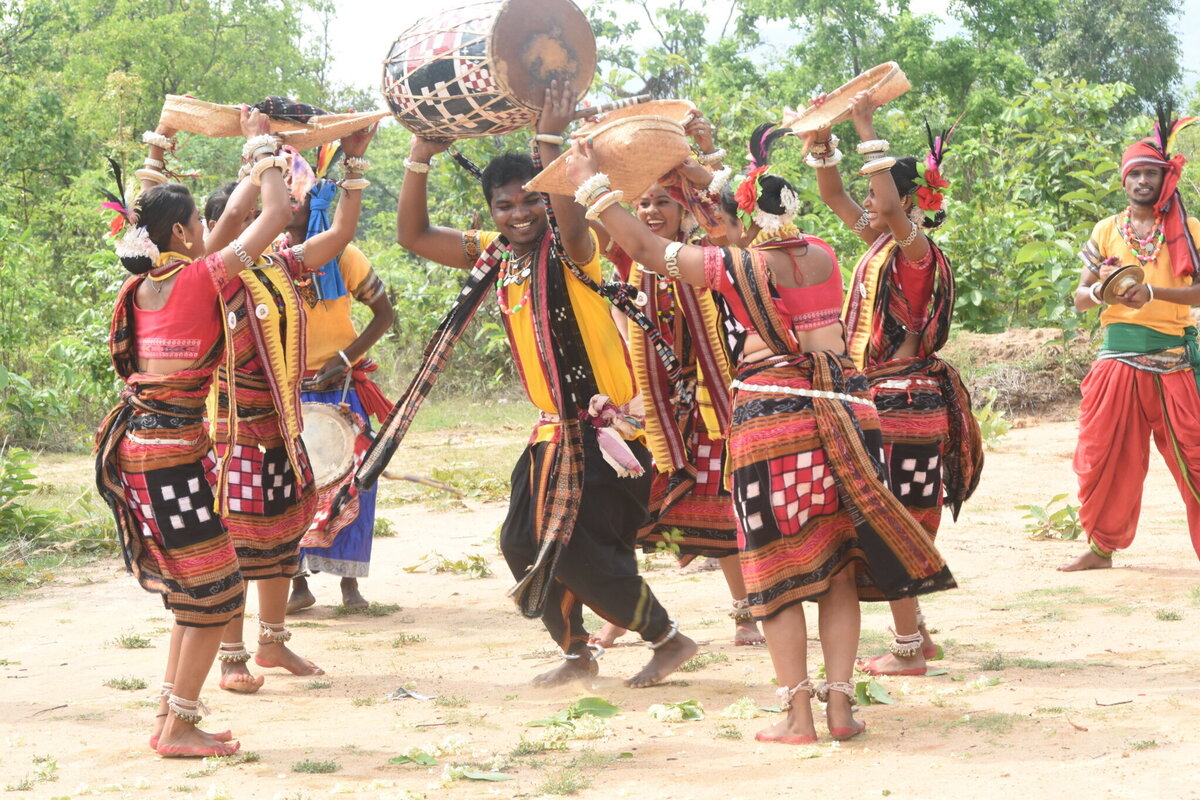
The Dulduli and Dalkhai Artists of Sambalpur
Shakti Sekhar Panigrahi, in PARI (People’s Archive of Rural India), delves into the lives of skilled artists from Dalit, Adivasi and Brahmin communities in western Odisha, India, who play and perform dhole, nishan, tasha, muhuri and khartal.
G20 Called for ‘Gender-Inclusive Climate Action’. Is it Another Empty Rhetoric in India’s Context?
Divya Pradeep and K C Adaina , in The Wire, highlight how women in India are disproportionately affected by climate change given that household responsibilities, which are climate-sensitive, largely fall on women.
Teaching and learning using authentic assessment
Shilpi Banerjee and Ronita Sharma, in Teacher, discuss key principles in designing and using authentic assessments.
Book Review: A Life in Cricket and in the Mind
Mike Brearley’s Turning Over the Pebbles is the story of 81 years where cricket has played a wonderful part and yet is only a part, writes S Giridhar, in the Hindu BusinessLine.
The promise of Gruha Lakshmi: Challenges of an ambitious scheme
What is the scope of social protection programmes? Are they transformative? While Gruha Lakshmi should be acknowledged for its scope, there are some lessons as well, writes Anshul Rai Sharma in Citizen Matters.
Leadership Quality: ನಾಯಕನಾದವನು ತನ್ನ ದೌರ್ಬಲ್ಯವನ್ನು ಒಪ್ಪಿಕೊಂಡಾಗ ಚಮತ್ಕಾರವನ್ನೇ ಮಾಡಬಲ್ಲ; ಆದರೆ ಒಪ್ಪಿಕೊಳ್ಳುವ ಮನಸ್ಸಿರಬೇಕಷ್ಟೆ
ಹಿಂದೂಸ್ತಾನ್ ಟೈಮ್ಸ್ ಕನ್ನಡದ ಆನ್ ಲೈನ್ ಆವೃತ್ತಿಯಲ್ಲಿ, ‘ಒಬ್ಬ ಉತ್ತಮ ನಾಯಕನಾಗಲು ಏನು ಬೇಕು’ ಎನ್ನುವ ಕುತೂಹಲ ಭರಿತ ವಿಚಾರದ ಕುರಿತು ಅಭಿಪ್ರಾಯ ಮಂಡಿಸುವ ಲೇಖನವನ್ನು ಸುಧೀಶ್ ವೆಂಕಟೇಶ್ ಬರೆದಿದ್ದಾರೆ.
Learning Standards set specific aims for each aspect of schooling
Anurag Behar, in Mint, explores Learning Standards (LS) and how the National Curriculum Framework (NCF) for School Education is built around these, knitting all its elements together to form the whole.
A Hot and Angry Earth
Climate change is not just global warming. It is a new era of extremes. The floods that Kerala witnessed in 2021, and which Greece faced last week, are not aberrations, but a sign of things to come, writes Harini Nagendra, in Deccan Herald.
What Government Expenditure Tells Us About Official Attitudes Towards Women’s Safety
The several initiatives introduced by the Indian government for women’s safety have not received adequate importance in terms of budgetary allocations and administrative implementation, writes Mampi Bose, in The Wire.
Whether in a cabaret song, romantic number or bhajan, Asha Bhosle brings a depth of feeling uniquely her own
K Sridhar, in The Wire, celebrates the colossal body of work that Asha Bhosle — the most recorded musician ever — has created over the years, as she turns 90 and crosses another milestone in her life.
The CAG’s Mizoram Audit Report leads to numerous questions, some on its own processes
In its latest report – which remained finalised but out of the public domain for almost six months – there are massive, unexplainable shifts in values and a lack of nuance in presenting data, writes Himanshu Upadhyaya, in The Wire.
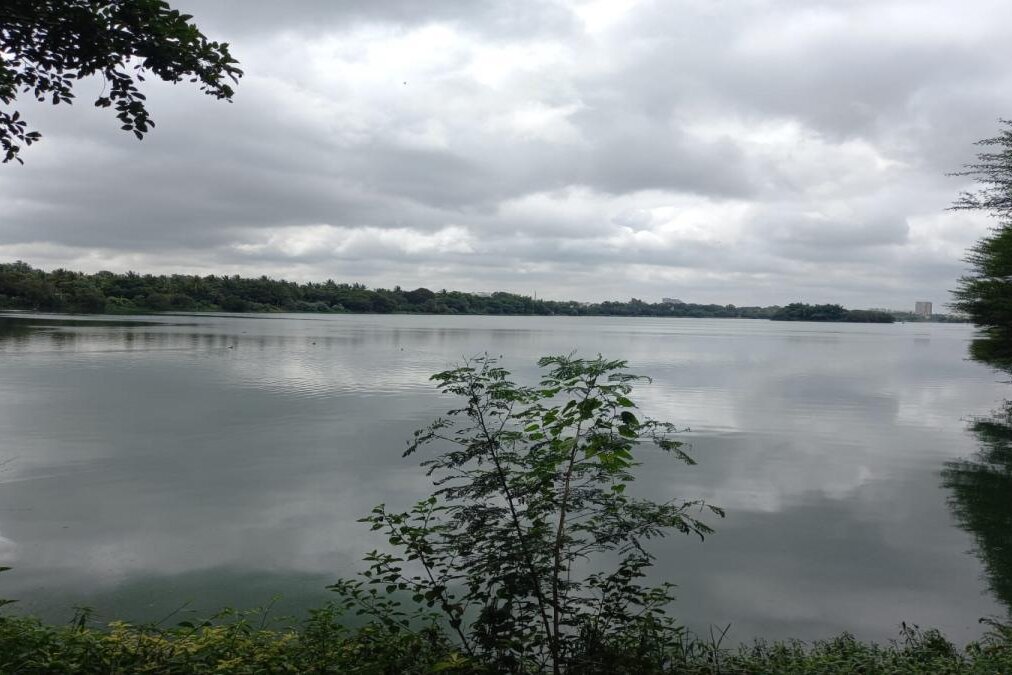

Jakkur Lake Management: Fostering Community Action for Ecological Restoration
Anshul Rai Sharma, in India Water Portal, highlights the journey of Jakkur Lake — among the biggest man-made lakes in Bengaluru — towards sustainable urbanism.
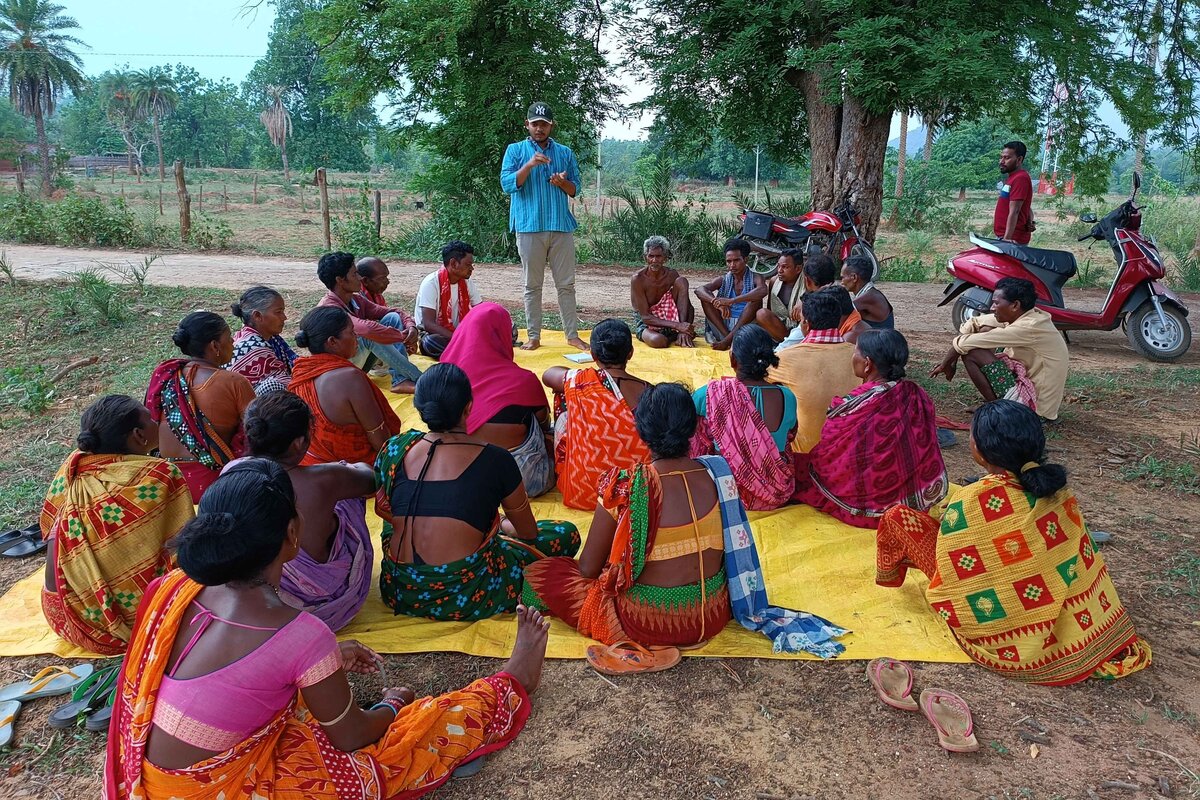
The Tall Members of Village Republics
Sital Kumar, in Point of View, through a photo-essay, highlights the centrality of frontier trees to village life and village institutions.