
Gender and Livelihoods: A Gender Transformative Approach May 2026 Batch
An in-person course to enable practitioners to introspect on their work and integrate a gender transformative approach in their programmes.
Details
Why this course?
In the last two or three decades, Government and Non- Governmental programmes have been prioritising women and women’s groups as a strategy to meet their development goals. However, many of these initiatives use a service delivery approach or an inclusion lens that address the practical needs rather than the strategic needs of women. Such interventions often leave existing power structures underlying the world of work unaltered and unchallenged. This results in incremental benefits to women without any substantial change in their overall status in family, community and market. Development programmes sometimes also take an instrumentalist view of women’s role in economic development without investing sufficiently in women’s own agency, voice and visibility. As a result, the interventions often fall short of creating substantial transformative change on the ground.
Keeping these critical concerns in view, Azim Premji University, Bengaluru is offering a short course for development practitioners to address these issues and gaps, to enable practitioners to introspect on their own work and integrate a gender transformative approach in their programmes. The course will be offered in-person at the Bengaluru campus of the University.
What does this course offer?
The course will explore how gender inequalities shape and influence labour and livelihoods, and the measures required for livelihood interventions to become gender transformative.
The learning outcomes of the course are:
- To understand how gender and power across family, community, state and market institutions impact livelihoods opportunities, choices, and outcomes
- To use an intersectional approach to examine the relationship between gender and labour
- To understand how to integrate gender lens in livelihoods interventions
Eligibility and selection
This course will be offered to organisations/practitioners who work in the domain of livelihoods. This includes individuals working in the livelihood programmes of Government and NGOs, consultants working in the livelihoods space, research scholars and journalists who write on these issues. The participants should have a minimum of 2 years of work experience in the development sector. The criteria are set keeping in mind the intent that the participant would be able to integrate the learnings from the course in their practice within their field and organisational contexts. All applicants must possess a working knowledge of English. Azim Premji University is committed to diversity and inclusion, and we encourage participants with different genders, disabilities and social backgrounds to apply.
Applicants will be shortlisted based on their eligibility.
Last date for submitting applications: 28 Feb 2026.
Selected candidates to be informed: 10 March 2026.
Certificate of participation
Participants should expect an engaging and interactive six-day programme focused on perspective building, reflection and participatory learning through group activities. Participants will receive a ‘Certificate of Participation’ from Azim Premji University upon attending all the sessions.
Course content
The course will explore the following thematic topics
- Gender, household, and organising of women’s work
- Intersectionalities and gendered work
- Globalisation, informalisation and feminisation of work
- Gender and technology
- Measuring women’s work ‑Time use studies
- Gender budgeting
- Gender mainstreaming in livelihoods
For any questions, please write to gender.livelihoods@apu.edu.in
Course Faculty
-


Annapurna Neti
Annapurna has 20+ years of work experience covering practice, research, consulting and teaching. Her expertise is in the areas of livelihoods development, MSME, Microfinance and Financial Inclusion, and farmer producer companies. Her current research interests include urban informal livelihoods, financial inclusion, CSR and farmer producer companies. Annapurna has a PhD from Indian Institute of Management…
-


Archana Rangaswamaiah
Archana Rangaswamaiah is an economic anthropologist with a PhD, MPhil, and master’s in Anthropology from the University of Hyderabad. Her research weaves together the threads of caste, class, and gender to critically examine the socio-economic transformations unfolding in rural India. Her doctoral work explored the complexities of rural change in a capitalist economy, with a…
-


Bijetri Bose
Bijetri has over a decade of experience in applied microeconomics, with a focus on evaluating health and social policies across global contexts. Her research examines the causal impacts of large-scale events, particularly legislative and policy changes, on the wellbeing of women and children. She also conducts research in health economics, with an emphasis on private healthcare provision and the functioning of health systems.
-
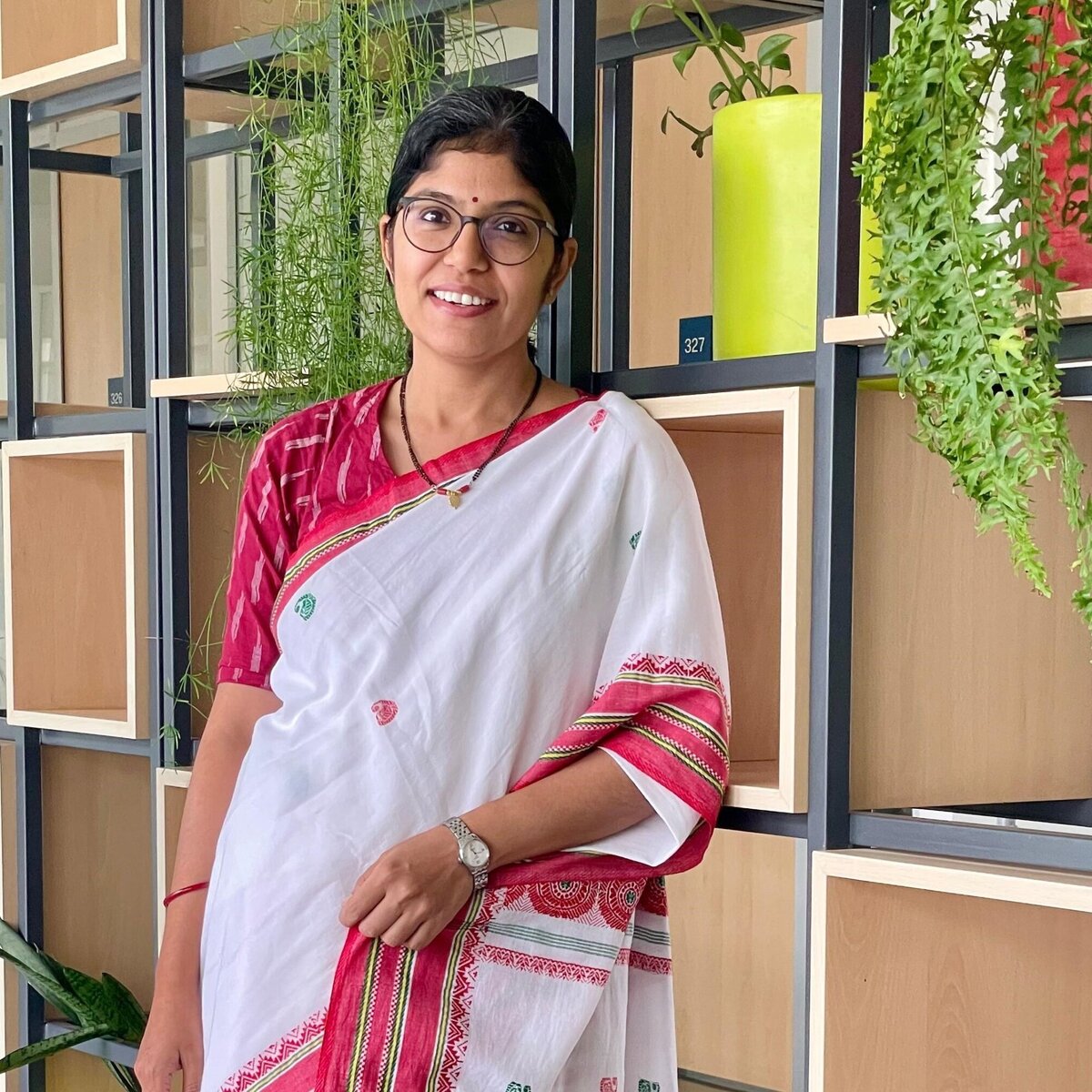

Bhuvaneswari B
Bhuvaneswari has a master’s in Speech Language Pathology from the All India Institute of Speech and Hearing, Mysore and an MPhil and PhD from the Department of Studies in Psychology, University of Mysore. Her clinical work and teaching covers various domains such as early intervention, parent training, emergent literacy, language acquisition and disorders, linguistics, learning…
-
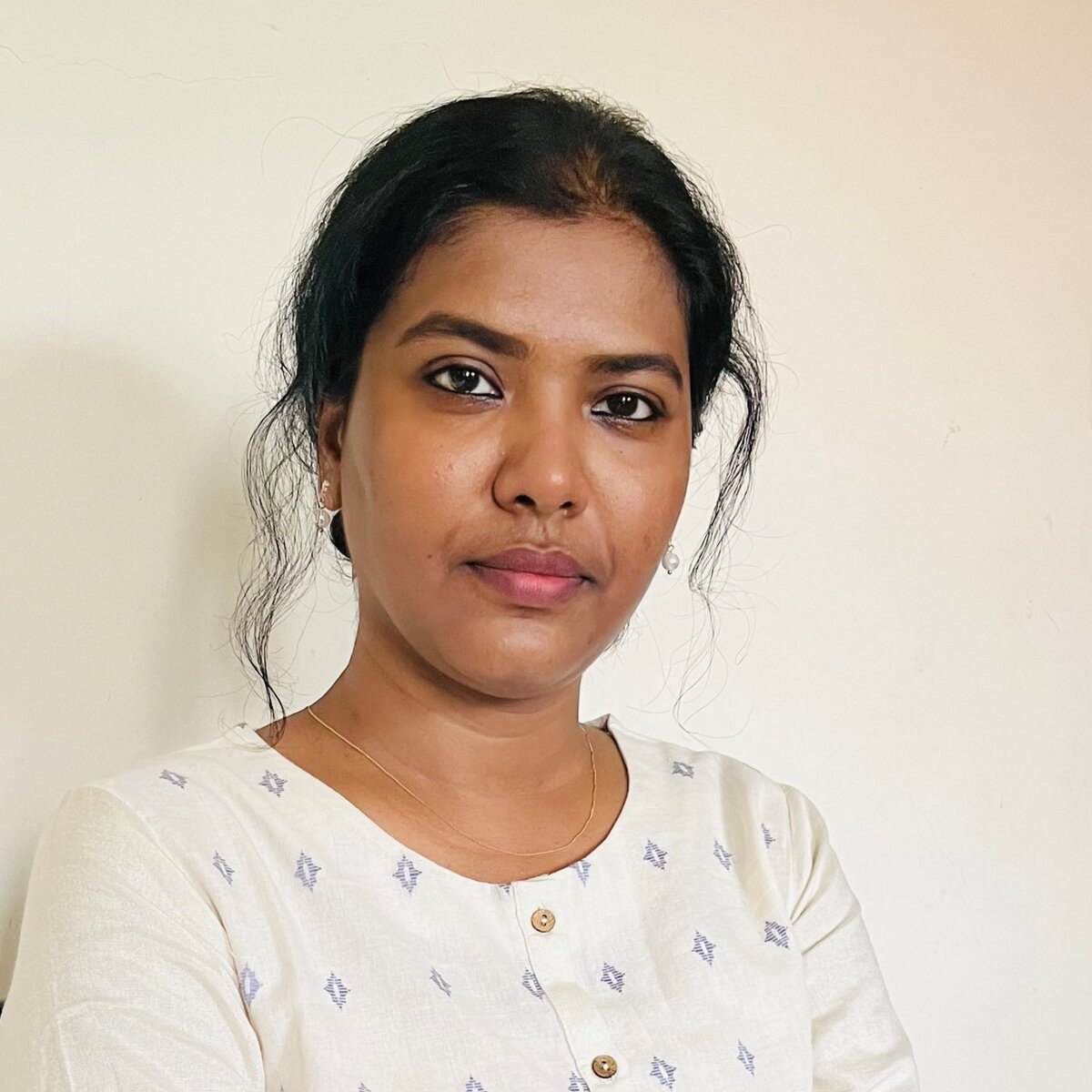
Deepa E
She has worked at Loyola Institute of Social Science Training and Research (LISSTAR), Loyola College, Chennai as Research Fellow, and as a Researcher for the Social Science Research Council (SSRC) funded research project on ‘Precarity and Covid’. She completed her doctoral research in Women’s Studies from Madras Institute of Development Studies (MIDS), Chennai, Tamil Nadu.…
-
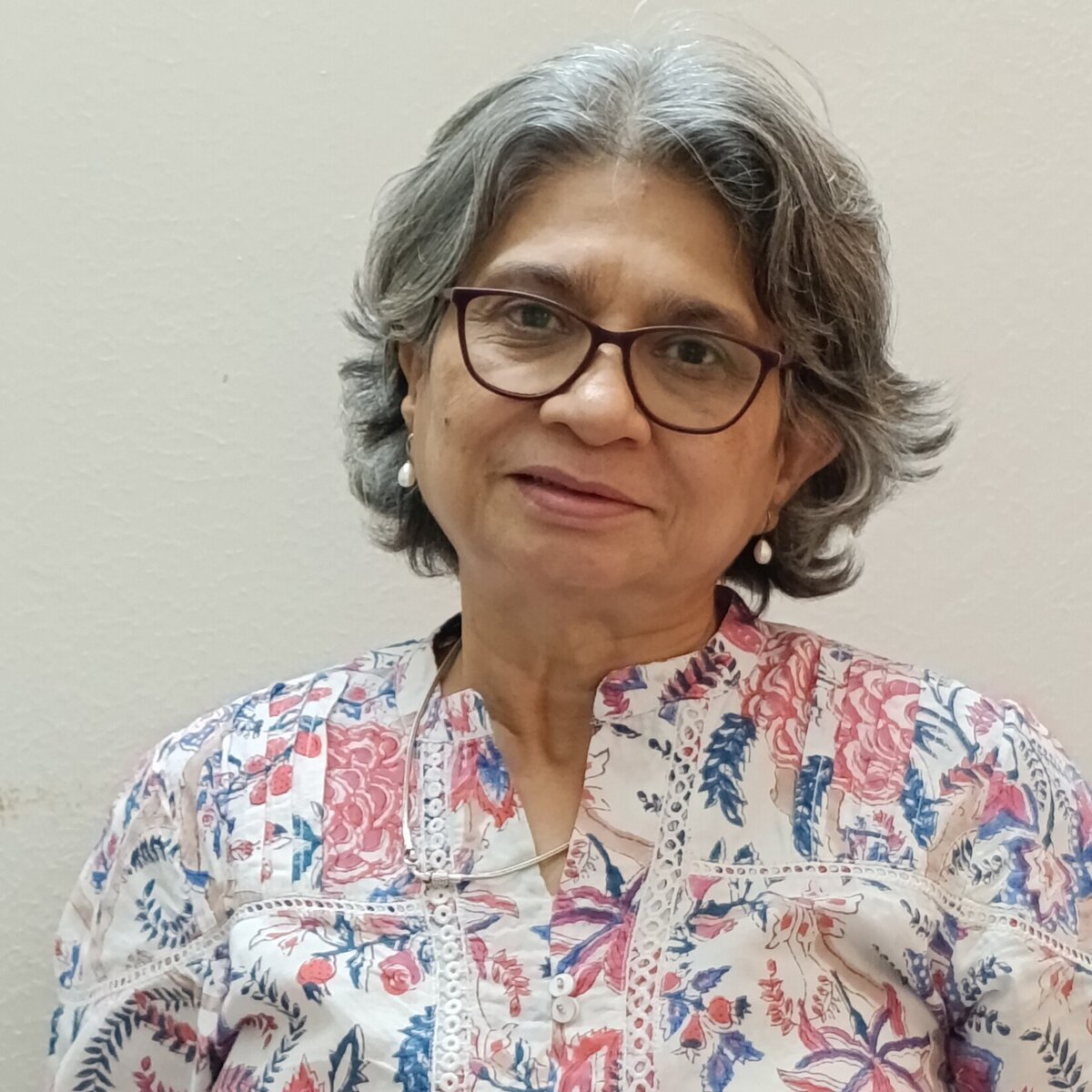
Dhanmanjiri Sathe
Dhanmanjiri Sathe is a retired from the Gokhale Institute of Politics and Economics in 2025. Earlier to that she was a Professor and Head at the Dept. of Economics, Savitribai Phule Pune University for many years. Currently she is a Professor Emeritus at the Savitribai Phule Pune University and Visiting Professor at the Azim Premji…
-

Nilanjana Sengupta
Nilanjana Sengupta has worked as an academic and practitioner in the space of Gender and Development for nearly two decades. Her work is interdisciplinary and located at the interface of gender studies and development studies. She has taught at various universities including Jadavpur University, Kolkata and Tata Institute of Social Sciences (TISS), Tuljapur and Mumbai,…
-
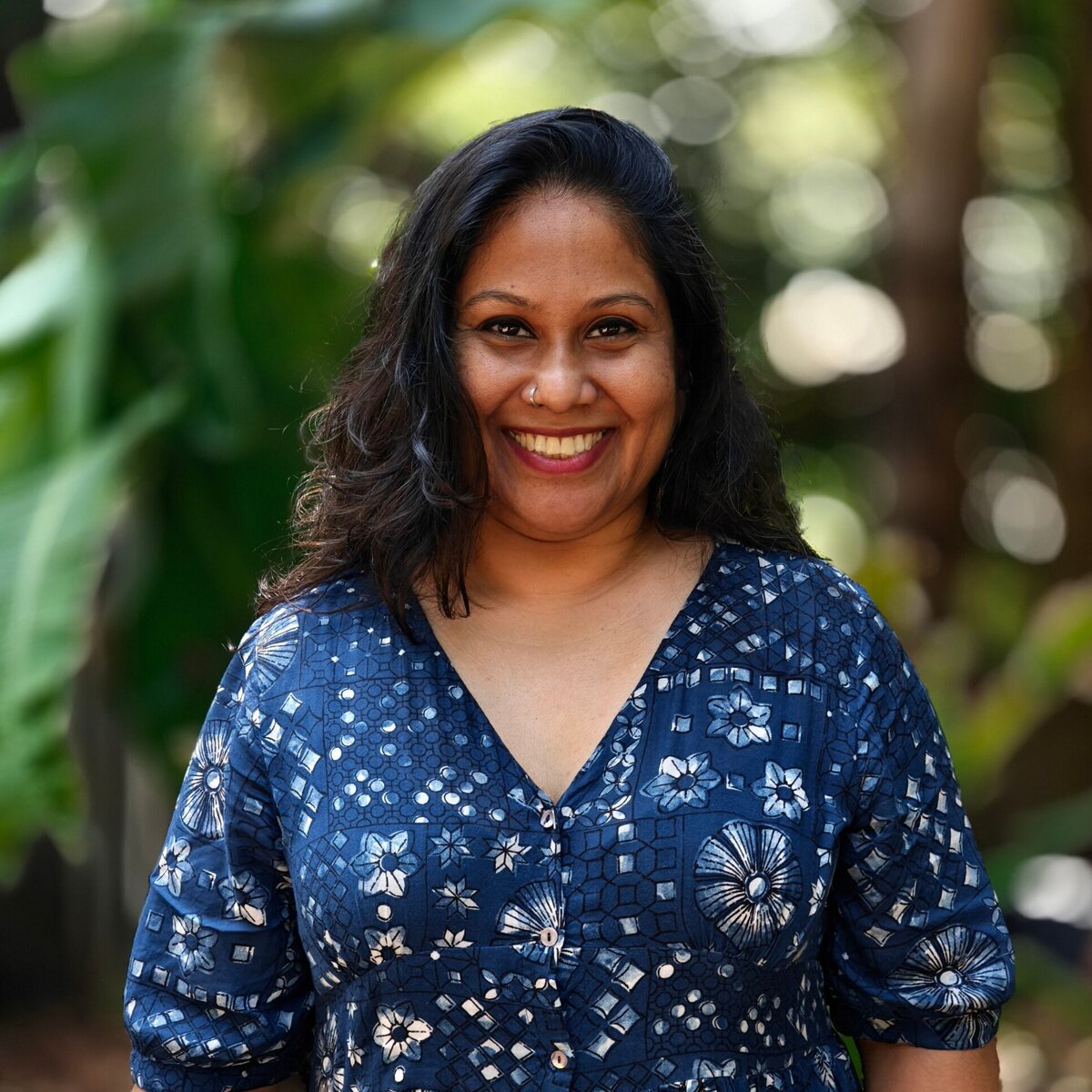
Nisha Abdulla
Nisha Abdulla is theatre practitioner based out of Bengaluru. She is the Artistic Director of Qabila, a theatre group focused on new writing and the dissenting imagination. She is also co-founder of OffStream, an anti-caste collective working on resourcing and building community towards a radically progressive future. Her anti-oppressive arts practice places care, curiosity, and…
-
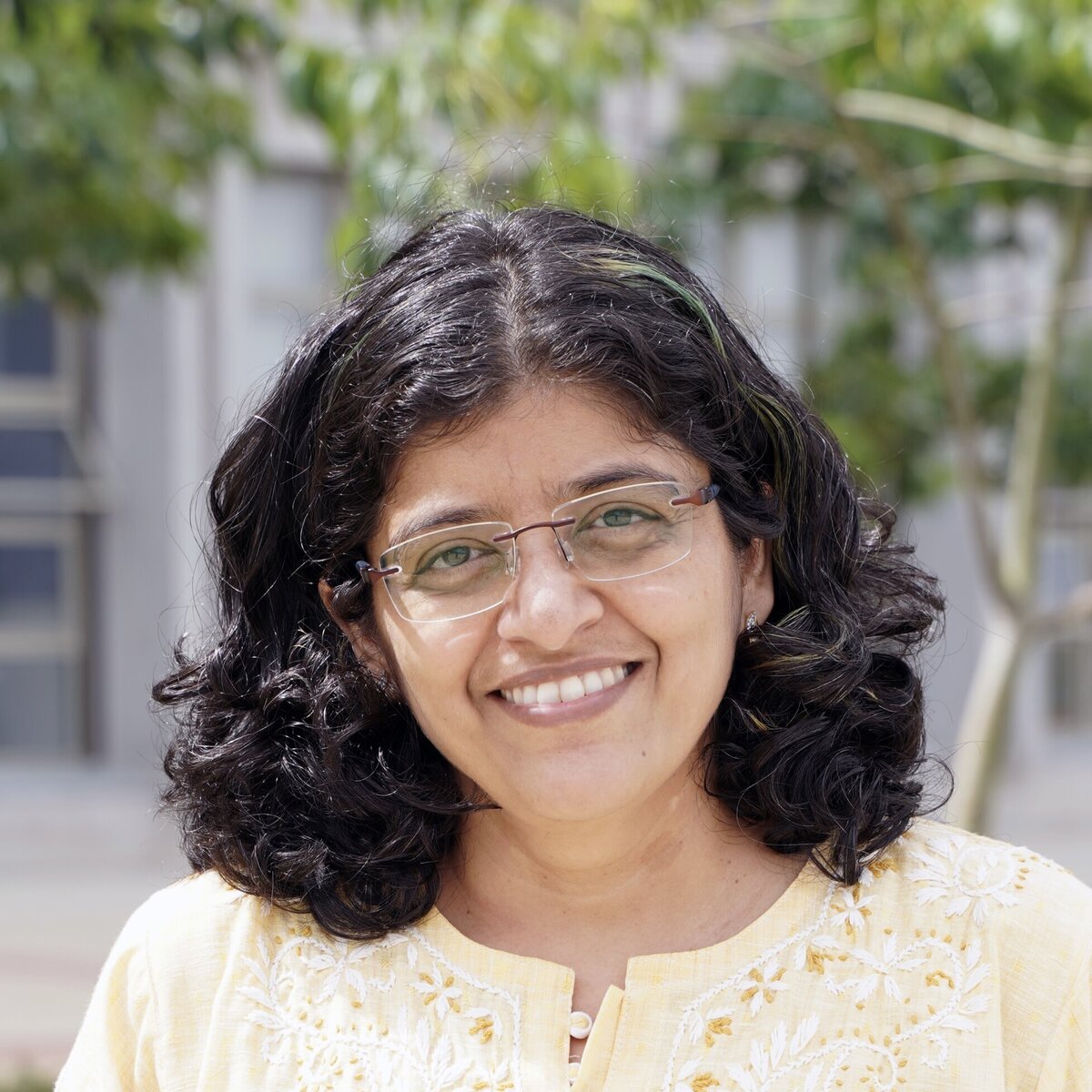
Richa Govil
Richa Govil is the Vice Chancellor of Azim Premji University, Bengaluru Campus.
-

Rajesh Joseph
Rajesh has more than 14 years of experience in the field of urban poverty dealing with issues of unorganised labour, financial inclusion, social security, migration, job placement, training and skill enhancement in the informal sector of the economy. He was previously associated with MAYA in their livelihood initiative, initiating Self Help Groups, Cooperatives, and Workers’…
-
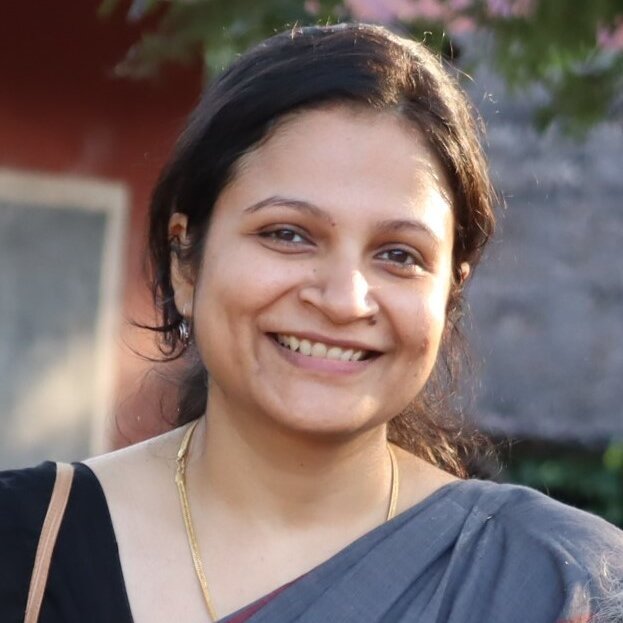

Sayonika Sengupta
Sayonika Sengupta is an educationist with over 15 years of work experience in the areas of child rights, curriculum development, inclusive education and project management. She has a specific interest in working with children and youth with special needs and is passionate about creating inclusive learning spaces for them.
-
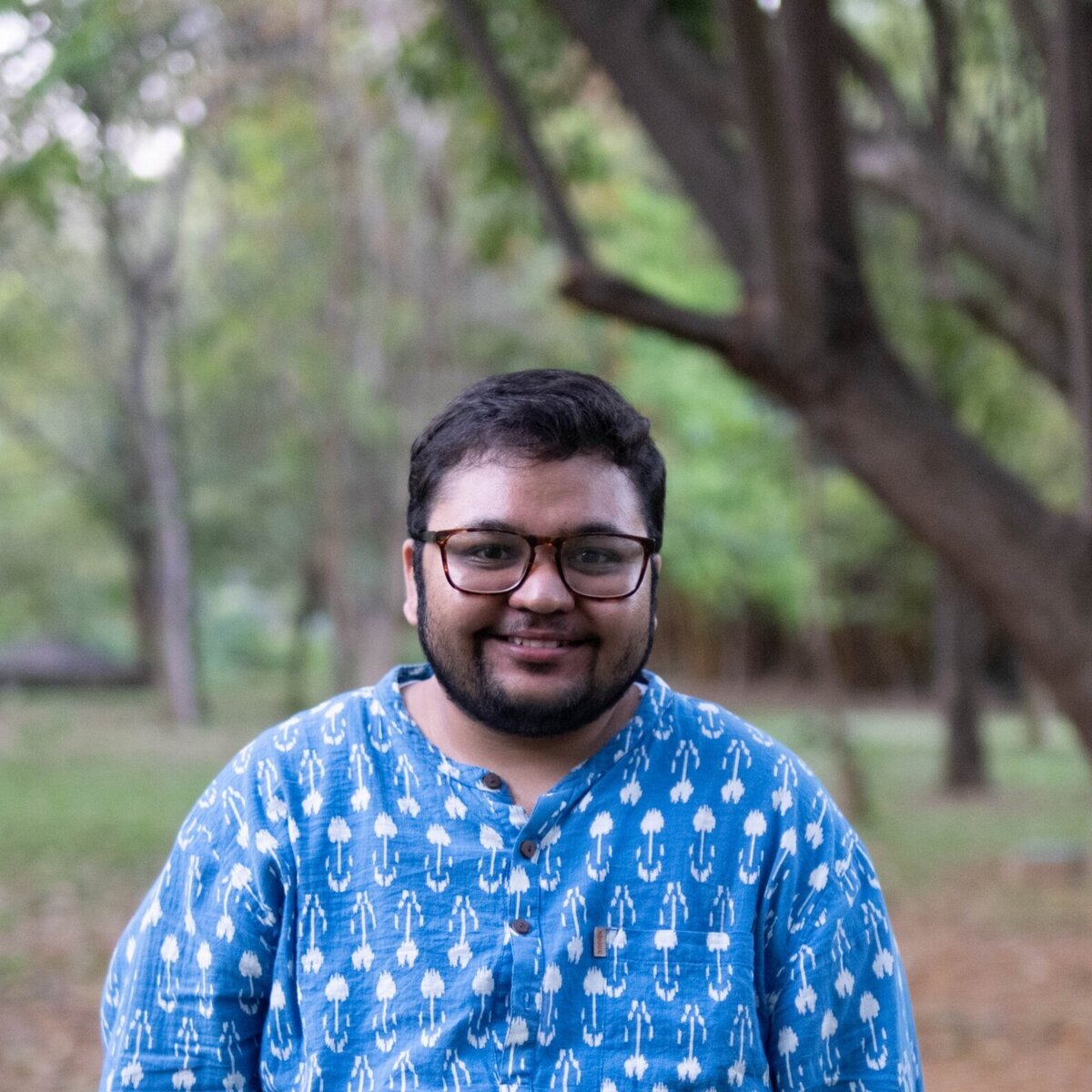
Vihaan Vee
Vihaan Vee is an Ambedkarite, Queer Feminist Transman. He is a development professional with over seven years of experience working at the intersections of caste, gender, sexuality, and climate justice within the development sector. He worked with the philanthropy team under the Gender Justice theme with focus on Gender Sexuality, and Minorities (GSM) thematic area,…
Fee Structure
| INR 5000 | Course Fee – for individuals |
|---|---|
| INR 1180 | Course Fee – for University / Philanthropy partner organisations. |
| INR 4200 | Accommodation Fee* |
Inclusive of GST.
Accommodation Fee*- INR 4200 per person for 6 days on twin sharing basis
Food Fee: Breakfast and meals are available at the cafeteria on direct payment basis. (Approximately INR 250/- can suffice for a breakfast and two meals per person per day).
The course fee includes tuition, course materials and field visit. All other costs, such as, travel to and from Bengaluru, and meals must be borne by participants.