
News
List of News
Public policy, social impact courses boom despite tepid job scene
The job market has cooled and funds have shrunk but management programmes leading to “social impact careers” – specialisations in public policy and development management – continue to grow, writes Sheena Sachdeva in Careers360.
Paying attention in a digital world
Given how consequential attention is, everyone, regardless of whether they show signs of ADHD, can benefit from reducing mindless scrolling, writes Aruna Sankaranarayanan, in The Hindu.
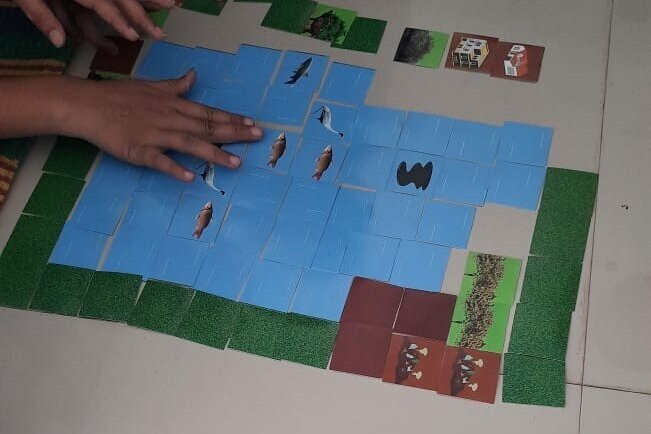

Gamified Teaching Tools: Bhojtal Lake
Explore in IndiaBioscience, how Ananya Mukherjee, Arvind Kumar Sewda and Anu Kumari translated research into interactive, educational games, and understand how we can bring science closer to society.
Campus Bhopal
Can private actions alleviate extreme poverty in India? Every little bit you do could eventually help
Deprivation is all around us and one needn’t venture too far from home to find it, writes Anurag Behar, in Mint.
Assam: Govt clears path for not-for-profit Azim Premji University near upcoming IIM
According to the bill, presented by education minister Ranoj Pegu, the university’s objectives include providing instruction, teaching, training, and consultancy in higher education, as reported by Kangkan Kalita, in The Times of India.
Campus Ranchi
Cabinet clears 27 Bills for Nov 25 tabling with education reforms, new universities
The Cabinet gave the green signal to Azim Premji University, Assam, under the Azim Premji University Bill, 2025. The draft bill will now be tabled in the Assembly, said Chief Minister Himanta Biswa Sarma.
Campus Guwahati


Aniketa Kabir (BA in History, 2022 – 25) awarded the Rhodes Scholarship 2026
Aniketa is one of the six Indians chosen for the Rhodes scholarship, offered since 1903.
Campus Bengaluru
Fees of minority-run schools to come under state monitoring: Himanta Biswa Sarma
The decision forms part of a series of educational reforms approved by the Assam Cabinet on Sunday, 23 Nov 2025. The cabinet has also approved the establishment of the Azim Premji University at Palasbari, near Guwahati.
Campus Guwahati
ৰাজ্যিক কেবিনেটৰ সিদ্ধান্ত : পলাশবাৰীত স্থাপন হ’ব আজিম প্রেমজী বিশ্ববিদ্যালয়
দেওবাৰে বিয়লিৰভাগত মুখ্যমন্ত্ৰী ড০ হিমন্ত বিশ্ব শৰ্মাৰ অধ্যক্ষতাত ৰাজ্যিক কেবিনেটৰ বৈঠক অনুষ্ঠিত হয়। জনতা ভৱনত অনুষ্ঠিত হোৱা এই বৈঠকত অনাগত দিনৰ সৰ্বাংগীন উন্নয়নৰ বাবে কেইবাটাও সিদ্ধান্ত গ্ৰহণ কৰা হয়।
Campus Guwahati
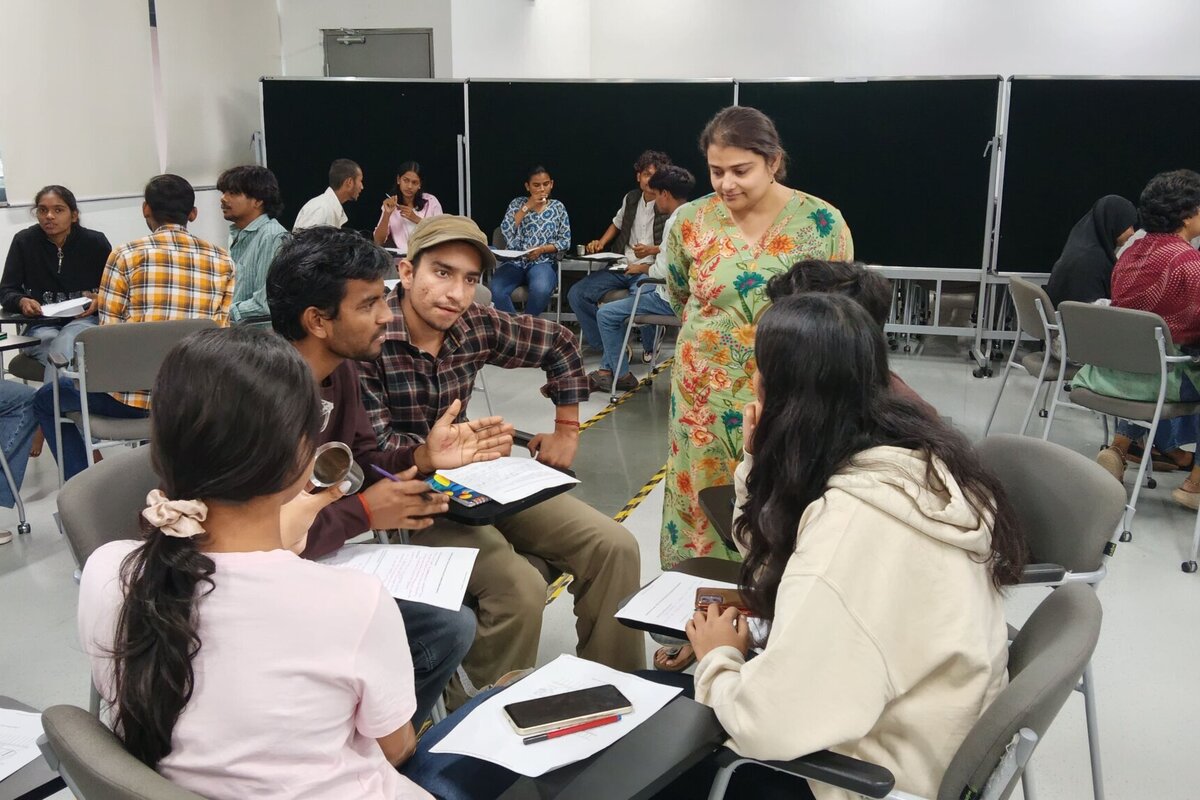

Learning to live together: Workshop on Nurturing Democratic Values and Practices
Through November 2025, we are celebrating India’s Constitution and democratic values.
Campus Bhopal
UGC’s draft maths curriculum needs more thinking through
Shailaja D Sharma, in The Economic Times, explores integrating historical approaches with modern abstract mathematics, suggesting a focus on computational science parallels.
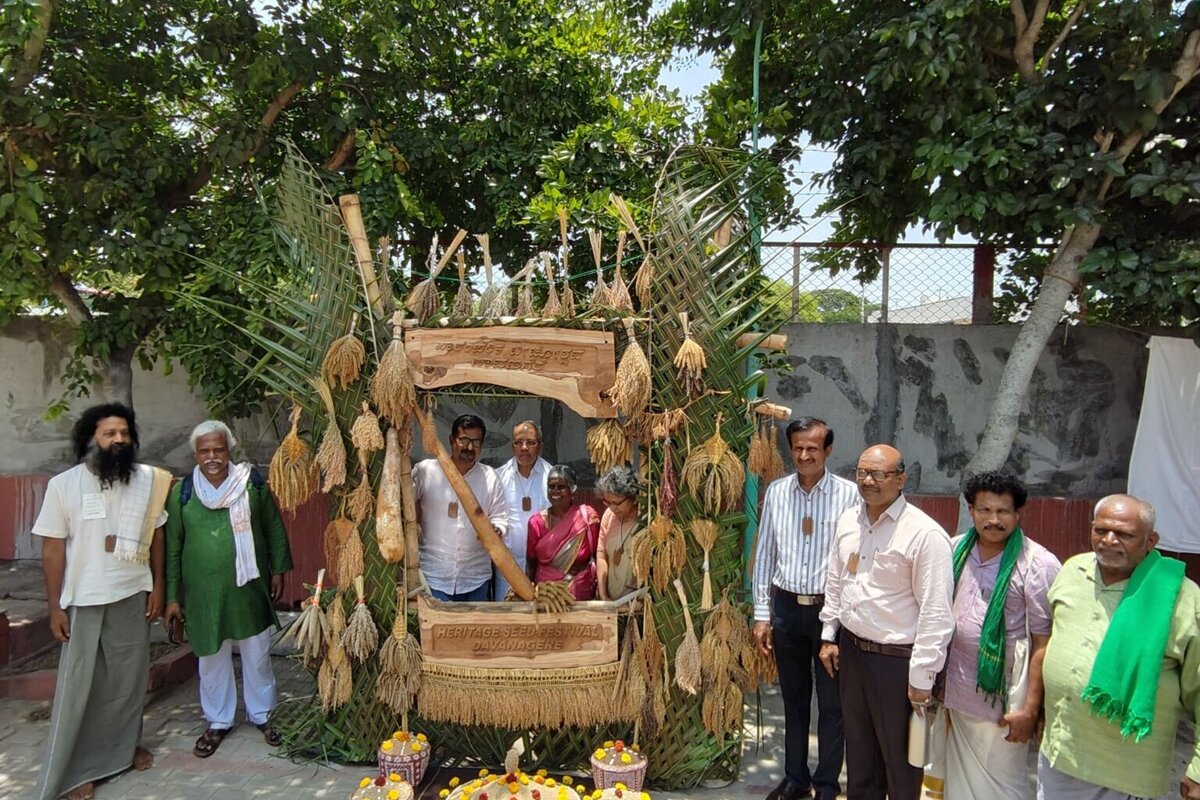
Organic, Genetically Modified, Hybrid: Understanding India’s Seed Types and Economy
The rise of inorganic varieties threatens our rich tradition of seed saving, increasing input costs and the strain on farmers, writes Bhavan Venkatapathi in Good Food Movement.
People of Purpose: How Azim Hashim Premji’s Foundation Transformed Education and Healthcare for Millions
Azim Hashim Premji’s legacy is defined both by monumental achievements in business and an unparalleled commitment to philanthropy, writes Chhavi Chandani in The Logical Indian.
Two Indias: Extreme deprivation and lofty economic goals reveal stark disparities that must be addressed
Amid talk of Artificial Intelligence, high tech medical procedures and fast economic growth, there are parts of India where people live in stark deprivation, as highlighted by Anurag Behar in Mint.
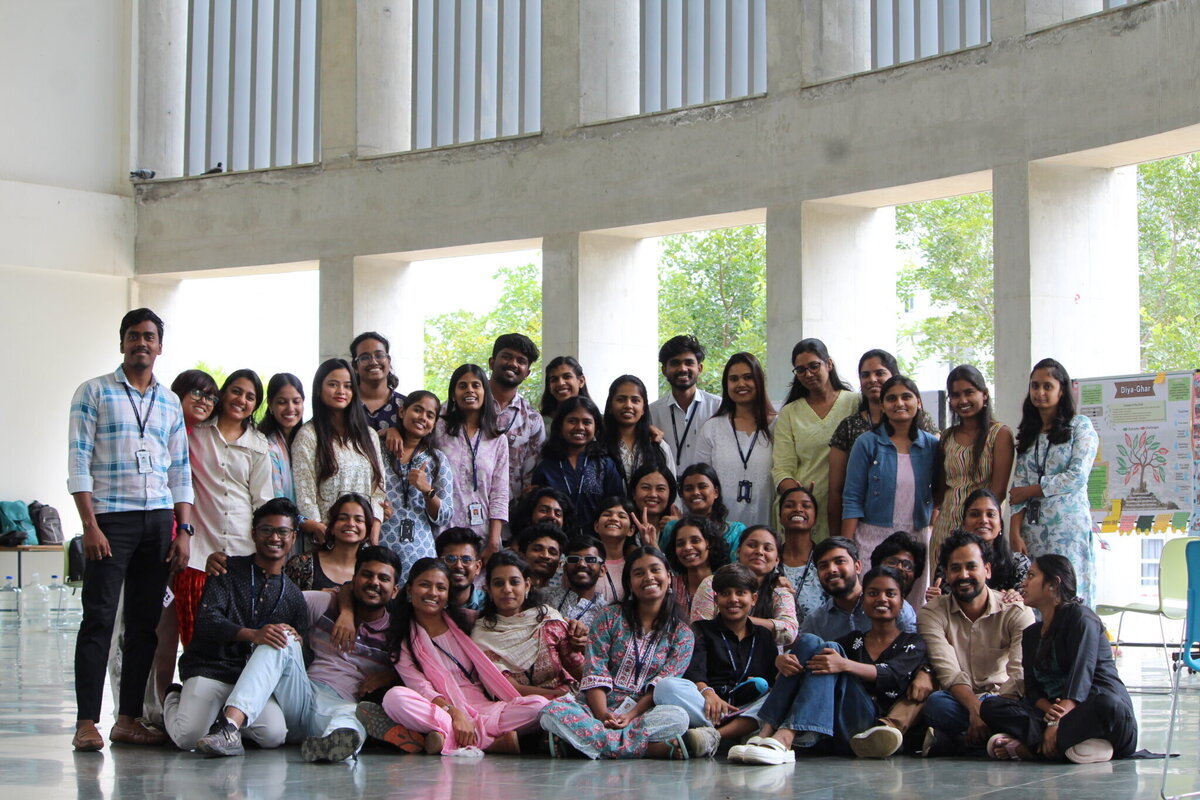
ECCE Field Mela 2025
Field Immersion experiences from MA in Early Childhood Care and Education students
Campus Bengaluru
Free bus travel under Shakti scheme redefines how women navigate Bengaluru: Report
A new report by Azim Premji University finds that free bus travel for women under the Shakti Scheme has significantly transformed gendered patterns of mobility and access across the city, writes Rekha Balakrishnan in HerStory.
Urbanisation and Mental Health: The Invisible Struggles of India’s Poor
Mukta Gundi, in conversation with Amrita Ghosh, in Asianet News, on how the urban health system can be made sensitive and robust to address urgent mental health care needs among urban vulnerable populations, and more.
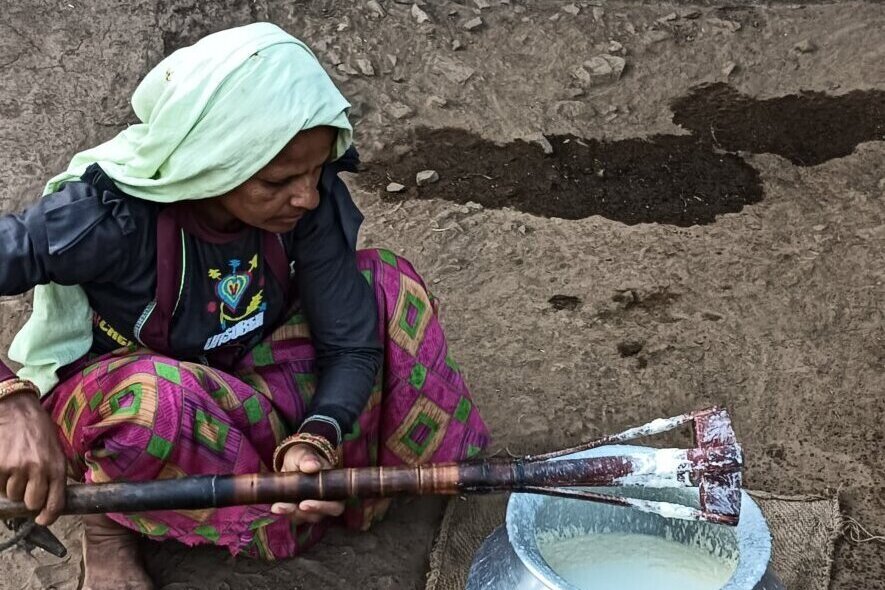

In Uplagarh: Butter that will melt in your mouth
In a tribal village in Rajasthan, Rayali Bai explains to Pramod Indaliya, as highlighted in People’s Archive of Rural India (PARI), the process of making butter using traditional tools and processes.
Women bus ridership up 78% on metro feeder routes in north-west Bengaluru after Shakti scheme launch: Study
Jalahalli Cross consistently ranked in top 30 metro feeder routes across Bengaluru throughout 2023 to 2025, writes Rishita Khanna in The Hindu.
Azim Premji University invites applications for 2026 UG, PG programmes; apply by November 14
The national entrance test will be conducted on 14 Dec 2025, followed by personal interviews from 5 – 9 Jan 2026.
NIMHANS researcher’s photo exhibit captures Gokarna’s fading ecology amid tourism boom
The changes have been drastic and they appear irreversible not only through changing architecture but even the profession of people, says Chaitanya Hegde to Rashmi Patil, The New Indian Express.
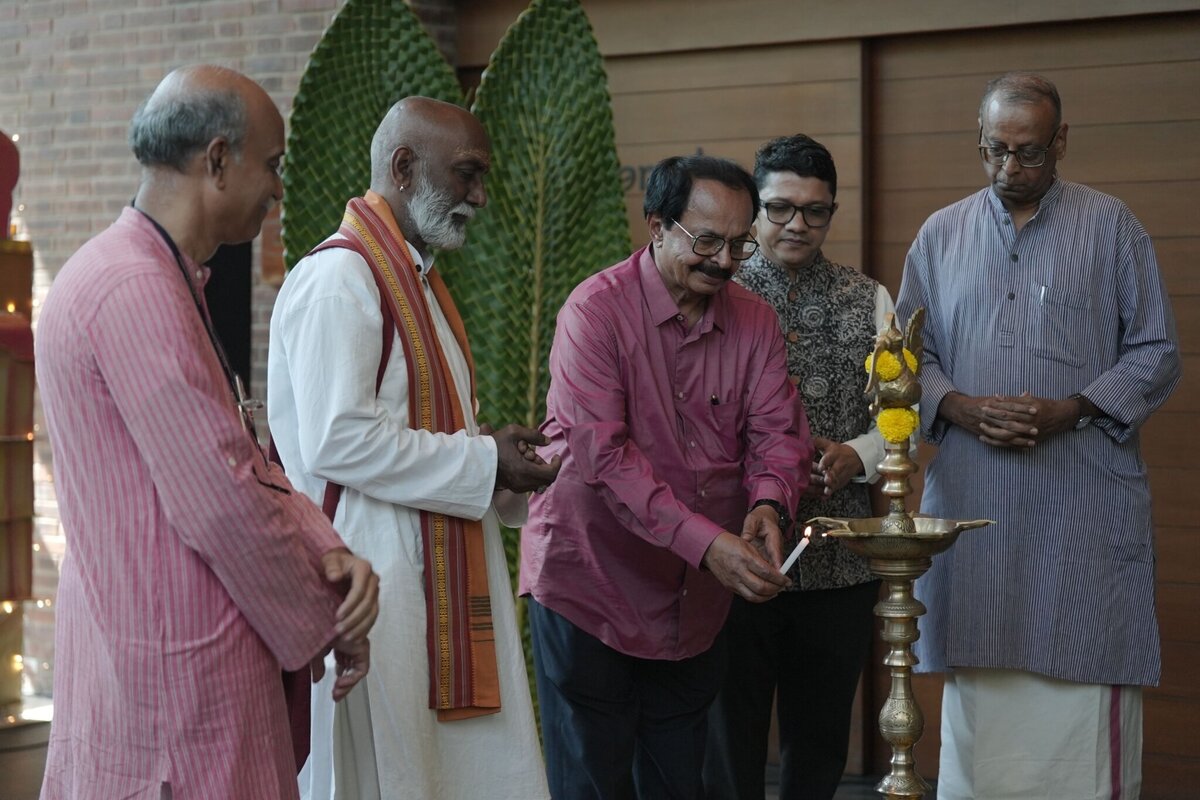
Cultural fest ‘Confluences of Karnataka’ enthralls audiences
Popular filmmaker and writer Nagathihalli Chandrashekhar inaugurated the festival, organised by the Azim Premji University, in collaboration with BIC.
Bengaluru celebrates Karnataka’s cultural confluence
As Karnataka marked Rajyotsava, the city came alive with colour, music, and cultural energy at Krishna to Kaveri: Celebrating the Confluences of Karnataka.
ಕನ್ನಡ್ ಗೊತ್ತಿಲ್ಲ’ದವರು ಕನ್ನಡ ನುಡಿದಾಗ…
ಕನ್ನಡ ರಾಜ್ಯೋತ್ಸವದ ಅಂಗವಾಗಿ ಅಜೀಂ ಪ್ರೇಮ್ಜಿ ಯೂನಿವರ್ಸಿಟಿಯು ಬೆಂಗಳೂರು ಇಂಟರ್ನ್ಯಾಷನಲ್ ಸೆಂಟರ್ನಲ್ಲಿ ಆಯೋಜಿಸಿದ್ದ ’ಕೃಷ್ಣೆಯಿಂದ ಕಾವೇರಿವರೆಗೆ’ ಕಾರ್ಯಕ್ರಮದ ಬಗ್ಗೆ ಒಂದು ವರದಿ.
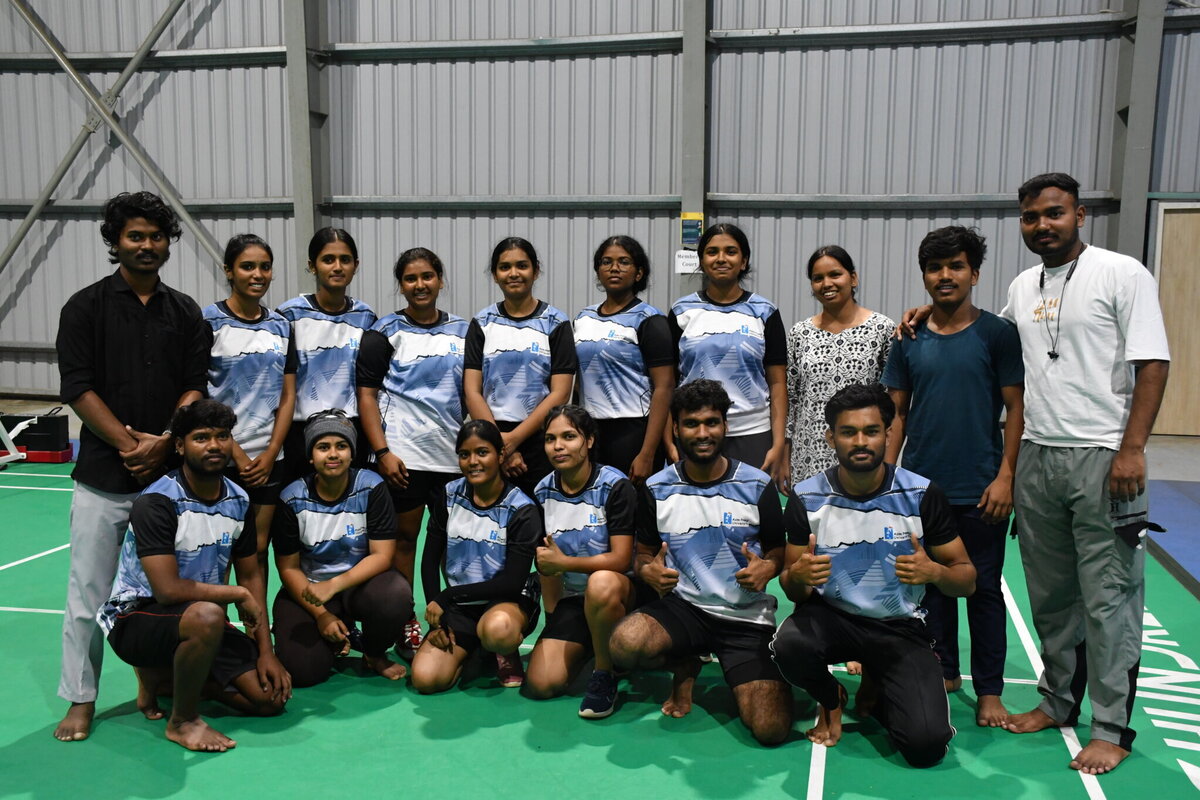
Azim Premji University’s Sports Festival Esprit 2025
From invitational tournaments to hands-on experience for students to host large-scale events, here are the highlights from Esprit 2025
Campus Bengaluru
Beyond the classroom: University festival dives into the crisis and culture of India’s coasts
The festival represents a proactive step towards empowering citizens to become champions for our coasts and oceans.
If schools don’t shield children from AI, we risk raising kids who may forget how to think
We are failing to see AI for what it is — a tool that is altering humans — drowned in the awe of its unprecedented power as a tool to alter the world, writes Anurag Behar, in Mint.
Azim Premji University’s climate festival focuses on coasts & oceans
The festival, titled ‘Coasts and Oceans of Life’, will conclude on November 8.
Campus Bengaluru
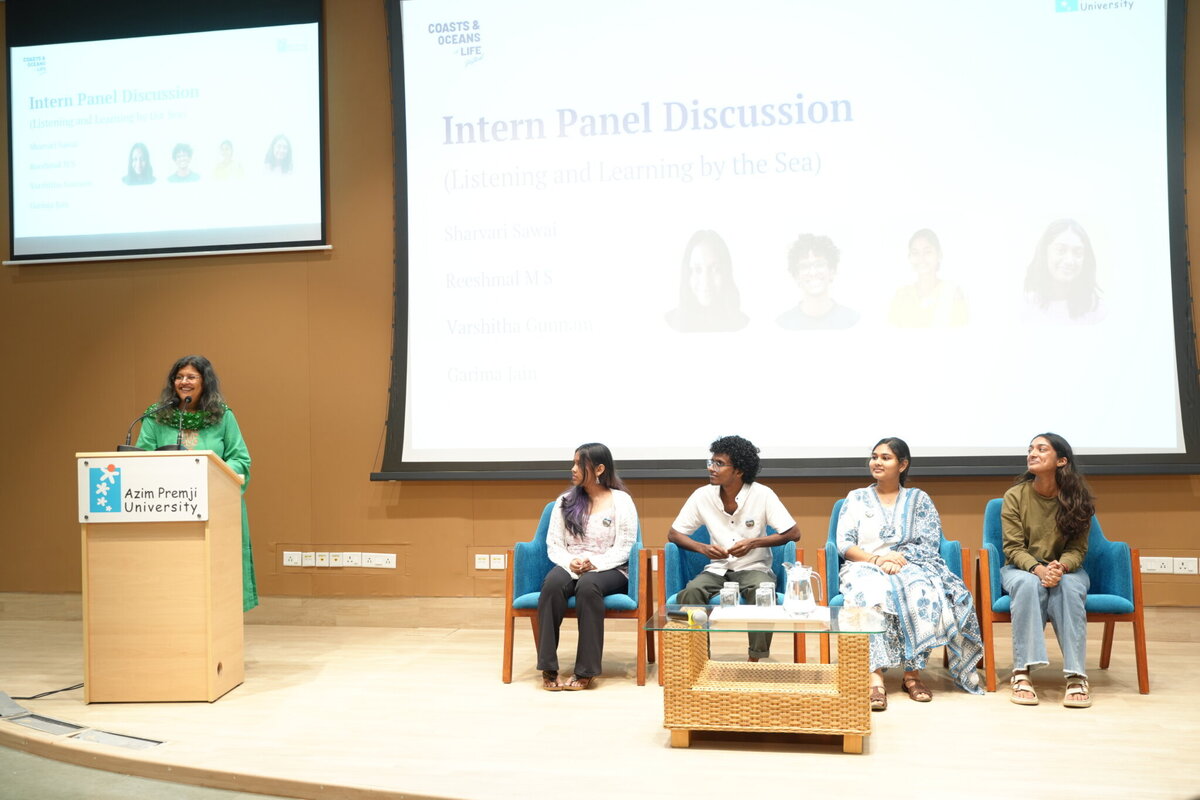
Azim Premji University celebrates the spirit of the seas and coasts with the “Coasts & Oceans of Life” Festival
Visitors can explore student research exhibits and immersive installations, join storytelling and film sessions, and participate in interactive workshops led by scientists, artists, educators, and community practitioners from across the country.