
News
List of News
Explore your surroundings with the foldscope
Rafikh Rashid Shaikh, in i wonder…, explains a really simple, inexpensive, but powerful microscope and explores the possibilities of students’ observations, questions, and learnings.
Learning is a deeply social human process, says Anurag Behar
In an interview with Aditya Mani Jha, in Mint Lounge, Anurag Behar, CEO, Azim Premji Foundation, delves into the issues central to education in India, while describing about his new book, A Matter Of The Heart.
Evolving perception of materials
The conversation on teaching-learning materials needs to start with the purpose of using them and their material and conceptual accessibility to teachers and children, writes Hridaykant Dewan, in Learning Curve.
Why is the fish blue?
Navodita Jain and Swagatha Ghosh, in i wonder…, explore how the spark of curiosity led one scientist to question why some fish looked blue instead of yellow, marking the beginning of a long process of scientific research.
What it will take India to beat TB
Manohar Agnani, faculty member, Azim Premji University, in Deccan Herald, on World TB Day, explores the feasibility of achieving the ambitious target, by the Indian Prime Minister, of eliminating TB in India by 2025.
The lottery of birth: Same rights, yet some must work harder
Those who have won the lottery of birth, carry not just material advantages, but social, psychological, and emotional ones too, writes Sudheesh Venkatesh, in The Times of India.

Silent Mountains of Uttarakhand
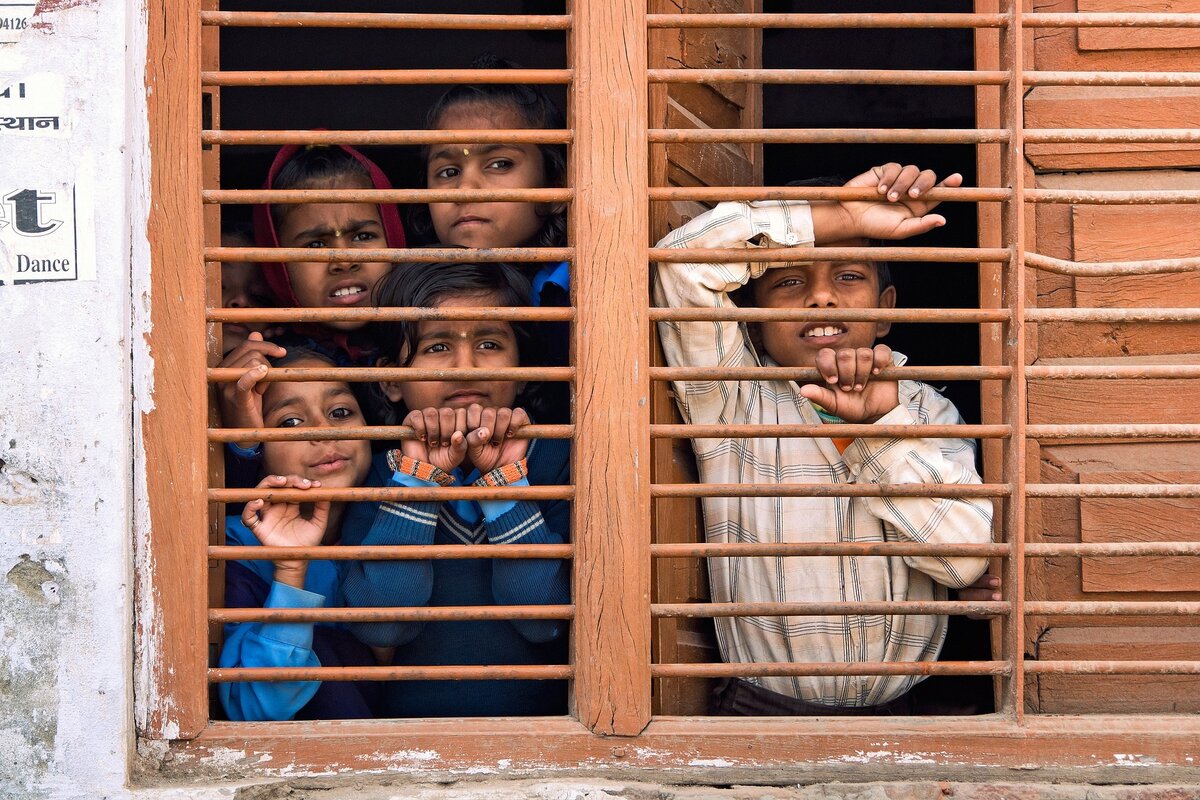
Priyanka Minj, in CounterCurrents.org, highlights how the complex religious and caste identities of Uttarakhand affect the population residing in remote villages, especially adolescent girls.

The clam collectors of Vembanad lake
Ria Sojan, student, Azim Premji University, explores in Nature inFocus, a large community on the shores of Kerala’s Vembanad Lake that depends on black clams for its livelihood. Is there a future for these bivalves and their earnest harvesters?
Conversations on consent through play
Shilpa Bajaj, in Learning Curve, shares a set of activities that can help children learn the concept of safety and agency in a fun way. Teachers can design many such activities with different learning objectives relevant to sex education for young children.
What legalisation of same sex marriage will mean in India
Arvind Narrain, in The Hindu’s In Focus podcast, speaks to Zubeda Hamid, about the ramifications of the case, currently being heard in the Supreme Court, and about where Indians are placed, compared to the rest of the world, in this matter.
Making election manifestos legally binding: A wild goose chase
Even if the election manifestos are made into a legally binding document, its implementation would remain incumbent upon the Election Commission’s will and competency to enforce it, argue Gokul Krishnan, Jehosh Paul, Revati Pillai and Saurabh Raj, in Economic and Political Weekly.
Voice and presence of children in the classroom
Mathumitha R, in Learning Curve, explores ways to create an atmosphere that is most suitable to enhance experimental and experiential learning which would lead to the all-around growth and development of children.
Emotional wellbeing of children in anganwadis
Yogesh G R, in The Times of India, highlights how anganwadis, being the first contact with the world outside the home, play a major role in the social development of a child.
Don’t make National Achievement Survey (NAS) an exam in disguise
To make NAS more effective, it can be iterated that the data will be used to identify schools in need of developmental support and not punitive action, writes Jwairia Saleem, faculty member, Azim Premji University, in Deccan Herald.
പ്രകൃതിക്ഷോഭങ്ങള് എങ്ങനെ ദുരന്തങ്ങളാവുന്നു? കേരളത്തിന്റെ വികസന നേട്ടങ്ങള്— ഒരു മുന്നറിയിപ്പ്
വർധിച്ചുവരുന്ന ബഹുമുഖ പ്രതിസന്ധികളുടെ പശ്ചാത്തലത്തില്, കേരളത്തിന്റെ മാനവവികസന സൂചികകള് എത്രകണ്ടു സുദൃഢമാണെന്നതിന്റെ ഒരു ചുരുങ്ങിയ അവലോകനമാണ് ഈ ലേഖനം.
India’s urban commons give joy — they must be freed from a colonial approach
Harini Nagendra, faculty member, Azim Premji University, explains the impacts of protecting — and blocking — urban commons, in Times Evoke.
The perils of stereotyping Brahmins and Muslims
Those who are abused because of their social identity may feel hurt and may want to hit back in some way. Some may just ignore it or may think it safer to keep quiet, while still feeling bad about their silence, writes Amman Madan in Deccan Herald.
Being a teacher is likely to make you a better human being
Anurag Behar, CEO, Azim Premji Foundation, in a conversation with Gita Hariharan, in NewsClick, on how civil society groups, university students and others can play useful roles in education, and more.
Inclusion and socio-emotional wellbeing
Maithily K, in Learning Curve, elaborates upon the methods of teaching to facilitate the social and emotional wellbeing of a student with a developmental disability.
Karnataka’s dairy farmers deserve urgent relief
Vijayamba R, in Deccan Herald, shares measures to ensure the needed prices and the accessibility of inputs to dairy farmers in the state that is home to the largest number of dairy co-operatives and producer members in South India.
A magical box has been unveiled to enchant and educate students
The Jaadui Pitaraa for foundational Indian schooling can work wonders if rolled out as envisaged, writes Anurag Behar, CEO, Azim Premji Foundation, in Mint.
‘Sharma ji ka beta’ syndrome and drone parenting must end. Boards causing more student suicides
The normalisation of anxiety has made us impervious to the toll on students’ health. Student life has become synonymous with finding stress mitigation techniques, writes Rima Kaur, in ThePrint.
Harini Nagendra: Ecologist by profession, writer by passion
Harini Nagendra, faculty member, Azim Premji University, shares about finding her path in research, bias in academia, writing beyond research, and more, in conversation with Nita Shashidharan, in The Hans India.
Preparing teachers to nurture wellbeing of children
Wellbeing in educational settings rests on the quality of relationships and responses to interpersonal needs, interests, capabilities, and challenges, writes Rajashree Srinivasan, in Learning Curve.
How crèches impact the lives of tribals in Jharkhand
To make the crèche initiative sustainable, the state must support this like the Anganwadi centre, write Arima Mishra and Sapna Mishra, in News18.
Digital assets should not be dismissed as an asset class
Sahil Deo and Mandar Kagade, in Mint, highlight the importance of critically evaluating crypto assets in the context of public policy.
Going beyond rote learning key for learning outcomes
We must strike the right balance between making exams transparent yet unpredictable, to ensure that the education system can be rid of reliance on memorisation, writes Jwairia Saleem, in India Today.
The Mahatma’s beliefs remain vital to school education
Education develops capacities and values in individuals, and these must be aligned with and arising from the vision of the society that we are striving to build, writes Anurag Behar, CEO, Azim Premji Foundation, in Mint.
ಬಹುಮುಖ ಪ್ರತಿಭೆಯ ವೃತ್ತಿರಂಗದ ಸಕಲ ಕಲಾವಲ್ಲಭರು; ಈ ಜಗತ್ತಿನಲ್ಲಿದೆ ಬಹುಶ್ರುತರ ಅಗತ್ಯ
ಸಂಕೀರ್ಣವೆನಿಸುವ ಇಂದಿನ ಜಗತ್ತನ್ನು ಮುನ್ನಡೆಸಲು ಒಂದಕ್ಕಿಂತ ಹೆಚ್ಚಿನ ವಿಷಯಗಳನ್ನು ತಿಳಿದುಕೊಂಡಿರುವವರ ಅಗತ್ಯವಿದೆ, ಅನೇಕ ವಿಷಯಗಳ ಕುರಿತ ಆಳವಾದ ಸೂಕ್ತ ಜ್ಞಾನವನ್ನು ಹೊಂದಿರುವವರ ಒಳನೋಟಗಳು ಹೇಗೆ ಈಗಿನ ತಂತ್ರಜ್ಞಾನ ಆಧಾರಿತ ಜಗತ್ತಿನ ವಿಶೇಷ ಸಮಸ್ಯೆಗಳಿಗೆ ಪರಿಹಾರ ಸೂಚಿಸಬಲ್ಲರು ಎಂಬುದನ್ನು ಸುದೀಶ್ ವೆಂಕಟೇಶ್ ಅವರು ಸೂಕ್ತ ಉದಾಹರಣೆಗಳೊಂದಿಗೆ ಹೇಳುತ್ತಾರೆ.
Why do we treat internal communications with disdain?
Do not inundate people with memos because a well-calibrated stream is more effective than a torrent, writes S Giridhar, in The Hindu Business Line.