
News
List of News
Putting up with patrilocality
Confronting the established normative hegemony of patrilocality, a woman often has little choice but to operate within its overarching framework, writes Anshu Saluja, faculty member, Azim Premji University, in The Indian Express.
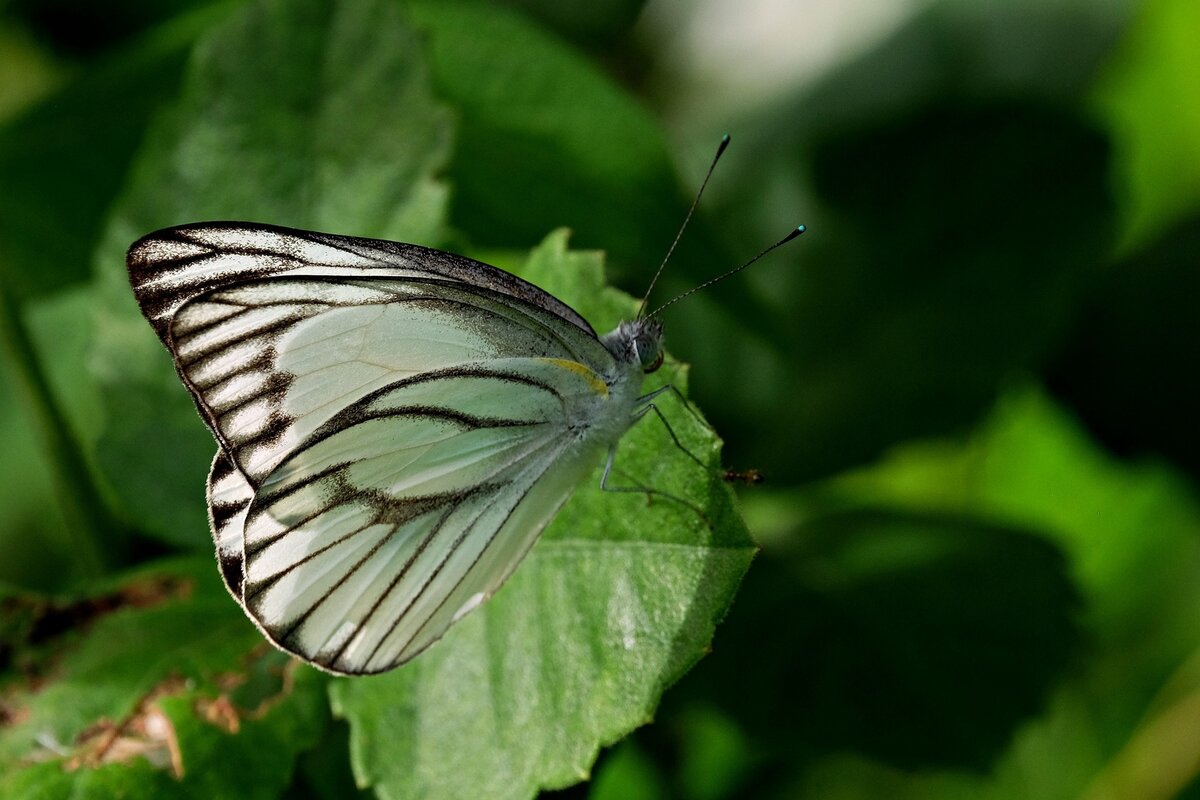

Fixing the nitrogen cycle
From waging wars for natural nitrogen to producing it artificially, humanity has a complicated history and a worrisome future with this element, writes Harshada R, student, Azim Premji University, in Nature inFocus.
Let us fund civil society organisations for the long haul
Donors must commit long term funds if a real difference must be made to people being helped out, writes Anurag Behar, in Mint.
Be the change: A learning expedition
Shilpi Handa and Ronita Sharma, in Learning Curve, explain how concepts such as democracy and equality that appear distant from a child’s understanding, can be explained clearly to them with properly designed instructional strategies and activities.
2b or not to 2b? Exclusive ‘Muslim’ quota needs to be re-evaluated
Scrapping Category 2B from the Karnataka state Backward Classes (BC) list allows us to evaluate the Muslim quota debate afresh, writes Khalid Anis Ansari, faculty member, Azim Premji University, in The Times of India.
All of us together in ‘Health for All’
Arima Mishra and Mukta Gundi, faculty members, Azim Premji University, in ET Healthworld, on the occasion of World Health Day, highlight how collective ownership plays a crucial role in improving the health and well-being of communities.
Discrimination in the IITs is something to write about
Rajesh Golani and Rajendran Narayanan, two IIT alumni, in The Hindu, share a perspective on what they saw and how discrimination operated on the pretext of merit.
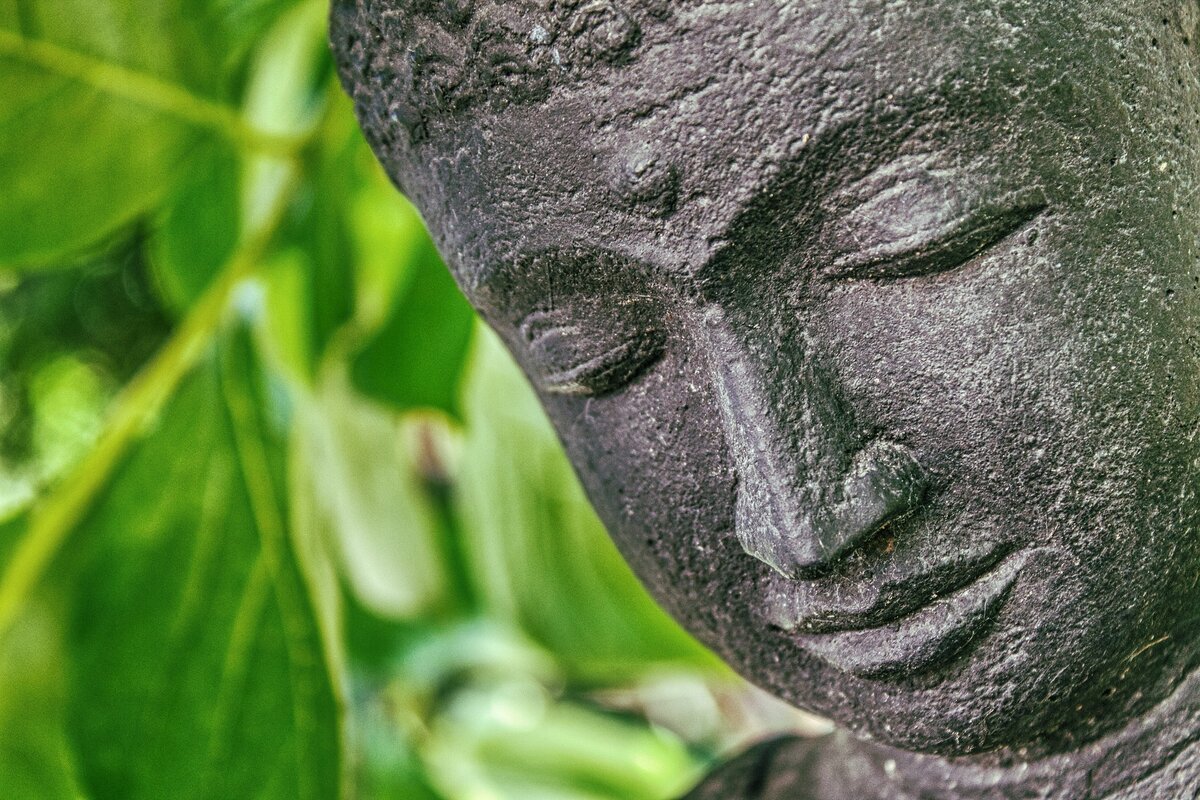
Can religious beliefs aid in conservation?
Aarya Patil, a young conservationist and student, Azim Premji University, in Nature inFocus, compares and contrasts two scenarios where religion played a role in the proliferation and deterioration of the natural world.
Bringing the last child into school
Shivani Taneja, in Learning Curve, explores how teachers working in the classroom space can find the immense potential for change within the system for the children they meet every day.
A primer to infectious disease epidemiology
Krishnapriya Tamma, in i wonder…, explores infectious diseases, their origins, and their spread. She also explains ways of studying them and how human societies can combat or limit their spread.
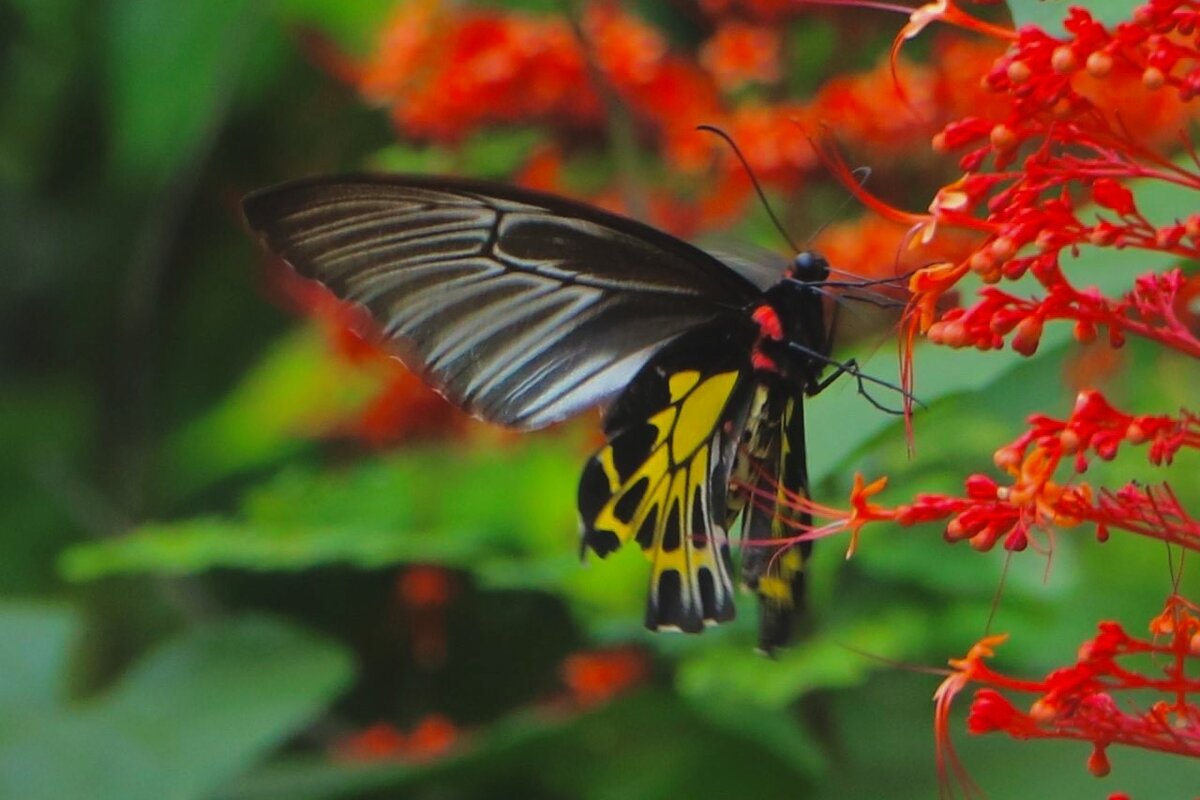
A forest in a city
Aadya Thammaiah, a young ecologist and student, Azim Premji University, shares the field diary of her visit to a manmade rainforest in the city of Alappuzha, Kerala, in Nature inFocus.
Result of Karnataka Legislative Assembly election will answer crucial questions
The Karnataka electorate is known to vote differently in the national and state elections. No party has repeated itself in power since 1985, writes A Narayana, faculty member, Azim Premji University, in Hindustan Times.
Heritage trees need legal rights
Trees that are decades and centuries old must have the same legal status as our heritage buildings, recognising their cultural significance, writes Harini Nagendra, faculty member, Azim Premji University, in Deccan Herald.
‘Dharmic Nation’: Of Hindu religious freedoms and rights | Book Review
Dharmic Nation forms part of a new body of work that in recent times has challenged the relevance of secularism to the Indian polity, writes Malini Bhattacharjee, faculty member, Azim Premji University, in News18.
Words matter: Inclusion needs to be internalised
In replacing words considered offensive in our times, Puffin Books’ effort to ensure that Roald Dahl’s classics can continue to be enjoyed by all needs to be applauded, writes Shefali Tripathi Mehta, in Hindustan Times.
Integrating Maths worksheets with other subjects
Janak Ram, in Learning Curve, highlights how he was able to build an understanding of the elements that should be in consonance when preparing a worksheet.
Civil society organisations require wholesome support
They can’t be expected to operate well without funds enough to cover a whole range of costs borne, writes Anurag Behar, in Mint.
Explore your surroundings with the foldscope
Rafikh Rashid Shaikh, in i wonder…, explains a really simple, inexpensive, but powerful microscope and explores the possibilities of students’ observations, questions, and learnings.
Learning is a deeply social human process, says Anurag Behar
In an interview with Aditya Mani Jha, in Mint Lounge, Anurag Behar, CEO, Azim Premji Foundation, delves into the issues central to education in India, while describing about his new book, A Matter Of The Heart.
Evolving perception of materials
The conversation on teaching-learning materials needs to start with the purpose of using them and their material and conceptual accessibility to teachers and children, writes Hridaykant Dewan, in Learning Curve.
Why is the fish blue?
Navodita Jain and Swagatha Ghosh, in i wonder…, explore how the spark of curiosity led one scientist to question why some fish looked blue instead of yellow, marking the beginning of a long process of scientific research.
What it will take India to beat TB
Manohar Agnani, faculty member, Azim Premji University, in Deccan Herald, on World TB Day, explores the feasibility of achieving the ambitious target, by the Indian Prime Minister, of eliminating TB in India by 2025.
The lottery of birth: Same rights, yet some must work harder
Those who have won the lottery of birth, carry not just material advantages, but social, psychological, and emotional ones too, writes Sudheesh Venkatesh, in The Times of India.
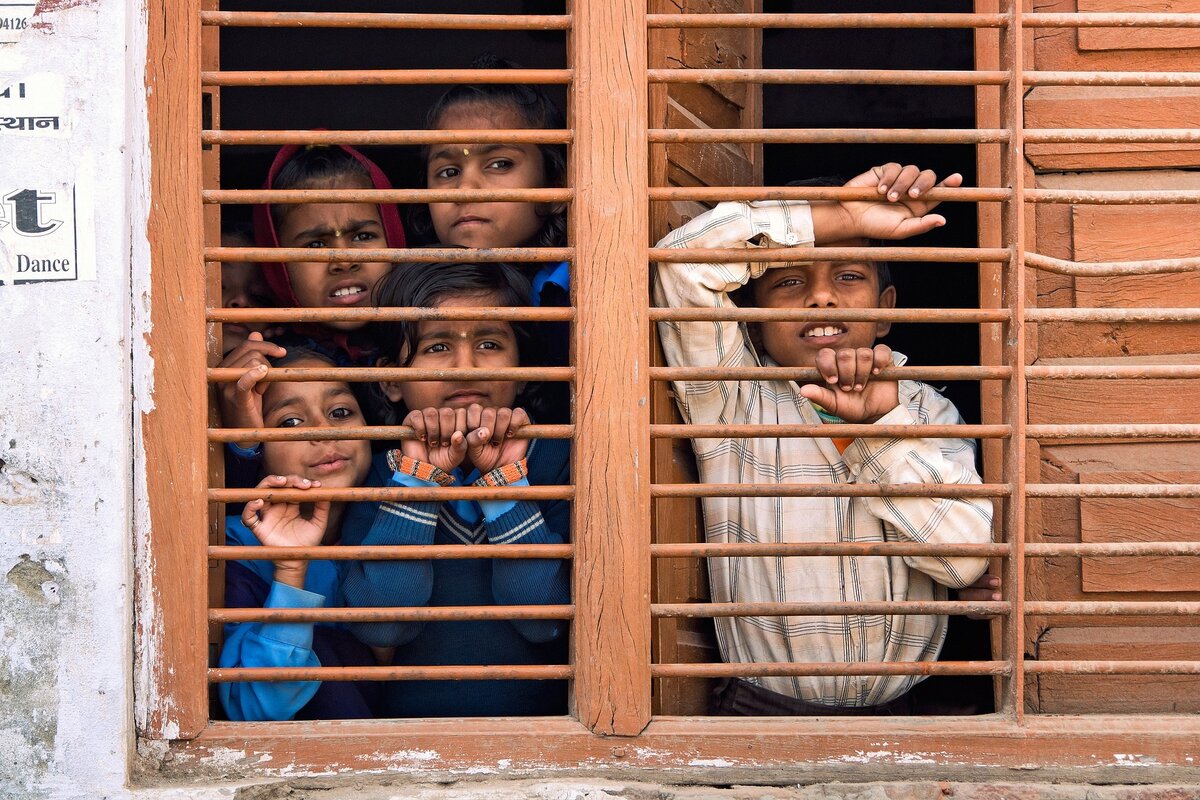
Silent Mountains of Uttarakhand
Priyanka Minj, in CounterCurrents.org, highlights how the complex religious and caste identities of Uttarakhand affect the population residing in remote villages, especially adolescent girls.

The clam collectors of Vembanad lake
Ria Sojan, student, Azim Premji University, explores in Nature inFocus, a large community on the shores of Kerala’s Vembanad Lake that depends on black clams for its livelihood. Is there a future for these bivalves and their earnest harvesters?
Conversations on consent through play
Shilpa Bajaj, in Learning Curve, shares a set of activities that can help children learn the concept of safety and agency in a fun way. Teachers can design many such activities with different learning objectives relevant to sex education for young children.
What legalisation of same sex marriage will mean in India
Arvind Narrain, in The Hindu’s In Focus podcast, speaks to Zubeda Hamid, about the ramifications of the case, currently being heard in the Supreme Court, and about where Indians are placed, compared to the rest of the world, in this matter.
Making election manifestos legally binding: A wild goose chase
Even if the election manifestos are made into a legally binding document, its implementation would remain incumbent upon the Election Commission’s will and competency to enforce it, argue Gokul Krishnan, Jehosh Paul, Revati Pillai and Saurabh Raj, in Economic and Political Weekly.
Voice and presence of children in the classroom
Mathumitha R, in Learning Curve, explores ways to create an atmosphere that is most suitable to enhance experimental and experiential learning which would lead to the all-around growth and development of children.
Emotional wellbeing of children in anganwadis
Yogesh G R, in The Times of India, highlights how anganwadis, being the first contact with the world outside the home, play a major role in the social development of a child.