State of Working India 2026
Centre for the Study of the Indian Economy (CSIE)
A flagship initiative under the Azim Premji Foundation to generate policy-relevant insights through research, advocacy, and data-driven analysis
Ensuring India’s economic growth translates to widespread human development amidst demographic shifts, ecological pressures, and global instability is one of the challenges we face today. Economic choices in the next decade will shape India’s and the global economy’s future.
The Centre for the Study of the Indian Economy (CSIE) brings together existing and new initiatives that support research, knowledge dissemination and advocacy on Indian economic well-being. We envision bridging economic performance with human development through innovative, evidence-based approaches. This will be done through a multilevel focus across national, subnational and local levels, and the academic rigour by way of advanced research methods to critical national questions.
Our latest report
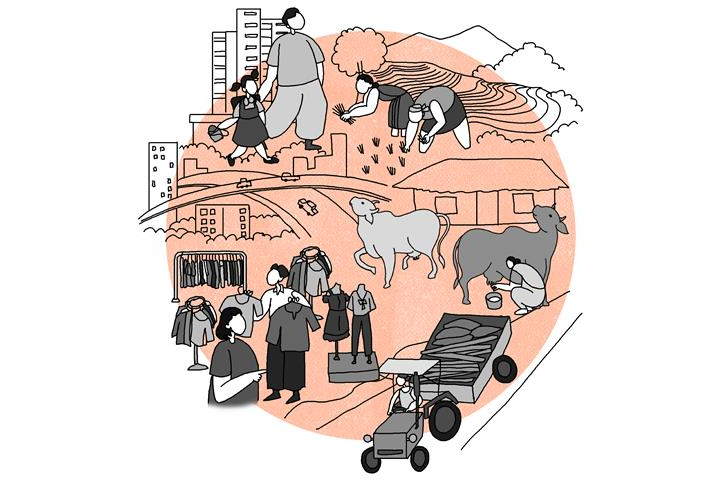
With our grassroots presence through 1,700+ team members across 300 locations and partnerships with 900+ civil society organisations (CSOs) across India, we hope to generate relevant insights across the following themes/areas:
- Supporting analysis of urban health survey
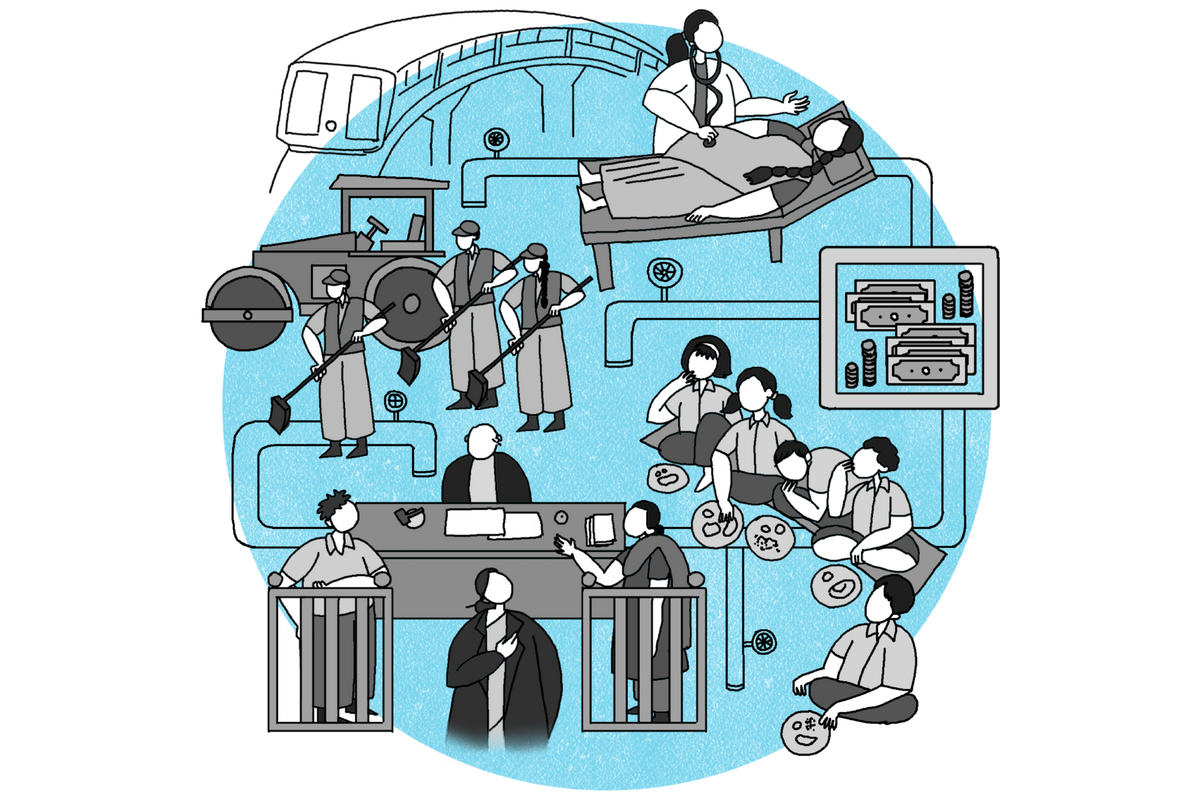
- Evaluation and assessment of creche programme (child and mother outcomes)
- Assessment of undertrial initiative
- Support through university students for urban poor projects
Our Team
-
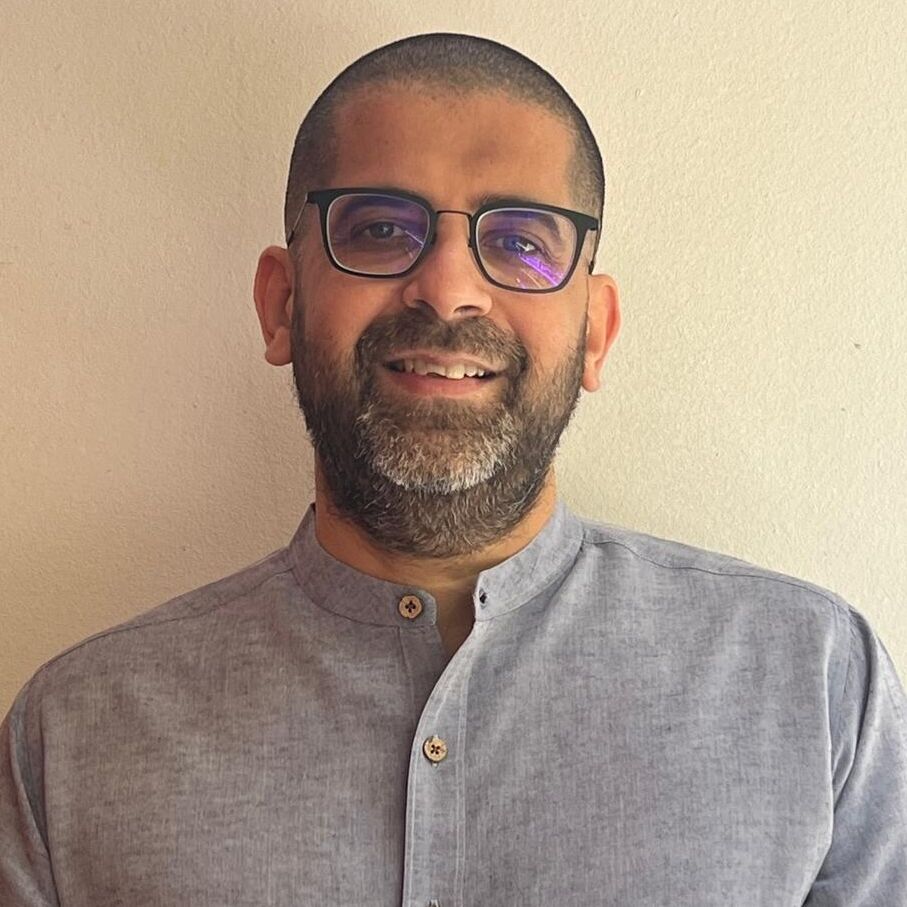
Amit Basole
Amit Basole is Professor of Economics and from 2018 to 2023 he was the lead author of the State of Working India report. Amit has taught at Bucknell University and the University of Massachusetts, Boston. He has a PhD in Economics from the University of Massachusetts, Amherst as well as a PhD in Neuroscience from…
-

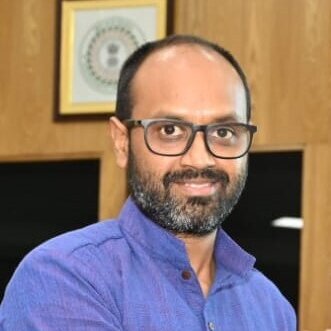
Anand Shrivastava
Anand Shrivastava teaches Economics at School of Arts and Sciences. He completed his PhD at the University of Cambridge. He also has an MPhil and a Graduate Diploma in Economics from the University of Cambridge and a BTech in Mechanical Engineering from the Indian Institute of Technology, Madras.
-

Arjun Jayadev
Arjun teaches Economics at the University. He has previously taught at the University of Massachusetts, Boston. He is also a Senior Economist at the Institute for New Economic Thinking. He holds a PhD in Economics from the University of Massachusetts, Amherst and was an inaugural post-doctoral fellow at the Committee on Global Thought, Columbia University. His research combines quantitative and theoretical analysis of Finance, Development, Political Economy and Intellectual Property.
-

Avinash Mani Tripathi
Avinash has extensive experience in public outreach and communication. He also has a keen interest in financial risk management.
-

Chinmaya Kumar
Chinmay is an Assistant Professor of Economics at Azim Premji University in Bengaluru, India. His research interests lies at the intersection of development, political, labor, and behavioral economics, with a focus on identifying scalable interventions that enhance the effectiveness of public institutions and improve labor market outcomes.
-

Dipa Sinha
Dipa is a development economist interested in issues related to economic and social policy in India. She has an MA and PhD in Economics from Jawaharlal Nehru University, New Delhi and MSc in Development Studies from School of Oriental and African Studies (SOAS), London. Her areas of expertise include social policy, food and nutrition rights, public health and gender. She has taught at Ambedkar University Delhi (AUD) for ten years.
-

Rajendran Narayanan
Rajendran Narayanan is an Associate Professor in the School of Arts and Sciences. At Azim Premji University, he teaches in the economics programme and anchors the Occupational Track on ‘Data, Democracy & Development.’ He is keen on building bridges between research, advocacy and public engagement which led him to be a co-founder of LibTech India, which works with researchers, civil society organisations and governments across some states on improving transparency and accountability of rural social policies. He is part of national campaigns such as those involved in the promotion of constitutional values, human rights, right to work and food, etc.
-

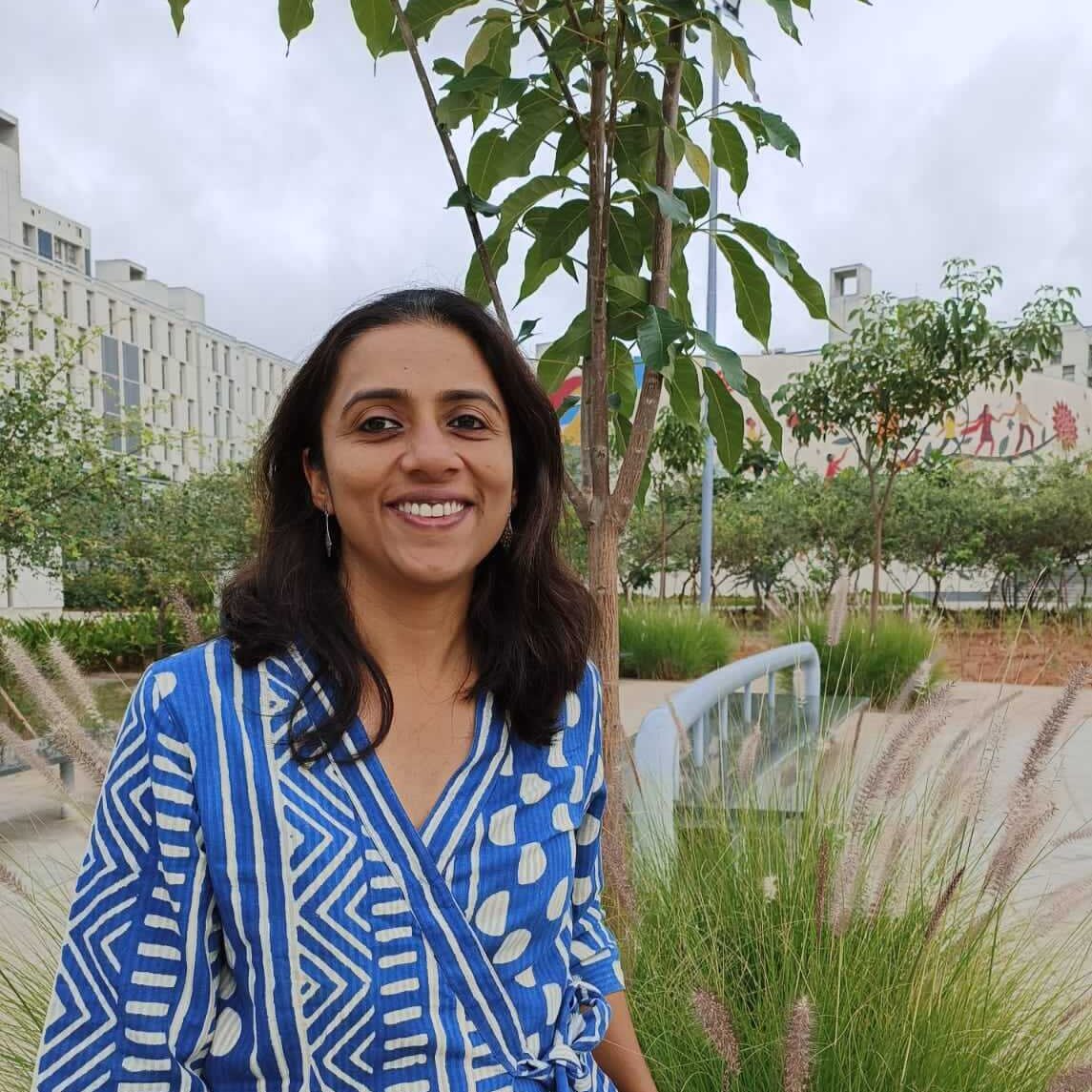
Rosa Abraham
Rosa is an economist interested in issues relating to India’s labour market. She heads the Centre for Sustainable Employment and is the lead author of the State of Working India, 2026. Her research focusses on informal work and women’s employment with particular interest in issues at the intersection of labour statistics and women’s work. At the Centre for Sustainable Employment, she has been involved in the State of Working India reports and in the two primary surveys – India Working Survey and Covid-19 Livelihoods Survey, conducted by the Centre.
-

Tamoghna Halder
As an applied economist, he seeks to investigate how historical institutions, whether formal or informal, have persistent, long-run effect on inequality, human capital accumulation, growth, development, and diversity.