
Snippets from the new academic year at Azim Premji University, Bhopal campus
As a new batch (2026−27) of students walk in, here’s a glimpse into how the campus becomes another home.
Details
A new journey is bound to bring with it new experiences, new people, exciting moments, unexpected challenges, beautiful friendships, and many lessons. A university is a place where one should give oneself the time to settle in, find new people, ask questions, make mistakes, explore, and slowly discover oneself along the way.
So, how did the Bhopal campus team gear up to welcome the new batch?
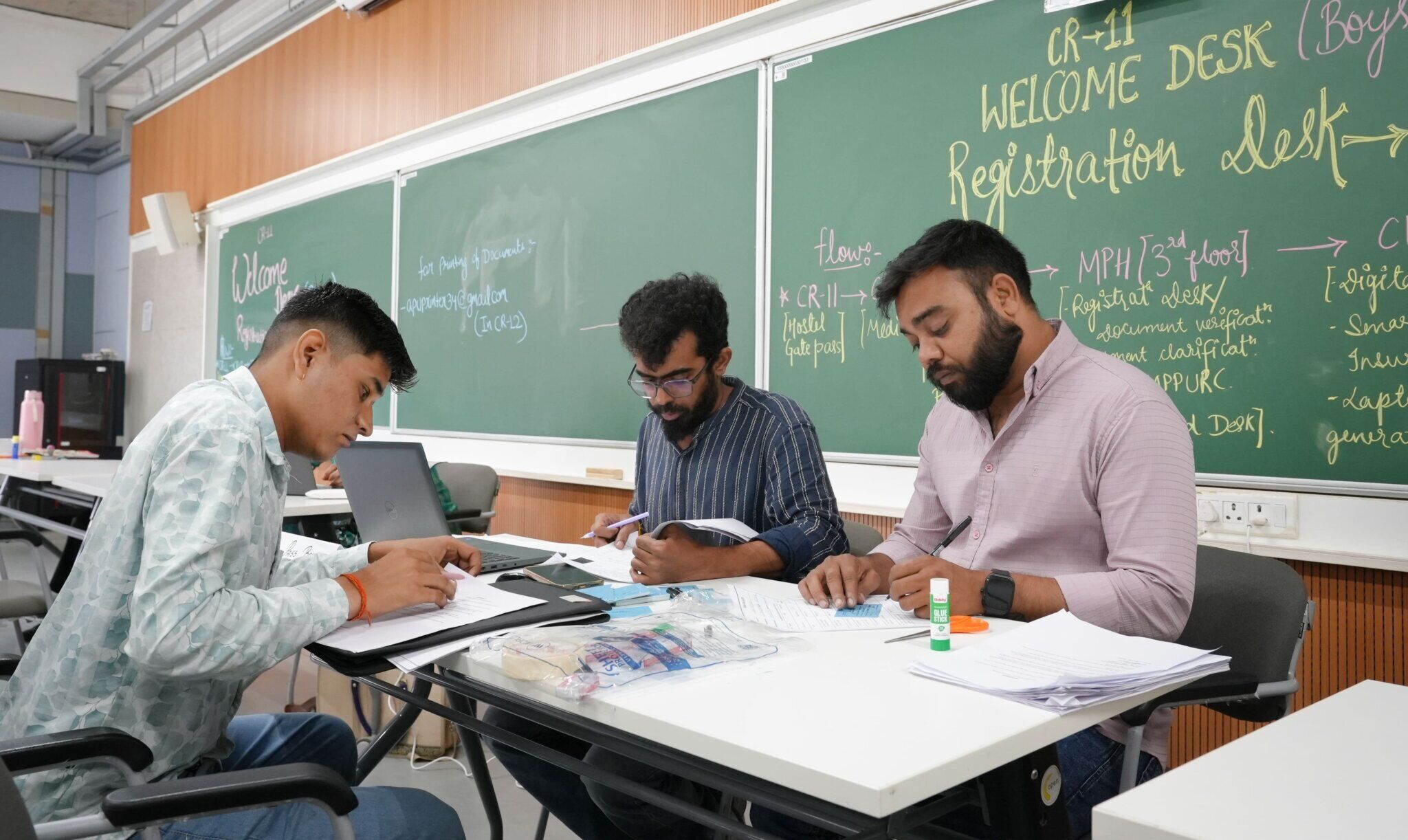
The first few weeks are often filled with excitement, curiosity, homesickness, uncertainty, and challenges while adjusting to a completely new environment. The Student Residence team focused on making the transition to university life warm, welcoming, safe, and meaningful for the new batch.
“One doesn’t need to figure everything out on their own. Take care of yourself, look out for one another, and never hesitate to reach out when you need support. Your residence is not just a place to stay — it is a space where you will build friendships, learn to live with differences, share everyday experiences, and create a sense of belonging.”
Adding to campus diversity
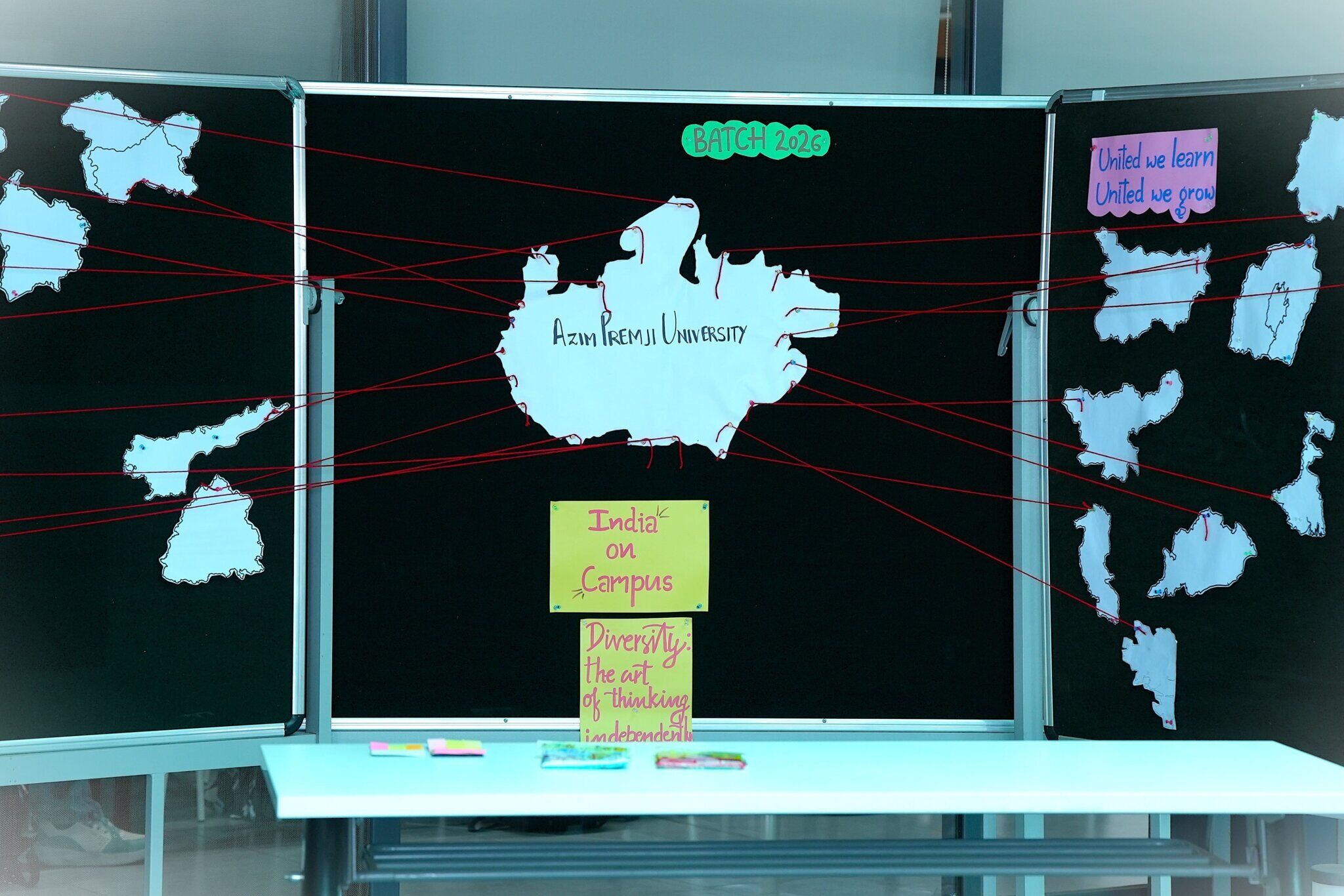
- 840+ Students
- 25 States
Highlights
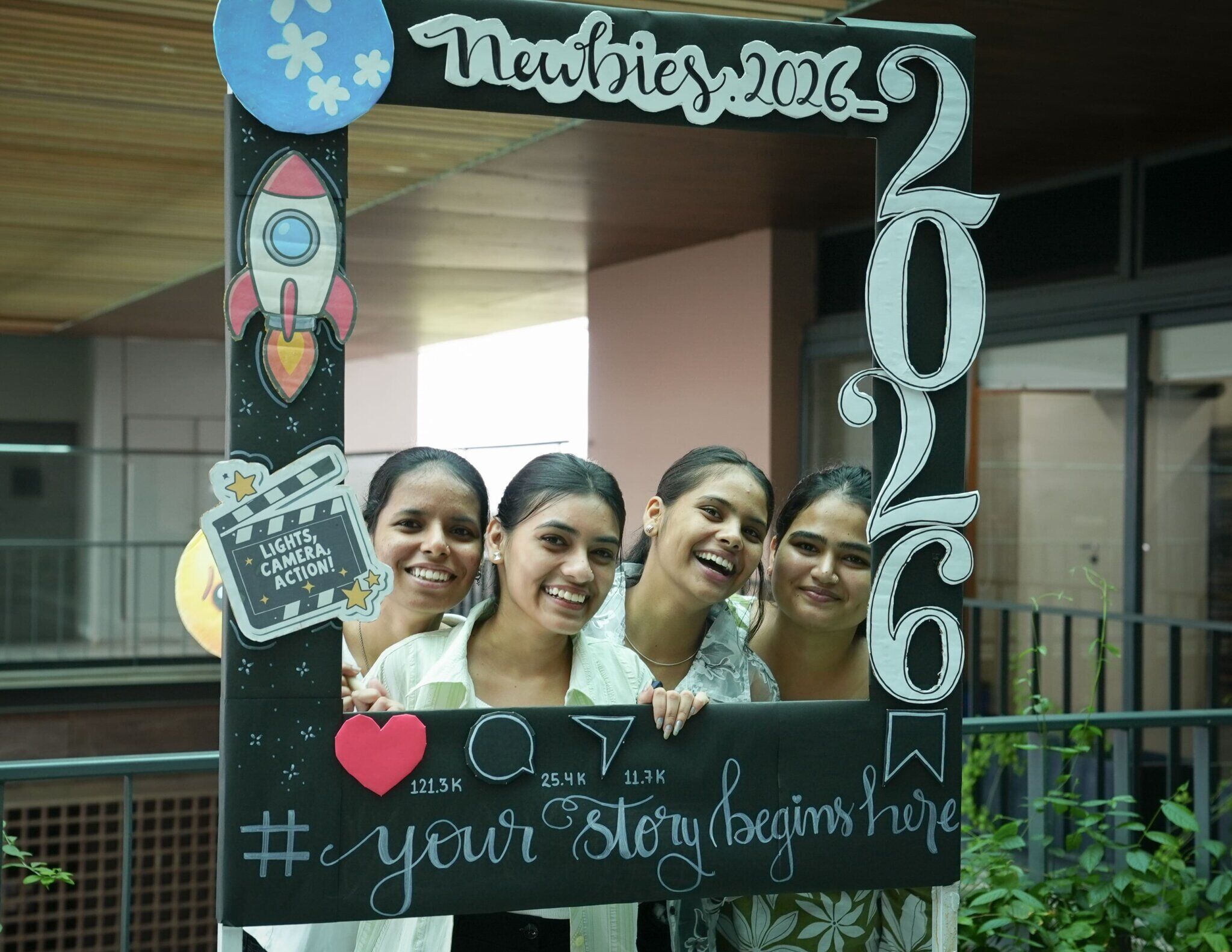
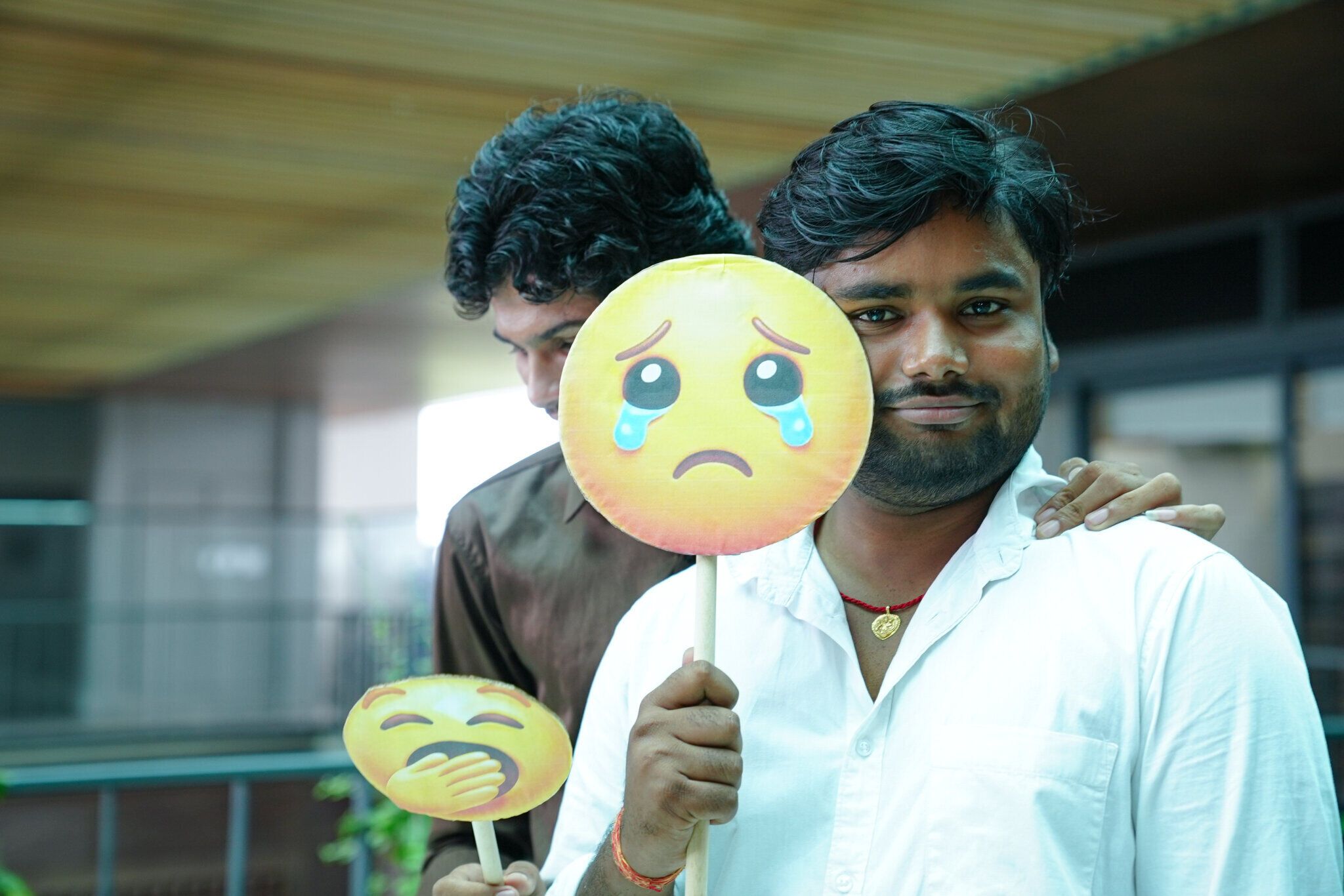
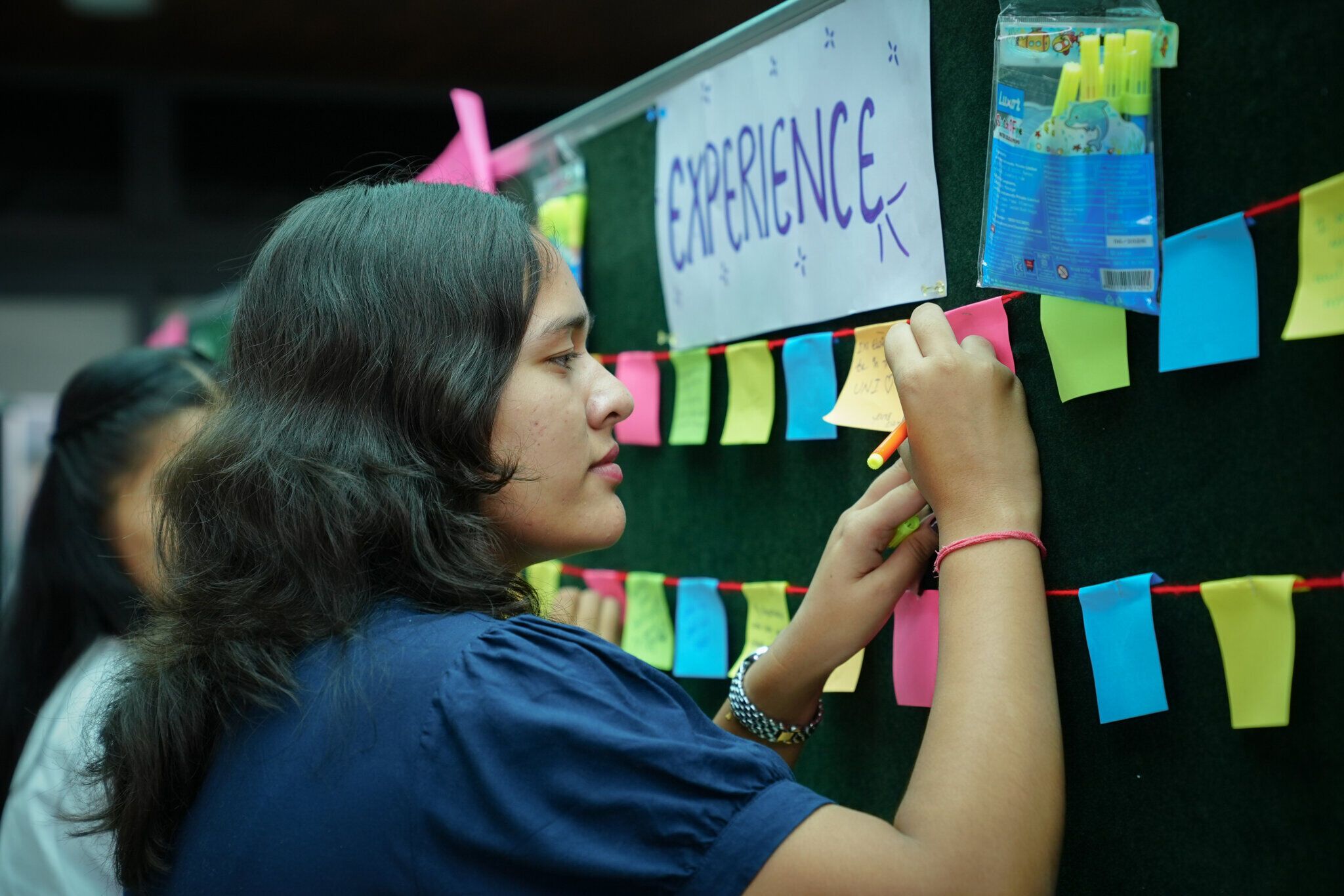
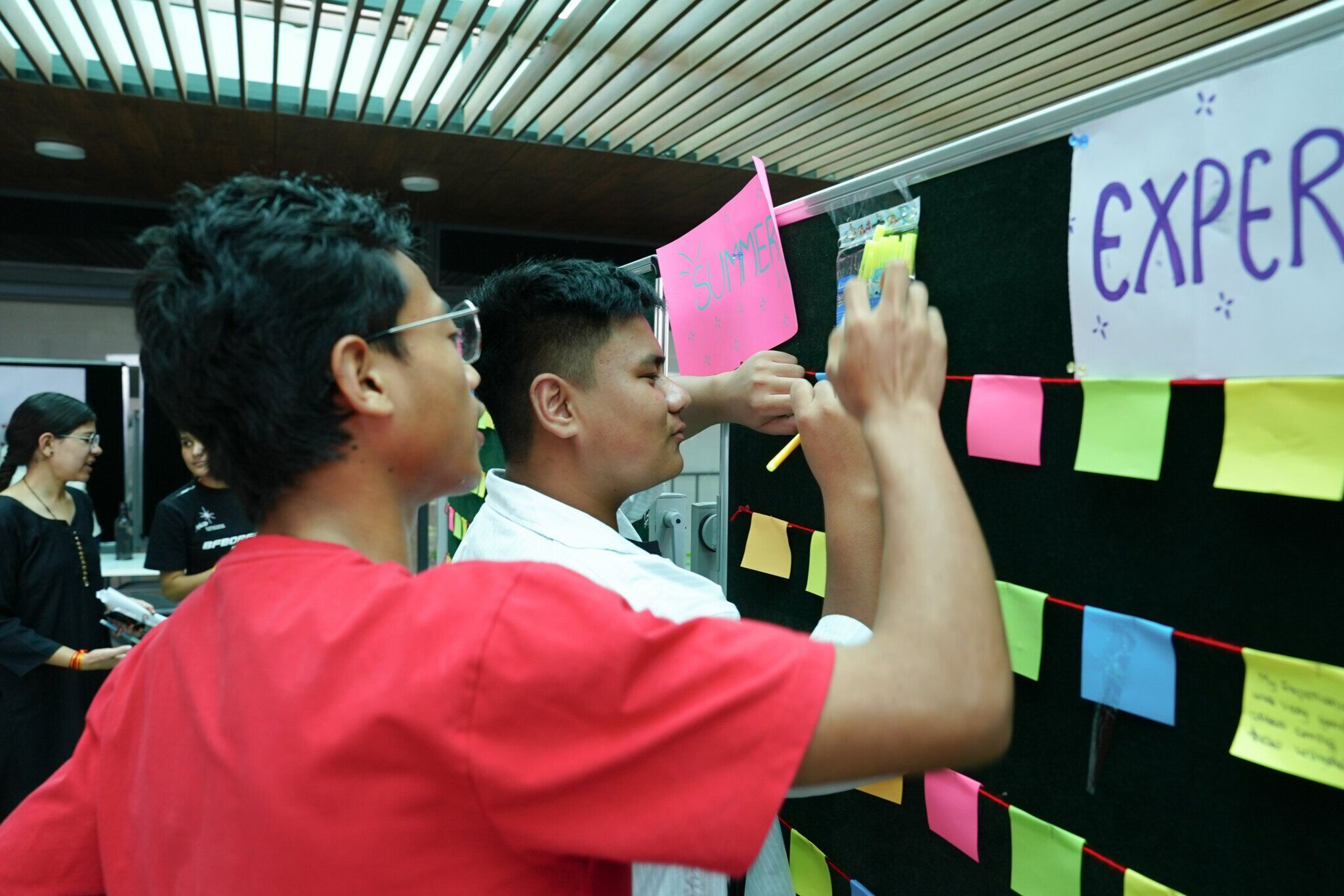
New faces, endless introductions, mixed emotions, and a whole lot of Day 1 excitement. Here are raw, unfiltered reactions from the incoming batch and seniors:
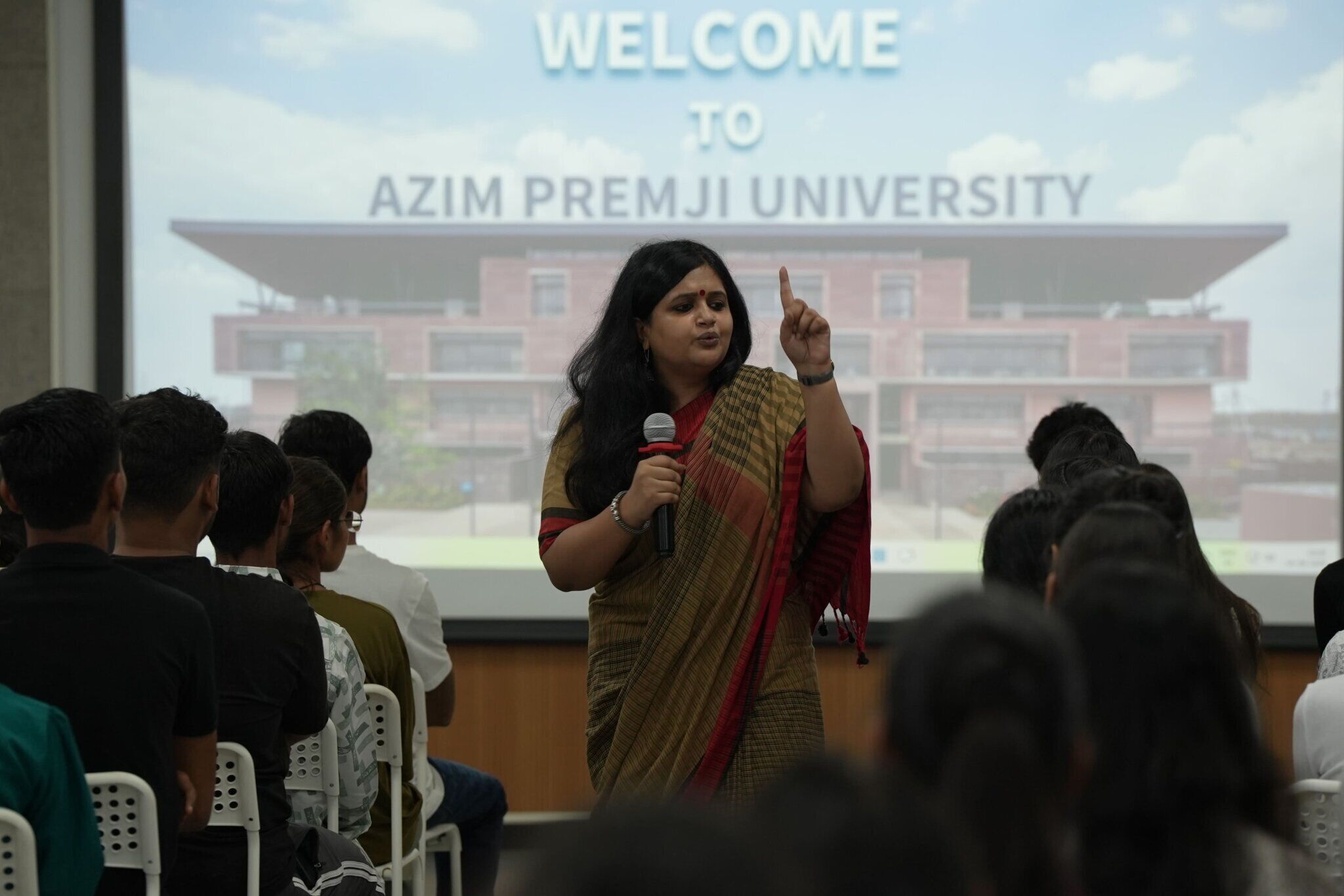
In June 2026, we had 131 new students in the Summer Programme for language and mathematics support. This was designed to introduce students to the pre-requisite academic skills before the commencement of regular classes. Centred around an immersive experience, the five-week programme also helped students understand the University’s culture through various events and activities, besides courses. A visit to the Madhya Pradesh Tribal Museum to learn about local communities; a two-day theatre workshop and Talent Day to explore the self and cultivate peer bonding; a movie screening to look into narratives and world-making; as well as daily sports sessions to develop the mind, body, and spirit were all part of the programme.
The programme helped students challenge pre-conceived notions about themselves and others from their lived experiences. By demonstrating sustainable social interactions and displaying inclusive spaces, the programme offered channels for students to learn, unlearn and relearn without shame. This could be seen in the way students took up voluntary academic assignments with curiosity, formed friendships beyond regional and cultural markers, and looked for ways to bring merriment into the classroom, totally relishing their transitional phase.
The cafeteria menu was revised to include special regional dishes to give students a taste of home. A milk parlour providing dairy, frozen, and other food products has also been set up to add to the food options. An additional food court to ease the lunch hour rush is good news for the new batch and the earlier ones for now, peak hours come with shorter queues and more room to chat, sit, and eat. The food committee conducts food quality reviews every week to ensure that nutritional needs of students are being met. Monthly lab testing of food samples and weekly water quality checks also ensure students’ safety.
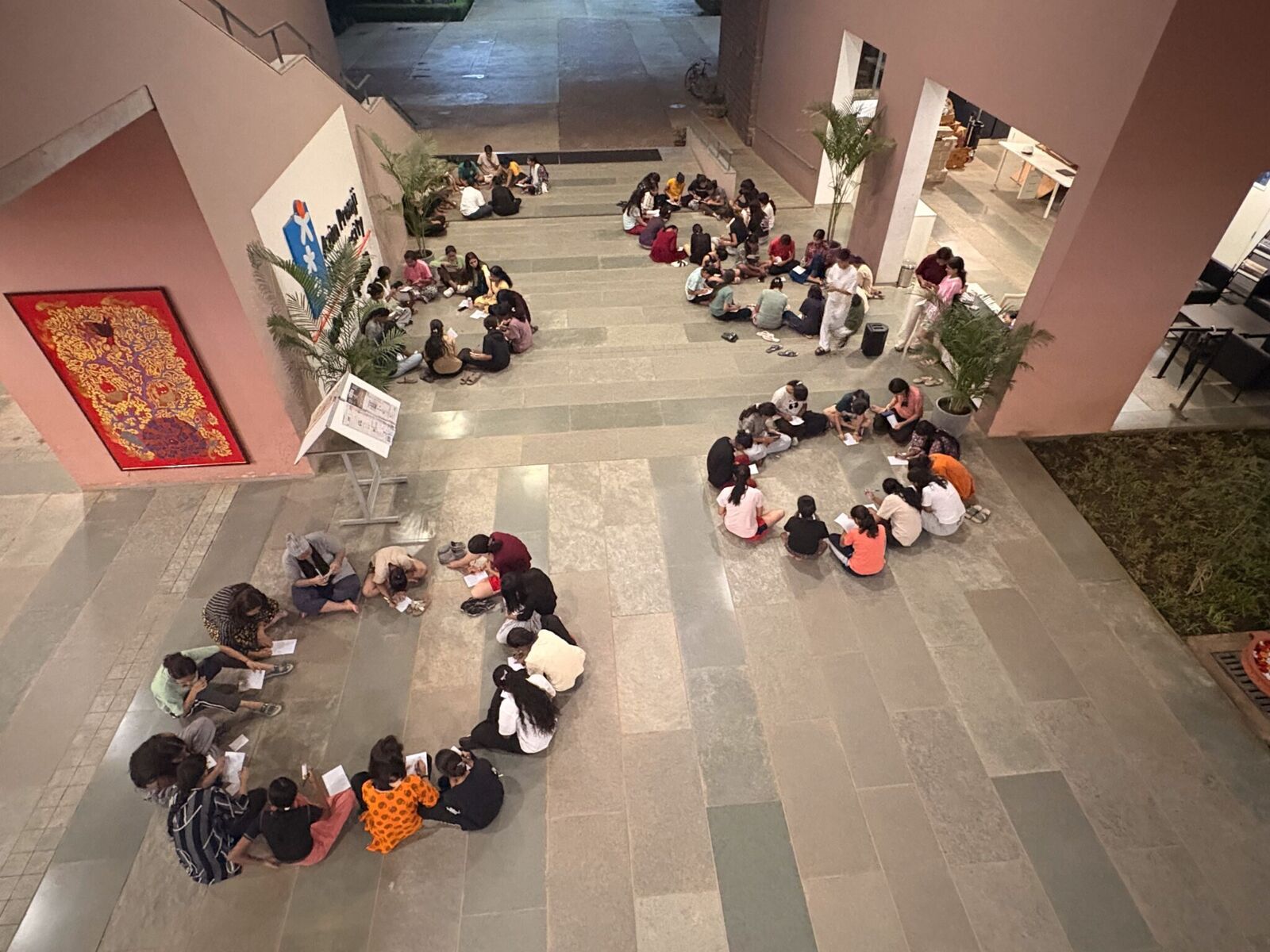
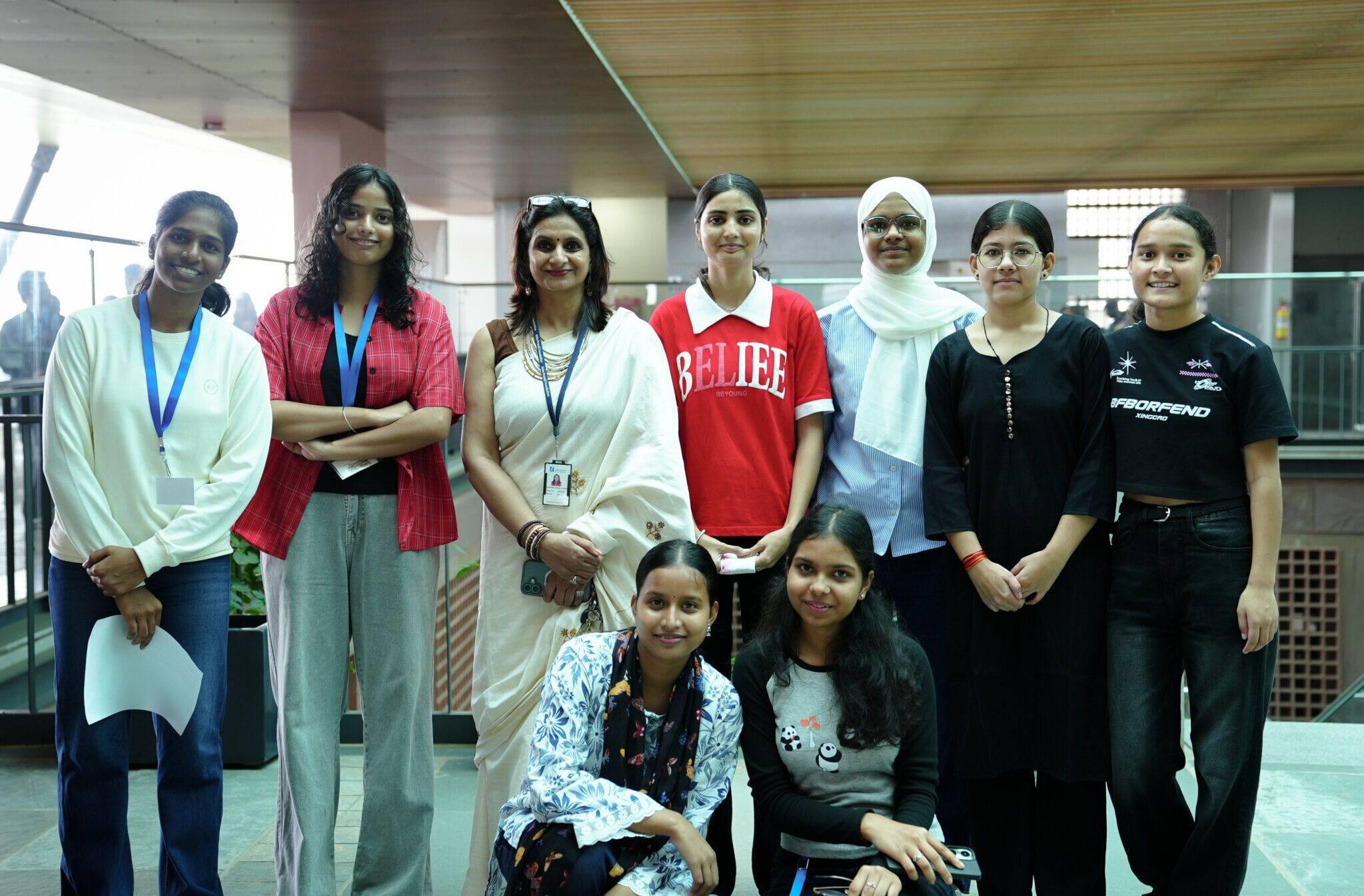
Campus Buddy support: Groups of new students connect with students from earlier batches to create an approachable peer-support system. Students can talk about their initial experiences, ask questions, share challenges, and seek help without hesitation. Campus Buddies spend time with their assigned students, checking in on their room-sharing dynamics, challenges, and overall well-being. These interactions help identify concerns early and ensure that students do not feel isolated during the transition.
Monthly block meetings: A regular space to revisit residence expectations, safety, cleanliness, respectful behaviour, shared responsibility, community living, and important updates. These meetings also provide students an opportunity to raise concerns, share feedback, and suggest improvements to residence life. Students are encouraged to approach mentors, the Residence and Student Life teams, Campus Buddies, and other support systems whenever they have a concern, need guidance, or simply want someone to talk to. We hope to create an environment where asking for help is seen as a strength rather than a weakness.
“When I first came to this University, I used to wonder what the people and seniors here would be like. I was quite scared about whether I would be able to adapt or not. But ever since I got here, I noticed that everyone — from the faculty to the staff — talks so politely.”
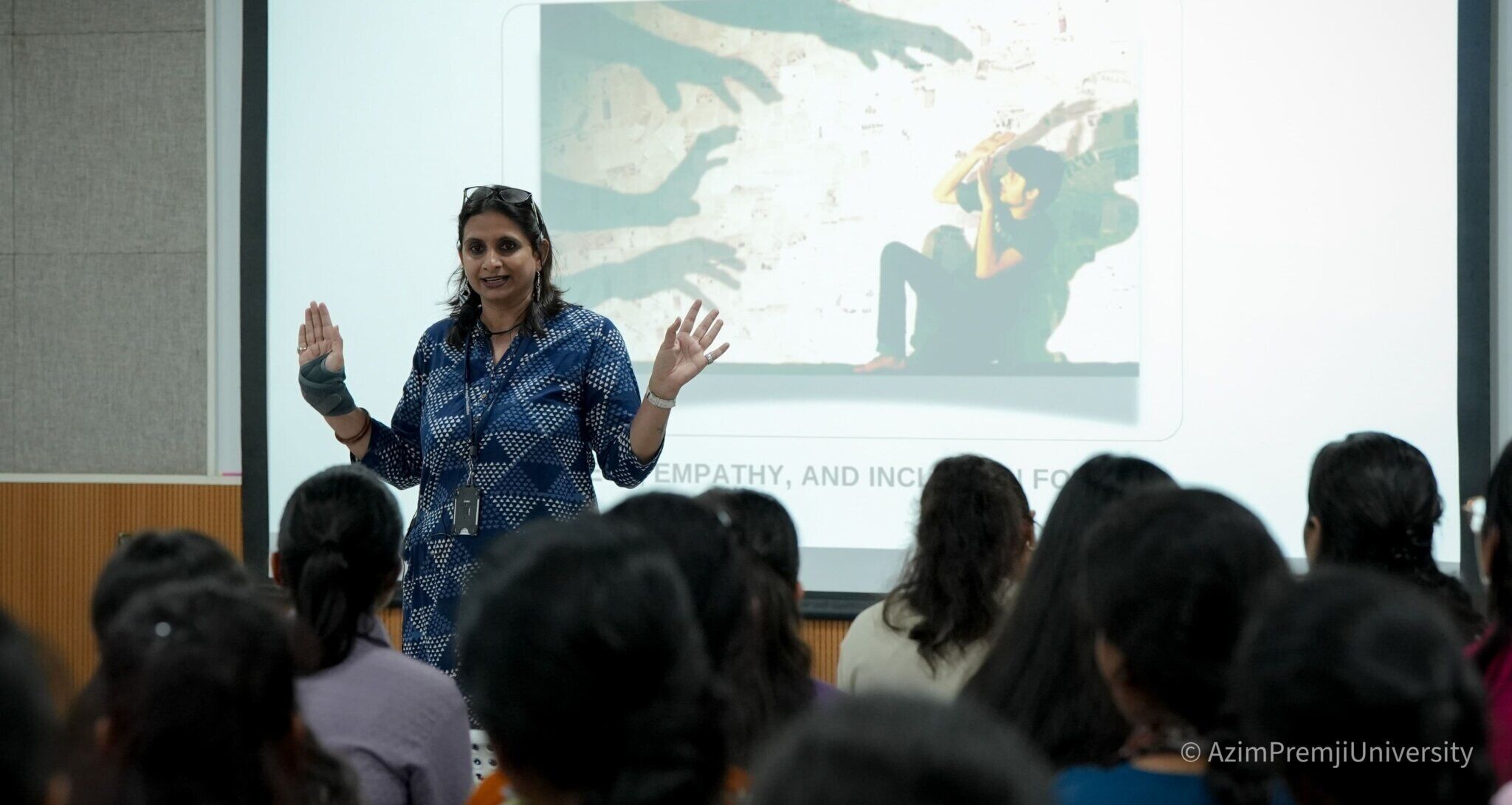
Students took part in a range of sessions designed to help them settle into the campus. Workshops such as “let’s talk, don’t fight!” taught students to raise concerns respectfully and listen to others, while “walk your why” encouraged them to reflect on peer pressure, friendships, boundaries, and the kind of community they want to build. Health and well-being sessions covered menstrual health and hygiene, sex education and emotional well-being, giving students accurate information and a safe space to ask questions. Alongside these, community activities, movie screenings, music, dance, and games helped students make friends beyond their immediate circles and unwind outside the classroom.
“I really appreciate the judgement-free environment at the University. We have opportunities to showcase our talent and build confidence. Everyone is treated with equal respect. As a Floor Coordinator, this role has taught me many new skills and given me priceless leadership experience.”
Through these sessions, conversations, peer interactions, reflections, and celebrations, we hope to help students gradually answer three simple but important questions:
“Where do I belong?” | “Who can I reach out to?” | “How do we learn to live together?”

Compiled with inputs from Anuja Jose, Arshdeep Kaur, Biswajit Kar, Nisha Butoliya, Rashmi Shah, Sajeev Sasi, and Yogesh G R.