
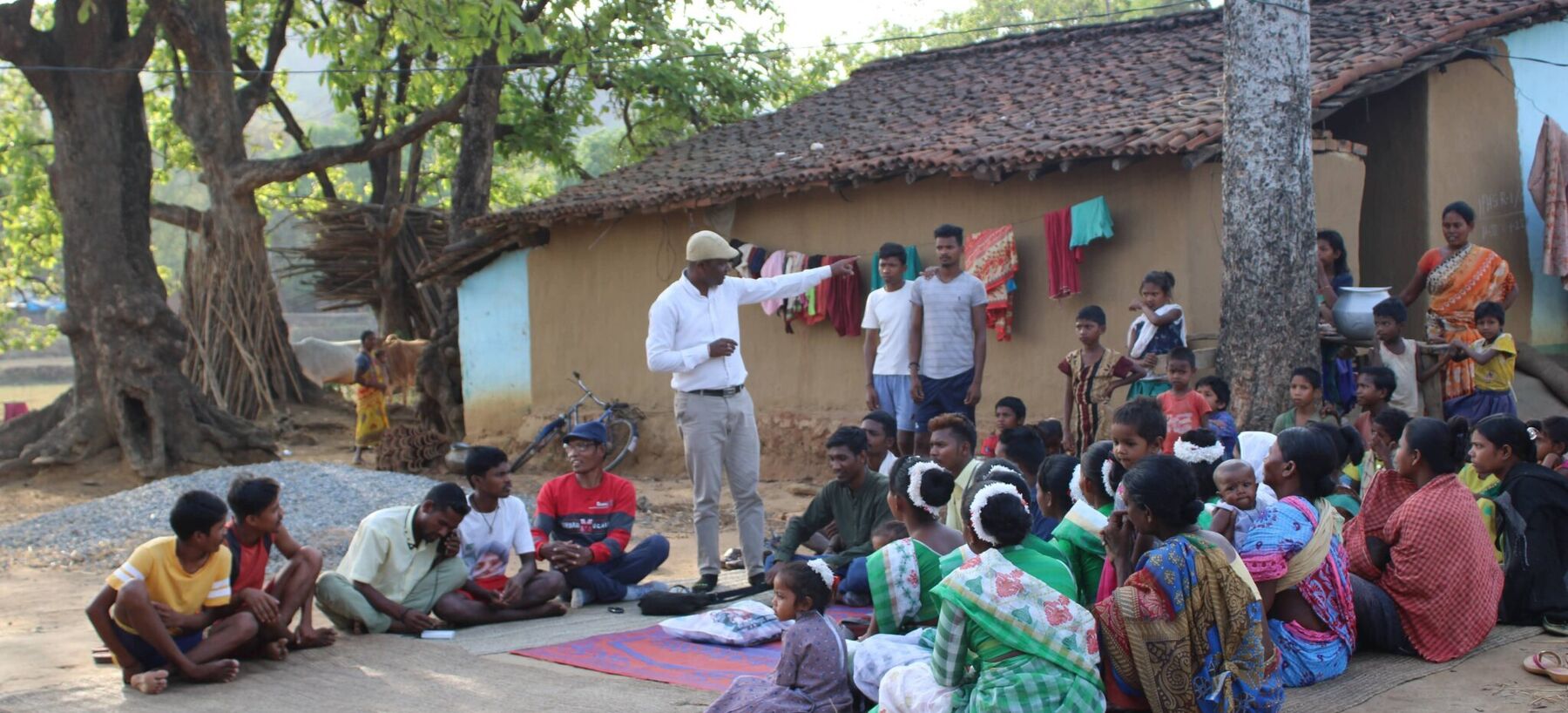
स्थानीय विकास एवं शासन में स्नातकोत्तर डिप्लोमा | PG Diploma in Local Development and Governance
अनुभवी फील्ड कोऑर्डिनेटर्स एवं जमीनी स्तर पर कार्यरत विकास कर्मियों के लिए
For experienced field coordinators and other grassroots development practitioners
यह स्नातकोत्तर डिप्लोमा जमीनी स्तर पर कार्यरत विकास कर्मियों के लिए 11 माह का कार्यक्रम है।इसका उद्देश्य प्रतिभागियों में विकास की व्यापक समझ विकसित करना, उनकी कार्य क्षमता को मजबूत करना तथा उनके विश्लेषणात्मक कौशल को बेहतर बनाना है। ऑनलाइन शिक्षण और विश्वविद्यालय परिसर में होने वाले संक्षिप्त आवासीय सत्रों के माध्यम से प्रतिभागी अपना कार्य जारी रखते हुए अपने करियर में आगे बढ़ सकते हैं।
This Postgraduate Diploma is an 11-month programme for grassroots development practitioners seeking to deepen their understanding of development, strengthen their professional practice and enhance their analytical skills. Combining online learning with short on-campus residential sessions enables participants to continue working while advancing their careers.
विस्तृत जानकारी के लिए क्लिक करें।
क्या सार्थक विकास कार्य केवल योजनाओं (प्रोजेक्ट्स) को लागू करने और कार्यक्रमों के लक्ष्य पूरे करने तक सीमित है? या प्रभावी विकास कार्य के लिए समाज, शासन व्यवस्था और स्थानीय परिस्थितियों को प्रभावित करने वाली व्यापक प्रक्रियाओं की गहरी समझ भी आवश्यक है?
जमीनी स्तर पर कार्यरत विकास कर्मी समुदायों के साथ मिलकर आजीविका, कल्याणकारी योजनाओं, अधिकारों और अन्य विकास संबंधी मुद्दों पर काम करते हैं। वे सरकारी नीतियों और योजनाओं को लोगों तक पहुँचाने तथा समुदायों की समस्याओं और ज़रूरतों को समझने में महत्वपूर्ण भूमिका निभाते हैं। अधिकांश विकास कर्मियों ने अपनी समझ और अनुभव, क्षेत्र में काम करते हुए ही विकसित किए हैं। लेकिन उन्हें विकास और शासन से जुड़े व्यापक नज़रिए, सिद्धांतों और प्रक्रियाओं को अच्छी तरह समझने के अवसर कम मिलते हैं।
ऐसे में कई महत्वपूर्ण प्रश्न सामने आते हैं। स्थानीय परिस्थितियाँ कैसे बनती हैं? विकास की प्रक्रिया में राज्य, बाजार और नागरिक समाज की क्या भूमिका होती है? शासन आधारित संस्थाएँ विकास के परिणामों को किस प्रकार प्रभावित करती हैं? विकास कर्मी सामाजिक परिवर्तन में अधिक प्रभावी भूमिका कैसे निभा सकते हैं?
स्थानीय विकास एवं शासन में स्नातकोत्तर डिप्लोमा इन्हीं प्रश्नों को ध्यान में रखकर तैयार किया गया है। यह कार्यक्रम विशेष रूप से अनुभवी फील्ड कोऑर्डिनेटर्स और जमीनी स्तर पर कार्यरत विकास कर्मियों के लिए है। इसका उद्देश्य विकास और शासन की व्यापक समझ विकसित करने के साथ‑साथ स्थानीय स्तर पर प्रभावी ढंग से कार्य करने की उनकी क्षमता को मजबूत करना है। इस कार्यक्रम में भारतीय समाज, विकास प्रक्रियाओं, शासन व्यवस्था और स्थानीय अर्थव्यवस्था की समझ को योजना निर्माण, सामाजिक जवाबदेही, समुदायों को संगठित करने के कौशल, आँकड़ों के उपयोग तथा प्रभावी संचार (कम्यूनिकेशन) जैसी व्यावहारिक दक्षताओं के साथ जोड़ा गया है।
इस कार्यक्रम के माध्यम से प्रतिभागी अपने स्थानीय अनुभवों को विकास की व्यापक समझ से जोड़ेंगे और स्थानीय विकास के लिए अधिक प्रभावी ढंग से काम करने की अपनी क्षमता को मजबूत करेंगे।
यह कार्यक्रम किनके लिए है?
यह कार्यक्रम सामाजिक क्षेत्र में कम‑से-कम पाँच वर्ष का अनुभव रखने वाले फील्ड कोऑर्डिनेटर्स तथा अन्य जमीनी स्तर पर कार्यरत विकास कर्मियों के लिए है। यह विशेष रूप से आजीविका, स्थानीय शासन, कल्याणकारी अधिकार, सामाजिक लामबंदी, प्राकृतिक संसाधन प्रबंधन, लैंगिक समानता, शिक्षा, स्वास्थ्य तथा अन्य विकास संबंधी क्षेत्रों में कार्यरत लोगों के लिए उपयोगी है। यह कार्यक्रम नागरिक समाज संगठन, जमीनी संगठन, सामुदायिक संगठन, सामाजिक आंदोलन तथा अन्य विकास संगठनों में कार्यरत प्रोफेशनल्स के लिए खुला है।
कार्यक्रम मुख्यतः हिन्दी माध्यम में संचालित होगा। आवश्यकता के अनुसार अंग्रेज़ी का पूरक भाषा के रूप में उपयोग किया जाएगा।
पात्रता
- किसी भी विषय में स्नातक।
- सामाजिक क्षेत्र में कम‑से-कम पाँच वर्ष का कार्य अनुभव।
- स्थानीय शासन, आजीविका, कल्याणकारी अधिकार, समुदायों को संगठित करने, प्राकृतिक संसाधन प्रबंधन, लैंगिक समानता, शिक्षा, स्वास्थ्य अथवा अन्य विकास संबंधी क्षेत्रों में कार्य का अनुभव।
- किसी नागरिक समाज संगठन, जमीनी संगठन, सामुदायिक संगठन, सामाजिक आंदोलन अथवा इसी प्रकार के किसी विकास संगठन में कार्यरत होना।
- नौकरी के साथ‑साथ इस मिश्रित शिक्षण (ब्लेंडेड लर्निंग) कार्यक्रम में नियमित रूप से भाग लेने की इच्छा और प्रतिबद्धता।
- हिन्दी पढ़ने, लिखने और बोलने में दक्षता तथा अंग्रेज़ी पढ़ने और समझने की बुनियादी क्षमता।
हम विशेष रूप से महिलाओं तथा सामाजिक क्षेत्र में कम प्रतिनिधित्व वाले अन्य समूहों से आवेदन का स्वागत करते हैं।
यदि आपको विश्वविद्यालय में कक्षाओं के दौरान अपने बच्चे की देखभाल के लिए किसी व्यवस्था की आवश्यकता हो, तो कृपया हमें पहले से सूचित करें। विश्वविद्यालय ऐसी व्यवस्था करने का प्रयास करेगा, लेकिन इसकी गारंटी नहीं दी जा सकती। इसके लिए अतिरिक्त शुल्क भी लग सकता है।
कार्यक्रम से क्या प्राप्त होगा ?
इस कार्यक्रम के माध्यम से प्रतिभागी—
- भारतीय समाज, विकास प्रक्रियाओं तथा स्थानीय परिस्थितियों को प्रभावित करने वाली व्यापक शक्तियों की बेहतर समझ विकसित करेंगे।
- अपने स्थानीय अनुभवों को सामाजिक, आर्थिक, राजनीतिक तथा शासन संबंधी व्यापक प्रक्रियाओं से जोड़ सकेंगे।
- स्थानीय शासन संस्थाओं, विकास योजनाओं तथा अधिकार‑आधारित विकास दृष्टिकोण के साथ प्रभावी ढंग से कार्य करने की क्षमता विकसित करेंगे।
- विश्लेषण, संचार तथा अन्य व्यावसायिक दक्षताओं को मजबूत करेंगे, जिससे वे विकास कार्य को अधिक प्रभावी ढंग से तथा और भी बड़े स्तर पर आगे बढ़ा सकें।
कार्यक्रम की संरचना
यह 11 माह का डिप्लोमा कार्यक्रम है, जिसे प्रत्यक्ष कक्षाओं, ऑनलाइन शिक्षण तथा स्व‑अध्ययन (सेल्फ लर्निंग) के मिश्रित स्वरूप में तीन सर्टिफिकेट कार्यक्रमों के माध्यम से संचालित किया जाएगा।
प्रत्येक सर्टिफिकेट कार्यक्रम में विश्वविद्यालय परिसर में छह दिनों का आवासीय प्रत्यक्ष कक्षा सत्र होगा। इसके बाद आठ सप्ताह तक सप्ताह के अंत में ऑनलाइन कक्षाएँ तथा मार्गदर्शित स्व‑अध्ययन होगा। ऑनलाइन सत्रों में व्याख्यान, चर्चा, असाइनमेंट तथा अन्य शिक्षण गतिविधियाँ शामिल होंगी। इसके अतिरिक्त प्रतिभागियों को विश्वविद्यालय द्वारा उपलब्ध कराई गई अध्ययन सामग्री के आधार पर नौ घंटे का स्व‑अध्ययन भी करना होगा।
यह कार्यक्रम विशेष रूप से कार्यरत विकास कर्मियों को ध्यान में रखकर तैयार किया गया है, ताकि वे अपनी नौकरी जारी रखते हुए डिप्लोमा पूरा कर सकें।
डिप्लोमा प्राप्त करने के लिए तीनों सर्टिफिकेट कार्यक्रम पूरे करना आवश्यक होगा। प्रतिभागी इन तीनों सर्टिफिकेट कार्यक्रमों को पंजीकरण की तिथि से तीन वर्षों के भीतर किसी भी क्रम में पूरा कर सकते हैं।
कार्यक्रम के पाठ्यक्रम तीन व्यापक श्रेणियों में विभाजित हैं:
सर्टिफिकेट 1: विकास कार्य के सिद्धान्त एवं व्यवहार (8 क्रेडिट)
- भारतीय समाज की समझ
- विकास के सिद्धान्त और उभरती चुनौतियाँ
- राज्य एवं सामाजिक संस्थाओं द्वारा विकास के पहल
- भारत के आर्थिक विकास की समझ
सत्र अवधि — 18 जनवरी – 3 अप्रैल 2027 | विश्वविद्यालय में कक्षाएँ — 18 जनवरी – 23 जनवरी 2027
ऑनलाइन* — 30 जनवरी – 13 मार्च 2027 | स्व‑अध्ययन — 3 अप्रैल 2027 तक कुल 9 घंटे
सर्टिफिकेट 2: स्थानीय शासन से जुड़ी व्यावहारिक दक्षताएँ (8 क्रेडिट)
- स्थानीय शासन, योजना एवं विकास
- कल्याणकारी योजनाएँ एवं संसाधन अधिकार : नीति एवं व्यवहार
- सामाजिक जवाबदेही की कार्यप्रणालियाँ
- समुदाय संगठन : व्यावहारिक तरीके
सत्र अवधि — 17 मई – 7 अगस्त 2027 | विश्वविद्यालय में कक्षाएँ — 17 मई – 22 मई 2027
ऑनलाइन* — 29 मई – 17 जुलाई 2027 | स्व‑अध्ययन — 7 अगस्त 2027 तक कुल 9 घंटे
सर्टिफिकेट 3: स्थानीय शासन एवं विकास कार्य के लिए विश्लेषणात्मक कौशल (8 क्रेडिट)
- परियोजना क्रियान्वयन के लिए डेटा प्रणाली
- बेसलाइन एवं एंडलाइन अध्ययन
- संस्थागत कार्य में द्वितीयक आँकड़ों (सेकेंडरी डेटा) का उपयोग
- विकास कर्मियों के लिए प्रभावी संचार
सत्र अवधि — 13 सितम्बर – 3 दिसम्बर 2027 | विश्वविद्यालय में कक्षाएँ — 13 सितम्बर – 18 सितम्बर 2027
ऑनलाइन* — 25 सितम्बर – 13 नवम्बर 2027 | स्व‑अध्ययन — 3 दिसम्बर 2027 तक कुल 9 घंटे
* ऑनलाइन कक्षाएँ लगातार आठ शनिवार को प्रातः 9:30 बजे से सायं 5:00 बजे तक आयोजित की जाएँगी। प्रत्येक दिन दोपहर के भोजन एवं चाय के लिए निर्धारित अवकाश रहेगा।
उपर्युक्त तिथियाँ प्रस्तावित हैं और इनमें परिवर्तन हो सकता है। प्रत्येक सर्टिफिकेट कार्यक्रम की तिथियों की अंतिम सूचना सत्र प्रारम्भ होने से लगभग एक माह पूर्व कर दी जाएगी।
शिक्षण पद्धति
यह कार्यक्रम मिश्रित शिक्षण पद्धति पर आधारित होगा।
प्रत्यक्ष कक्षाएँ — विस्तृत चर्चा, व्यावहारिक अभ्यास, समूह कार्य तथा शिक्षकों और विभिन्न क्षेत्रों के विशेषज्ञों के साथ संवाद।
ऑनलाइन शिक्षण — व्याख्यान, चर्चा, समूह कार्य, ऑडियो-वीडियो सामग्री, असाइनमेंट तथा मार्गदर्शन के साथ अन्य शिक्षण गतिविधियाँ।
स्व‑अध्ययन — प्रतिभागी पढ़ने की सामग्री, फ़िल्मों, वीडियो, ऑडियो सामग्री, फील्ड आधारित असाइनमेंट तथा अन्य अध्ययन सामग्री के माध्यम से स्वयं अध्ययन करेंगे और अपने अनुभवों पर विचार करेंगे।
इस कार्यक्रम में प्रतिभागियों के स्थानीय अनुभवों को सीखने का महत्वपूर्ण आधार माना गया है। इसलिए अनुभव साझा करने, एक‑दूसरे से सीखने, उदाहरणों का अध्ययन, समूह गतिविधियों तथा विकास कार्य की चुनौतियों में सीखी गई बातों का उपयोग करने पर विशेष ध्यान दिया जाएगा।
Is meaningful development practice only about implementing projects and achieving programme targets? Or does effective development action require a deeper understanding of society, governance systems and the forces that shape local realities?
Grassroots development practitioners work closely with communities on issues of livelihoods, welfare rights, inclusion, and others. They play a critical role in translating policies and programmes into action. Yet many have acquired their knowledge primarily through experience in the field, with limited opportunities to engage systematically with broader ideas of development and governance.
This often raises important questions. How are local realities shaped? What roles do the state, market and civil society play in development processes? How do governance institutions influence development outcomes? And how can practitioners become more effective agents of change? The PG Diploma in Local Development and Governance responds to these questions.
Designed for experienced grassroots development practitioners and field coordinators, this programme seeks to deepen participants’ understanding of development and governance while strengthening their capacity for local action. It combines perspectives on Indian society, development processes, governance systems and, local economic development with practical competencies in planning, social accountability, social mobilisation, data use and communication.
Through a flexible and practice-oriented learning model, participants connect their field experiences with broader development perspectives and strengthen their ability to contribute to equitable and sustainable local development.
Who should join us?
- Designed for field coordinators and other grassroots development practitioners with at least five years of experience in the social sector (civil society organisations, grassroots organisations, community-based organisations and social movements)
- Particularly relevant for those working on livelihoods, local governance, welfare rights, social mobilisation, natural resource management, gender, education, health and other development initiatives.
Note: The programme will be conducted primarily in Hindi. English will be used as a supplementary language.
Eligibility criteria
- Undergraduate degree in any discipline
- At least five years of work experience in the social sector in areas such as local governance, livelihoods, welfare rights, social mobilisation, natural resource management, gender, education, health or other development initiatives
- Currently working with a civil society organisation, grassroots organisation, community-based organisation, social movement or a similar development organisation
- Ability and commitment to participate in a blended learning programme while continuing professional work
- Proficiency in Hindi (reading, writing and speaking) and functional understanding of English (reading and writing)
We encourage applications from women and other underrepresented groups in the social sector.
Note: Please let us know if you have any childcare requirements. The University will try to make appropriate arrangements, although this cannot be guaranteed and may involve additional costs.
What does the programme offer?
This programme will help participants to:
- Deepen their understanding of Indian society, development processes and the forces shaping local realities.
- Connect their field experiences with broader social, economic, political and governance processes.
- Strengthen their capabilities to engage with local governance institutions, planning processes and rights-based development approaches.
- Enhance analytical, communication and professional competencies for effective development practice.
Programme structure
This is an eleven-month diploma programme comprising three certificate programmes, each of approximately three months’ duration. Participants may complete the diploma in one continuous cycle or complete the three certificates in any sequence within three years of registration to be awarded the diploma.
Each certificate comprises a six-day on-campus residential component, followed by eight weeks of online learning and guided self-study. Online sessions are conducted over 8 weekends through live lectures, discussions, assignments and learning activities. In addition, the participants will have to do nine hours of self-study of learning materials supplied by the university.
The programme is designed for working professionals and enables participants to continue their employment while pursuing the diploma.
Participants are expected to complete all three certificate programmes to be awarded the Diploma. The three certificates can be completed within three years of registration, providing flexibility for working professionals.
The courses offered under the programme are organised under three broad categories:
Certificate 1: Theory and Practice of Development Action (8 credits)
- Understanding Indian Society
- Understanding Development Ideas and Emerging Challenges
- State and Non-State Social Interventions
- Understanding India’s Economic Development
Programme cycle — 18th Jan to 3rd April 2027 | In-person classes — 18th Jan to 23rd Jan 2027
Online* — 30th Jan to 13th March 2027 | Asynchronous - Nine hours within 3rd April 2027
Certificate 2: Competencies of Local Governance Action (8 credits)
- Local Governance, Planning and Development
- Welfare and Resource Rights: Policy and Practice
- Social Accountability Practice
- Social Mobilisation Practices
Programme cycle — 17th May 2027 to 7th August 2027 | In-person classes — 17th May to 22nd May 2027
Online* — 29th May to 17th July 2027 | Asynchronous - Nine hours within 7th August 2027
Certificate 3: Analytical Skills for Local Governance and Development Action (8 credits)
- Data System for Project Implementation
- Baseline/Endline Assessment
- Using Secondary Data for Organisational Work
- Effective Communication for Development Professionals
Programme cycle — 13th Sept to 3rd Dec 2027 | In-person classes — 13th Sept to 18th Sept 2027
Online* — 25th Sept to 13th Nov 2027 | Asynchronous - Nine hours within 3rd Dec 2027
* Online classes will be held on Saturdays from 9.30 am to 5.00 pm with breaks for lunch and tea for eight consecutive Saturdays.
Above dates are indicative and may change. Dates will be re-confirmed one month in advance of each Certificate.
Programme pedagogy
The programme will be offered in a blended mode.
On-campus — Classroom interactions will focus on intensive discussions, practical exercises, collaborative learning and engagement with faculty and practitioners.
Online — Learning will take place through lectures, discussions, group work, readings, audio-visual materials, assignments and guided activities delivered over weekends.
Self-learning — Participants will engage with readings, films, videos, audio materials and other learning resources designed to support reflection and independent study.
The pedagogy draws on participants’ field experience and emphasises reflection, peer learning, case discussions, group activities and the application of concepts and skills to real-world development challenges.
Faculty
10 of 10 All Programme faculty →