
Learn, Reflect, Practise
Field research and experiences of MA in Development students

Details
Field Practice forms an integral part of the MA in Development programme. It seeks to complement the students’ learnings in the classroom and offers opportunities for engaging with diverse kinds of development action spaces as sites of knowledge, experience, and imagination. Along with relating concepts, ideas and theories with practical realities, Field engagements help students gain practical experience and develop confidence and abilities to imagine their own ideas and interventions.
Students are expected to spend extended periods of time in the Field in the form of Community Learning and Reflection (CLR), a Summer Field Internship, and a Winter Field Project (WFP).
Offering opportunities for engaging with diverse kinds of development action spaces as sites of knowledge, experience, and imagination.
Where learning is deepened through sustained field engagement
Students, in small groups, immerse themselves in a community for two weeks to observe and understand the social, cultural, economic, ecological and political systems, and how these interface with and shape a community.
Students become a part of development organisations and participate as active members of specific development interventions for a period of 6 weeks.
An independent project that is conceptualised and designed by students, under the supervision of faculty mentors. It is a 30-week project across the third and the fourth semesters, with an intensive 8‑week field engagement during the semester break.
Students undertake these projects in the form of field research studies, documentation of best practices and processes, pilot interventions, and field-based videos or photo stories.
Winter Field Project 2025
Waqar (MA in Development, 2023 – 25) reflects on the journey of his project, carried out in Terai Arc Landscape (TAL) with a focus on Pilibhit, Uttar Pradesh. Working in a region that spans the fragile interface between forests, farms, and villages, Waqar’s research examines the lived realities of human – wildlife conflict in Terai.
Domestic Dalit Women Workers
Shweta Pagare (MA in Development, 2023 – 25) reflects on her project, which examined paid domestic work through the lens of caste, gender, and everyday discrimination.
Indigenous Ecological and Environmental Education
Vikrant (MA in Development, 2023 – 25) shares his experience from an immersive field practice undertaken in the villages around the Kanha Tiger Reserve in Madhya Pradesh.
Glimpses from the Field Project Fair 2025, held after students’ return from field projects:
Students’ publications based on field studies and experiences:
News Articles
-
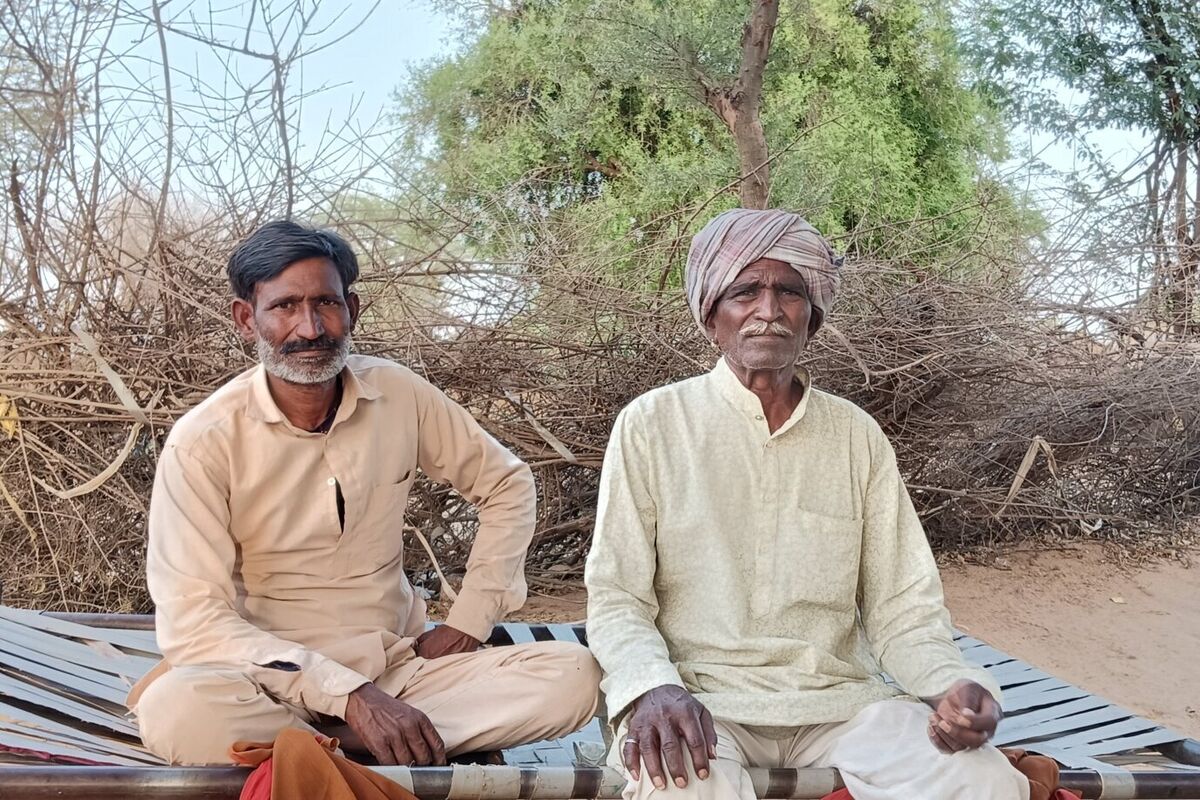

Bhopas in Churu: Putting Down Roots
The nomadic life of this community of musicians is slowly changing as they settle in one place. Access to state benefits is yet to reach them, writes Pramod Indaliya in People’s Archive of Rural India (PARI).
-
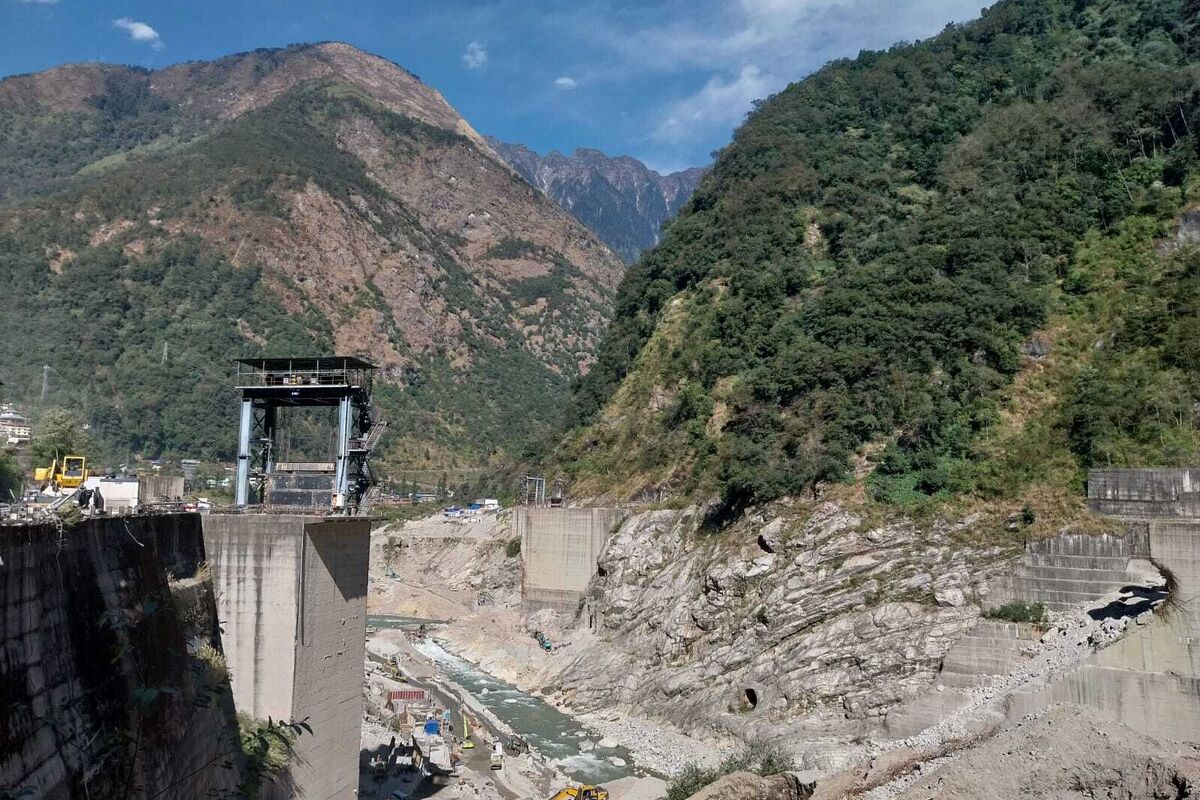
One River, Two Perspectives: Hydropower Projects in North Sikkim
Shakshi Rai explores how internal differences, especially across two generations, shape the way hydropower is understood, contested, or reluctantly accepted, in Sikkim Project.
-

How migrants power the jaggery mills of Maharashtra
Shivaji Thorat visited three jaggery processing units and met workers in Marathwada to understand the process, as highlighted in The Migration Story.
-
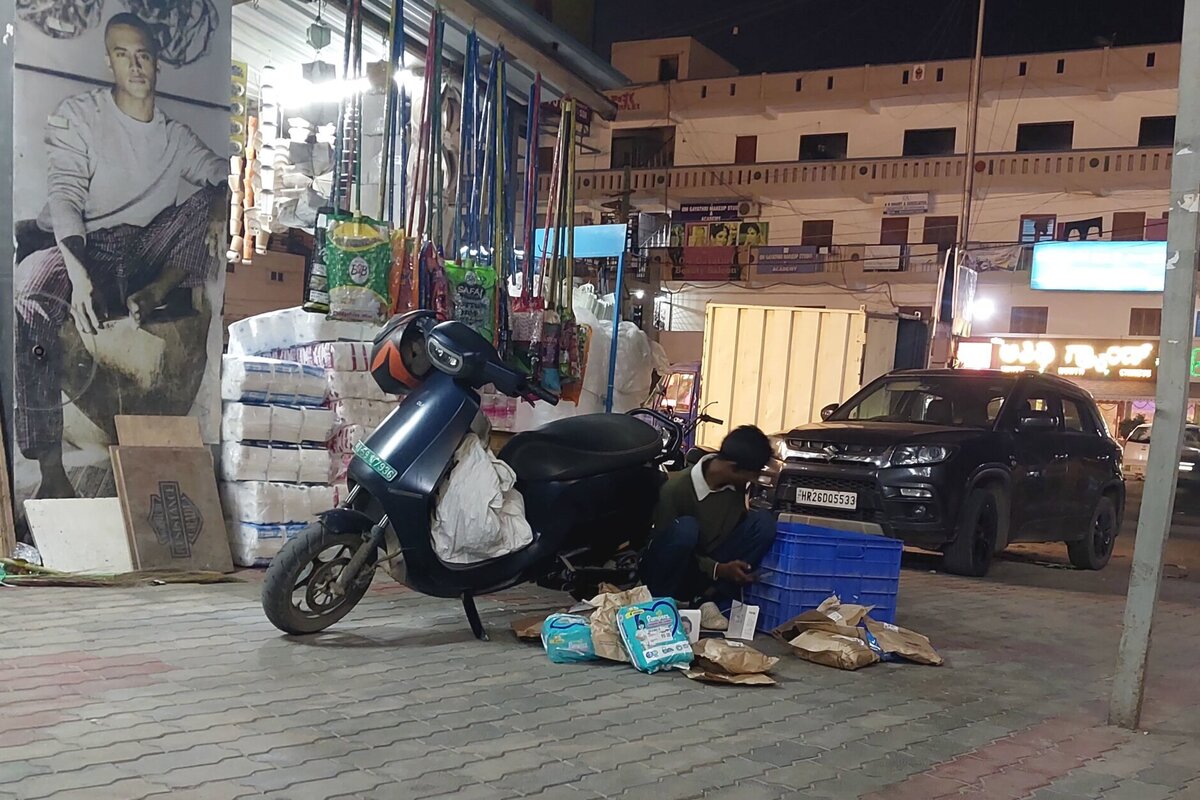
Working through the heat: How Bengaluru’s gig workers are bearing the cost of rising temperatures
Unless policy frameworks evolve to address climate risks, the burden of urban heat will continue to fall on those least equipped to bear it, writes Chaluvadi Sai Dinesh in DownToEarth.
-

The depot keeps winning in Chhattisgarh. Can the forest fight back?
M Sai Kiran, in Frontline, highlights how economically driven models impact forest-based livelihoods, nutrition systems, and cultural practices of Adivasi communities in Mohla-Manpur- Ambagarh Chowki district (Bastar region) in Chhattisgarh.
-


Unions navigate a changing plantation workforce in Kerala
Sai Veena S Kuttoth, in The Migration Story, explores how trade unions act as bridgemakers through mediation, negotiation and conciliation as Idukki’s tea plantations witness a demographic shift.
-


Sahariya Adivasis face the risk of double displacement
India’s conservation and development apparatuses continue to produce precarity for some of the most vulnerable social groups in the country, as highlighted by Stuti Singh and Shaurabh Anand in Mongabay.
-

Diving into the lives of visually impaired vendors
Suman Gayen, in the Radio Udaan podcast, highlights the lives and lived experiences of visually impaired vendors in Kolkata.
-


In New Delhi, surviving home
Nandini Das, in People’s Archive of Rural India (PARI), highlights the story of resilience of two migrant women in New Delhi who are survivors of domestic abuse.
-

Dating Under Watch: How Family Support Shapes Queer Women’s Intimate Lives
To most of the queer women in India, it is not about whether they desire to love, but rather it is about whether they are permitted to love, writes Somnath Das in Feminism in India (FII).
-

Anxiety in a warming world: We live in a hyper-consumerist society that makes ethical living exhausting
Self-control alone can’t help this anxiety. Environmental sustainability must go hand in hand with emotional sustainability, writes Bhuvneshwari Dugat, in Down To Earth.
More stories here:
-
News
In Uplagarh: Butter that will melt in your mouth
November 07, 2025
-
Story
Why is the participation rate of young Muslim women low in the formal workforce?
A research study conducted by Durrain Desnavi in Bhopal, Madhya Pradesh
-
News
From water scarcity to water tourism
October 13, 2025
-
News
A pot of muskeni dal
June 06, 2025
-
Story
Women’s postpartum challenges and their coping strategies in rural India
Kanchan Patole shares insights from 15 in-depth interviews conducted as part of field practice in Dhuma block, Seoni district, Madhya Pradesh.
-
News
बिहार में शराबबंदी के बाद महिलाओं के अनुभव और चुनौतियां
April 21, 2025
-
News
Breaking Free from the Shackles of Tradition: The Struggle of Karnataka’s Manjhi Devadasis
December 26, 2024
-
News
देवदासी प्रथा : धर्म का नशा और दासी स्त्रियों का जीवन
October 14, 2024
-
News
Bengaluru’s Street Vendors Struggle With Extreme Heat, Heavy Rain, and Limited Options
June 27, 2024
-
News
Push government to implement all welfare measures in Street Vendors Act: Lekha Adavi
May 28, 2024
-
News
From the Fields to Kitchen: Journey of Red Chillies
March 26, 2024
-
News
Lack of support holds back Civil Service aspirants from Tribal Maharashtra
December 01, 2023
-
News
‘Bikes do not Discriminate, Society does’: The Journeys of Women Bikers in India
November 22, 2023
-
News
Dancing to Abusive Tunes in Bihar
October 29, 2023
-
News
Story of The Vishwamitri and C&D
October 25, 2023
-
News
Red Hot! Thursday at the Kanubari Market
October 15, 2023
-
News
The Dulduli and Dalkhai Artists of Sambalpur
September 24, 2023
-
News
The Tall Members of Village Republics
September 06, 2023
-
News
Traditional Weavers of Guledgudda
August 31, 2023
-
News
Drying out fast: Laundry work in Fort Kochi
July 09, 2023
-
News
Raika women don’t just herd
June 04, 2023
-
News
Sardine loads are falling in Vadakara
May 21, 2023
-
News
Delhi’s Kathputli Artists: Puppeteers in Limbo
April 27, 2023
-
News
Silent Mountains of Uttarakhand
March 23, 2023
-
News
The challenges before Delhi’s ‘Happiness’ teachers, during COVID and otherwise
October 15, 2020
-
News
Jaunsari Journeys: Sense of an Ending
August 19, 2020
-
News
Strict regulation, active citizens can rein in Pune’s infamous water tankers
August 09, 2020
-
News
Delivery Apps, Social Media and Innovation: Three Mantras for Revival of Kochi’s Restaurant Industry
August 04, 2020
-
News
Ward committees: The missing link that could have made Chennai’s COVID fight stronger
July 27, 2020
-
News
Ashy hands: Inside Ganjam’s cashew factories
June 22, 2020
-
News
Why COVID-19 presents the perfect opportunity to make the lives of our household helpers better
June 18, 2020
Journal Article
Rhea Kaikobad, in Women & Therapy, discusses an intervention for rehabilitation of female survivors of violence that reconceptualises rehabilitation through a feminist lens: the Sampoornata model of Dance Movement Therapy (DMT), created and being practiced by an NGO called Kolkata Sanved in Kolkata, India.