Our work in Development
From creating skilled experts in civil society organisations to rural livelihood interventions, explore our collaborative work
Details
The SCE-URC – Development at Azim Premji University works to strengthen the capabilities of institutions and practitioners engaged in India’s development processes. As an outward-facing arm of the University, it brings together academic knowledge, field experience and practitioner perspectives to create learning and knowledge resources that are relevant to the realities of development practice.
The unit primarily engages with Civil Society Organisations (CSOs), Community-Based Organisations (CBOs), Panchayats and elected representatives, government functionaries and other development actors. Its aim is not merely to impart knowledge or skills, but to enable practitioners and institutions to critically reflect on their practice, deepen their understanding of development issues, and strengthen their ability to respond to complex challenges in their own contexts.
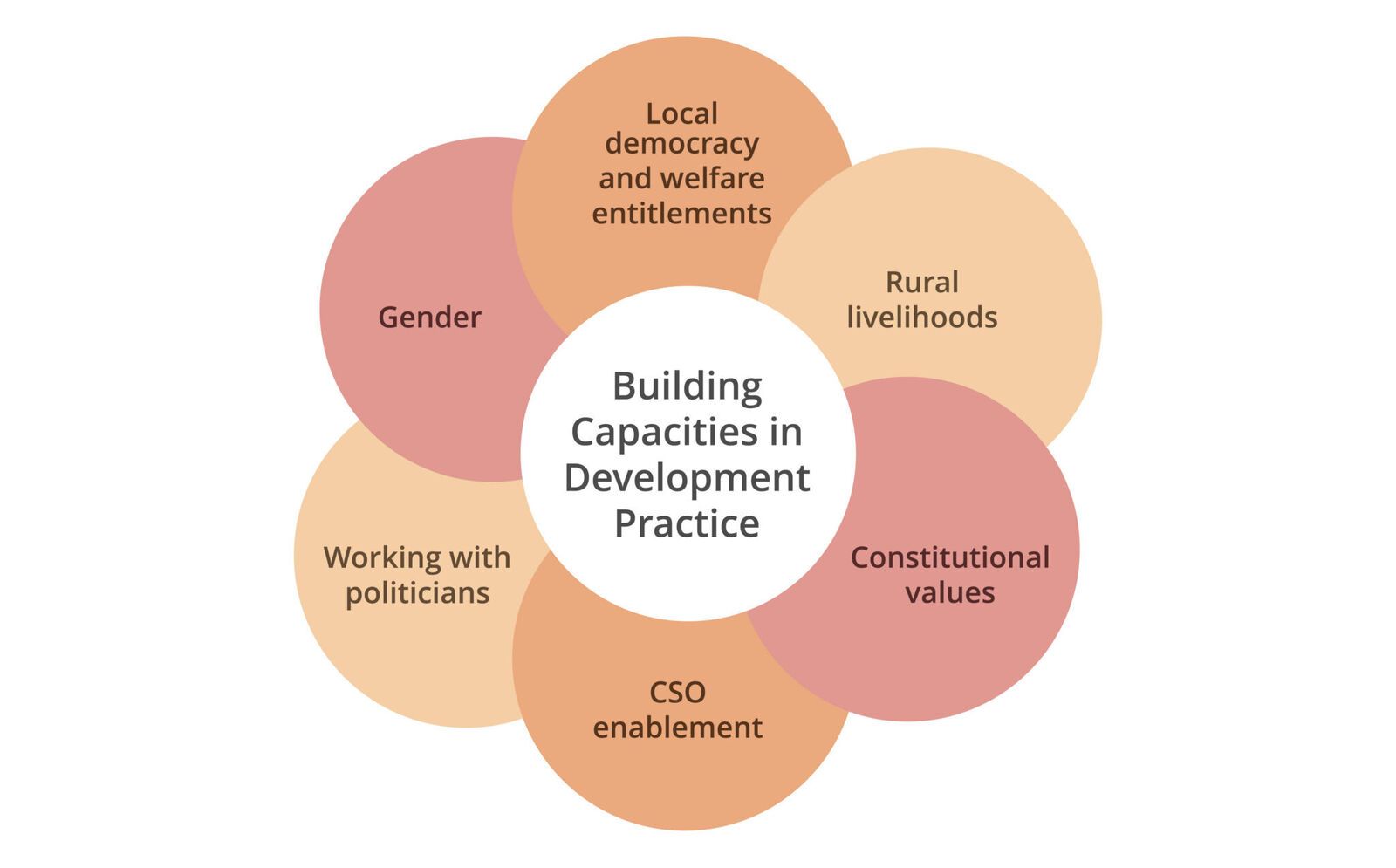
The SCE-URC Development unit is organised around six broad thematic domains: Gender; Constitutional Values; Rural Livelihoods; Local Democracy & Welfare; and CSO Enablement and Working with Politicians. Within these domains, SCE-URC develops and offers practice-oriented learning programmes, short courses, workshops and other forms of engagement, drawing on the University’s academic resources as well as the experience of practitioners working on the ground. The portfolio is shaped in response to emerging needs of practitioners in development. The following section talks about the courses offered under the thematic domains.
Our goal:
- Build the perspectives and practices of CSOs working with adolescent girls (AGs), survivors of Gender-Based Violence (GBV), and gender and sexual minorities (GSM)
- Design courses specifically for key government institutions that are responsible for responding to GBV
- Respond to capacity building needs identified by other units of the Foundation (specially Philanthropy)
Short non-credited course offered: Perspectives and practices for building resilient collectives of adolescent girls, in regional languages, with our partner Civil Society Organisations (CSOs). To know more, click here.
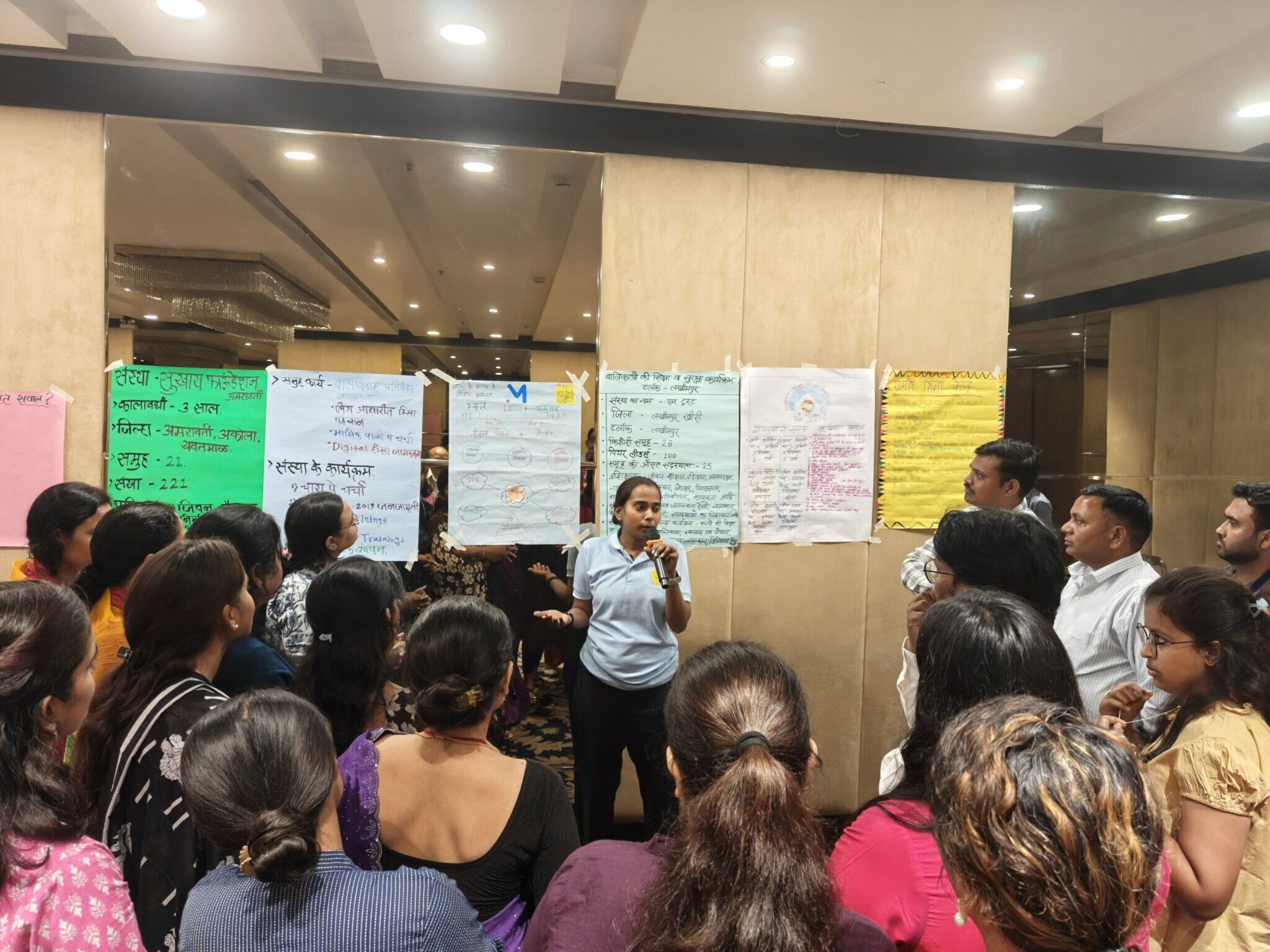
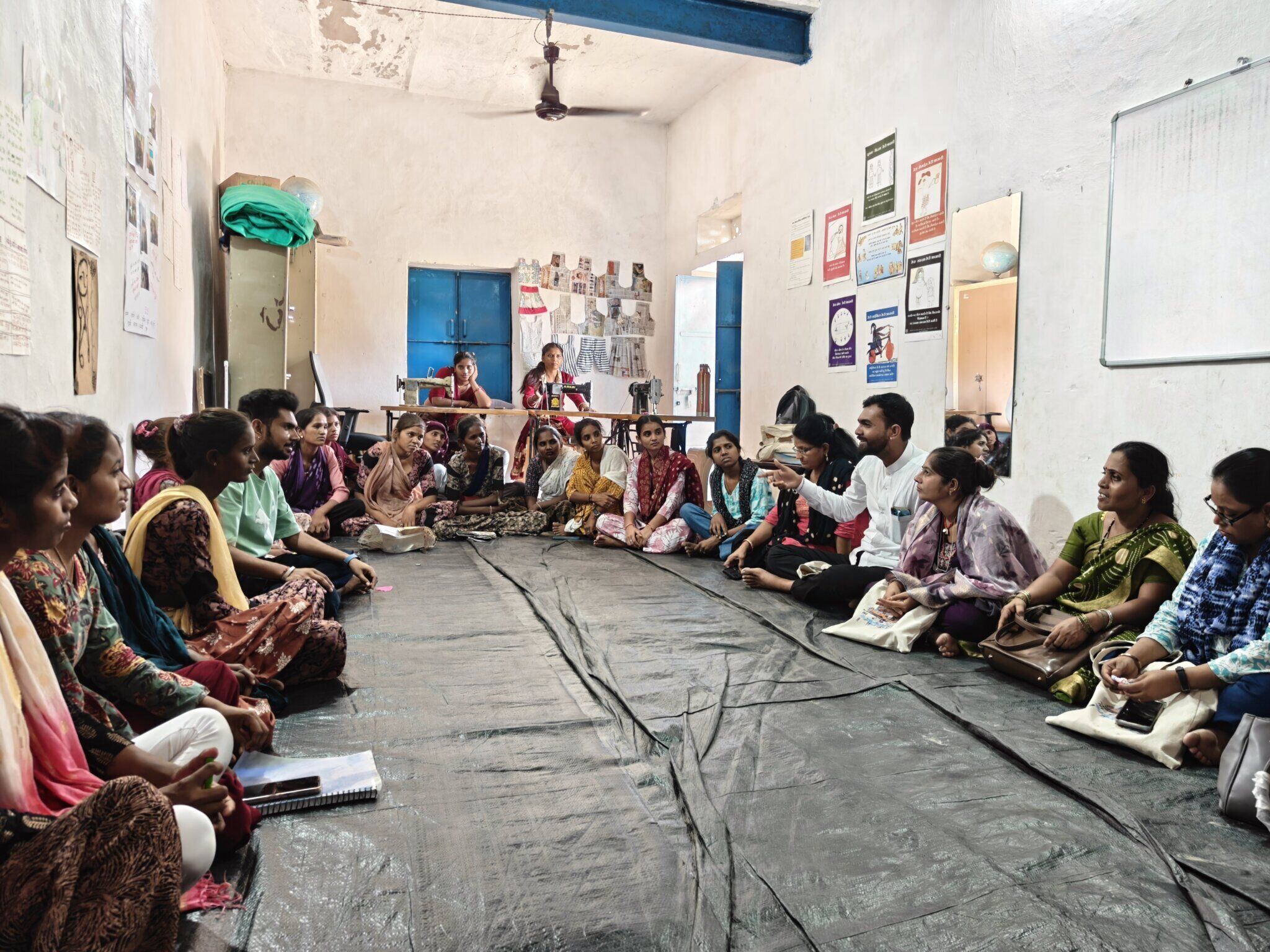
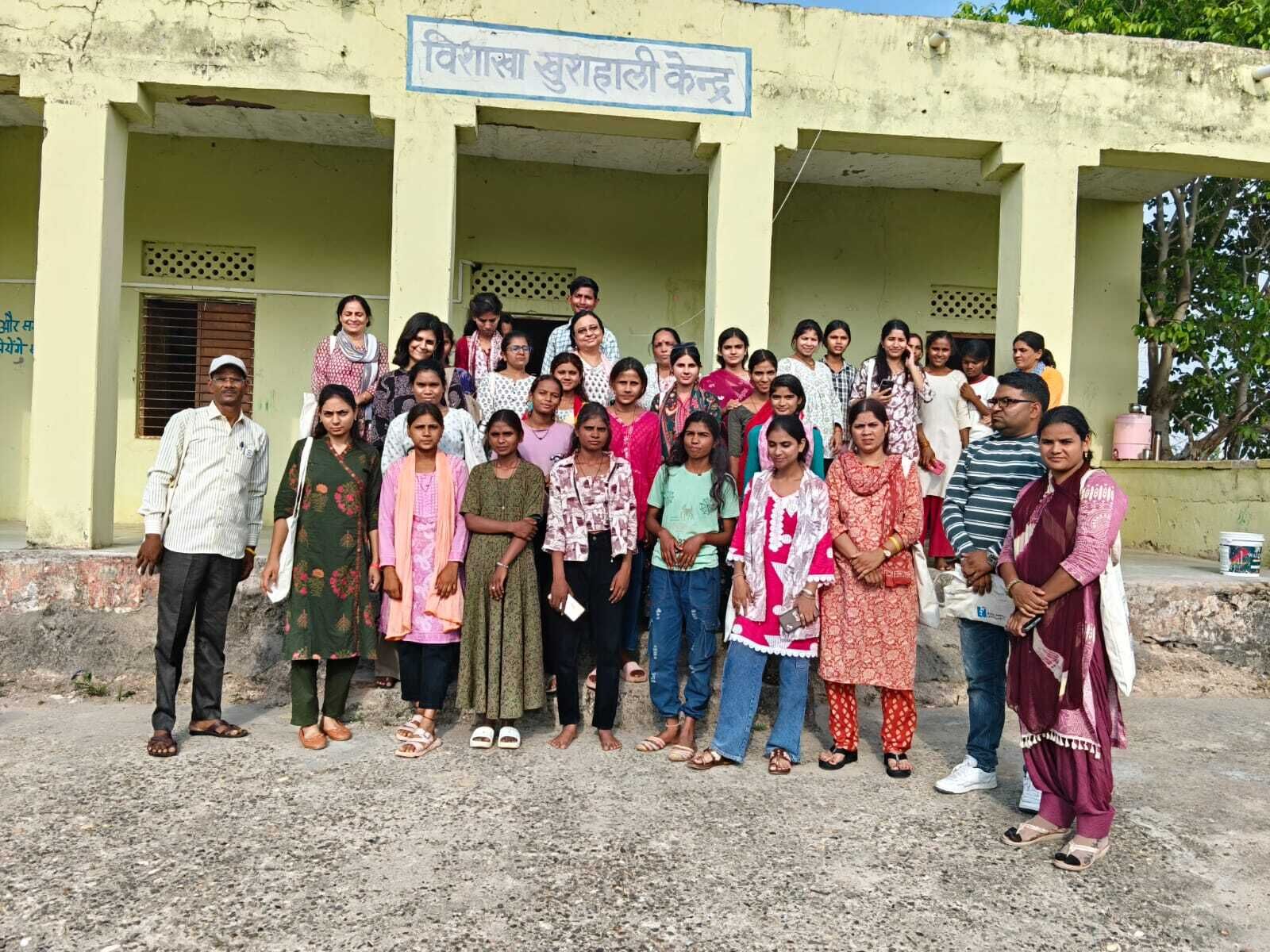
Our Goal: To create more skilled experts in CSOs and document best practices around local democracy and welfare entitlements.
Short non-credited courses offered:
- A nine-day short course, Local Democracy and Welfare Entitlements-Theory, Policy and Practice, for individuals (senior and mid-level functionaries) working on the issues of local democracy and welfare entitlements
- Facilitating Forest Rights Act (FRA): A multi-unit comprehensive short course for the staff of our partner CSOs who work on FRA. To know more, click here
- A five-day short course on Rural Employment Guarantee for mid-level functionaries and field level coordinators working on rural livelihoods and employment.
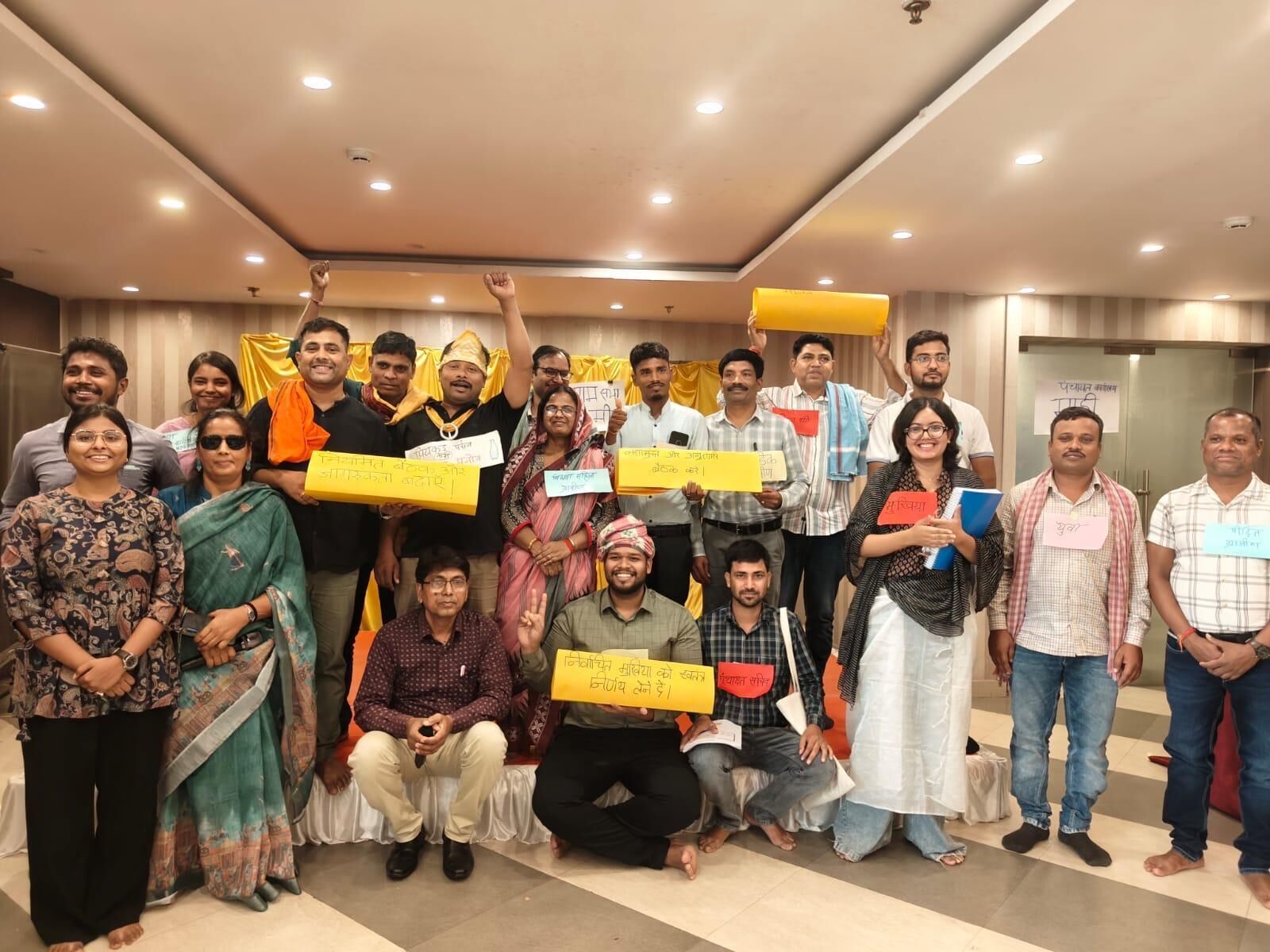
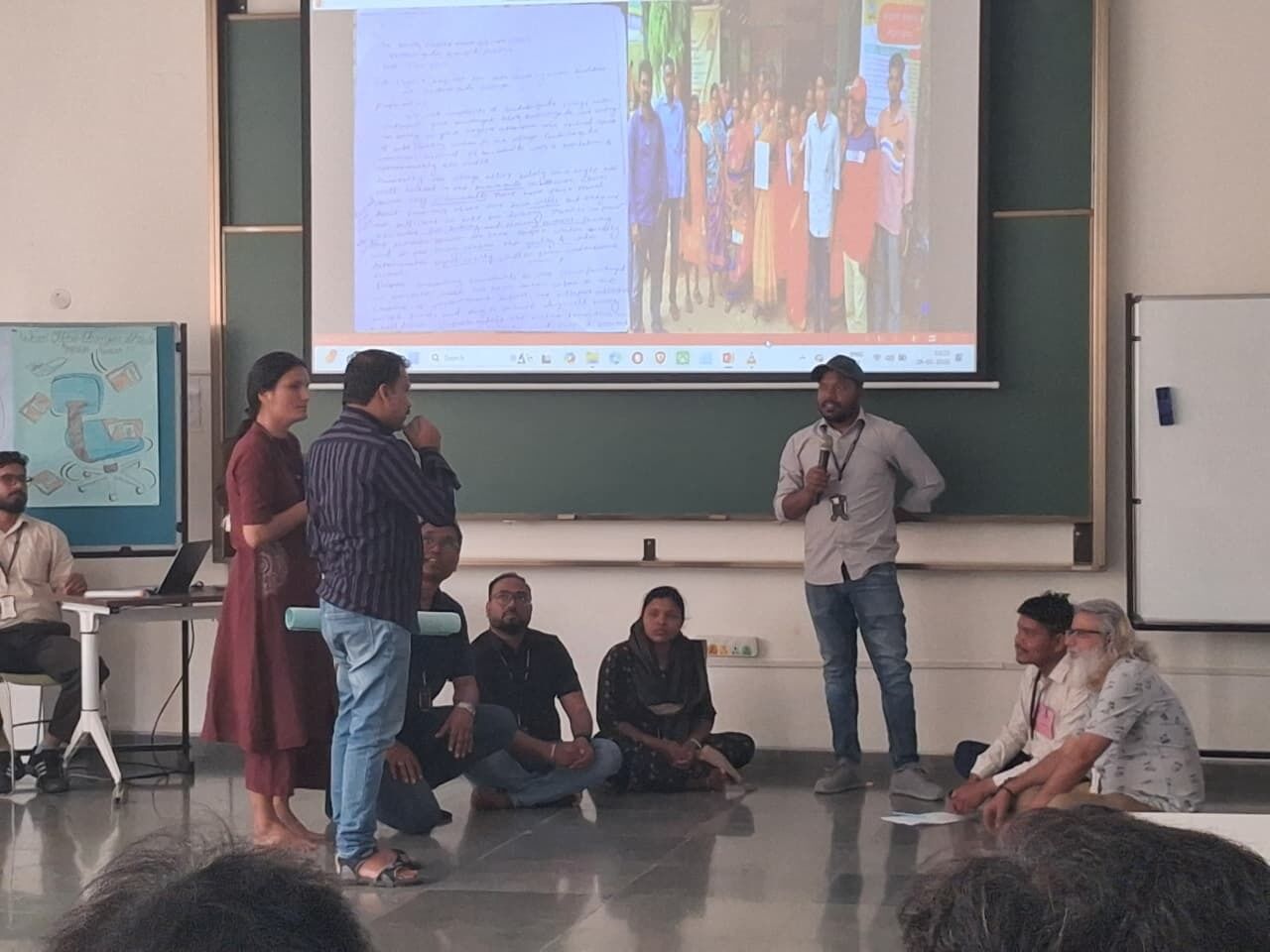
Our goal: To create civil society perspective and skill expertise on various agriculture and non-agriculture based rural livelihoods interventions.
Short non-credited course offered: Sustainable Agriculture: Perspectives and principles, designed for senior functionaries of CSOs and related public institutions who work on agriculture and allied activities.
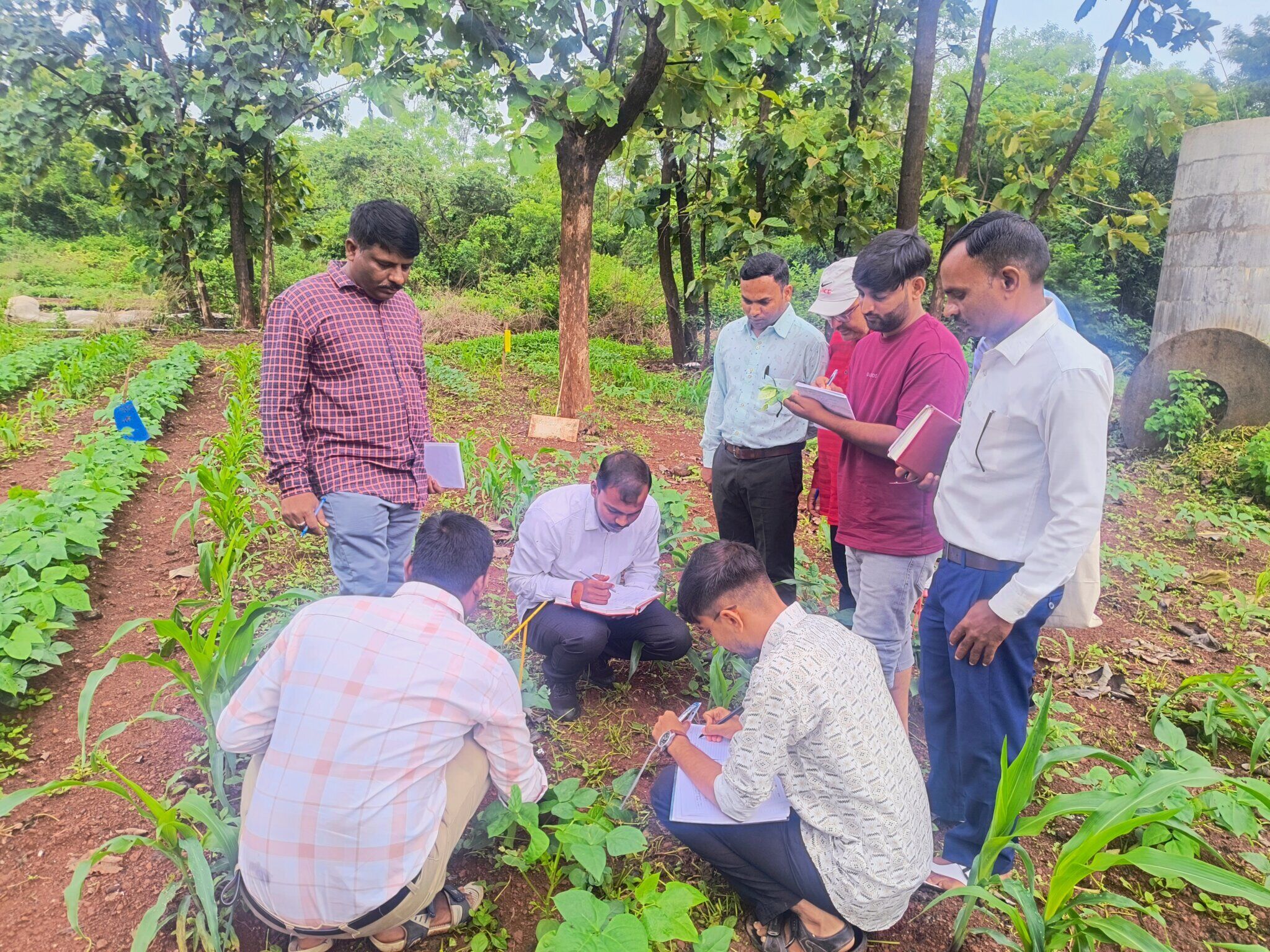
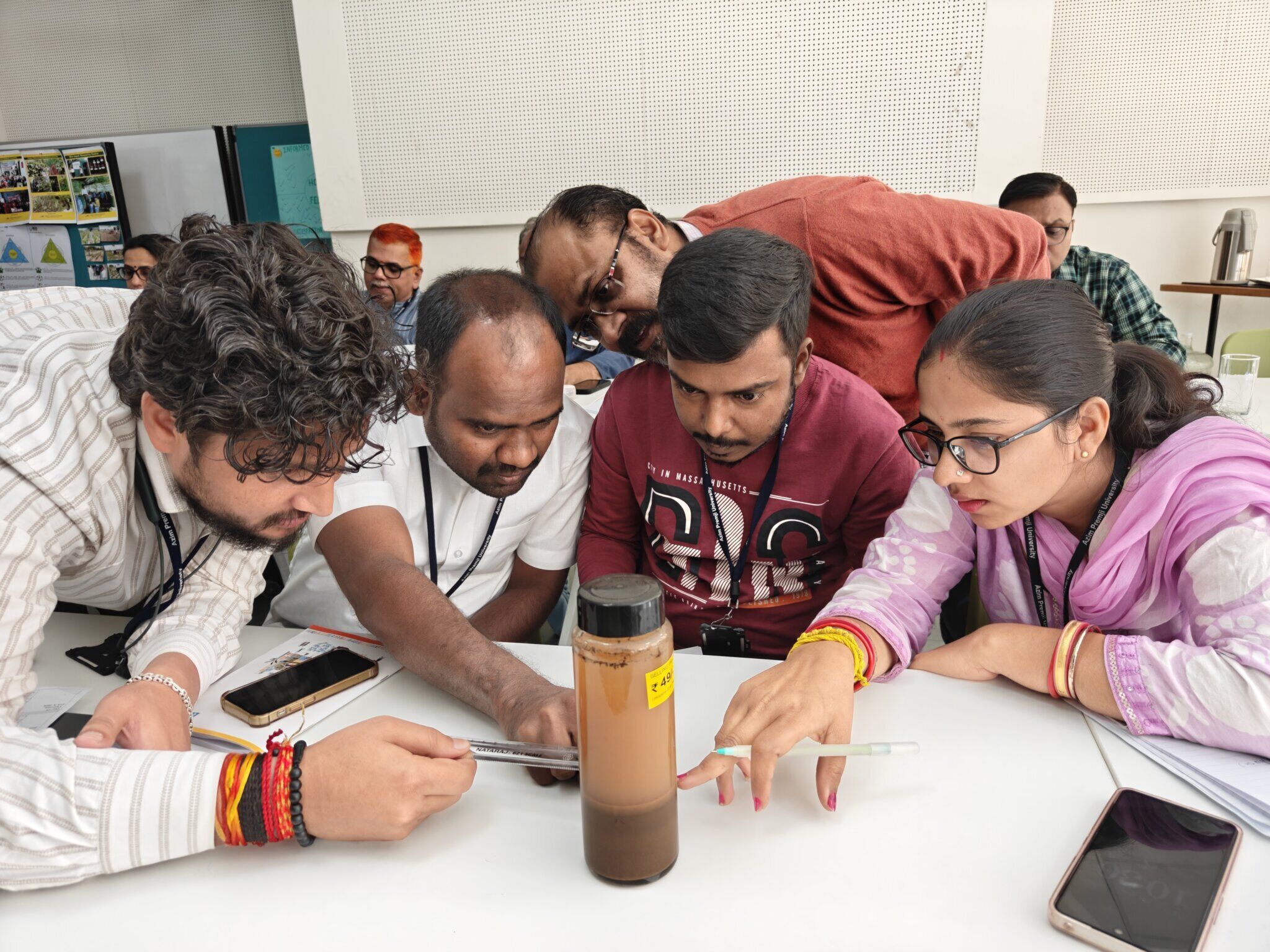
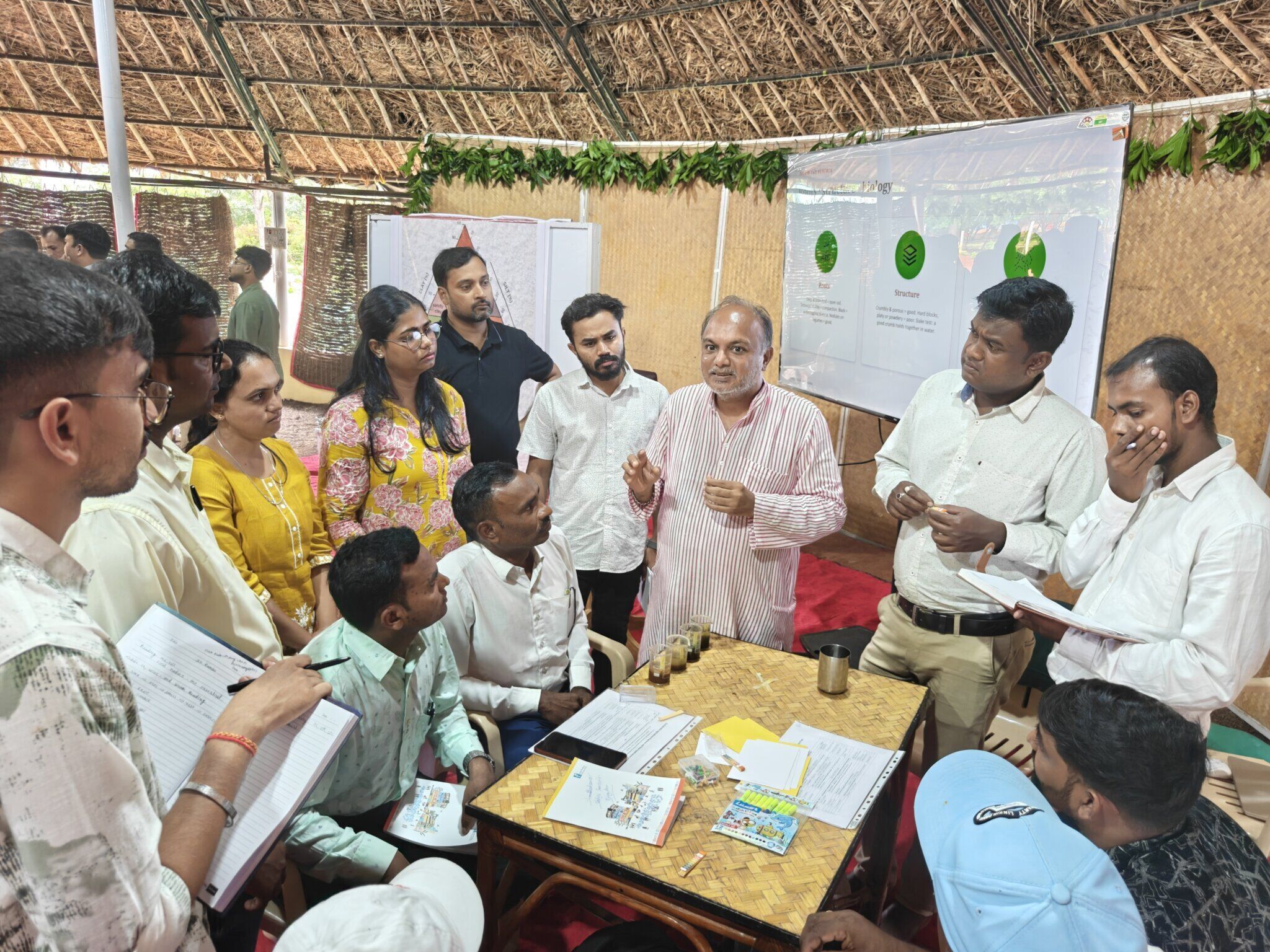
Our goals:
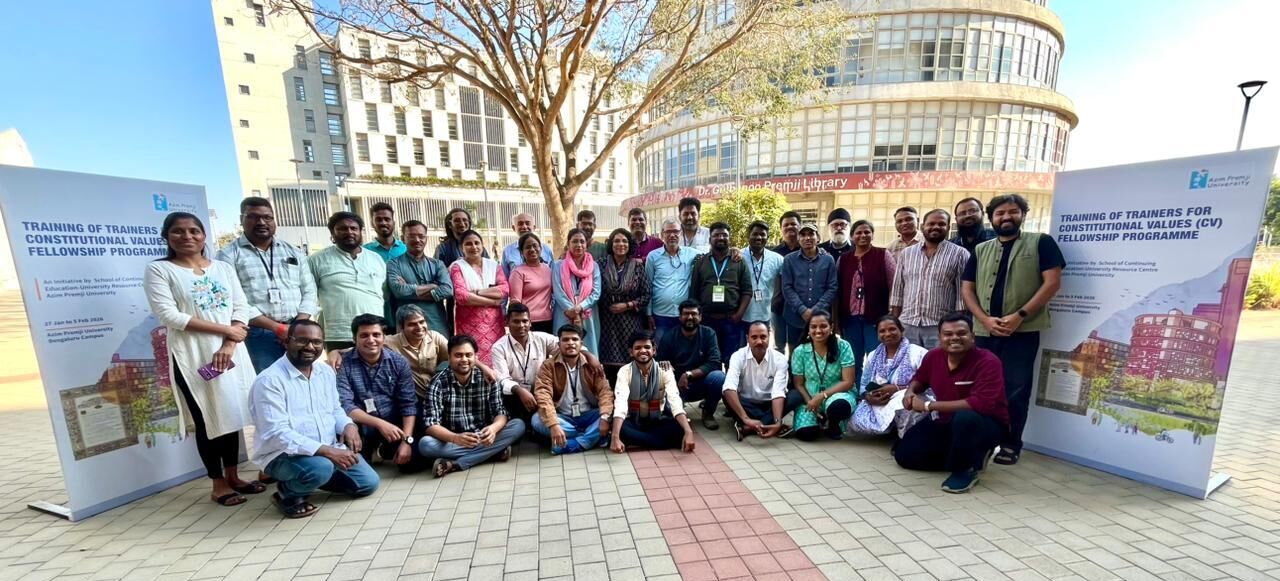
- Conduct training for professionals engaged in training and handholding of constitutional values fellows hosted by our grant partners.
- Conduct training for potential civil society actors and community leaders so they are able to apply the constitutional values effectively at the grassroots.
Short non-credited courses offered:
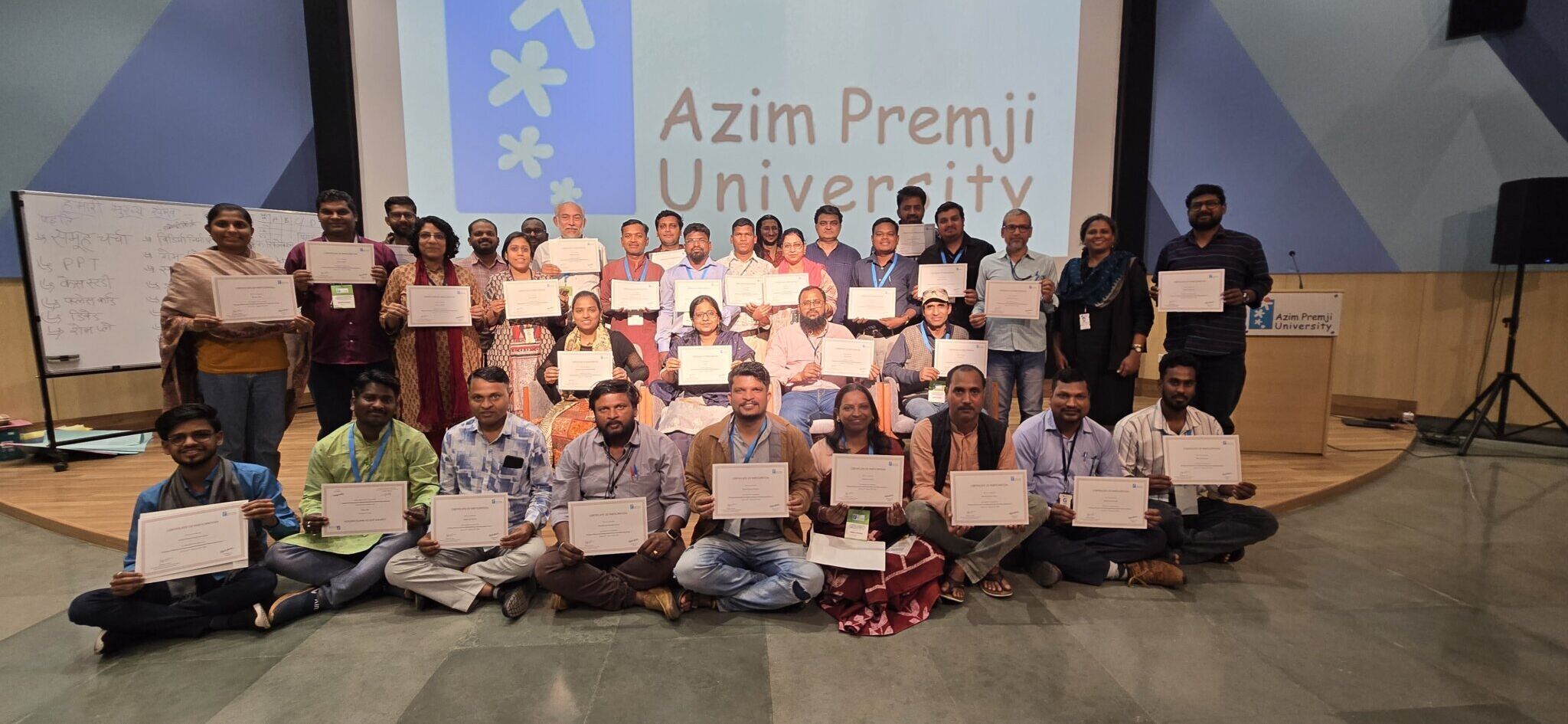
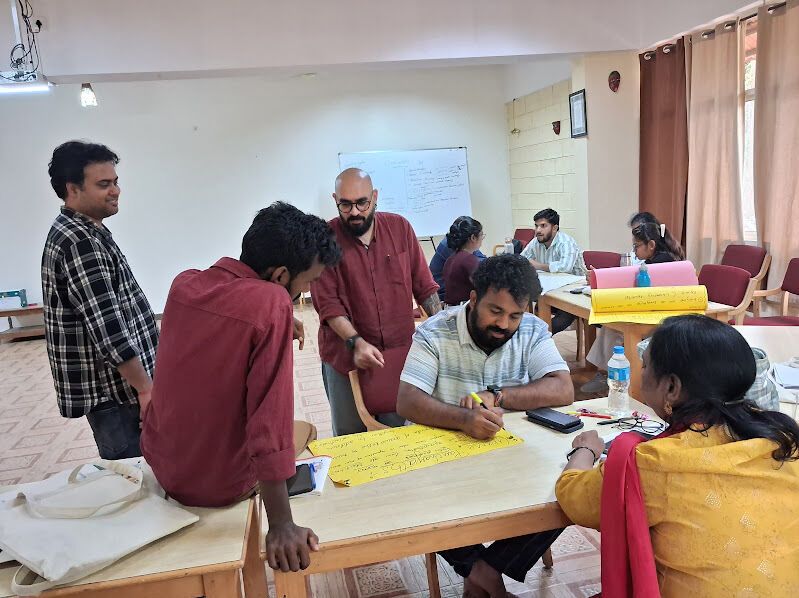
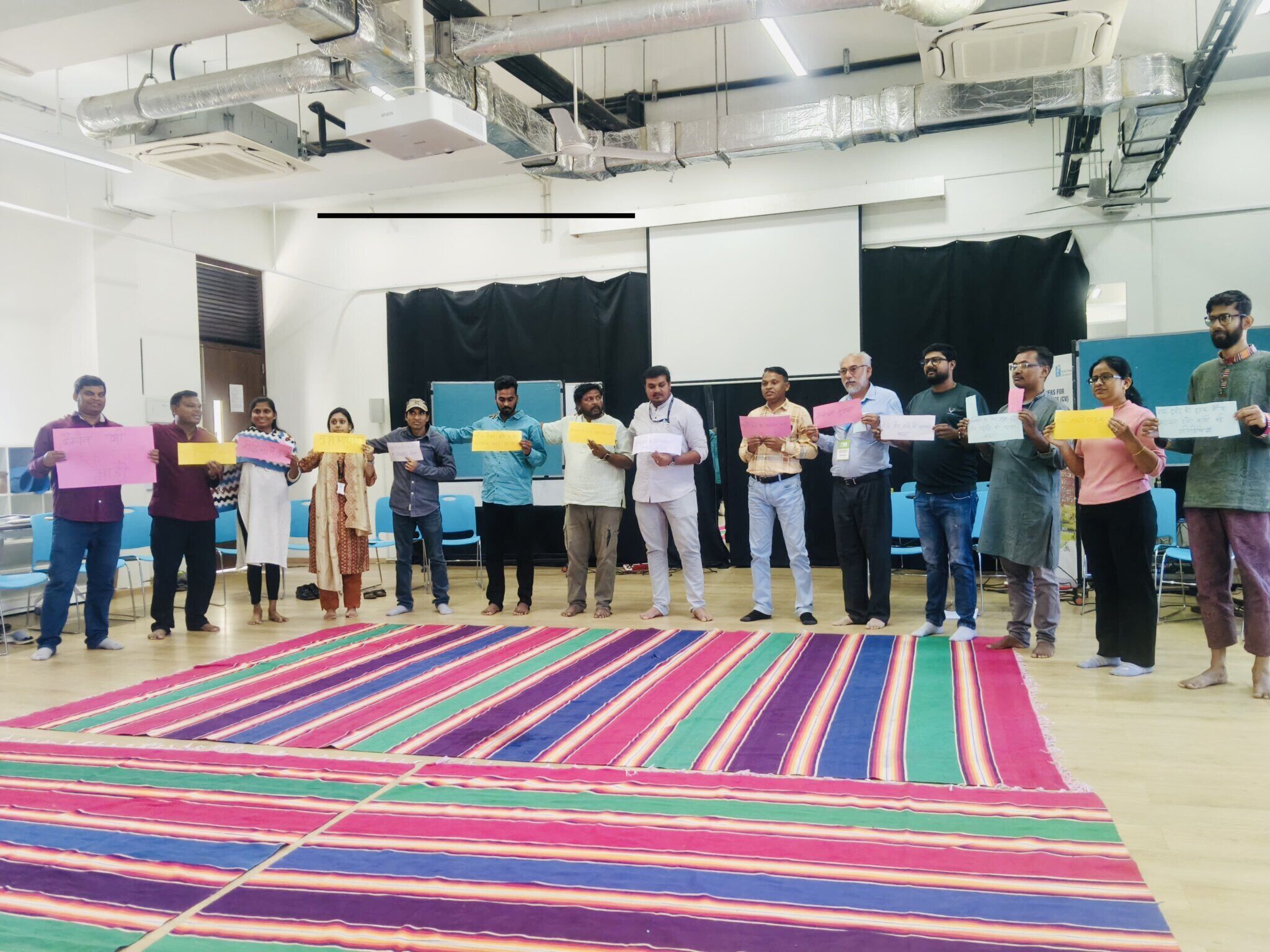
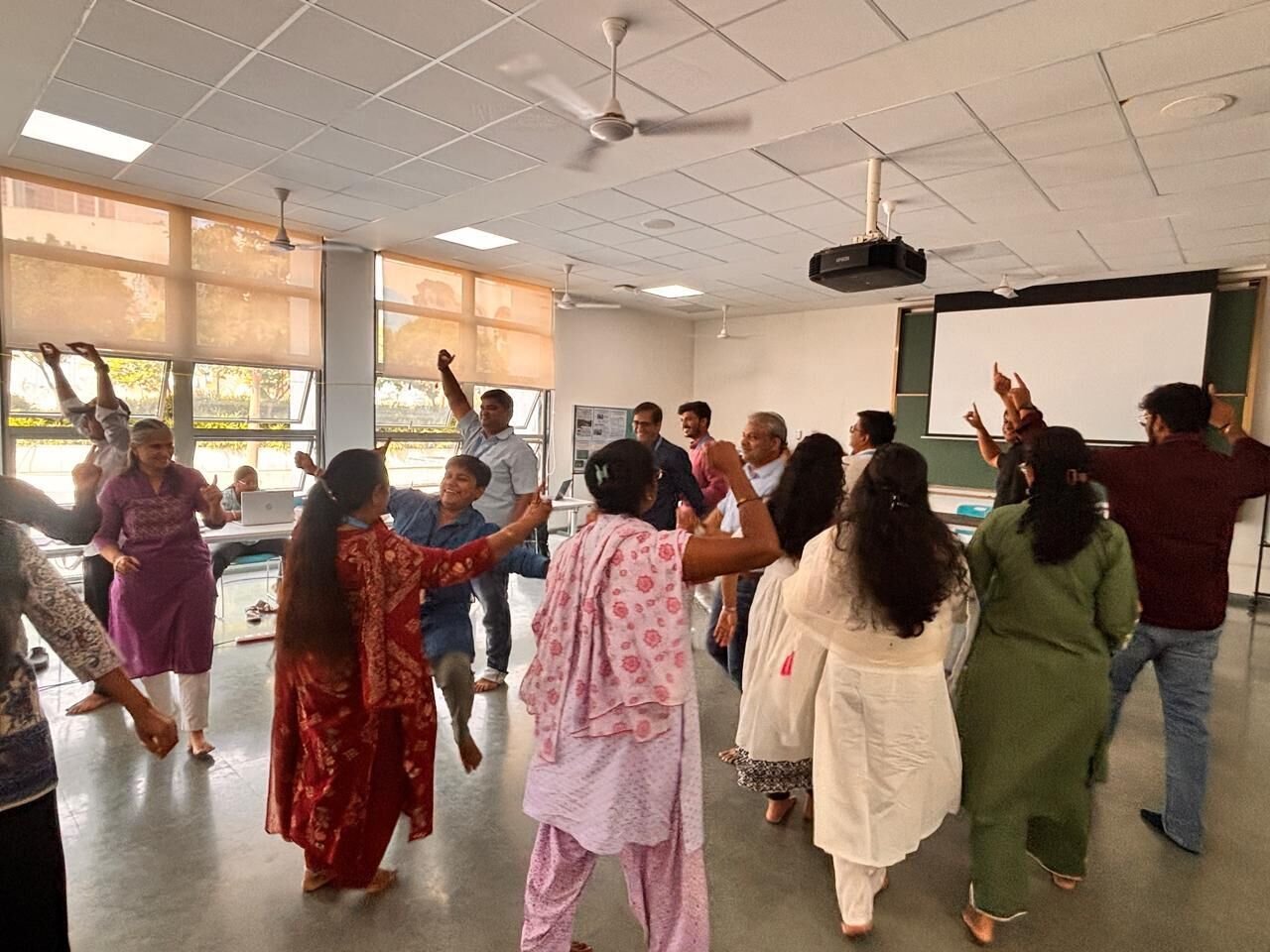
Our goal: Different CSO categories have different capacity gaps. We particularly focus on early-stage and small CSOs, who face complex compliance issues and are new in terms of locating their purpose, identity, strategies, systems and processes of project management.
A dedicated capacity building programme can help them strengthen around three aspects, i.e., finance and compliance matters; project management; and communication, visibility, fundraising, etc.
Short non-credited course offered:
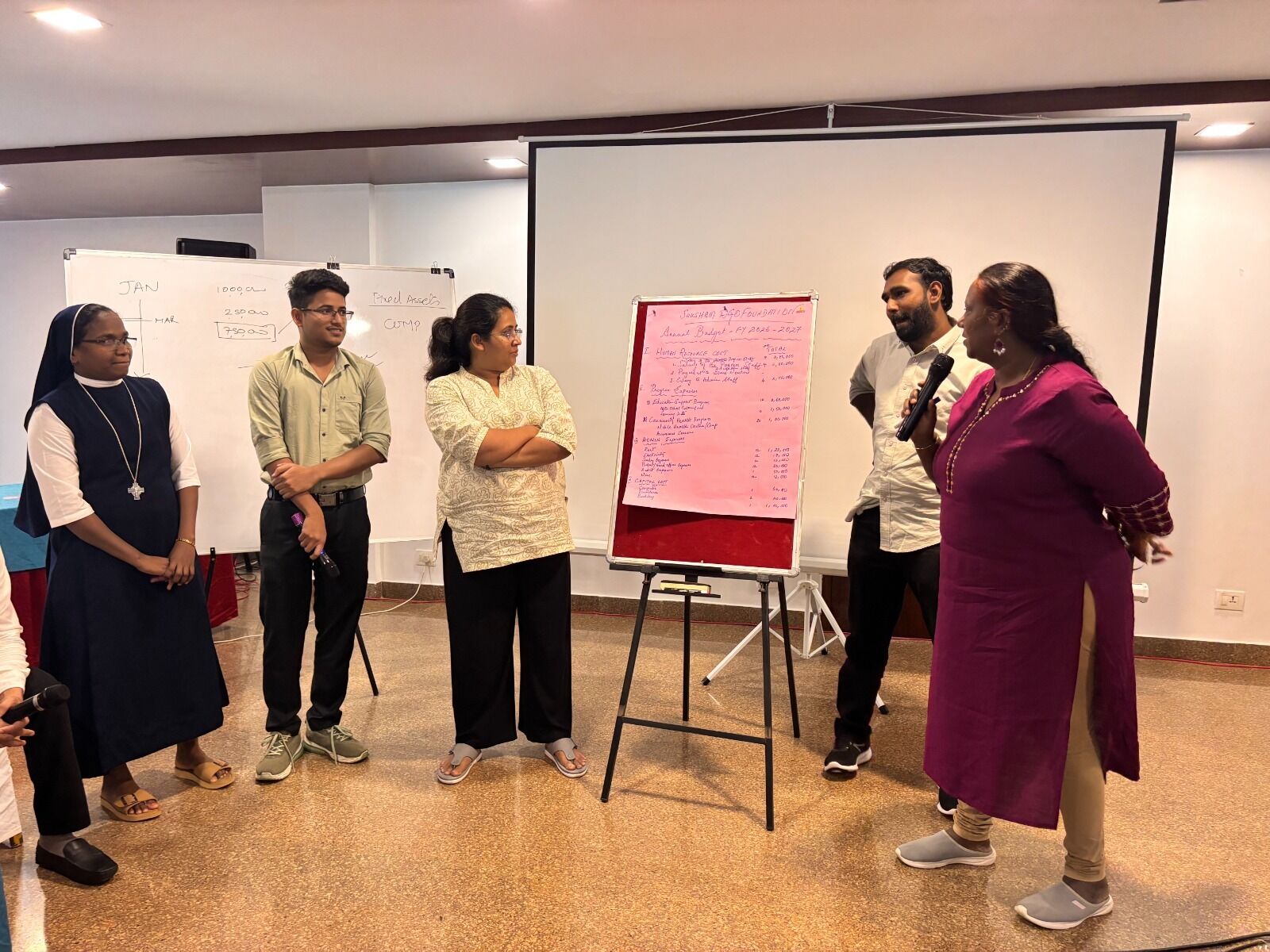
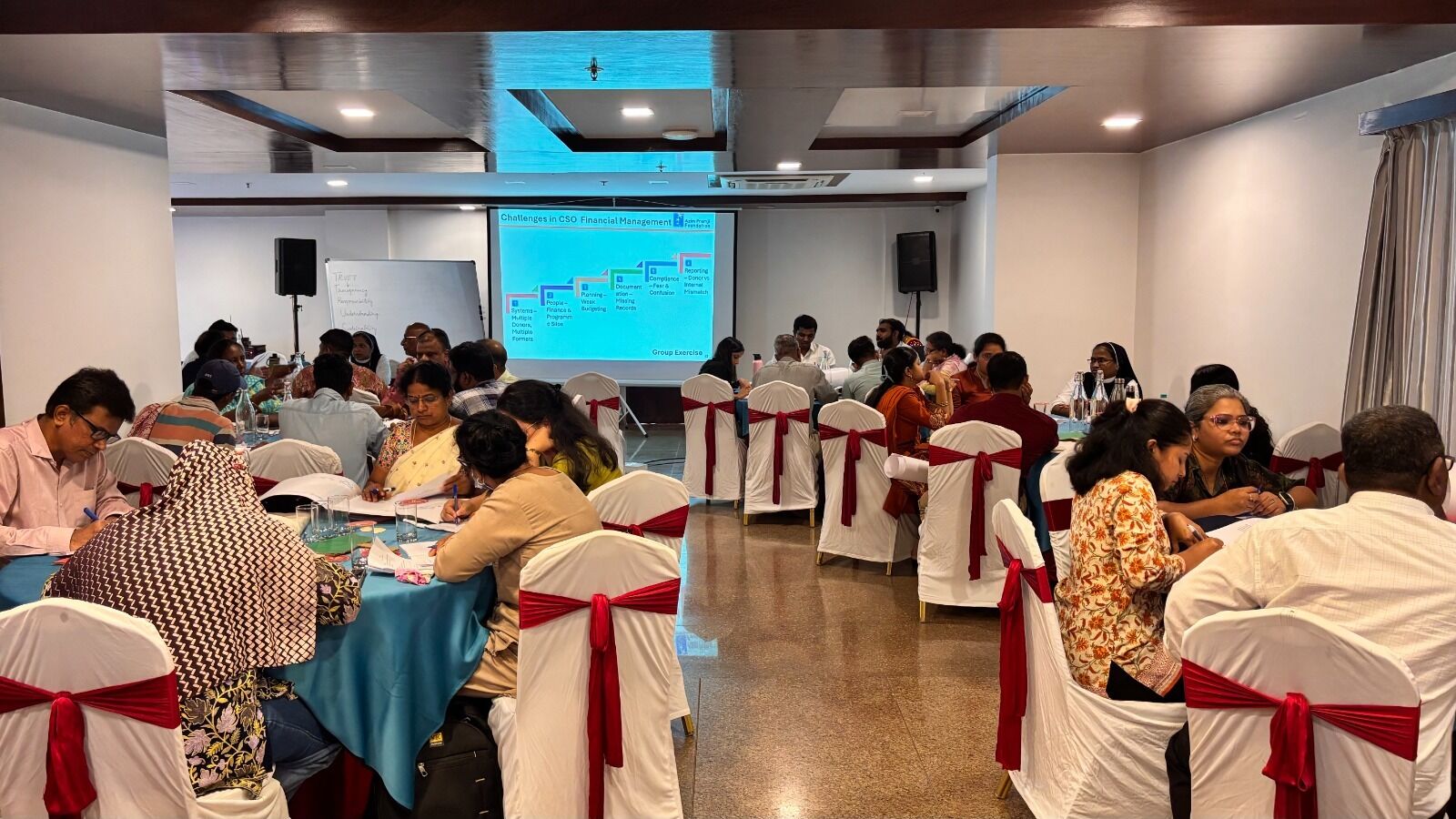
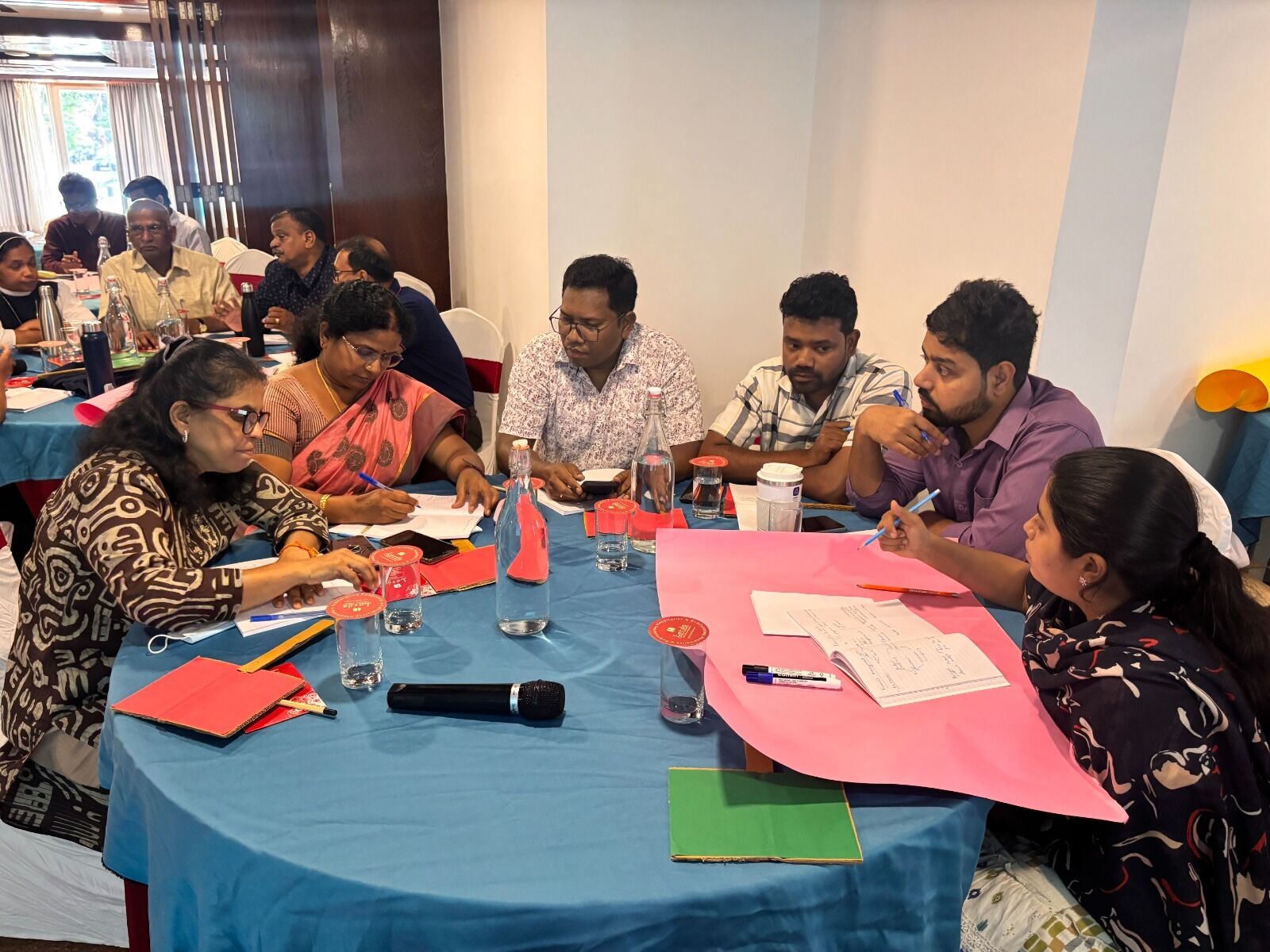
Beyond Numbers | Perspectives and Practices of CSO Financial Management: We offer a structured course for functionaries/financial professionals overseeing the financial management of CSOs, focusing on registration, governance and statutory compliances, accounting, internal controls, budgeting, and financial risk management. We also provide dedicated handholding support to our grants partners on financial management.
Our goal: We aspire to effectively engage with interested politicians at all levels to understand their knowledge requirements and design curated programmes to support them.
Workshop with MLAs: We organised a two-day workshop with about 50 MLAs from different states and engaged with them over health, education, and public finances.