
Notes on Strategy
List of Notes on Strategy
-


Education-Development Interlinkages (Part XXI)
Does education contribute to sustainable development?
Q&A with Santhakumar V | 16 Feb 2026
Students who participate in environmental projects develop a better attachment to the community than those who work on civic issues.
-

Education-Development Interlinkages (Part XX)
Does the spread of education help to improve governance?
Q&A with Santhakumar V | 23 Jan 2026
There could be different theoretical reasons for the positive impact of education on governance. One could be the potential role of the middle class in strengthening democracy and governance, and the role that education plays in the creation of such a class.
-
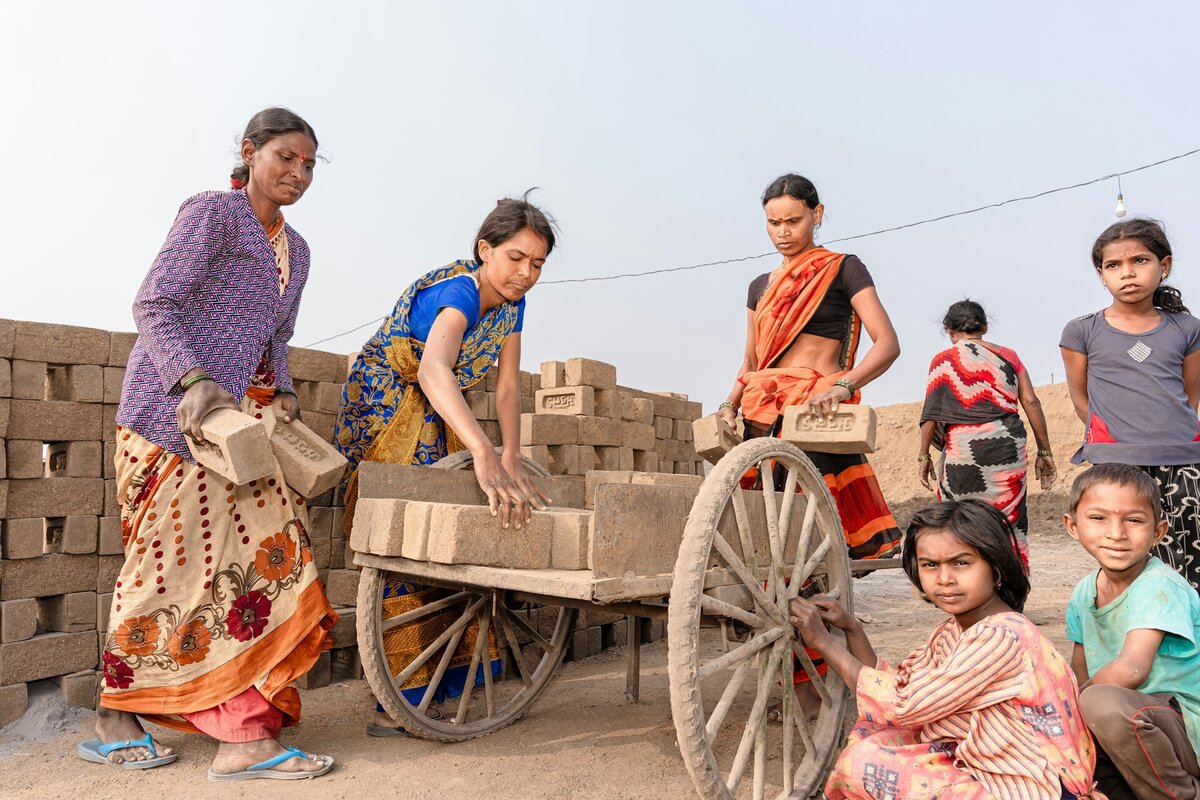
Education-Development Interlinkages (Part XIX)
Does the spread of education among the population help reduce discrimination in society?
Q&A with Santhakumar V | 2 Jan 2026
Providing education per se is not enough to empower women. There should be other socioeconomic policies. They should be supported to take up jobs wherever these are available. This may require interventions in gender norms.
-
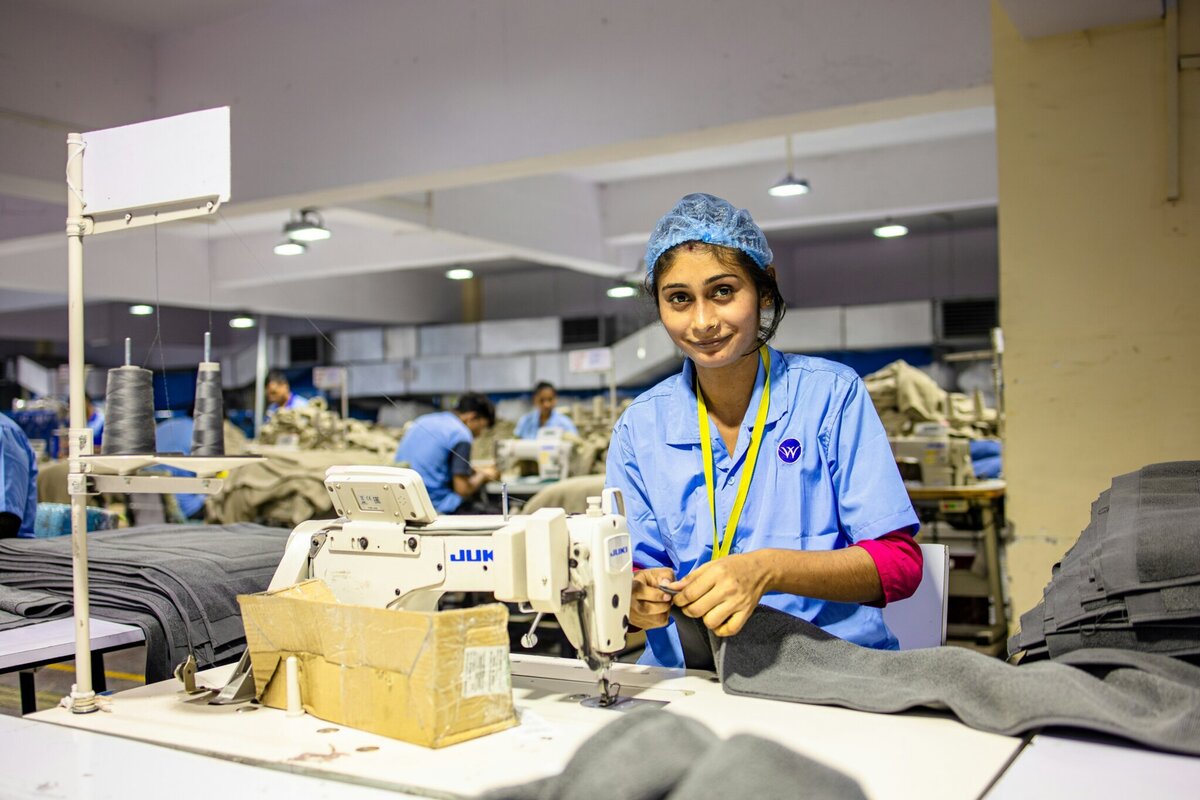
Education-Development Interlinkages (Part XVII)
Vocational training as part of school education: A socioeconomic view
Q&A with Santhakumar V | 17 Oct 2025
There are efforts currently on in India to impart skills to youngsters. This may help a section of them to find jobs.
-
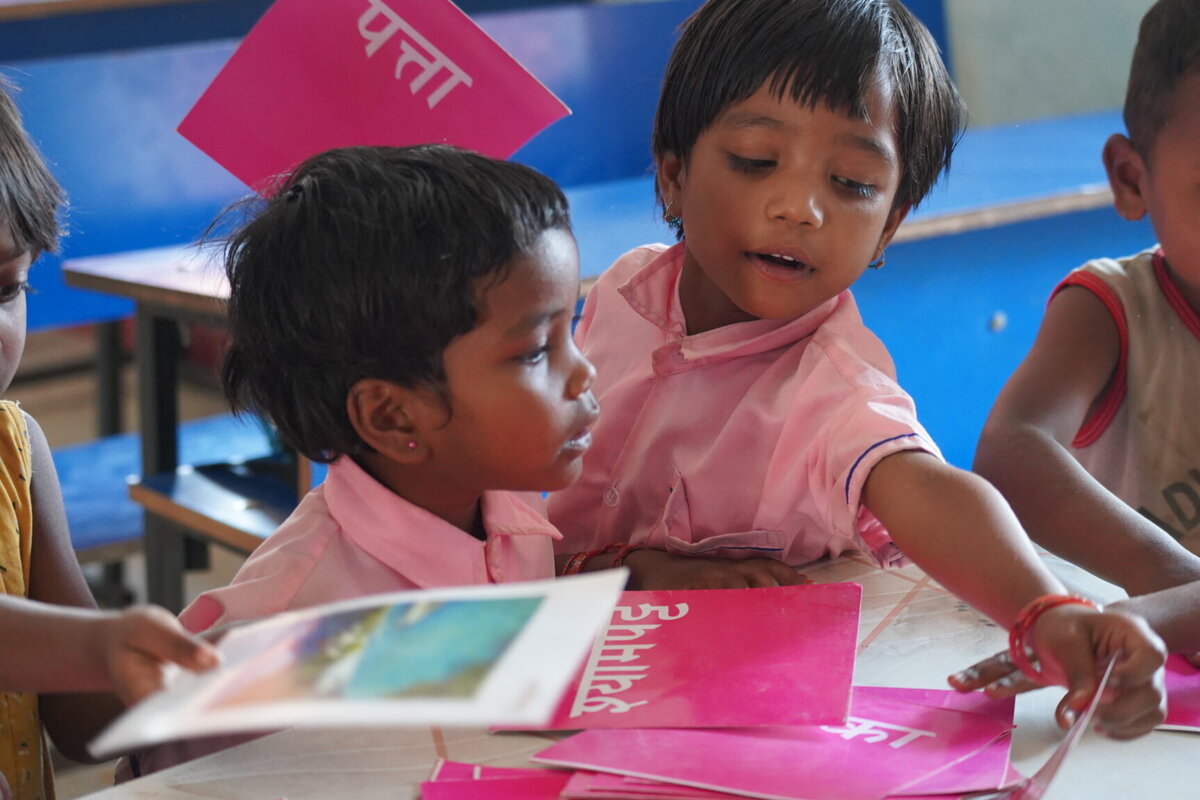
Education-Development Interlinkages (Part XVIII)
Social Benefits of ‘Education for All’
Q&A with Santhakumar V | 19 Dec 2025
Analysis based on cross-sectional datasets confirms that households with a higher level of education are less likely to be poor. Moreover, returns from education rise with the level of education.
-
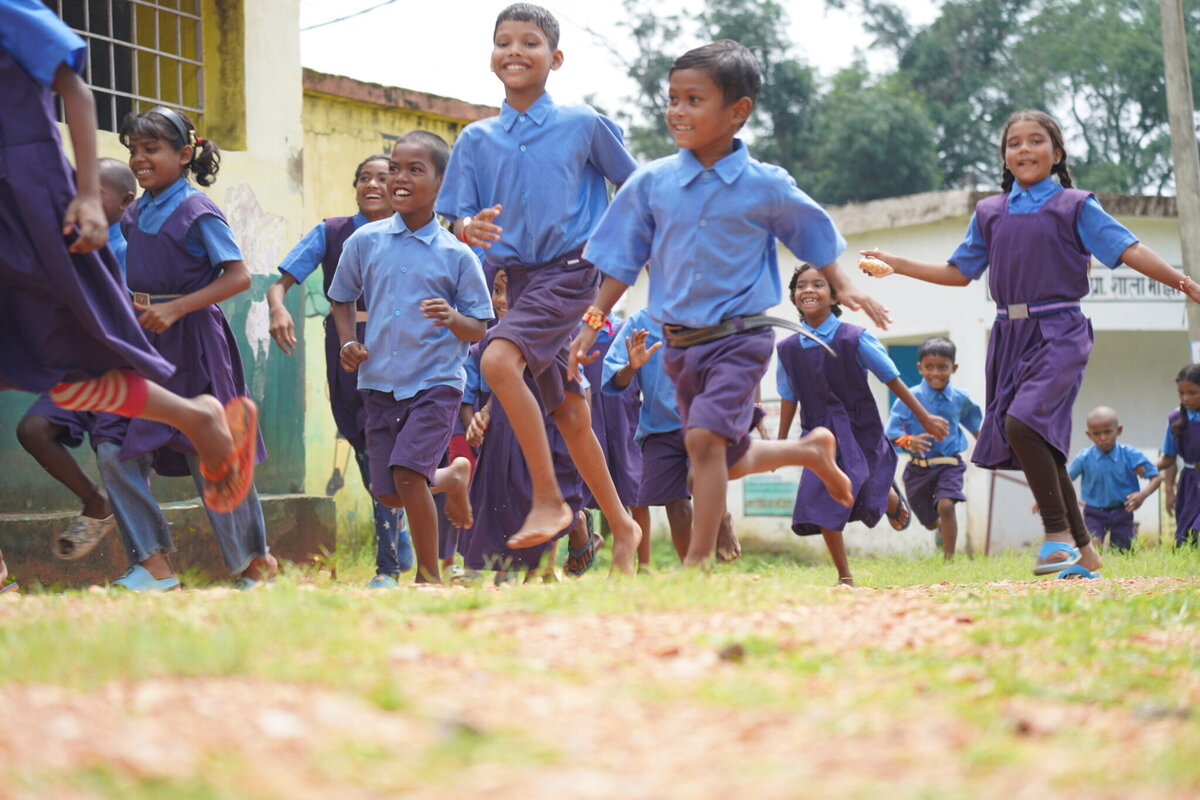
Education-Development Interlinkages (Part XVI)
What happens when all students attend school? Second-generation challenges in school education
Q&A with Santhakumar V | 18 Sept 2025
Improving facilities and making government schools attractive to middle-class parents is a necessary step in addressing the second-generation challenges in school education.
-

Education-Development Interlinkages (Part XV)
India’s Problems in Higher Education and Its Linkages with School Education
Q&A with Santhakumar V | 22 Aug 2025
It is not necessary or even ideal for everybody to go for higher education. They may not have the interest or aptitude for it.
-
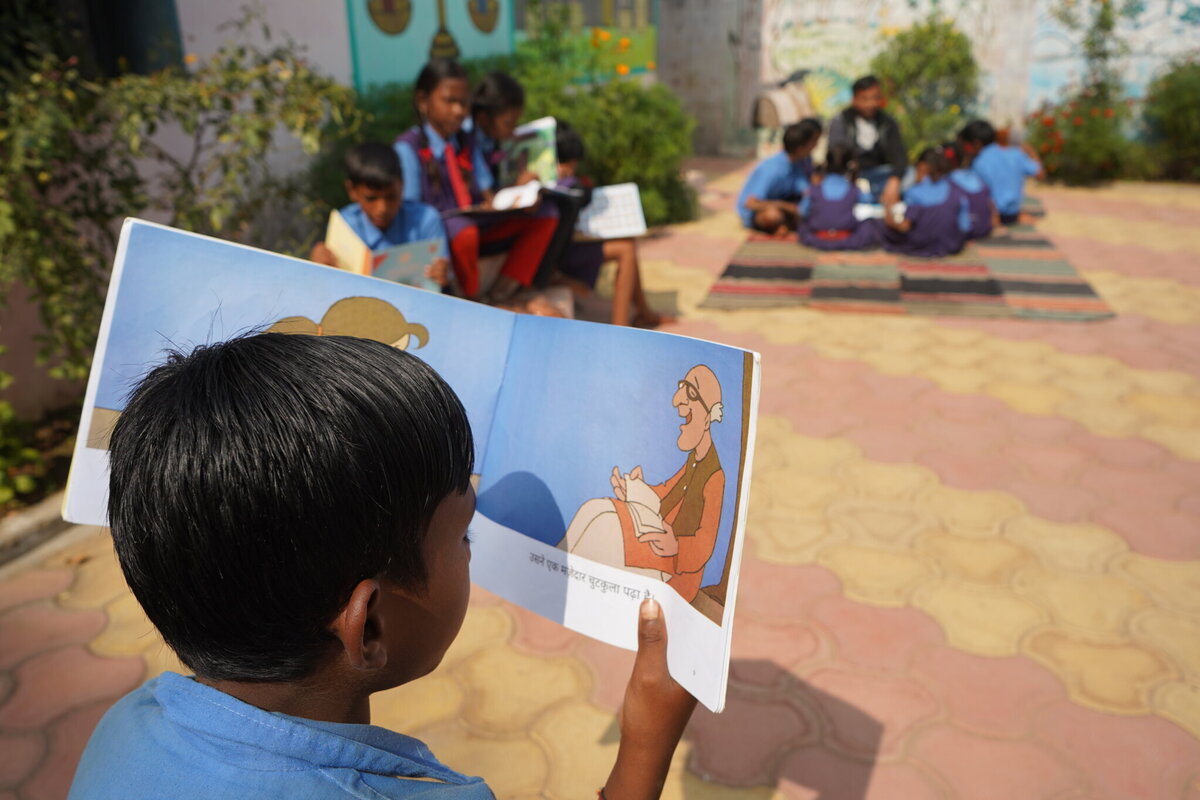
Education-Development Interlinkages (Part XIV)
Role of Non-governmental Organisations and Philanthropic Foundations in Education: Possibilities and Challenges
Q&A with Santhakumar V | 08 Aug 2025
NGOs and Foundations which are active in the education domain need to be a lot more active in communicating with the public at large. There should be a higher level of participation and a shaping of public discourse. These discussions should lead to policy changes.
-
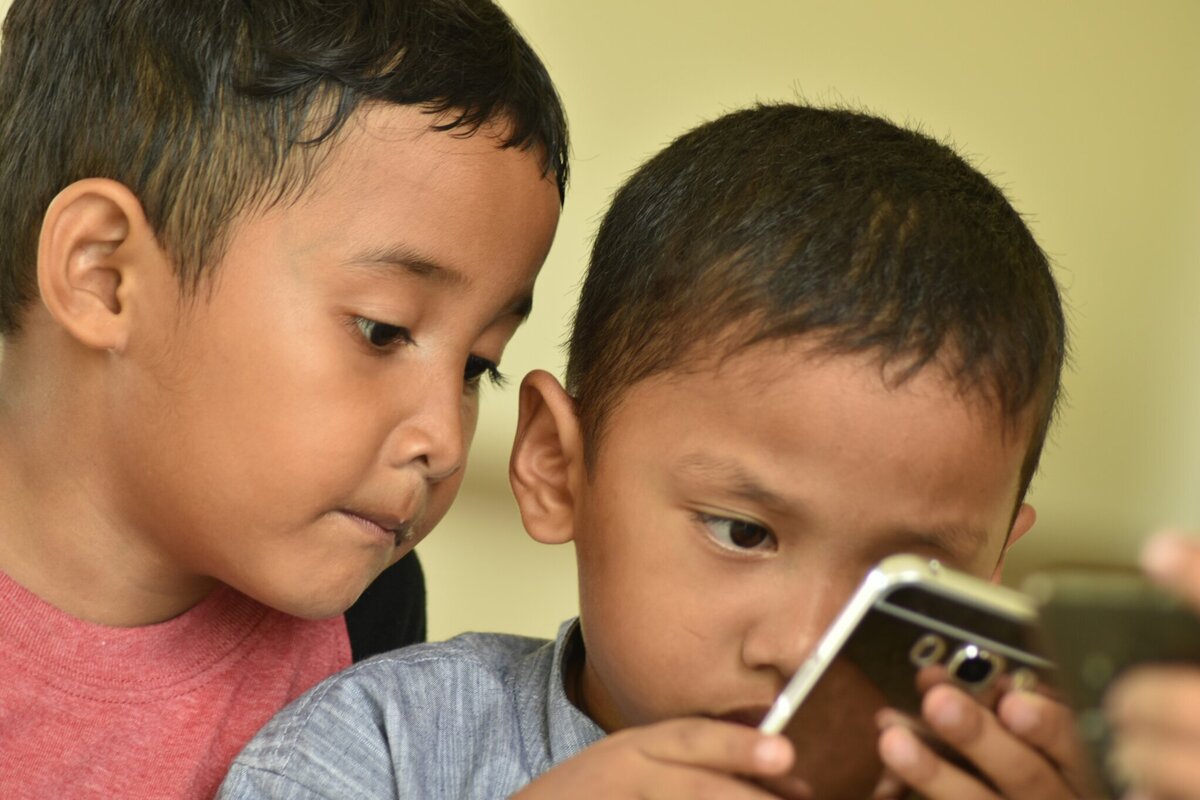
Education-Development Interlinkages (Part XIII)
Technology in Education: Potential and Limitations
Q&A with Santhakumar V | 11 July 2025
When technology is used in schools and classrooms, it can be an effective public investment for this purpose, and it can narrow the digital divide.
-
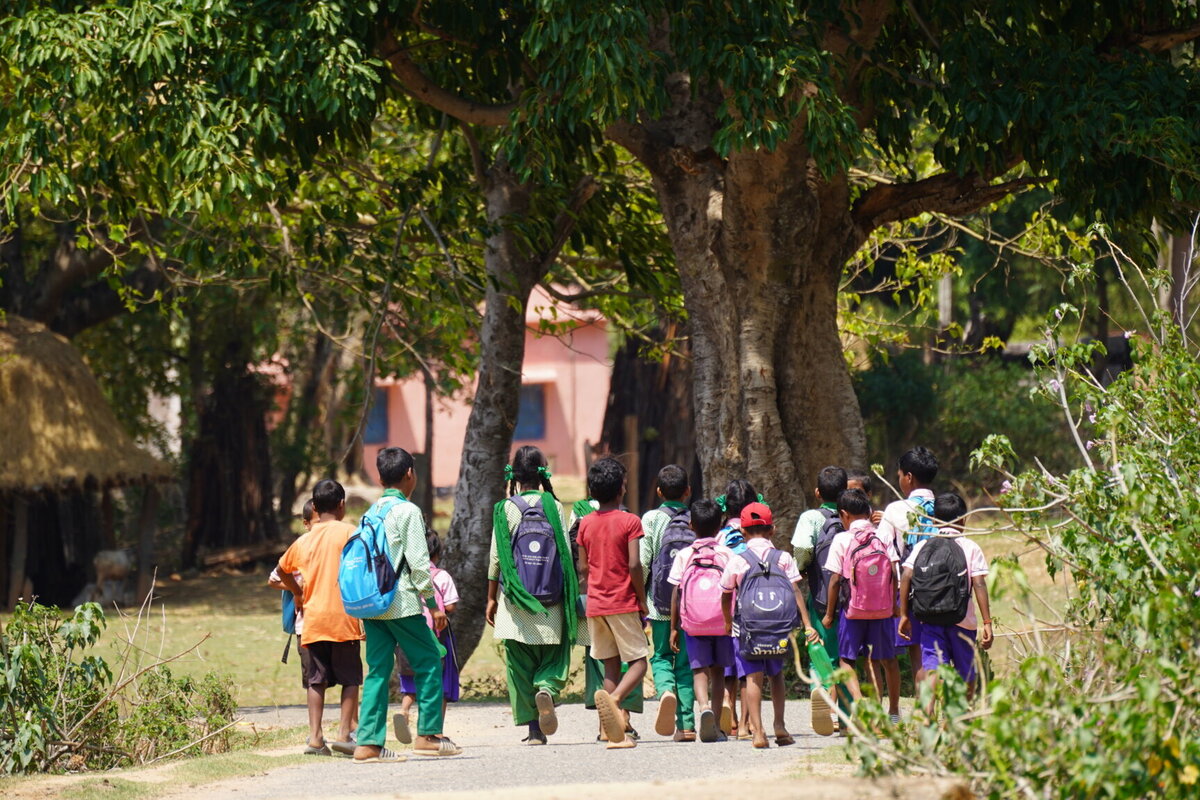
Education-Development Interlinkages (Part XII)
What drives the demand for English-medium education in India?
Q&A with Santhakumar V | 27 June 2025
There could be an argument that English has to be the link language in India, when each state has its own language. However, the European Union is thriving without using English or any one European language as the link language. There must be something else that is tangibly influencing the demand for the English language in India.
-
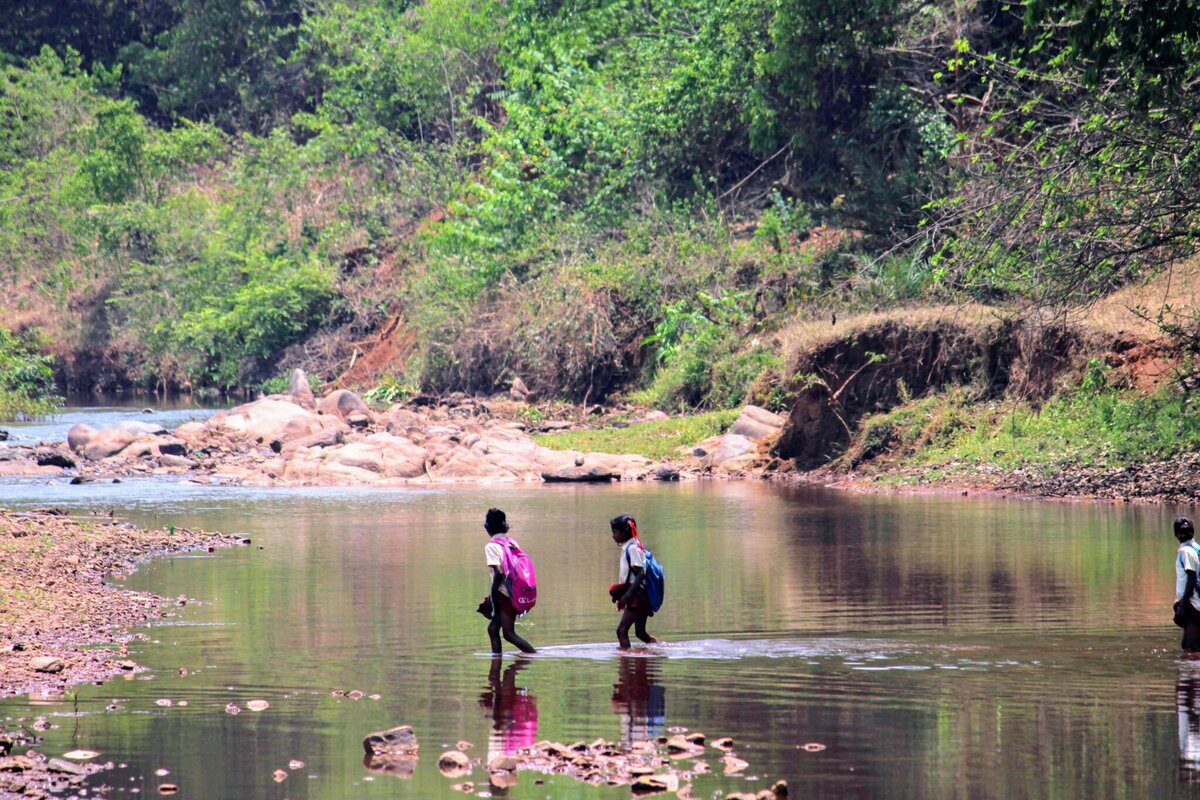
Education-Development Interlinkages (Part XI)
Addressing Family and Socioeconomic Disablers of Education: Strategies in the National Education Policy 2020
Q&A with Santhakumar V | 12 June 2025
Implementation and practical actions are more important than policy statements. These have to be taken by multiple (millions of) actors at different levels. Expecting policy change to translate into a change in practices of these millions of actors quickly is not realistic.
-
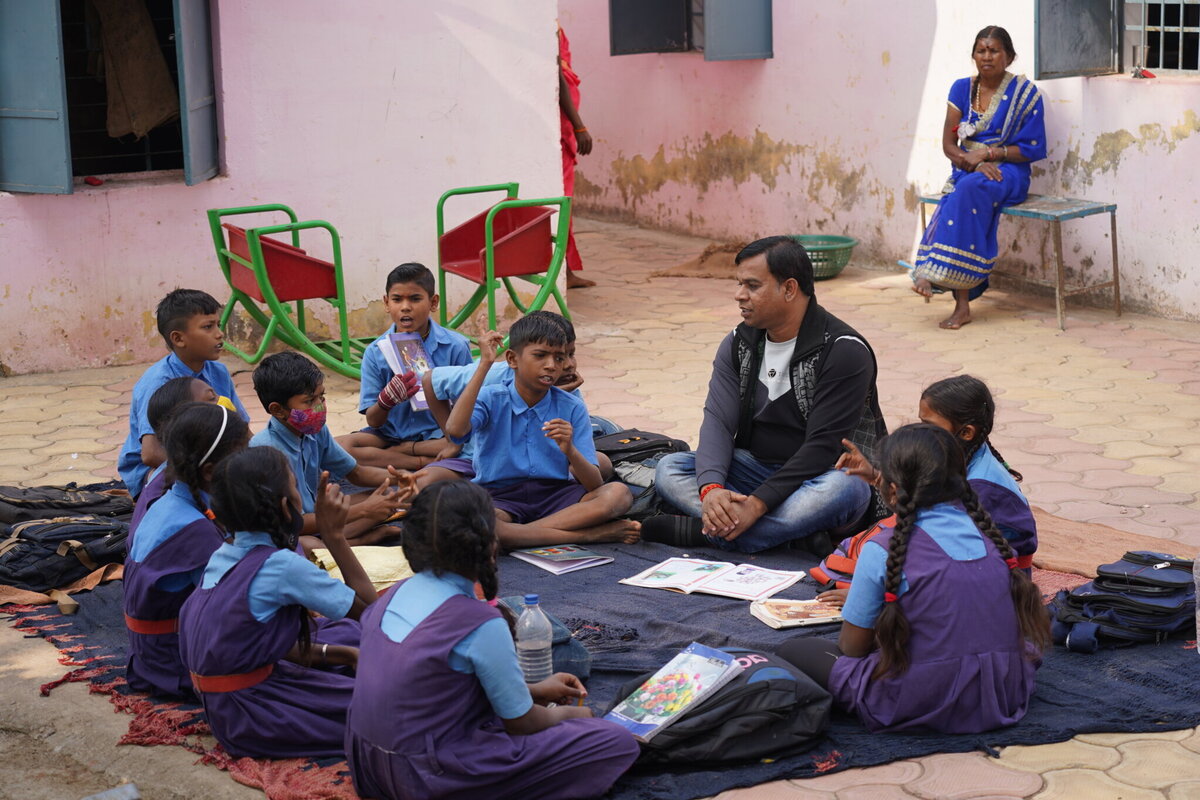
Education-Development Interlinkages (Part X)
Role of school teachers in addressing the needs of students from poor and marginalised groups
Q&A with Santhakumar V | 5 May 2025
Teaching a child by understanding their family and socioeconomic background should be a part of the regular responsibilities of school teachers. Many teachers who are aware of the need to do something in this regard, take one or the other action, but a well-informed response is largely missing.
-
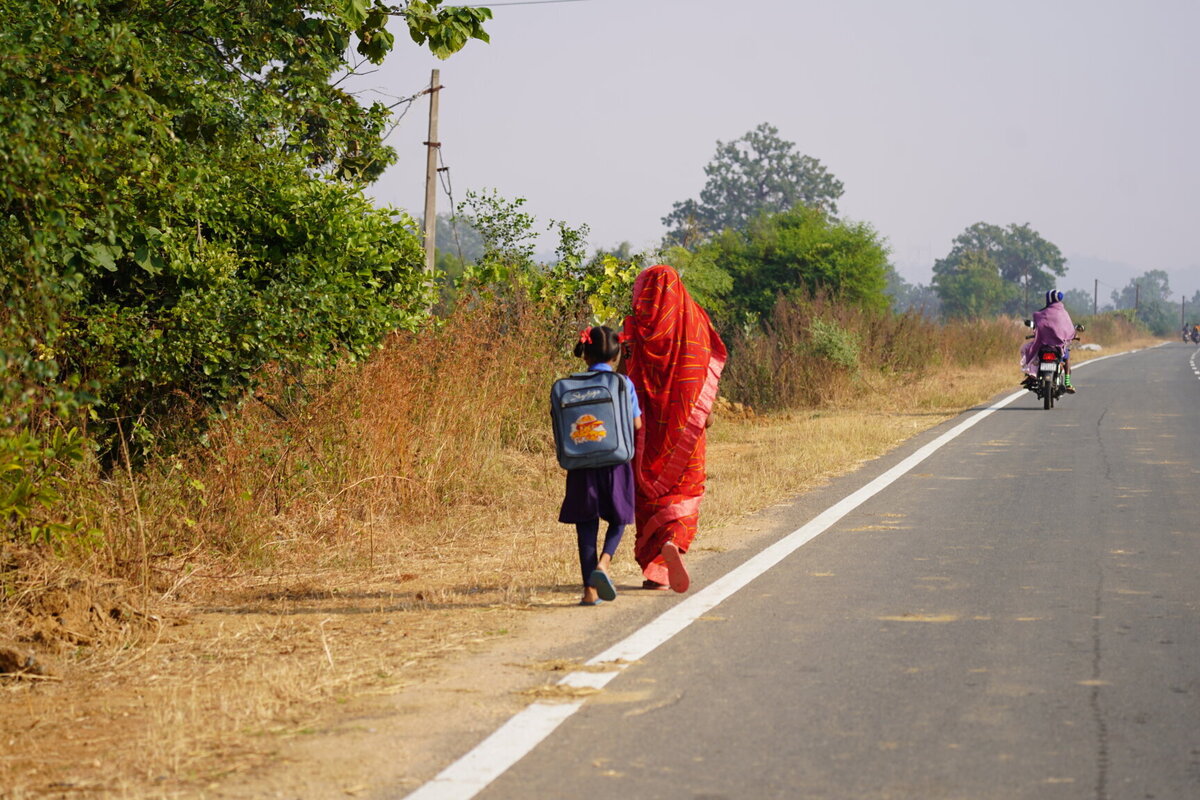
Education-Development Interlinkages (Part IX)
Political transformation and educational development
Q&A with Santhakumar V | 16 Apr, 2025
Political development can play an important role in making public debates and education policies balanced and comprehensive.
-
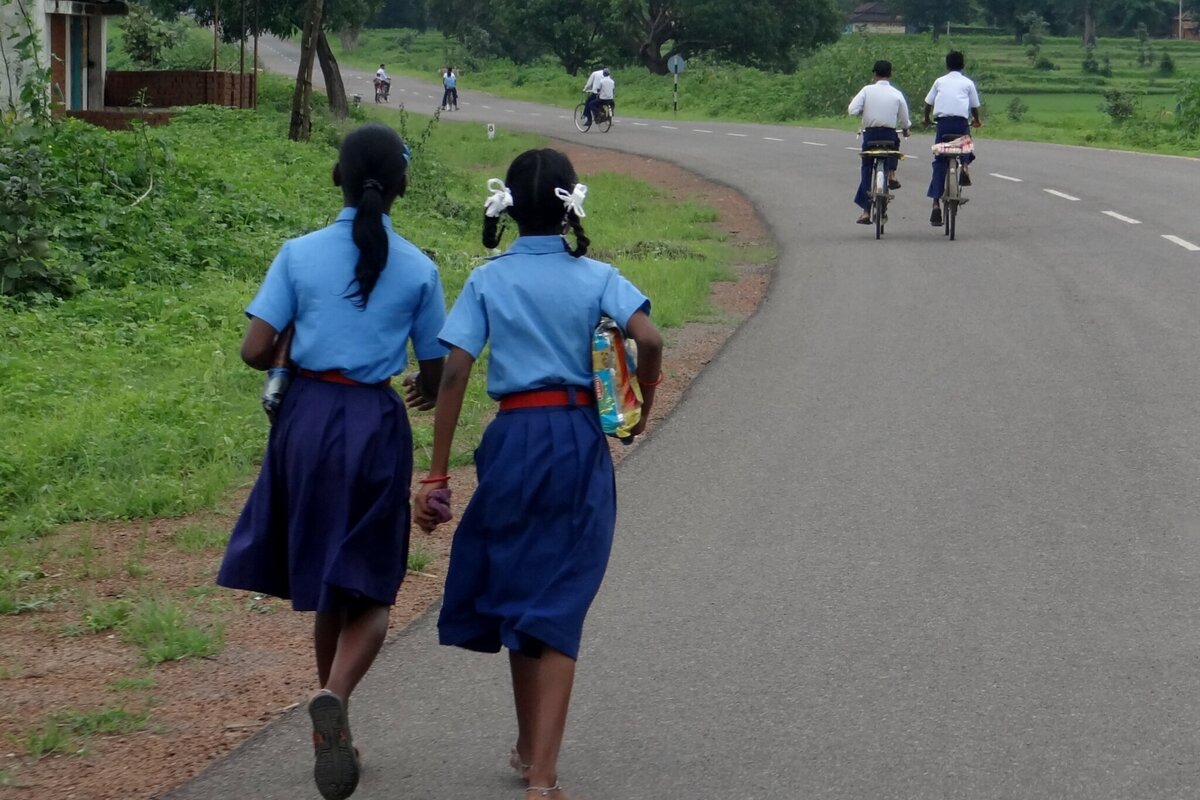
Education-Development Interlinkages (Part VII)
Can a dependence on private schools address the challenges of school education in India?
Q&A with Santhakumar V | 14 March 2025Most people would agree that there is a need for some form of government intervention in education. Does that mean that governments must run all schools and colleges? Can private schools and colleges not provide education within the regulatory framework of governments?
-
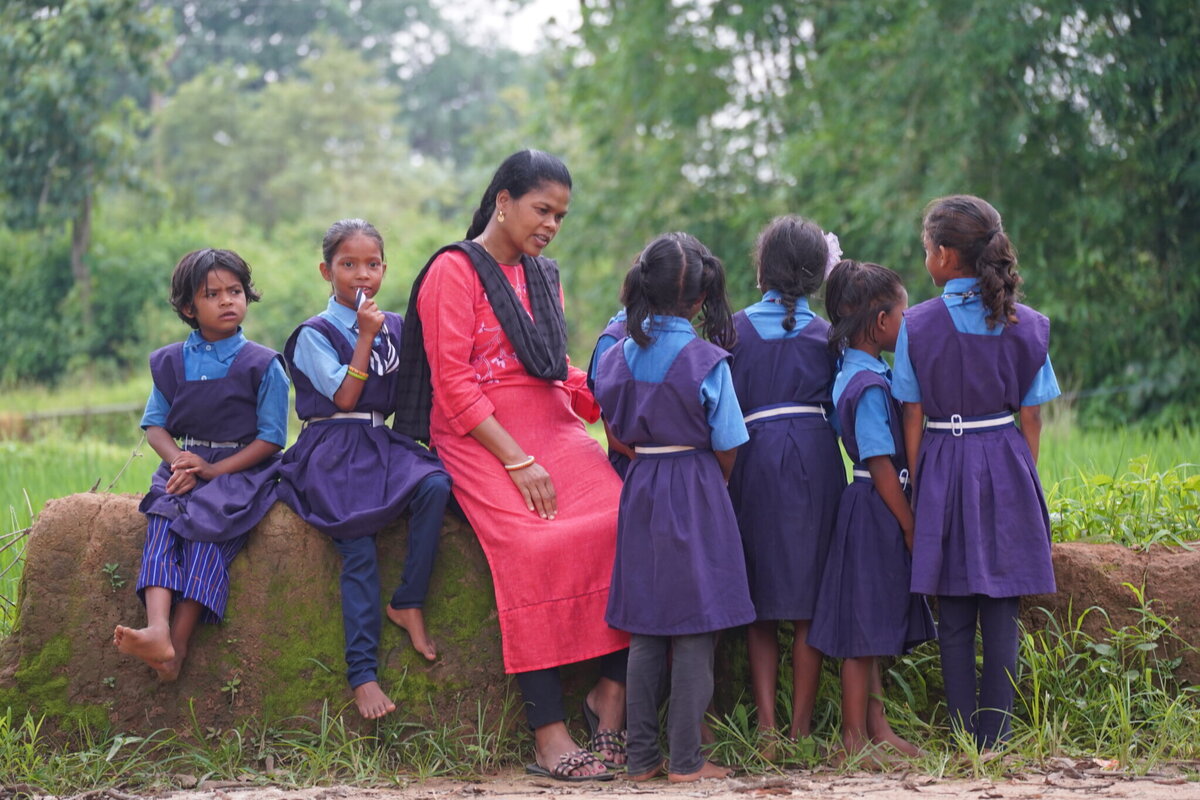
Education-Development Interlinkages (Part VI)
Challenges in the education of children from tribal communities in India: What can be attempted
Q&A with Santhakumar V | 14 Feb 2025
Tribal communities should have greater control over those schools where their children study. The higher representation of tribal people as teachers may facilitate this process. Moreover, local governments which have a higher representation of tribals may be given a greater role in the management of schools.
-
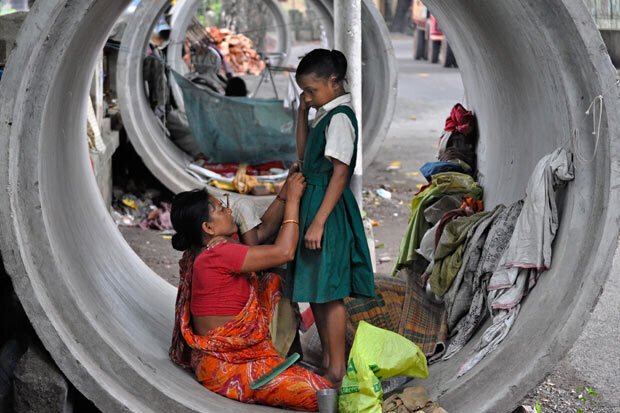

Education-Development Interlinkages (Part VIII)
The possible role of communities in education and challenges in India
Q&A with Santhakumar V | 04 Apr 2025
There should be attempts to form SMCs and PTAs in all schools. Even in those schools where head teachers find it difficult to form these committees, non-governmental organisations and social activists can help with it. There should be a continuous effort on the part of teachers and these organisations/activists to connect with parents either as part of, or outside, these forums.
-

Education-Development Interlinkages (Part V)
On the possible connection between India’s economic/human development and performance in education
Q&A with Santhakumar V | 30 Jan 2025
The demand for education will increase and enrolment at all levels may go up. However, there may be a set of youngsters who may drop out in higher grades in schools, and the share of this population could be higher in India than in countries which have similar levels of economic development.
-
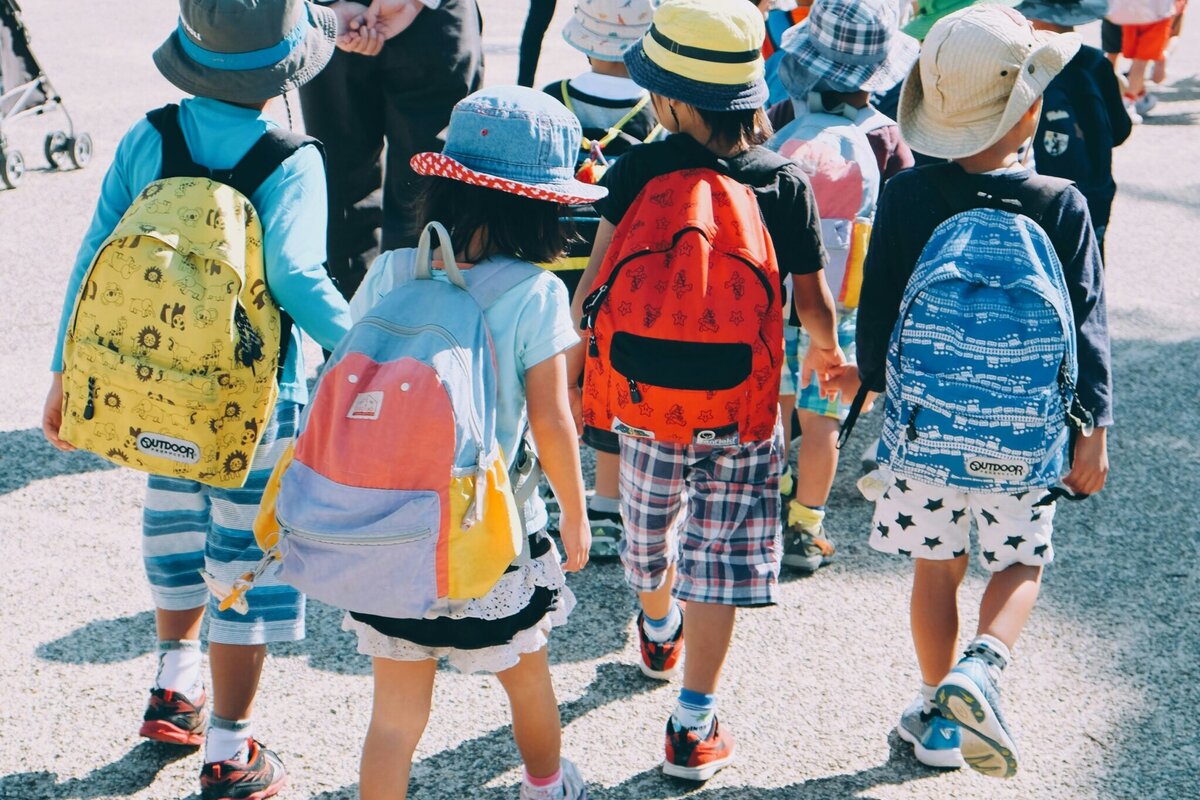
Education-Development Interlinkages (Part IV)
How have other countries addressed the problem of access to education? What are the reasons for India’s relatively poor performance in this regard?
Q&A with Santhakumar V | 17 Jan, 2025
-
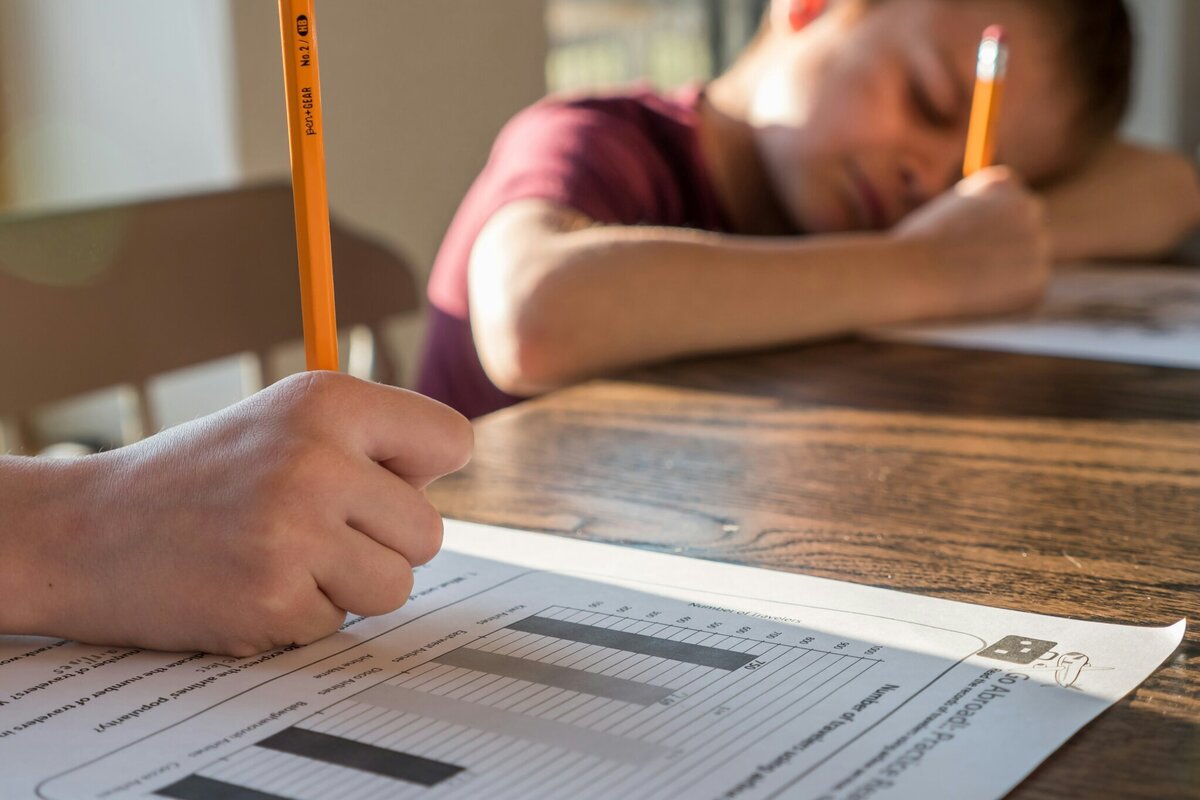
Education-Development Interlinkages (Part III)
Children not Learning Well in Schools: Familial and Socio-Economic Factors
Q&A with Santhakumar V | 3 Jan, 2025
The finding that well-educated parents positively impact the education of their children is not very useful from a policy perspective because it may give the impression that nothing can be done in the short term to improve the learning of children with less educated or uneducated parents.
-
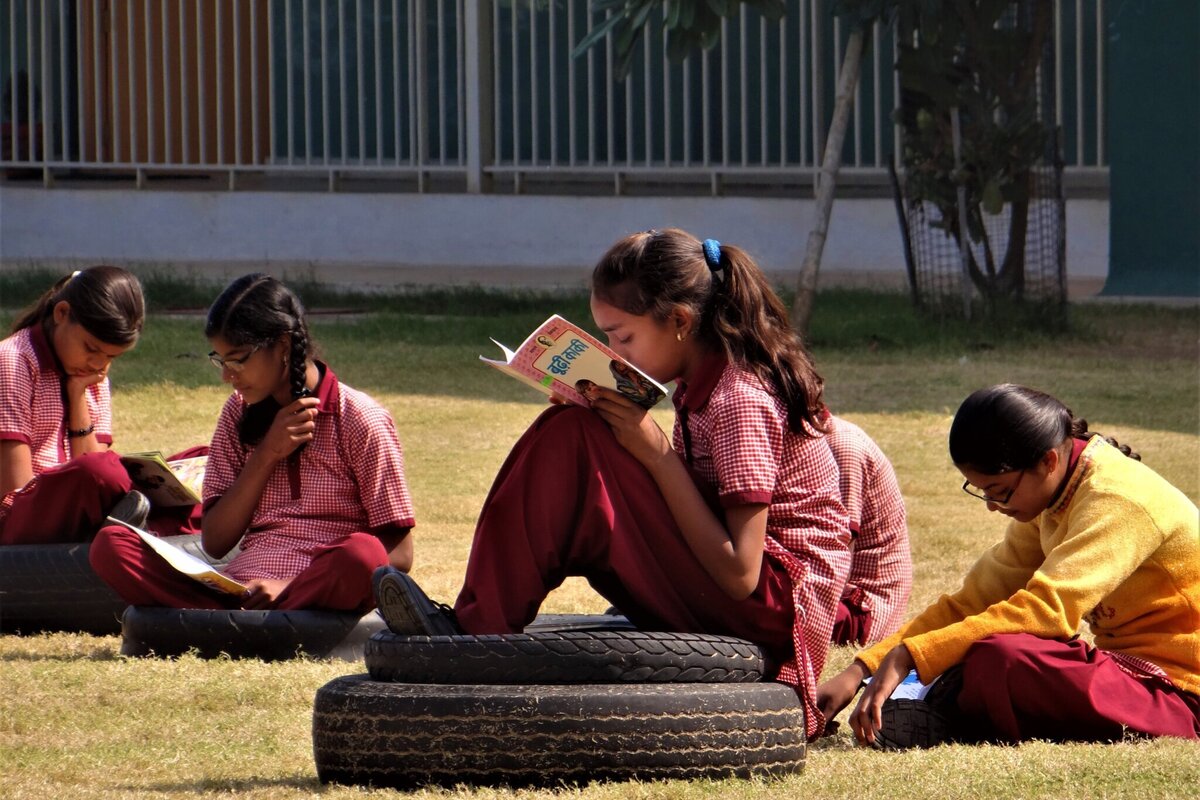
Education-Development Interlinkages (Part II)
About Children who do not Complete School Education in India
Q&A with Santhakumar V | 6 Dec 2024
The EDIL perspective should highlight the importance of poverty eradication and employment generation even if the purpose is to see that all children get the benefit of school education. Effective functioning of the Public Distribution System and Employment Guarantee Schemes is important even for enhancing access to school education.
-
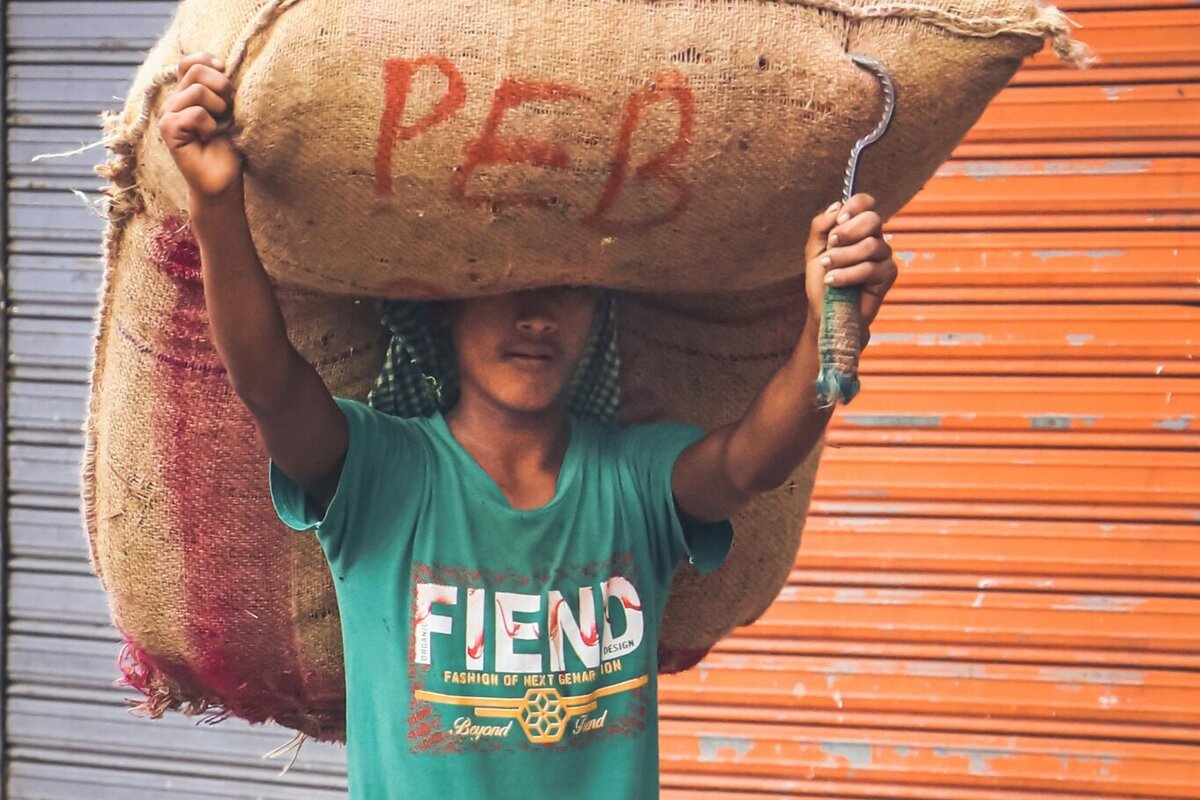
Education-Development Interlinkages (Part I)
Educationists should think about the social context; Development practitioners cannot neglect education
Q&A with Santhakumar V | Nov 15, 2024
All systematic studies globally have shown that children drop out of school due to one or more familial, social, and economic reasons. These may include poverty, ill health, gender norms (which may prevent girls from attending schools and completing secondary education), discrimination prevalent in certain contexts, etc.
-

The Importance of Self-Reflection for Public Officials
Q&A with Santhakumar V | Oct 18, 2024
Public officials must practice self-reflection to ensure that their actions are beneficial to society. In one way, this informed self-reflection is to change one’s (own) values to make these compatible with the needs of society as a whole.
-
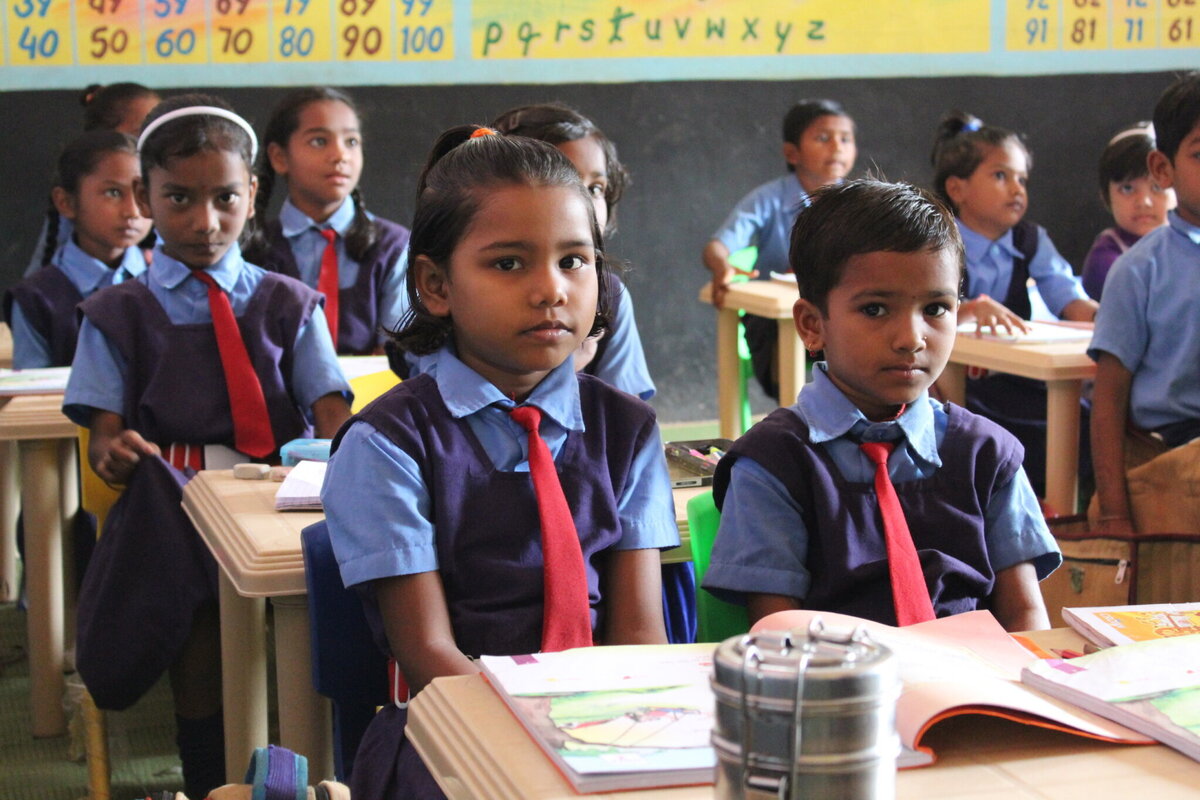
Privately Provided Public Services: A Reflection of Underdevelopment
Q&A with Santhakumar V | Sept 20, 2024
There is a need for collective action to improve public services. However, there may be challenges in collective action in poorer and developing countries. This could be due to social divides among people based on economic class or social identities. -

Hierarchy in Public Organisations: Need, Challenges and Possible Reforms
Q&A with Santhakumar V | Sep 5, 2024
Hierarchy to some extent is useful for effectiveness. Through hierarchy, the decision-making power rests with specific individuals. This solves the collective action problem to a great extent.
-
Privatisation and Outsourcing as Ways to Enhance Effectiveness of Public Services
Q&A with Santhakumar V | Aug 23, 2024
Are privatisation and outsourcing desirable for improving the effectiveness of public services?
-
Accountability of Philanthropic Foundations
By Santhakumar V | Mar 19, 2020
Most philanthropic foundations have resources generated through private/corporate (for-profit) firms, and hence, there is a lingering suspicion about the possible influence of the ‘profit motive’ in their actions.
-
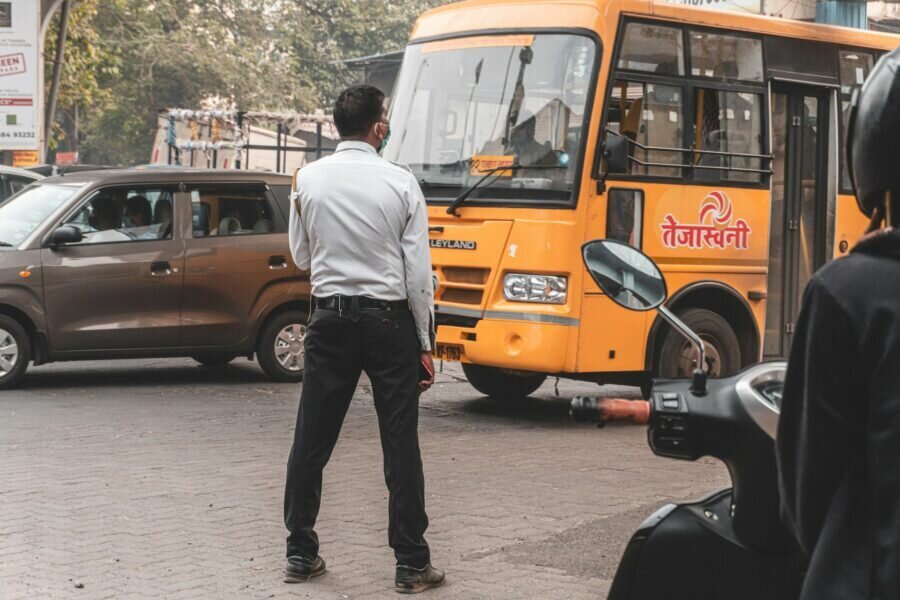

What Motivates Government Officials to Work Effectively? What Should Motivate Them?
Q&A with Santhakumar V | July 5, 2024
Government jobs offer certain benchmark salaries and social security, making them attractive. Therefore, all types of individuals, not just those who are driven by intrinsic motivation, may look for government jobs. Once they are in these jobs, they may seek financial incentives which are unethical and fraudulent. This can be a reason for the corruption among a section of government employees.
-

Natural Regeneration vs. Plantations as Means of Land Restoration
By Santhakumar V and Daniel Piotto | May 22, 2024
If a part of a natural forest is cut down and then a plantation of indigenous trees is created, there is a definite negative impact on land restoration. On the other hand, the creation of such a plantation in an already degraded land will have a positive benefit.
-


Land Restoration in Brazil: A National Systems Perspective on Achievements and Challenges
G20 Global Land Intiative | Mar 5, 2024
Brazil has a law which compels private landowners to conserve/restore a part of their farms. Such farms include large plantations which are owned by private corporations. These plantations are an important part of the land use in Brazil.
-
Land Restoration and Social Context: Opportunities for Successful Land Restoration
G20 Global Land Initiative | Oct 31, 2023
The topic of land restoration, including indigenous/traditional and scientific knowledge, should be included in different disciplines in tertiary education institutions, as well as primary and secondary education. Policymakers, practitioners and users need better training on and awareness of restoration practices.