Core memory unlocked: When the classroom became the field, and the field became home
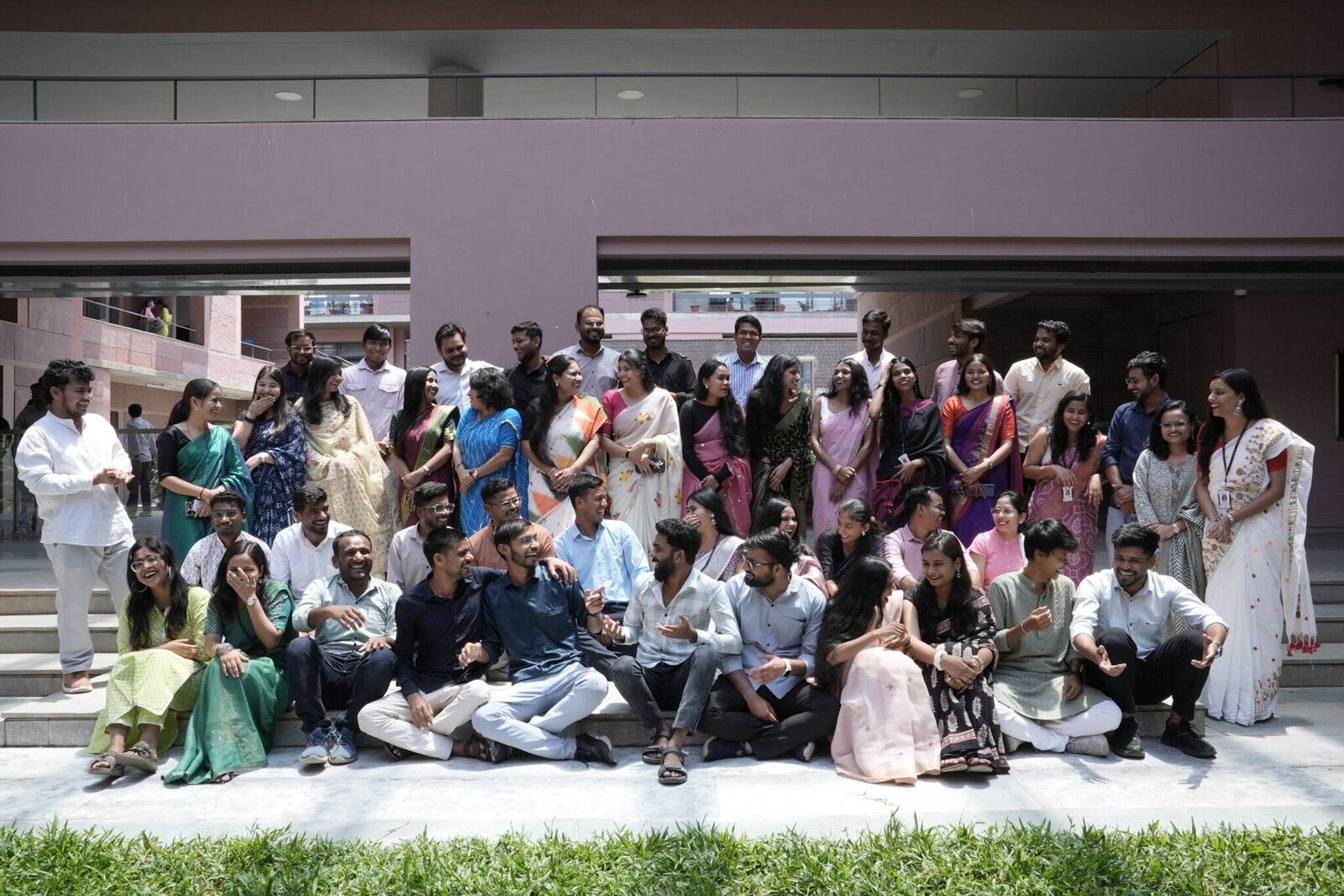
Students from the second graduating batch of MA in Education (2024−26), Bhopal Campus, share their reflections.
Details
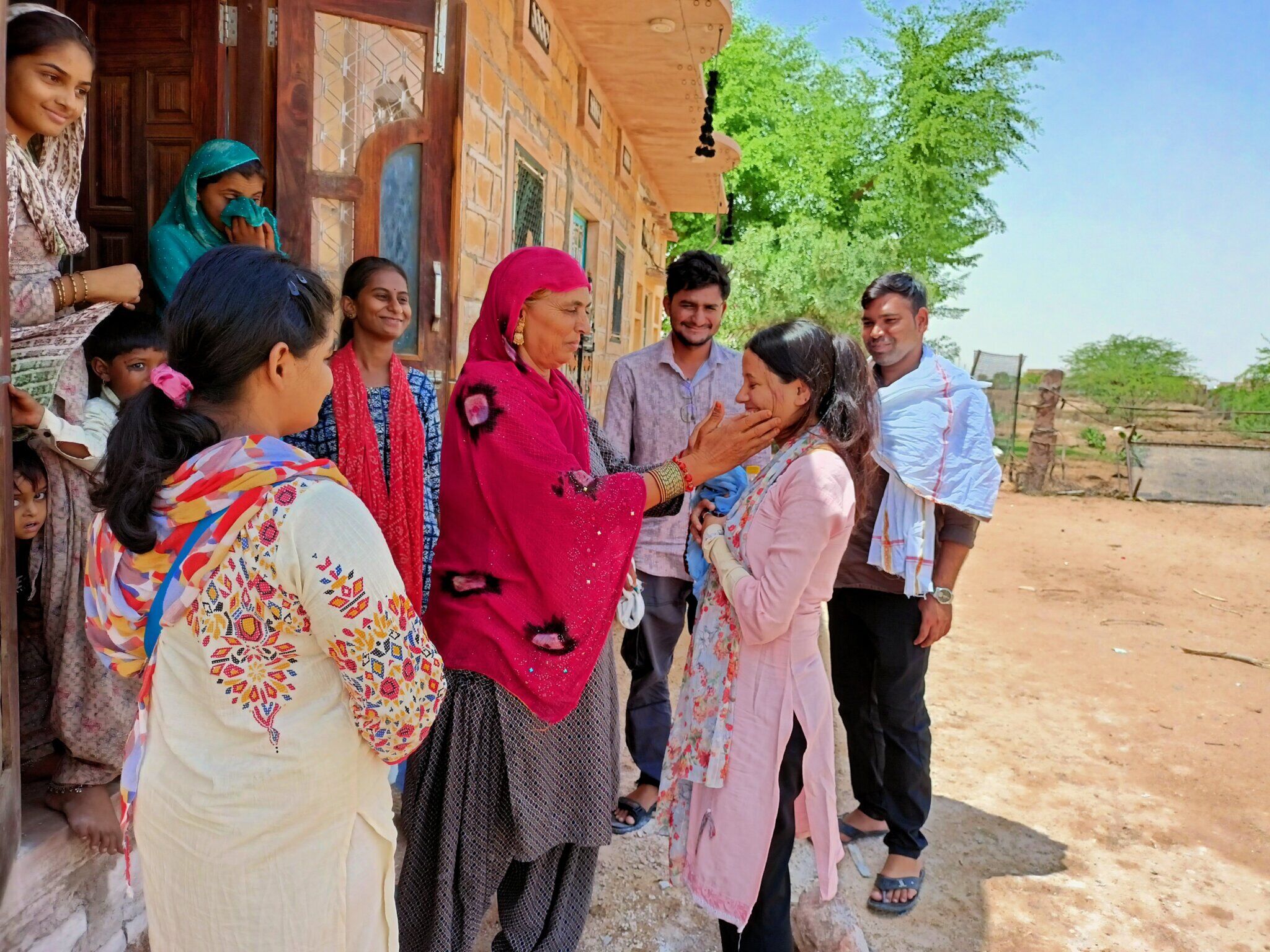
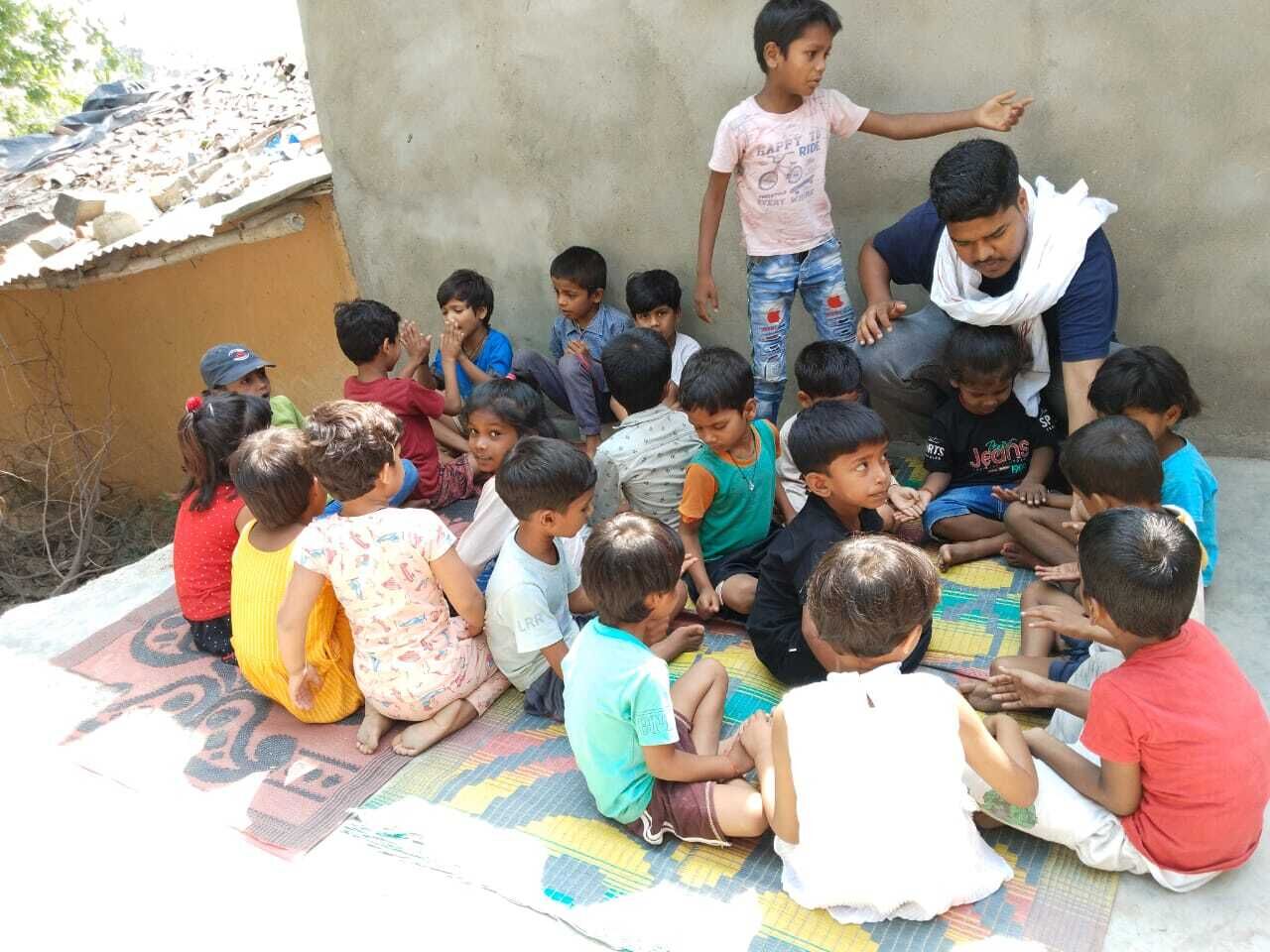
One small tent, a family of 20 cramped in, and 18 among them children — that’s what jolted Chelcy Pathak (MA in Education, 2024 – 2026) during her field practice as part of the master’s programme she was pursuing at Azim Premji University. She visited a community of ragpickers that changed her perspective about life in an instant.
“I could never imagine so many people living in that small a space,” she says. “Seeing their circumstances, my complaints about food or not being able to sleep enough fell flat.” Chelcy often returns to that moment not because it was dramatic, but because it was humbling in a quiet, lasting way. “I feel that these are the moments where the real syllabus of the programme comes to life. It is not a formula or an assessment, but a shift of perspective that happens when the classroom becomes the field and the field becomes home.”
As students of our second batch of MA in Education bid goodbye, they look back at their two years and share their reflections.
“There are moments where the real syllabus of the programme comes to life. It is not a formula or an assessment, but a shift of perspective that happens when the classroom becomes the field and the field becomes home.”
Diversity beyond words
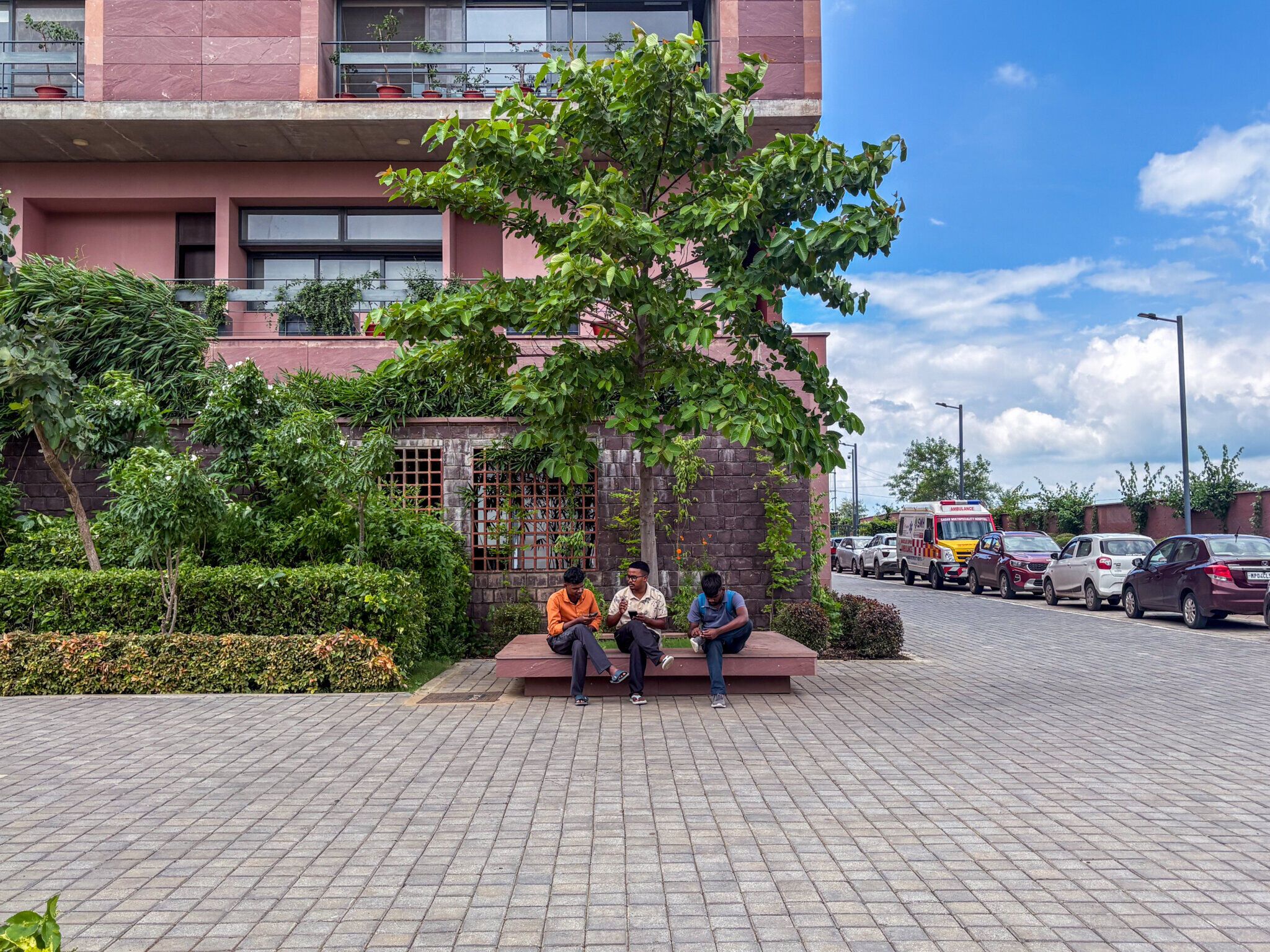
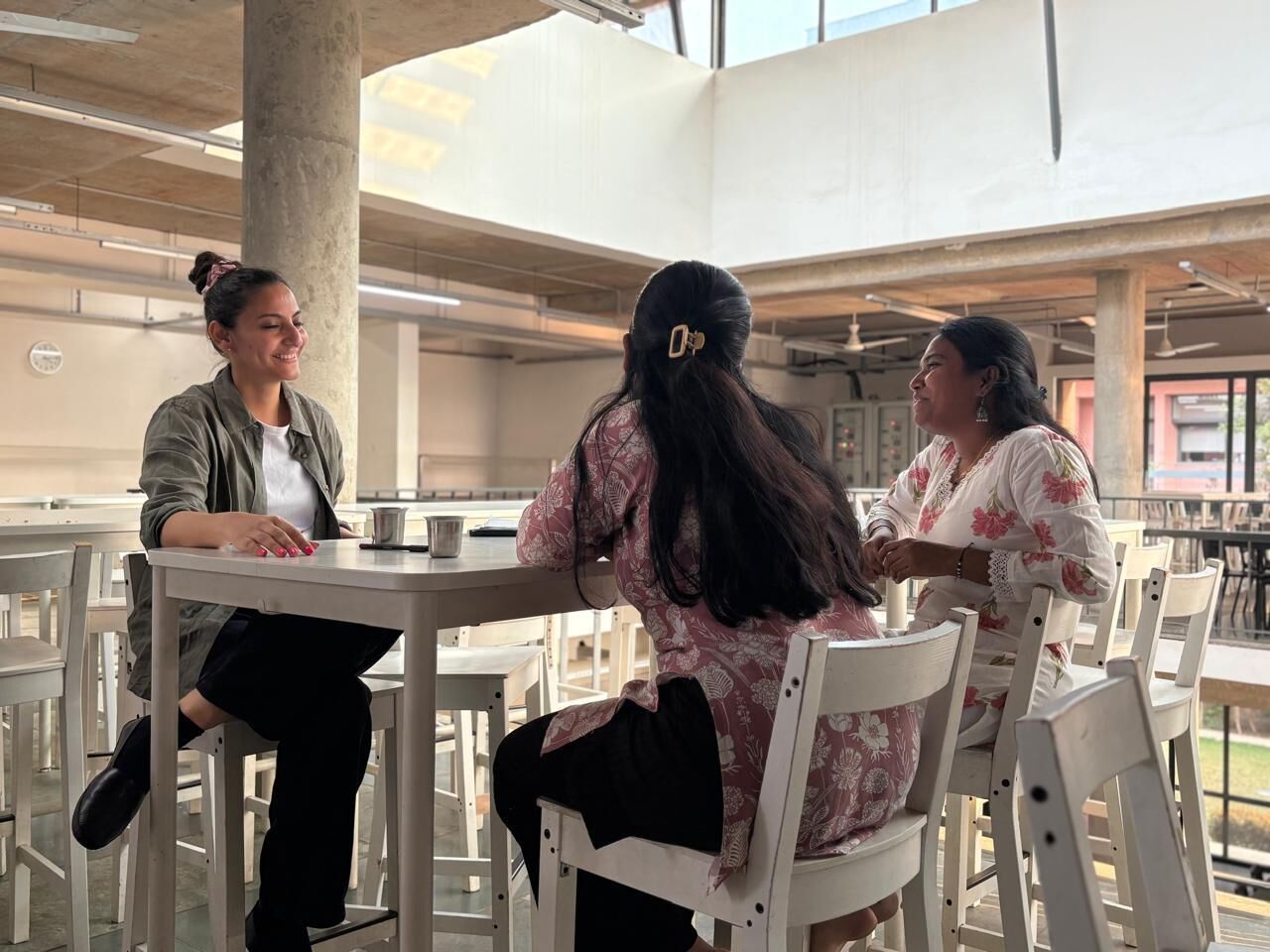
“At Azim Premji University, I formed friendships with people who came from diverse cultures, each with their own distinct journeys. They have inspired me in their own unique ways. I have learnt a lot from them and am grateful for these memories,” says Puja Ram.
“Before coming to the University, I saw the world divided into two — the rich and the poor, those who serve and those who take power positions. I believed that those who hold positions of power are very different from us. They live separate lives from us and have better clothes, food, homes, offices, and environments. During my undergraduate studies, I would have hardly sat with my teachers over lunch. But here, sharing meals with members looked like a natural part of campus life. I could reach out to the faculty members after class, and they have always been accommodating of my queries and feedback. The campus culture really stood out to me. Dignity, sense of equality, and respect for every individual— whether they are studying or working here — goes beyond academics and is truly rare. I wish to carry such values with me wherever I go in the future,” shares Abhishek Tripathi.
Valuing the self
With justice and equity being fundamental guiding principles of the University, any form of discrimination is contrary to our principles. At the University, there are strong policies against such discrimination. “I feel the environment at the University is very different from the places where I worked and studied earlier. In those spaces, I often faced comments about myself, my looks, and my colour. It used to upset me a lot. I felt respected and included here. I learnt to move beyond external validations and value myself with confidence. All this was also possible because of the support I received from my peers and faculty members,” says Kanha.
A community built to support
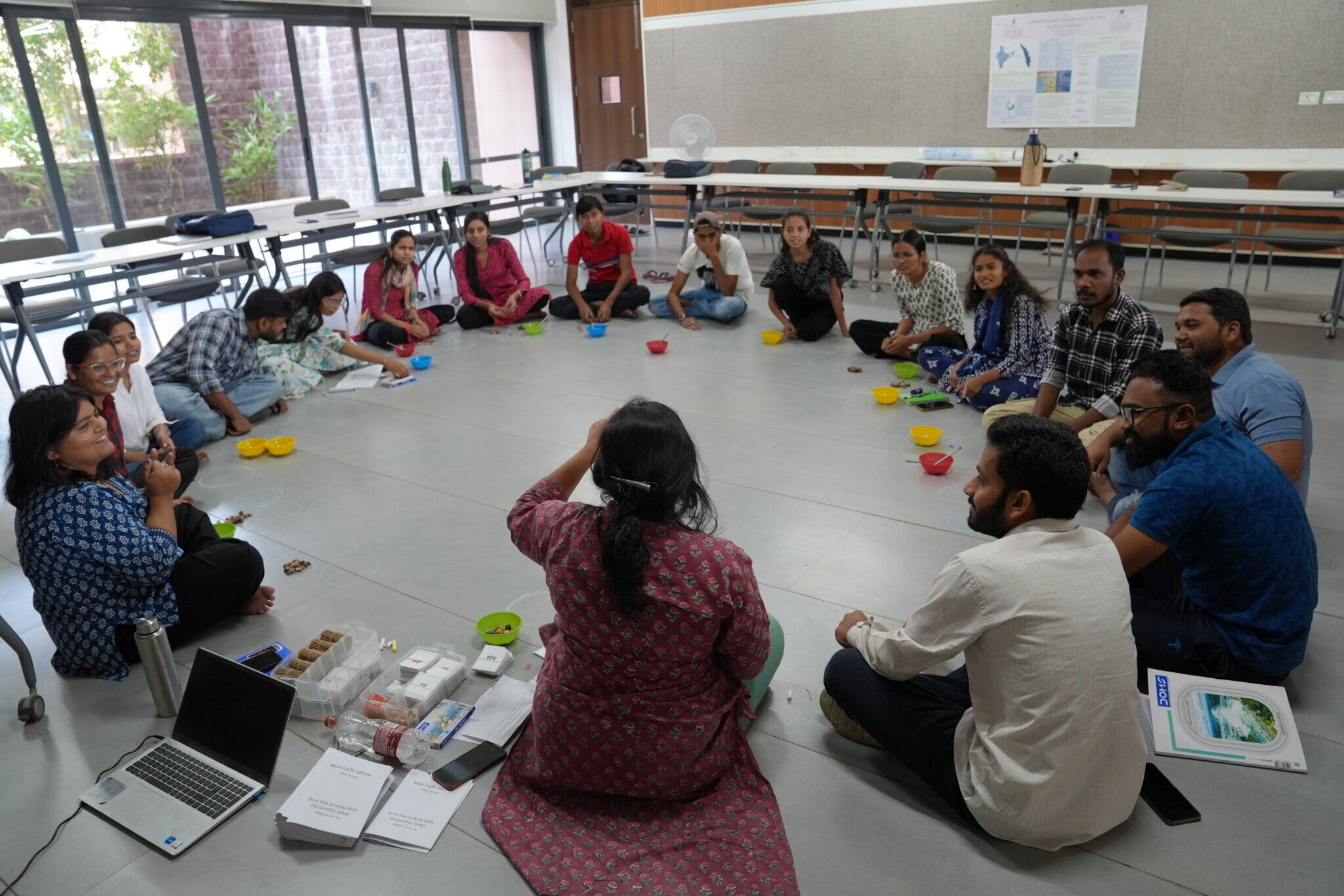
We work towards building a caring community and have academic and residential mentors who understand the challenges a student might face in studies and personal life. They ensure that the students feel supported. Faculty members mentor students for their assignments, internships, and life in general. This creates a safe space for students to reach out to members for support.
“Academically, initially, the journey was overwhelming because of many new subjects. I often wondered whether I would be able to study well and meet course expectations. However, the constant support from the faculty members helped me navigate all these challenges. I could reach out to them after classes, and they were always patient and happily guided us.” says Chelcy.
“I used to grapple with stress and pressure from assignments, but the mentorship support that we received was truly unique. With my personal mentor, I could share the academic and personal challenges openly, and their guidance not only helped me as a student but also as an individual,” says Puja Ram.
Learning and growing beyond the classroom
“I am the first woman in my family who will be completing a master’s degree, and I am very grateful. My time at the University has taught me that having access to resources and opportunities is important, but what truly matters is how we make the most of them. In these two years, I have questioned myself every day and often found myself in the midst of many doubts — will I be able to meet my article’s deadline? Will I be able to complete all the pending assignments? Will I be able to do justice to the independent study I have decided to take? Every day brought new doubts. I am thankful that we could make mistakes, learn from them and still be accepted despite those,” says Chelcy.
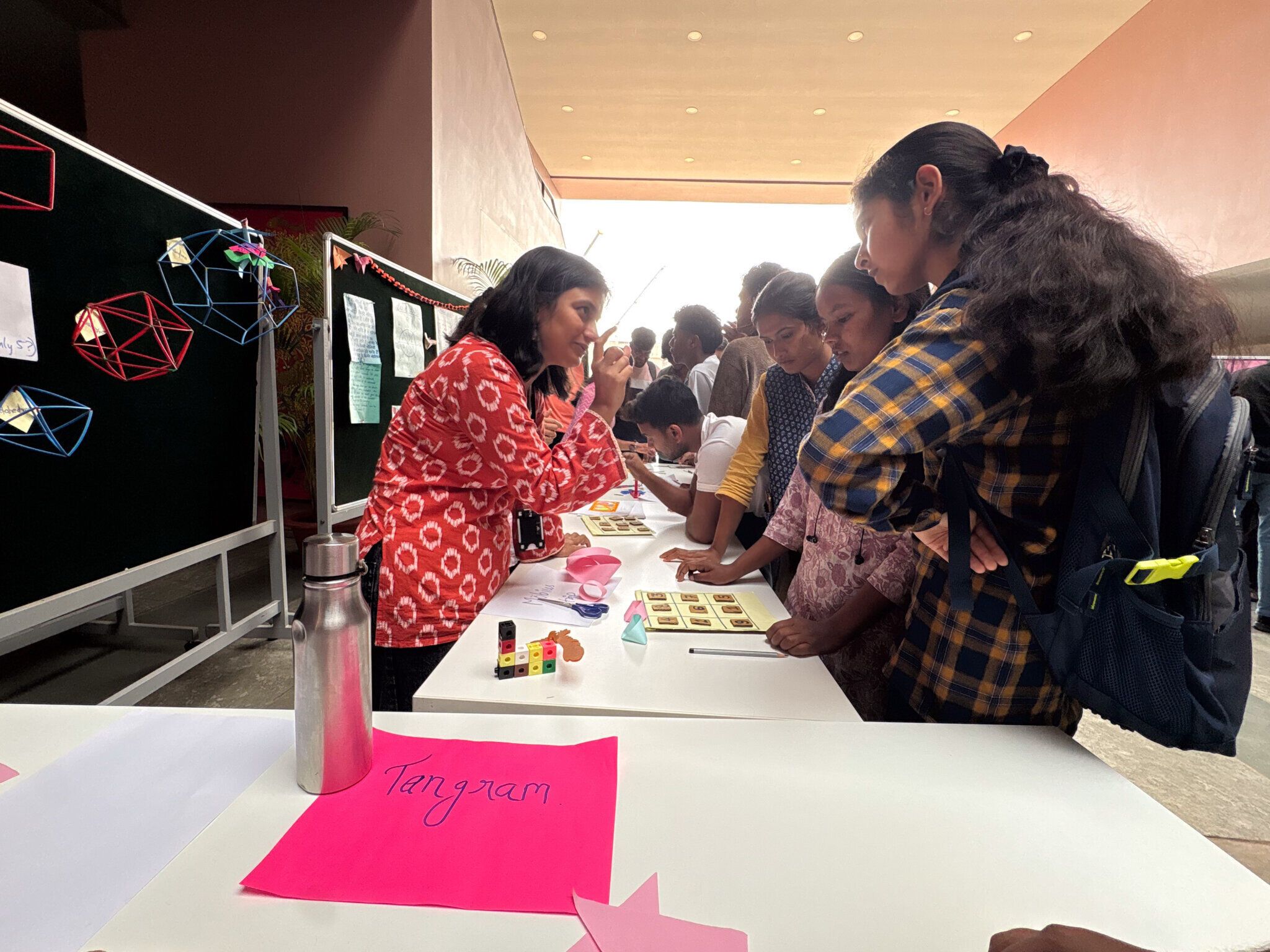
Abhishek Chaudhary recollects how the programme helped him transform his idea of education. He says, “My time at the University helped me see education beyond readings, assignments, and learning outcomes as a way of understanding people, society, inequality, and the conditions that shape our lives. Classroom discussions and field experiences helped me connect theory with the realities of the world. It helped me understand that meaningful education requires not only knowledge, but also empathy, critical reflection, and a willingness to question our own assumptions.”
What is it that made the journey meaningful for him? “These values have stayed with me. In my everyday interactions, I try to carry forward the same principles of dignity, equality, openness, and mutual respect. I have become more conscious of how I listen to others, engage with people across different roles, and approach disagreements. I believe that a person’s position or occupation should never determine the respect they receive.”
Chelcy is not the only one from her family who is the first woman to graduate. Kadmi Kousalya echoes her sentiments. “I come from a village in Odisha where I will be the first woman to graduate. I was initially shy and was not able to share my thoughts. Everyone at the university motivated me to share my views and reflections openly. This never happened previously. I developed patience and confidence. I also learnt to listen before responding. These skills are beyond academics and I think I can now adapt well in the outside professional world with these skills,” says Kadmi.
Education professionals for today’s India
These reflections point to something larger. Students questioning themselves, staying in the field despite some discomforts, and learning to value people beyond appearances are the ones who can contribute to a better tomorrow.
What students gain at the University cannot be measured by a formula or an assessment. There are deeper perspectives that one gains. Students are taught to see everything in more detail.
Listen to Rishikesh B S, Registrar, Azim Premji University, Bengaluru campus, as he speaks about the current status of our school education and the need for trained professionals to lead transformation in key areas that impact the teaching-learning process. Rishi also explains the various career opportunities that await our youth to bring about positive changes in our education system, as envisaged in the NEP 2020.
The reflections were compiled by Arshdeep Kaur.