
Lessons from Practice
What is happening on the ground? Which organisations/ individuals are working towards what ends? What have been their successes and challenges? A comprehensive insight from the practice of organisations is presented in this section. A collaboration between academics and practitioners has been most fruitful here as academics have ventured into the field and put into words their own lived experiences with those of the practitioners who have shared their efforts and learnings with complete trust in this collaboration.
-


Private Businesses in Forest Conservation: The Case of Forestwise in Borneo Island
By Santhakumar V | Apr 25, 2024
There is a need to collect and market widely a variety of goods and services which can be provided by wet-tropical forests in a sustainable manner. In that sense, carbon finance can also be useful. However, despite the global talk about carbon and biodiversity finance, this money has yet to reach communities which protect forests. A report on the work of a private company in Borneo Island, West Kalimantan, Indonesia.
-

Muktangan: A Community-Based Education Model for Public Schools
By Aruna Jyothi and Ira Joshi | Mar 29, 2024
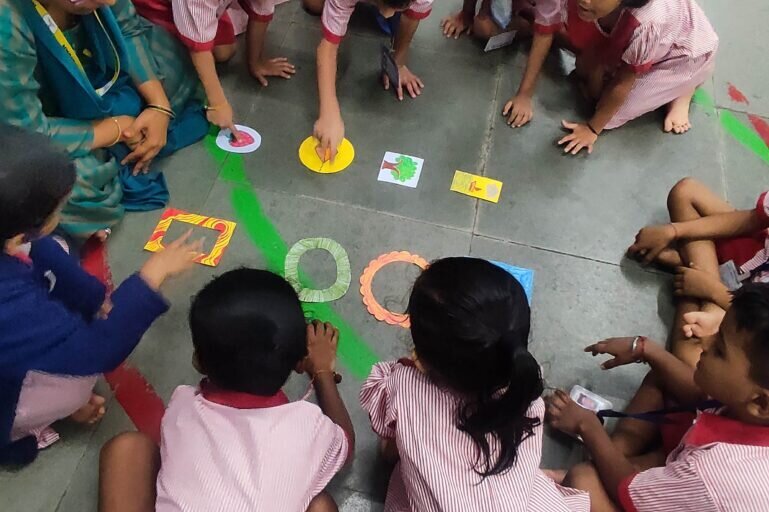
Muktangan’s work is grounded in the principles of community participation in education. It strongly believes that members of the community must be mobilised to facilitate and sustain change.
-

Altruistic Provision of Education & Healthcare
Lok Biradari Prakalp, Hemalkasa, Maharashtra
By Santhakumar V, Rema Devi and Anant Gangola | Dec 13, 2023It has been noted that Scheduled Tribe families with a literate head of the household have a significantly lesser chance of being below the poverty line. Similarly, even a few years of school education may enhance the chances of getting rural non-farm employment which has notably a higher wage than agricultural work.
-


NGOs as Intermediaries in the Provision of Public Services
By Santhakumar V and Rema Devi | May 11, 2023
In Gujarat, the line departments remain the nodal agencies for the implementation of almost all development and welfare schemes. This limits the local decision-making process and reiterates the dependence of local bodies on state and central governments for resources and programmes.
-

Ecological Assessment of a Biodiversity Park: Status and Future Challenges
By Kaustubh Rau and Monica Kaushik | Feb 7, 2023
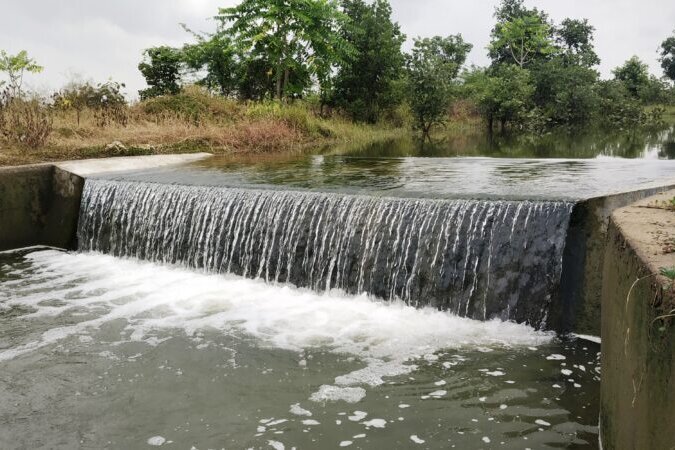
The model of conservation of village commons shown by the Kunjer Gram Panchayat is easily replicable and can be replicated across the state. It is recommended that regular training programmes be offered by the District Administration where village officials from all districts in Rajasthan can be called to see the benefits associated with such conservation measures.
-
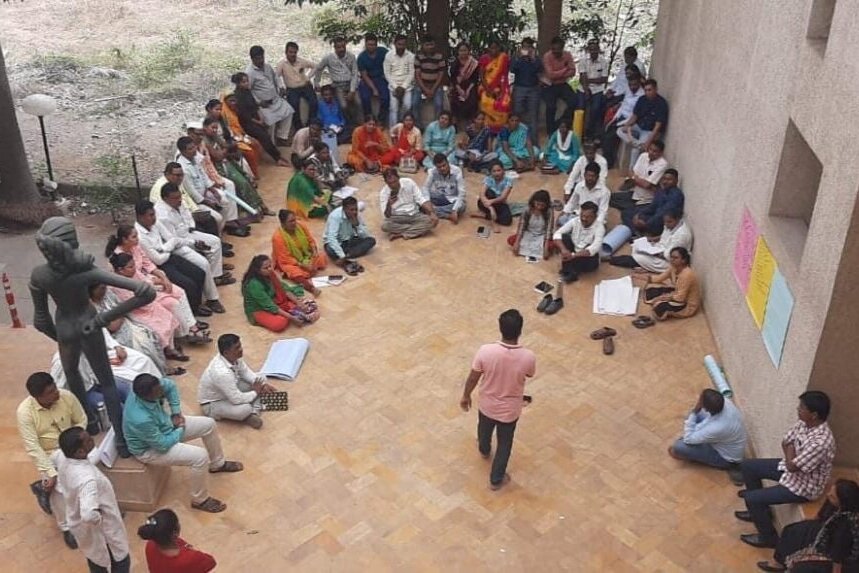

Creating Leaders from Poor and Marginalised Social Groups (Part II)
Grassroots Leadership Development Programme, CORO, Mumbai
By Santhakumar V and S Das Antoni Arokianathan | Dec 13, 2022Women need to understand the deep-rooted social beliefs that make them dependent on their husbands. They need to view education and employment as the main basis for their personal, financial and social security and then see marriage as a possible relationship between two equal human beings.
-
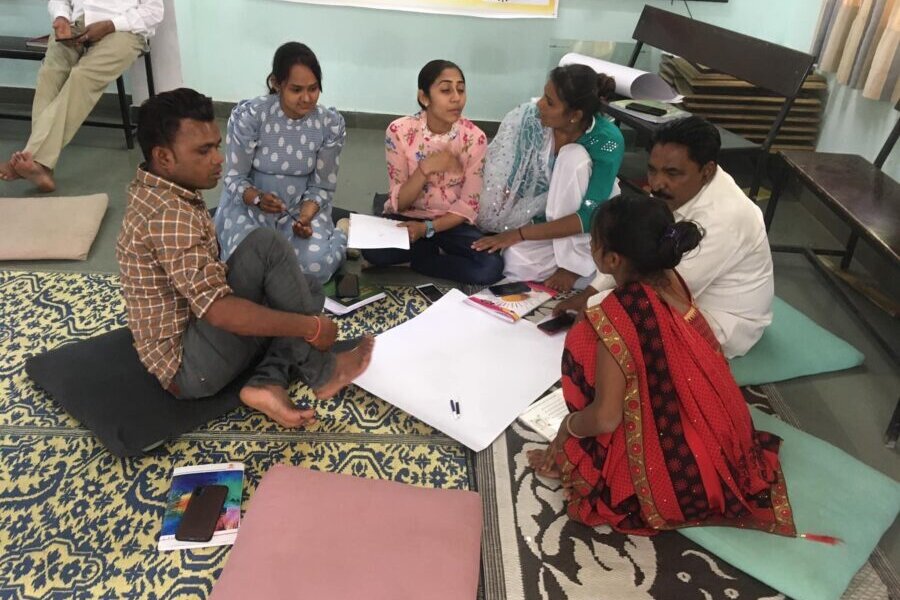
Creating Leaders from Poor and Marginalised Social Groups (Part I)
Grassroots Leadership Development Programme, CORO, Mumbai
By Santhakumar V and S Das Antoni Arokianathan | Dec 1, 2022
Almost all the Fellows came not only from poor families and marginalised groups but also from difficult and/or disabling circumstances. Most of them encountered different forms of discrimination. Girls and women have faced sexual harassment and violence in their social context.
-
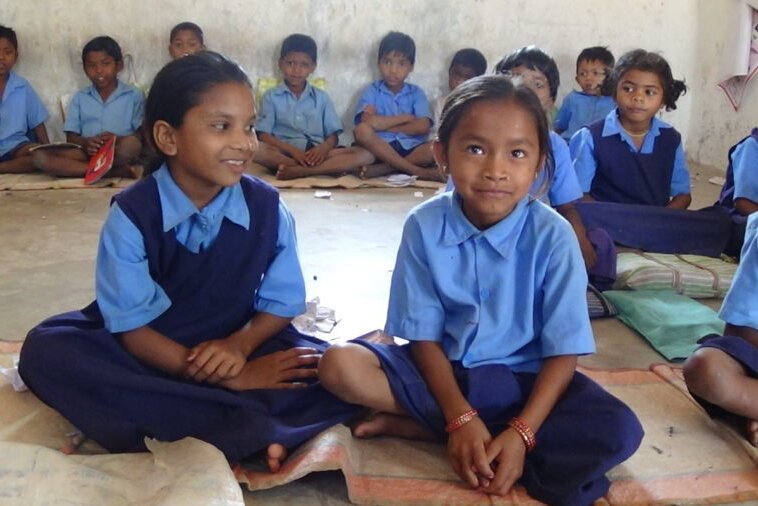

Supporting Children who Struggle with Learning: Utthan Project, Adani Foundation
By Santhakumar V and Subrat Kumar Mishra | Nov 16, 2022
In this essay, we look at the work of Utthan sahayaks in supporting those children who are identified as lagging behind in learning. This is based on a short-period fieldwork in three schools in the Mundra region of Kutch district in Gujarat.
-
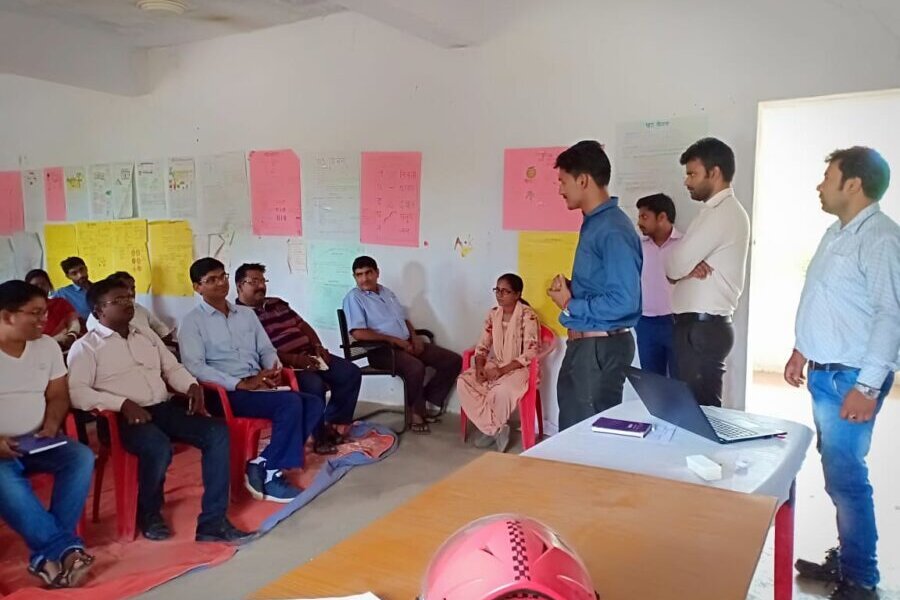
Digital Learning Materials Empower Teachers and Improve Educational Achievements
By Santhakumar V and Subrat Kumar Mishra | Sep 28, 2022
We take a look at the Gyanodaya project of the Adani Foundation in the Godda district of Jharkhand. As part of this, the Foundation has provided basic infrastructure (including TV sets) for smart classrooms and digital learning materials to 293 government schools in the district. These learning materials, prepared by ‘Eckovation’ – an edu-tech company, are based on the Jharkhand State Board syllabus.
-
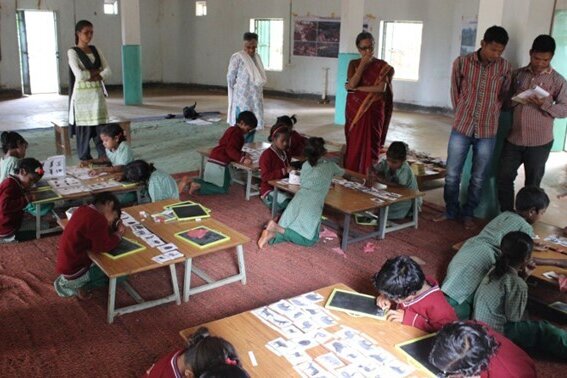

अग्रगामी के सिविक लर्निंग एंड डेमोक्रेटिक एंगेजमेंट (CLDE) प्रोजेक्ट से प्राप्त सबक
सन्दर्भ2013 की शिक्षा की वार्षिक स्थिति रिपोर्ट (ASER report[^1]) के अनुसार, रायगढ़ (ओडिशा), आदिवासी आबादी के उच्च अनुपात वाला एक ज़िला, कक्षा I और II…
-
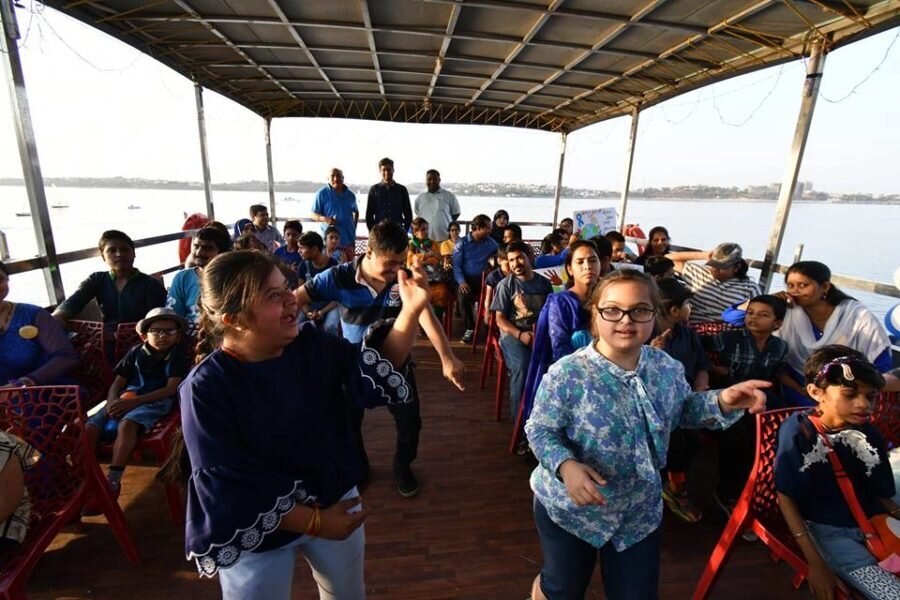
दिव्यांगजनों के सशक्तिकरण की दिशा में एक द्विआयामी रणनीति : आरुषि से प्राप्त सबक
द्वारा: शेफ़ाली त्रिपाठी मेहता, अंकुर मदान | Feb 9, 2022
दिव्यांगता सम्बन्धी जागरूकता पर आरुषि द्वारा निर्मित लगभग 120 पोस्टर बांग्लादेश, श्रीलंका और पाकिस्तान के गैर‑सरकारी संगठनों सहित, सरकारी एजेंसियों और निजी संगठनों द्वारा इस्तेमाल किए जाते हैं, जो दिव्यांगता से सम्बन्धित मुद्दों के लिए समर्थन जुटाने और जागरूकता फैलाने के लिए इस्तेमाल में लाए जाते हैं। उर्दू, असमिया, गुरुमुखी, बंगाली और तेलुगु सहित कई भारतीय भाषाओं में अनुवादित पोस्टर देश भर में प्रदर्शित किए गए हैं।
-
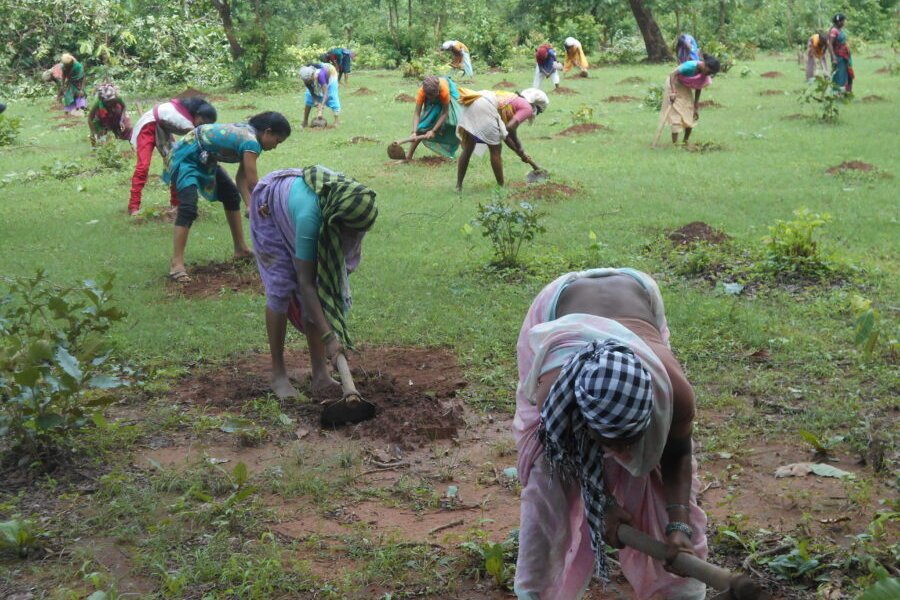
अनुसूचित जनजातियों के लिए एक बेहतर जीवन: गढ़चिरोली (महाराष्ट्र) से प्राप्त सबक
द्वारा : वी शांताकुमार एवं सुब्रत मिश्रा | Jan 25, 2022
सामुदायिक वन अधिकारों के प्रभावी और सतत उपयोग की दिशा में आम्ही आमच्या आरोग्यसाठी (AAA) के प्रयास उल्लेखनीय हैं। उनके द्वारा लगभग 560 परिवारों को शामिल करते हुए ज़िले के कोरची ब्लॉक के छह गाँवों में सामुदायिक वन अधिकारों के प्रभावी प्रवर्तन के लिए आदिवासी सामुदायिक संगठनों, ग्राम सभाओं को मज़बूत बनाने के लिए कार्य किया जाता है। इन क्षेत्रों में गोण्ड और कंवर जनजातियाँ निवास करती हैं। प्रयासों का उद्देश्य स्थाई कटाई, और स्थानीय वन, कृषि वनस्पतियाँ और पेड़ उगाने के माध्यम से आजीविका के अवसरों को मज़बूत बनाना था।
-
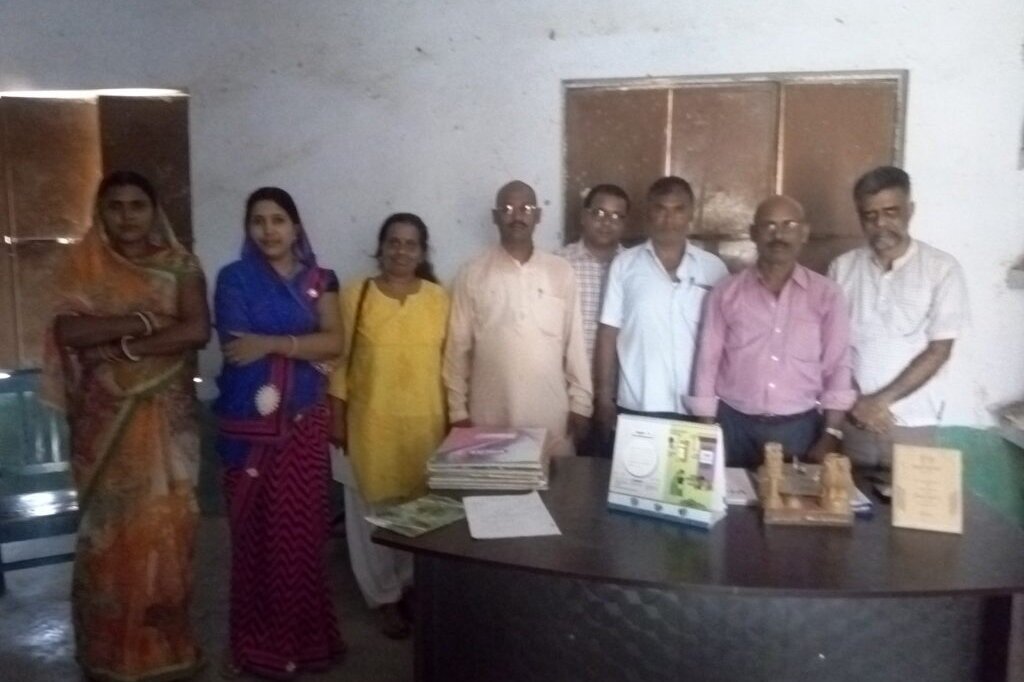

सार्वजनिक शिक्षा में सुधार के लिए गैर‑सरकारी संगठनों के प्रयास: आनन्दशाला (समस्तीपुर, बिहार) से प्राप्त सबक
द्वारा : वी शांताकुमार एवं रमा देवी | Jan 10, 2022
आनन्दशाला कार्यक्रम के प्रभाव को देखने के बजाय, यह रिपोर्ट भारत के इस हिस्से में स्कूली शिक्षा में सामने आने वाली बड़ी चुनौतियों पर ध्यान केन्द्रित करती है और इन्हें दूर करने के लिए सम्भावित रणनीतियों का भी सुझाव देती है। हम उस भूमिका पर ध्यान केन्द्रित करते हैं जो आनन्दशाला जैसे हस्तक्षेपों द्वारा निभाई जा सकती है और इस कार्यक्रम द्वारा अपनाई गई कुछ निश्चित मुख्य प्रक्रियाओं की पहचान करते हैं।
-
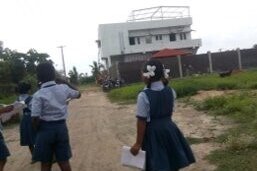

Designing a Teacher Capacity-Building Programme for EVS
By Gowthama Rajavelu | July 20, 2021
In terms of the larger insights and learning, this course gave a big picture of EVS to teachers. They could see the importance of taking children out and using the outdoor environment as an effective approach for developing appropriate EVS skills and sensitivities.
-

Online Teacher Professional Development: Learnings and Reflections for Classroom Engagement
By Shankar K | Apr 8, 2021
The challenge of an online course lies in making it interactive and lively to sustain the interest and attention of the participants. In Puducherry, compared to English and Mathematics, there are very few in-service capacity development programmes conducted in Tamil teaching.
-
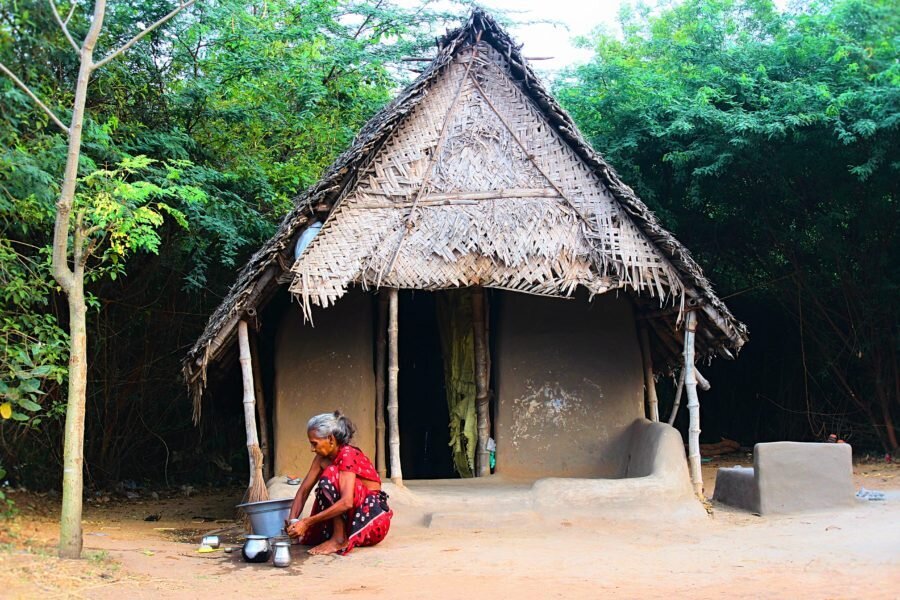
Development Actions by Pooling Resources
By V Santhakumar, Pallavi Deshpande, Akansha Singh, Subrat Kumar Mishra | Feb 5, 2021
The foundation has partnered with a local NGO to implement HBMNC in this area. Young women from the region who have received education up to an undergraduate level or diploma in midwifery or nursing are enlisted for this program. Each of these young women works with about 15 – 16 ASHA workers to enhance their awareness and capacity and ensure that essential care is given to pregnant mothers.
-


Online Teacher Professional Development: Lessons from Puducherry
By Gowthama Rajavelu and Naveen Kumar | Dec 24, 2020
In a face-to-face session, the facilitator can always know the participants’ state of mind and can crack a joke or play a game to break the monotony and capture their attention. Also during a face-to-face interactions, power point presentations are only secondary; the facilitator is the primary point of interaction. In online sessions, PowerPoint presentations, play a central role in keeping the participants engaged as a facilitator cannot see the reaction of the participants and the participants cannot see the facilitator.
-

Challenges in Scaling-up Actions of an NGO: Lessons from Kheti Virasat Mission
By Santhakumar V and Rema Devi (with response from KVM) | Dec 18, 2020
The organisation receives funding from individual donors from India and abroad (non-resident Indians). Though ‘giving’ for charity, altruistic or social purposes is catching up among Indians, this is not enough for an adequate amount of resources flowing towards social purposes. Though many middle-class Indians afford to provide some money towards this, they are yet to see the importance of doing so. There is a lot more money flowing towards religious purposes and festivals than for social purposes.
-


Promoting Organic Farming: Lessons from Kheti Virasat Mission, Punjab
By Santhakumar V, Rema Devi, Rupsi Garg | Nov 12, 2020
Will the presence of a set of successful organic farmers in Punjab, and the general perception of the safety of organic food products, encourage the majority of farmers in the state to move away from agriculture which uses chemical inputs excessively? Such a movement is needed if the negative impact on soil, water and other dimensions of the natural environment is to be reduced.
-
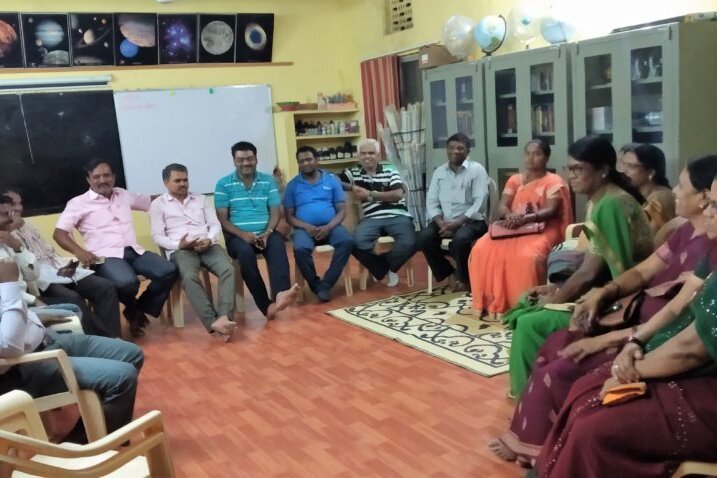

Role of the Core Committee in Teacher Professional Development
By Guru Moger | Nov 6, 2020
In the present context of teacher professional development process, the TLC core committee has an important role to play. The TLC is a platform for teacher development through various modes but sustaining and motivating a group of teachers around the TLC to regularly engage in events needs concerted efforts. This is only possible when stakeholders from within the system come together to take the responsibility of identifying the professional needs of teachers and design suitable events to support them. The core committees are playing this role in most of the TLCs in the NEK region.
-

Do Higher Levels of Education Make People Environment-Friendly?
By V Santhakumar, Kerry Shephard and Ritika Gupta | Aug 20, 2020
In general, people are probably reluctant to adopt those eco-friendly behaviour that have a significant personal cost, even though they are aware of the importance of doing so. This is evident from the correlations seen in empirical studies between environmental attitude and low-cost pro-environmental behaviour, such as recycling.
-
Indigenization of Higher Education: Trends in India, Latin America and New Zealand
Though the demand for indigenization of higher education content is genuine, there are a number of constraints in realizing it. There is a global tendency towards homogenization of higher education content.
-
Educating Leaders for Social Development: Lessons from SEWA
A look at the experience of SEWA (Self-Employed Women’s Association) in creating leaders from among the less-educated women who are involved in various occupations in the informal sector.
-
From an Institute of Social Work to a University of Social Sciences: The Evolution of Tata Institute of Social Sciences
By Santhakumar V | Jan 3, 2020
The foundational objective of the Tata Institute of Social Sciences was to create professional social workers for urban charities and industries. Is it possible to use higher education effectively for such specific social purposes? What are the challenges?
-
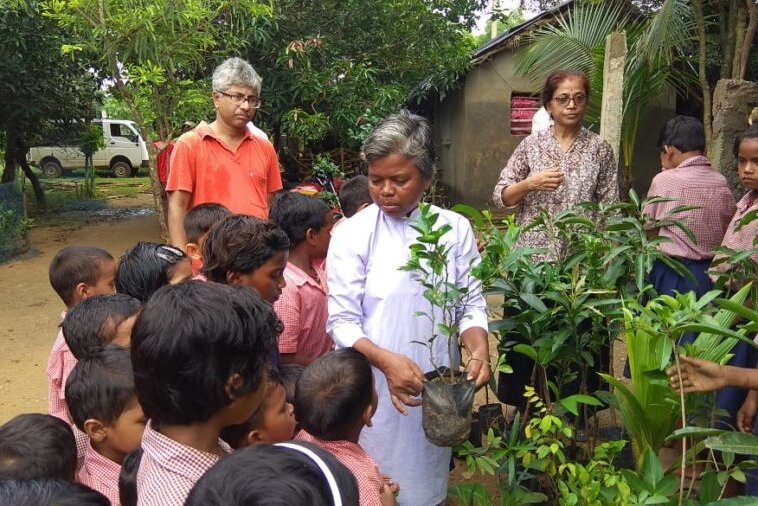
Bringing Santhali Traditions to Mainstream Schooling: Lessons from Lakshmi Murmu Smriti Vidyalaya
By Shipra Suneja and Rema Devi | Dec 6, 2019
Lakshmi Murmu Smriti Vidyalaya in Chaachanpur, West Bengal run by the Chaachanpur Mahila Kalyan Samiti is an initiative by two women who believed that only education could bring empowerment among the Santhali community.
-
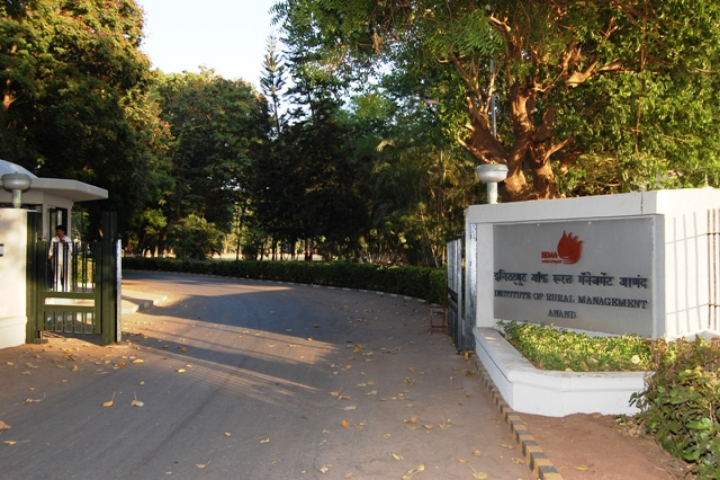

Transition of Institute of Rural Management and What it Means for Azim Premji University
By V Santhakumar and M S Sriram | Nov 27, 2019
This essay is part of a series on the challenges and dynamics of the Institute of Rural Management, Anand (IRMA). Its transition is compared with the experience of Azim Premji University, which also strives to create reflective practitioners in the domains of education and human development.
-

Implementation of Forest Rights Act: Towards an Informed Collective Action by Stakeholders
By Team, Initiative for Effective Implementation of FRA, Azim Premji University | Nov 12, 2019
Effective implementation of the Forest Rights Act (leading to the improvement in the welfare of tribal communities and the management of forests on a sustainable basis) requires an informed collective action of different stakeholders both at the state (and national) level and also at the micro (village) level.
-

Intercultural Universities in Latin America: Lessons for India
By V Santhakumar and Gunther Dietz | Nov 6, 2019
Intercultural universities have emerged in the 21st century in the Latin American countries to address the limitations of conventional universities in addressing the needs of the indigenous people.
-
A Two-Pronged Strategy Towards Empowering People with Disabilities: Lessons from Arushi, Bhopal
By Shefali Tripathi Mehta, Ankur Madan | Oct 24, 2019
The focus of Arushi’s work is towards Inclusion and their approach is two-prolonged. On the one hand, they empower people with disabilities (PWDs) and on the other, they sensitise people without disabilities about the needs, requirements and the capabilities of PWDs.
-
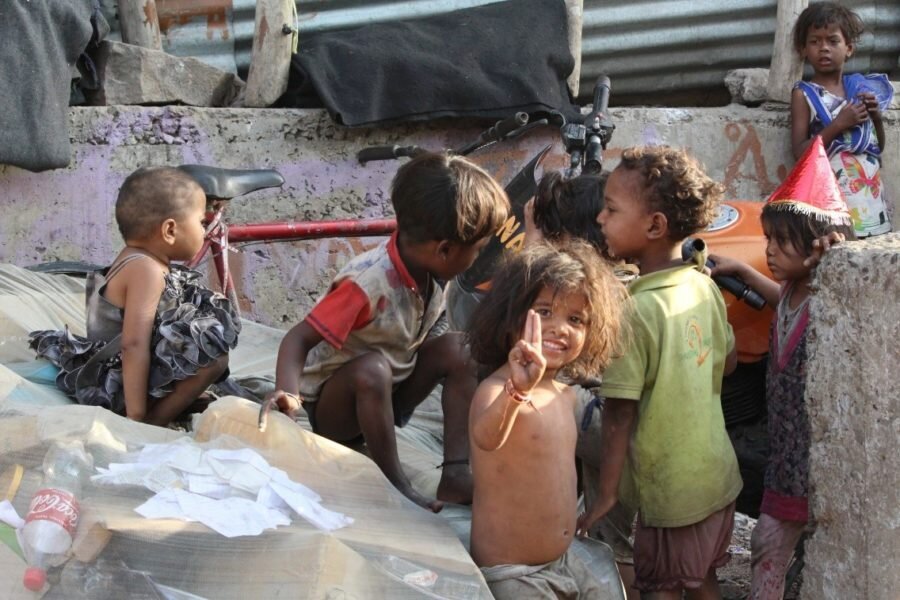
The Promise of Education in the Lives of Urban Adivasis: Lessons from Muskaan
By Ritika Gupta | Sept 26, 2019
Muskaan is an NGO working with vulnerable children and youth living in bastis in Bhopal on the issues of education, identity, violence, health and nutrition.
-
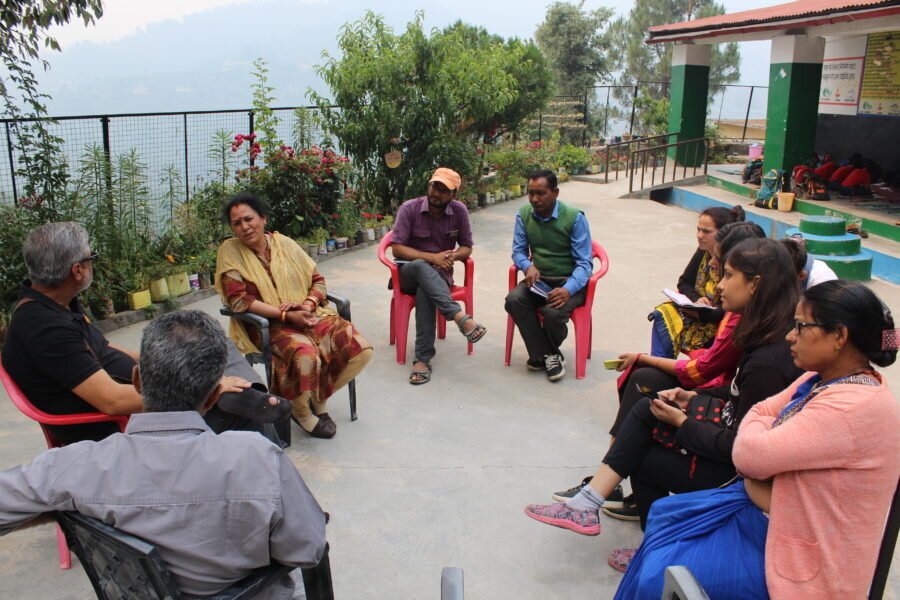
Sustaining the Momentum of a Transformation: Lessons from CHIRAG
By Santhakumar V, Anant Gangola, Subrat Mishra | Sept 5, 2019
CHIRAG, in the Kumaon region, is an NGO working on a number of issues, including water, conservation, education, livelihoods, and empowerment of women.
-
Management of Commons: Lessons from Foundation for Ecological Security
By Santhakumar V, Subrat Mishra, Anant Gangola | Aug 22, 2019
The primary focus of work of the Foundation for Ecological Security (FES) is the ‘ecological restoration and conservation of land and water resources, in the uplands and other eco-fragile, degraded and marginalised zones of the country’.
-
Community Volunteers Ensure Children’s Attendance in School: Lessons from Anandshala
By Members of Quest Alliance, Sharad Sure, Subrat Mishra, Santhakumar V | July 16, 2019
To encourage children to attend school, the Anandshala programme enlisted a group of boys and girls from the locality who had completed grades X and XII as ‘community champions’.
-
Early Intervention Programme: Lessons from National Institute of Speech and Hearing
By Ankur Madan | July 2, 2019
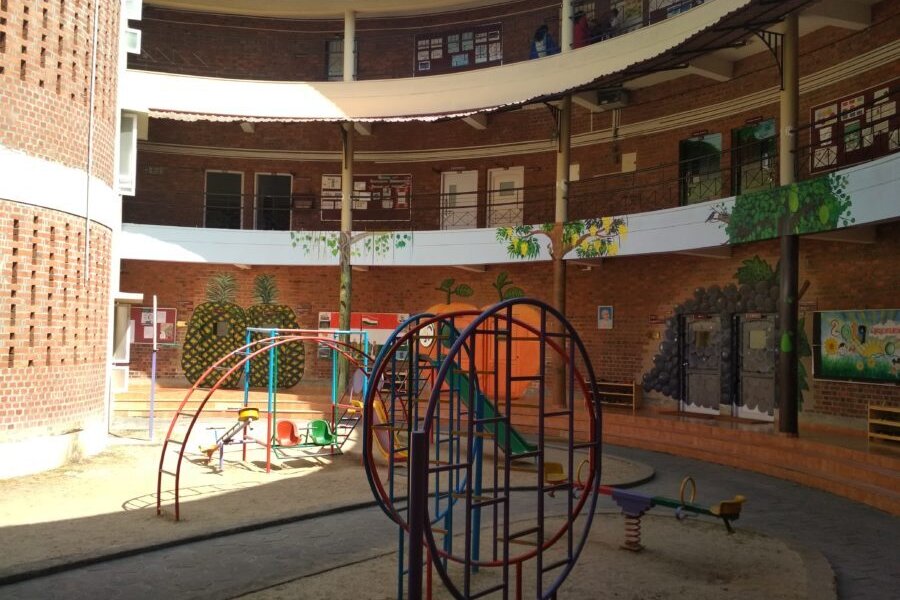
According to the 2011 Census data, 7.01 percent of children in the age group of 0 – 6 years in India have a disability, inborn or acquired. In this regard, early identification and intervention services can play a crucial role in prevention as well as remediation of the developmental delays that occur in young children.
-
Safeguarding Tribal Languages: Lessons from Bhasha’s Adivasi Academy
By Shipra Suneja, Ritika Gupta, Rema Devi | May 14, 2019
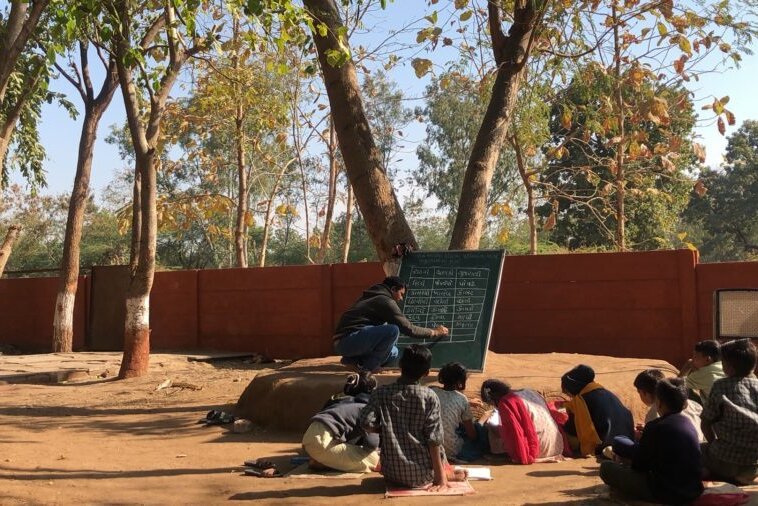
The language of the marginalised, particularly, stands the risk of extinction (Devy, 2010). Losing a language would also mean losing the arts, rituals, beliefs and lifestyles of the community and its people. This report is based on our short visit to the Adivasi Academy.
-

Universities for a Just, Equitable, Humane and Sustainable Society: Lessons for and from Azim Premji University
By Santhakumar V | Nov 27, 2019
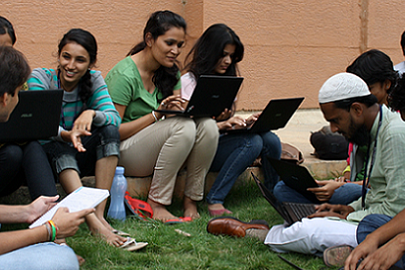
There have been various experiments in higher education in different parts of the world to address social challenges beyond the practice of affirmative action. An assessment of these may help us contextualise the experience of Azim Premji University during the eight years of its existence. This paper identifies the challenges a university that aims to address social issues may face.
-

The Education of Children from Fisher Communities: Lessons from Indonesia, India and Brazil
By Santhakumar V and John Kurien | Feb 12, 2019
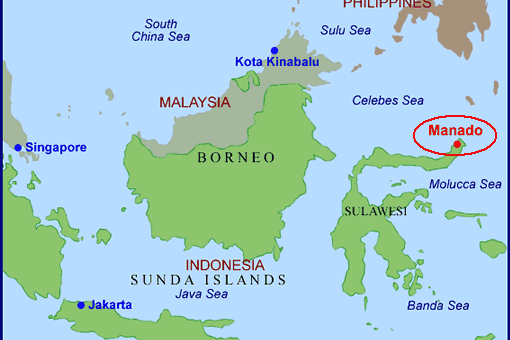
Residential schools for children of fisher families would prevent their exposure to the vocation of their parents. What are the options for their schooling?
-
The Need for Intercultural Education in India: Lessons from QUEST, Maharashtra
By Santhakumar V, Rema Devi | Jan 29, 2019
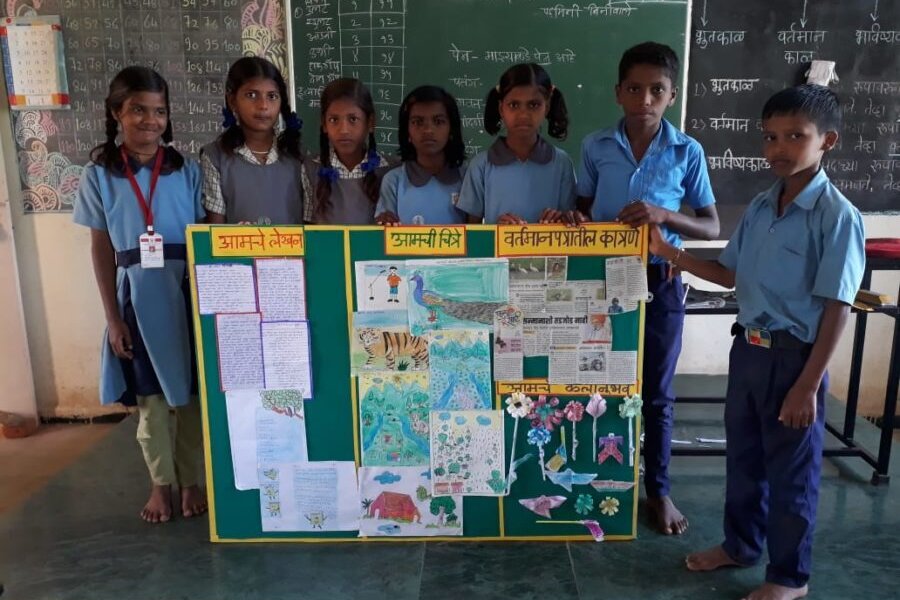
It may not be desirable to advocate for a separate curriculum for tribal children. Instead, teaching should be localised to achieve the objectives of the present curriculum.
-
Efforts of NGOs to Improve Public Education: Lessons from Anandshala
By V Santhakumar, Rema Devi | Jan 10, 2019
We look at the work of Quest Alliance with the government schools in the Samastipur district of Bihar. This intervention was started as part of the School Dropout Prevention Pilot (SDPP) programme, a project funded by the United States Agency for International Development (USAID) in four countries during 2011 – 15.
-

Inclusion of People with Disabilities: Lessons from Association of People with Disability
By Santhakumar V, Ankur Madan, Subrat Mishra | Nov 6, 2018
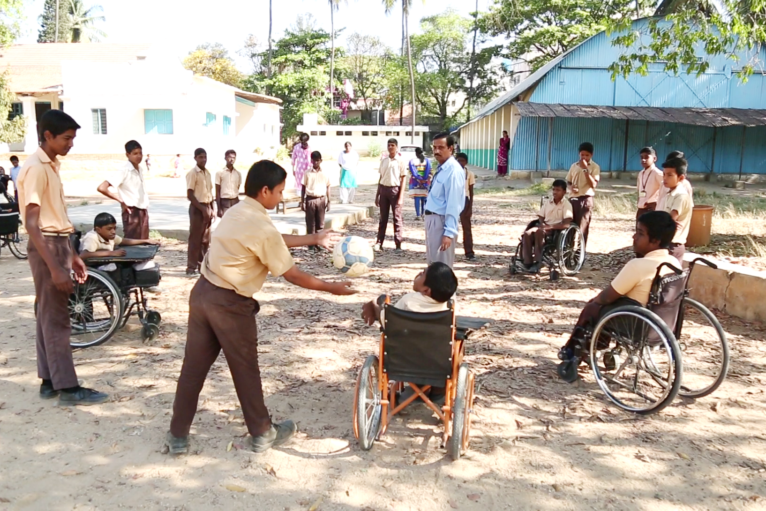
The Association of People with Disability (APD) acknowledges that disability rehabilitation is not merely a medical or a health issue, but more a social, human rights and justice issue. People with Disabilities (PWDs) encounter multi-dimensional barriers, and hence, APD follows a ‘combination of social and human rights model of disability’. -

Social Actions That Followed the Total Literacy Campaign: Lessons from Malar, Kanyakumari District
By Santhakumar V, Anant Gangola, K K Krishna Kumar | Oct 25, 2018
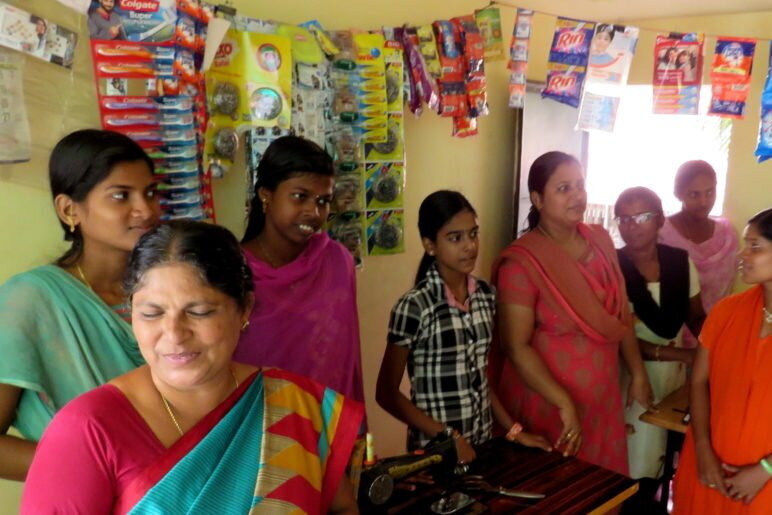
The social actions that have followed the Total Literacy Campaign not only enabled the schooling of children in different ways but also galvanised social actions to address various other development issues.
-
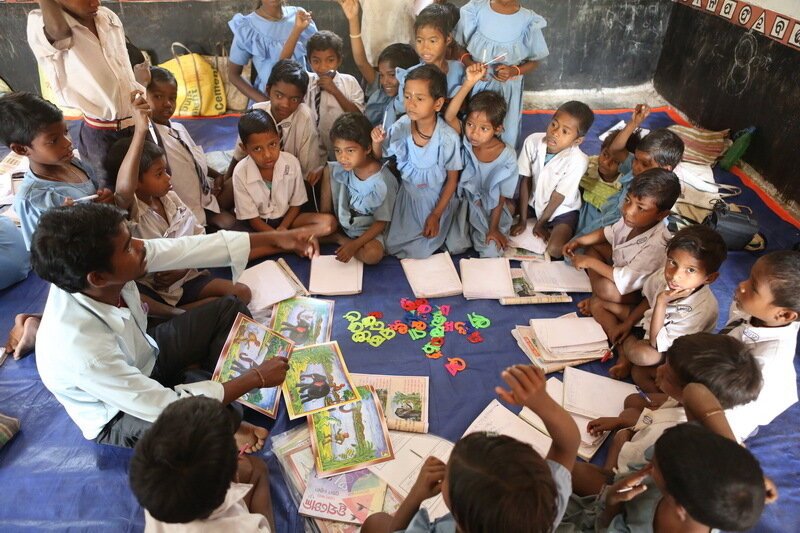

Role of Non-Governmental Organisations in the Education of Scheduled Tribes: Lessons from Sikshasandhan, Odisha
By Santhakumar V and Nazrul Haque | Oct 8, 2018
Tribal groups in India speak their own languages and not the mainstream language of the state they live in, which is a major hurdle in the education of their children. MLE and other innovative practices are being attempted in Odisha by NGOs, like Sikshasandhan.
-
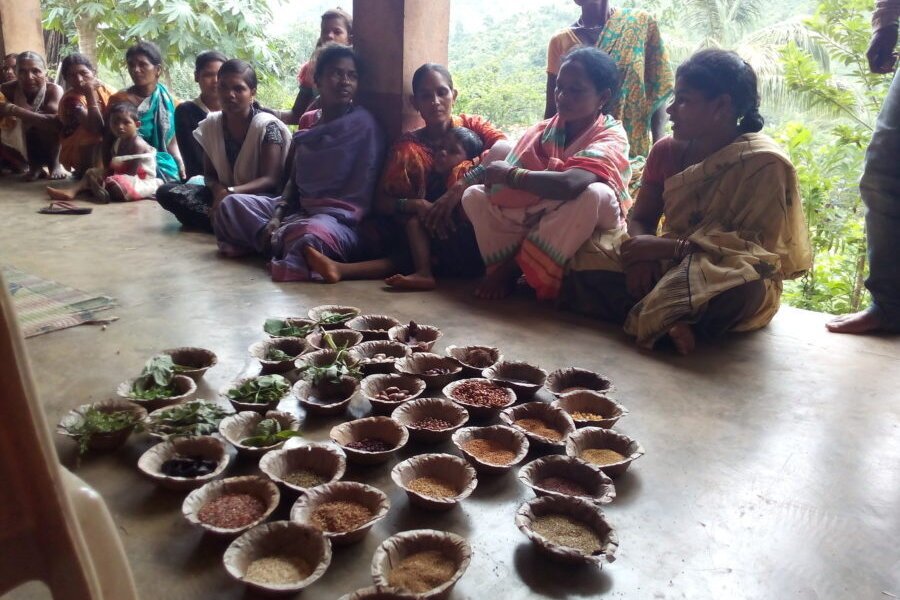
Improving the Nutritional Status of Tribal People: Lessons from the work of Living Farms, Odisha
By Santhakumar V and Amarendra Das | Sep 24, 2018
There are different approaches towards the human development of the tribal or the indigenous people. Broadly, one can see two extreme positions in this regard. The first is one of modernising these communities to integrate them with the mainstream population.
-
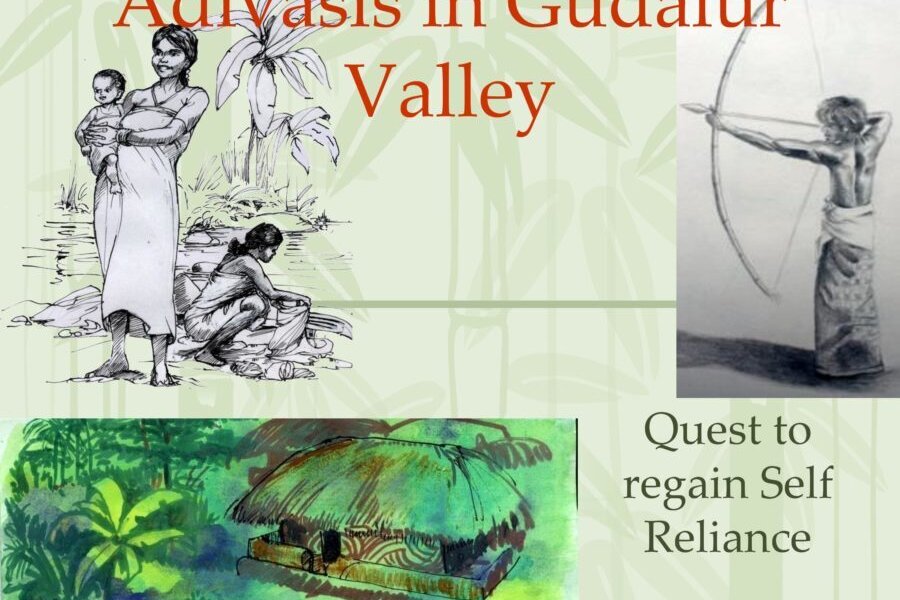
Social Movements Leading to Educational Change Among Marginalised Social Groups: Lessons from the work of Adivasi Munnetra Sangam
By Amman Madan, Rama Sastry and B. Ramdas | Sep 4, 2018
ACCORD’s work took off in 1985. Initiated by Stan and Mari Thekaekara and an Adivasi youth leader, KT Subramani, it aimed at building a cadre of youth who could get back the land that the people had lost.
-

Creative Language Development Among Tribal Children: Lessons from Agragamee’s CLDE Project
By Indira Vijaysimha | Aug 1, 2018
Agragamee, an NGO working with the marginalised and underprivileged communities in the tribal districts of Odisha has sought to address the problems confronting the universalisation of primary education in tribal areas in several ways.
-
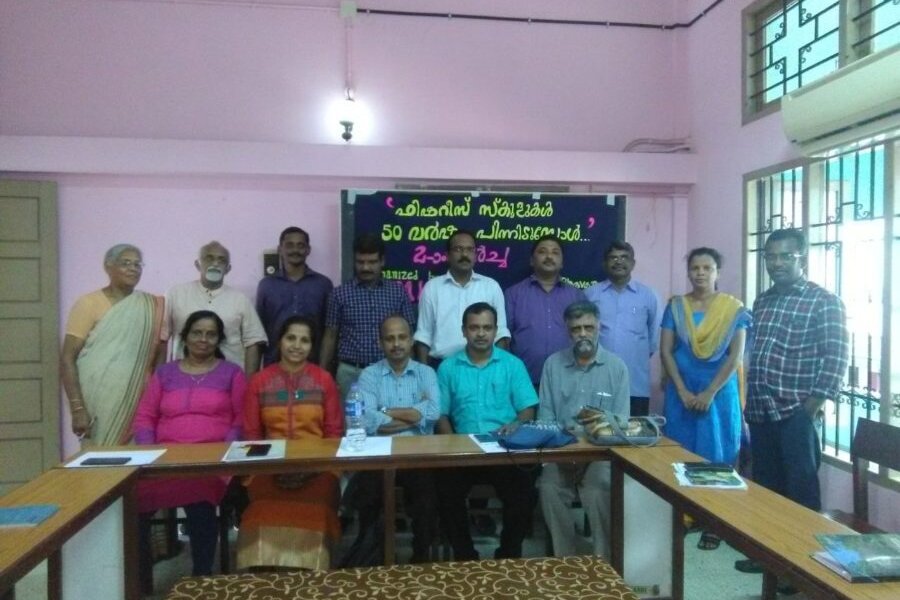
Schooling of Children from Fisher Families: Lessons from Fisheries Schools in Kerala
By Santhakumar V, John Kurien, Rema Devi | Jul 13, 2018
The world over, marine fishing communities which inhabit the coastal fringes of their countries, have adopted occupational and work practices which establish a special socio-cultural ethos for them and which tends to be different from that of the mainstream society.
-
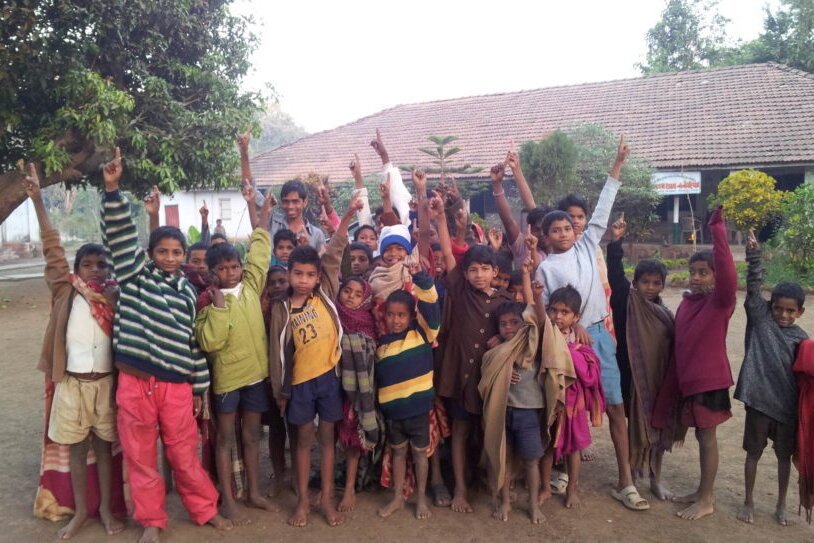

Schooling of the Scheduled Tribes in India: Lessons from the Education of Indigenous People in Brazil
By Santhakumar V and Amarendra Das | Jul 3, 2018
The Scheduled Tribe (ST) is one social group in India that faces the most difficult challenges in schooling. Though efforts are being made to address some of these, like providing education in their native languages in the primary grades (I‑III), many other challenges keep emerging.
-
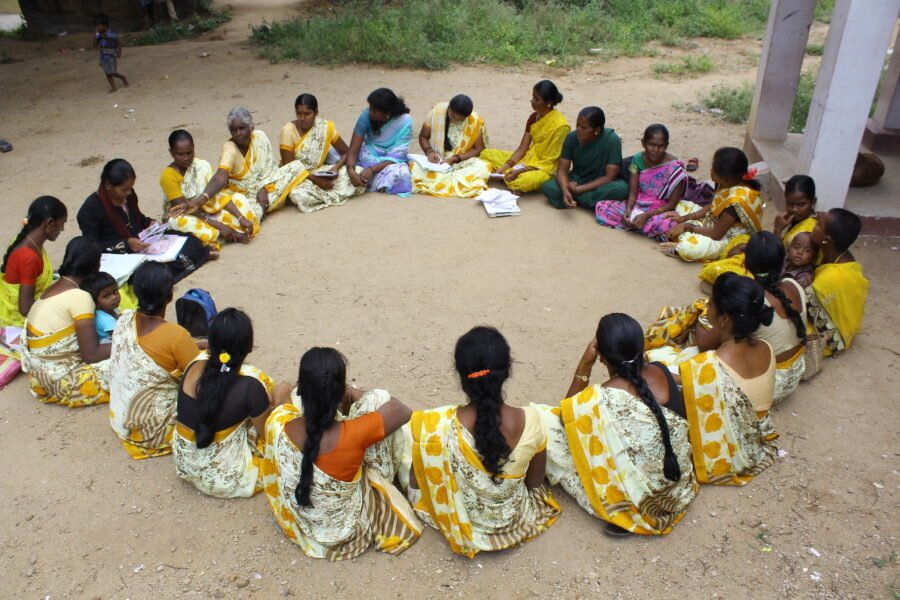
IVDP: A Viable and Sustainable Model of SHG-Based Lending: Lessons from Krishnagiri, Dharmapuri, and Vellore Districts of Tamil Nadu
By V Santhakumar, Anant Gangola, Subrat Mishra | Jun 5, 2018
The Integrated Village Development Project (IVDP) is a notable non-governmental organisation working in the Krishnagiri, Dharmapuri, and Vellore districts of Tamil Nadu. This is founded by Mr. Kulandai Francis, recipient of the Ramon Magsaysay Award in 2012.
-
The Working of a Fisher School: Lessons from Brazil
By José Bittencourt da Silva | Jun 1, 2018
The School of Fisheries (CEPE) is a full-time primary and secondary level municipal public school for the Education of Youth and Adult (EJA), located in Outeiro, an insular area of the municipality of Belém do Pará in Brazil…
-
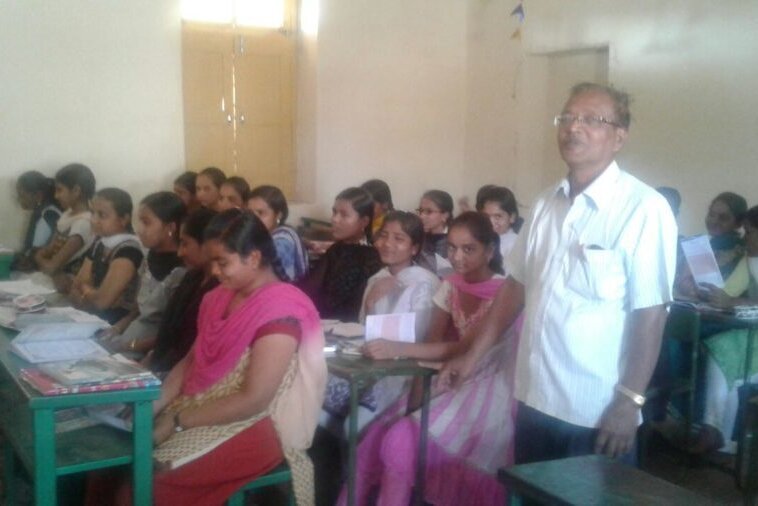
Engendering Social Transformation Through an Educational Intervention: Lessons from Samata Project
By Sreeparna Chattopadhyay and H S Srikanta Murthy | May 9, 2018
According to the 2011 Census, there are over 2.4 million adolescent girls aged 10 – 14 years who are married in India. Early marriage deprives girls of their legal entitlements to education…
-
A Better Life for the Scheduled Tribes: Lessons from Gadchiroli, Maharashtra
By Santhakumar V and Subrat Mishra | May 13, 2018
The relatively improved situation of Gadichiroli becomes clearer when we note that the adjoining districts of Dantewada and Bastar in the state of Chhattisgarh have literacy rates of 30.2 percent and 43.9 percent respectively while Gadchiroli has a literacy rate of 60.1 percent (based on 2001 census).