From Gully Cricket to Gold Medals: Where Does Play End and Sport Begin?
Why do adults stop playing? In this debut episode of Game Play Sport, we explore the surprising difference between game, play, and sport — and what India loses when play disappears from our lives.
Details
Why did we stop playing? Somewhere between growing up, sitting for exams, and cheering from the sidelines, most of us quietly swapped the playground for the couch. What used to be instinctive — running, climbing, inventing games with nothing but sticks and stones — has now been replaced by structured routines, fitness apps, and an overwhelming pressure to perform. But what do we really mean when we talk about game, play, and sport? And does it matter that we’ve stopped asking?
In this opening episode of Game Play Sport, hosts Rahul De, Associate Professor, School of Arts and Sciences, Azim Premji University; Kailash Koushik, Assistant Professor, Department of Media Studies, Christ University; and Arvind Bharathi BN, Assistant Professor, School of Arts and Sciences, Azim Premji University, come together to revisit the forgotten joy of playing — without purpose, without pressure, and without prizes.
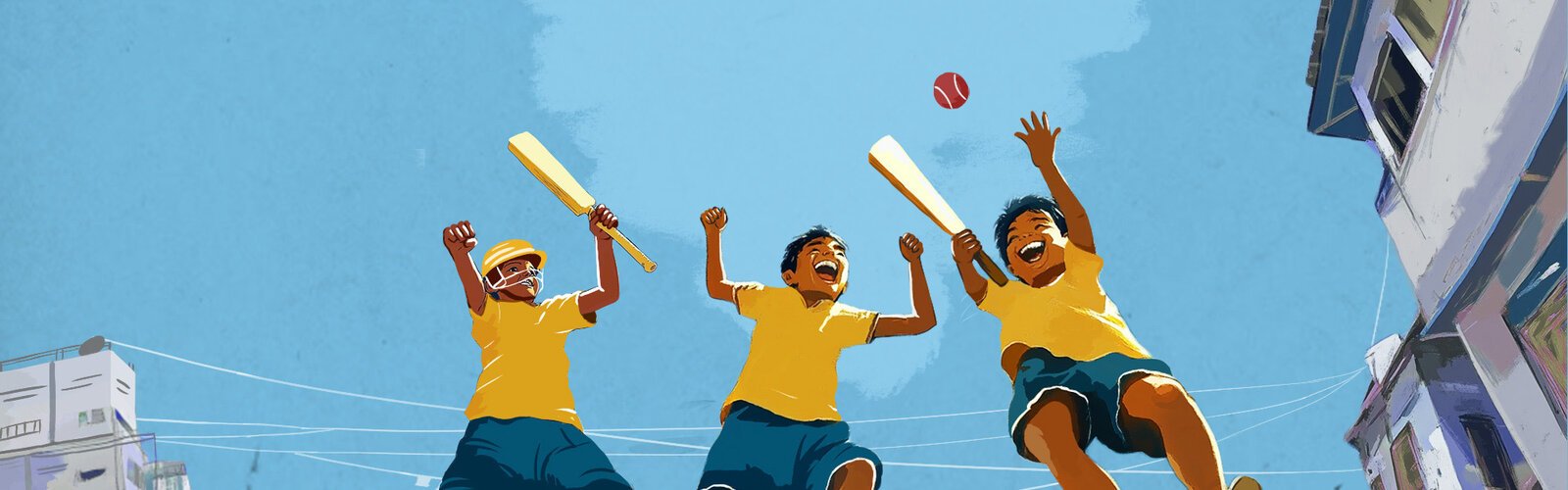
They start by unpacking the differences between game, play, and sport. Is gully cricket with its ever-changing rules still a game? Is catching a frisbee in the park just play? And when do things start becoming serious — with scoreboards, coaches, and medals involved?
The conversation moves from childhood nostalgia to adult hang-ups. Why do we associate play only with children? Why do we stop engaging in games as we grow older? And more importantly, what would happen if we didn’t? The episode also looks at India’s complex relationship with sport: we’re a country that passionately cheers from the sidelines but rarely invests in play as a right or a regular habit.
The trio reflects on the growing visibility of sport in policy — with the National Education Policy calling for greater integration of play in schools — and asks what would shift if we actually took that seriously. What if schools didn’t just tolerate play but prioritised it?
This episode isn’t just about sport. It’s about remembering that movement can be joyful, that games don’t always need referees, and that play — unstructured, unjudged, and freely chosen — might just be what we all need more of.
Game Play Sport is a new show from Radio Azim Premji University.
Listen now on YouTube, Spotify, Apple Podcasts, Amazon Music, SoundCloud, and other major platforms.
Subscribe to stay updated on upcoming episodes.
Credit: Akshay Ramuhalli, Bruce Lee Mani, Gorveck Thokchom, Kishor Mandal, Kruthika Rao, Narayan Krishnaswamy, Prashant Vasudevan, Ram Sheshadri, Sananda Dasgupta, Seema Seth, Shraddha Gautam, Supriya Joshi, and Velu Shankar.
You May Also Like
-
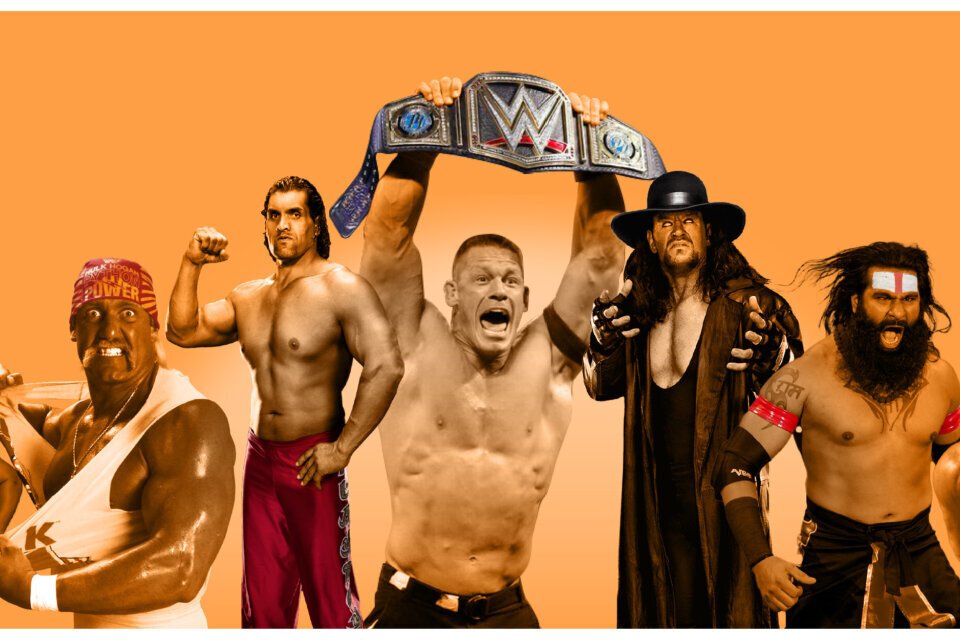

Apna WWE — Get In The Ring!
In the first episode of a conversational and engaging series, economist Rahul De invites media studies expert Kailash Koushik to discuss the culture and economics of the professional wrestling entertainment promotion that has acquired an ardent fan following in India
-
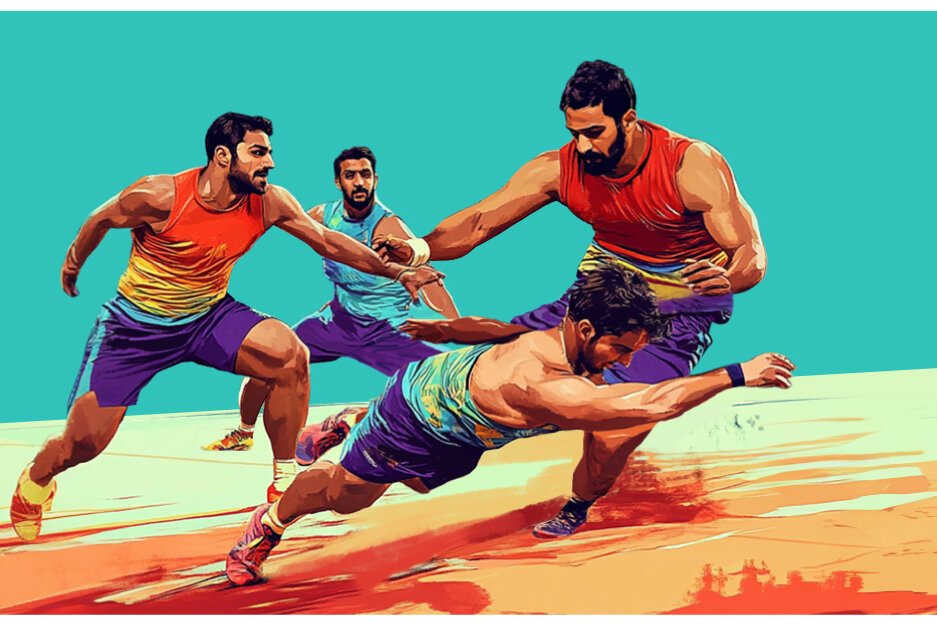

Kabaddi’s Journey — From Akhada To Arena
In the second episode of Economies of Khel, economist Rahul De and media expert Kailash Koushik explore how kabaddi transformed from a rural pastime into a professional sport, pinning down why the Pro Kabaddi League become the second most-watched sports event in India
-


Run for life, run for the money
In Episode 3 of Economies of Khel, Arvind Bharathi joins Rahul De and Kailash Koushik to keep pace with the emerging subculture of running in India. Through analyses and anecdotes, Run Bhoomi traces the passion, culture, and business behind running in India.
-
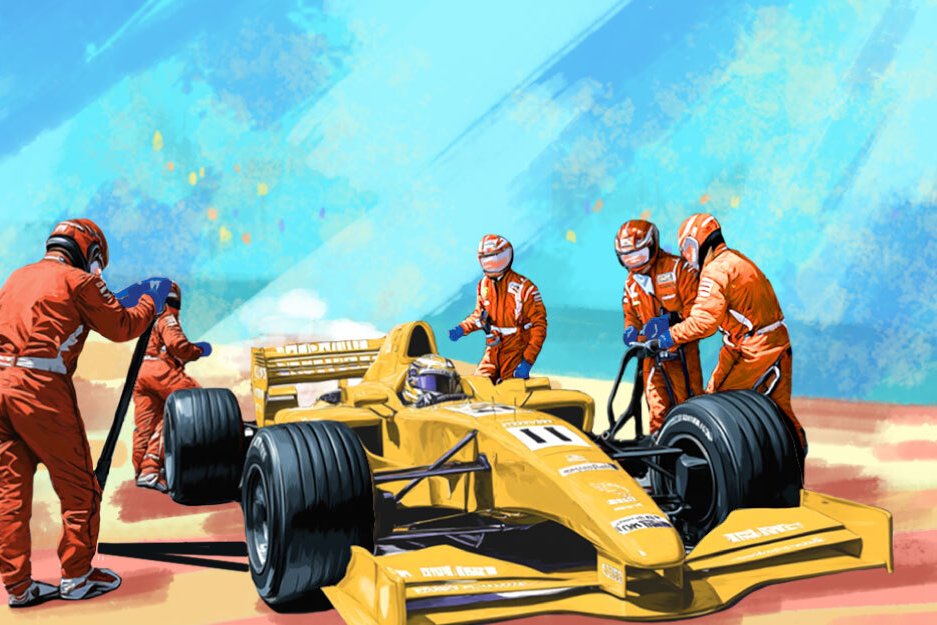
Short Circuit — India’s F1 Story
After zooming off to a roaring start, Formula One racing in India was doomed to crash and burn only two years later. What went amiss? In the fifth episode of Economies Of Khel, our continuing series about the business of sports, Rahul De and Kailash Koushik pursue the answers
-
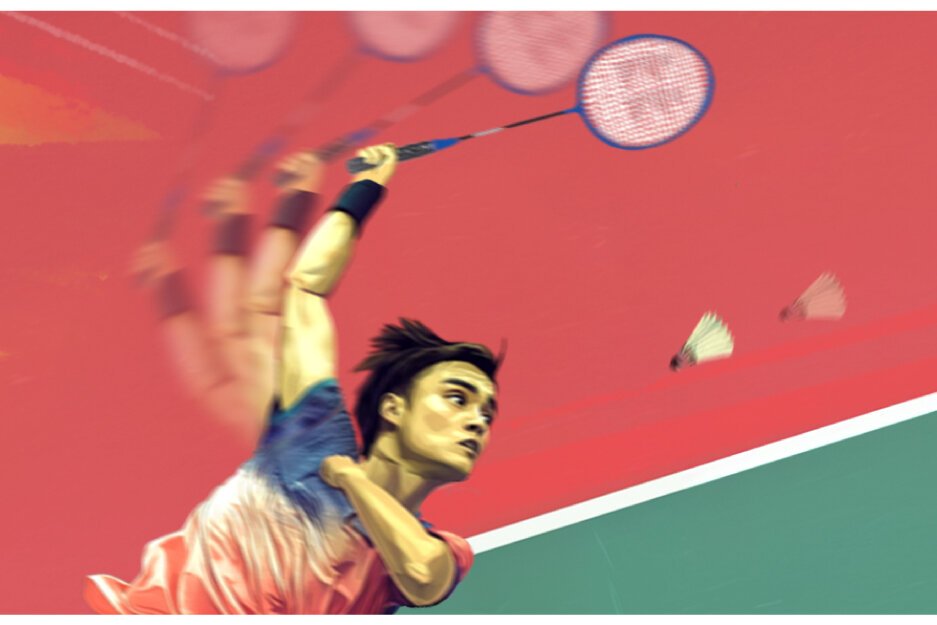
Net-Net: The Smashingly Curious World of Indian Badminton
The easy accessibility of badminton in India makes it a game both ubiquitous and inclusive, where men and women can play together. In Ep 4 of Economies Of Khel, we unwrap the subculture of the shuttlecock game and its place in India both as a sport and as a business. Curious? Tune in.