Run for life, run for the money
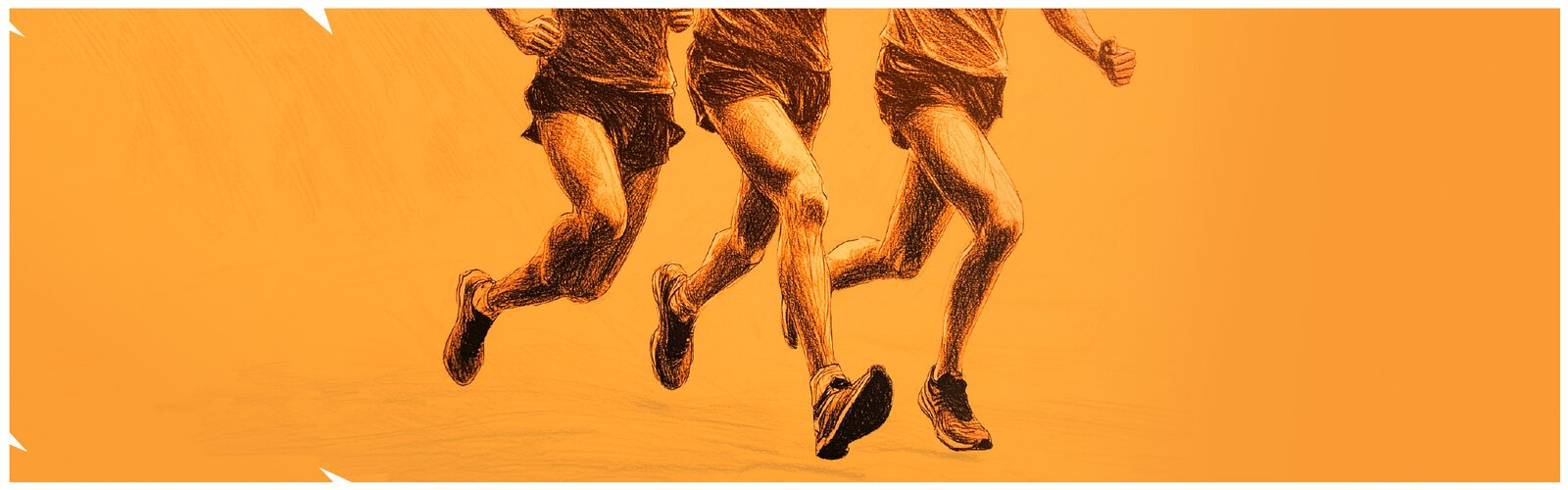
In Episode 3 of Economies of Khel, Arvind Bharathi joins Rahul De and Kailash Koushik to keep pace with the emerging subculture of running in India. Through analyses and anecdotes, Run Bhoomi traces the passion, culture, and business behind running in India.
Details
Running has experienced a transformation in India over the past two decades, evolving from a niche, almost elitist activity to a popular, mainstream pursuit. This shift can be attributed to several factors, including the rise of fitness awareness, the role of social influencers, and the establishment of dedicated running communities across urban centres in the country, including cosmopolitan cities like Bengaluru. Today, running has grown into both a passion sport and a profitable industry in India.
The rise of running in India can be traced back to the late 2000s, coinciding with the return of tech professionals from the USA to Bangalore at the height of the dot-com boom in the Indian information technology industry. These returnees brought with them the enthusiasm for distance running, which had already become mainstream in Western countries.
In Bengaluru, then still answering to the name of Bangalore, communities like the Hashhouse Harriers and senior enthusiasts such as KC Kothandapani played a pivotal role in transforming running from a leisure activity to an organised, inclusive sport. Their efforts helped establish the city as a major hub for running, leading to the formation of groups that catered to a growing number of amateurs and professionals alike.
As running gained momentum, the business side of the sport also flourished. International sport apparel brands saw the growing market potential in India, promoting their products through running clubs, marathons, and sponsorship deals. Corporate companies began sponsoring marathons and long-distance events, encouraging their employees to embrace fitness through running. Furthermore, the rise of digital platforms allowed running influencers and coaches to build followings, transforming the sport into a viable career for many.
Today, the running subculture in India continues to thrive, with an increasing number of marathons, half-marathons, and running vacations — or “runcations” — being organised across the country. Running has evolved from a hobby to a way of life, with its enthusiasts not only chasing personal fitness goals but also fostering a sense of community. The sport has transformed into a cultural phenomenon, blending fitness, business, and social connection in a uniquely Indian context.
Arvind Bharathi, who has been deeply involved in the running circuit, was instrumental in spearheading the movement through his work with Runners for Life, India’s first running club, which he led for 11 years. Under his guidance, the club expanded its influence, organising marathons, long-distance races, and corporate running events that fueled the growing interest in the sport. Arvind and his team helped bridge the gap between casual runners and the more serious athletes, fostering a culture that embraced all levels of ability.
In this episode, Arvind joins Rahul De and Kailash Koushik to keep pace with the emerging subculture of running in India. Through analyses and anecdotes, Run Bhoomi traces the passion, culture, and business behind running in India.
Credits
Akshay Ramuhalli, Bijoy Venugopal, Bruce Lee Mani, Narayan Krishnaswamy, Prashant Vasudevan, Sananda Dasgupta, Seema Seth, Shraddha Gautam, Supriya Joshi, and Velu Shankar
YouTube
- Short documentary on Pre-Fontaine aired at the 1992 Olympics: 0:59 — 1:14, 1:38 — 2:10
- Phil Knight talking about Bill Bowerman
Resources
- Forbes India: Running is the fastest growing sporting activity in India| January 25, 2024
- YouGov: The Indian running boom – How distance running became big business for sponsors| October 11, 2019
- The Times of India: Road running revolution in India | September 18, 2022
- Confederation of Sports and Recreation Industry: Running is the fastest growing sporting activity in India| January 25, 2024
- Spirit of Wipro run
- How Steve PreFontaine set the pace for Nike
Discover more in Economies Of Khel
-
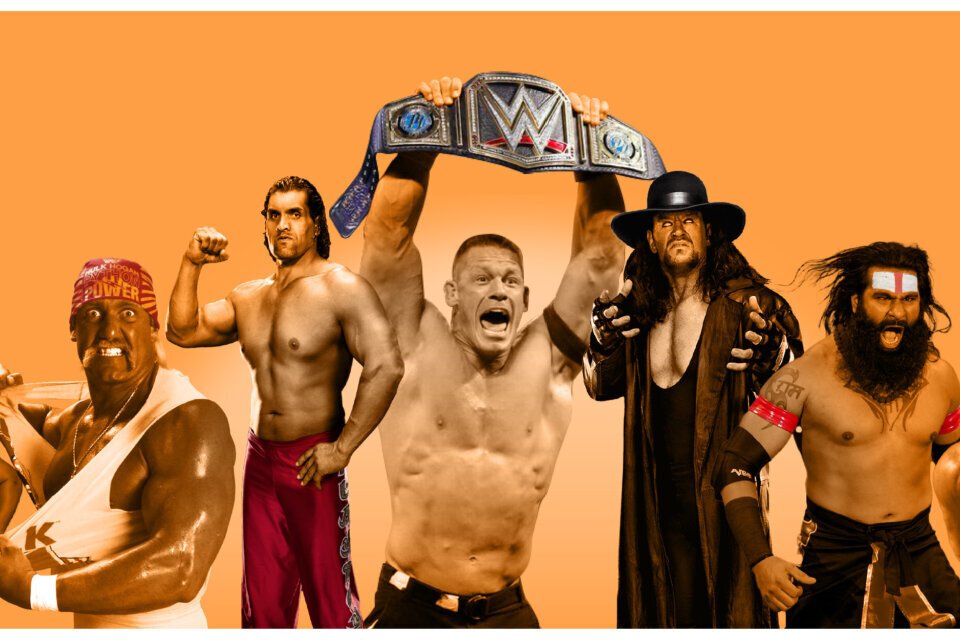

Apna WWE — Get In The Ring!
In the first episode of a conversational and engaging series, economist Rahul De invites media studies expert Kailash Koushik to discuss the culture and economics of the professional wrestling entertainment promotion that has acquired an ardent fan following in India
-
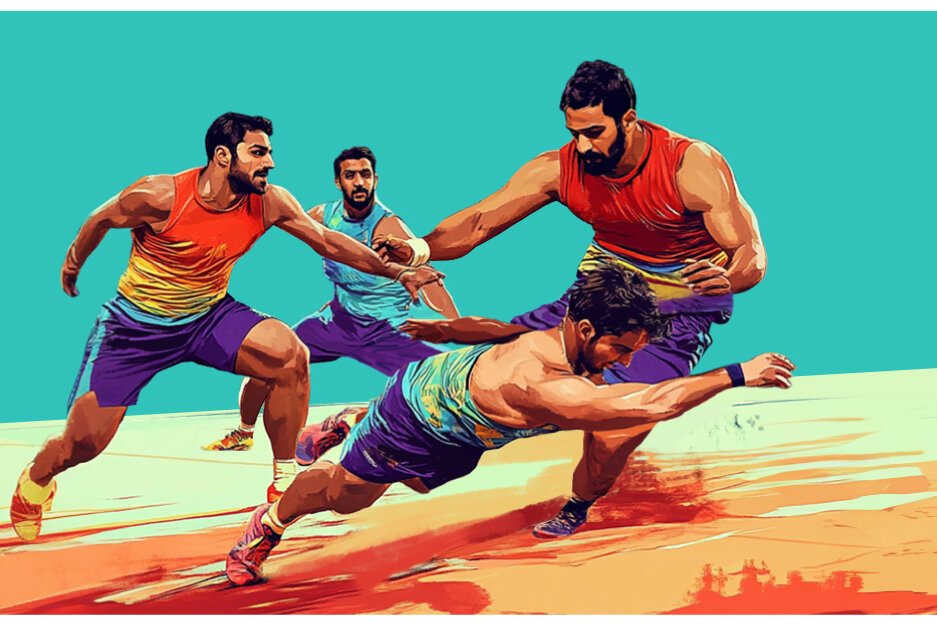

Kabaddi’s Journey — From Akhada To Arena
In the second episode of Economies of Khel, economist Rahul De and media expert Kailash Koushik explore how kabaddi transformed from a rural pastime into a professional sport, pinning down why the Pro Kabaddi League become the second most-watched sports event in India
-
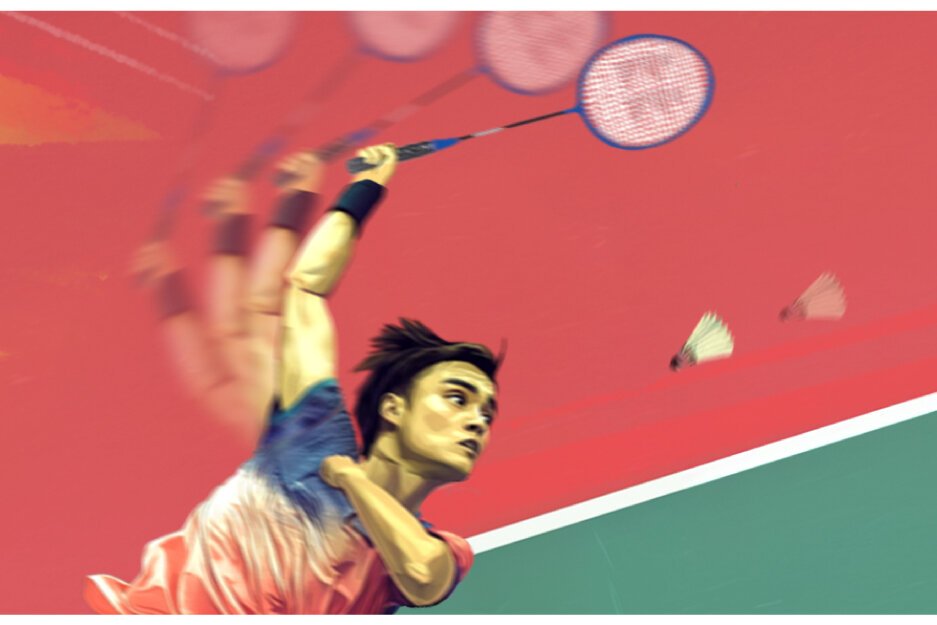
Net-Net: The Smashingly Curious World of Indian Badminton
The easy accessibility of badminton in India makes it a game both ubiquitous and inclusive, where men and women can play together. In Ep 4 of Economies Of Khel, we unwrap the subculture of the shuttlecock game and its place in India both as a sport and as a business. Curious? Tune in.