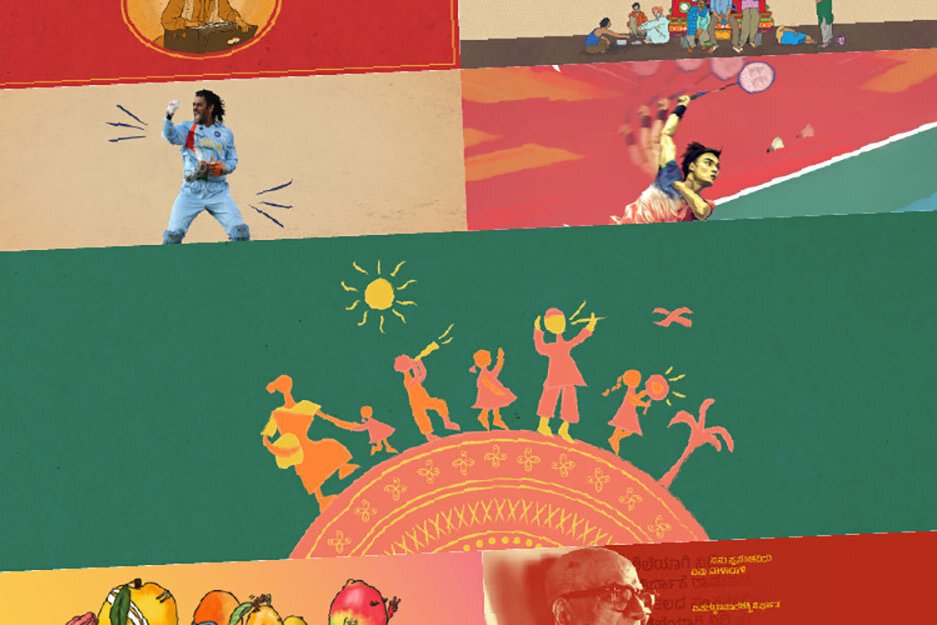
Net-Net: The Smashingly Curious World of Indian Badminton
The easy accessibility of badminton in India makes it a game both ubiquitous and inclusive, where men and women can play together. In Ep 4 of Economies Of Khel, we unwrap the subculture of the shuttlecock game and its place in India both as a sport and as a business. Curious? Tune in.

Details
Guess what screams through the air at a whopping 565 km per hour? Not a peregrine falcon. Not a bullet train. Not even a Bugatti on the freeway.
It’s a shuttlecock flying off the racquet of an Indian champion who set the Guinness record for the fastest smash.
In ‘Net-Net’, episode 4 of Economies of Khel, economist Rahul De and media studies expert Kailash Koushik analyse the curious subculture and economic currents shaping one of India’s most cherished sports. They explore how badminton has woven itself into the social fabric of India.
For a racquet sport that was invented in India as a British colonial pastime and confined to Gymkhana clubs, badminton’s undemanding nature and accessibility helped it to permeate Indian society, carving out a special niche within middle-class neighbourhoods . It became one of the few sports where men and women could play side-by-side, offering a rare space for co-ed interaction in a conservative society. Kailash reflects on how, in these humble settings, badminton was almost like a cup of coffee — casual, accessible, and refreshingly uncompetitive, often played just to enjoy each other’s company.
For Rahul De, the rise of badminton in India can be viewed in two distinct eras: before and after Pullela Gopichand. The former national champion and celebrated coach established the Gopichand Academy in Hyderabad, a powerhouse that has produced champions like Saina Nehwal and PV Sindhu. Besides nurturing elite athletes, his academy has propelled the sport into the national consciousness, inspiring a new generation and sparking a surge in badminton courts and academies across the country.
In “Net-Net” we dig into the marketing personas crafted around Indian badminton stars, with Saina’s relatable small-town charm contrasting Sindhu’s high-gloss, urban image. These branding strategies offer a peek into badminton’s dual identity in India, balancing grassroots appeal with a rising, elite-driven professional presence. Today, it’s hard to find a town in India where badminton is not played. Alongside the mostly casual players, the tribe of serious sportspersons is growing. Indoor stadia and practice academies reverberate with the sound of shuttles smashing and non-marking sneakers skidding on the acrylic vinyl floors of the courts.
Of course, if you tend to feel claustrophobic inside an indoor court, you can always step outside and enjoy a game of AirBadminton with a specially designed wind-resistant shuttle!
Intrigued? You have to listen to the episode to know the rest.
And while you’re at it, take this quiz to test your knowledge of badminton. Don’t forget to share your score.
Credits
Akshay Ramuhalli, Bijoy Venugopal, Bruce Lee Mani, Gorveck Thokchom, Narayan Krishnaswamy, Prashant Vasudevan, Sananda Dasgupta, Seema Seth, Shraddha Gautam, Supriya Joshi, and Velu Shankar
Acknowledgements
YouTube
- The coach behind India’s Badminton success | Olympic India
- A Family Affair | The Academy | Ep. 4
- Savlon Performance Power
- Da Da Ding — Nike India
- London Olympics — Women’s Single Badminton Medal Presentation
- Carolina Marin (ESP) v P.V. Sindhu (IND)- Women’s Badminton Final Rio 2016 | Throwback Thursday
- Asian Paints SmartCare Hydroloc | Waterproofing Ka Champion
- PBL 2016 Official Anthem
- Dhal Gaya Din (Romantic Song) — Mohammed Rafi, Asha Bhosle | Jeetendra | Humjoli 1970 Songs
Resources and Further Reading
- History of badminton in India: A starring role in a meteoric rise| olympic.com
- A Shuttle Through Time: India’s Badminton Story| centreforsports.in
- Forget ‘next Sindhu or Saina’, focus on a pack of 6 – 7 players – Pullela Gopichand’s mantra to seize Badminton glory| Indian Express
- Off the badminton court, Gopichand sparks an athletics revolution| Times of India
- Interview with PV Sindhu: ‘Never had second thoughts other than badminton’| Scroll
- INTERVIEW: PV Sindhu opens up about her coaching inspirations, new academy, and the challenges of age| Indian Express
- Pullela Gopichand interview: National badminton coach on changing mindset of Indians, need for on-court arrogance and formula for success| First Post
Discover more in Economies Of Khel
-
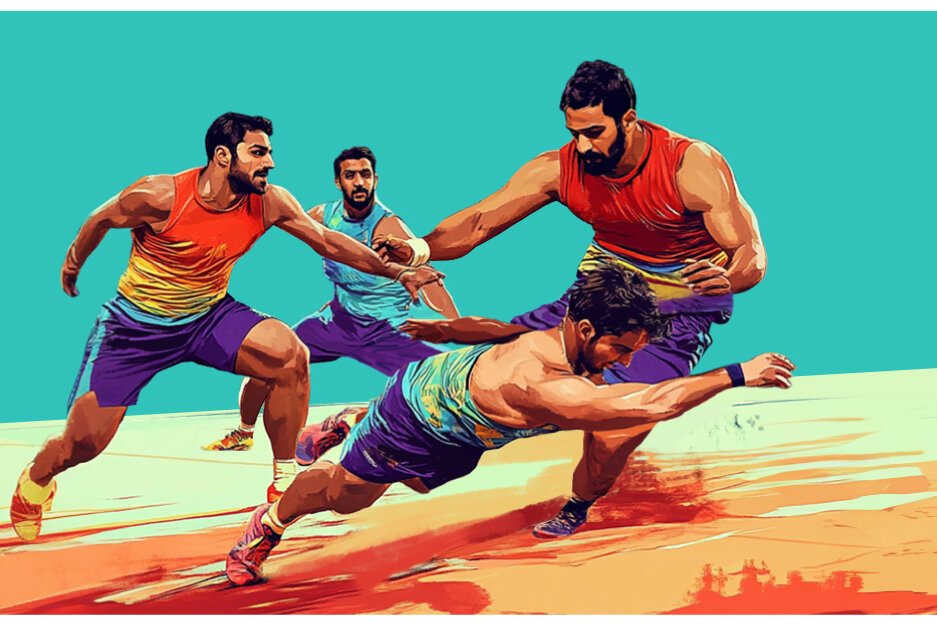

Kabaddi’s Journey — From Akhada To Arena
In the second episode of Economies of Khel, economist Rahul De and media expert Kailash Koushik explore how kabaddi transformed from a rural pastime into a professional sport, pinning down why the Pro Kabaddi League become the second most-watched sports event in India
-
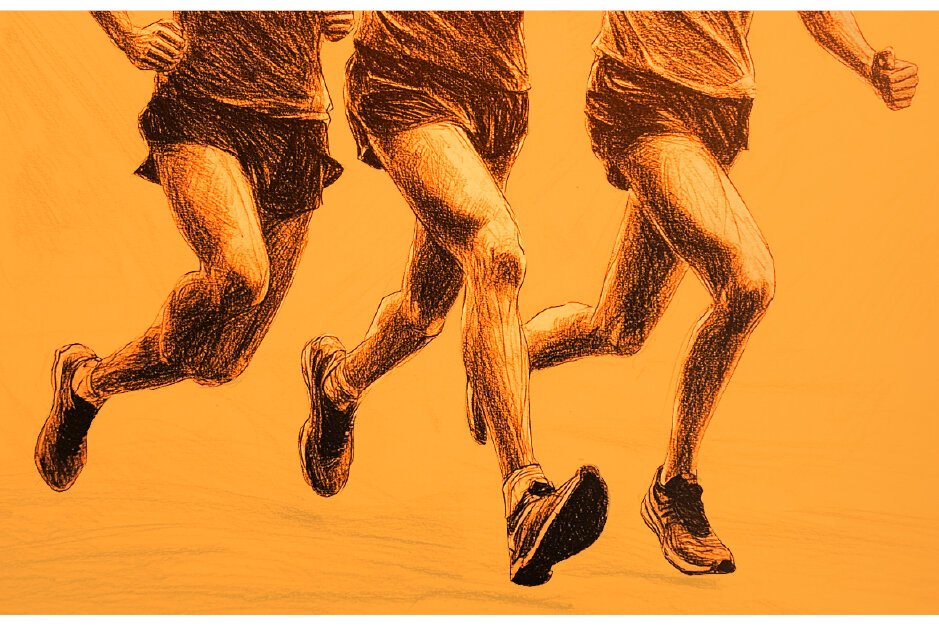

Run for life, run for the money
In Episode 3 of Economies of Khel, Arvind Bharathi joins Rahul De and Kailash Koushik to keep pace with the emerging subculture of running in India. Through analyses and anecdotes, Run Bhoomi traces the passion, culture, and business behind running in India.
-
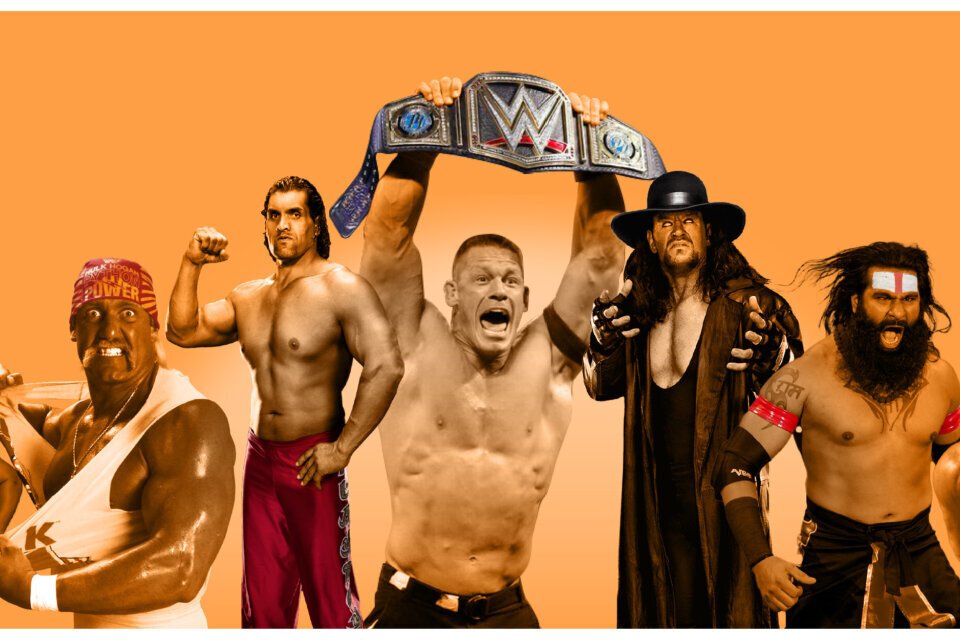

Apna WWE — Get In The Ring!
In the first episode of a conversational and engaging series, economist Rahul De invites media studies expert Kailash Koushik to discuss the culture and economics of the professional wrestling entertainment promotion that has acquired an ardent fan following in India