Short Circuit — India’s F1 Story
After zooming off to a roaring start, Formula One racing in India was doomed to crash and burn only two years later. What went amiss? In the fifth episode of Economies Of Khel, our continuing series about the business of sports, Rahul De and Kailash Koushik pursue the answers

Details
Connect the dots: A Gandhian activist, a former Chief Minister, the heavy metal band Metallica, and a stray dog.
How did these dramatis personae script the anticlimax of India’s F1 story?
Between 2011 and 2013, an ensemble cast of actors joined forces to stage three international Formula One racing events in India, even as another conspired to wreck it.
The racing champion Sebastian Vettel shone in all three races, which were pivotal in establishing the reputation of the Buddh International Circuit, where these motorsport events were held. Although intended to put India on the fast track to motorsport fame, it became the graveyard where Indian Grand Prix dreams crashed and burned.
Designed by German track designer Hermann Tilke, the Buddh International Circuit in Uttar Pradesh’s Gautam Buddh Nagar district has a 5.14 km race track with 16 turns, with seating for up to 200,000 spectators. It has a pit building with 41 garages, a race control room, and a VIP gallery with access to two helipads.
But the numbers didn’t quite add up.
Although the racing legend Sir Lewis Hamilton praised Buddh as “fantastic”, a world-class motor racing circuit alone wasn’t enough to sustain the big-bucks luxury sport in India. Today, it mostly hosts mediapersons for car launches.
The story of Formula One racing in India began and ended in a blur. But why?
There isn’t exactly a pit-stop answer to that question.
In a nation where fans will pay any price to watch their local heroes shine in a cricket match, F1 was too niche a sport to excite the everyday Indian. Without a strong Indian driver in the fray, it failed to rev up local interest. Although the first race drew 95,000 spectators, some paying as much as ₹21,000 for a seat, subsequent editions did not break even.
To complicate matters, the government viewed Formula One racing not as sport but entertainment. The higher taxes slapped on F1 drove up ticket prices, discouraging spectators and sponsors, and leading to differences with the promoters who wanted to recover their investment. Soon after the last race in 2013, Formula One exited India, and the Buddh circuit has not hosted a Grand Prix since.
What about those dots? Hosts Rahul De and Kailash Koushik join them to break down the fast, furious, and fatalistic story of F1 in India.
Credits
Akshay Ramuhalli, Bijoy Venugopal, Bruce Lee Mani, Gorveck Thokchom, Narayan Krishnaswamy, Prashant Vasudevan, Sananda Dasgupta, Seema Seth, Shraddha Gautam, Supriya Joshi, and Velu Shankar
Acknowledgements
YouTube
- Sahara India Pariwar New Ad
- Stray Dog Saunters On To F1 Race Track In Presence Of World Class Motor Racers
- What’s the new game for Dada? | #IndianRacingFestival 2024 | Kolkata Royal Tigers
- Indian racing festival 2024 hits Chennai with Formula 4 and India’s first night race
- Schumacher Was FURIOUS! ? #Shorts — YouTube
- Grosjean’s intense fireball crash
Resources and Further Reading
- What killed F1 in India?| Deccan Chronicle
- India, don’t press the F1 button yet. We know how the Buddh International Circuit crashed| The Print
- India’s first Formula One track, Buddh International Circuit, sealed over pending land dues| Hindustan Times
- Why did F1 stop racing in India? Exploring the reasons behind the axe of Buddh International Circuit from the calendar| SportsKeeda
Discover more in Economies Of Khel
-
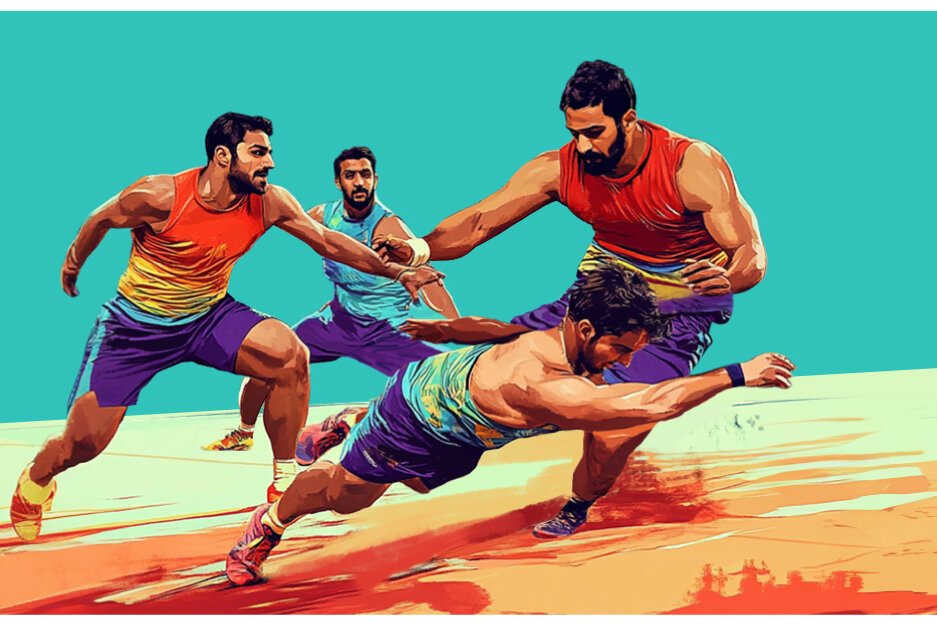

Kabaddi’s Journey — From Akhada To Arena
In the second episode of Economies of Khel, economist Rahul De and media expert Kailash Koushik explore how kabaddi transformed from a rural pastime into a professional sport, pinning down why the Pro Kabaddi League become the second most-watched sports event in India
-


Run for life, run for the money
In Episode 3 of Economies of Khel, Arvind Bharathi joins Rahul De and Kailash Koushik to keep pace with the emerging subculture of running in India. Through analyses and anecdotes, Run Bhoomi traces the passion, culture, and business behind running in India.
-
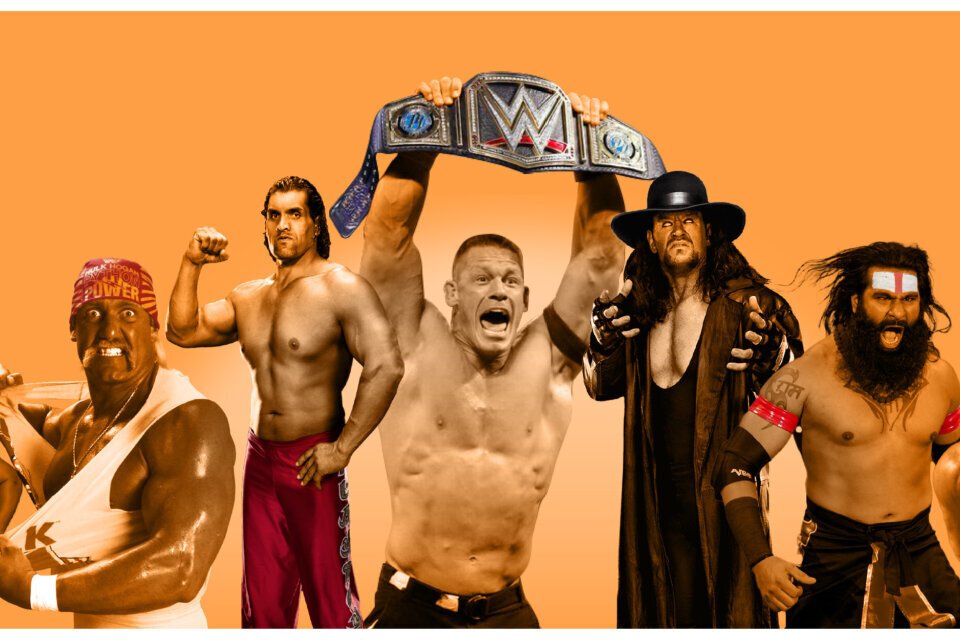

Apna WWE — Get In The Ring!
In the first episode of a conversational and engaging series, economist Rahul De invites media studies expert Kailash Koushik to discuss the culture and economics of the professional wrestling entertainment promotion that has acquired an ardent fan following in India
-
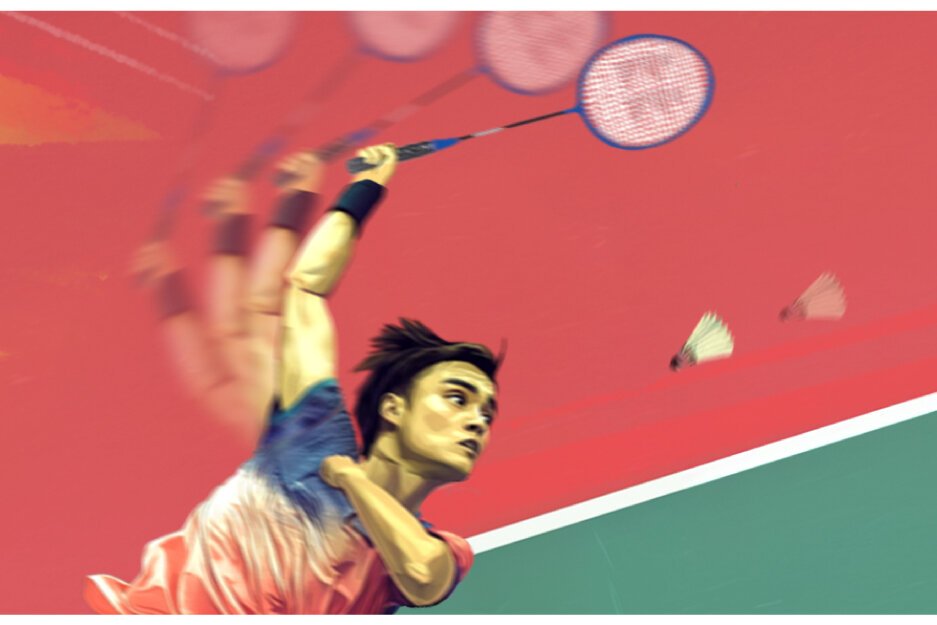
Net-Net: The Smashingly Curious World of Indian Badminton
The easy accessibility of badminton in India makes it a game both ubiquitous and inclusive, where men and women can play together. In Ep 4 of Economies Of Khel, we unwrap the subculture of the shuttlecock game and its place in India both as a sport and as a business. Curious? Tune in.