
Publications & Resources
Our faculty, students and researchers work together everyday to contribute to a better world by grappling with urgent problems we are facing in India. We conduct rigorous work to produce high quality learning resources and publications to contribute to public discourse and social change. Here, we feature a sample from our work for everyone to access. You can explore featured resources, policies, and the latest publications from the University.
To explore all the work of our University, please visit our publications repository.

- Published
- Authors
Abstract
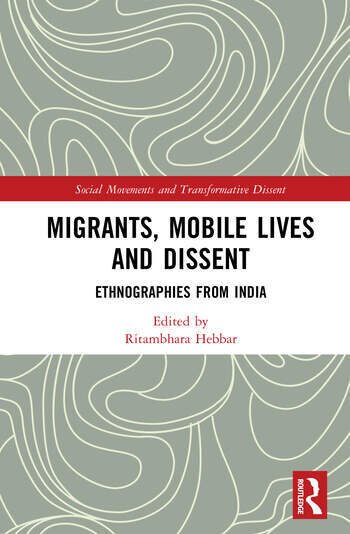
The COVID-19 pandemic and the subsequent nationwide lockdown in India had a profound impact on migrant workers, who were forced to return home due to job losses and lack of livelihood opportunities. This mass movement of people led to a humanitarian crisis, with thousands of migrants stranded without proper food or shelter on their long journeys home. This chapter presents narratives of migrant workers, their movement from one place to another during the pandemic, and the challenges they faced along the way. While migrants undertook gruelling journeys and lived through uncertain living conditions during the pandemic, many people in cities led a relatively sedentary lifestyle. This is not to argue that urban dwellers were unaffected by the pandemic. As they coped with increased anxiety and social isolation, the migrants had to confront substantial and unforeseen difficulties related to mobility and access to necessities. The chapter presents narratives of affected migrant labourers compiled by a citizens’ collective, Project Rebuilding Livelihoods (PRL). PRL worked to provide rations and financial and medical aid to distressed migrant labourers hailing from different parts of India.

- Published
- Authors
Abstract
This chapter provides the emergence and practice of Dalit Studies within academia through a critical engagement with curriculum structures that exist within pedagogic discourses. It explores different kinds of academic writings that have prevailed within Dalit discourse by looking into their composition, engagement with the curriculum, and pedagogic practices. The Dalit community has created spaces for the emergence of public debates and conferences, study groups, and seminars that enable discursive engagement with Dalit Studies. One of the major milestones in Dalit discourse was taken up by Sukhadeo Thorat, who, under his chairmanship of University Grants Commission, granted the institutional setup of the Center for the Study of Social Discrimination and Exclusion for a systematic engagement with Dalit discourse. Dalit feminist scholars have highlighted “contradictions in schooling in that curricula and school cultures reproduce Brahmanical values”.