
Postgraduate Student Profiles
Knowledge and practice for social change
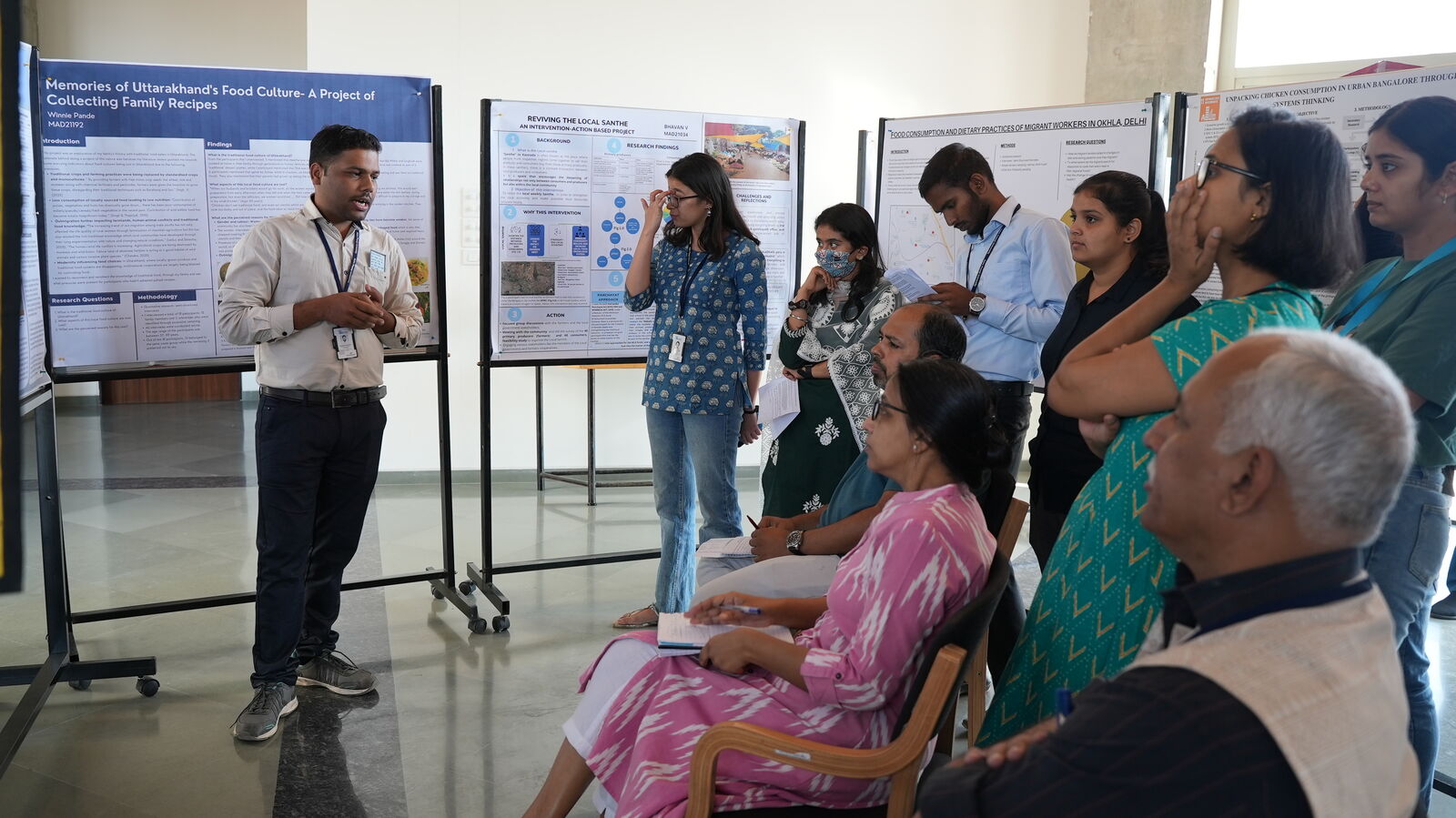
Details
Our postgraduate programmes prepare students for work in education, development, economics, public health, early childhood care and education, and climate change and sustainability.
Students gain a fuller understanding of their field, develop professional skills and examine the social contexts in which they will work. Classroom study, research and field engagement help them connect ideas with experience and approach their responsibilities with competence and social commitment.
| Programme | No. of students registered |
|---|---|
| Executive MBA (Development Management) | 27 |
| MSc in Climate Change and Sustainability | 40 |
| MA in Development | 212 |
| MA in Early Childhood Care and Education | 43 |
| MA in Economics | 40 |
| MA in Education | 189 |
| Master of Public Health | 14 |
| Total | 565 |
Work Experience
- 332 Freshers
- 205 0-5 years
- 24 5+ years
Programme structure
The postgraduate programmes are organised across four semesters over two years. The MSc in Climate Change and Sustainability also offers a one-year, 40-credit route for eligible candidates. The number of courses, credits and field components varies by programme. The curricula bring together the following elements:
Core Courses: 10 – 15 foundational and advanced courses that build a strong understanding of the discipline.
Field practice/Field immersion: Two to three graded field components across semesters, from short observational immersions in the first semester to a six-week summer internship or extended field engagement in later semesters.
Electives and workshop-mode courses: Six to seven electives from more than 40 offerings in areas such as gender, livelihoods, environment, health and governance. Workshop-mode courses develop practical skills in areas such as GIS, R, media writing and policy advocacy.
Research methods and data workshops: Courses and workshops that help students frame research questions, collect and analyse data, work with large datasets and present their findings.