
Workshop to Rethink History
‘From Dates to Debates: Rethinking What History Is’ created a vibrant space for dialogue and discovery for students of Grades XI and XII at Azim Premji University, Bhopal.
Campus
Bhopal
Details
History, as taught in most school curricula, often remains confined to a narrow framework, chronologies of rulers, wars, and empires. At Azim Premji University, we believe history is more than just the study of the past. It is a way of thinking critically about the present and imagining alternative futures.
On 15 November 2025, we hosted a Workshop for Grades XI and XII students titled “From Dates to Debates: Rethinking What History Is”. The event brought together enthusiastic students from Carmel Convent Girls Higher Secondary School, Billabong High International School, and People’s Public School, creating a vibrant space for dialogue and discovery.
This workshop showcased how history can be studied differently: through archives, objects, landscapes, and questions of power, identity, and environment.
The workshop featured four interactive sessions by our faculty members, each designed to challenge conventional notions of history and introduce students to the dynamic ways in which the discipline is taught at the undergraduate level.
The sessions were as follows:
- Heritage Explorers: Writing History through Artefacts by Ajay Salunkhe
- Unequal Burdens: Rethinking Waste in a Global Context by Ayushi Dhawan
- Unveiling the Past: Opportunities and Challenges by Ghulam Ahmad Raza
- Thinking through Objects by Nimra Rizvi
Key learnings for students
Through these sessions, students were able to explore how history extends beyond memorising dates to encompass critical thinking, interpretation, and evidence-based inquiry. They debated questions such as: What does it mean to “do history”? How do artefacts, objects, and global issues shape our understanding of the past?
Students asked thought-provoking questions and reflected on the idea that history is not static — it is a conversation shaped by perspectives, contexts, and voices.


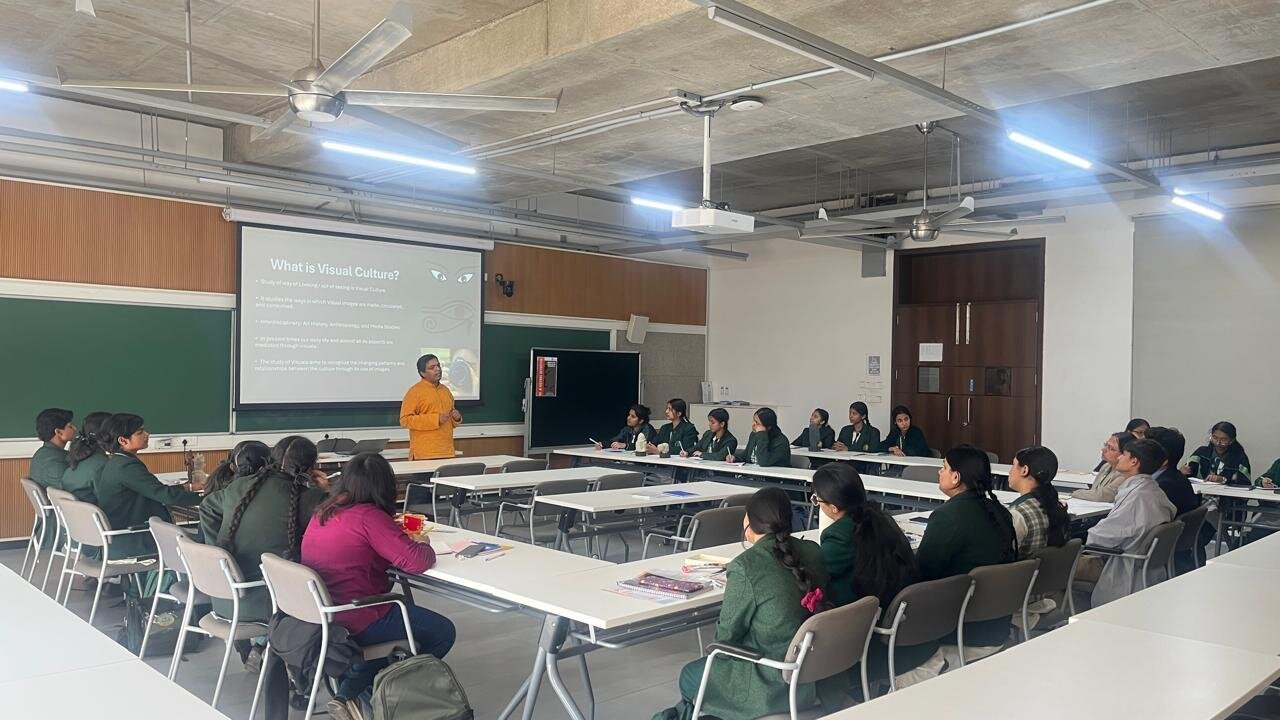
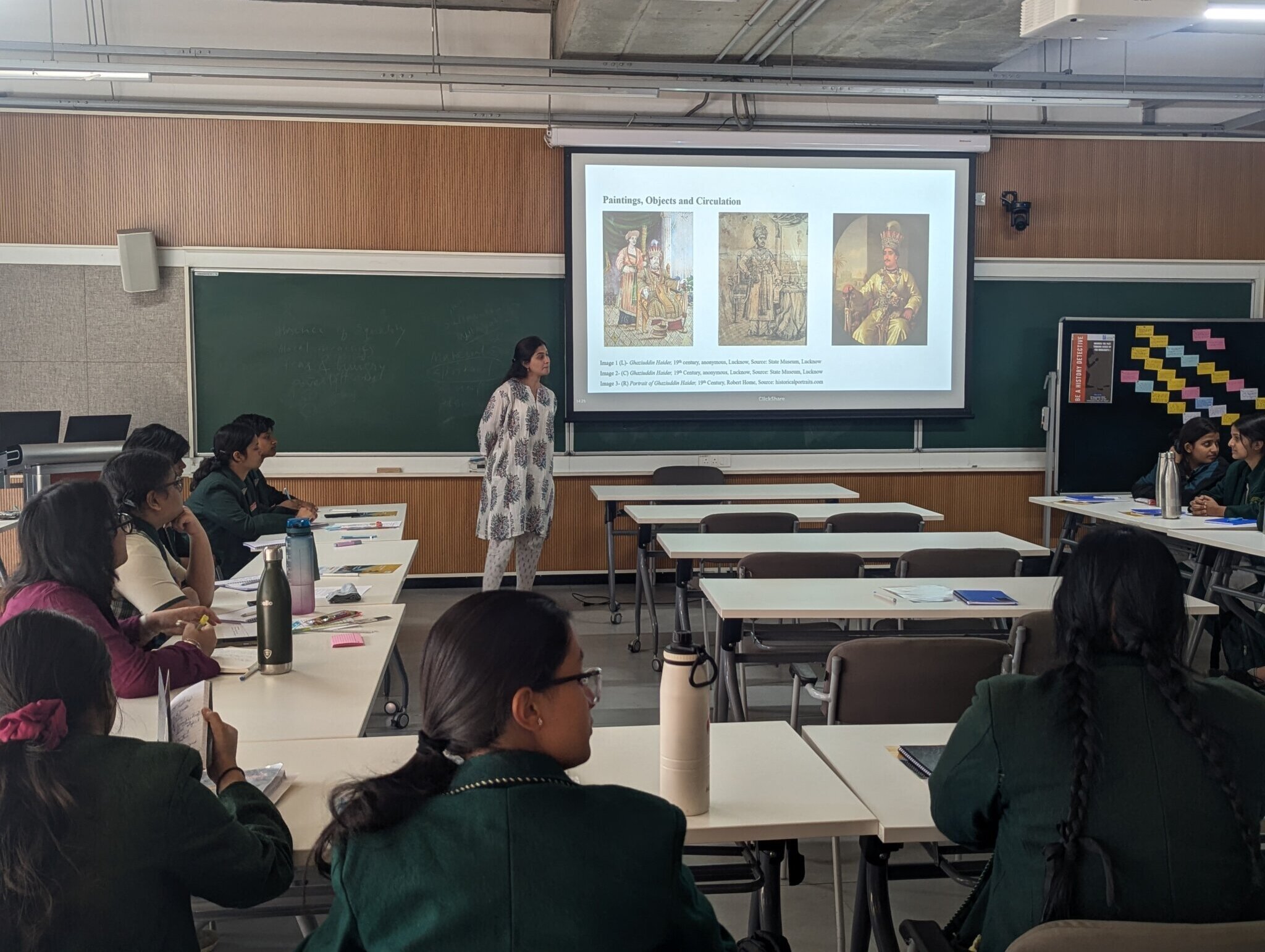
This workshop exemplified the University’s commitment to transforming history education and inspiring young learners to see history as a living, evolving discipline.