Engagement in Bhopal
Towards a better neighbourhood through conversations, programmes, visits, and more
Details
Azim Premji University, Bhopal Campus is part of a wider peri-urban landscape shaped by villages, farms, and public institutions. Around the campus, government schools, Anganwadi centres, and health services are part of everyday community life. We work with this neighbourhood through regular visits, conversations, and programmes developed with local residents and institutions.
Since June 2024, the Initiative has grown through sustained relationships with women, children, teachers, Anganwadi workers, ASHA workers, and health functionaries. These relationships are at the centre of the work. They help shape what we do, how we do it, and how the University learns from the neighbourhood while contributing to it.
Communities around the campus
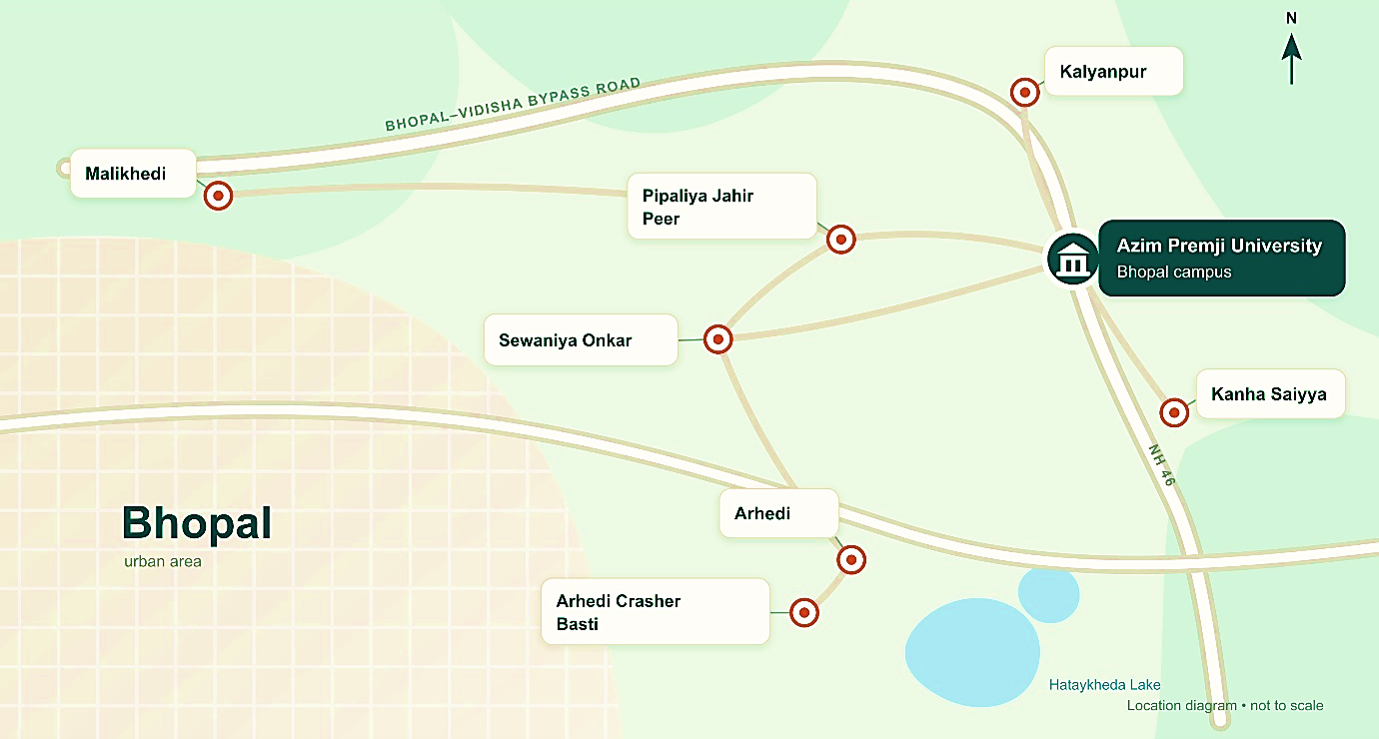
We work across five panchayats near the Bhopal campus: Kalyanpur, Pipaliya Jahir Peer, Sewaniya Omkara, Malikhedi, Arhedi, Arhedi Crasher Basti, and Kanha Saiyyan. Together, these communities form the University’s immediate neighbourhood.
These are home to more than 15,000 people and reflect a mix of farming households, agricultural labour, and families whose daily lives are closely tied to local schools, health centres, and village institutions.
Relationships that shape the work
We began with regular visits to Anganwadi centres. Anganwadi workers introduced us to local concerns, identifying meeting times, and helping shape conversations that residents could attend. ASHA and ANM workers helped connect health education with screening and consultation. Schoolteachers helped the team understand children’s learning levels, school routines, and the practical realities that affect participation. Women and girls also shaped the work directly by sharing what they wanted to discuss and how they wanted to participate.
A health conversation led to screening. A children’s session grew into a longer learning programme. The work becomes more meaningful when local knowledge helps guide each next step.
Current engagements
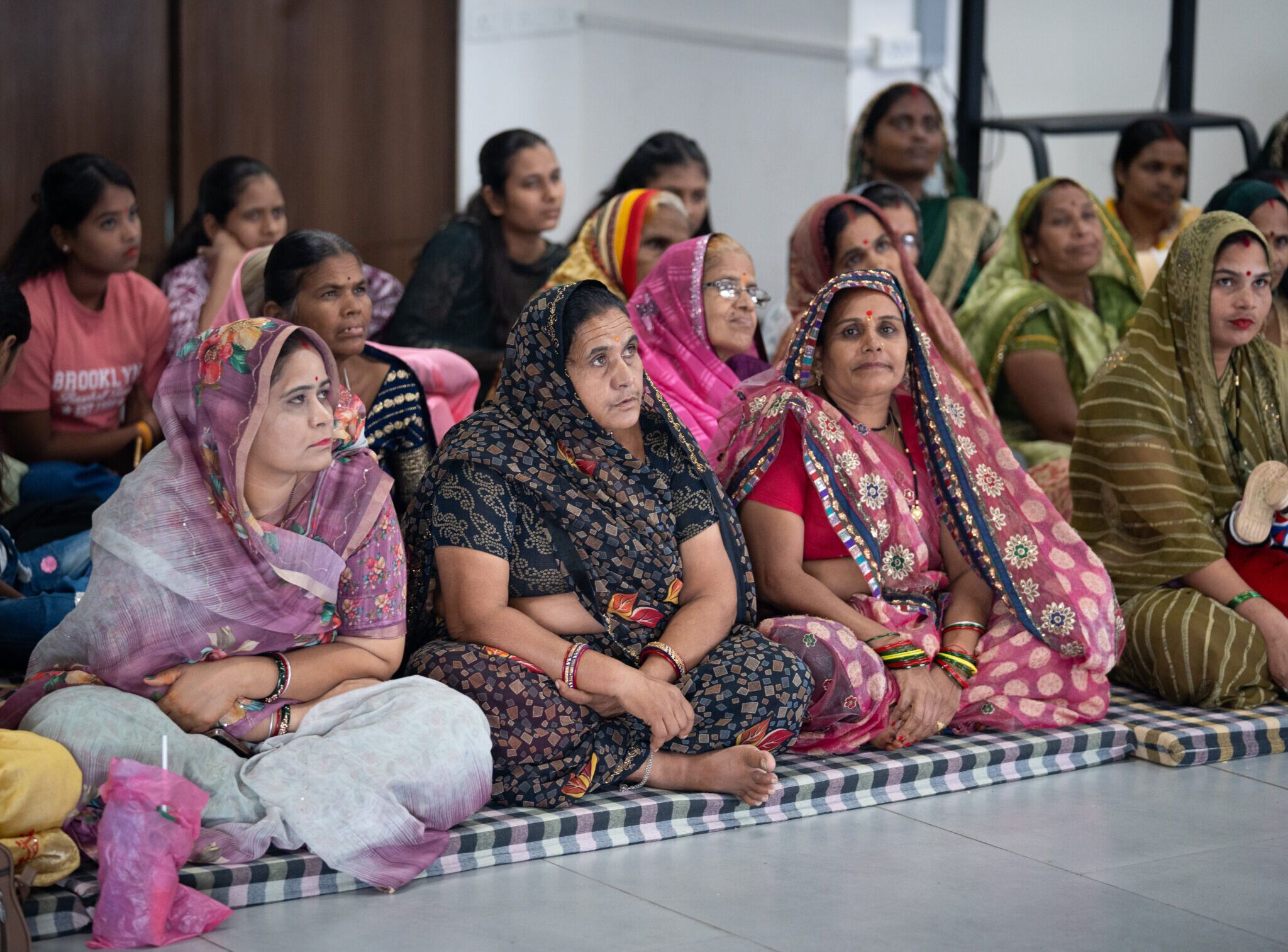
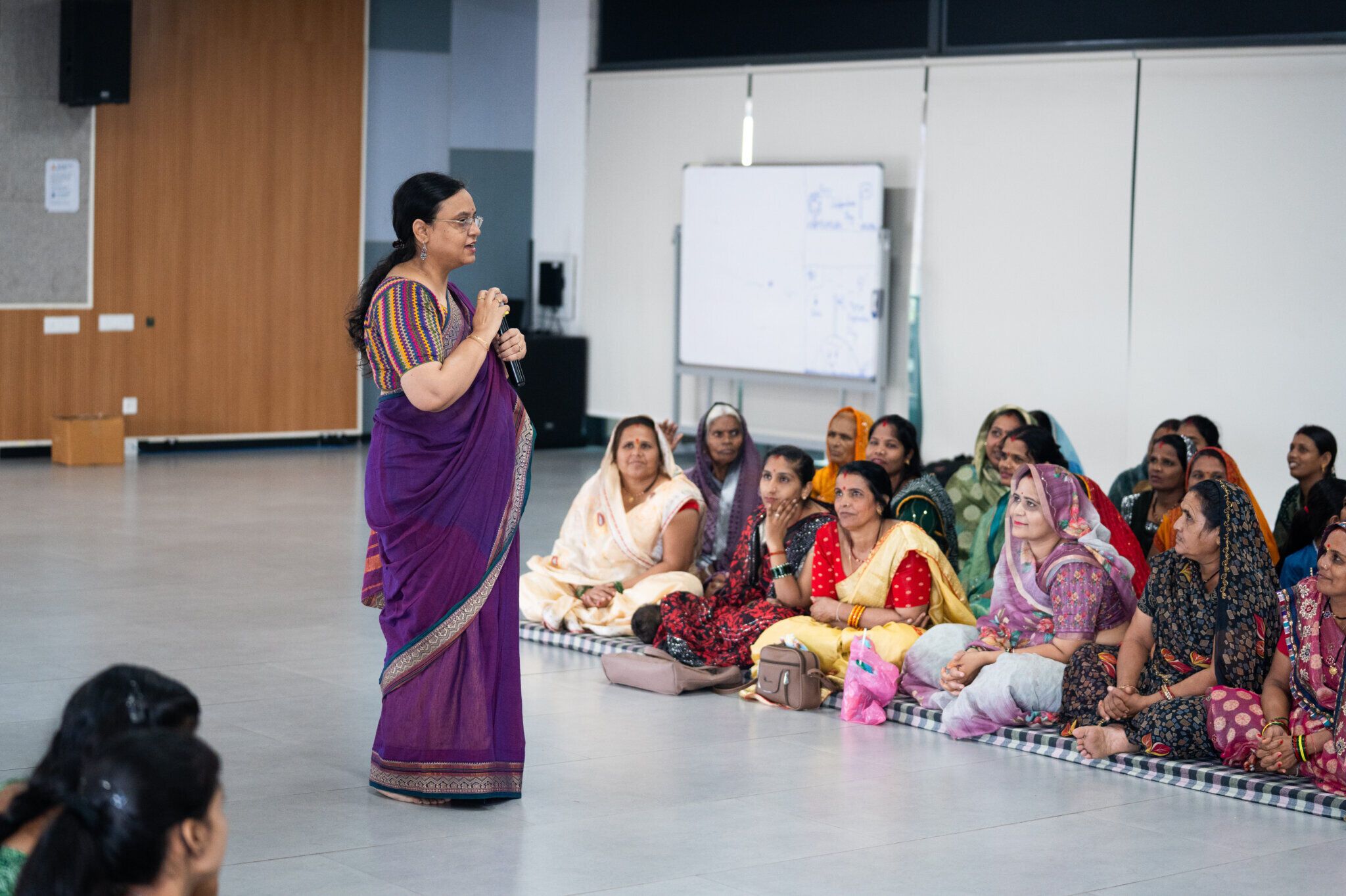
Women’s health became an important area of engagement through meetings at Anganwadi centres and discussions with local health workers. Between July 2024 and December 2025, around 700 women and adolescent girls participated in sessions on menstrual and reproductive health, nutrition, and anaemia. These conversations brought together health information and lived experience, allowing participants to raise questions and discuss concerns relevant to their own lives.
We gradually moved beyond awareness — towards screening and consultation. Haemoglobin and Complete Blood Count camps were organised in Arhedi Crasher Basti, Pipaliya Jahir Peer, Sewaniya Omkara, Kalyanpur, and Kanha Saiyyan Naveen Basti. In total, 315 women and adolescent girls were tested. These camps helped participants understand their own health better and identified cases that needed medical attention.
The value of this work lies in the continuity between conversation, testing, and care. In Kalyanpur, for example, an anaemia education session brought together 30 to 35 women and girls on 26 December 2025. Three days later, 63 participants came for blood testing. In Sewaniya Omkara, earlier screenings led to a physician consultation and further coordination with public health services. Each step strengthened the next.
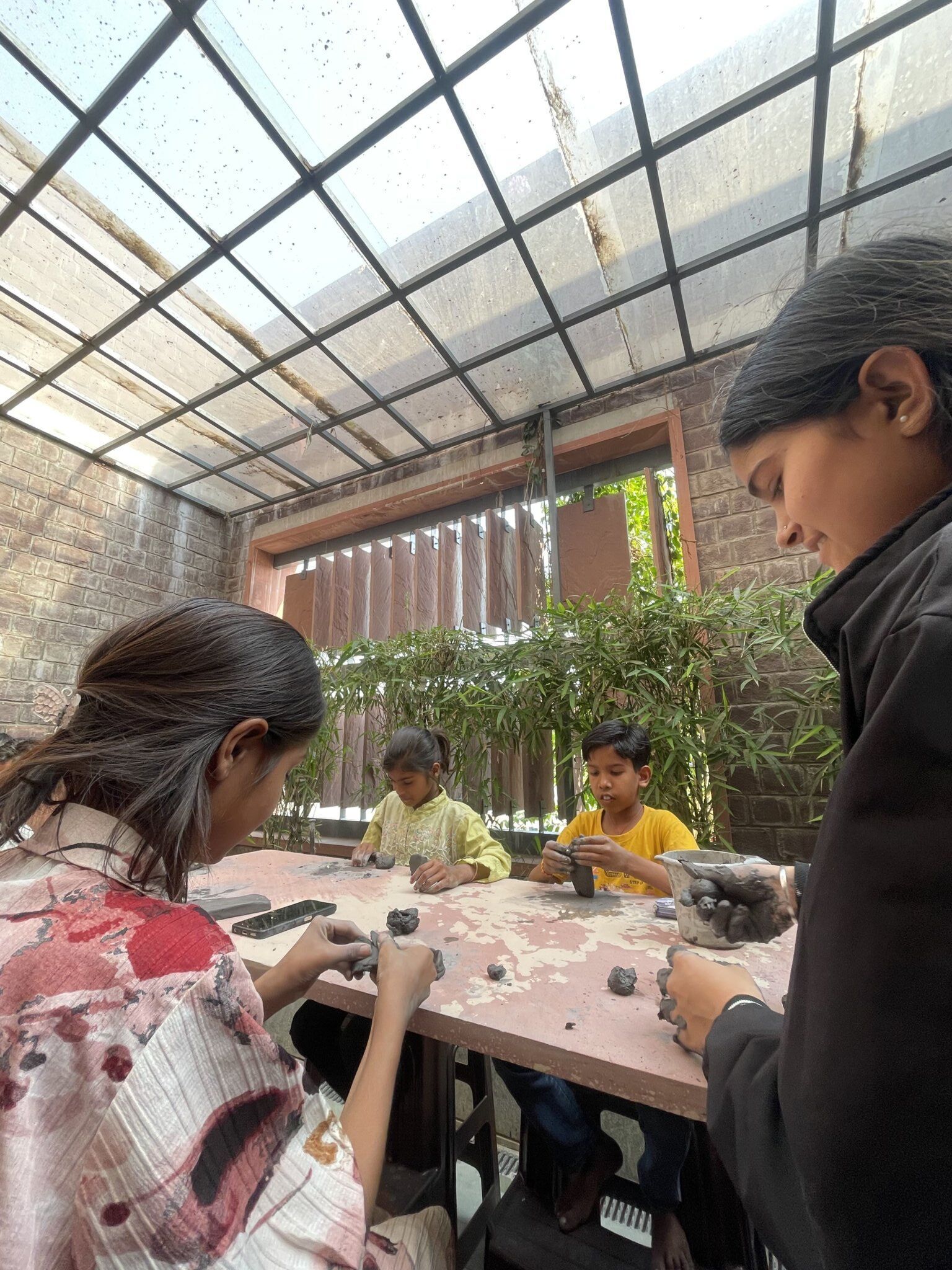
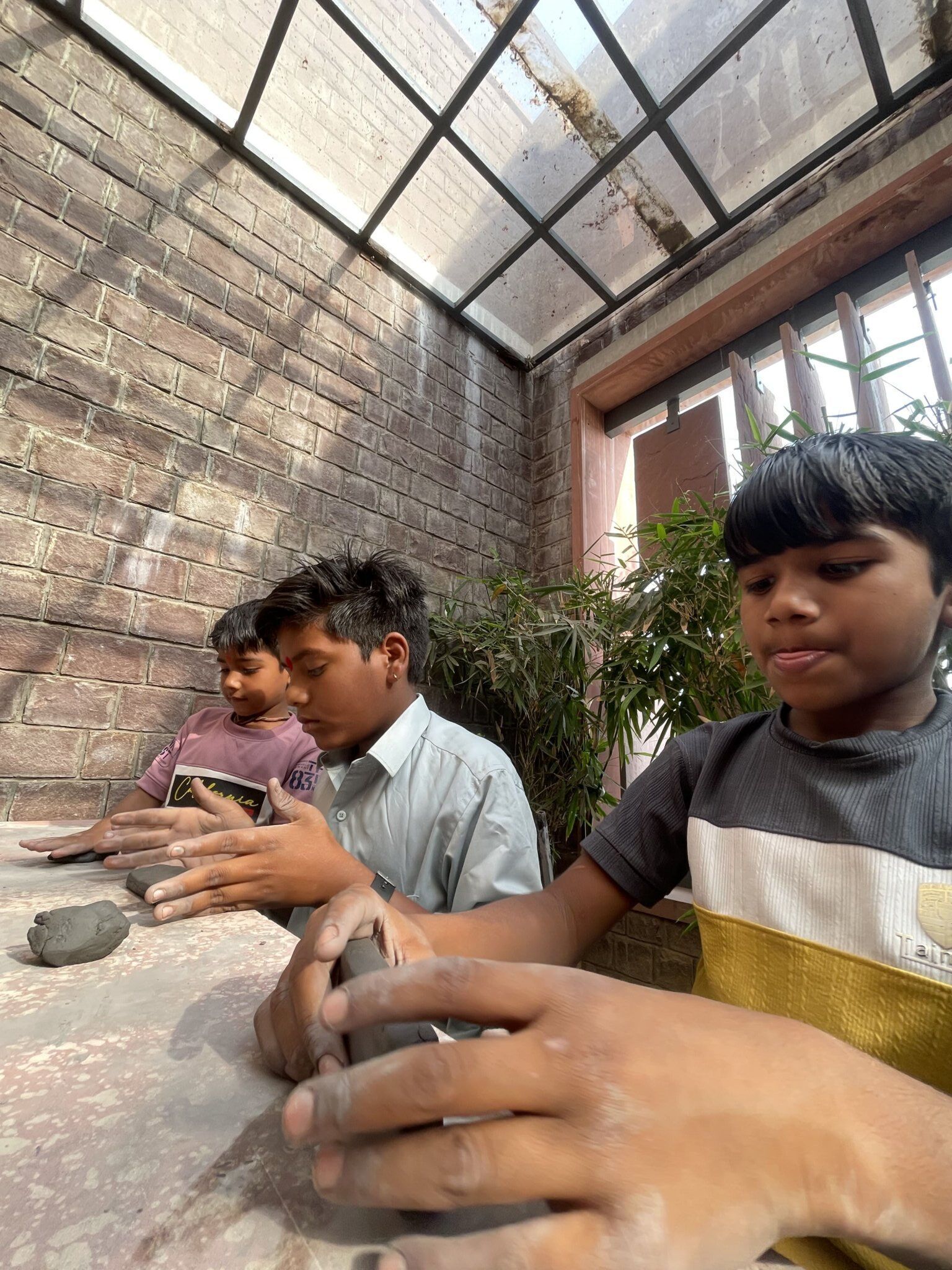
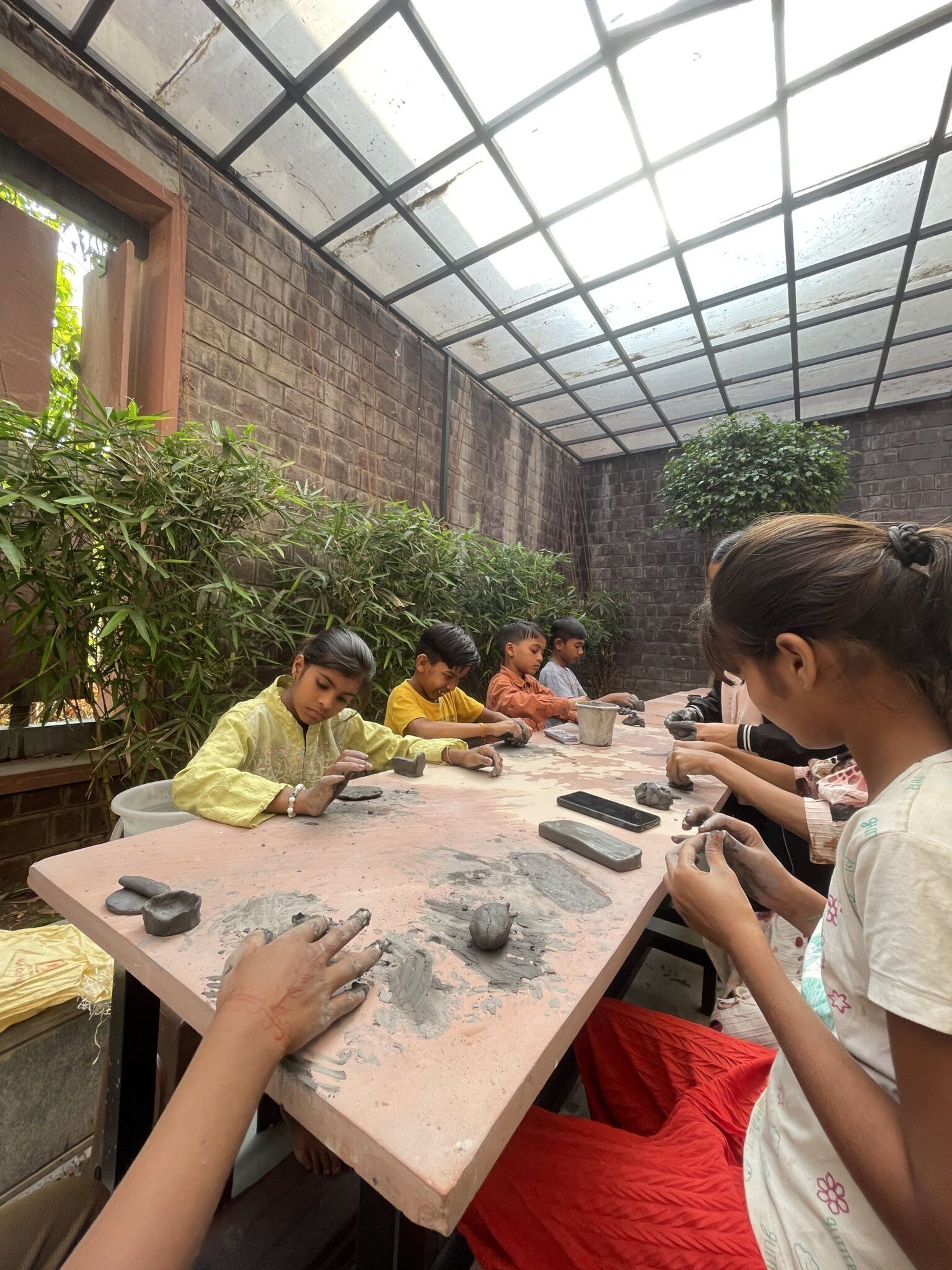
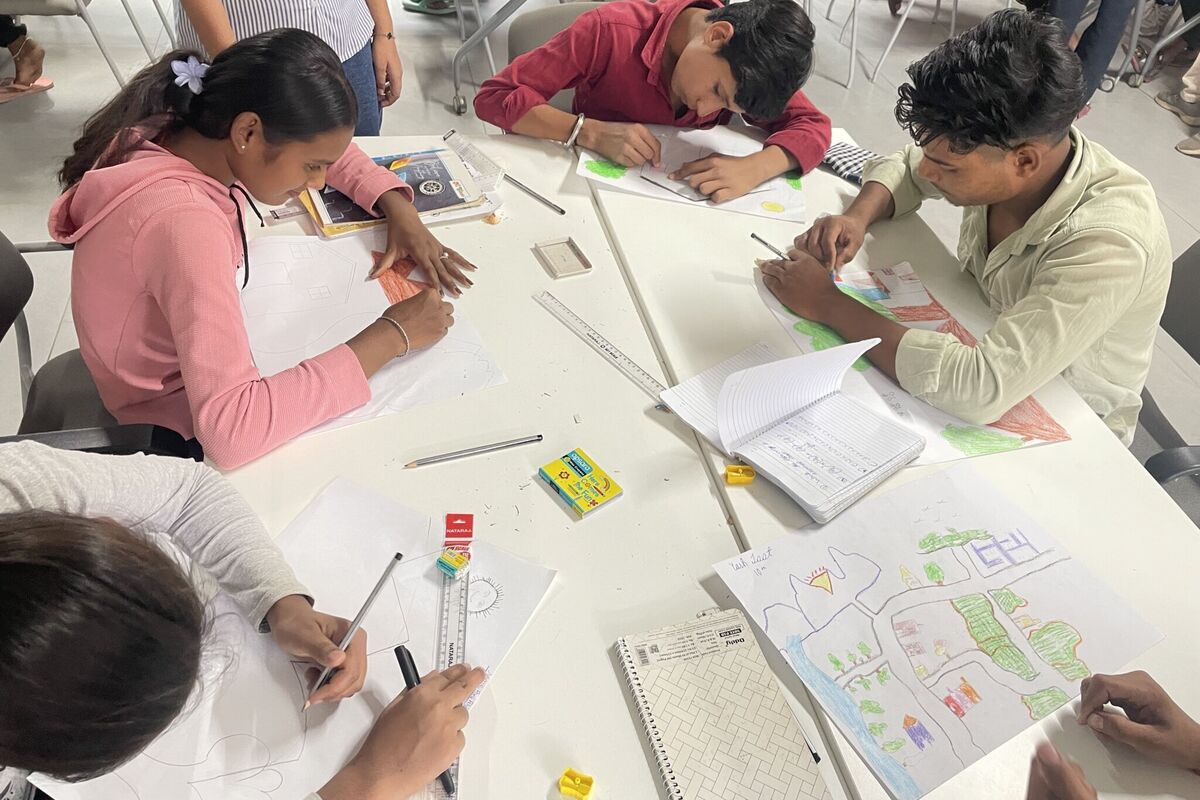
In 2026, regular engagement with children developed into the six-week Padhenge Hum Badhenge Hum summer programme. By early May, 62 children from nearby communities had joined. Teachers from across the University worked with children of different ages and learning levels.
The programme grew through everyday classroom interactions. As new children joined, teachers revisited earlier concepts, adjusted their plans, and created room for children to learn together. Eight children from Kalyanpur joined on 6 May, then came the following day, and fifteen attended on the third day. The classroom changed with each new group, and the teaching changed with it.
Children brought curiosity, questions, and different levels of confidence into the space. School examinations and responsibilities at home affected attendance, but participation remained central to the way the programme evolved. Over six weeks, the classroom became a shared learning space where children learned alongside peers from other communities and teachers gained a deeper understanding of their learning experiences.
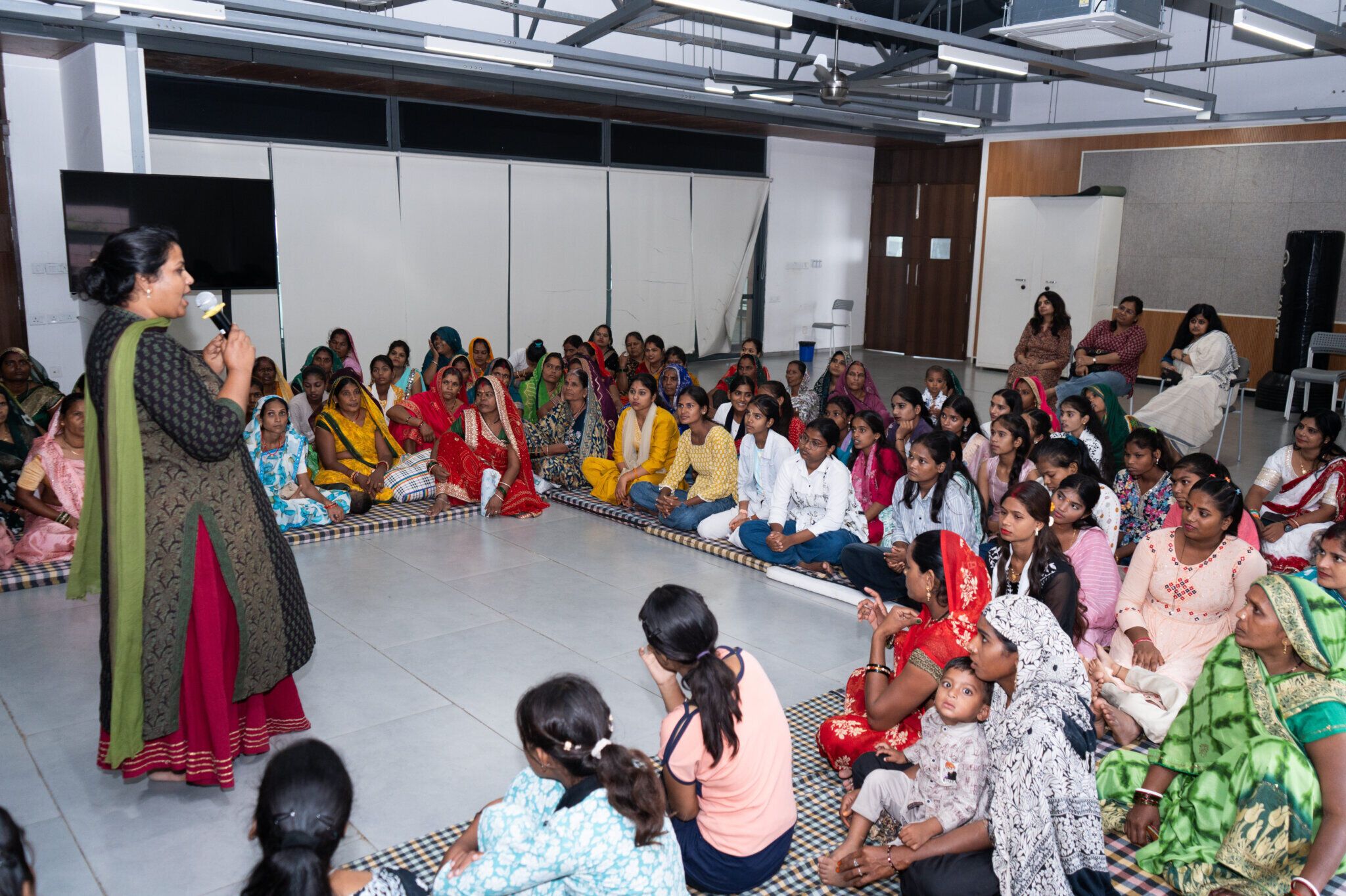
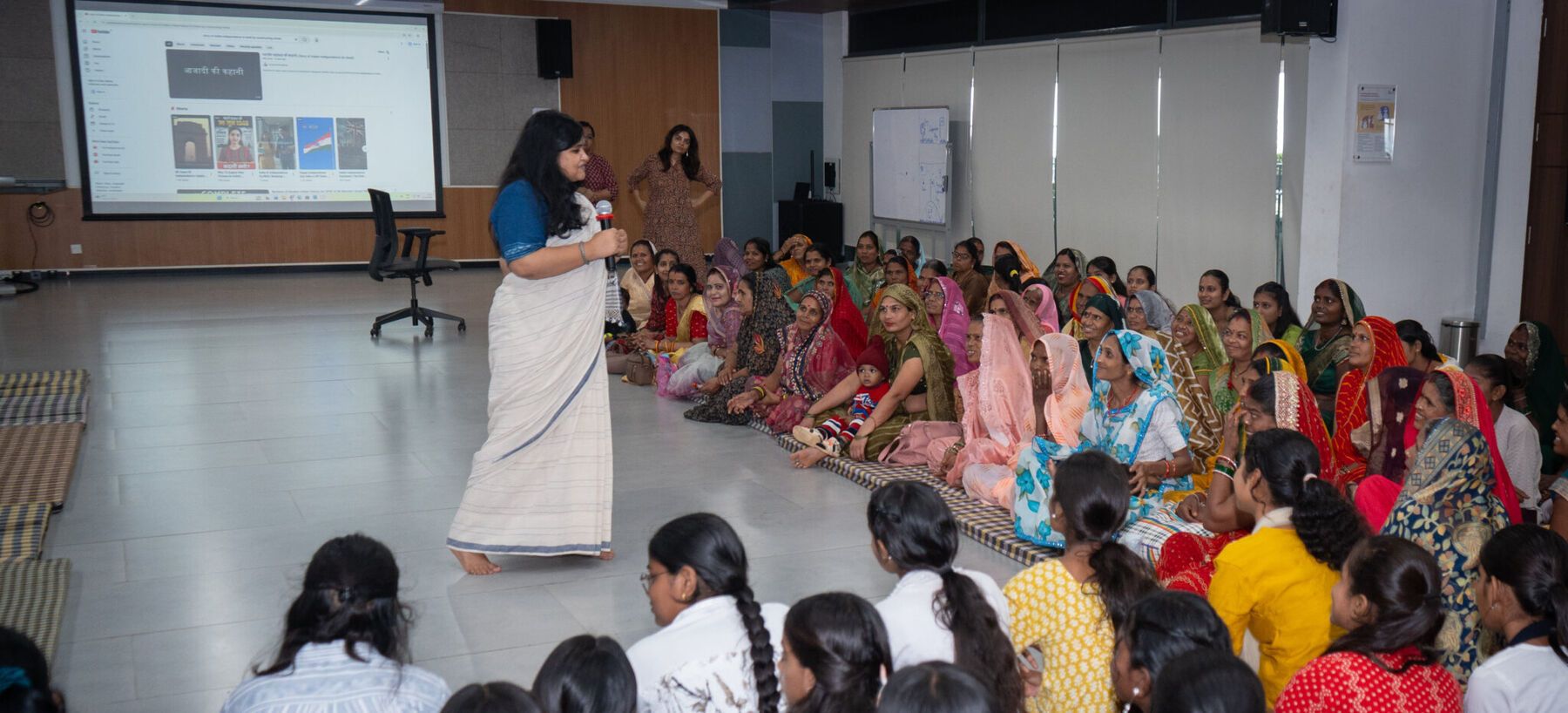
On 27 February 2026, the University hosted Jalsa: Celebrating Togetherness, a day-long gathering for women, girls, and children from neighbouring communities. Around 220 women and girls and more than 60 children participated. For many, it was also an opportunity to visit the campus and become familiar with the University.
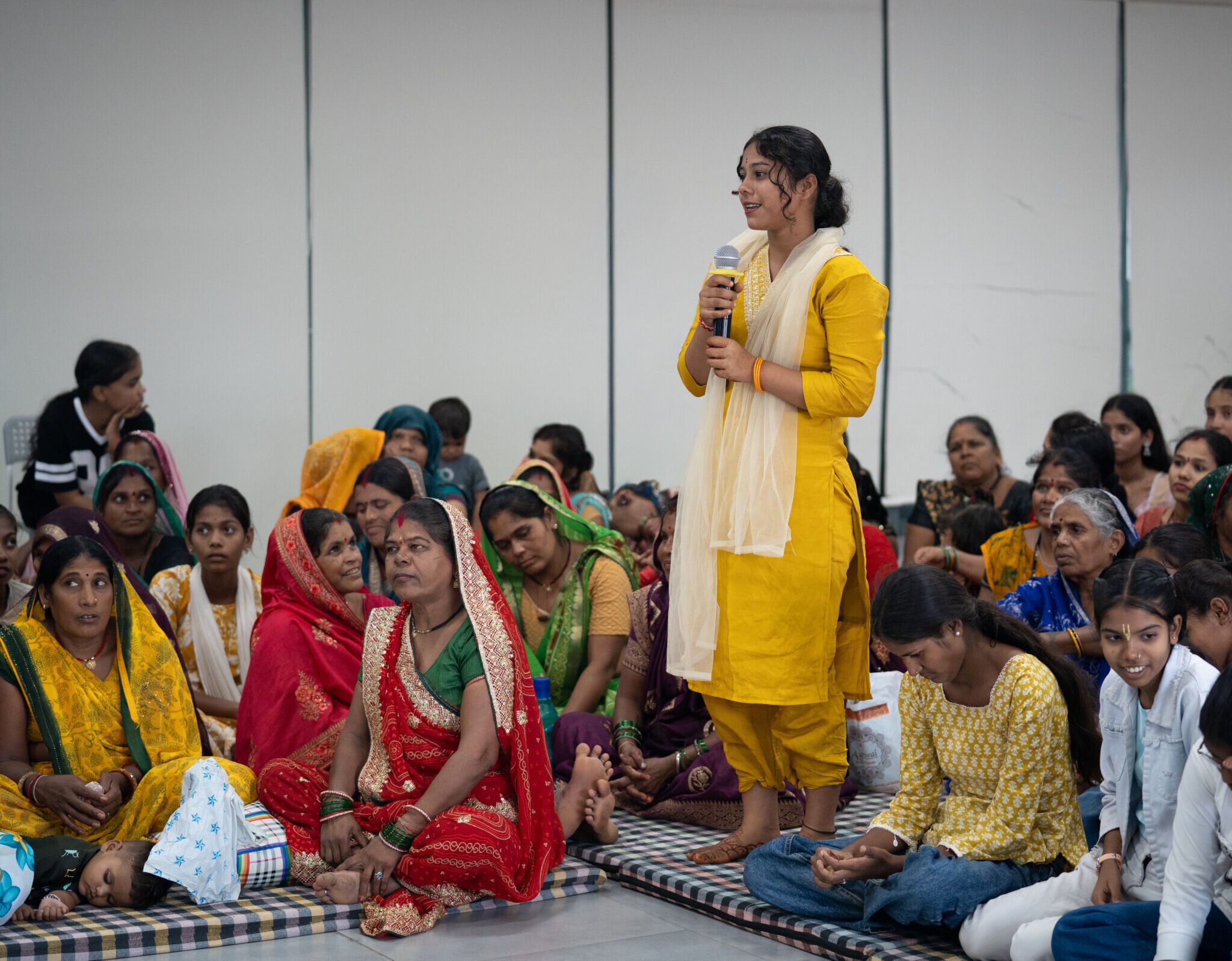
The programme brought together information and recreation. Sessions introduced participants to the University’s courses, the admissions process, and scholarships for girls. Music, performances, games, and an open stage created space for women from different communities to meet and participate together. The day ended with inter-village games, including a lively tug-of-war.
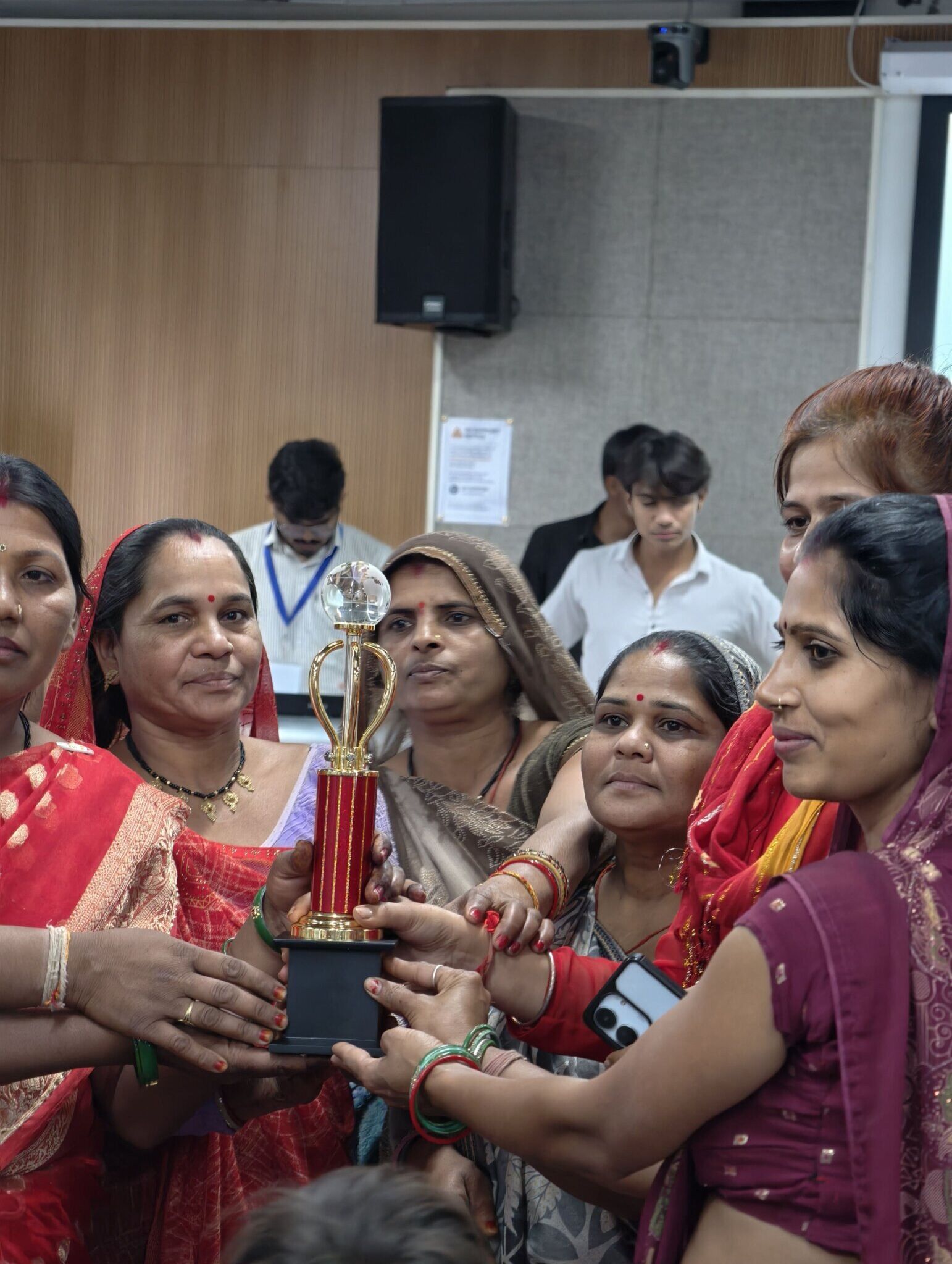
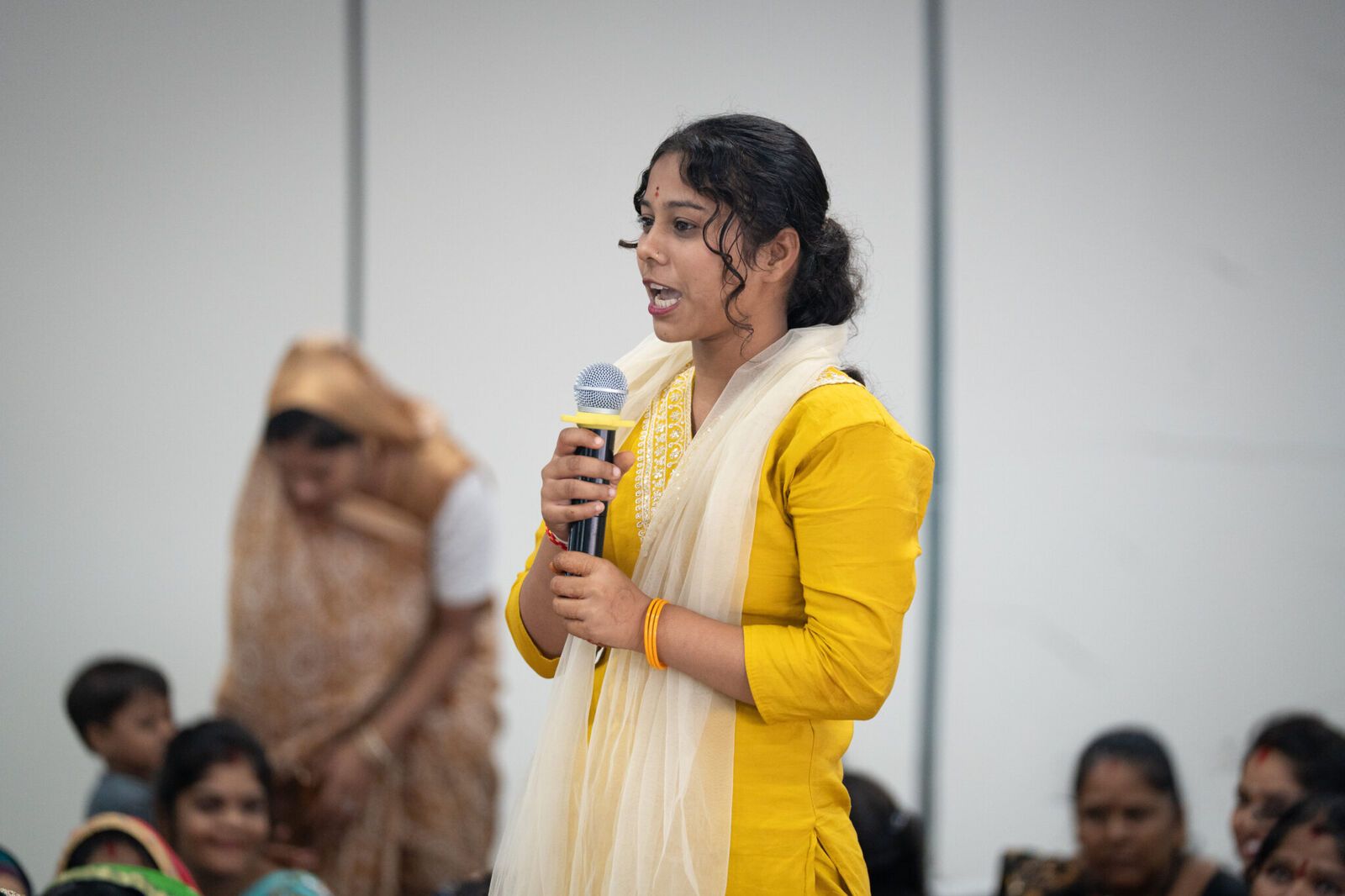
We also organised Tanuja Milaap for adolescent girls on 18 March 2026 at the Panchayat karyalaya in Pipaliya Jahir Peer. The gathering of around 35 girls and 20 women was designed around participation, conversation, and shared enjoyment. Skipping, ring throwing, a memory game, and an open stage gave the girls different ways to take part.
The programme also created space to discuss education after school and the University courses available to girls. Mothers and other women joined these conversations because educational choices are shaped not only by individual interest but also within families and communities. The gathering therefore became a shared discussion about learning, opportunity, and future pathways.
The movement from Jalsa to Tanuja Milaap shows how one engagement can lead to another. The first gathering created a broad shared space across communities. The second responded directly to what adolescent girls asked for and made room for their voices more clearly.
Students take part in the Initiative by supporting learning programmes, community gatherings, and documentation. During Padhenge Hum Badhenge Hum, they worked alongside faculty with children of different ages and learning levels, observed how children responded, and helped conduct sessions as the classroom changed from day to day.
This participation gives students a different kind of learning. They see how community programmes are shaped by Anganwadi workers, health workers, local routines, and family responsibilities. They also learn from the care involved in listening, documenting experiences, and representing people responsibly. These are lessons that are often difficult to gain in classroom settings alone.
As the Initiative grows, it aims to create more sustained opportunities for student participation across disciplines. Students enter work that has already been shaped by residents and local institutions. Their role is therefore not to begin the work, but to strengthen it with care, continuity, and shared responsibility.
Growing together
Each programme has opened the possibility of further engagement. Conversations about women’s health have developed into screening and stronger links with public health services. The summer programme has created a foundation for continued educational support. Jalsa and Tanuja Milaap have opened new conversations with women and girls about wellbeing, learning, and participation.
We grow each time a conversation leads to another meeting, a shared concern becomes a programme, or participants help shape what happens next. Its future lies in carrying these relationships forward with care, consistency, and openness.