
Water and Air Quality Workshop for Residents and Communities: A Foundational Workshop July 2025 Batch
A 3‑day course to learn more about water and air quality
Details
Introducing the Second Annual Water and Air Quality Course Series!
Join our foundational course designed for Residents’ Welfare Associations (RWAs), NGO workers, local leaders, civil society representatives, and community members committed to creating healthier, cleaner neighbourhoods. Whether you are an environmental enthusiast or an advocate for sustainable living, this workshop equips you with the knowledge and tools to improve air and water quality in your community.
Introduction
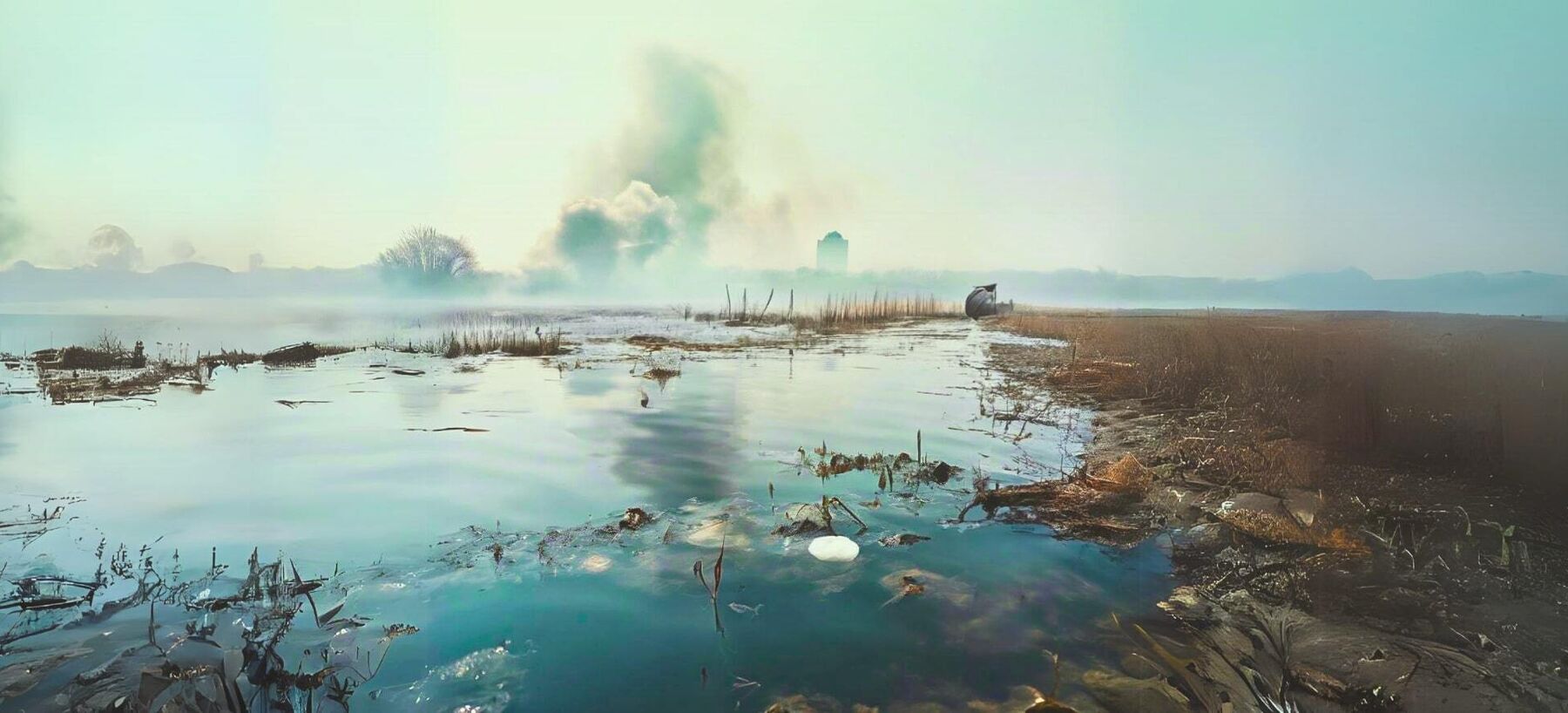
Water and air pollution are significant environmental challenges in India. Pollutants from industrial, agricultural and domestic sources are contaminating many water bodies, posing serious health risks to the population. Unfortunately, a large percentage of the population lacks access to clean drinking water, leading to waterborne illnesses. Moreover, over-extraction of groundwater has caused water levels and quality to decline in many regions. Air quality in many Indian cities is often hazardous, particularly during post-harvest and winter months due to stubble burning and temperature inversions. High levels of air pollutants, such as PM2.5 and PM10, have been linked to respiratory and cardiovascular diseases among the population. Despite efforts to monitor and control pollution, it remains a significant challenge for the community that requires immediate action.
Course Aim
Clean water and air are essential for community health and well-being. This workshop is customised to build knowledge and inform practice related to implementing micro-actions at the community scale to spread awareness on pollution-related issues. This course is designed to sensitise motivated residents and local community leaders towards a holistic approach to cleaner water and air quality; to help communities become competent, advocate for effective policies, promote good regulatory practices and enhance their knowledge; and build their capacity to spread awareness for pollution reduction.
Course Pedagogy
This training programme will include hands-on sessions with field-based kits, resource material, lecture presentations, audio-visuals, and case studies. Classroom sessions will involve detailed discussions, questions and answers, and experience-sharing sessions, along with hands-on monitoring sessions. Reading material and reference documents will also be shared for an in-depth understanding of the issues.
Who should attend?
RWAs and community members seeking in-depth knowledge on pollution issues
NGO workers and civil society representatives advocating for sustainable change
Local leaders and policymakers addressing urban environmental challenges
Members from educational institutions integrating environmental topics into their curriculum
Researchers and young professionals exploring the impact of pollution on public health
Corporate sustainability teams driving eco-friendly initiatives
Key Takeaways
- The participants will understand the water and air quality issues prevalent in their local areas.
- This course will equip participants with knowledge, tools, and strategies to improve the quality of air and water.
- The participants after the workshop will also get field-based kits/study materials to identify issues of pollution and their management at the micro level.
Selection Process
All interested participants need to fill out the application form. They are required to submit a short description of their specific motivation to join the course.
Course Details
Venue - Hampi 005
Mode of interaction — In-person/Offline
Day 1
- –
Introduction and Fundamentals
Welcome and Icebreaker Introduction of participants, set expectations and establish a positive learning environment.- –
Tea break
- –
Basics of Water Quality Understand key concepts: water parameters.
- –
Lunch break
- –
Basics of Air Quality Understand key concepts – historical background and episodic pollution.
- –
Tea break
- –
In-depth Analysis of Prominent Case Studies
Day 2
- –
Hands-on session of Field-based water test kits Learn about common water quality tests (pH, TDS, Coliform, Ammonia, Nitrate, Nitrite, Free chlorine).
- –
Tea break
- –
Water Quality Standards and Regulations
Explore local and international guidelines.- –
Lunch break
- –
Criteria Air Pollutants, Standards, Air Quality Index (AQI)
- –
Tea break
- –
Air pollution sources and impacts, health risks
Day 3
- –
Pollution: Sources and Mitigation (Air and Water)
- –
Tea break
- –
Group Project/Case Study Participants work on air and water pollution issues and present their findings
- –
Lunch break
- –
Group Project/Case Study Participants work on air and water pollution issues and present their findings
- –
Tea break
- –
Closing Ceremony Reflections, feedback Distribution of water testing kits and Certificate of Participation By Registrar/Director SCS
Timelines
Last date to apply
Announcement of results
Last day for fee payment
The decision of the evaluation committee will be final.
Fee structure
INR 2360 For Individuals
INR 1180 Field Practice Organisation (FPO) associated with Azim Premji Foundation, including Azim Premji University
Notes: Rates are exclusive of all taxes
Refund policy for fee payment:
- Full Refund: If cancellation is requested at least 15 days before the start date of the course.
- 50% Refund: If cancellation is requested between 7 to 14 days before the start date of the course.
- No Refund: If cancellation is requested less than 7 days before the start date of the course.
Accommodation and other logistics
The course fee does not include accommodation. The university can arrange accommodation at an additional cost.
● For non-shared rooms – INR 1180 per day
● For shared rooms – INR 590 per day
All rates are inclusive of GST and relevant taxes.
All other costs, such as travel to and from Bangalore, local travel, stay, breakfast, lunch and dinner must be borne by participants.
Requests for accommodation must be made at the time of application. Alternatively, participants can make their own arrangements.
Certificate of participation
The participants will be awarded a certificate of participation after successful completion of the workshop.
Contact us.
For any queries, please write to environment.workshop@apu.edu.in
Course Faculty
-


Mohammad Irshad Rather
Irshad is a limnologist cum environmentalist with a Master’s and PhD degree in Environmental science from the University of Kashmir, India. He was the recipient of a Senior Research Fellowship from the University Grants Commission (UGC) during his research programme. Irshad has previously worked as an assistant professor in the Department of Environmental Science at…
-

Manisha Mishra
Manisha specialises in atmospheric chemistry. She completed her Master’s in Environmental Science from the University of Allahabad, Uttar Pradesh. She worked on the abundance, phase partitioning, scavenging processes, and source identification of atmospheric aerosols and trace gases in the Indo-Gangetic Plain (IGP) region as part of her PhD in Environmental Science at Jawaharlal Nehru University…