
On rabies treatment, challenges in cancer treatment, and more
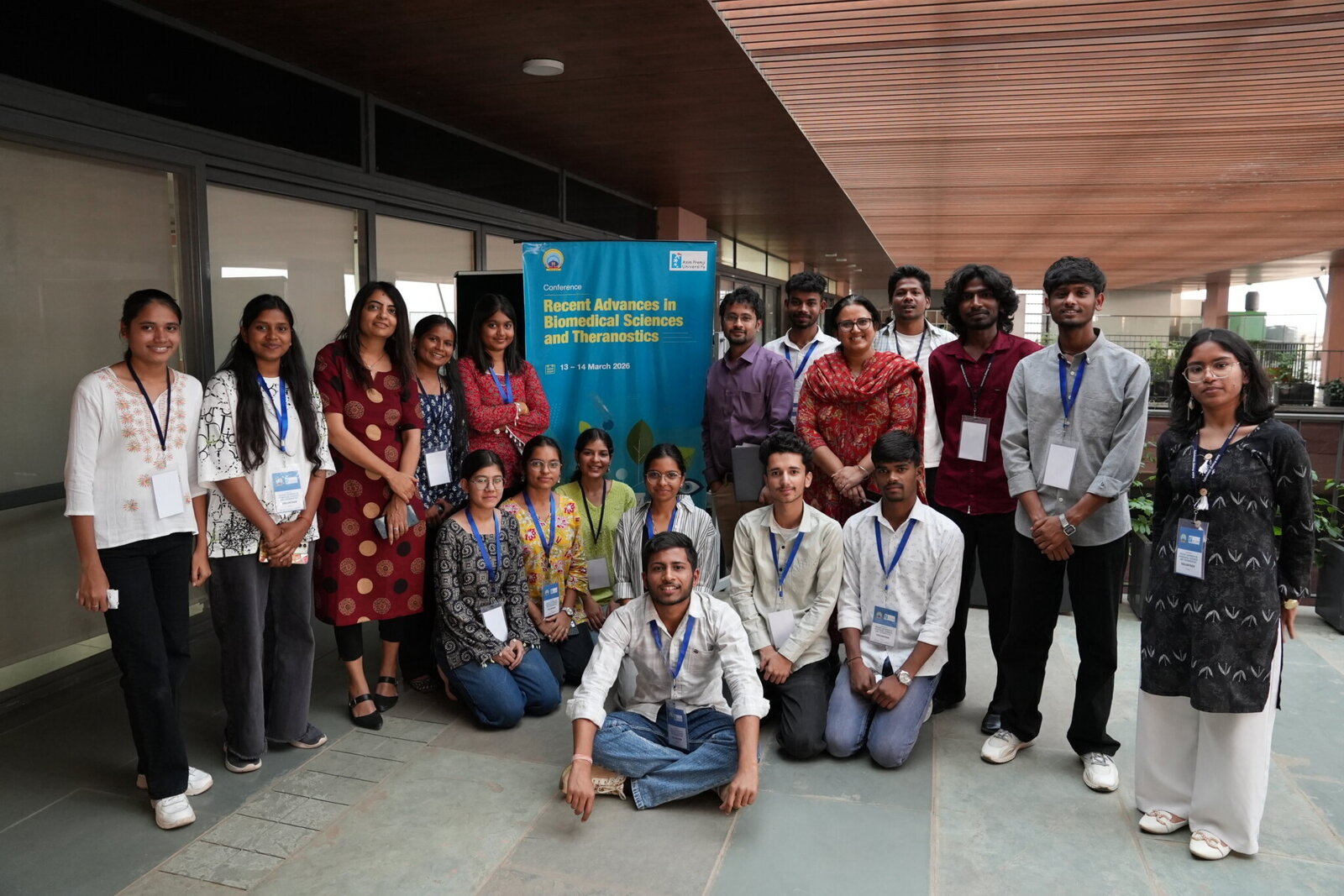
Researchers, academicians, and industry experts came together for discussions on recent advances in biomedical sciences and theranostics at the two-day international conference held at Azim Premji University, Bhopal.
Campus
Bhopal
Details
Azim Premji University, Bhopal, and MANIT-Bhopal organised a two-day international conference (13−14 March 2026) titled Recent Advances in Biomedical Sciences and Theranostics to explore the latest breakthroughs in the field. Theranostics combines diagnostics and therapy, enabling doctors to “see what they treat and treat what they see.”
Event highlights
Keynote addresses | Invited talks | Panel discussions | Poster presentations | Flash talks | Rich exchanges across disciplines | Engagement with emerging developments in biomedical diagnostics, nanotherapeutics, bioinformatics, and smart drug-delivery systems
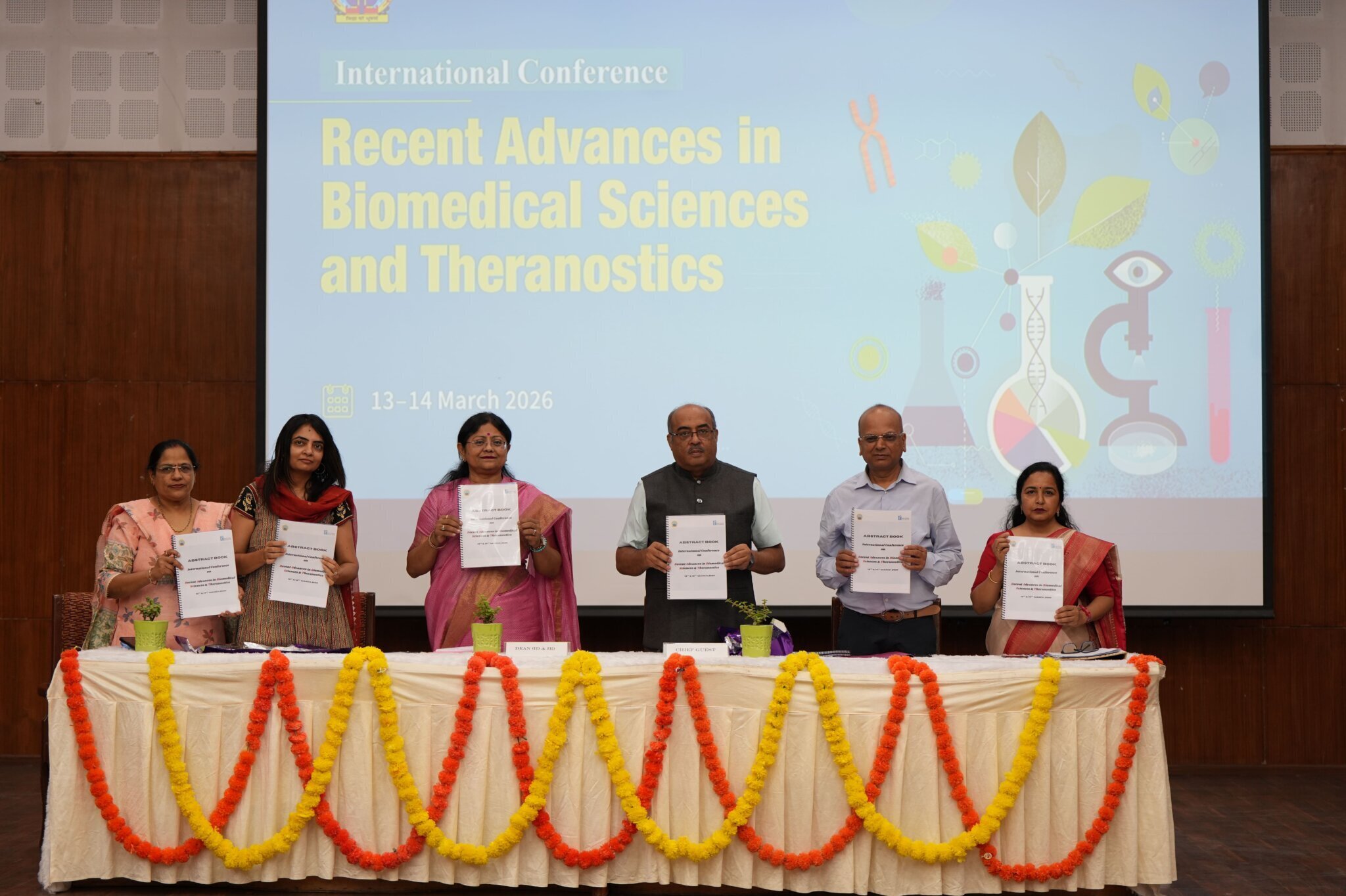
Participants
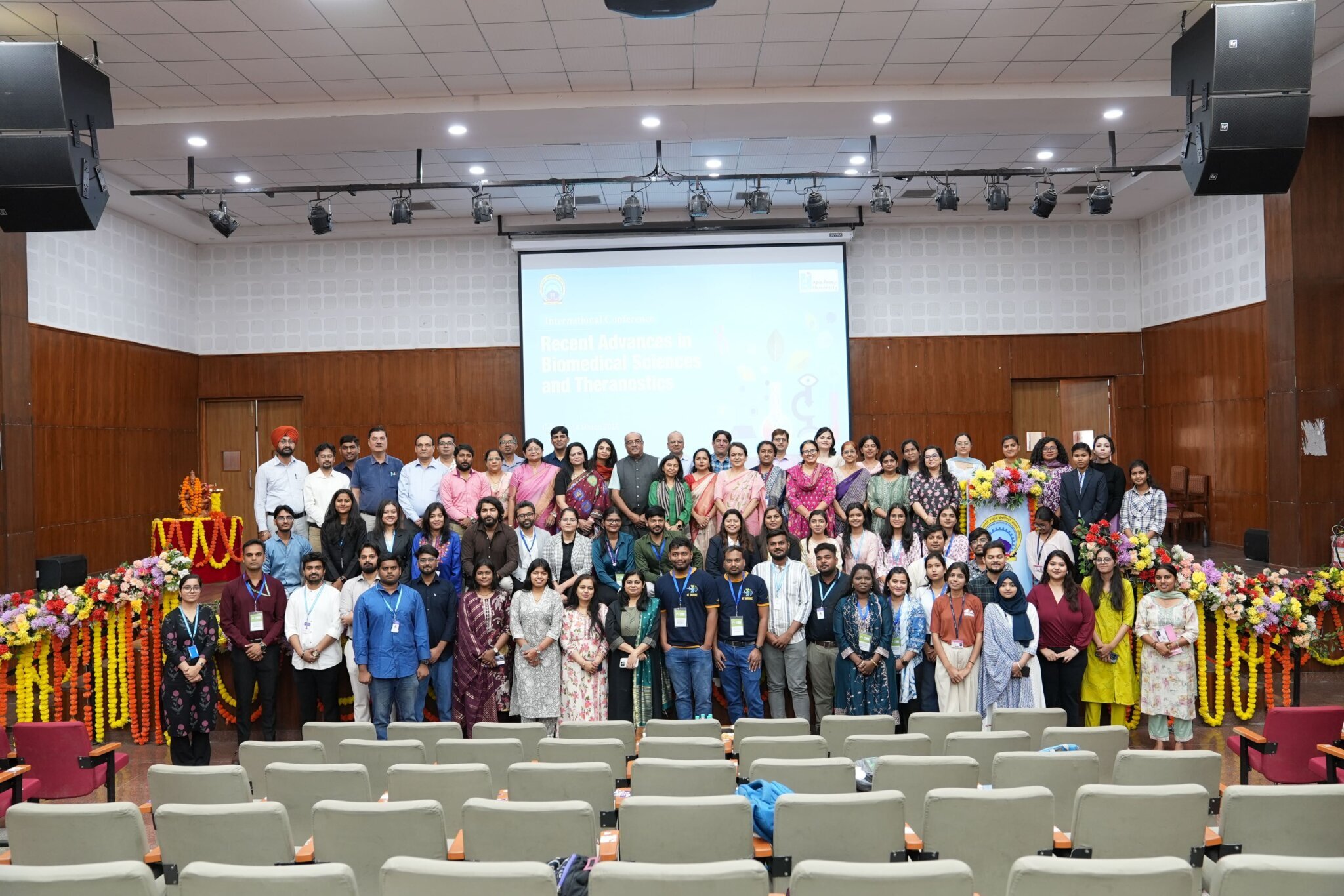
The conference was attended by early-career researchers from Jawaharlal Nehru Centre for Advanced Scientific Research (JNCASR) Bengaluru, Indian Institute of Science Education and Research (IISER) Bhopal, and National Institute for Research in Environmental Health (NIREH) Bhopal; PhD scholars from institutions such as IIT Indore, VIT Bhopal, and NIT Warangal, Barkatullah University, Bhopal, SAGE Indore; clinicians from AIIMS Raipur and Bhopal, and People’s Medical College; MTech students from Maulana Azad National Institute of Technology (MANIT) and Lakshmi Narain College of Technology (LNCT); and undergraduate students from Azim Premji University. An industry representative from V K Traders also attended the conference.
“The technologies involved in the production of vaccines for rabies treatment is exciting. The work being done in this field and the latest technologies available to conduct research in less time are worth appreciation.”
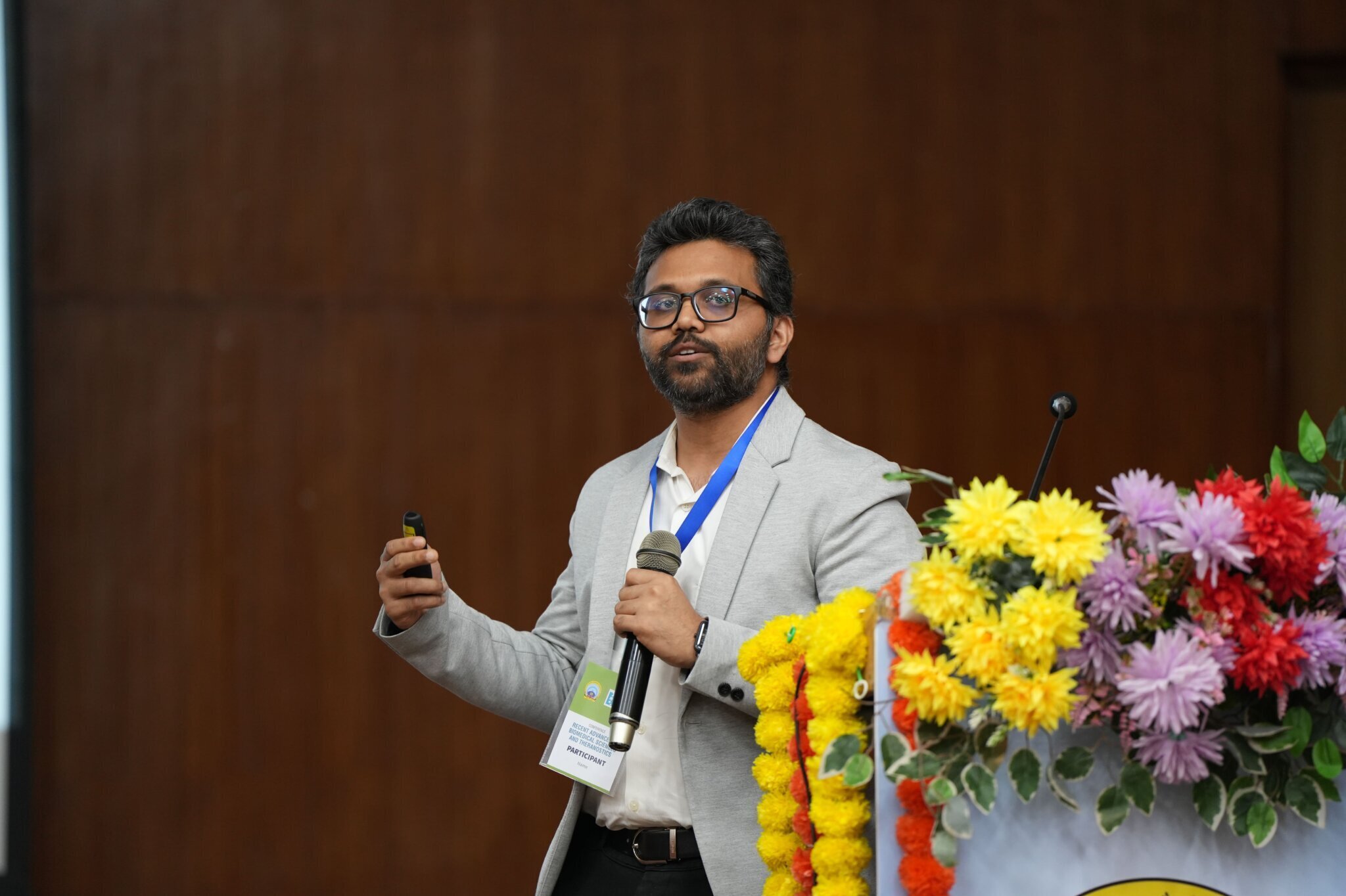
The conference started with insightful keynote lectures by Dr Akansha Chaturvedi (BRIC – National Centre for Cell Sciences, Pune) and Dr Jiban Jyoti Panda (Institute of Nanoscience and Technology, Mohali). These talks laid emphasis on the translational potential of cutting-edge research spanning immunology and nanomedicine, i.e., their potential to move from labs to safely treat human diseases.
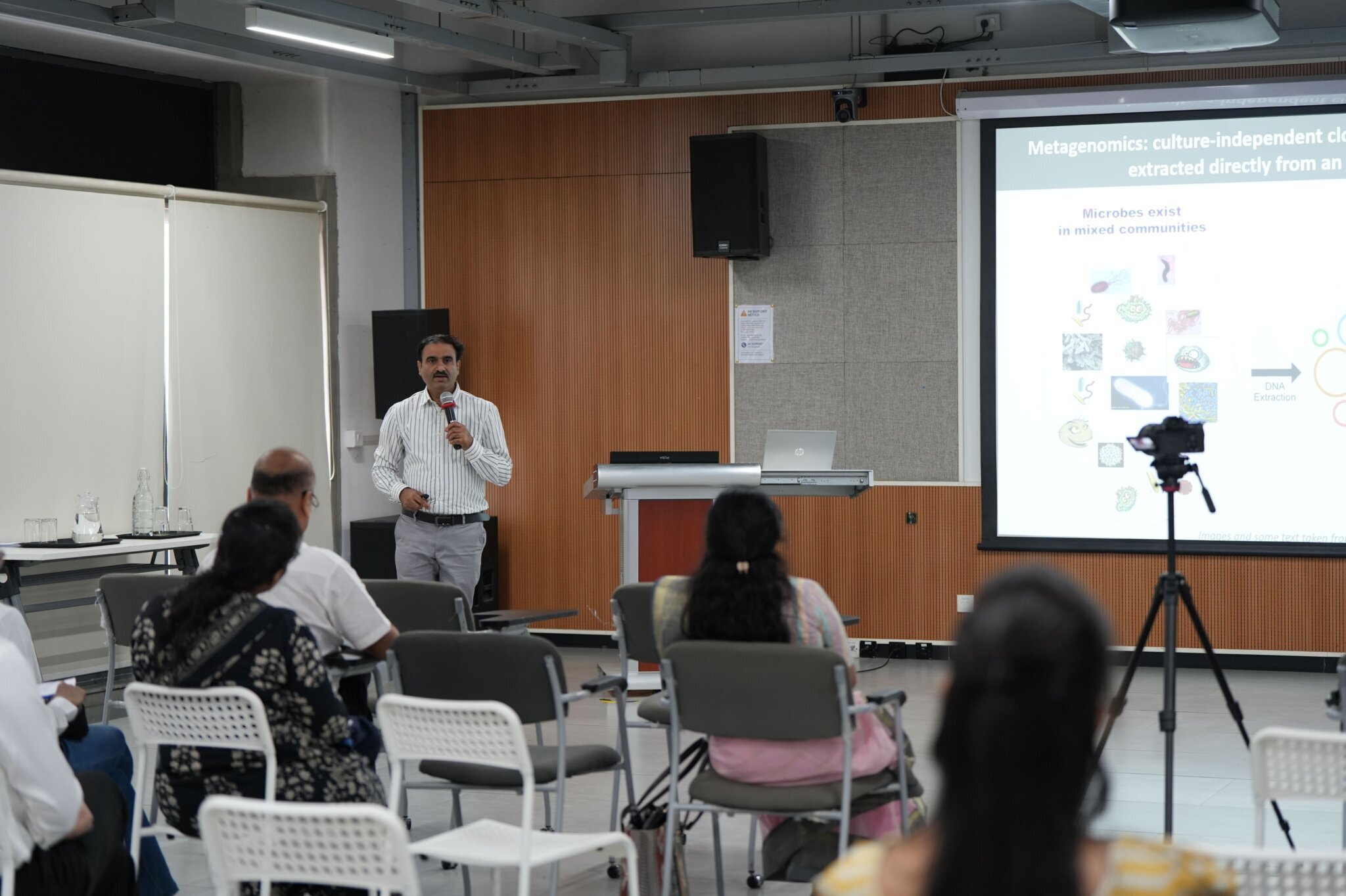
These were followed by a series of enriching talks, highlighting diverse dimensions of precision medicine and disease biology. Dr Sharda P Awasthi (Metropolitan University, Osaka, Japan) spoke about the role of dietary phytochemicals in combatting infectious diseases, ranging from cholera toxin inhibition to suppression of SARS-CoV‑2.
These talks set the momentum of the conference and opened the platform to discuss diverse and cutting-edge perspectives across biomedical sciences and theranostics like subcellular mechanisms in type‑2 diabetes, genomic modifiers and neurological resilience, and the evolving landscape of personalised therapeutics, gut microbiome research shaped by diet, biogeography, and multiomics approaches, etc.
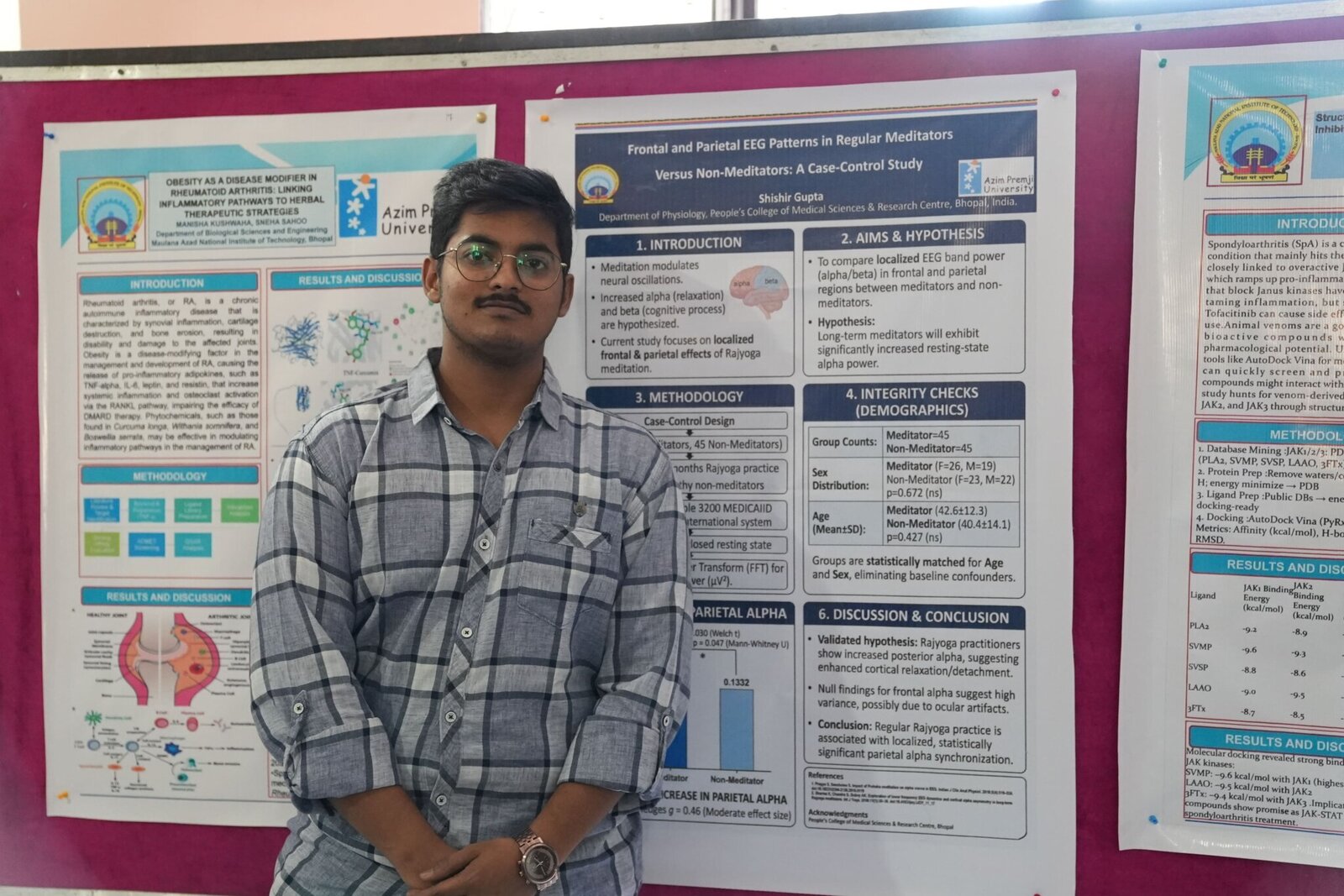
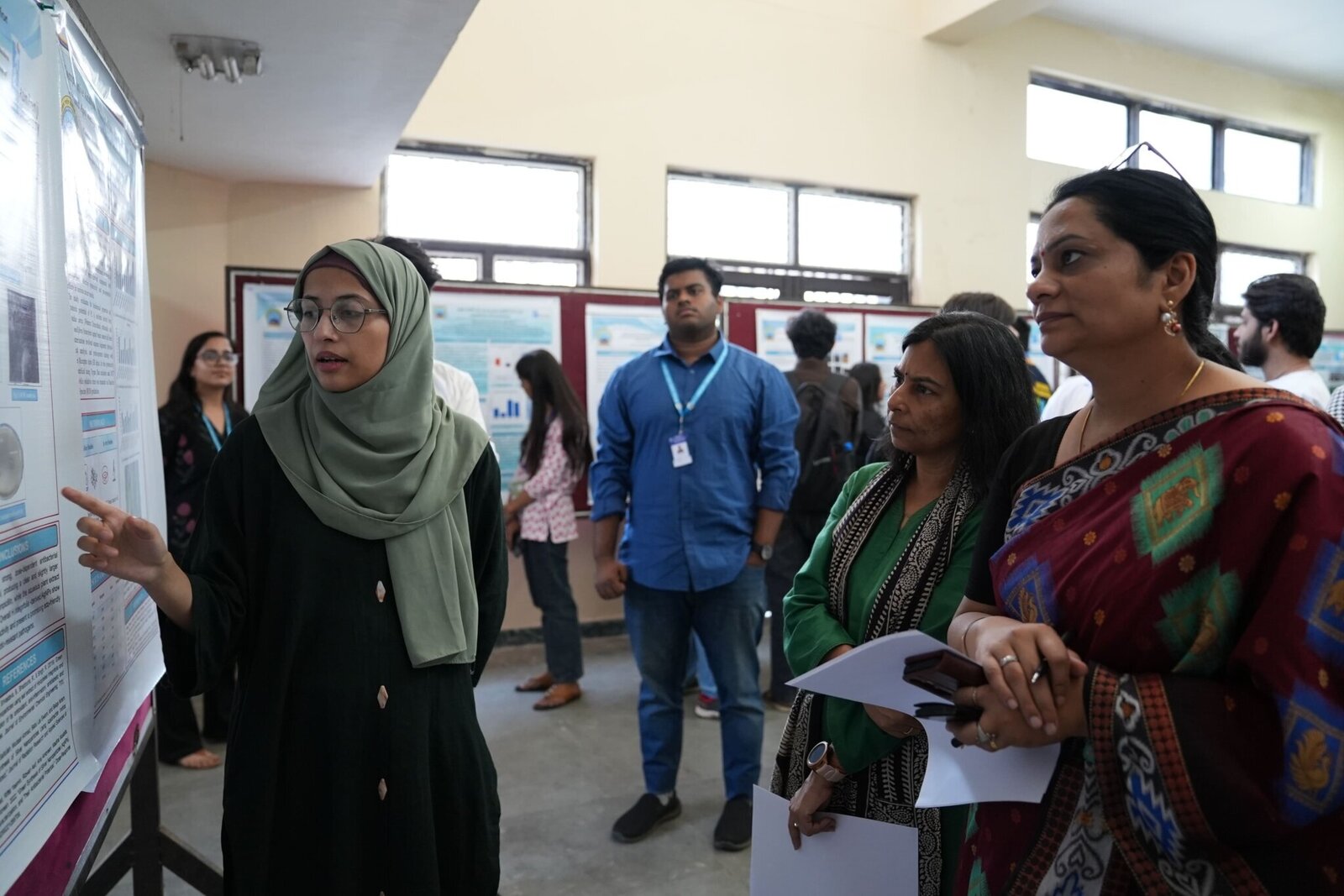
Across sessions, a strong emphasis emerged on the interconnectedness of environment, genomics, and human health in shaping precision medicine. The conference also saw vibrant participation through flash talks and 44 poster presentations, fostering active exchange and collaboration among researchers.
By the end of the conference, participants appreciated the importance of the work being done in this field, as well as the latest technologies available to conduct research in less time. The conference highlighted the importance of fostering greater discussion in these areas and provided a platform to build collaborations to address relevant questions in the field.
More details about the sessions available here.
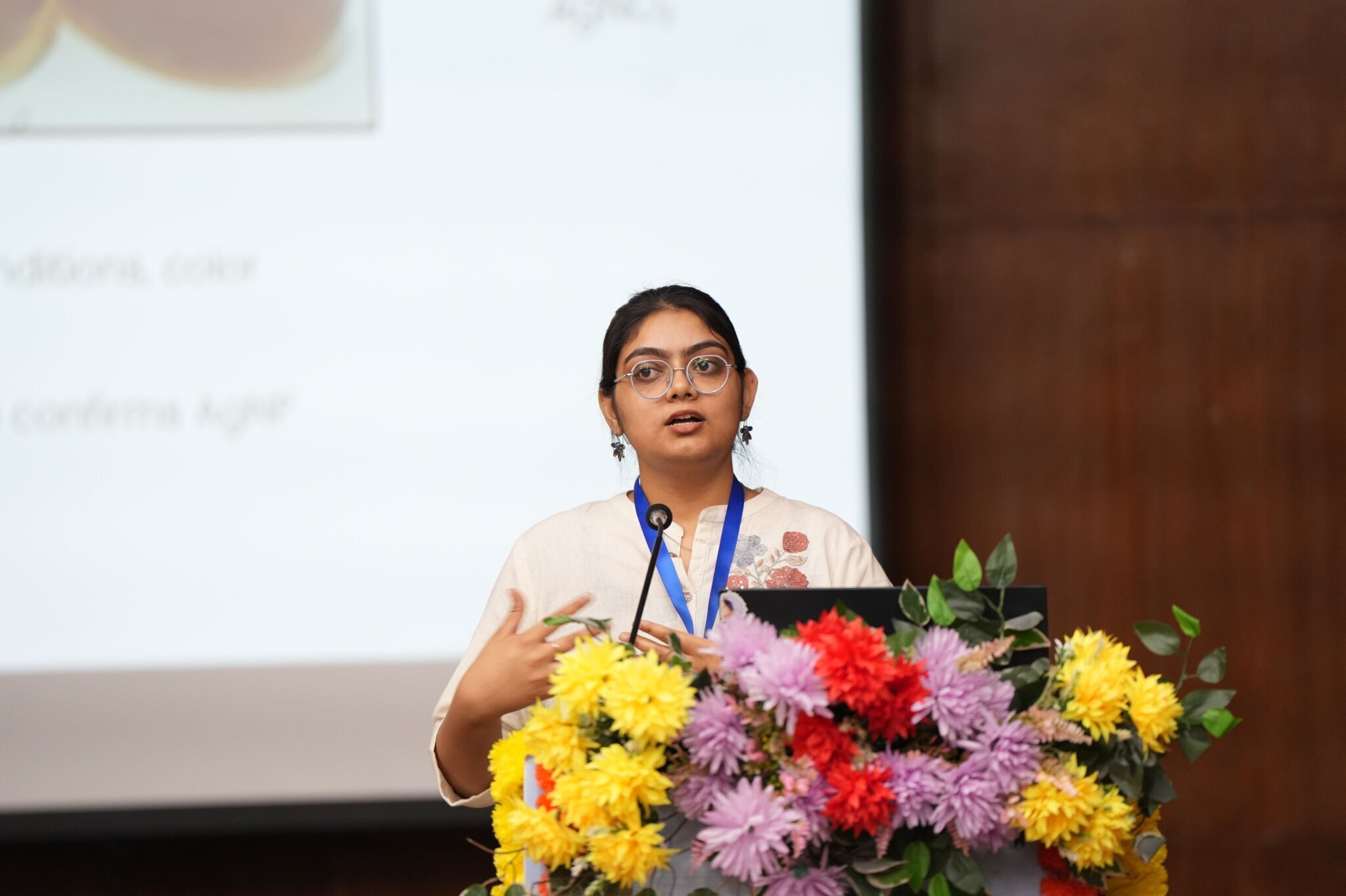
The two-day conference also served as a networking event for researchers, clinicians, and early-career scientists working in this domain.