
Insights from Social Context
List of Insights from Social Context
-

Education for Equitable Development (Part II)
By Santhakumar V | Feb 25, 2021
There is evidence indicating that higher levels of education, and not merely primary education, improve the health and well-being, and position of women in family and society. If we take women’s workforce participation rates as an approximation of women’s empowerment, then wage employment is a critical factor. However, the relationship between education and employment is a little more complex.
-
Education for Equitable Development (Part I)
By Santhakumar V | Feb 19, 2021
‘Education for all’ can bring important benefits to society even if it is not very successful in terms of the wider set of goals or even if the quality does not meet international standards. This argument is not to weaken the efforts to improve the quality of, or to reach other goals through education but to stress the importance of enhancing the access to and use of education by all without waiting for notable improvements in its quality or comprehensiveness.
-

Implementation of Forest Rights Act: Observations from Kerala’s Attappadi Block
By Seema Purushothaman, Rema Devi, Amrita C | Jan 29, 2021
Converting tribal peasant gatherers into wage labour, as mentioned above, is the most visible livelihood change here. The interventions that deployed tribal labour include afforestation and demarcation of forest boundaries, both often curtailing their access to seasonally cultivated areas.
-


Implementation of Forest Rights Act: Observations from Wayanad District of Kerala
By Seema Purushothaman, Rema Devi and Amrita C | Jan 6, 2021
In the early 2000s, Wayanad saw land struggles gathering momentum, demanding rights of tribals to forest lands. Many landless tribals encroached forest lands and raised hutments. As per an agreement to put an end to the struggle, a decision to vest land to tribals was taken. But its implementation was tardy.
-

Development and Environment Linkages: Lessons from Kerala
By Santhakumar V, Muralee Thummarukudy and Devashree Pillai | Sep 16, 2020
There is a need for a set of actions to achieve an environmentally sustainable and welfare-enhancing future for the people of Kerala. These require the use of technological solutions; institutional changes; public investments to make the future environmentally benign, and; enabling policies at the state level.
-

Conservation of Agrobiodiversity: Lessons from Kerala
By Sunil Mani, S M Mohanakumar, Santhakumar V and T Abhilash | Aug 28, 2020
This article assesses the effectiveness of the institutions (laws), programmes, and organisations to conserve agrobiodiversity in the Indian state of Kerala, which is one of the most biodiverse states in the country.
-

Material Production by Amazon River Communities and its Implications
By José Bittencourt da SILVA, Cledinei Oliveira da SILVA, Márcio Fernando Duarte PINHEIRO, Raimundo Nonato Leite de OLIVEIRA, Roberta da Trindade | July 23, 2020
The residents of Boa Vista do Acará community (Belém, Pará, Brazil) have diversified forms of work and within the model of simple production and reproduction, that is, they work, produce, seal and buy goods and services with a focus on their own family consumption, not using surpluses to accumulate wealth and acquisition of more income.
-
Implementation of Forest Rights Act: Lessons from Vazhachal Division of Kerala
By Seema Purushothaman, Rema Devi and Amrita C | Dec 19, 2019
Three things clearly emerged as instrumental in making Vazhachal a pioneer in FRA implementation in the state, especially in vesting the provisions under CFR:
a) A mission mode of implementation with clear responsibilities;
b) Committed, active and informed NGOs and;
c) Proactive leadership from the community.
-
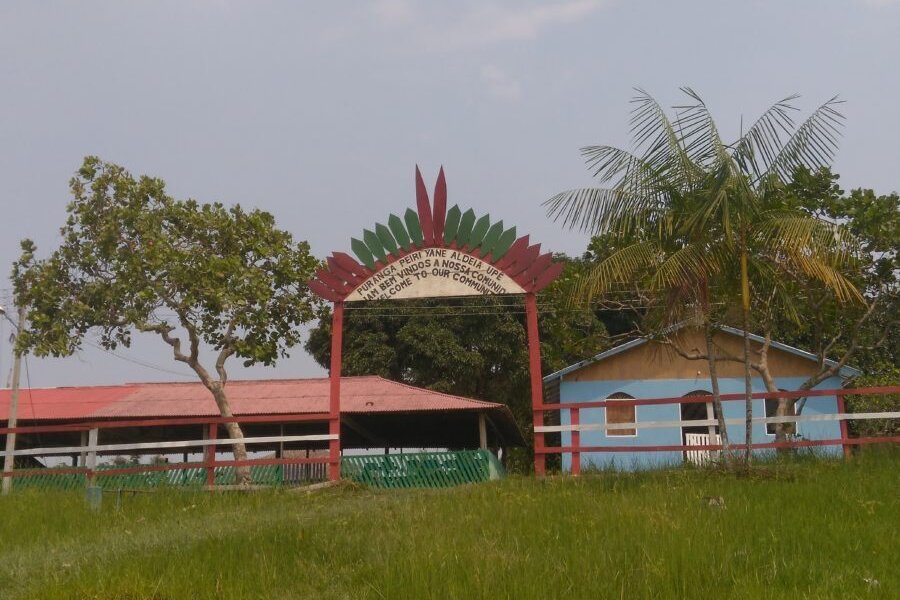

Development Path for Indigenous People: Lessons from India and Brazil
By Santhakumar V and Amarendra Das | Feb 19, 2019
The focus on the tribal communities in choosing the right balance between tradition and modernity is because they are at the threshold of what can be termed as ‘modernity’ and these choices can be crucial for them.
-
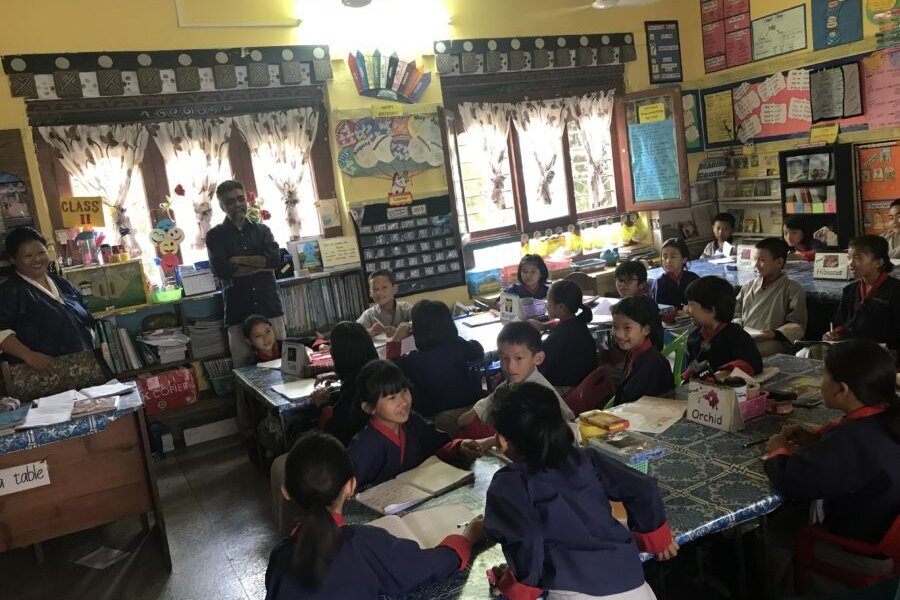
Improving the Quality of Schooling: Some Observations from Bhutan
By Santhakumar V and Phuntsho Choden | Dec 27, 2018
Bhutan’s achievements in terms of access to education are remarkable. There is nearly 99 percent enrolment in the primary grades with hardly any difference between boys and girls in this regard.
-
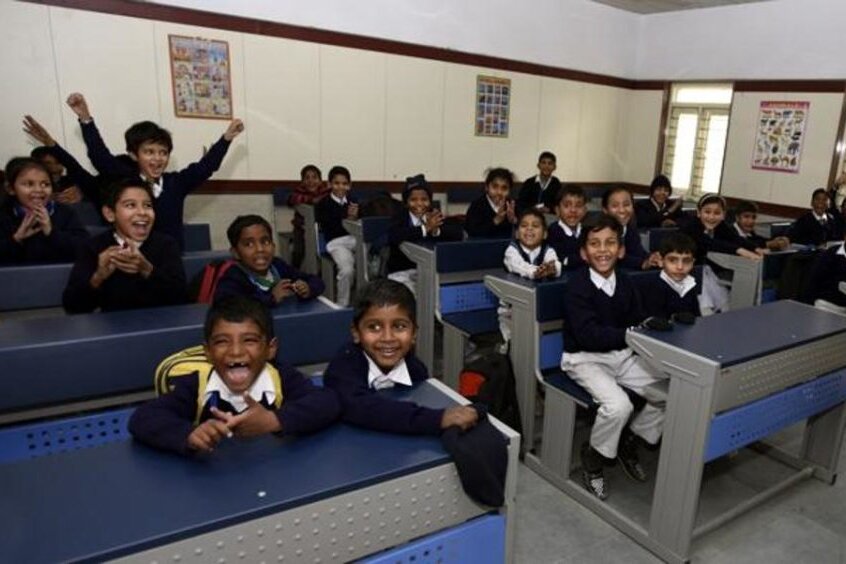

Political Change and Education Reforms: Lessons from Delhi under Aam Aadmi Party
By Santhakumar V, Nimrat KD Khandpur, and Shraddha Jain | Dec 7, 2018
Ability-based grouping and differential curriculum are the most contested aspects of the education reforms pursued by the Aam Aadmi Party in the state of Delhi. An assessment of education reforms in Delhi under AAP.
-
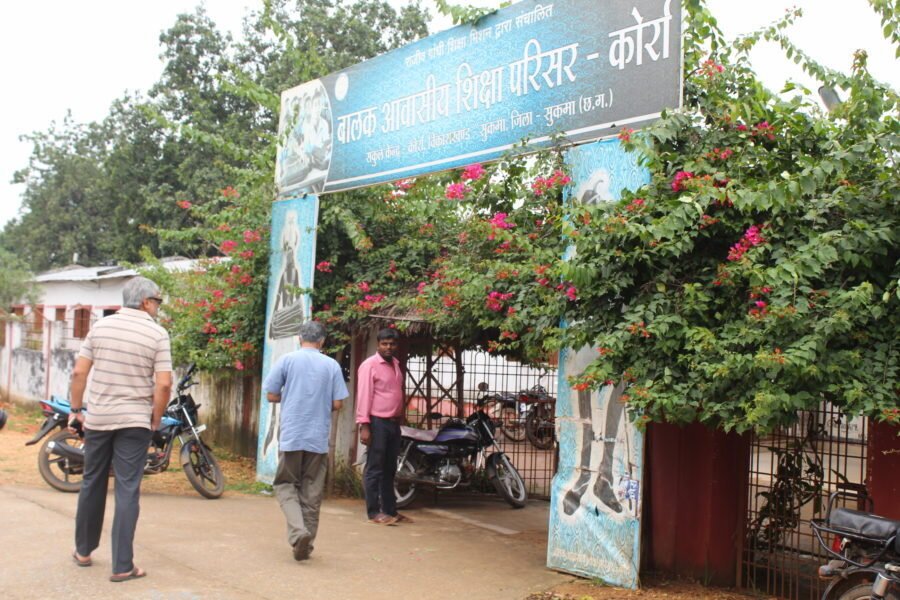
The Education of Scheduled Tribes in a Conflict Zone: Lessons from Sukma, Chhattisgarh
By Santhakumar V and Anant Gangola | Nov 19, 2018
The schooling of tribal children in conflict zones is riddled with severe challenges. We study the work of a relatively small and new NGO, Shiksharth, which is trying to support the public education system. In light of this, we present the situation, the challenges and some possible solutions.
-
‘Quality Schooling for All’ in the Remote Parts of the World
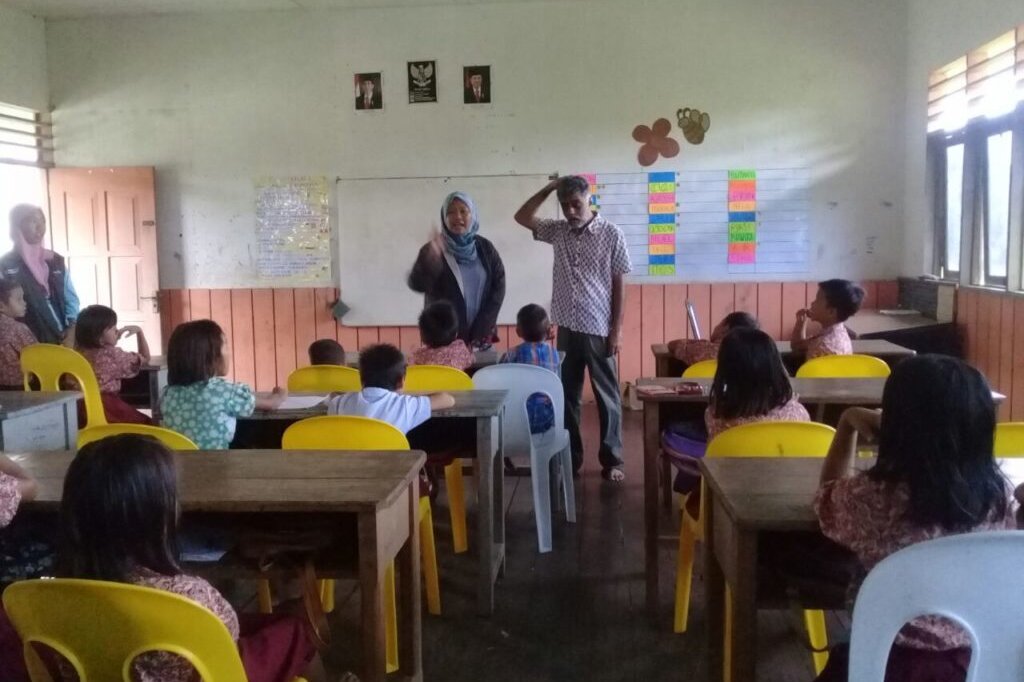
What are the challenges in achieving ‘quality schooling for all’ in the remote parts of the world? How does ‘remoteness’ affect the supply of or the demand for schooling?
-
Second Generation Problems in Schooling: Lessons from Mizoram
By Santhakumar V | Jun 11, 2018
Mizoram is one of the states in India which has been successful in bringing almost all children to at least the primary school and ensuring reasonably adequate infrastructure and other facilities for school education at a reasonable distance for most habitations.
-
The Knowledge of Head Teachers
By Santhakumar V, Umashankar Periodi, Guru Sankayya Moger, Gurunathagouda Gowder | Jul 19, 2018
The process of reforming government schools is a continuous one and there have been consistent efforts to improve their performance. One way to do this is to enhance the capacity of the school leadership, mainly the head teachers (UNESCO, 2009).
-
What Happens when most Children are in School?
By Santhakumar V and Vargheese Kochattu | May 29, 2019
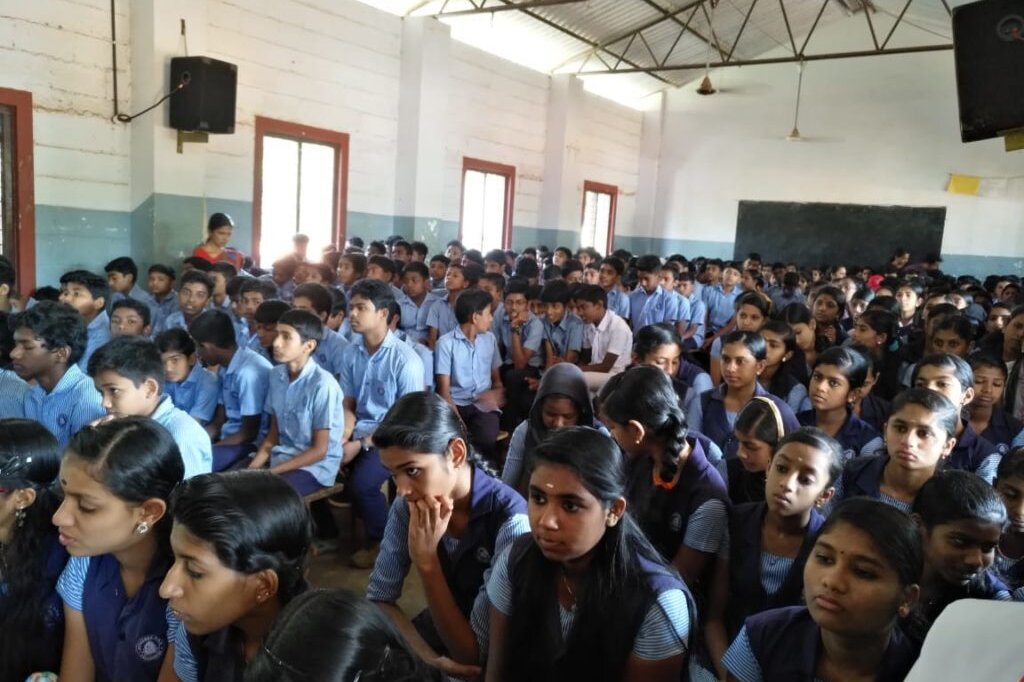
Are there other factors which work against improving the quality of learning? The insights from the experience of Kerala may be useful for other states which are currently grappling with first-generation problems, like the retention of students in schools.
-
The Inter-Linkages between Education and Development
By Santhakumar V, Indervir Singh, Naresh Kumar | May 9, 2018
Himachal Pradesh is known for its relatively better achievements in schooling in India. Based on the Annual Status of Education Report (ASER) 2014, the non-enrolment in schools among children in the 6 – 14 years age group is only 0.3 percent in the state whereas, the all-India figure is eleven times higher, at 3.3 percent.
-
Schooling and Work Participation of Girls: Lessons from Indonesia
By Santhakumar V | May 3, 2018
This report analyses this by drawing parallels between various aspects enabling education and work participation of girls in Indonesia with those in India, which have emerged from my fieldwork in parts of India and Indonesia.