Introducing the MSc in Climate Change and Sustainability
Shaping Tomorrow’s Leaders for a Sustainable Future

Details
Join us for an interactive webinar about the MSc in Climate Change and Sustainability programme at Azim Premji University designed to address one of the most critical challenges of our time.
Gain interdisciplinary knowledge, practical skills, and innovative tools to create sustainable solutions and drive impactful change!
Programme Overview
- Understand our unique curriculum that blends domain knowledge with practical skills, covering climate science, renewable energy, environmental impact assessment, water and waste management, geospatial analytics, and more.
- Learn about our flexible tracks, including a one-year MSc (Coursework) for those with advanced qualifications and a two-year MSc (Thesis Option) for students with a 3‑year Bachelor’s degree.
Real-World Relevance
- Explore how the programme prepares students to analyse and solve climate-related challenges, from adaptation strategies to policy development.
- Understand how the Sustainable Development Goals (SDGs) serve as a guiding framework for programme content and objectives.
Engage with Faculty Experts
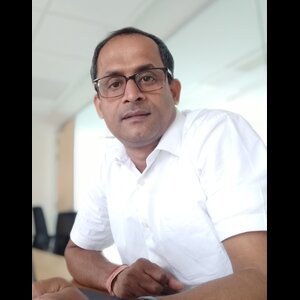
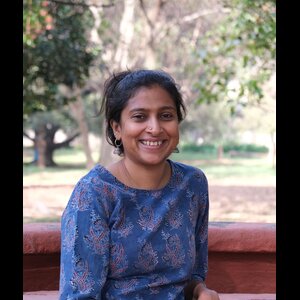
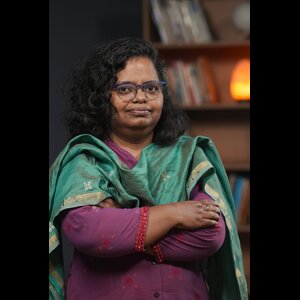
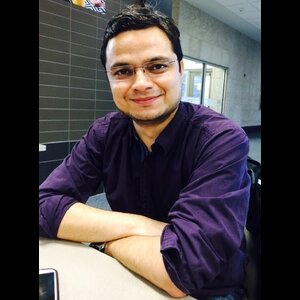
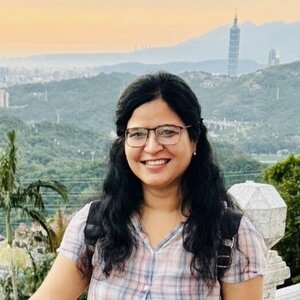
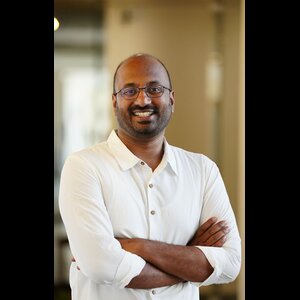
Meet our faculty, whose expertise spans climate science, environmental economics, social policy, and sustainability research. Learn how their teaching and mentorship equip students to make informed decisions and create meaningful change.
This webinar is perfect for:
- Graduates: From diverse disciplines looking to advance their understanding of climate change and sustainability.
- Working Professionals: Interested in transitioning into roles in environmental management, policy-making, or advocacy.
- Aspiring Researchers and Change-Makers: Eager to make an impact in academia, industry, or community-based initiatives.
This session will provide:
- A comprehensive overview of the MSc in Climate Change and Sustainability programme.
- Insights into how it aligns with your career aspirations and prepares you for impactful roles.
- An opportunity to interact with faculty and ask questions about the programme and its objectives.