
Digambarpur Gram Panchayat: A Lesson in Self-Reliance
Insights on grassroots governance by Ashok Sircar and Sukanta Sarkar
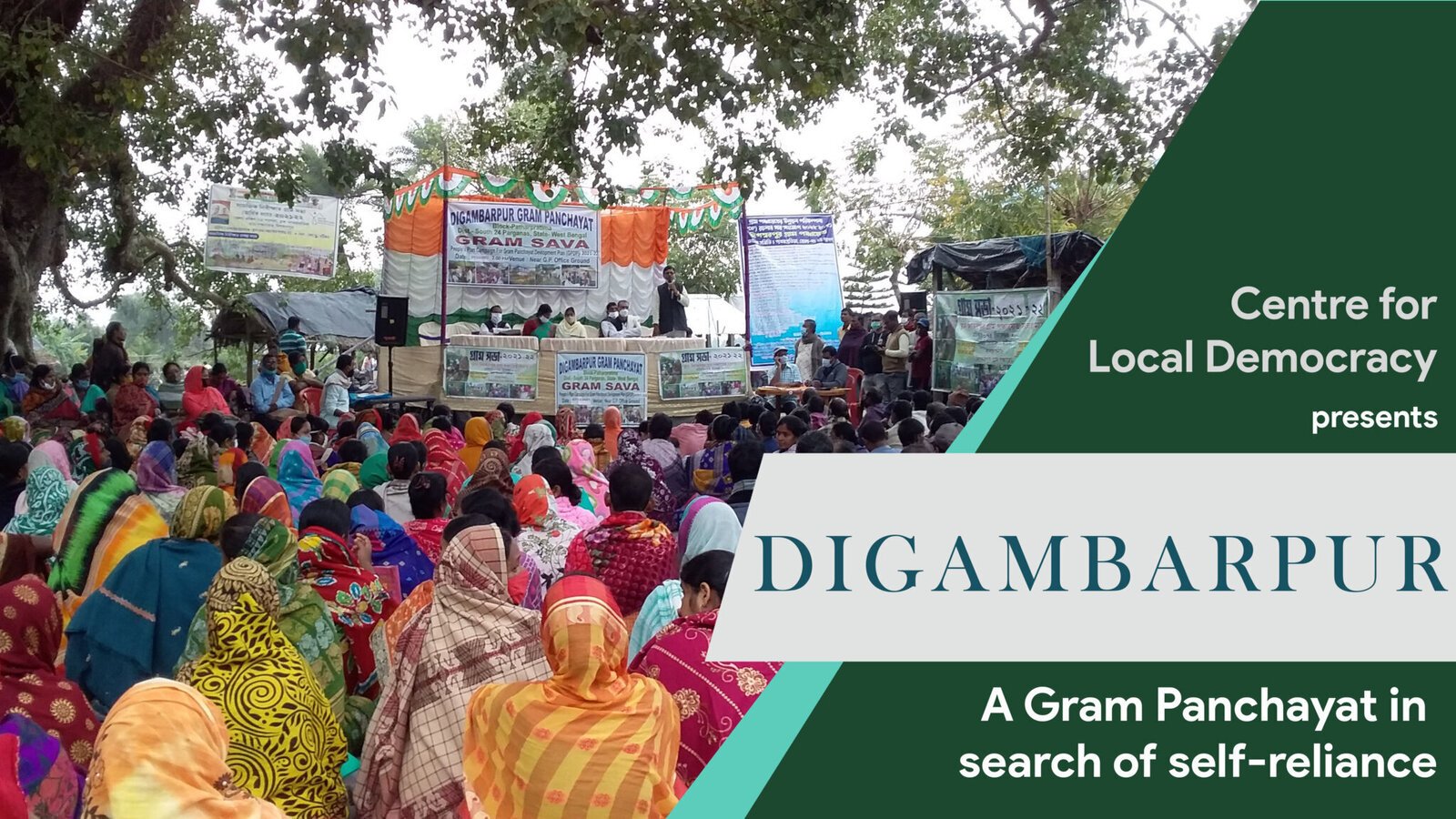
Details
“Nobody will dare to usurp our money. We have our own cooperative bank today. We are also connected with a nationalised bank with whom we have regular interactions,” says Jaba Bhattachargya, a member of Maa Annada Self Help Group and a leader of the Digambarpur Sarada Sangha Multipurpose Cooperative Society Ltd. Today, the Society has 482 Self Help Groups (SHGs) as members covering 6384 families. It has a turnover of more than INR 2 crores. Each SHG enjoys a cash credit facility of INR 3 – 4 lakhs. The average savings of each group is more than INR 1.5 lakhs.
The women of Digambarpur Gram Panchayat (one of the tiers in three tiers of Panchayati Raj Institutions of India) have travelled a long way. Jaba told us that before 1999, the women in the villages had the same sorry tale as everywhere else. They were subjected to domestic violence, had no financial freedom, and suffered from the general ill-treatment by the in-laws. Some of them heard that a local club was organising the women into groups, where the women could save money and eventually get some loans. Jaba and many others felt interested. They approached the club that helped them to start. They started with saving INR 20 each per month. Slowly, about 34 such groups started functioning.
Someone from the club used to attend the meetings and collect the savings. They even maintained the books of accounts of each group. The women were told that their money was getting deposited in the bank. They were happy that their money was safe. This continued for a few years.
In 2003, some of the groups approached the club to withdraw a part of their savings for some income generation activities. The club’s response became a rude shock to them. They realised that the club had siphoned off their entire savings.
The women’s saviour was one Mr. Rabindranath Bera, who later became the head of the Gram Panchayat (GP) and is now the Upa Pradhan (Deputy head). He was then a ward member from the Opposition. Rabindranath took it as his personal mission to get the women’s money back. He organised the women, filed an FIR in the local police station, and went to the District Rural Development Centre (DRDC), a unit of the district administration responsible for implementing the SHG programme.
Rabindranath also worked with the women to stage a dharna before the thana (local police station). The women’s struggle went on for nearly seven years. After a lot of persuasion, threat of blacklisting and other pressure tactics, the women got back some part of the savings, and a piece of 4 decimal land in lieu of cash. It’s on this land that the building of the Sarada Sangha Multipurpose Cooperative Society.
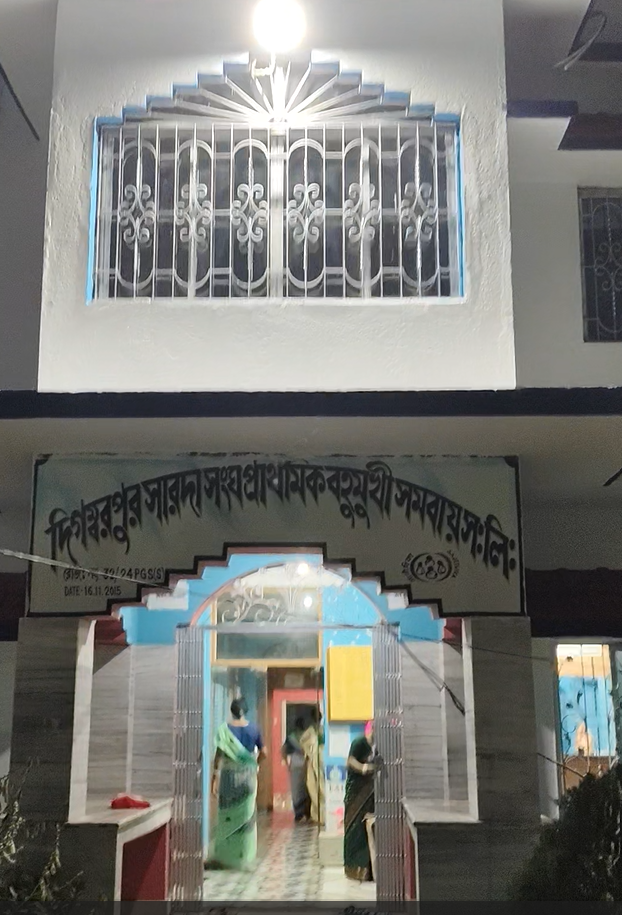
Working for the recovery of the lost money, the women of various SHGs came together to form a cluster-level organisation. Rabindranath played a crucial role in its formation. His association with the women of the GP was partly because of his general empathy with women and also due to his belief that the women’s support for his political career can be enduring.
Rabindranath noticed that women had two collective desires – to form groups, save and avail loans, and understand what Gram Sansad (In West Bengal Gram Sansad refers to Gram Sabha or ward where every voter of that ward is the member) can do for them. In 2007, as a ward member from the opposition party in the GP, he called an all-women meeting in his ward, attended by hundreds of women. This was the first time women gathered in such a large number. This time it was for the Gram Sansad. The women demanded work under MGNREGA, which he arranged in 2008, a first in that GP.
Building toilets was rather easy. People readily provided spaces, and the GP arranged its construction, but changing people’s behaviour regarding open defecation took time. It took nearly seven years to come to a stage to declare ODF GP.
Slowly, the other ward members followed suit. All these incidents weaved a relationship of mutual trust and confidence between the women, their SHGs and the Gram Panchayat that resulted in the initiation of several collaborative works for local development.
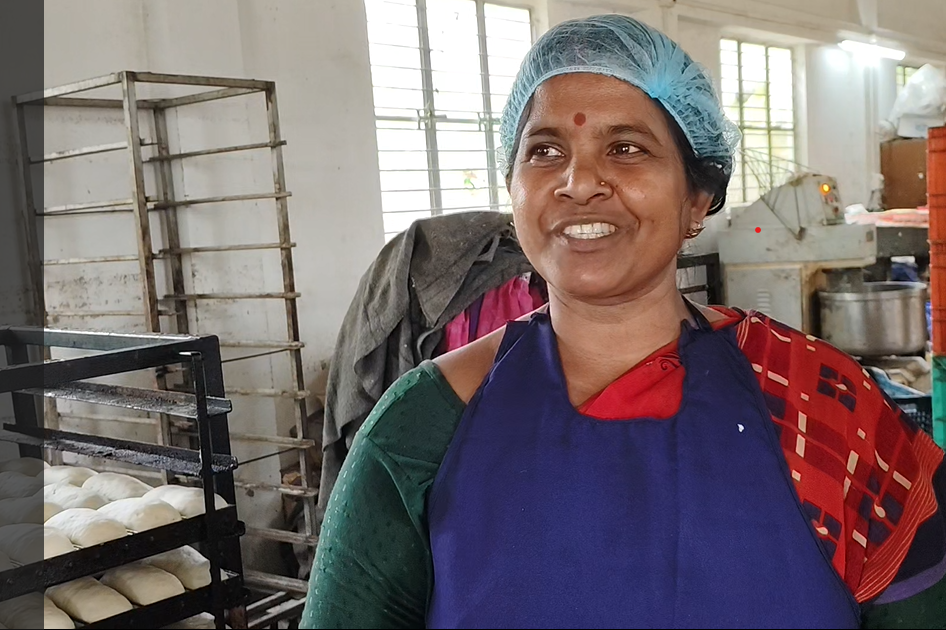
A bakery run by some of the women in the GP is an example of this collaboration. It was built by a joint investment of the SHG federation and the GP. Built on an 18 decimal land, transferred by the GP to the SHG federation, the bakery has received investment of INR 23 lakhs from various government schemes on building and plant and machinery. The SHG federation also invested in some of the machinery. It employs 6 women as labourers, and 40 women are involved in retailing the bakery products. Registered as a small-scale unit, it has a trade license issued by the GP. The bakery products are sold in the local market. It’s totally managed by women from raw material procurement to processing, transportation and sales. Annually, it makes a turnover of INR 9 to 12 lakhs. The women directly engaged with the bakery as labourers and retail earn about INR 8000 per month.
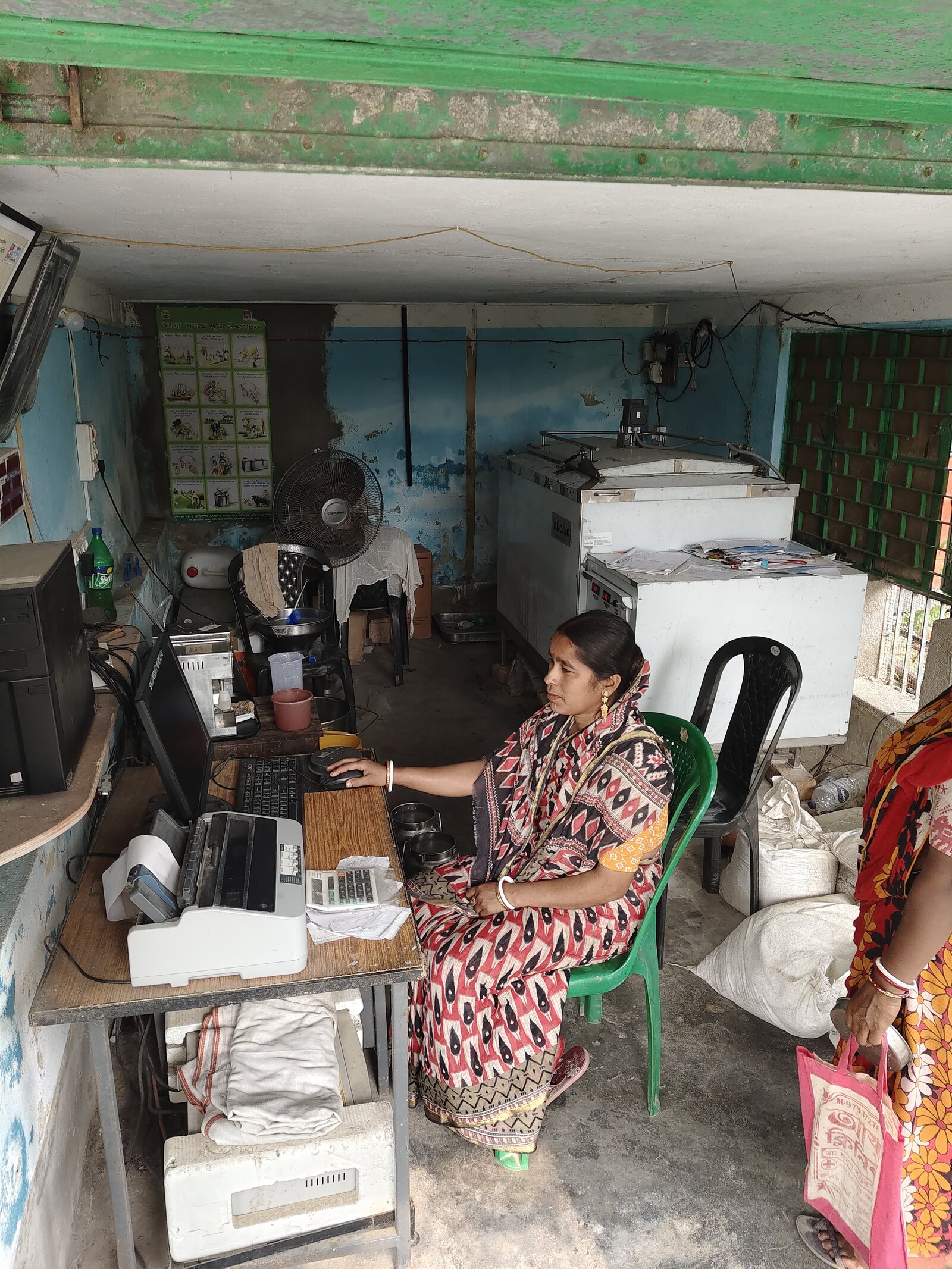
The bakery is not the only example. Another example of the Gram Panchayat and the women coming together is a dairy collective. Presently, 256 women farmers are involved in this. The Gram Panchayat has given space for establishing multiple collection centres, where milk brought by women is collected after testing.
Presently, the daily collection in one such centre is 40 litres. Some of the women have been trained in testing, collection, record keeping, accounting and cash flow. The rate given to the women is INR 35 per litre. The rate varies depending on the water and fat content. INR 35 is the minimum acceptable rate given by the milk union formed at the block level.
While the operation started a few years ago, the women and the GP realised that they had to introduce a better breed of milch cows and better feed to improve daily production. So, the Gram Panchayat sought assistance from a government project called Sundarini, which brought such assistance. It’s in the form of a credit support to buy the milch cows and also the feed and repay through deduction from the earnings from the milk. The women availing the support are already pouring almost 8 litres per day, thus earning about INR 4000 to 5000 a month.
Yet another story of the Gram Panchayat’s effort to facilitate livelihood support is poultry. 850 women have backyard poultry, thanks to the support provided by the GP and the SHGs/Federations. Deepali Ghorui’s story is illustrative in this regard: For her and many others, the Gram Panchayat liaised with the Animal Resources Department to supply chicks as well as training for setting up backyard poultry at their homes.
Deepali took a loan from the SHG to buy the feed, drinker and the feeder to start the poultry. For 8 years now, she, along with her husband run a poultry farm which has now expanded to have 2000 birds. The birds are sold to a private company that was brought in by the GP to have an arrangement with most of the women poultry farmers. The company buys the birds and provides input and veterinary support.
The Gram Panchayat’s presence makes sure that the women get a fair price, as well as quality and efficiency. Birds become saleable in a cycle of 40 days, and Deepali could sell birds about 6 to 7 times in a year, making about INR 1.8 lakhs per annum.
| Women’s engagement type | Number of women involved |
|---|---|
| Stitching school uniform | 120 |
| Cooking midday meal | 400 |
| Making bari (pulse nuggets) and pickles | 110 |
| Producing sanitary napkins | 27 |
| Jari (embroidery) works | 70 |
| Making hosiery products | 250 |
| Organic farming | 2009 |
| Making dolls | 47 |
Enhancing the income of the rural households beyond farming or fishing has remained a priority for the Gram Panchayat. While the dairy, poultry and bakery have engaged a good number of people, certainly it was not enough to support a large number of women.
The Gram Panchayat, realising this, have worked on other possibilities. Harnessing support from various government schemes, the Gram Panchayat facilitated the process of women’s productive engagement in making school uniforms, cooking midday meals in schools, production of sanitary napkins, Jari (embroidery) works, pickle and Bari (Pulse nuggets)i making; making of hosiery products like underwear, and others in which several hundred women got involved. The effort is ongoing and more must be done.
Towards a clean, green Gram Panchayat
In 2008, the Gram Panchayat leadership faced angry reprimand from the Block Development Officer (BDO) and the District Magistrate (DM) of the district. The reason – 72 children were found severely malnourished. It was an occasion to reflect on the prestige of the leadership. As the Gram Panchayat body discussed this in their monthly meeting, they realised several underlying factors – safe drinking water, open defecation, quality of nutritious meal at the ICDS, and public hygiene. It needed efforts in multiple directions.
Here too, the leadership of Rabindranath Bera and the SHG women came to the GP’s rescue. The GP launched an awareness campaign with the help of SHG women across the GP. The campaign was about the need for better nutrition, safe drinking water, toilets, and managing domestic public waste.
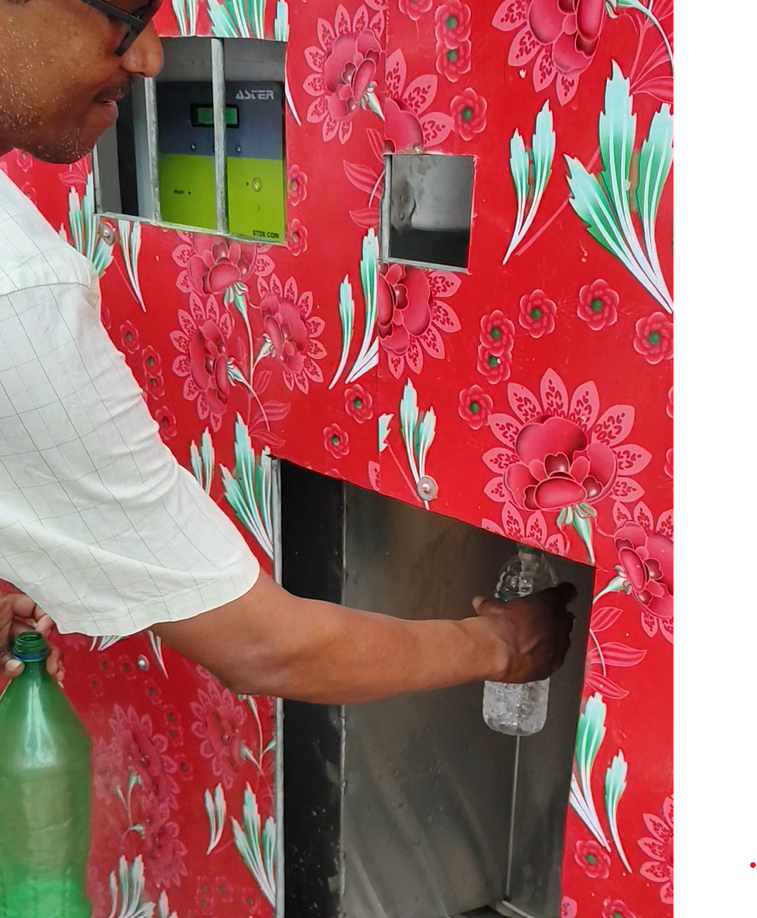
Tube well maintenance committees were formed around 235 working tube wells. Their duty is to keep the tube well clean by having regular maintenance. 30 – 40 households that are dependent on one tube well form the committee. They have to put in a small subscription to manage the materials needed to keep the tube well clean. The GP has also put in place four water ATMs at public places at the cost of INR 6 lakhs each to make drinking water available. These are a composite unit of water filters and dispensers. Here, the villagers can buy drinking water at the rate of INR 0.50 per litre. The Gram Panchayat has earned INR 44,000 in the last six months from running the water ATMs.
A healthy village needs to stop open defecation, for which toilets must be built. Moreover, the villagers’ age-old habit of open defecation must stop. The SHGs did their bit in the Open Defecation Free (ODF) campaign, the Gram Panchayat took the initiative to build toilets, and the Integrated Child Development Centre (ICDS) workers were roped in to generate the mothers’ awareness on stopping open defecation. Building toilets was rather easy. People readily provided spaces, and the GP arranged its construction, but changing people’s behaviour regarding open defecation took time. It took nearly seven years to come to a stage to declare ODF GP.
Even more difficult was managing waste across the Gram Panchayat. It required all the 7000 households to segregate waste at home and use GP-supplied vans to dump it.
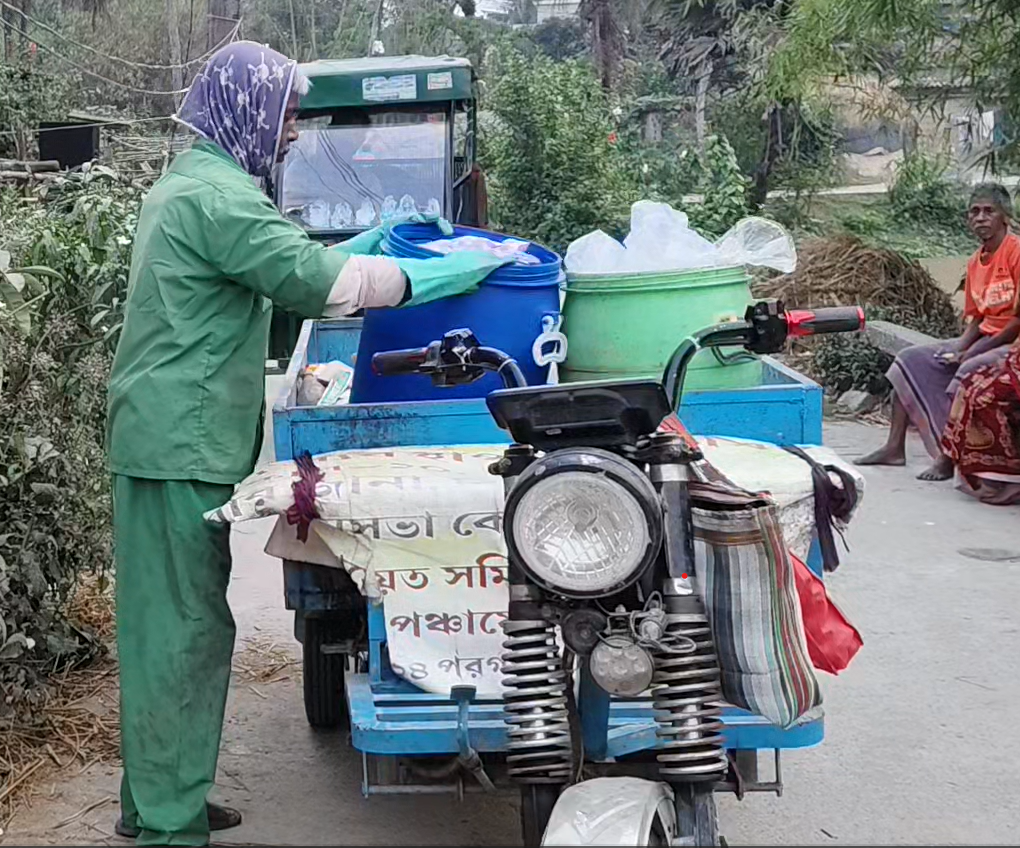
The GP had to collect and either process them or send them to others for processing. It goes against the cultural practice. Firstly, the households needed to understand what bio-degradable and non-biodegradable waste is, make a household habit to segregate the waste, dump those in the GP-supplied bins and hand them over to the collection vehicle.
Behaviour change is not easy. Here too, the women became the co-warriors with the Gram Panchayat. For nearly one year, several activities were organised in commonplaces – awareness campaign at every mahalla, house-to-house demonstration, school campaign on basic public hygiene, campaign at the markets.
Following this training on segregation of waste, collection of waste by the GP from every household and other public place like schools, markets began. SHG women, school children, and ICDS-ASHA workers were mobilised in the endeavour. These were supplemented by making and implementing certain rules, like managing waste in any private or public ceremonies. For example, every household had to pay INR 300 per annum to the Gram Panchayat per annum for the waste collection done by them.
Further, anyone having a ceremony at home where hundreds of villagers are invited must deposit a fee to the GP, and the GP would arrange waste collection and disposal. Ritabrata Das, a resident, had an event at home recently, attended by 1000 invitees. He had to deposit INR 1 per invite to the GP for the collection of the waste.
A clean and healthy village has a very strong connection with the lives and livelihoods of the residents. It reduces household health expenditure, much of which is due to waterborne diseases. It also ensures that wages are not lost due to sickness. Overall, a healthy village is a way to a dignified life.
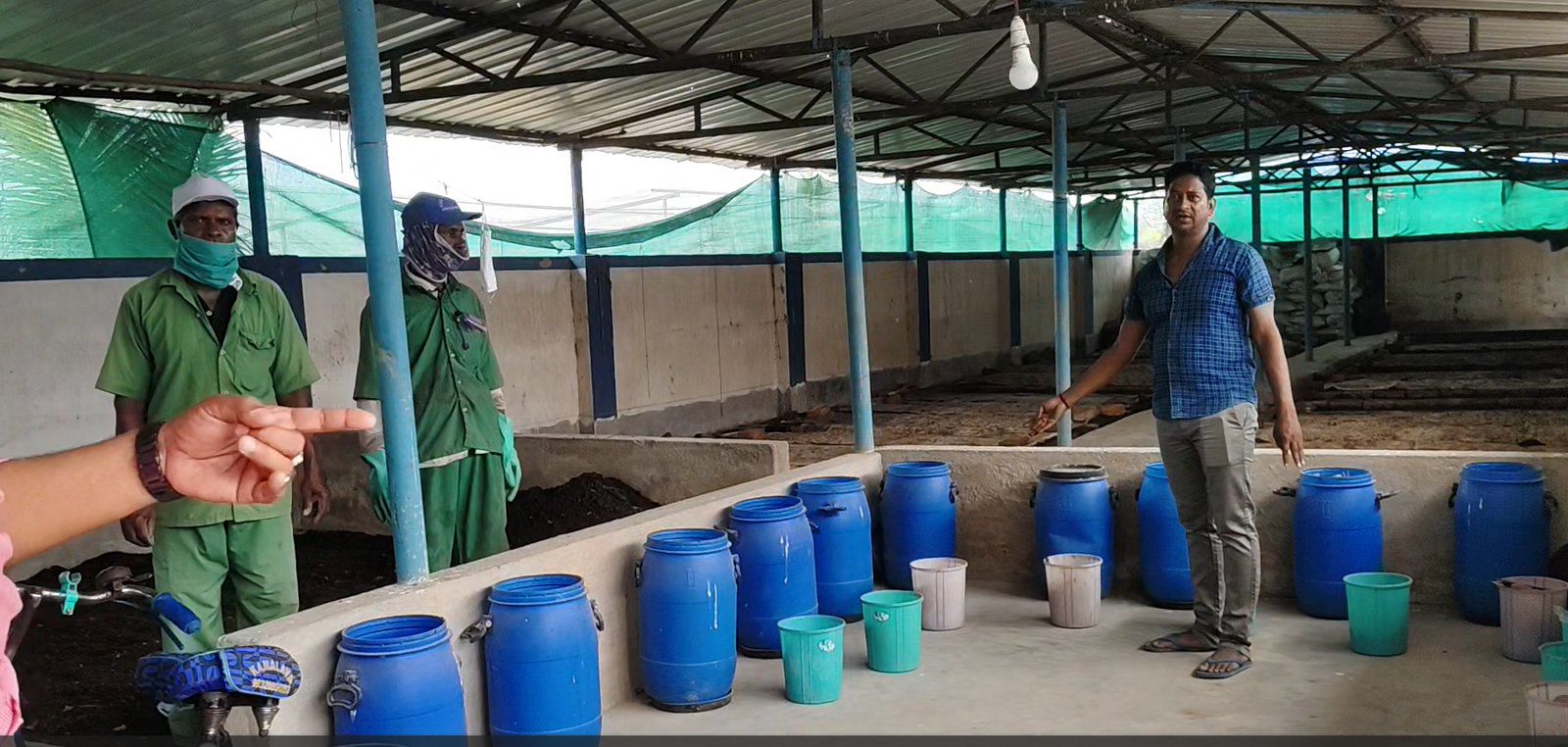
This is not enough. The collection of the waste is necessary, but it has to be processed and recycled. The GP eventually decided to have its own waste processing plant. The plant was established in the year 2017 at a cost of INR 20 lakhs. It processes 2.5 quintals of waste every day and converts it into manure, which is sold to farmers. The non-degradable waste is sold to private agencies in bulk through a local tender process by the GP.
In the words of Rabindranath Bera, Upa Pradhan (Deputy Head), a clean and healthy village has a very strong connection with the lives and livelihoods of the residents. It reduces household health expenditure, much of which is due to waterborne diseases. It also ensures that wages are not lost due to sickness. Overall, a healthy village is a way to a dignified life.
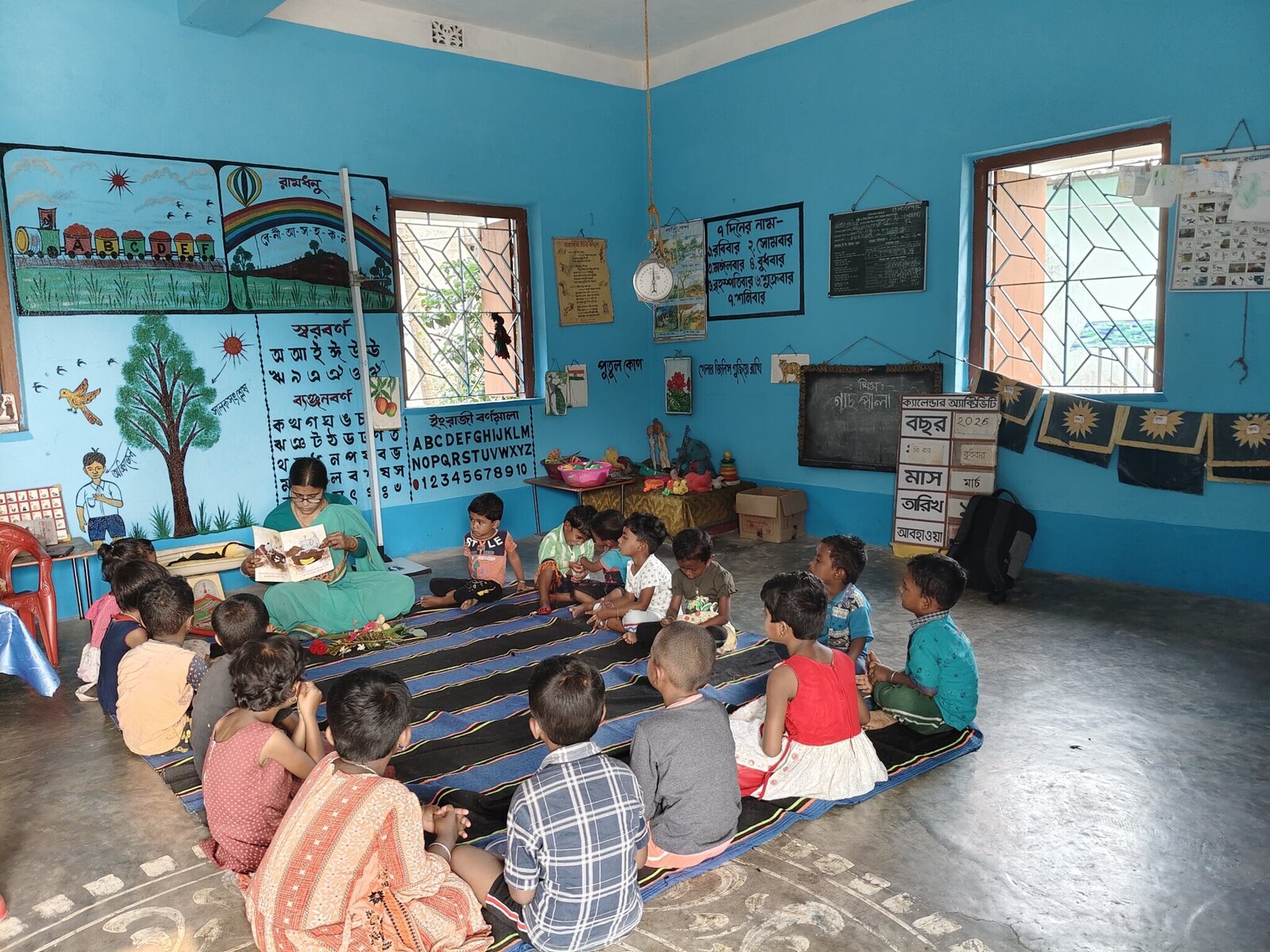
The little children apart, Digambarpur GP is also taking similar care and compassion towards the adolescents. The way these young people describe their efforts to help classmates understand the ill effects of mobile phone addiction and other harmful habits, and to discourage early marriage, reflects their growing sense of responsibility.
It also shows the remarkable maturity they have developed at such an early stage of life, especially in promoting respectful and obedient behaviour toward elders. All these young people are members of adolescent clubs which have been formed under the active guidance and support of Digambarpur GP.
Grooming these young people is being done by the health worker of the GP where GP members are also actively supporting. The health workers are doing a monthly meeting with these groups, training them on various issues around physical and mental changes during this period, good touch, bad touch and other related issues. These health workers are acting as their friend, philosopher and guide.
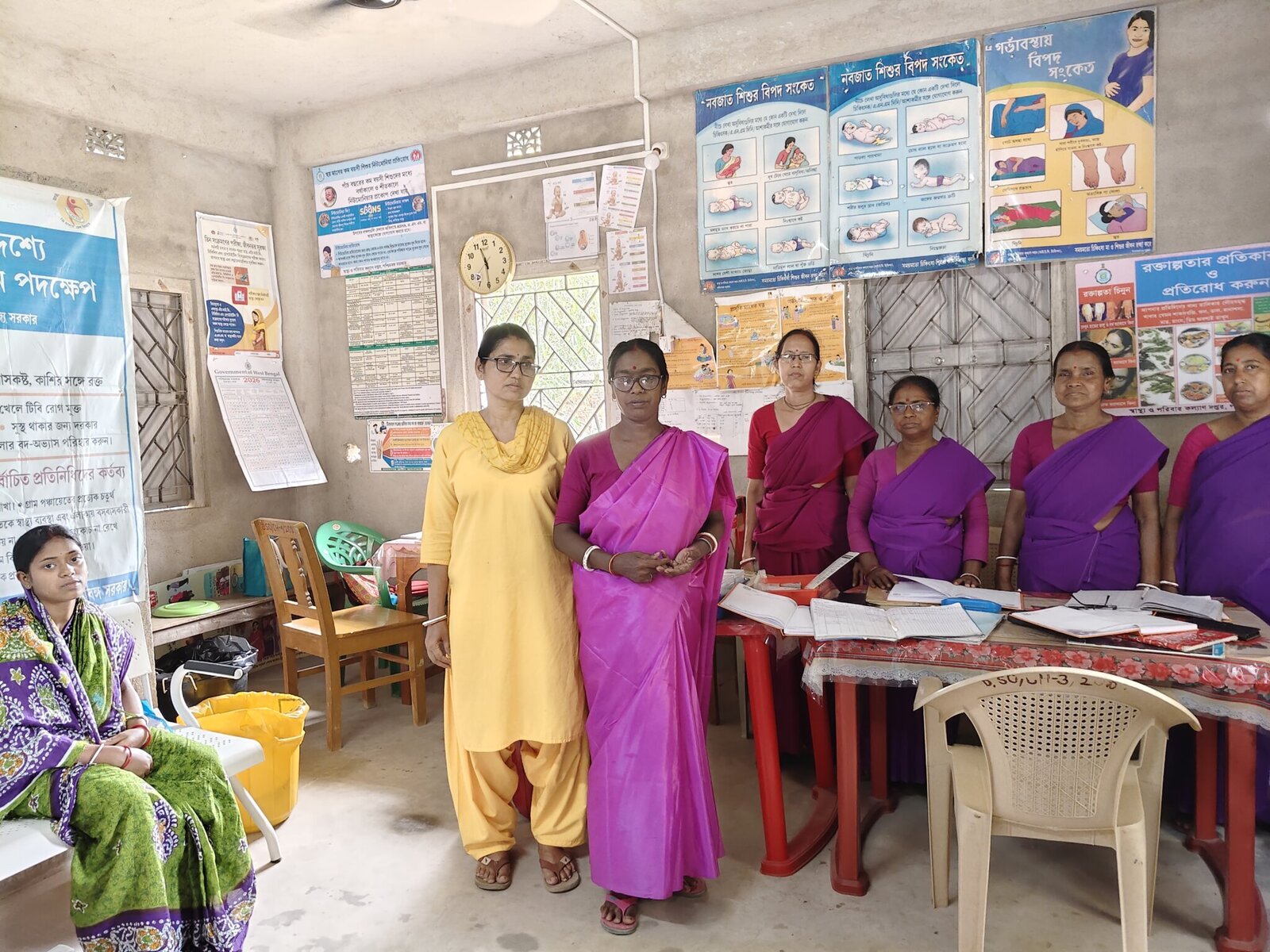
The sub-health centre, too, revealed the changes the Gram Panchayat could bring in. It has its own building, with two health workers active there. The centre has all the facilities that a Primary Health Centre (PHC) should have in terms of clinical, diagnostics and emergency care. The Gram Panchayat has 1 PHC and 5 Sub health centres and all of those have the same facility, same levels of cleanliness, and presence of an enthusiastic nursing staff.
A place of gathering for the old, aged people is yet another construction done by the Gram Panchayat. A request from a few elderly persons started the discussion and eventually the GP constructed this little structure.
Pravod Kumar Jana, a 90-year-old resident of Digambarpur GP, felt good when the panchayat responded to their demand to construct a sitting arrangement for elderly people. While talking to him, we came to know that around 6 – 7 people regularly come in the afternoon to spend their time. While talking to the ward members, we came to know that a few such sites have been developed in the GP as demanded by the older people.
Further, anyone having a ceremony at home where hundreds of villagers are invited must deposit a fee to the GP, and the GP would arrange waste collection and disposal. Ritabrata Das, a resident, had an event at home recently, attended by 1000 invitees. He had to deposit INR 1 per invite to the GP for the collection of the waste.
Transparent GP planning and budgeting process
But all this was possible because of the systematic planning process taken up by the GP. Soma Halder, the secretary of the Children and Women Welfare standing committee, narrated the whole planning process adopted by the GP. She emphasised the focus of the GP to ensure a bottom-up planning process in true letter and spirit. While talking to the presidents of other standing committees, the narration of a similar process was observed. This shows the clarity of the GP members in the process.
One of the enabling factors which facilitates smooth planning of this GP is the allocation of the tentative budget of the next financial year for each standing committee before planning. As per the West Bengal PRI Act, 1973, the GP secretary allocates a draft budget for the next financial year to all the 5 departments/ standing committees — Nari, Sishunayan O Samaj Kalyan ( Women, Children and Social Welfare), Krishi O Prani Sampad ( Agriculture and Livestock), Sikhya O Jana Swasthya ( Education and Public Health), Silpo O Parikathamo ( Industry and Infrastructure), Artha O Parikalpana ( Finance and Planning) by the 10th of September in each year.
Each standing committee comprises 3 ward members, one Cluster Level Federation (CLF) member from SHG. Upa Pradhan and Pradhan ( Head and Deputy head) are ex officio members of each standing committee. Each standing committee has a Sanchalak or Secretary who leads the planning process and implementation of plans.
The standing committee of Ortho and Parikalapana (Finance and Planning) is headed by the Gram Pradhan. Limiting the number of standing committees to five seems to be a feasible and operational. Inclusion of one SHG member into the standing committee shows the positive intent of the GP leadership to bring the collaboration between GP and the SHG collectives formal, operational and effective.
As narrated by Soma, Secretary of Women, Child and Welfare standing committee the planning process starts with para baithak/hamlet-wise, where all the residents of that hamlet participate. Plans coming in these meetings get consolidated at the Sansad /Ward level. Creating awareness about planning by GP and SHG collectives has been taken up on scale to ensure participation of all sections of society.
In this hamlet level meeting, each hamlet comes up with their plans, which is inclusive of needs and aspirations of every section of the society. Before para baithak, meetings with Children, and old age are also taken up.
All these plans coming out of Para Baithak get consolidated at the Sansand or ward level. Then the Sanchalak/Secretary of each Upa Samity / Standing committee categorise those plans as per theme or topics of the Standing committee / Upa Samity. Then meetings of all four standing committees/ Upasamity happened, where prioritisation is made as per the need of the work and the availability of the budget. The budget of Artha O Parikalpana mainly dealt with issues related to GP infrastructure, salary of staff, administrative costs, etc.
Next is the GP level executive committee meeting, where all the ward members, along with the GP staff, remain present. In that GP level meeting, the secretary of each standing committee presents their plans, and after due deliberations, it gets passed in the executive committee meeting. In that process, GP also takes cognisance of the schemes of the line departments for convergence.
The narration of Bimal Das, the standing committee secretary of Agriculture and livestock, on actively converging with the schemes of soil testing of the agriculture department, organising training in collaboration with the department, distribution of saplings from the horticulture department, distribution of chicks, and goats from the livestock department, clearly established these facts.
While talking to the secretaries of standing committees like Bimal Das, Soma Halder gives the clarity of their roles and the sense of responsibility they have to make their GP a better place to live in.
This active collaboration among Panchayati Raj Institution (PRI) – SHG – Line departments has been able to create plans that address the real issues faced by the residents, making the development efforts more effective and relevant. Such a systematic planning process has helped Digambarpur to venture into the area or themes arising out of the demands from various sections of society.
Supported by strong SHG collectives and the skilled manpower of the line department, Digambarpur GP has ushered in a multifaceted development for the people and thus intervened in multiple thematic interventions, which are found to be impactful, contributing significantly to the overall progress of the area.
While talking to the villagers, the frontline workers, and ward members, it seems that the people of that GP have the clarity of this entire process, which brings the much-needed confidence among the masses about the functioning of the GP, which we generally found missing. The connection made the ward member with the residents of their ward, frontline workers, by keeping in touch, makes a workable relationship based on understanding of each other, collaboration and unified focus of improving the lives of people.
Lessons learnt
Digambarpur GP seems to have evolved as a local self government in its true spirit. Involving all the sections of people in this process of development, right from planning, decision making, and its implementation, has built an ownership of common villagers. Availability and accessibility of the ward members by the people at large have instilled faith in the local governance system among the masses, and in turn, the ward members also remain updated on the ground reality.
Instead of becoming a power centre, each ward member has tried to become one among the many other villagers. Be it making their GP plastic-free, reducing child marriage, and enhancing livelihood opportunities, Digamabarpur has always been successful in bringing all the stakeholders, like ward members, line departments, and SHG members, with a unified purpose, which has made the GP unique.
In case of any issues with SHG or the line department, GP members are always available to listen and have also always responded to their needs. In reciprocation, the SHG members or the frontline workers have also responded to the call of GP and fully participated in GP’s endeavour with a strong ownership. While talking with the villagers, maybe an old age, a housewife or a child, there is a sense of awareness of the functioning of the GP and the process.
Organising an event to bring the villagers towards a common cause has remained a hallmark of this GP, where everyone feels included, e.g., each year from 23rd to 26th of January, Digambarpur GP organises an annual cultural programme where all the people of that GP participate in various cultural programmes, sports, quiz, dramas, where people enjoy and also become aware of various issues affecting their lives. Similarly, on 8 March, International Women’s Day and 14 August, Kanyashree (Girl Child) Day, are celebrated with great enthusiasm. All these events have brought the villagers closer to each other.
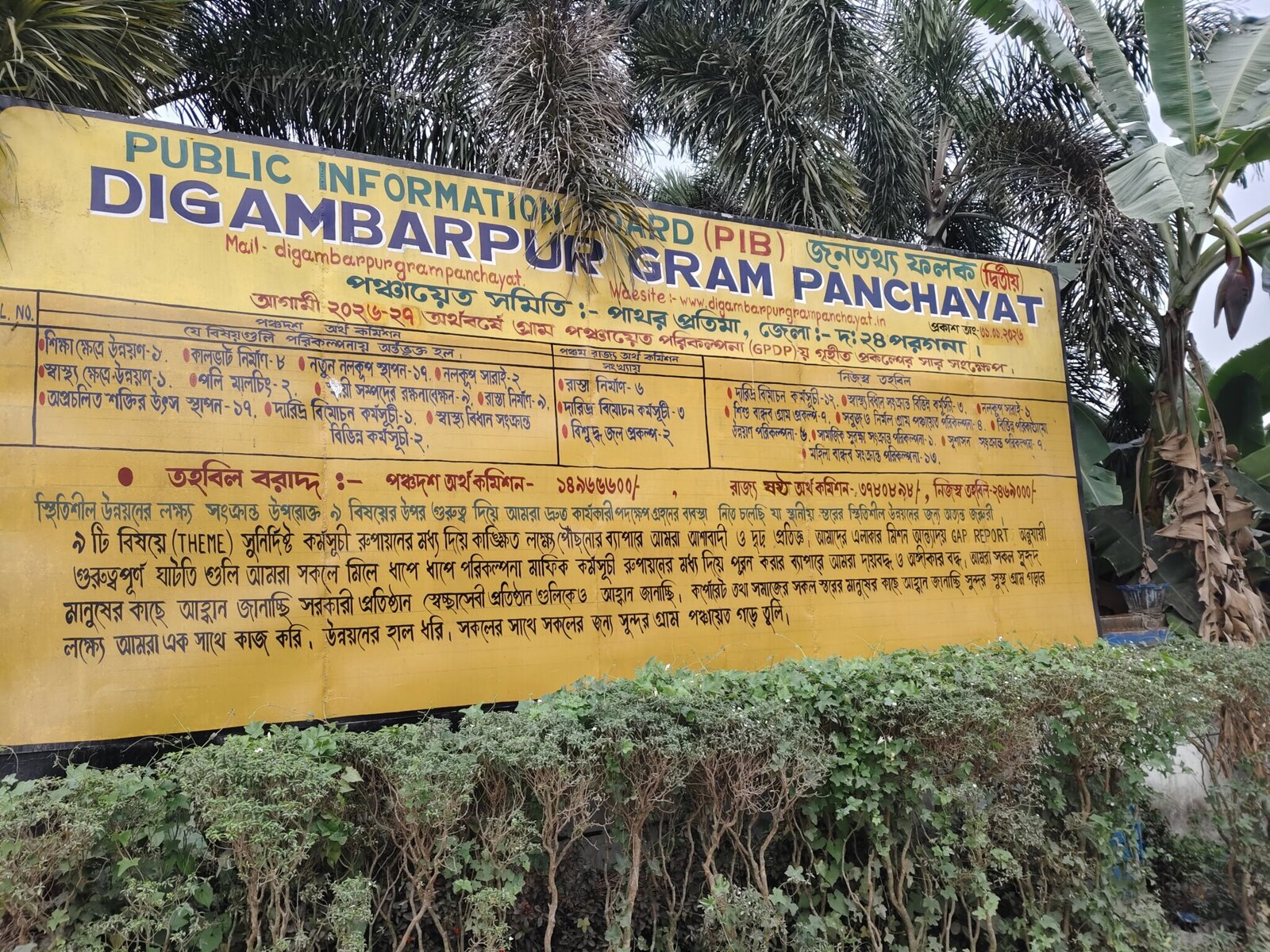
The big hoarding of GP’s financial status of the current financial year, showing GP’s budget by the members without any hesitation, articulation of money involved in the scheme implemented in their street by the villagers shows the proactiveness of the GP in disclosing the information.
Lastly, the visionary and consistent leadership of Mr. Rabindranath Bera, who has served as the uninterrupted GP representative for the past 19 years, is undoubtedly a critical contributing factor.
The success of Digambarpur Gram Panchayat serves as a definitive blueprint for how the collaboration among all the local stakeholders, i.e., PRI-SHG-Local administration framework, can make the aspirations of Sustainable Development Goals a grassroots reality. By weaving the power of common people into a fabric of aspirations of life and livelihoods with a lens of social equity, economic empowerment and environmental sustainability with a strong focus on local governance, the GP has demonstrated that the 17 Sustainable Development Goals are not merely abstract international targets, but achievable local milestones.
About the authors:
Ashok Sircar leads the Centre for Local Democracy. He has been with Azim Premji University from 2011, and for the last five years, headed the School of Development. He teaches a course on Political Economy of Land and Development in India, and Local Democracy and Development in India. [Full profile]
Sukanta Sarkar involved in the capacity of Associate Professor in the school of continuing education- university resource centre (SCE — URC) in Azim Premji University. Have been associated with the development sector for last 30 years.
About the series
This series will spotlight local democratic practices from across the country that demonstrate innovation, effectiveness and good governance.
This work is facilitated by the Centre for Local Democracy, Azim Premji University.
The Centre for Local Democracy supports the work of Azim Premji Foundation and others working on deepening and widening local democracy across India. The Centre enhances the work done in rural, forest, PESA and urban settings through educational programmes, documentation, dissemination of good practices and research in emerging thematic areas.