
ನಮ್ಮ ನಿಮ್ಮ ಅಣ್ಣಾವ್ರು | Remembering Dr. Rajkumar with Jayanth Kaikini
In this episode of Noorakke Nooru Karnataka, Jayanth Kaikini, one of Kannada’s most distinct voices, remembers Dr. Rajkumar in a way that feels less like history and more like memory.
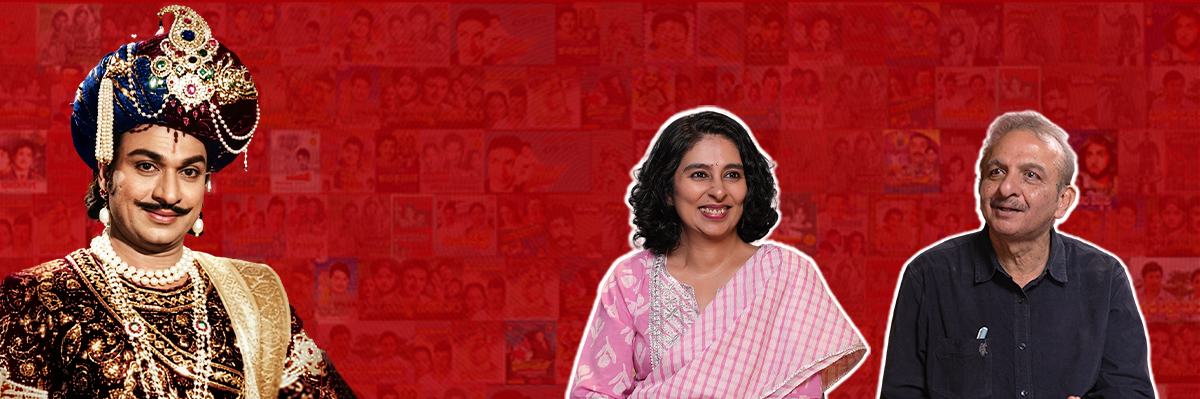
Details
Rajkumar was not just someone you watched on screen. His films entered people’s lives and stayed there. In small towns where theatres were few, his stories still travelled. People carried them with them, long after the film had ended.
Inside the dark of a theatre, differences softened. For a few hours, caste, class, identity all sat side by side, watching Rajkumar on screen. In that shared space, cinema became a kind of education. Not formal or structured but deeply felt. A form of liberation.
Subscribe on YouTube
There was learning in his films and his attitude towards life. It showed up in everyday social norms. A husband pacing outside the hospital during his wife’s delivery, anxious and waiting. An elder brother holding back his own marriage until his younger sister was settled. These were not rules anyone formally taught. They became part of how people understood life, what felt right, and what did not.
Jayanth Kaikini also reflects on how Rajkumar’s journey unfolded alongside the making of Karnataka itself. As the state was coming together, Bedara Kannappa had already arrived. Over time, the two moved in parallel. The state was finding its voice, and his films were already speaking in ways that people recognised as their own. This is why Rajkumar came to be seen as an icon of Karnataka and a credible voice of Kannada identity.
There are also smaller, more intimate memories. A fan once told Rajkumar, “We like you in a panche (Dhoti).” He stayed that way and was always seen in a panche thereafter.
He also chose to never smoke on screen. Not because it was required, but because he understood what it meant to be a role model.
From Kittur Rani Chennamma to Sandhya Raaga, Eradu Kanasu, and Sanadi Appanna, his work carried a range that few actors have matched and became part of everyday life across generations.
This month marks both his birth and death anniversary. And we are remembering him with this conversation that doesn’t just look back at a star, but at a presence that shaped how a society saw itself.
ನೂರಕ್ಕೆ ನೂರು ಕರ್ನಾಟಕದ ಈ ಸಂಚಿಕೆಯಲ್ಲಿ, ಕನ್ನಡದ ಅತ್ಯಂತ ವಿಶಿಷ್ಟ ಧ್ವನಿಗಳಲ್ಲಿ ಒಬ್ಬರಾದ ಜಯಂತ್ ಕಾಯ್ಕಿಣಿ, ಡಾ. ರಾಜ್ಕುಮಾರ್ ಅವರನ್ನು ನೆನಪಿಸಿಕೊಳ್ಳುತ್ತಾರೆ… ಇತಿಹಾಸದಂತೆ ಭಾಸವಾಗದ ಹೃದಯದಾಳದ ನೆನಪುಗಳು.
ರಾಜ್ಕುಮಾರ್ ನೀವು ಪರದೆಯ ಮೇಲೆ ನೋಡಿದ ವ್ಯಕ್ತಿಯಾಗಷ್ಟೇ ಇರಲಿಲ್ಲ. ಅವರ ಚಲನಚಿತ್ರಗಳು ಜನರ ಜೀವನವನ್ನು ಪ್ರವೇಶಿಸಿ ಅಲ್ಲಿಯೇ ಮನೆ ಮಾಡಿದವು. ಚಿತ್ರಮಂದಿರಗಳು ಕಡಿಮೆ ಇದ್ದ ಸಣ್ಣ ಪಟ್ಟಣಗಳಲ್ಲಿಯೂ, ಅವರ ಕಥೆಗಳು ಪ್ರಯಾಣಿಸುತ್ತಿದ್ದವು. ಚಿತ್ರ ಮುಗಿದ ಬಹಳ ಸಮಯದ ನಂತರವೂ ಜನರು ಅವುಗಳನ್ನು ತಮ್ಮೊಂದಿಗೆ ಕೊಂಡೊಯ್ಯುತ್ತಿದ್ದರು.
ಸಿನಿಮಾ ಮಂದಿರದ ಕತ್ತಲೆಯೊಳಗೆ, ವ್ಯತ್ಯಾಸಗಳು ತಿಳಿಯಾದವು. ಕೆಲವು ಗಂಟೆಗಳ ಕಾಲ, ಜಾತಿ, ವರ್ಗ, ಗುರುತು ಎಲ್ಲವೂ ಮರೆತು, ಪಕ್ಕಪಕ್ಕದಲ್ಲಿ ಕುಳಿತು, ರಾಜ್ಕುಮಾರ್ ಅವರನ್ನು ಪರದೆಯ ಮೇಲೆ ಜನ ನೋಡುತ್ತಿದ್ದರು. ಆ ಜಾಗದಲ್ಲಿ, ಸಿನಿಮಾ ಒಂದು ರೀತಿಯ ಶಿಕ್ಷಣವಾಯಿತು. ಔಪಚಾರಿಕ ಅಥವಾ ರಚನಾತ್ಮಕವಲ್ಲ, ಆದರೆ ಆಳವಾಗಿ ಅನುಭವಿಸಲ್ಪಟ್ಟ, ವಿಮೋಚನೆಯ ಒಂದು ರೂಪ.
ಅವರ ಚಲನಚಿತ್ರಗಳಲ್ಲಿ ಕಲಿಕೆ ಮತ್ತು ಜೀವನದ ಬಗೆಗಿನ ಅವರ ಮನೋಭಾವವಿತ್ತು. ಅದು ದೈನಂದಿನ ಸಾಮಾಜಿಕ ರೂಢಿಗಳಲ್ಲಿ ಕಾಣಿಸಿಕೊಂಡಿತು ಸಹ. ಪತ್ನಿಯ ಹೆರಿಗೆಯ ಸಮಯದಲ್ಲಿ ಆಸ್ಪತ್ರೆಯ ಹೊರಗೆ ಓಡಾಡುವ ಗಂಡನ ಆತಂಕ ಮತ್ತು ಕಾಯುವಿಕೆ… ತನ್ನ ತಂಗಿಯ ಮದುವೆ ಇತ್ಯರ್ಥವಾಗುವವರೆಗೂ ತನ್ನ ಸ್ವಂತ ಮದುವೆಯನ್ನು ತಡೆಹಿಡಿಯುವ ಅಣ್ಣ. ಇವು ಯಾರೂ ಔಪಚಾರಿಕವಾಗಿ ಕಲಿಸಿದ ನಿಯಮಗಳಲ್ಲ. ರಾಜ್ ಚಿತ್ರಗಳ ಮೂಲಕ, ಜನರು ಜೀವನವನ್ನು ಹೇಗೆ ಅರ್ಥಮಾಡಿಕೊಳ್ಳುತ್ತಾರೆ, ಯಾವುದು ಸರಿ ಎಂದು ಭಾವಿಸುತ್ತಾರೆ ಮತ್ತು ಯಾವುದು ಸರಿ ಎಂದು ಭಾವಿಸುವುದಿಲ್ಲ ಎಂಬುದರ ಭಾಗವಾದವು.
ಕರ್ನಾಟಕ ನಿರ್ಮಾಣದ ಜೊತೆಗೆ ರಾಜ್ಕುಮಾರ್ ಅವರ ಪ್ರಯಾಣ ಹೇಗೆ ತೆರೆದುಕೊಂಡಿತು ಎಂಬುದನ್ನು ಜಯಂತ್ ಕಾಯ್ಕಿಣಿ ಕೂಡ ಪ್ರತಿಬಿಂಬಿಸುತ್ತಾರೆ. ರಾಜ್ಯದ ಏಕೀಕರಣದ ಸಮಯದಲ್ಲೇ ಬಂದಿದ್ದು ರಾಜಕುಮಾರ್ ಅವರ ಚೊಚ್ಚಲ ಚಿತ್ರ ‘ಬೇಡರ ಕಣ್ಣಪ್ಪ’. ಕಾಲಾನಂತರದಲ್ಲಿ, ಎರಡೂ ಬೆಳವಣಿಗೆಯೂ ಸಮಾನಾಂತರವಾಗಿ ಚಲಿಸಿದವು. ರಾಜ್ಯವು ತನ್ನ ಧ್ವನಿಯನ್ನು ಕಂಡುಕೊಳ್ಳುವ ಸಮಯದಲ್ಲಿ, ಜನರು ತಮ್ಮದೇ ಎಂದು ಗುರುತಿಸುವ ರೀತಿಯಲ್ಲಿ ರಾಜಕುಮಾರ್ ಅವರ ಚಲನಚಿತ್ರಗಳು ಮಾತನಾಡತೊಡಗಿದವು. ಇದಕ್ಕಾಗಿಯೇ ರಾಜ್ಕುಮಾರ್ ಅವರನ್ನು ಕರ್ನಾಟಕದ ಐಕಾನ್ ಮತ್ತು ಕನ್ನಡ ಅಸ್ಮಿತೆಯ ವಿಶ್ವಾಸಾರ್ಹ ಧ್ವನಿಯಾಗಿ ನೋಡಲಾಯಿತು.
ಸಣ್ಣ ಸಣ್ಣ , ಹೆಚ್ಚು ಆತ್ಮೀಯವಾದ ನೆನಪುಗಳೂ ಇವೆ. ಒಮ್ಮೆ ಒಬ್ಬ ಅಭಿಮಾನಿ ರಾಜ್ಕುಮಾರ್ಗೆ, “ನಮಗೆ ಪಂಚೆಯಲ್ಲಿ ನೀವು ಇಷ್ಟ” ಎಂದು ಹೇಳಿದ ಕಾರಣ, ಅವರು ನಂತರ ಯಾವಾಗಲೂ ಪಂಚೆಯಲ್ಲೇ ಕಾಣುತ್ತಿದ್ದರು.
ಅವರು ಪರದೆಯ ಮೇಲೆ ಎಂದಿಗೂ ಧೂಮಪಾನ ಮಾಡದಿರಲು ಸಹ ಆಯ್ಕೆ ಮಾಡಿಕೊಂಡಿದ್ದರು. ಅದು ಕಡ್ಡಾಯವಾಗಿದ್ದಕ್ಕಾಗಿ ಅಲ್ಲ, ಆದರೆ ಮಾದರಿಯಾಗುವುದರ ಅರ್ಥವನ್ನು ಅವರು ಅರ್ಥಮಾಡಿಕೊಂಡಿದ್ದರಿಂದ.
‘ಕಿತ್ತೂರು ರಾಣಿ ಚೆನ್ನಮ್ಮ’ನಿಂದ ‘ಸಂಧ್ಯಾ ರಾಗ’, ‘ಎರಡು ಕನಸು’ ಮತ್ತು ‘ಸನಾದಿ ಅಪ್ಪಣ್ಣ’ವರೆಗೆ, ಅವರ ಕೆಲಸವು ತಲೆಮಾರುಗಳಲ್ಲಿ ದೈನಂದಿನ ಜೀವನದ ಭಾಗವಾಗಿರುವುದಲ್ಲದೆ, ಕೆಲವೇ ನಟರು ಹೊಂದಿರುವಂತಹ ವ್ಯಾಪ್ತಿ ಹೊಂದಿತ್ತು.
ಈ ತಿಂಗಳು ಅವರ ಜನ್ಮ ಮತ್ತು ಮರಣ ವಾರ್ಷಿಕೋತ್ಸವವನ್ನು ಸೂಚಿಸುತ್ತದೆ ಮತ್ತು ನಾವು ಅವರನ್ನು ಈ ಸಂಭಾಷಣೆಯೊಂದಿಗೆ ನೆನಪಿಸಿಕೊಳ್ಳುತ್ತಿದ್ದೇವೆ. ಇದು ಒಬ್ಬ ಮೇರು ನಟನನ್ನು ಹಿಂತಿರುಗಿ ನೋಡುವುದರ ಜೊತೆಗೆ, ಒಂದು ಸಮಾಜವು ತನ್ನನ್ನು ತಾನು ಹೇಗೆ ನೋಡುತ್ತದೆ, ಹೇಗೆ ರೂಪಿಸುತ್ತದೆ ಎಂಬುದನ್ನೂ ನೆನಪಿಸುತ್ತದೆ.
Credits
Akshay Ramuhalli, Ajmal Muhhammad A, Bruce Lee Mani, Gorveck Thokchom, Hindu, Kishor Mandal, Kruthika Rao, Narayan Krishnaswamy, Prashant Vasudevan, Ram Seshadri, Ritika Soun, Sananda Dasgupta, Sanoob Puliyanchali, Shilpi, Tanvi Avlur Venkat, Varsha Ramachandra, Vishnupriya, Seema Seth, & Velu Shankar
Special thanks to Jayanth Kaikini for being part of the episode.