
The Flip-Flop Tale of Hawai Chappals
You wear them every day — but where did chappals come from? This episode takes a light-hearted but well-researched journey across time and continents to uncover the 15,000-year history of the slipper. From prehistoric Spain to dynastic China, from ancient Egypt’s leather soles to Japan’s zori and geta, the story of footwear is more global than you’d imagine.

The hosts travel through history, unearthing stories of embroidered sandals in China, toe-post designs in Egypt, and how Japanese slippers helped rebuild the nation’s economy after World War II.
The rubber used in Hawai chappals, we learn, was originally sourced from Hawaiian islands, giving the slipper its now-familiar name. And did you know that the word chappal comes from the Hindi chap — the imprint left behind?
With cultural trivia, school anecdotes, and an ode to toe comfort, this episode proves that even the most ordinary objects carry extraordinary stories. Slippers might seem simple — but this episode shows they’ve walked a long, fascinating path through history. Slip in and enjoy the ride.
Credits
Produced by Jimmy Xavier
Radio Azim Premji University:Akshay Ramuhalli, Bruce Lee Mani, Gorveck Thokchom, Kishor Mandal, Narayan Krishnaswamy, Prashant Vasudevan, Ram Sheshadri, Sananda Dasgupta, Seema Seth, Shraddha Gautam, Supriya Joshi, and Velu Shankar
Explore Further
3 Reasons WHY Samurai Wore Slipper-like Shoes | The History of Waraji, Zori, and Geta
David Abraham: Mighty March of the Hawai Chappal | The Voice Of Fashion
Why Are Our Slippers Called Hawaii Chappals? The Stories Nobody Ever Told You
Upcycling Flip-Flops: Kenya-Based Company Turns Discarded Footwear Into Colorful Art
‘La Chancla’: Flip Flops As A Tool of Discipline : Code Switch : NPR
Pop Culture’s Footprints: Iconic Flip Flop Moments That Made History
Explore All Episode From This Series
-


How the autorickshaw tuk-tukked its way to India
Think the auto rickshaw is purely Indian? Think again! The debut episode of That’s The Thing takes you on a hilarious, high-octane ride through the unexpected global journey of India’s most iconic three-wheeler.
-
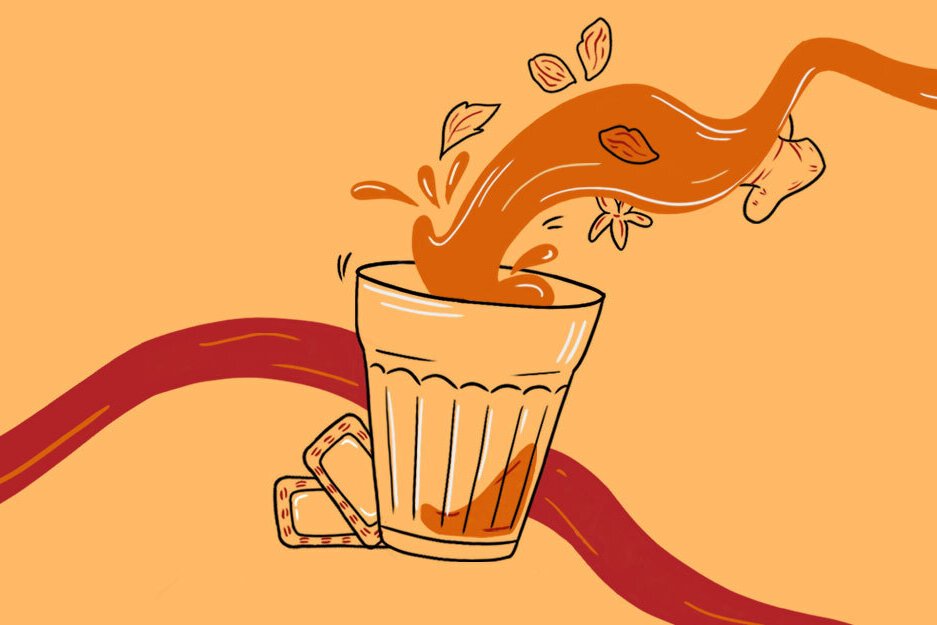
The garam-garam story of Chai
Is chai really Indian? This episode brews surprising history, trivia, and untold stories behind India’s favourite drink — one cup at a time.
-

How Moksha Patam Rolled into Snakes and Ladders
Is Snakes and Ladders just a kids’ game? This episode traces its roots from ancient India to living rooms today — revealing a game of karma, virtue, and the occasional fall from grace.
-

From Divine Desire to Bollywood Ballads: The Ghazal Story
What do divine love, poetic form, and heartbreak have in common? The ghazal. In this episode, we trace the lyrical journey of the ghazal — from its roots in Persian poetry to its soulful place in South Asian hearts. Discover how Sufi mystics, Mughal courts, and modern musicians shaped this centuries-old art form. With playful examples and surprising history, we unpack the structure, the symbolism, and why the ghazal still makes us feel all the feels.
You Might Also Like
-
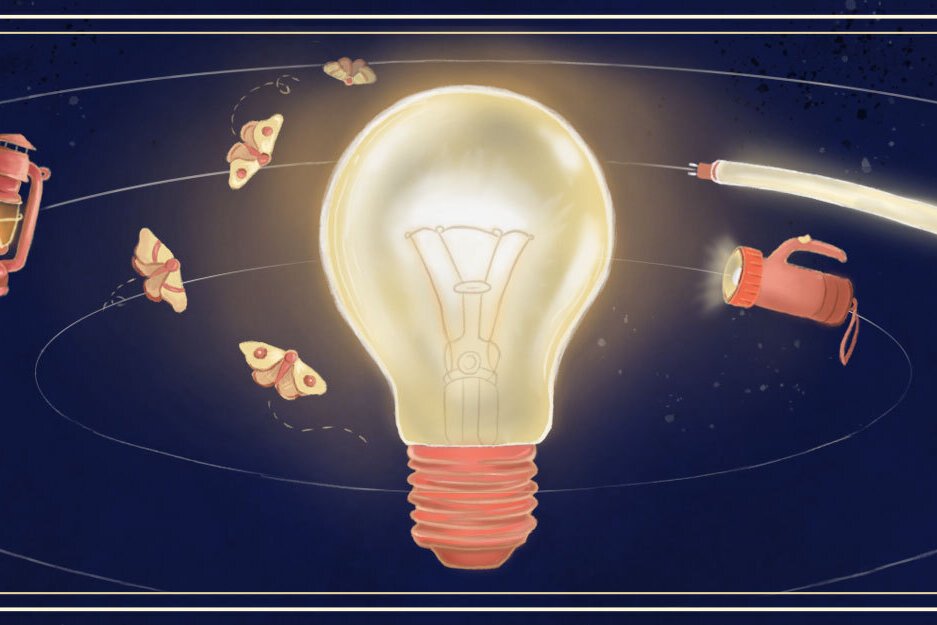
Lightbulb Moment — The Dazzling Story Of Electric Lighting In India
In Unboxed — The Lightbulb in India, Sharmadip Basu and Proteep Mallik explore the story of electric lighting in India through the lenses of history, science, popular culture, and more. They are joined by guests Antara Das and Sunandan K.N. for an enriching and enlightening conversation. Listen to the episode on Radio Azim Premji University.
-
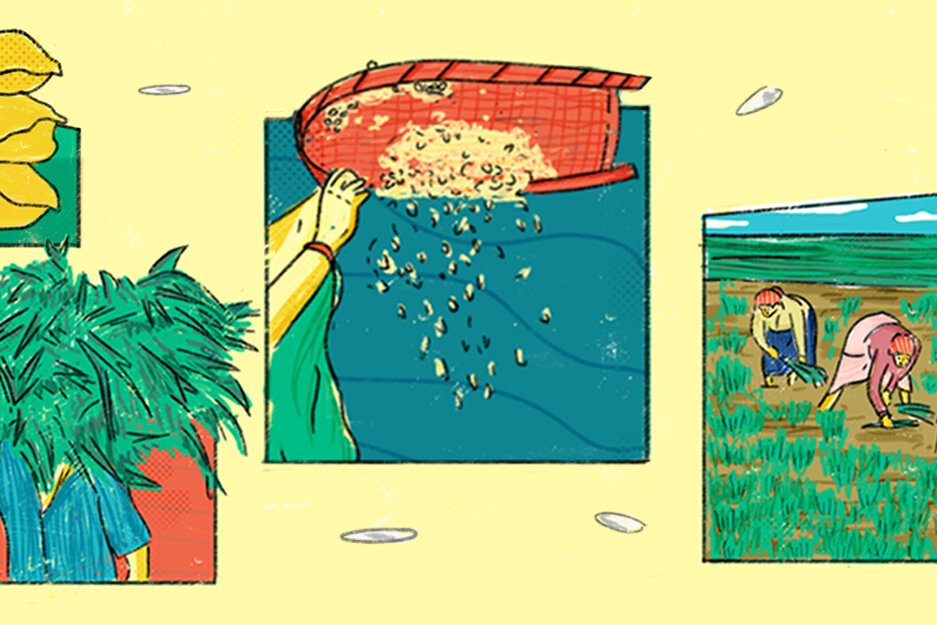
Story of Rice — How a white grain became a staple food
What does it take to put a plateful of rice on your table?
In this episode of “Story Of…”, Richa Govil examines the layered role of rice in Indian society and economy. Joining her is Manikandan V, faculty at Azim Premji University and an expert in food rights and social inclusion.
-
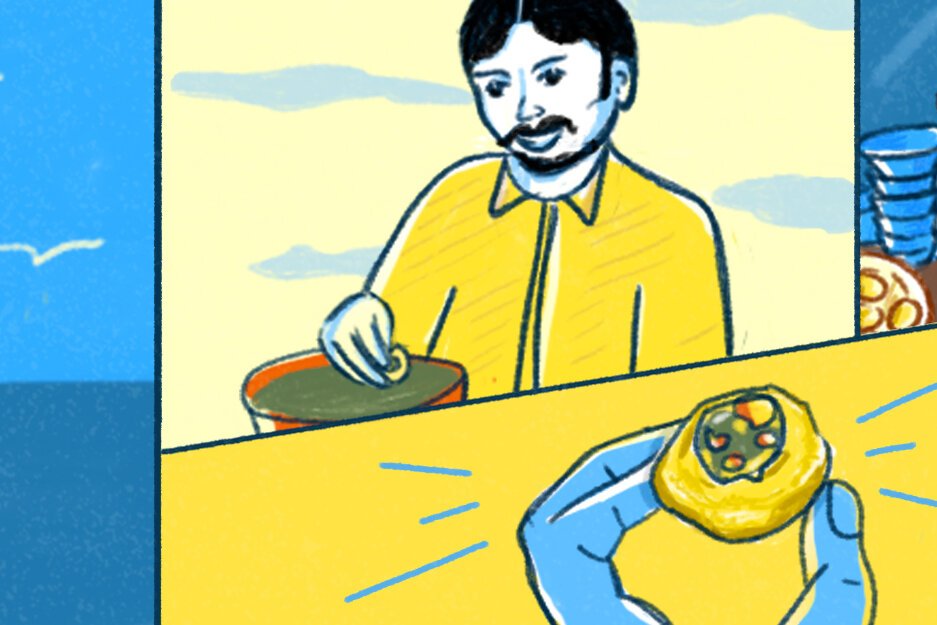
Crunch! Slurp! The Story of Pani Puri in India
Pani Puri! Behind every morsel of the mouthwatering street snack is a human story of migration, entrepreneurship, labour, and the right to work. Listen to the first episode of “Story Of…” on Radio Azim Premji University.