
Scheduled V Areas of India: Understanding and Applying the Constitutional and Institutional Provisions
Details
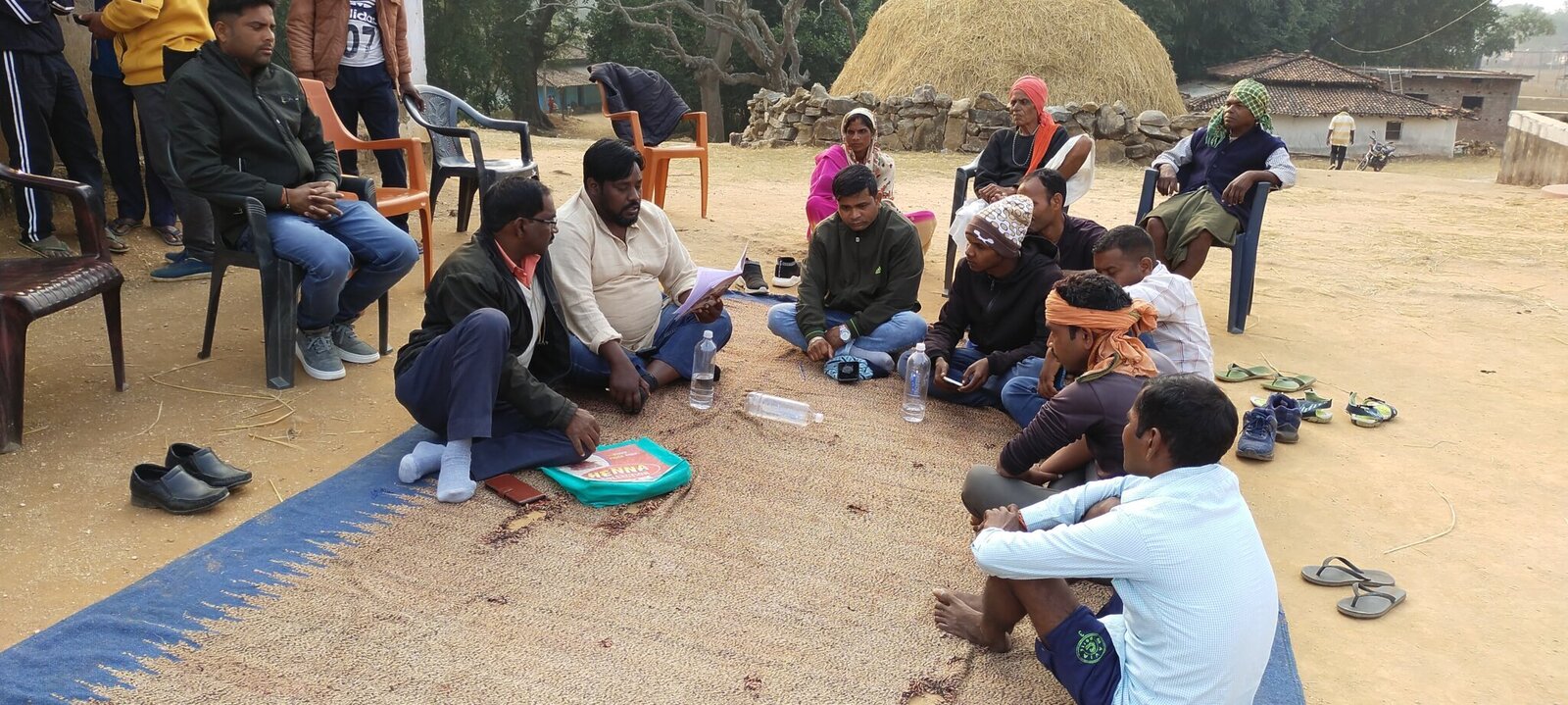
Scheduled Tribes (STs) continue to lag behind other underprivileged groups across key development indicators like education, health, and income (Xaxa 2014). Despite constitutional provisions aimed at autonomy in self-governance and socio-economic integration, ST communities are caught in a cycle of underdevelopment. Post-independence development initiatives have severely impacted STs, with disproportionately high displacement, illegal land alienation, and unregulated influx of non-tribals into Scheduled Areas (SAs) contributing to their sustained marginalisation.
While the state’s role in this ‘adverse inclusion’ is critical, the poor performance of governing institutions responsible for ST upliftment is equally significant. Many institutions mandated for the good administration of Scheduled Areas fail to meet their constitutional duties. There is a pressing need to strengthen these institutions, as even limited implementation of constitutional provisions often fails to yield desired results.
This course focuses on identifying institutional gaps rather than merely failures of governance, aiming to foster an understanding of good governance. Examples, such as the ongoing debates around PESA rules in Jharkhand, illustrate contradictions between State-level governance models and the core principle of self-governance. For instance, the Jharkhand Panchayat Raj Act (JPRA 2001) mandates that Gram Sabhas operate subject to state rules, yet the Provisions of the Panchayats (Extension to the Scheduled Areas) Act (PPESA 1996) instructs the State to prevent higher-level Panchayats from usurping the authority of lower-level bodies like the Gram Sabha.
A further contradiction is seen in the draft PESA rules, which state that a Gram Sabha’s decision on certain development projects is final, but then stipulate that the District Collector will resolve conflicts by calling a joint meeting. This raises critical questions: Do institutional contradictions discourage officials from implementing constitutional provisions? What lessons can be learnt from efficient organisations to achieve development goals?
This course is designed for early-career development practitioners working in Schedule V areas. It seeks to provide a conceptual and institutional framework for participants to systematically analyse the development realities of STs, offering critical perspectives on various development interventions through case studies from Scheduled V areas of India.
Who should join the course?
The course aims to enlist early career development professionals working in Schedule V areas aiming for a batch of 25 – 30 participants. Participants should have a graduate degree, currently employed in CSOs working on governance issues among STs at district level or below and have a minimum of 2 and a maximum of 5 years’ experience.
The idea behind choosing this cohort of participants is that they have some prior experiences of working in the Scheduled areas and will be able to not only relate the lectures to their own experiences but will also enrich the sessions by sharing some useful insights. These participants can be approached with the help of partner organisations working with STs in different Schedule V areas of the country.
What will you learn?
The participants of this course shall be able to:
- Explain the constitutional and institutional provisions applicable in Schedule V areas.
- Analyse the contemporary realities by using the constitutional framework and offer their relevant assessment.
- Apply the tools and knowledge to overcome the institutional restrictions in the implementation of development initiatives.
Course Faculty
-
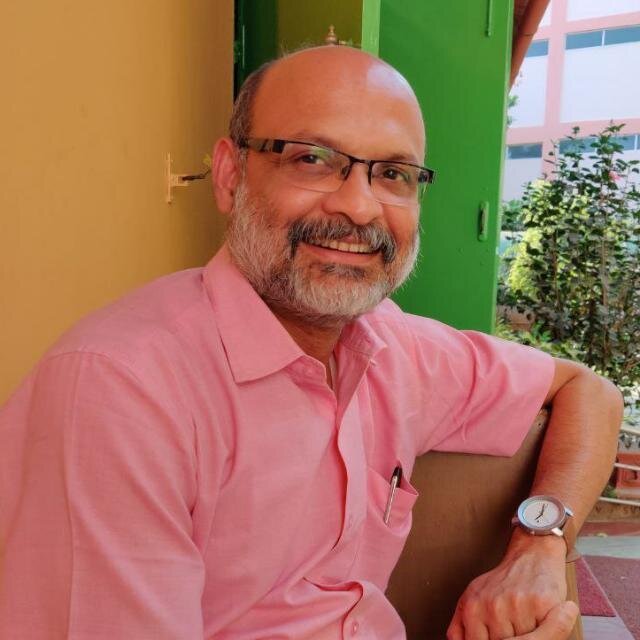

Amalendu Jyotishi
Amalendu works on issues relating to natural resources and institutions on the one hand, and innovation, entrepreneurship in Information Technology business on the other. He studies both from the perspective of institutional economics.He has two books and 35 research papers published in journals and book chapters to his credit apart from several conference papers and…
-


Asim Siddiqui
Asim has taught as a visiting faculty for the Study Abroad program of University of Minnesota (MSID) in collaboration with Environment Support Group, Bangalore. He finished his doctoral studies at Manipal Centre for Philosophy and Humanities, where his PhD thesis was titled ‘Pedagogy of Non-Discriminatory action’. Engaging with the tension between ethical and political education…
-


Pijush Kumar Dutta
Pijush Kumar works on community-based natural resource management and conservation-linked livelihoods.
-


Sujit Kumar
Sujit has taught Political Science at St. Joseph’s College (Autonomous), Bengaluru for six years prior to joining the University. He has taught political theory and thought, political economy, and politics of marginalised groups in India. Sujit completed his PhD in 2016 from the University of Mysore and was enrolled at Institute for Social and Economic…