Reimagining Mathematics Pedagogy
Jeenath Rahaman and Arshdeep Kaur highlight how multiple perspectives in Mathematics Education are prioritised at the University.
Details
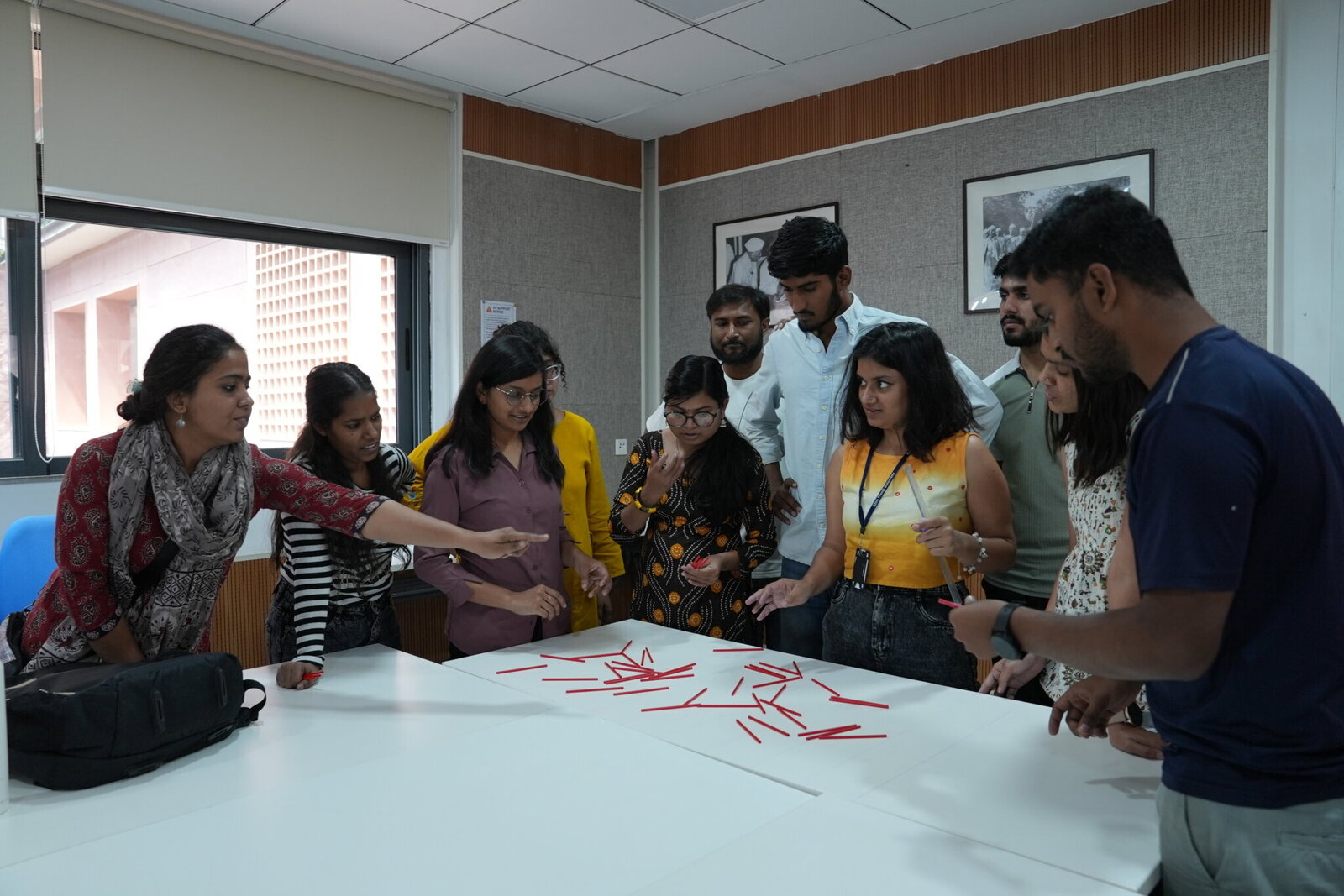
A student’s relationship with mathematics is greatly shaped by the classroom interactions. The way concepts are introduced can either build curiosity or raise anxiety or fear. Teaching approaches matter as much as the content itself. Our MA in Education classrooms continuously explore interesting ways to bring Mathematics to life.
Rigorous and reflective learning journey
As part of the MA in Education programme, students opt for the Curriculum and Pedagogy (C&P) courses in mathematics education. Four courses spread over two semesters (Knowledge in Mathematics, Curriculum & Pedagogy in Mathematics, Pedagogical Content Knowledge in Elementary Mathematics, and Curricular Material Development in Mathematics) and field practicum are designed for future mathematics educators who prioritise multiple perspectives to cover the wide scope of the field of mathematics education.
The rich blend of flavours enables them to experience mathematics education in ways that go beyond the conventional images of mathematics curriculum. Understanding history of mathematics to contemporary innovative ideas of mathematics, the classroom practices involve engaging discussions, active listening, problem-solving, thinking, reasoning, digital visualisation tools, and hands-on activities.
The dynamic mathematics education classroom
The mathematics education classroom tasks encourage students to create their own strategies, explore multiple solution methods, and present and articulate their reasoning to peers. Students’ conjectures, queries, errors and strategies act as the prime anchor for classroom discussions.
Blackboard, whiteboard and smartboard provide a shared canvas to express ideas through symbols, annotations, diagrams and equations. The digital softwares like Geogebra, Desmos, LOGO Turtle, etc., along with the smartboard (or smart TV) allows us to annotate, move, and magnify mathematical objects that were once presented to us as static objects (in textbooks). They give life to otherwise static and rigid mathematical entities.
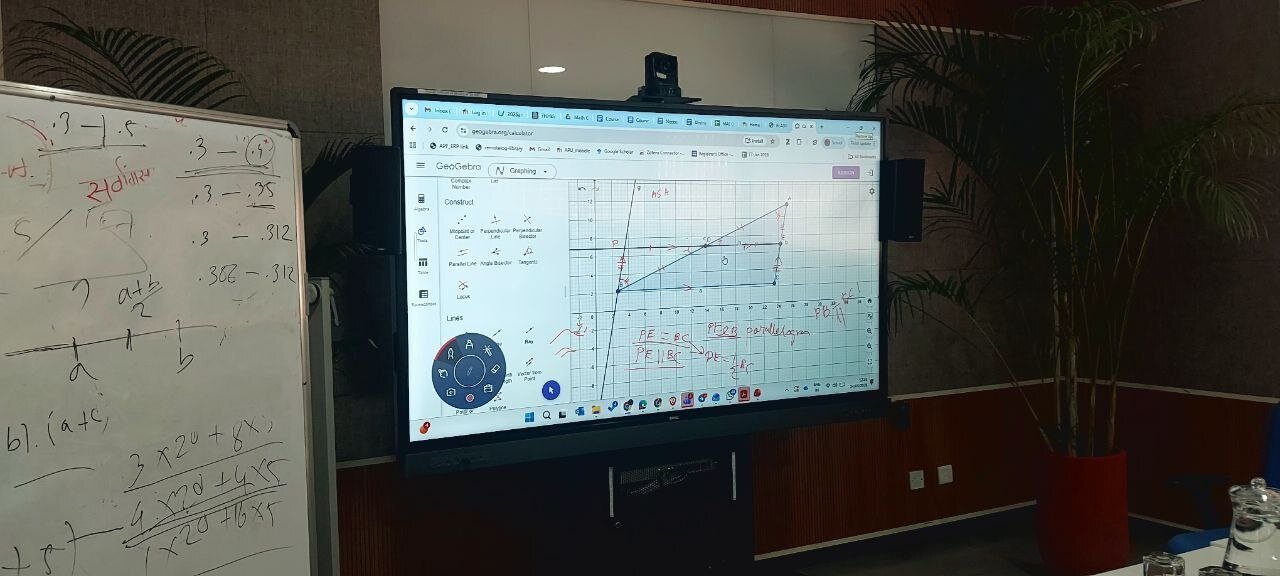
Use of whiteboard and smartboard for visualisation, generalisation and proving the mid-point theorem
“The classroom is not merely a place for learning facts and formulas; it is an intentional space we create where future educators discover new patterns and explore new horizons in mathematics.”
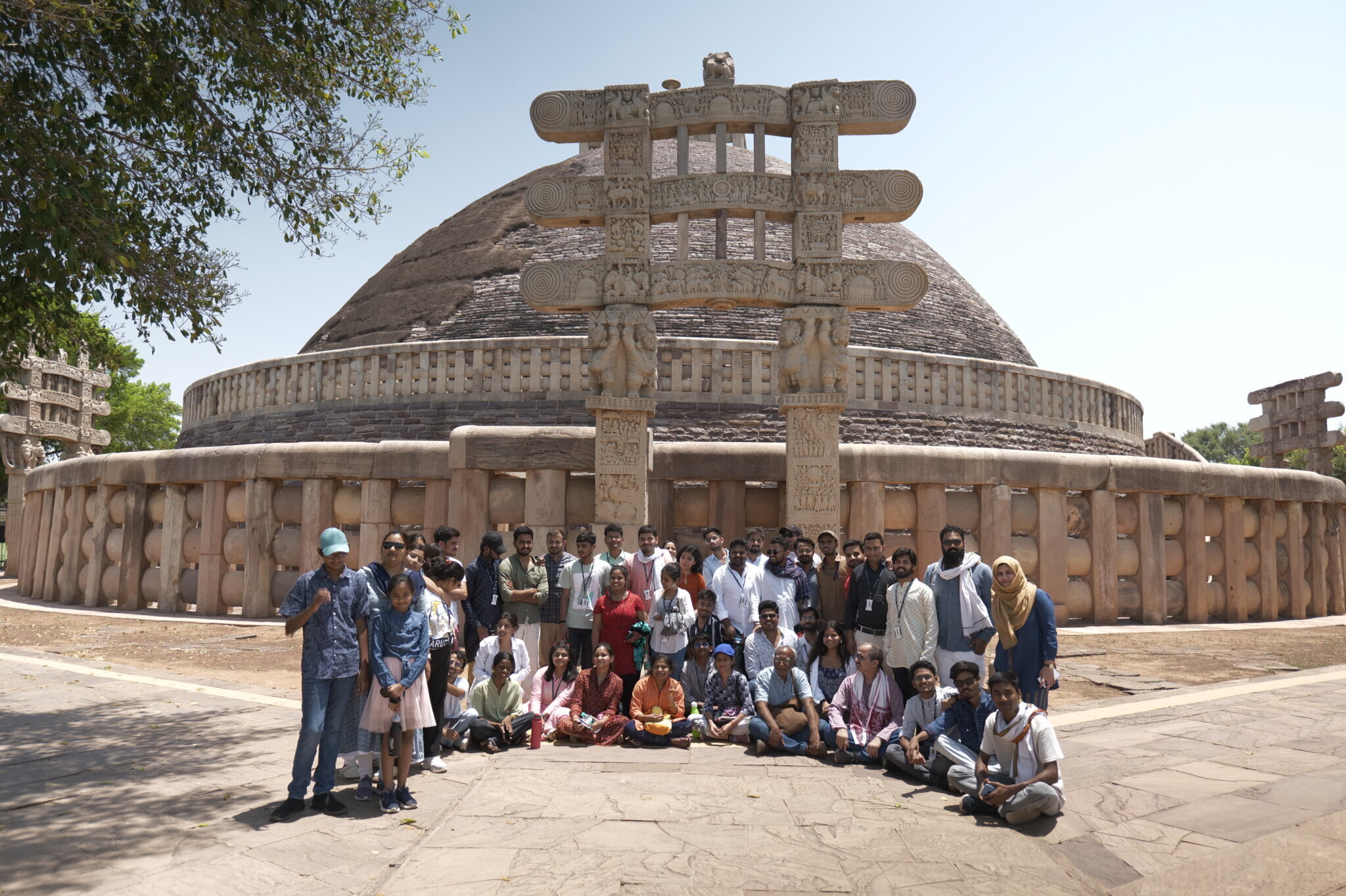
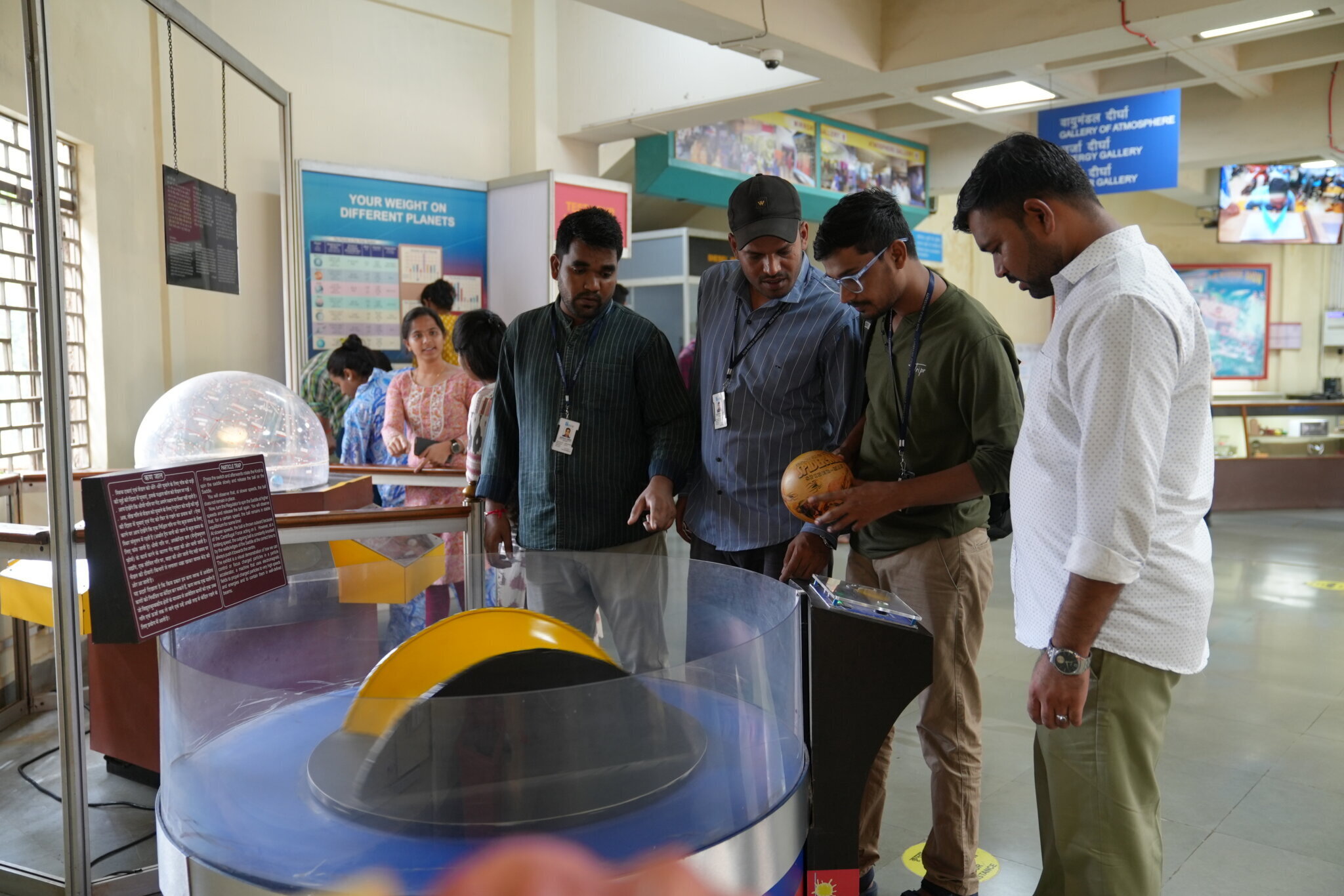
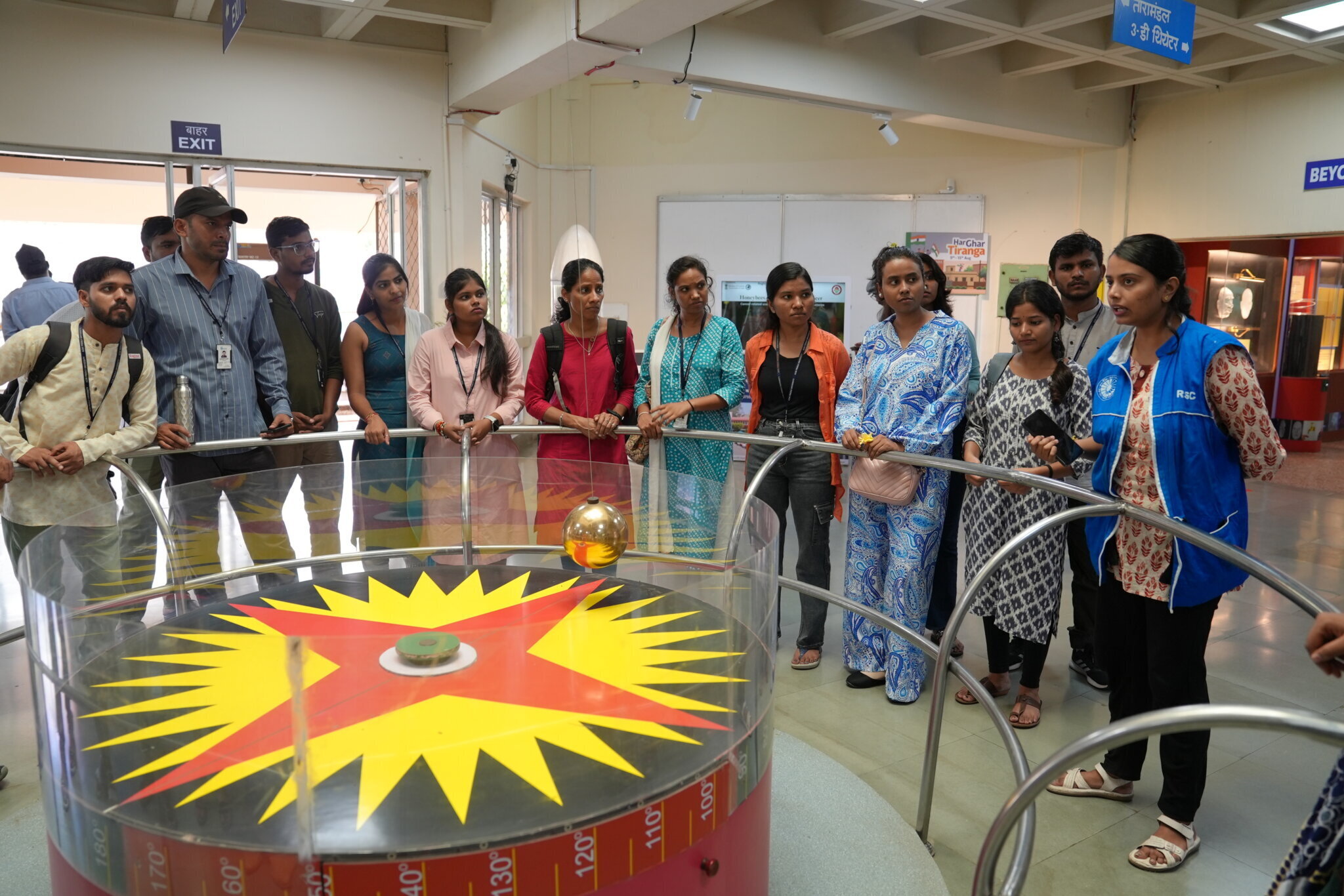
The teaching is not just limited to the four walls of the classrooms. They extend to open areas of the Bhopal campus and the archaeological and historical sites like Sanchi, nature parks and science museums in the city. During their two years on campus, students have visited Sanchi, Tribal Museum and Regional Science Centre, among other places.
The pedagogy inspires students to see mathematics in nature and in the world around them. It encourages students to see fractals on tree branches or on rock stones, different shapes on insect wings, concentric circles formed through ripples in water bodies and many more such interesting patterns found in nature.
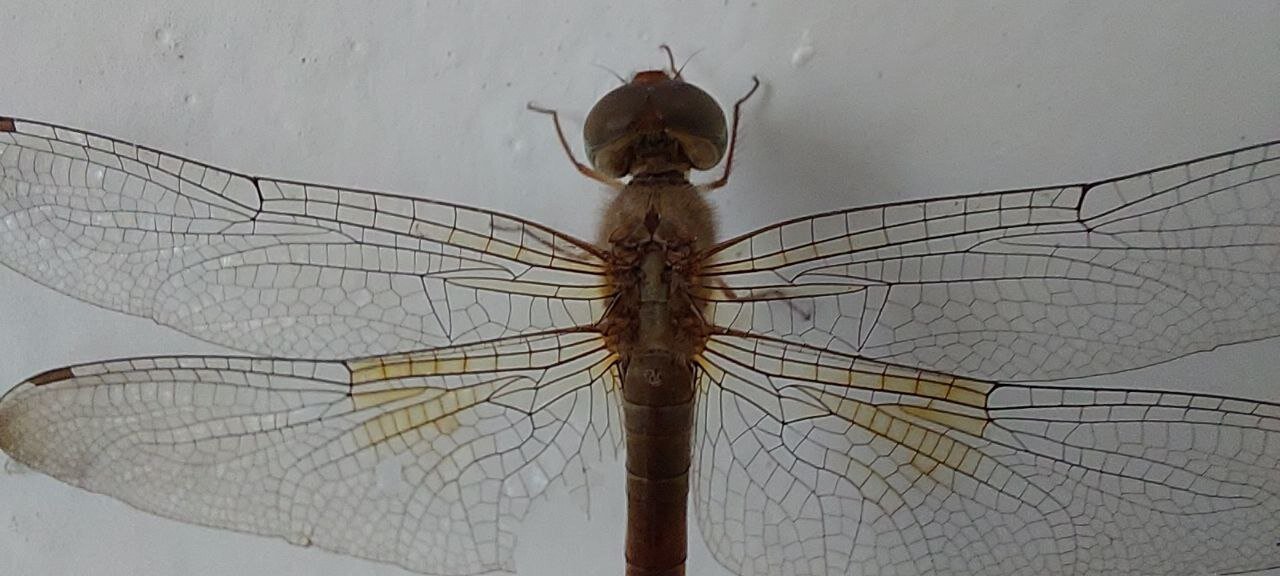
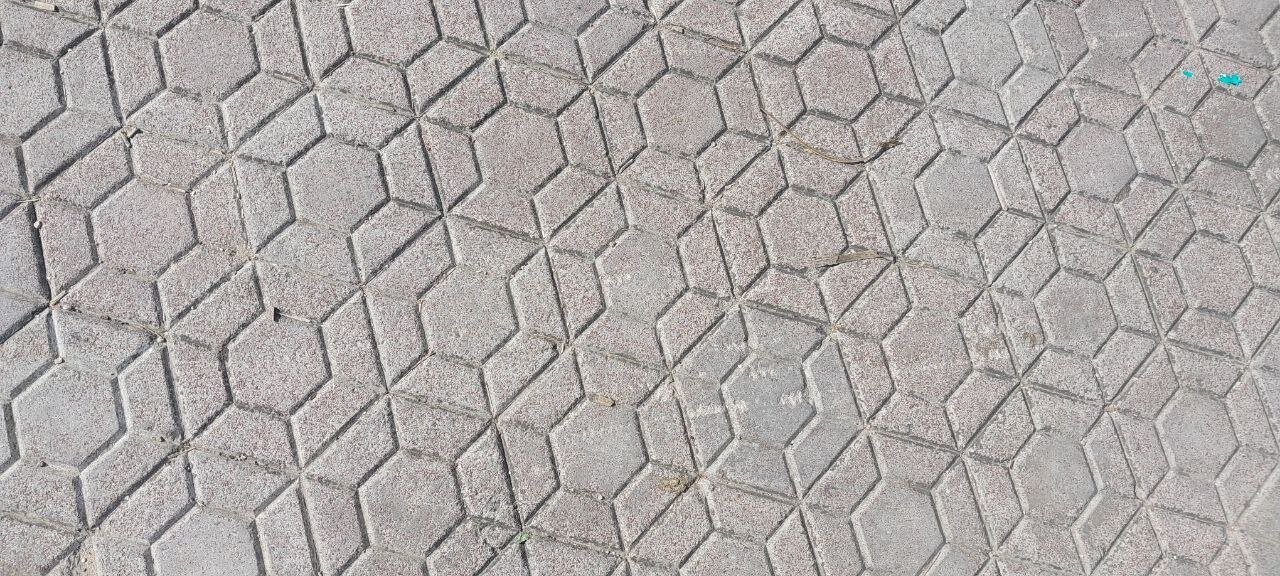
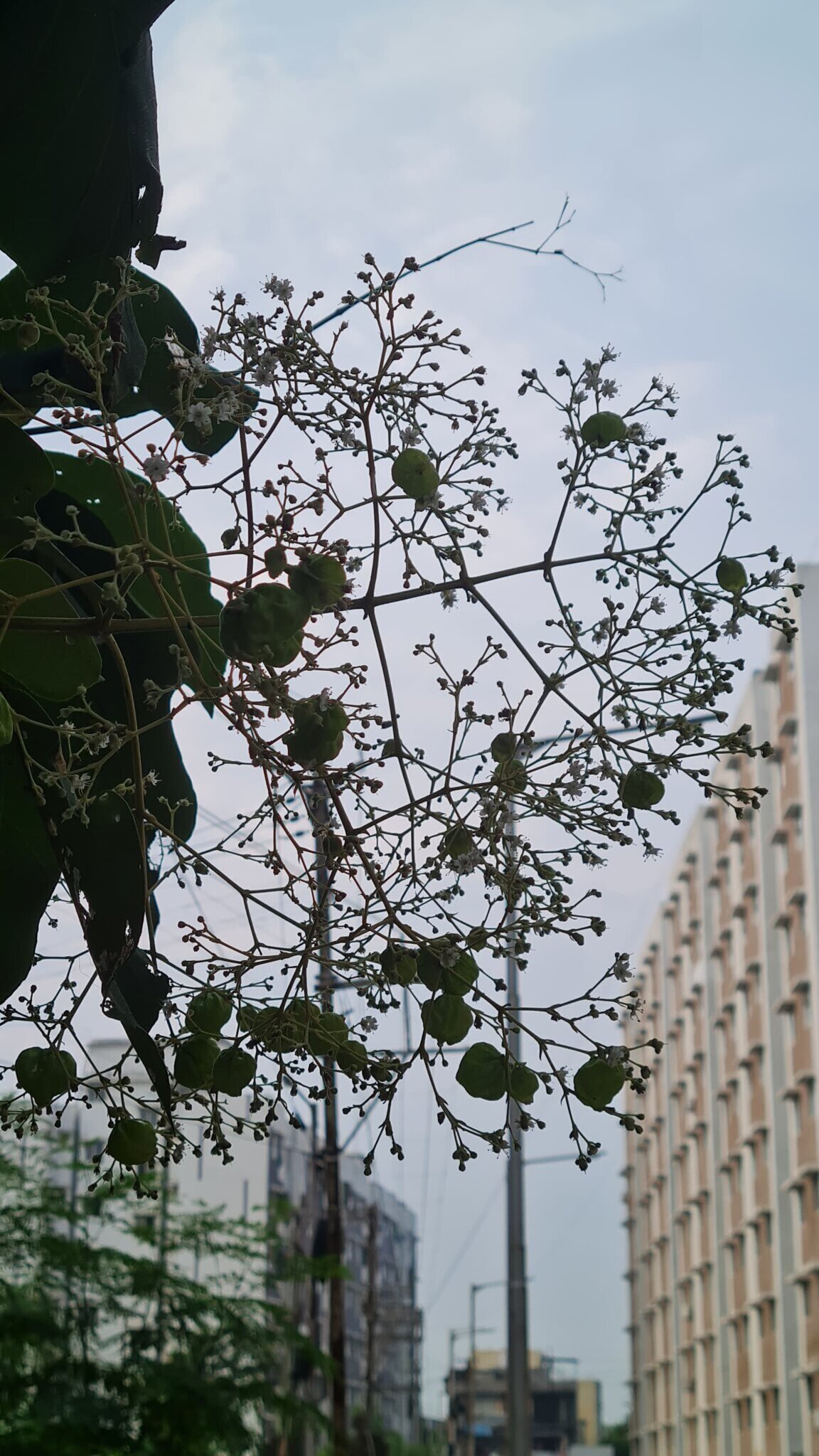
Have you spotted mathematics in nature?
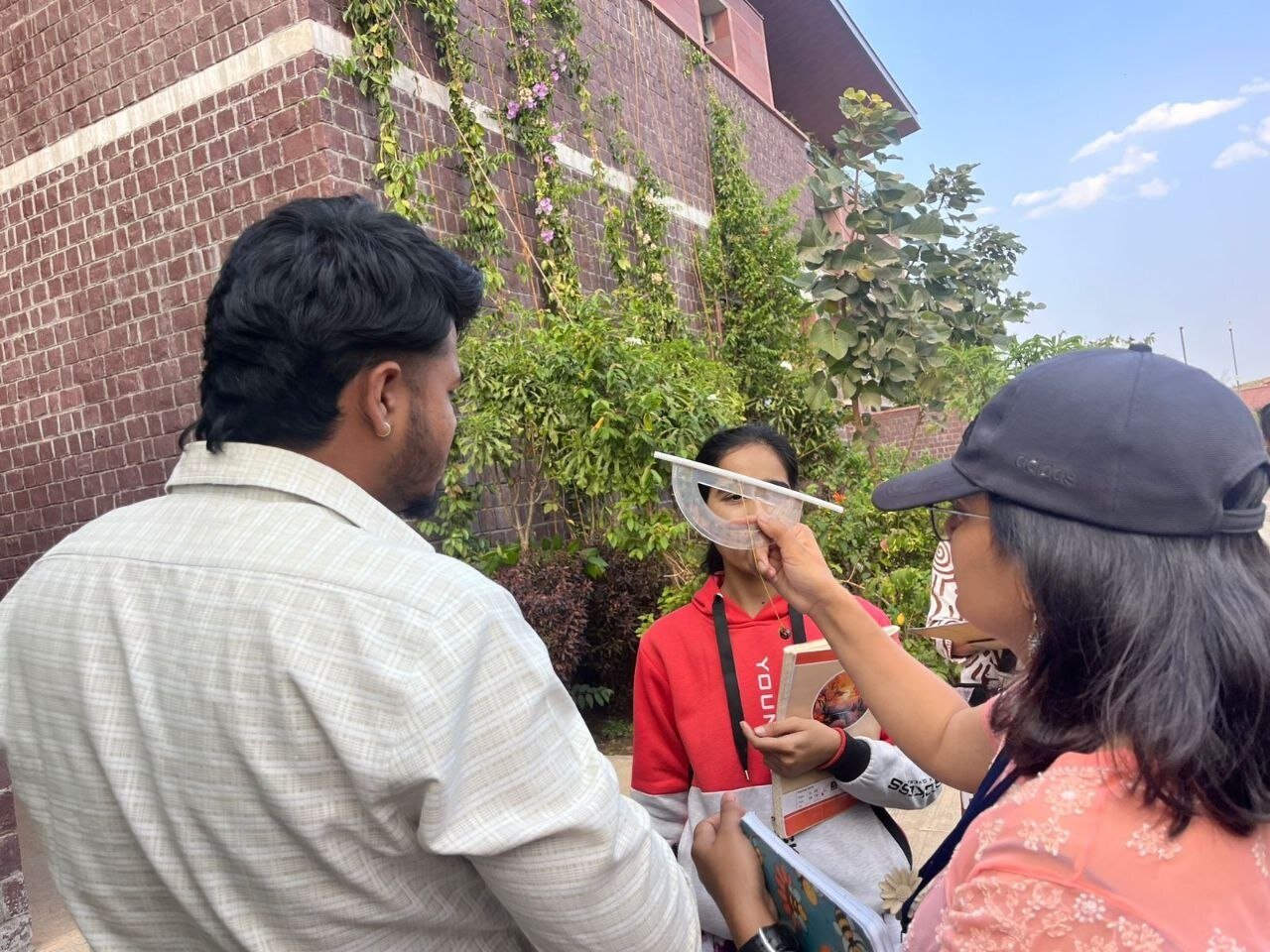
Students using a handmade hypsometre tocalculate the height of the building after finding the trigonometric ratio using the angle of inclination or the ratio of height and base
Image credit: Ganesh Choudhary
Rooted in local languages and contexts
As our Bhopal campus has a diverse student body, classrooms are filled with examples in multiple languages and lived experiences. This provides a distinct flexibility and conceptual richness in the class discussions. The language fluidity brings additional meaning, perspectives and local contexts in understanding various mathematical terms, concepts, and ideas.
Meaningful engagement with national and international observances
Days such as National Science Day (28 February) and International Day of Mathematics (14 March) are integrated into the learning process as opportunities to experience mathematics in creative and collaborative ways. On these days of national and international importance, we host events like puzzles and play where our students design and share puzzles, games, and trick problems, creating spaces where learners across disciplines can explore and enjoy mathematical thinking.
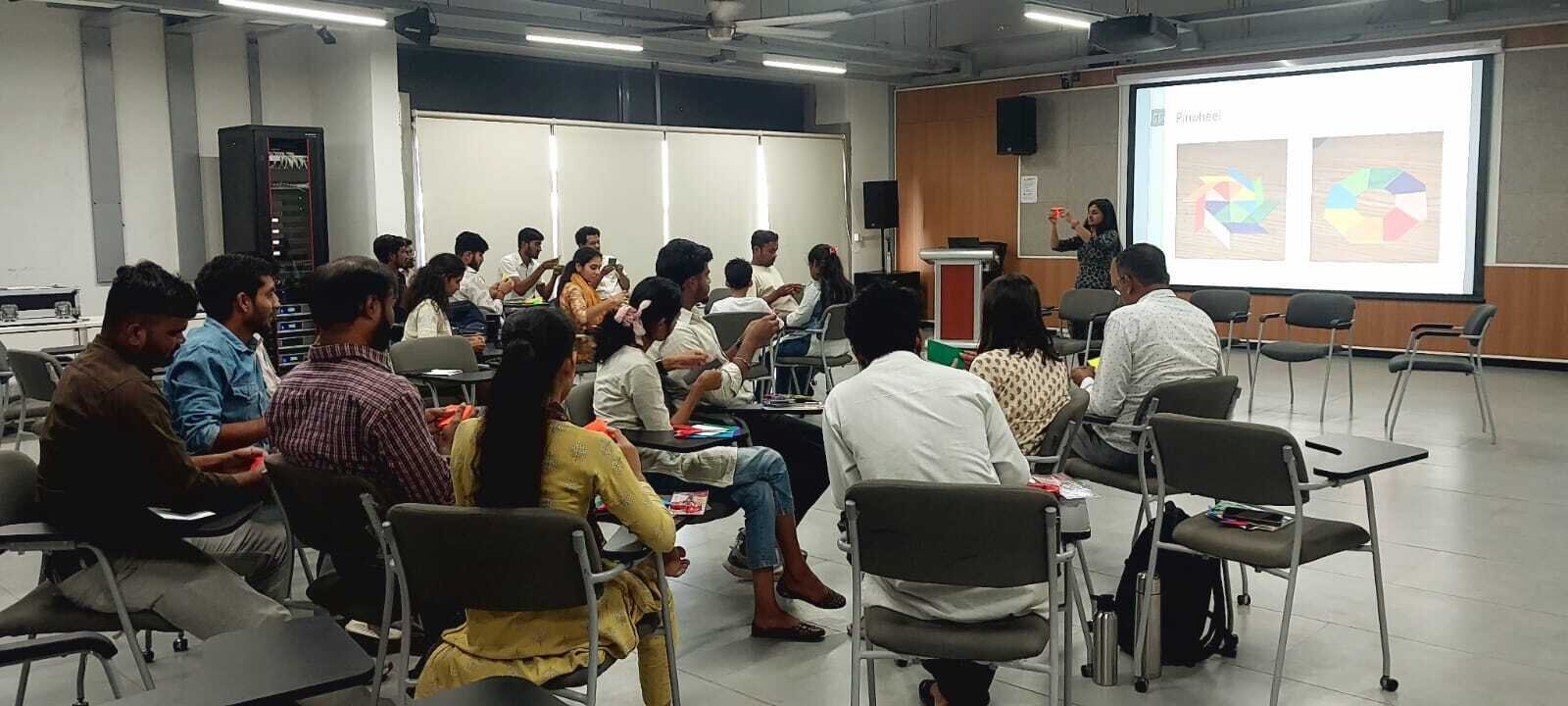
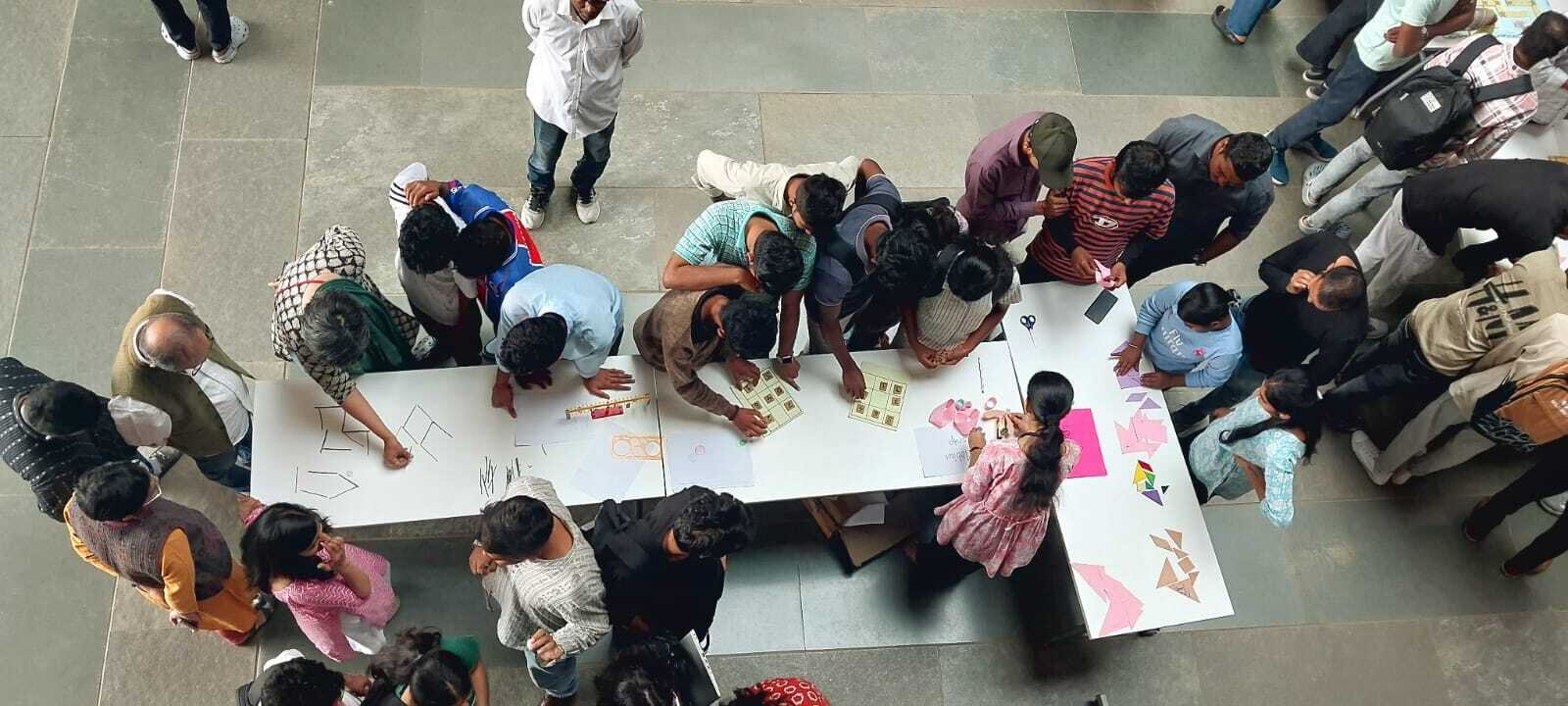
Similarly, hands-on sessions such as Origami workshops enable students to discover mathematical ideas through practice; unfolding concepts like symmetry, congruence, angles, fractions, geometry, and measurement, while also connecting them to fields such as engineering and architecture. Such initiatives reflect our approach to mathematics education — one that values curiosity, exploration, and the joy of learning, while situating mathematics as both a creative and interdisciplinary pursuit.
Developing teaching materials
At the end of these courses, our students create original mathematics teaching materials including lesson plans, Teaching Learning Materials (TLMs), worksheets or workbooks, digital resources or manipulatives from waste materials. It’s an open event where our students present these materials. Local school teachers and our university members share constructive feedback and have relevant discussions around the pedagogical effectiveness of their materials. This experience allows community participation and social learning to happen.
At the University, mathematics education is not confined to mastering concepts, it is about rethinking how mathematics is experienced, taught, and understood. A blend of immersive coursework and learning experiences and reflective practice, the programme prepares future educators to approach mathematics with confidence, creativity, and care.
Graduates have deeper understanding of the subject and are able to create inclusive, engaging, and meaningful mathematics classrooms that can shape how generations of learners relate to the discipline.
Explore the critical role of mathematics education and its effect on educators, individuals and societies:
About the authors
Jeenath Rahaman is a faculty member at Azim Premji University.
Arshdeep Kaur is part of the Communications Function at Azim Premji Foundation.