Annual Research Conclave, 2025
Exchange of ideas, intellectual dialogue, thoughtful critique, and collaborative discussion
Campus
Bhopal
Details
The Annual Research Conclave showcases interdisciplinary research done by both the teaching and non-teaching members of Azim Premji University. This annual event for the exchange of ideas, intellectual dialogue, thoughtful critique, and collaborative discussion aligns with Azim Premji University’s commitment to research and knowledge production that contributes to a just, equitable, humane and sustainable future.
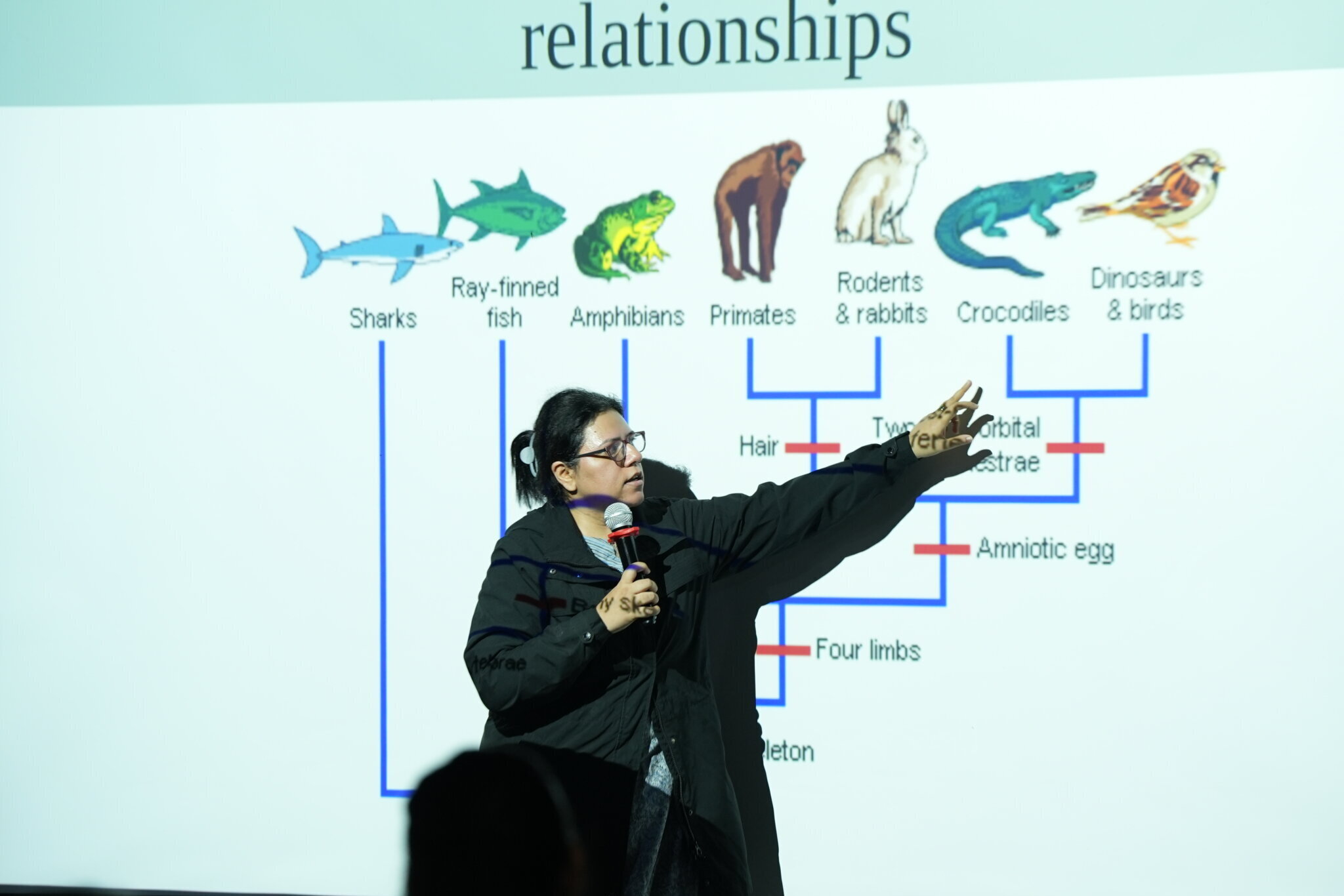
The second Annual Research Conclave at Azim Premji University, Bhopal, was held on 24 – 25 November 2025. Twenty-three talks and two posters were presented over nine sessions. Research talks were in two formats: long talks consisting of 20-minute presentations, and short talks of 10 minutes. Care was taken to schedule talks in thematic clusters and in a sequence without parallel sessions.
The conclave began with opening remarks by Nisha Butoliya and ended with a workshop titled ‘What is Relevant Research?’ by Amman Madan. The presentations spanned a range of research interests, including social sciences, humanities, education, public health, public policy and governance, and ecology.
The sessions of the Annual Research Conclave were well-attended by faculty members and featured stimulating discussions. The presentations covered various themes and topics, broadly categorised as public health, government policies, environment, ecology, climate, history, literature, education, and pedagogy.
- Presentations on public health, government policies, governance, and health expenditure efficiency revealed significant gaps in primary healthcare resources under the National Health Mission, as well as a lack of proper functioning in supplying essential medicines in the country. They highlighted pressing systemic challenges and proposed data-driven policy reforms.
- Presentations on environment, ecology, soil microbiomes, climate adaptability of insects, and invasive plant species databases and agriculture prolonged environmental and ecological understanding by offering new insights.
- Presentations on humanities and social sciences spanning history, literature, politics, policies, implementation, education, pedagogy, and sports, offered nuanced perspectives on governance, development and challenges. Each presentation was significantly engaging across disciplines. The research on education and pedagogy explored various crucial aspects, such as pedagogical interventions in government schools, the learning environment, and ethical dilemmas in children. The presentations reflected a community engaged with both contemporary challenges and historical continuities.
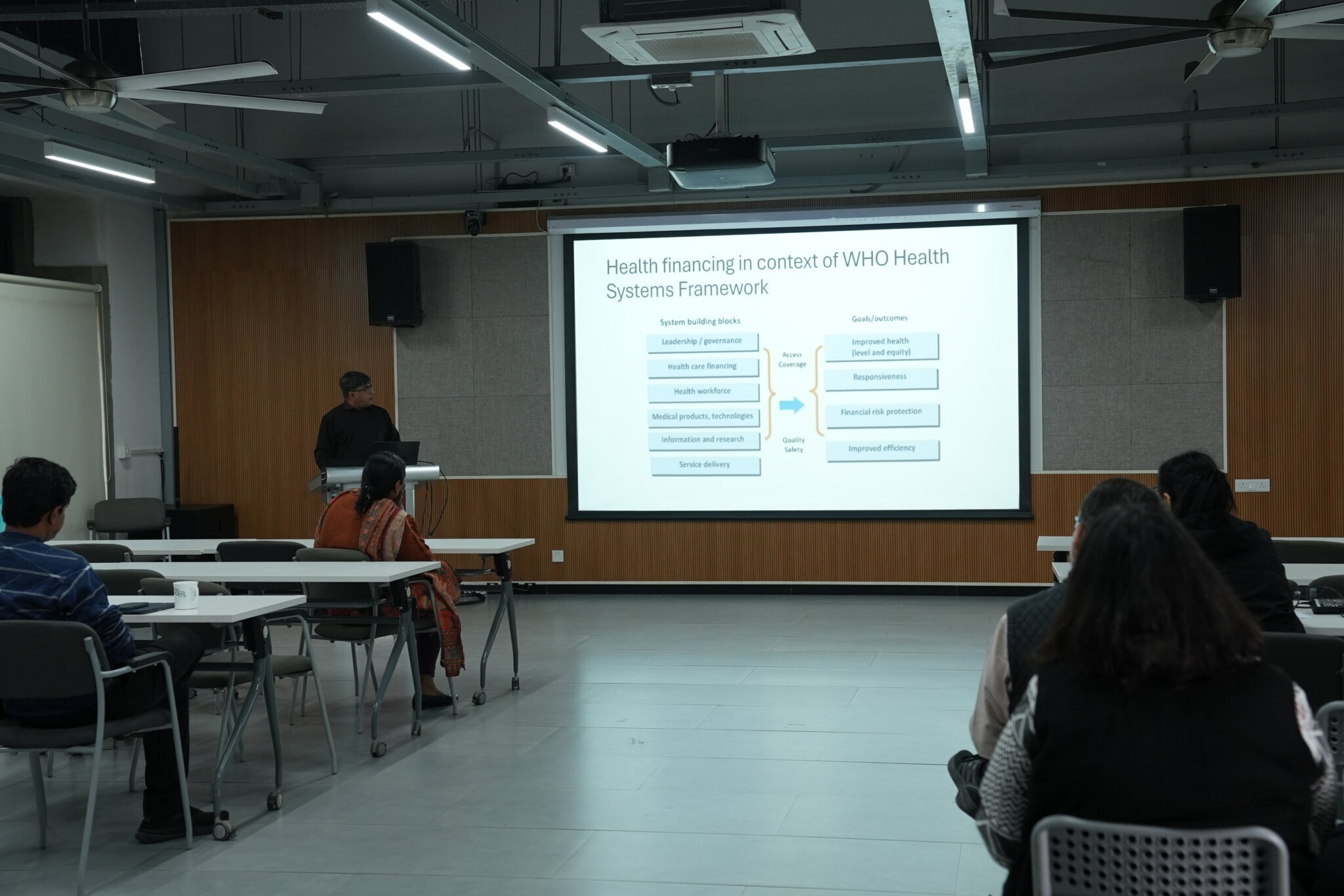

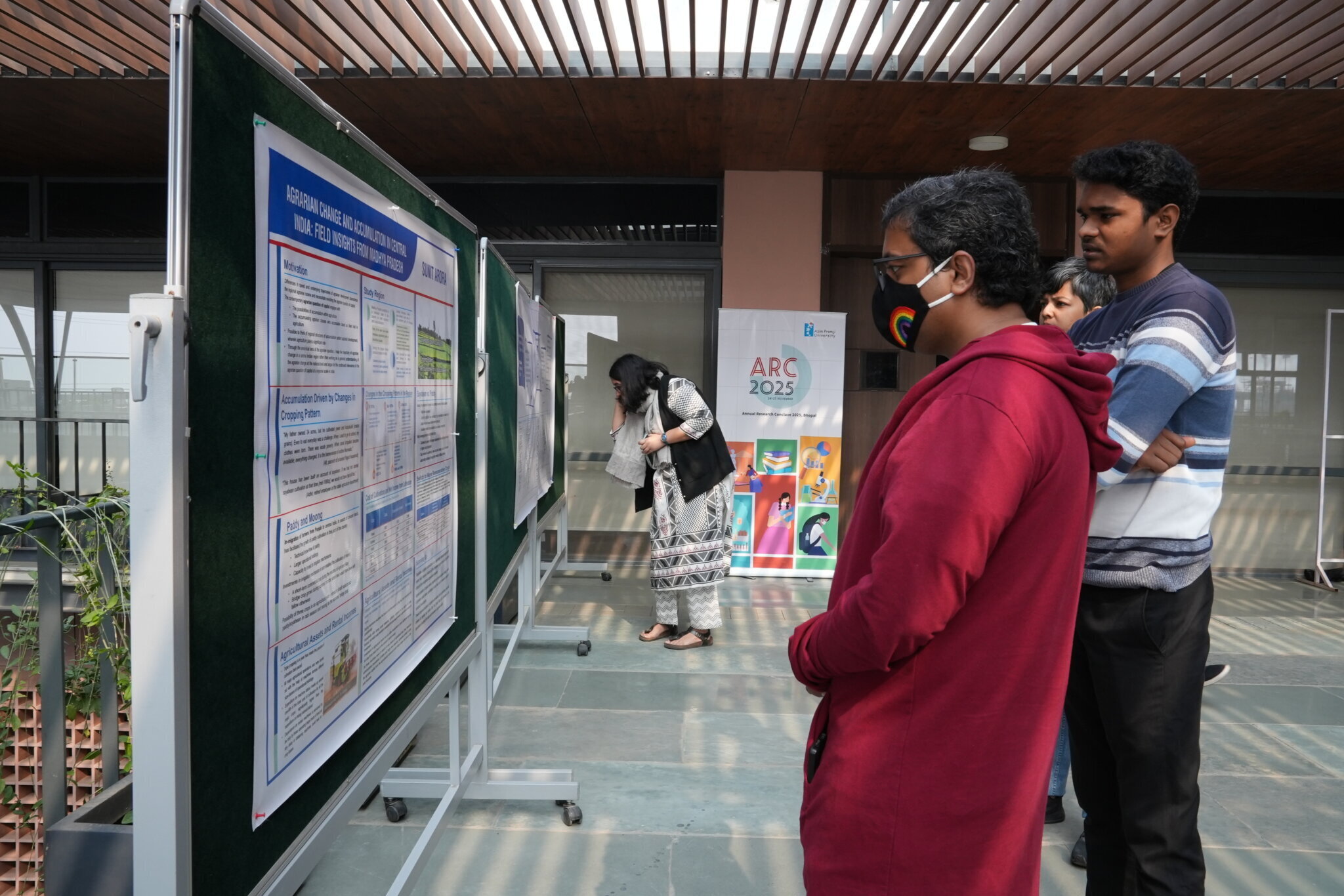
The conclave witnessed different stages of members’ research journey as well as their academic careers. Each presentation concluded with thoughtful questions, methodological queries, and fruitful interactions. The presenters received constructive feedback not only from colleagues within their research area but also from the participants from other disciplines. These may be regarded as a hallmark of an inclusive academic culture on the campus. This wide range of participation and presentations reflected the collaborative ethos and the collective efforts of the University in building the campus academically vibrant by creating an innovative atmosphere.
The conclave significantly strengthened peer learning by providing an interdisciplinary exposure on a single platform to the researchers from diverse disciplines. They got an opportunity to interact with those from different disciplines. Presenters received feedback that may broaden their perspectives. On the other hand, participants learnt about new research and methodologies beyond their own disciplines.
More importantly, research based on diverse methodologies – ethnography, archival analysis, quantitative modelling, systematic review, and pedagogical experimentation allowed both presenters and participants to learn and apply them to their own research. The Annual Research Conclave reinforced the commitment of Azim Premji University to promote a culture of rigorous and relevant research as well as collegial learning. Some of the important outcomes include potential interdisciplinary collaborative research clusters poised to address historical as well as contemporary societal challenges.
The conclave concluded with a very engaging two-hour workshop on “What is Relevant Research?” The participants actively took part in resolving crucial research questions, such as what the research methodologies are, what the meaning of rigorous research is, what relevant research is, and what research and ethical challenges are. Faculty members were encouraged to rethink and reconstruct their approach to arguments, evidence, interpretation, and responsible knowledge dissemination.