Who is the Gym really for?
In this episode of Game Play Sport, Rahul De, Kailash Koushik, and Arvind Bharathi BN take us through the evolution of the gym culture in India — from its early associations with bodybuilding to its current wellness-oriented avatar built around curated routines, group classes, and lifestyle.
Details
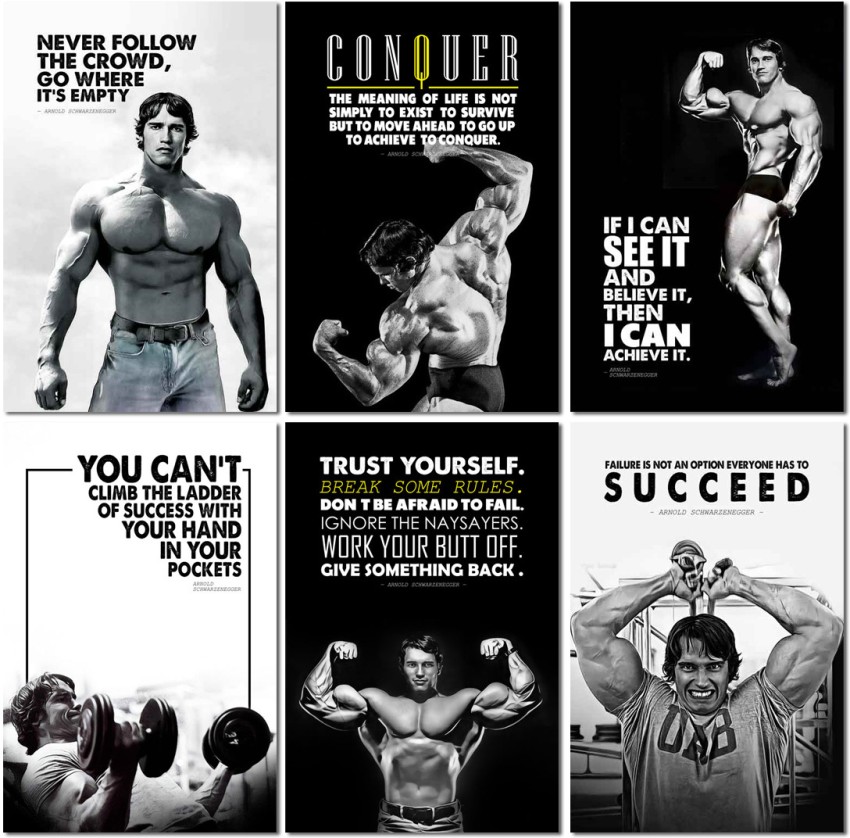
They begin by unpacking how gyms first emerged as male-dominated spaces, often tucked away in basements, built around the idea of physical strength and discipline. In popular imagination, the gym was for those chasing a muscular ideal, often inspired by actors like Arnold Schwarzenegger. For many, it was also associated with a certain “type” of person — someone less academically inclined, more physical, often male. These spaces were not just unwelcoming to women — they could feel uncomfortable for anyone who didn’t already know their way around the equipment.
Subscribe on YouTube
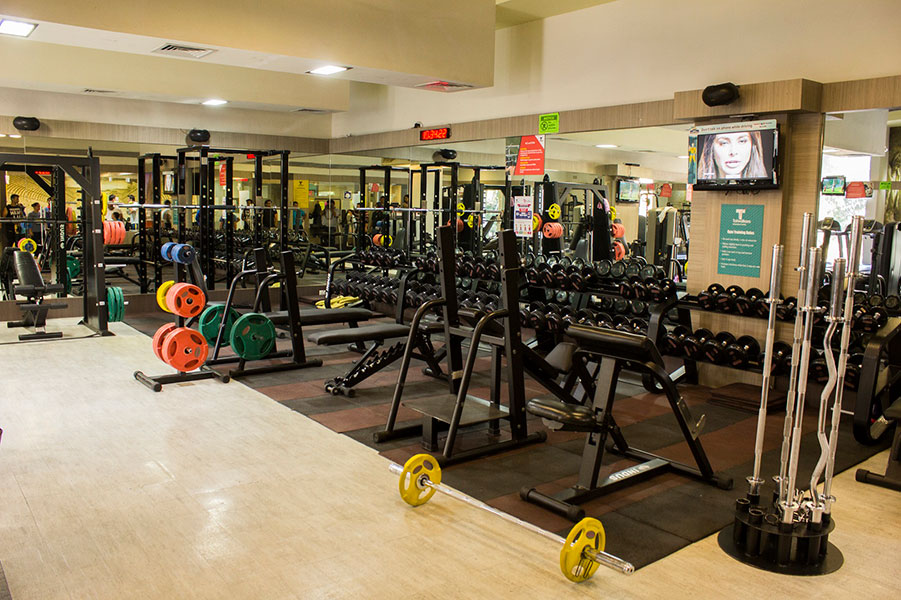
As the culture shifted, gyms moved out of basements, introduced mirrors, music, and trainers and new forms of fitness emerged. Structured classes like yoga, kickboxing, and dance made movement more varied, more social, and for many women, more accessible.
Joining the conversation is Shwetambari Shetty, founder of My Third Space, who offers a personal and professional reflection on how gyms were made more inclusive for women.
The conversation also raises questions about access. As fitness becomes increasingly structured and branded, is it also becoming exclusionary? Are we building a culture of movement that’s only available to those who can afford it?
This episode goes beyond the trends in the fitness industry. It’s about how we’ve come to think about fitness in India — who it’s for, what it looks like, and who gets left out as it becomes more exclusive.
Why Gyms Felt Intimidating — And What Changed
In this bonus episode of Game Play Sport, we take a closer look at gym culture — who it was built for, and how it has changed.
Our conversation with Shwetambari Shetty, founder of My Third Space, traces how fitness spaces that once felt intimidating and exclusionary — especially for women — have slowly evolved into more welcoming environments. She reflects on how strength training was long seen as “not for women,” how both men and women were unsure of how to navigate gym equipment, and why group classes played a key role in making people feel more comfortable and connected.
This episode is not just about fitness — it’s about the cultural shift in how we view the gym floor, and how movement can become more accessible when it’s designed for community, not just performance.
Credits
Akshay Ramuhalli, Bruce Lee Mani, Gorveck Thokchom, Kishor Mandal, Kruthika Rao Narayan Krishnaswamy, Prashant Vasudevan, Ram Sheshadri, Sananda Dasgupta, Seema Seth, Shraddha Gautam, Supriya Joshi, and Velu Shankar.
Special thanks to Shwetambari Shetty for being part of this episode.
Acknowledgements
Images
- Old Arnold Schwarzenegger Image – 01:16 minute
- Talwalkar Gym exterior image – 08:58 minute | V Fitness Club
- CrossFit training image 1 | scott244 | Pixabay
- CrossFit training image 2 | Frans van Heerden | Pexels
- CrossFit training image 3 | Ardit Mbrati | Pexels
- CrossFit training image 4 | CRISTIAN CAMILO ESTRADA | Pexels
- CrossFit training image 5 | RDNE Stock project | Pexels