Exploring Physical Ideas with Future Physicists
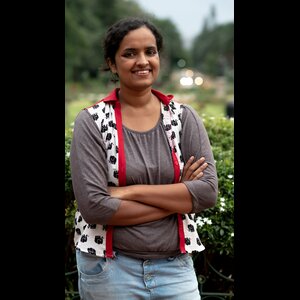
Kripa Gowrishankar and Sumathi Rao reflect on their journey with the annual Summer School for Women in Physics, whose latest edition took place at the university.
Details
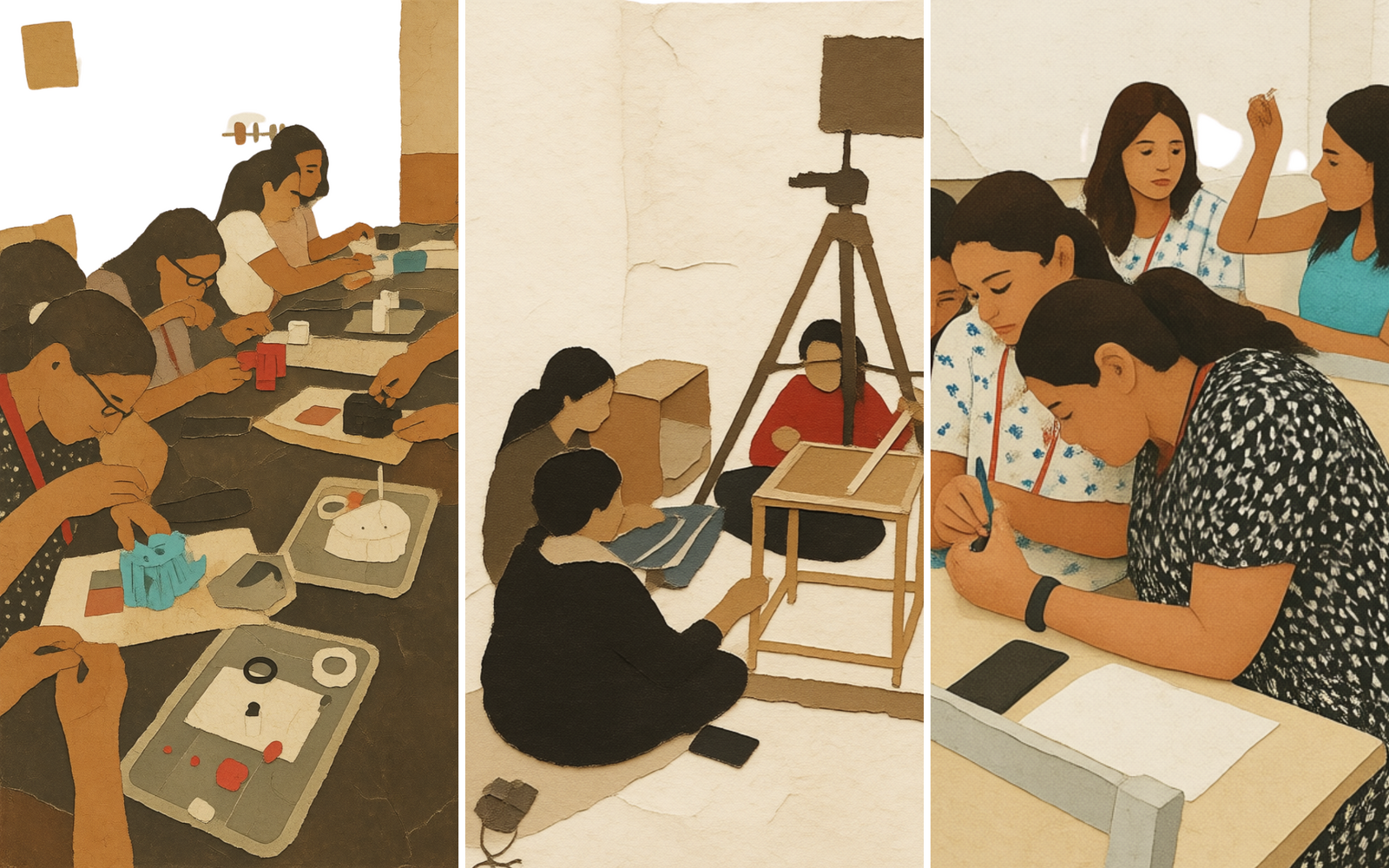
This June saw the unfolding of the fourth annual Summer School for Women in Physics, the first to take place in Azim Premji University, Bengaluru. Fifty three undergraduate students of physics from various institutes around the country ranging from Kolkata to Calicut, Nashik to Nalgonda, Surat to Ranchi, were selected for the 10-day summer school packed with experiments, problem solving sessions, lectures and talks curated to encourage women to take up physics as a career.
The idea for the summer school was conceived by Rajesh Gopakumar, Director of International Centre for Theoretical Sciences (ICTS) after the success of their Summer School for Women in Mathematics and Statistics, which completed its ninth edition this year. To make this happen, he roped in his colleague Sumathi Rao, a senior theoretical physicist who had just moved to the institute and has been long engaging with the gender gap in physics.
Way back in 1999, Sumathi had delivered a powerful talk in Lucknow at an event by the National Academy of Sciences, where she noted how even during early education, selections for academically and scientifically oriented bright kids work against girls. “The subject material in science subjects including examples and problems is often gender-biased and the role models and images of women that are presented are often subordinate… In many co-educational schools, teachers only talk to the boys in the class, expecting them to be smarter. Since achievement so often depends on expectations, the fact that society and even teachers expect the girls to be less capable in these subjects affects their achievement which in turn affects their self-esteem and hence they are turned off these “hard” subjects,” she had said.
She enthusiastically joined the effort to create the summer school, along with other seasoned physicists like Joseph Samuel (from ICTS), Supurna Sinha (from Raman Research Institute), and Rajaram Nityananda, who used to teach physics at Azim Premji University. Sumathi agreed with Rajaram that the involvement of physicists who were more attuned to undergraduate education would be crucial to make the summer school work, and that’s how Kripa Gowrishankar, physicist and Rajaram’s colleague from the university came to be involved.
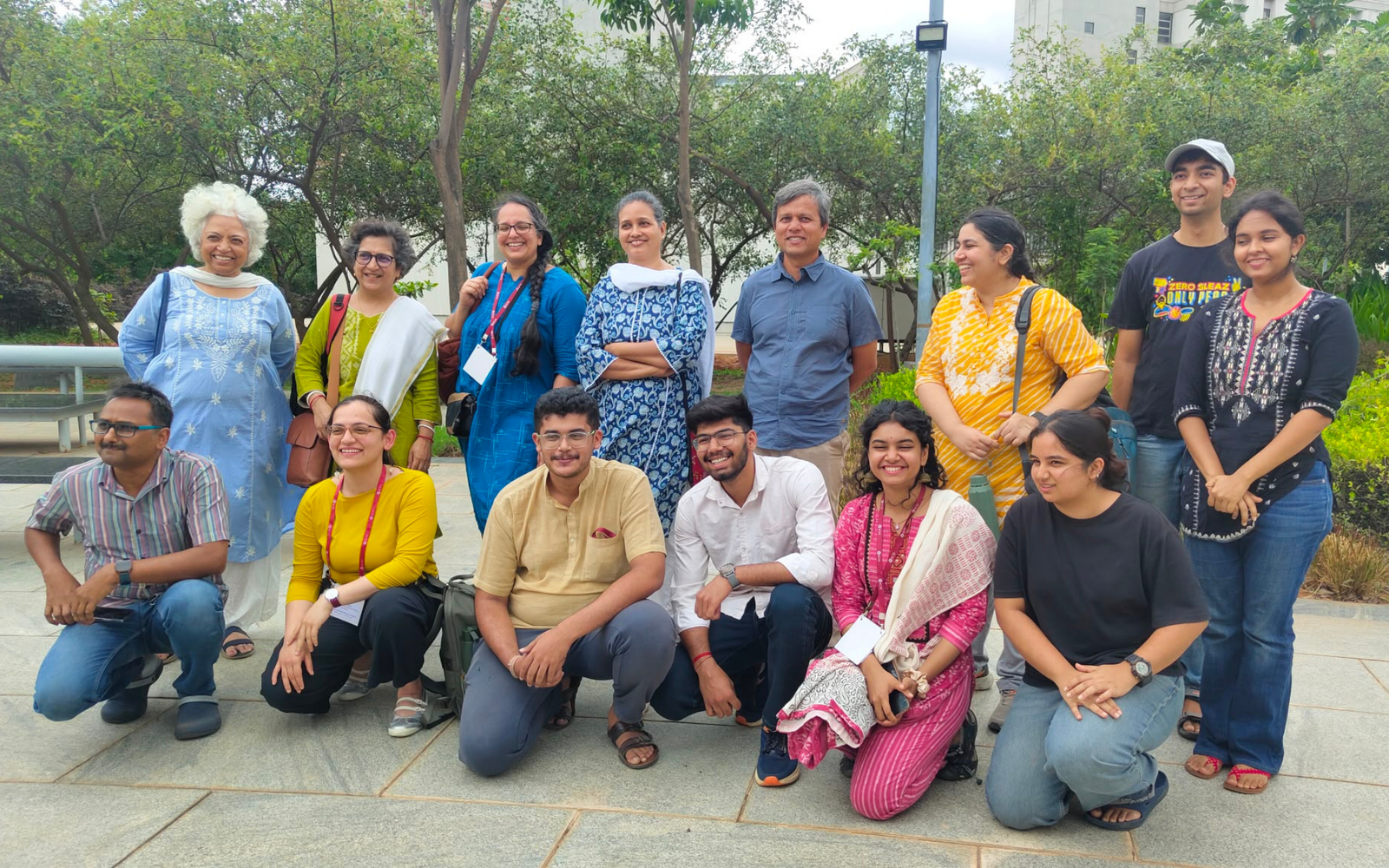
The organising team of the summer school included Shirish Pathare (HBCSE), Ikbal Ahmed (ICTS), PK Mohanty (IISER Kolkata), Ranjini Bandhopadhay (RRI), Rema Krishnaswami (Azim Premji University), Mahua Ghosh (Mount Carmel College) and Sushan Konar (NCRA).
I caught up with Kripa and Sumathi to learn more about their journey with the summer school, the rationale for these spaces and what goes into designing such a scientific programme.
What goes into designing a workshop that aims to encourage women to take up physics as a career?
Sumathi: I don’t think we thought about doing anything special at the beginning. What we first looked at was the physics part of it. Students of physics — both men and women — are generally less exposed to experiments. Joseph Samuel and Supurna Sinha spearheaded the idea of focussing on experiments, with the theory part being built around understanding the experiments. We wanted to make sure participants realise that physics is more than theory. They also came up with the idea of having a test in basic physics for selection, at least to differentiate the more motivated students. This was needed since the number of applicants is large and we need to restrict the number of participants due to logistic reasons.
Kripa: In addition to what Sumathi said, we also focus on getting people from different areas of physics to talk about their experiences. In a typical workshop, faculty would give research talks, but in this case, they would also talk about their experiences as a woman physicist. Sumathi, for example, talked about how she transitioned from high energy physics to condensed matter physics. I think the idea for the summer school was to bring people together, form some sort of network and introduce students to potential mentors.
Is there a reason the summer schools (both for mathematics and physics) target young women at the undergraduate stage?
S: Yes. We see here at ICTS, or any of the other research institutes, that there are very few women students who are selected for PhDs, by virtue of exams and other factors. The difference is already there in the numbers and so we knew we had to start a little earlier.
K: Also, there are several programmes existing for students at the master’s level, for example, Vigyan Vidushi. They try to address the fact that not many of the women who do a master’s in physics end up pursuing a PhD. Our programme is targeted more at the enrolment stage… getting more people interested in taking up research as a career. This is something that is a given in places like IISERs and IITs, but not in several smaller places. So we target students in smaller districts, colleges.
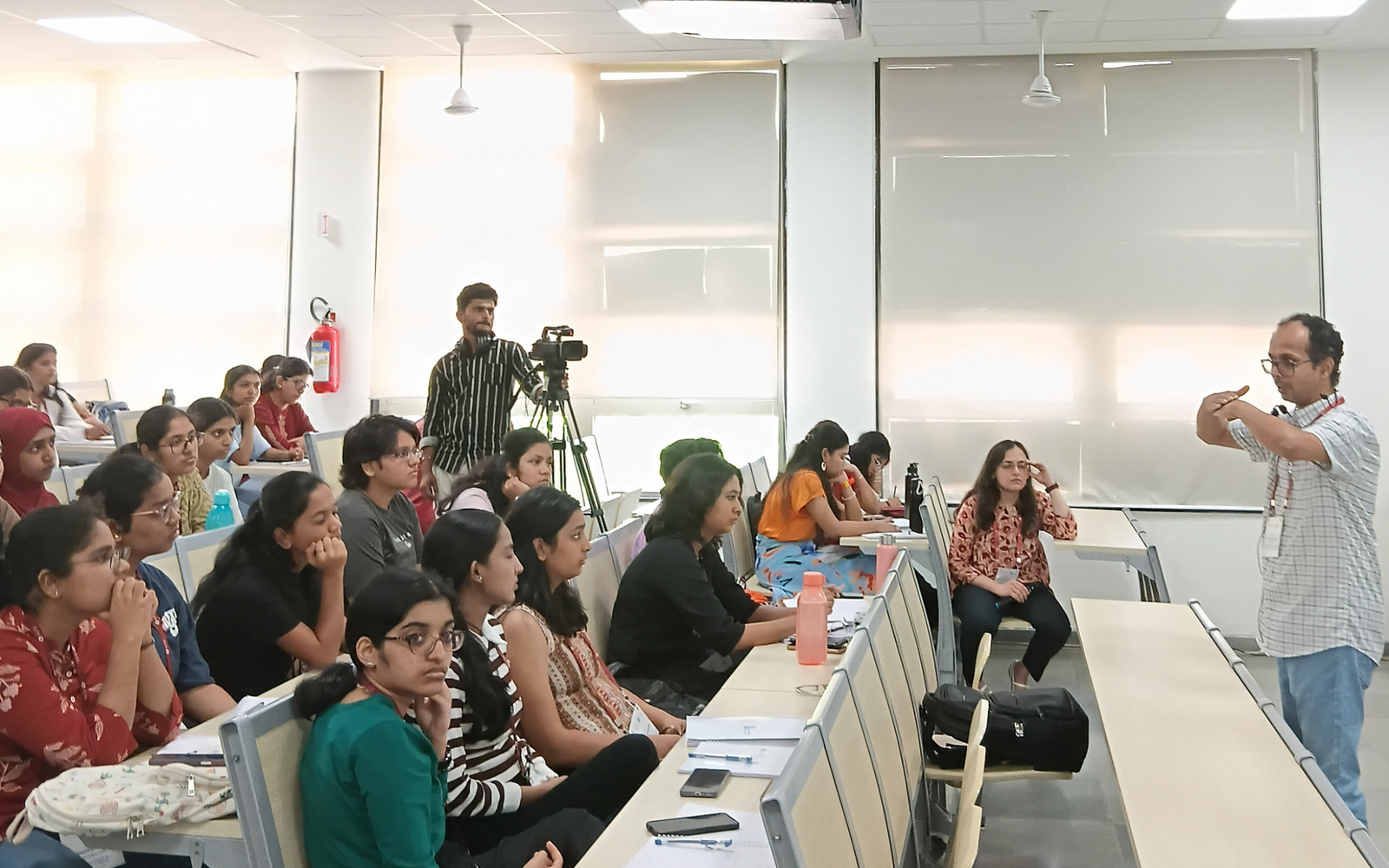
Jayanth Vyasanakere explores the concept of paradoxes with the participants.
Though it’s still early days, have there been any changes in the format over the past four editions of the workshop?
S: The first year was a pilot programme with only people from colleges in Karnataka. It was a small batch. Until the third edition, it took place at ICTS, and this year, it was at Azim Premji University. Not much has changed in the format. We started off prioritising experiments, so we have half a day dedicated to them. This time, we had a couple of non-traditional experimental sessions including a more exploratory “tinkering session” and another where we asked students to summarise and synthesise whatever they had learnt. This was the first edition where we gave them an opportunity to do this.
How do you decide what topics to cover?
K: We keep the topics for lectures general and at an introductory level, but at the same time we want to get them to think a little bit more. Now we are thinking about changes — should we introduce, for example, quantum mechanics? There are students of varying capacities, so the worry is that some of the students would be lost. At the same time, we want to push them. We need a balance. We’re thinking of making it better and better every year. We’ll see what happens next.
S: But there are constraints, and sometimes we have to go with whatever and whoever is available.
Do you try to make the programme more contemporary by including the hot, buzzing fields in physics such as Artificial Intelligence or quantum technology? And does doing so really have educational value, or is it just something that needs to be done to attract more applicants?
K: Actually, it is in schools like these that you have a chance to talk about things outside of the syllabus. Like in the first year of college, students usually are limited to very traditional courses in mechanics. But here we can step out of that zone and we find that even at the first year level, students are able to grasp concepts like quantum mechanics or AI. Yes, some of these areas are new and hard to understand, but there is a lot of curiosity, and you have to make an effort to make sense of it. With students, the complaint is usually ‘why are you bringing this to us so late?’ So if you ask me, it’s educationally very valuable.
S: Recently, at ICTS, there was a popular talk by Subir Sachdev about quantum entanglement. They bussed in students from four different schools and a couple of different colleges, and they were asking him all kinds of questions. So it’s certainly something that they would be interested in. Some of these people can actually do very good jobs of giving talks to undergraduates.
Do you recall any specific session at the summer school being particularly impactful?
S: There was this session by the Homi Baba Science Centre people that students really liked…
K: Yes, it was called ‘Working through Problems’. Basically, the lecturer gave them rules to identify non-inertial reference frames without any equations. Based on these rules, he asked a whole series of questions. It was a very interactive session where the students were pushed to think at the edges of a very simple problem.
There was another session this time, by Gita Chadha on gender, which we hadn’t had before. I think the students quite enjoyed that one as well, because no one usually talks to science students about gender.
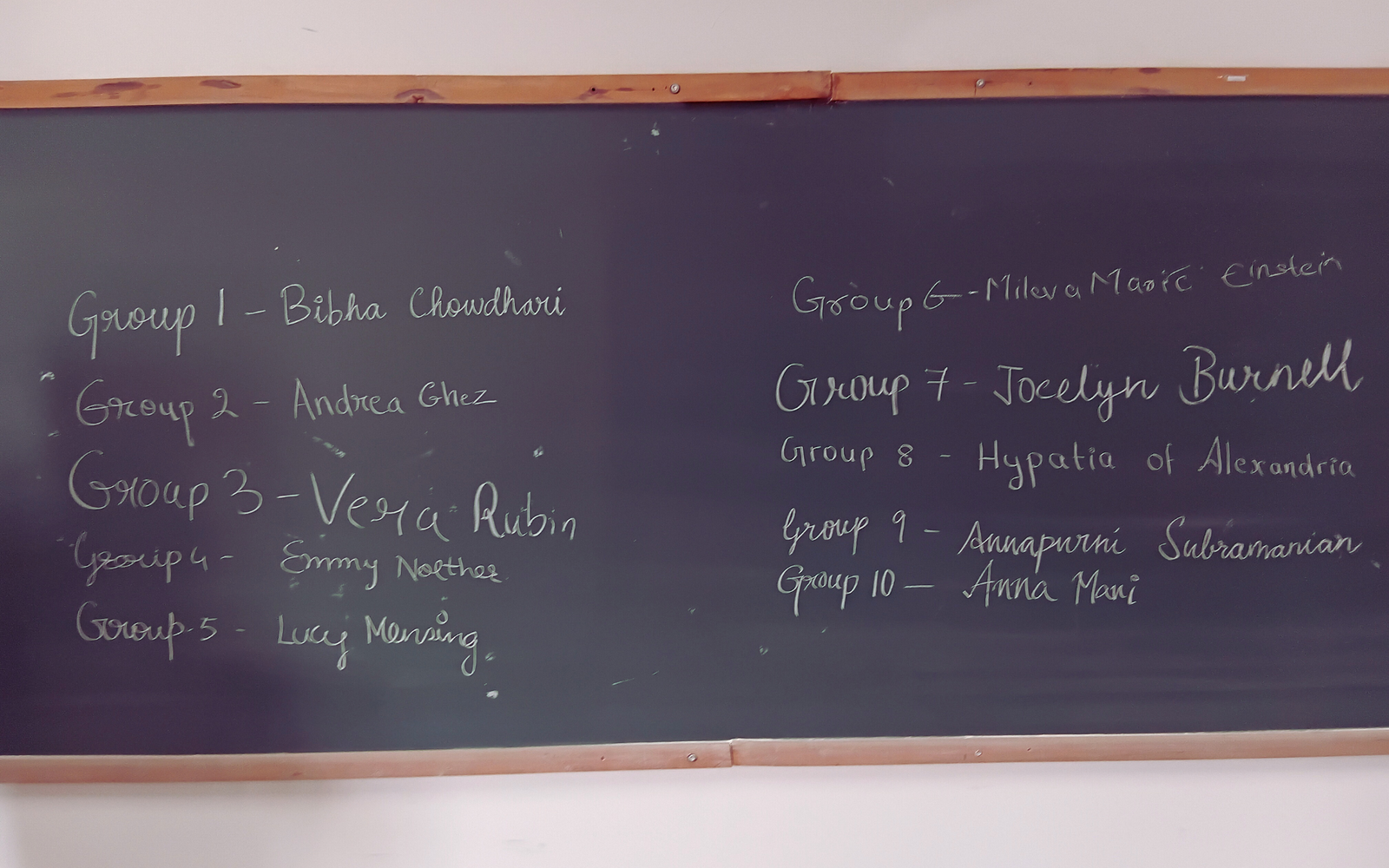
Participants were split into groups named after women scientists, a tradition at the summer school.
As women in physics, do you think you or your undergraduate peers may have benefited from spaces and experiences like these?
K: Yeah, I would definitely have benefited from such an experience. The important thing to realise is that many of these kids are in places where they are really a minority. So for them, it’s really refreshing to come to a place where they get to interact with so many women who are interested in physics. I think that that really makes a difference. That said, the challenges are different for different students: in the very premier institutes, there is this kind of isolation; but in the regular colleges, what they lack is exposure.
At this young age, I actually don’t expect them to really learn a whole lot of physics in this short time. They might pick up some new concepts and ways of thinking, but more than that, it’s being able to meet other students at a similar level. It’s about being able to talk to professors who are doing interesting research, who take them seriously. They start considering ‘oh, maybe I can actually do research’. Nobody would have told them this before. I think that gives a lot of encouragement for these students.
S: Most of the time there’s one girl in a group of boys, right? What usually happens is that they are kind of outshouted in the classroom. So that way, I think I feel that having so many women would have definitely helped. This is what they tell us when we meet them later. The experience stays with you. And they have made a peer group.
Have you heard from any of the alumni of previous summer schools about what they are up to today?
S: It has not yet been long enough, but I recently saw one of them at the Homi Baba Science Centre. She had attended the school and is now doing a project there.
K: Another student is working with Ranjani Bandopadhyay at RRI. Ranjini had done a couple of sessions at the summer school, and I guess the student got in touch with her later.
Do you see the need for a workshop like this continuing in the future?
K: I don’t know about the students, but for me, I enjoy meeting other women physicists — it rarely happens, right? We only meet people who are more or less in our field, and here we meet people across fields in physics.
S: The need will stay for some more time, until numbers catch up.
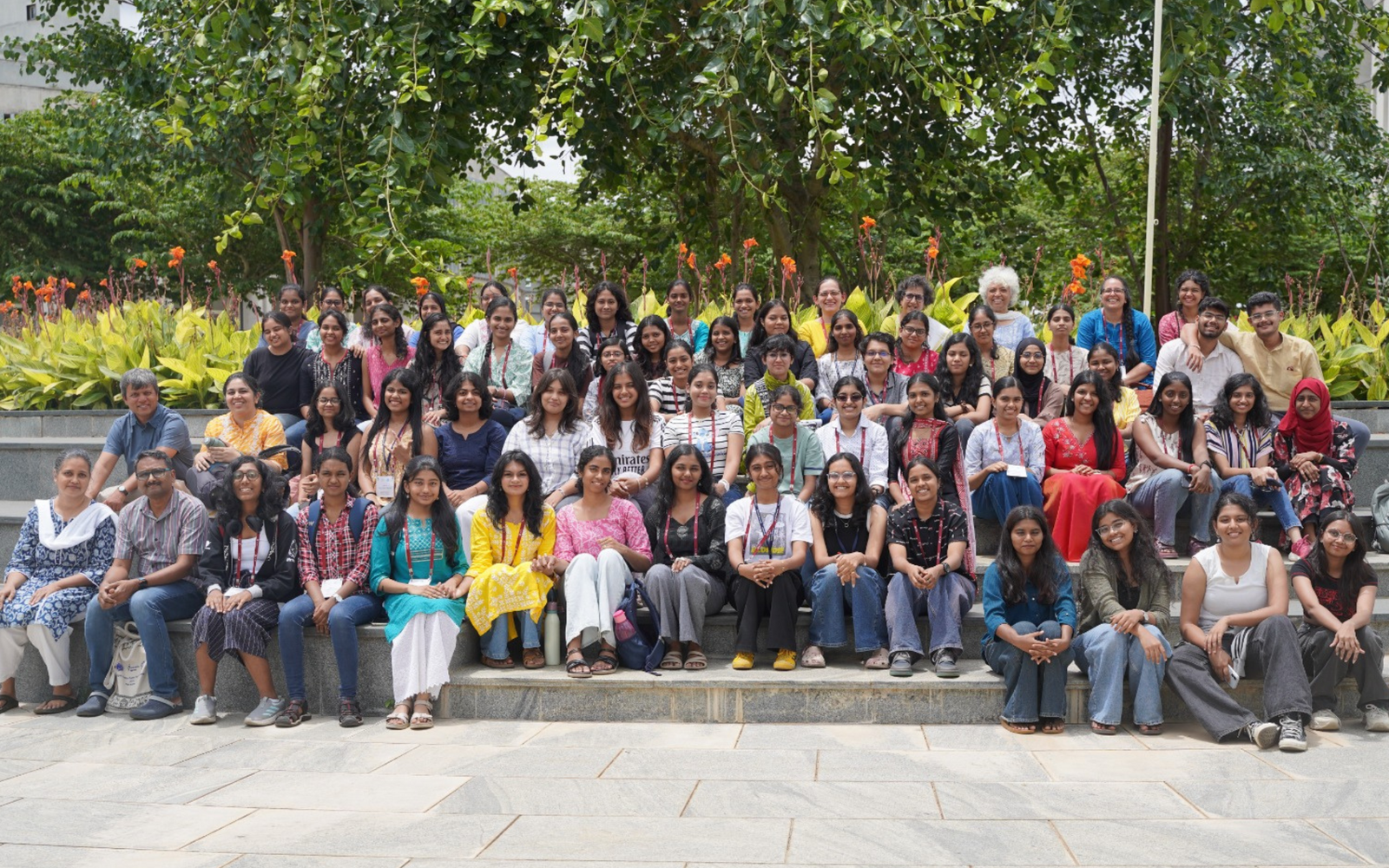
Participants gather for a group photograph at the end of the summer school.
Image credits: The organising team
About the interviewer
Nandita Jayaraj is a science writer and communications consultant at Azim Premji University. She may be contacted at nandita.jayaraj@apu.edu.in