
EPR for Sanitary Waste: A Promise on Paper vs the Ground Reality
Extended Producer’s Responsibility (EPR) promises to curb 11.3 crore tonnes of annual sanitary waste but the ground reality — from infrastructure gaps to cultural taboos — threatens its success. Thrupthi G N explains.
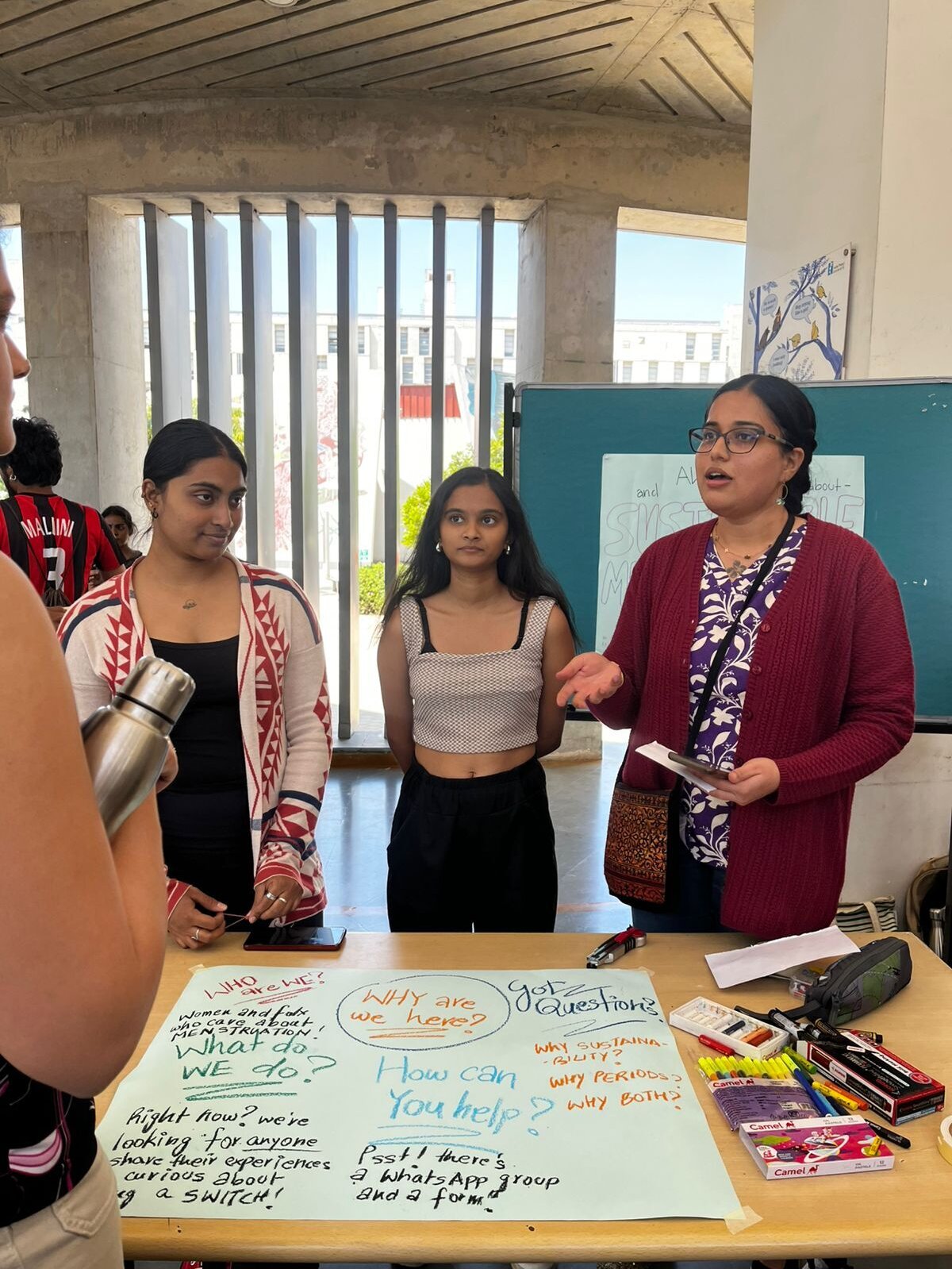
Details
Extended Producer’s Responsibility (EPR) is the responsibility of a producer to environmentally manage the product until the end of its life. India’s EPR framework has expanded significantly since its inception in 2011. The recent expansion (April 2026) mandates Producers, Importers, and Brand owners (PIBOs) to manage collection, recycling, and disposal of items like sanitary pads, diapers, and condoms.
India generates 1.23 crore of sanitary pads every year which is equivalent to 11.3 crore tonnes of sanitary waste being dumped into the landfills. Diapers add another 580 crore annually, with volumes steadily increasing by 5 – 6 percent annually. This policy shift promises to curb the 11.3 crore tonnes of annual sanitary waste, equivalent to 0.45 crore truckloads polluting landfills, but the ground reality — from infrastructure gaps to cultural taboos — threatens its success.
Understanding EPR
EPR rewrites the narrative of waste management by making the PIBOs accountable beyond the point of sale, in line with the Solid Waste Management (SWM) 2026 rules that embed circular economy and zero waste to landfill goals.
For sanitary products, the rules mandate collection, incineration at Central Pollution Control Board (CPCB) registered facilities and procuring the EPR certificates to verify the compliance. The targets for the sector are ambitious with a phased recycling starting at 60 percent in 2026 – 27, 70 percent in 2027 – 28, 80 percent in 2028 – 29 and scaling up to a near complete recovery by 2030 and onwards, with a provision for trading the surplus certificates among compliant PIBOs.
The recent modifications for e‑waste and plastics align with the Swachh Bharat Mission, Plastic Waste Management Rules and the SWM Rules 2026 that mandate a four source segregation by including a separate sanitary waste stream. From April 2026, companies like Johnson & Johnson, Procter & Gamble (P&G), Unicharm must register on the CPCB portal and submit their annual plans for the reverse logistics of their products.
Consequences of noncompliance vary from penalties to license suspension to imprisonment, enforcing the much needed Polluter Pays Principle (PPP). The policy aims for a circular economy approach, focusing on material recovery from non-plastic elements while curbing the environmental emissions.
Sanitary waste crisis: The Indian scenario
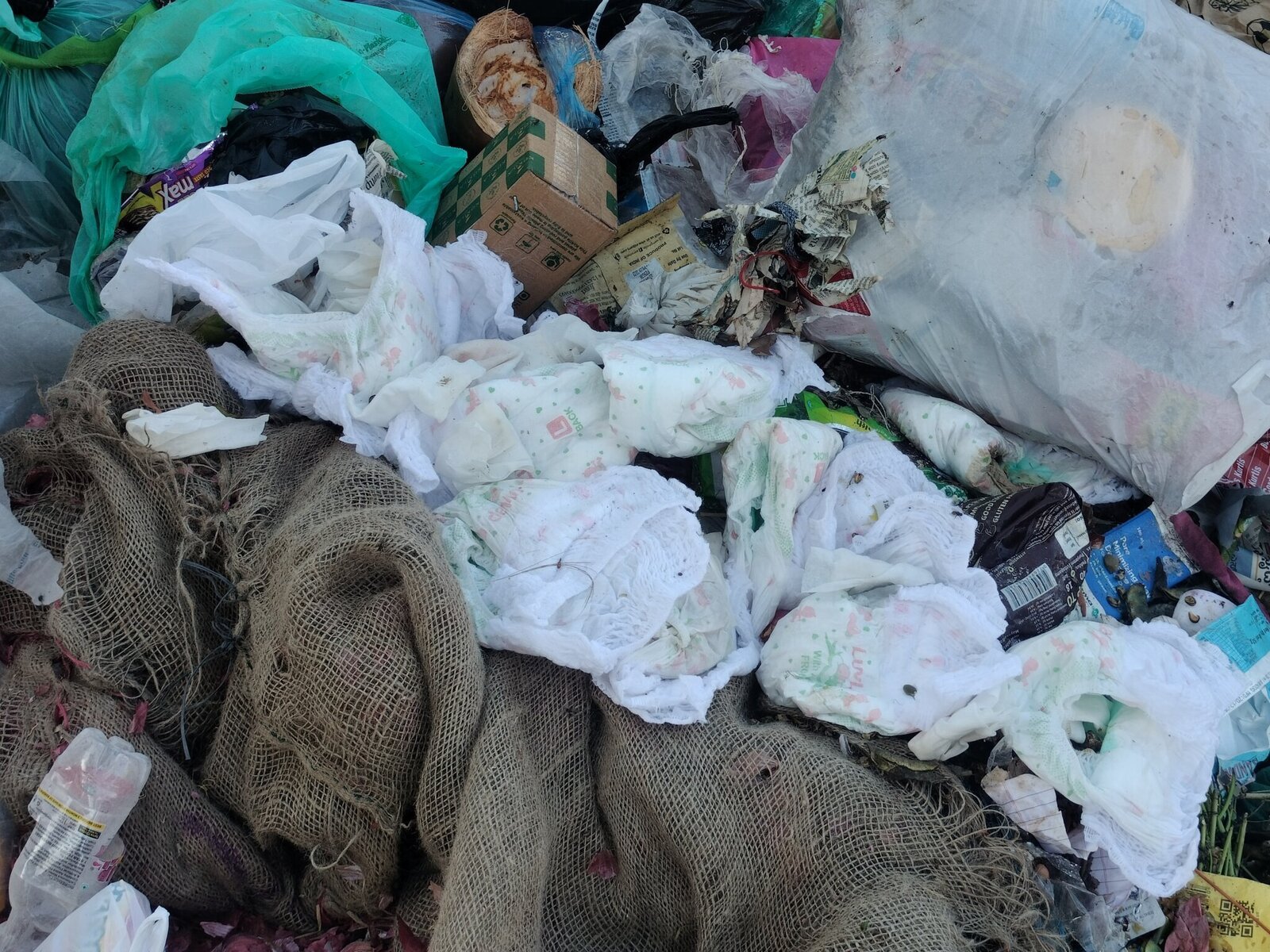
The mounting sanitary waste crisis strains the available incinerator infrastructure of 220 Common Biomedical Waste Treatment Facilities (CBWTF), which operates at a capacity of 620 tonnes per day amid a persistent 30 percent daily shortage. In metros like Delhi, Mumbai and Bengaluru, sanitary waste accounts for 2 – 3 percent of the municipal waste, overwhelming incinerators and adding a burden on landfill.
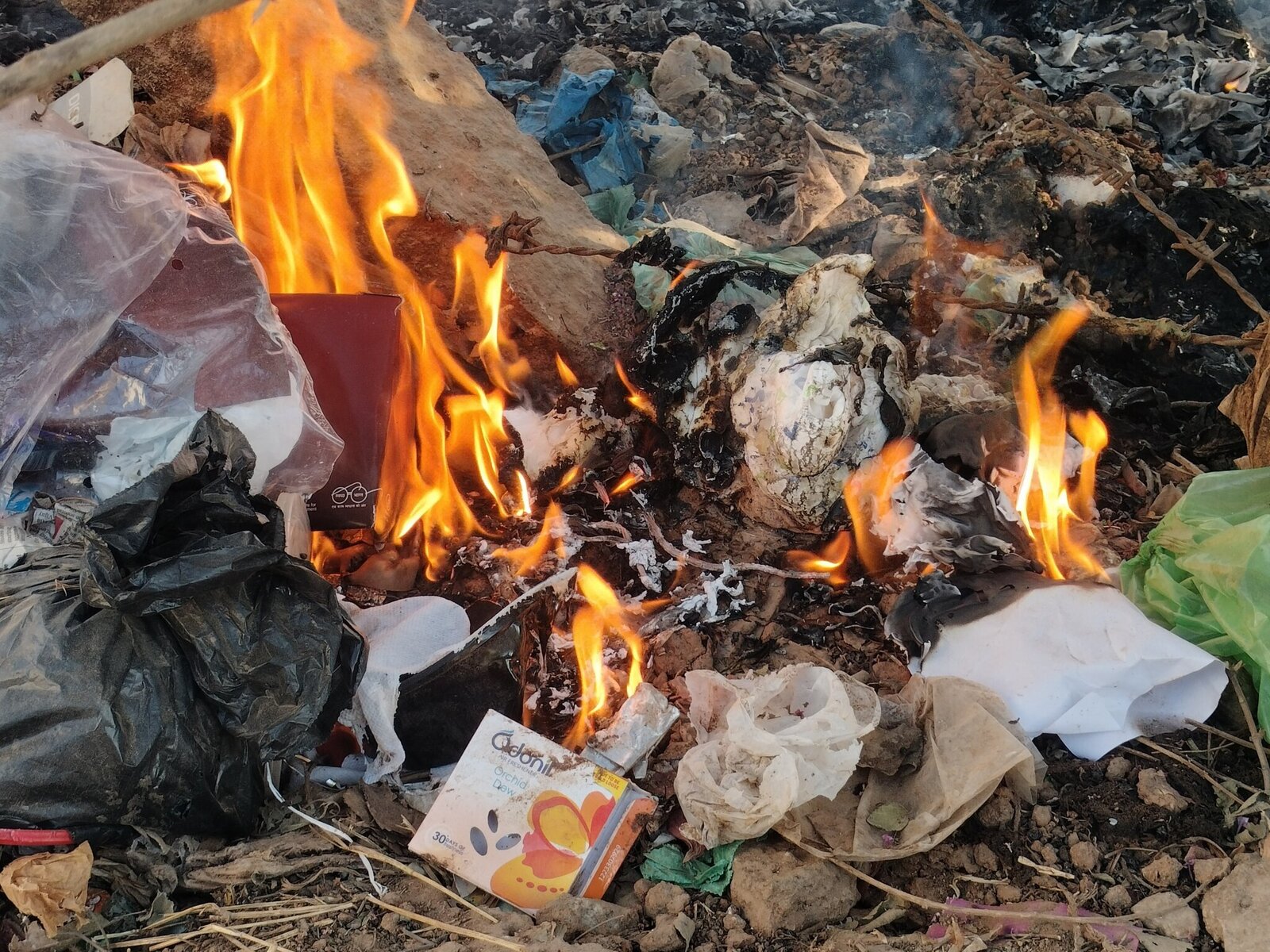
Rural and peri-urban areas face more grave problems with surveys showing rampant improper disposal practices like open dumping, backyard burning, burying, flushing down toilets or dumping into water bodies. These practices lead to unaccounted pollution, habitat loss, sanitation issues, and diseases.
In metros like Delhi, Mumbai and Bengaluru, sanitary waste accounts for 2 – 3 percent of the municipal waste, overwhelming incinerators and adding a burden on landfill.
April 2026: Targets and timelines
The EPR came into play from 1 April 2026. It’s given nine months for the PIBOs to plan their strategies to comply with the regulations. The model of phased out transition will ease the burden on PIBOs. CPCB will monitor the level of compliance through its digital dashboard.
Few industries have geared up with their tie ups: Whisper (P&G) has piloted collection bins at schools, Mamy Poko pants and Sofy (Unicharm) through their “Kyo-sei life mission-2030” are focusing on reducing environmental burden through incorporating 10 percent Post Industrial Recyclate (PIR) in packaging, launching bio-based sanitary napkins, and repurposing factory waste into bags. While these steps are welcome, they remain limited in scope with EPR requirements, such as regular take back infrastructure, measurable recycling targets, and formalised financial contributions.
For instance, school-based collection addresses only a fraction of India’s daily sanitary waste generation when whisper has a large market share across the country, and material substitutions like 10 percent Post Industrial Recyclate (PIR) do not yet fully offset reliance on virgin plastics. To achieve meaningful compliance, brands must prioritise scalable systems, third-party verification, and inclusive collaborations with local waste management stakeholders.
Ground level implementation challenges
Despite a sound policy framework, the EPR falters on the ground as the reality is different. First, infrastructure deficits – as of Jan 2026, India has 197 registered functional incinerators, located mostly in urban regions, leaving 70 percent of rural waste unaddressed.
Source segregation of sanitary waste has been reported to be 20 percent in India and this could be due to lack of awareness and availability of colour-coded bins. The cultural taboo around menstruation is still rampant which further hinders open discussion, leading to secretive flushing (30 percent cases) or littering.
Small producers in Tier‑2 cities face huge barriers to comply with EPR as they require high setup costs for collection, segregation, and processing facilities as they can exceed INR 10 – 20 lakh per unit. Adding to this, the margins of INR 5 – 10 per kg of sanitary waste or diapers hardly covers the operation cost, let alone the option to scale up. EPR certificates are still at a nascent stage with limited trading platforms. Buyers will further deter them from taking up the task.
The consumer behaviour also adds to the picture as the data shows that less than 5 percent of menstruators have switched to reusable products like menstrual cups, cloth pads, and period panties.
Despite a sound policy framework, the EPR falters on the ground as the reality is different. First, infrastructure deficits – as of January 2026, the country has 197 registered functional incinerators, which are located in mostly urban regions leaving 70 percent of rural waste unaddressed.
Community initiatives bridging the gap
Community initiatives are increasingly working to bridge the awareness gap around sustainable menstrual hygiene, offering alternatives to conventional sanitary pads. Grassroots efforts by NGOs and academic institutions are at the forefront of this shift. Spotless Dame’s Mera Pads initiative, for instance, produces banana-fibre sanitary pads through local manufacturing units, serving 1,626 women across eight districts of Rajasthan. They significantly cut plastic waste in the process. Similarly, projects such as Nirvahana by the Sarvada Trust focus on distributing reusable products. They have trained more than 7,500 menstruators in menstrual hygiene practices.
Academic institutions are also playing a proactive role. At Azim Premji University, sustainable menstrual hygiene has been taken up as a voluntary cause both on and off campus. In nearby panchayats of the Bengaluru campus, such as Billapura, Handenahalli, Balluru, comprising 15 villages, we have partnered with Hasiru Dala to regularly conduct awareness sessions, encouraging women to adopt reusable sanitary products such as cloth pads and menstrual cups.
Young mothers are introduced to cloth diapers. According to the Sustainable Menstrual Hygiene (SMH) educators Vidya and Yellamma, 382 women’s lives have been directly impacted, reducing the burden on landfills. On campus, through the Campus Action for Reusable Essentials (CARE) Ambassador initiative, in collaboration with Saukyam, students are actively promoting reusable menstrual hygiene products among their peers, further normalising sustainable choices.
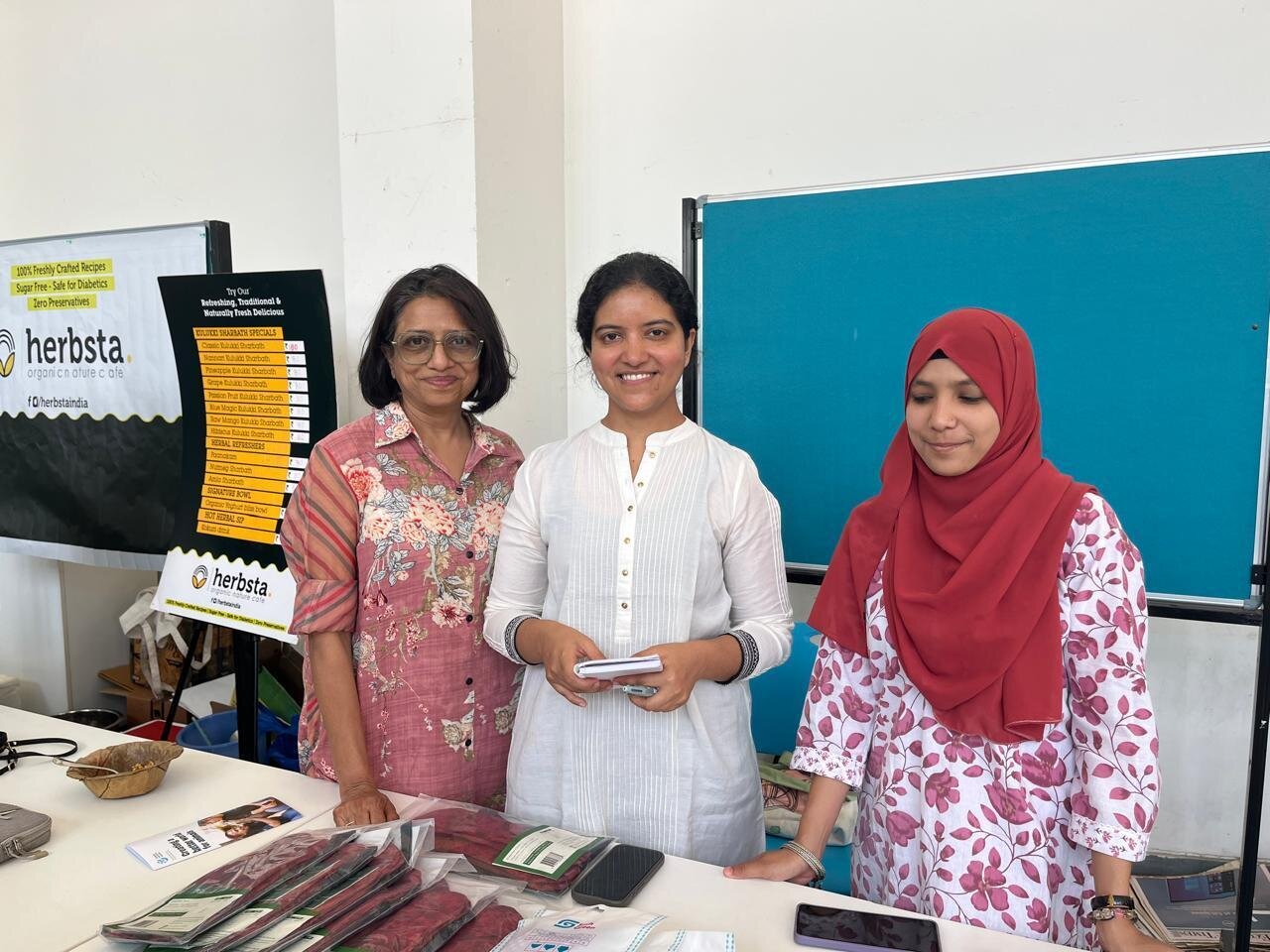
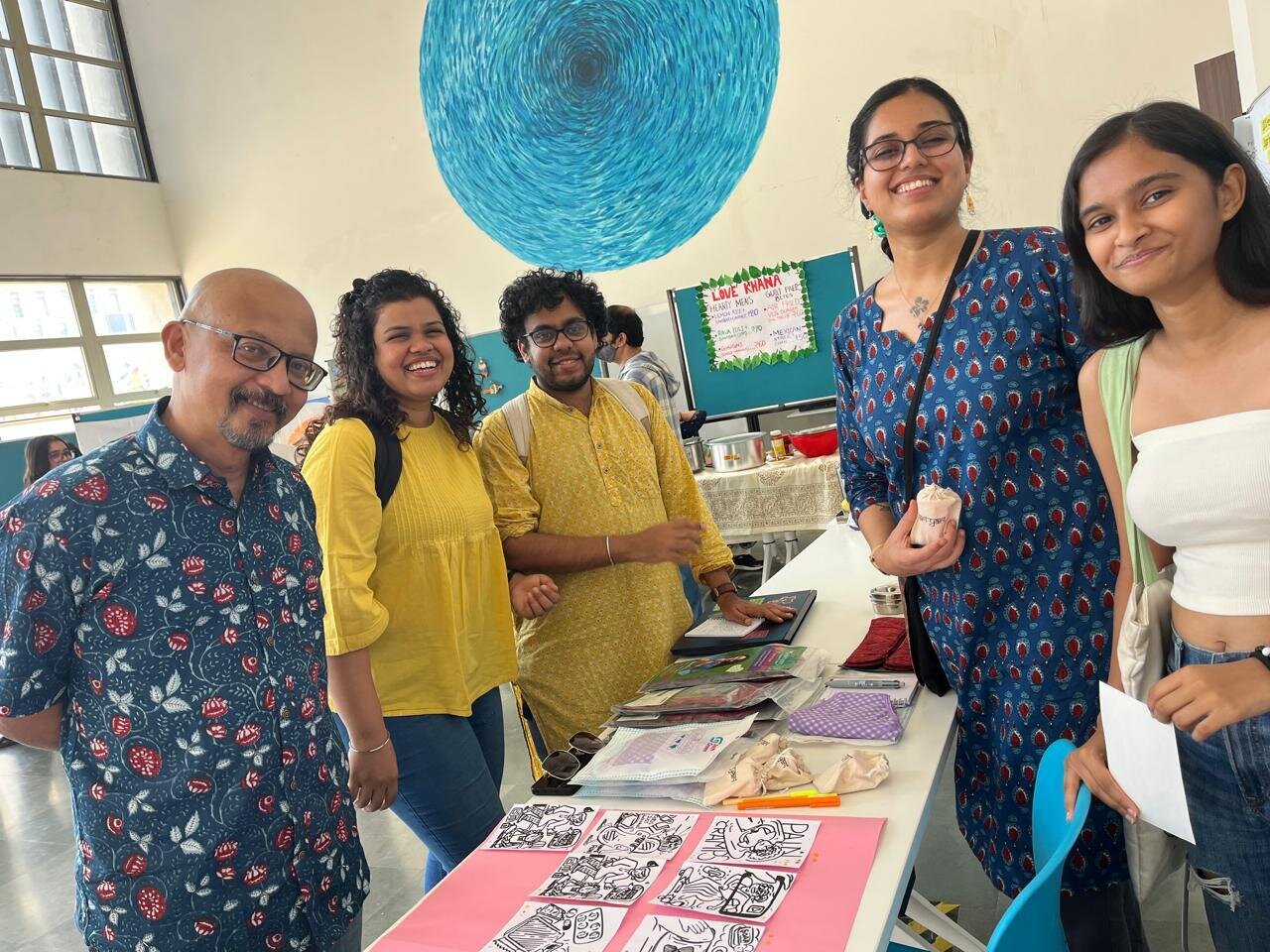
Session by CARE (Campus Action for Reusable Essentials) ambassadors at Azim Premji University
Image credit: Tarushree
Path to real effectiveness
The path to real effectiveness on sanitary waste begins with fixing the system that governs it. The CPCB portal has no provision for sanitary waste and given the complexity of raw materials in the manufacturing of the sanitary products, it cannot be added to any other waste portals.
Extended Producer Responsibility (EPR) must be standardised across all waste categories and managed through a single CPCB managed portal so that tracking, reporting and compliance become seamless.
Informal waste workers need to be brought into a formal, dignified workforce through structured training, regular and gainful employment, protective equipment, and access to social security benefits.
At the Billapura Dry Waste Collection Centre (DWCC), women workers like Paapamma and Sandhya equipped with their Personal Protective Equipment (PPE) kit including gloves, shoes, and masks are now able to handle challenging waste streams like sanitary products and diapers with greater ease, hygiene, and confidence. “This initiative has made our jobs safer,” they said. Interventions like these are fostering dignity, retention, and efficiency among informal waste workers, which are the key steps towards a scalable, community-driven waste management model.
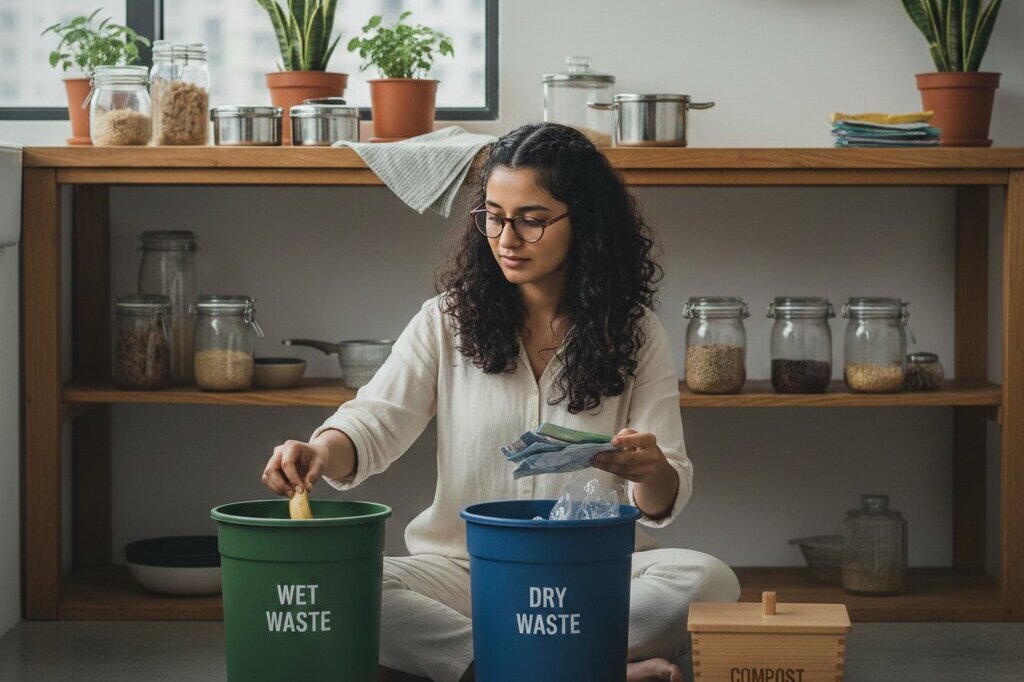
Behavioural change is equally critical. Public awareness on the health and environmental costs of single use sanitary products must move beyond Urban Local Bodies (ULBs) and enter into the rural households. Culturally sensitive outreach in local languages, especially in rural areas and smaller towns, can help normalise reusable options and safer disposal practices. Schools, Anganwadis, Primary Health Centres (PHCs) and Self-Help Groups (SHGs) could help carrying this message forward.
SMH educators faced skepticism and silence in communities that were wary of open discussions on taboo topics. Yet, they persisted through continuous dialogues, close-knit discussions, and demonstrations of reusable period products. Gradually, they were able to convince women to use these and spread the word. In a few months, this dedication paid off, proving that community-led education can start a major behavioural change.
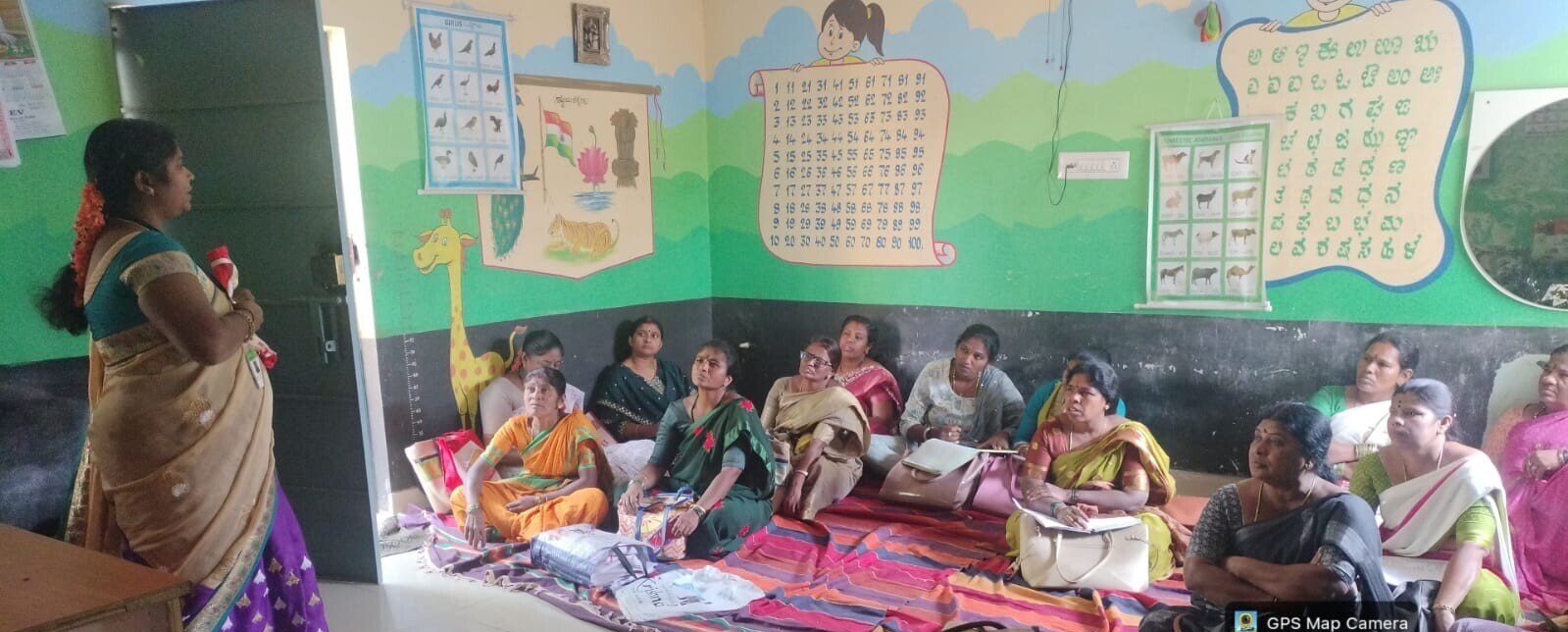
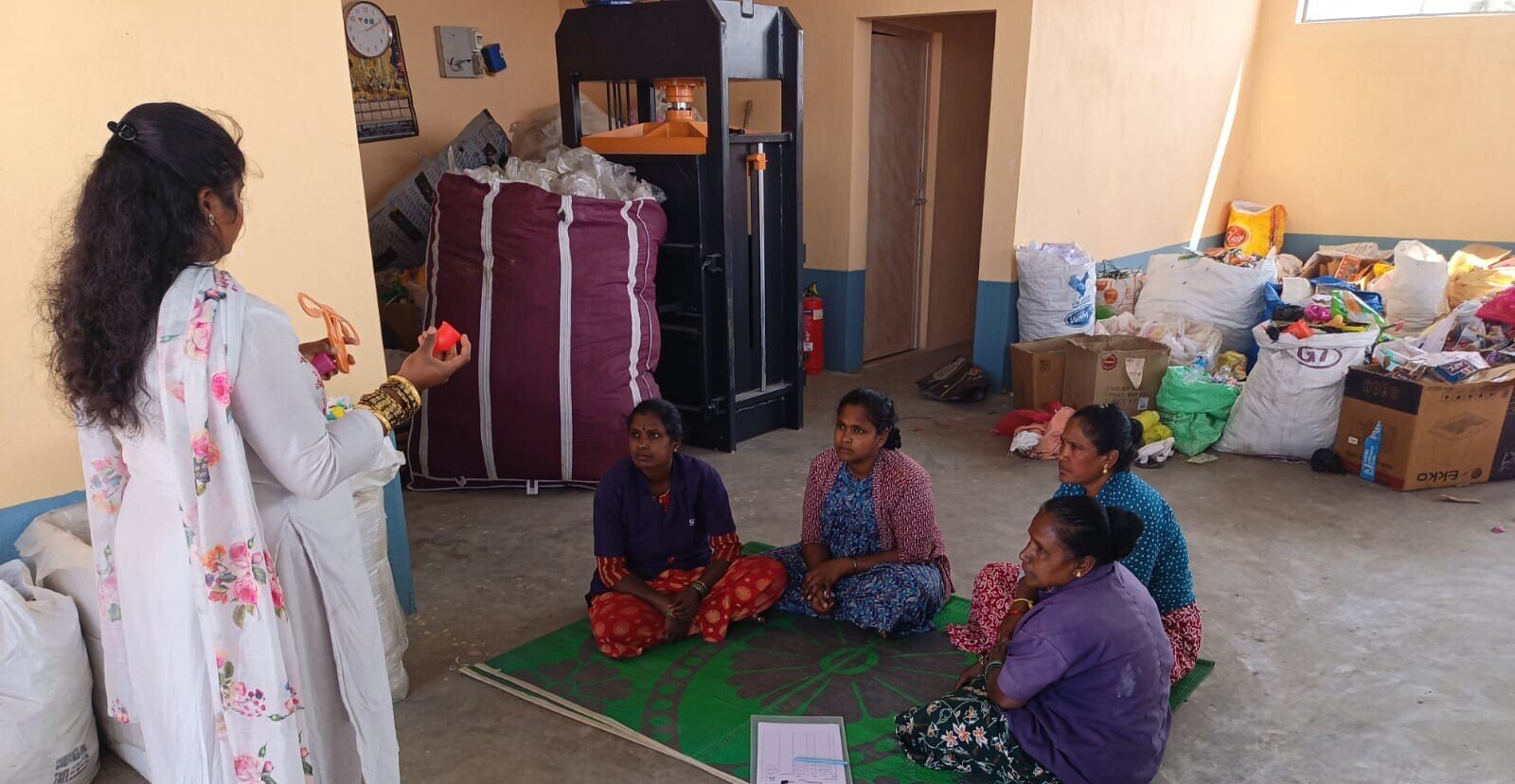
(Left) Sustainable Menstrual Hygiene (SMH) session conducted by SMH trainer Yellamma at Bidriguppe village; (Right) SMH sessions for SHG workers of Balluru dry waste collection centre by SMH trainer Vidya
Image credit: Vidya
When policy makers listen to the experiences of menstruators, recognise the hazardous work done by waste workers, and build a decentralised and community-owned system of waste management, sanitary waste will stop being an uncomfortable, hidden problem, and will transition to become a shared responsibility that households, producers, local bodies, and governments will work together on.
On the infrastructure side, decentralised solutions are essential. Setting up small-scale incinerators that meet emission norms, along with composting units near bulk waste generators such as schools, colleges, hostels, markets, and large residential complexes, can help tackle waste at source instead of transporting them to the already burdened landfills.
Technology and entrepreneurship are beginning to offer some promising alternatives. Innovations by organisations such as AAKRI and Padcare, which work on safe collection, processing and recycling of sanitary waste, need to be incentivised. Such support can draw more startups and social enterprises into this space, helping the shift from a linear, disposable model to a more circular one.
Ultimately, EPR for sanitary waste should not be another exercise on paper as it is at the intersection of public health, gender justice, labour rights, and environmental sustainability. When policy makers listen to the experiences of menstruators, recognise the hazardous work done by waste workers, and build a decentralised and community-owned system of waste management, sanitary waste will stop being an uncomfortable, hidden problem, and will transition to become a shared responsibility that households, producers, local bodies, and governments will work together on.
Acknowledgement
The author is grateful to Azim Premji University’s Community Engagement Initiative for their continuous support and guidance. The author would like to to thank her teammates Dechamma CS, Anjor Bhaskar, Megha CA and Mansi Patel for their reviews and feedback in refining this article. The author is grateful to Vidya and Yellamma from Hasirudala for the information provided on SMH sessions.
About the author
Thrupthi G N is a Research Fellow at Azim Premji University, Bengaluru. She works at the intersection of policies on solid waste management, sustainable waste management solutions and community initiatives. Currently, she is a part of the Community Engagement Initiative’s zero waste team. She also works with the University’s Sustainability Committee to enhance sustainability on campus.
Cover image by Tarushree