
A Quiet Revolution: Journey of a Farmer towards Organic Production in Anekal Taluk
Ambrish and Dechamma C S trace the journey of a smallholder farmer transitioning from chemical-intensive cultivation to organic practices in peri-urban Anekal.
Details
Agriculture in India has never been just a livelihood, it is woven into the social and cultural fabric of rural life, sustaining millions of families across generations. Anekal Taluk, on the southern edge of Bengaluru, reflects how this fabric is being steadily reshaped. Once known for vegetable cultivation, floriculture, sericulture, and dairy farming, the region is now experiencing rapid transformation due to its proximity to the city.
Peri-urban pressures such as land acquisition, expanding real estate, and a growing disinterest in farming among younger generations have significantly altered agricultural life. Most farmers in Anekal cultivate small holdings of one to three acres, often practicing mixed cropping with vegetables, ragi, pulses, and dairy as supplementary income. This diversity has traditionally helped families manage risk and maintain stable livelihoods.
The area’s fertile soil has supported high-value crops such as guava, star fruit, avocado, capsicum, carrot, leafy greens, beans, garlic, and flowers, largely supplying Bengaluru’s urban markets. Yet, in recent years, farming has become more uncertain. The rising cost of chemical inputs, recurring pest attacks, declining soil health, introduction of exotic and ornamental varieties and severe water stress due to excessive borewell use have increased farmers vulnerability. Industrial and residential expansion under the Karnataka Industrial Areas Development Board (KIADB) has further reduced cultivable land, displacing some farmers and pushing others out of agriculture altogether. Many who continue to farm have shifted toward intensive chemical-based vegetable cultivation to meet fast-growing urban demand, often at the expense of long-term soil sustainability.
Within this changing landscape, organic farming remains limited but is slowly gaining ground. Farmers like Satish are beginning to move away from chemical inputs, driven by concerns about soil regeneration, family health, and the growing demand for chemical-free produce. Institutions such as Azim Premji University, Bhoomi Farms, and local community-based organisations are playing an important role by providing training, awareness, and market linkages for farmers in peri-urban Anekal.
This article traces the journey of a smallholder farmer transitioning from chemical-intensive cultivation to organic practices in peri-urban Anekal. It reflects on the challenges faced, the institutional support that enabled change, and the broader lessons this experience offers for sustainable agriculture in rapidly urbanising regions.
Profile of the farmer
Satish is a 46-year-old farmer residing in B Hosahalli village, which comes under Yamare Gram Panchayat in Anekal Taluk. His household comprises of four members: himself, his wife, his daughter pursuing an engineering degree, and his son studying in Grade X. Unlike many farming households where only one or two adults are engaged in agriculture, Satish’s entire family contributes to farming and allied activities. According to Satish, this collective involvement of his family has been crucial for sustaining farm operations, especially during periods of uncertainty (mainly during the transition phase).
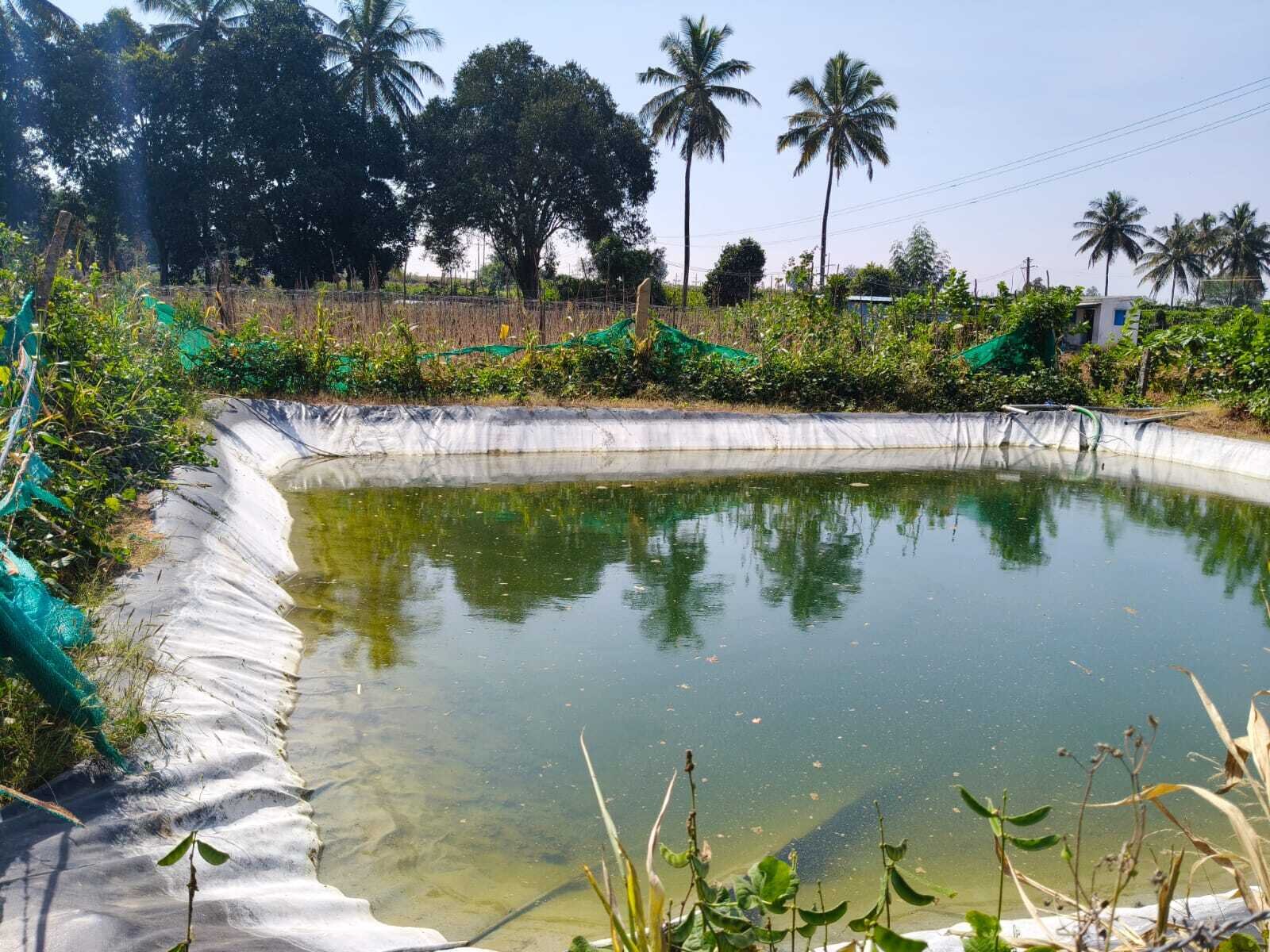
Satish’s primary income comes from crop cultivation and other supplemental income from dairy farming with two HF milch cows, and beekeeping with five boxes. Satish owns one acre of agricultural land, divided into two equal parts of 20 guntas (0.5 acres) each. The land is irrigated by a borewell and supported by a farm pond, with drip irrigation systems enabling efficient water use. The major crops he cultivates are cucumber, beans, bitter gourd, ridge gourd, and sponge gourd, which he rotates seasonally to maintain productivity.
Satish has been engaged in chemical farming for the last 15 years, driven by the promise of higher yields, the convenience of chemical pest and weed control, and the influence of his community. Over time, however, he observed the hidden costs of chemical inputs, including soil degradation, increasing pest dependency, and health concerns. In June 2025, influenced by awareness and workshops/trainings conducted by Community Engagement Initiative of Azim Premji University and the procurement assurance provided by Bhoomi Farms, Satish initiated his transitioning journey to organic farming.
Transitioning to organic farming
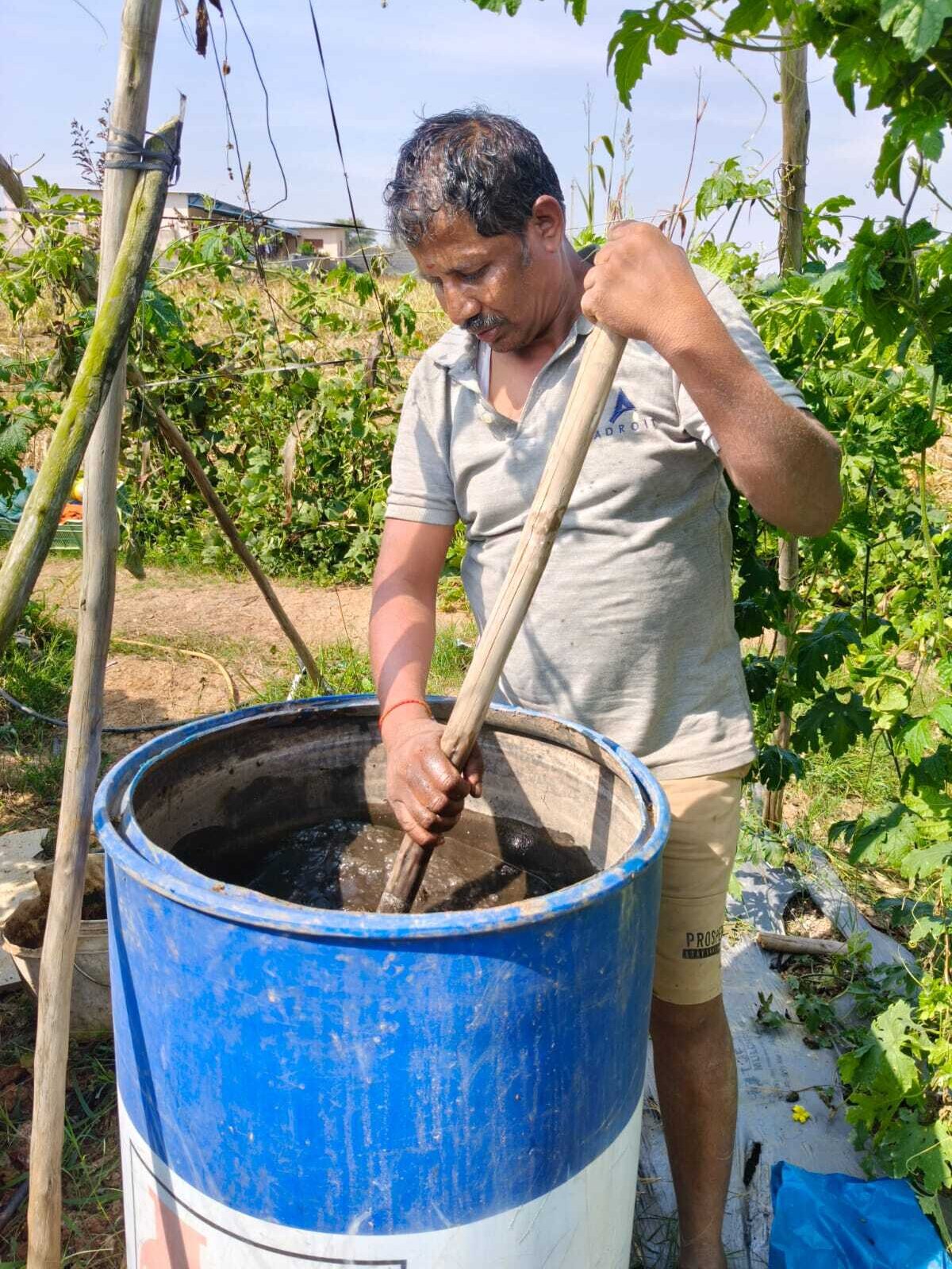
Satish officially began his journey to organic farming in June 2025. His first step was to completely stop the use of herbicides, chemical fertilisers, fungicides and pesticides, etc., marking a decisive break from his earlier farming practices. He adopted organic soil enrichment practices such as growing green manure crop like sunhemp before sowing of the main crop and application of poultry manure, farmyard manure, vermicompost, Jeevamruta, and certified organic granules to the soil.
For pest management, he relied on traditional organic practices such as usage of buttermilk mixed with turmeric powder solutions, chilli-garlic extract sprays, neem oil sprays, and certified bio inputs such as Newaran, Ponnus oil, Rimox, and Perfoshield. Sticky traps were also installed for pest monitoring and control.
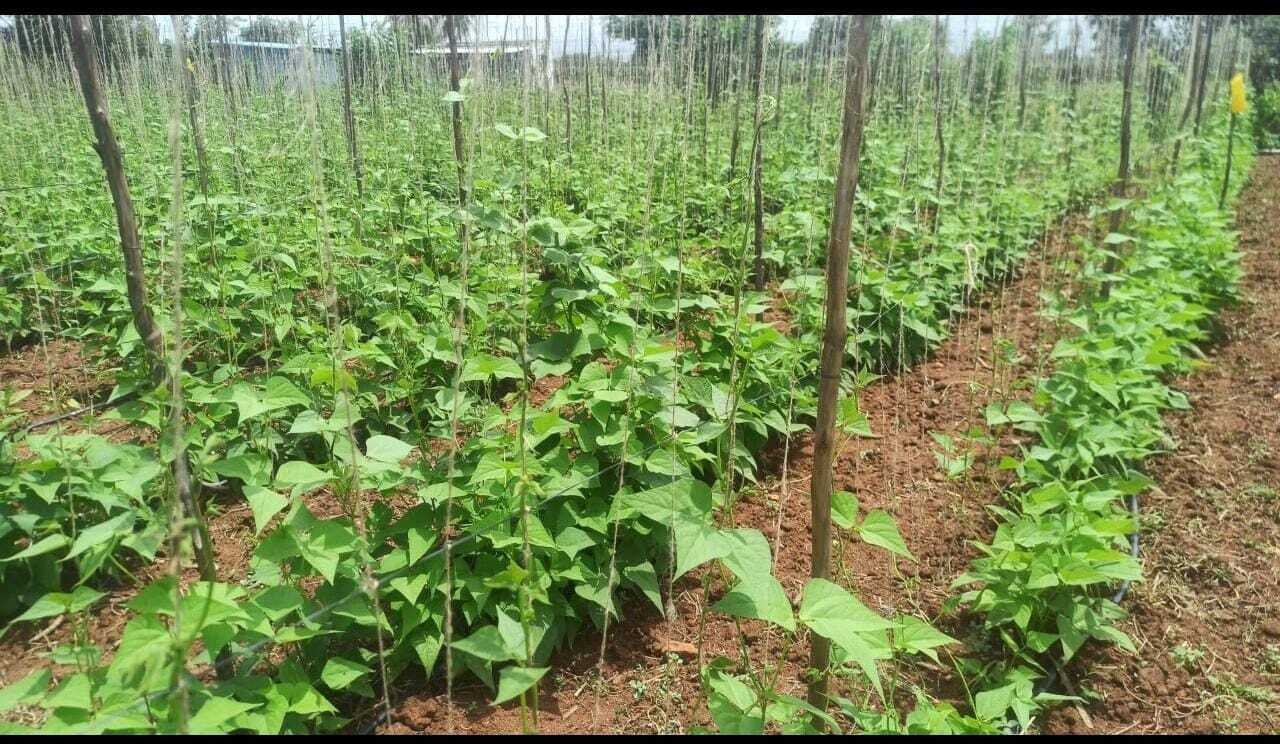
The first crop grown under organic management was green beans, selected based on soil test results, market demand, and procurement assurance from Bhoomi Farms. Although irrigation practices remained unchanged as drip irrigation was already in place, the nutrient and pest management systems were comprehensively redesigned to align with organic standards. Certified organic inputs such as BCX Complex, Amino pf, Orgo k, Orgo Cal, Boro rich, Phomin plus, fish liquid, and fulvic acid which enhances the soil health and crop protection were purchased from private markets. No certified inputs were sourced through FPOs or fellow farmers highlighting the absence of localised organic input supply systems.
Challenges during the transition phase
The transition journey to organic farming was accompanied by several challenges, the most prominent was pest management during the flowering and pod-filling stages of beans. The absence of quick-acting chemical pesticides initially led to pest build-up, resulting in yield loss. The crop’s early growth phase was also quite unstable due to the abrupt withdrawal of chemical fertilisers and nutrients, underscoring the adjustment period required for soil systems to respond to organic inputs. This experience reflects the yield loss that is commonly observed during the transition to organic farming.
Compared to chemical cultivation, the yield of organic beans was approximately 20 percent lower (compared to the previous yield). However, this reduction was offset by premium prices offered by Bhoomi Farms and favourable market prices at the time of harvest, ensuring overall financial stability. Soil health, which initially posed as a minor constraint, showed gradual improvement after the continuous application of organic manures and bio inputs.
Another significant challenge was gaining family acceptance, as the household depended entirely on farming for livelihood. Concerns about reduced income made the transition both emotionally and financially demanding. Access to organic certified inputs and their usage knowledge remained a constraint. Satish depended entirely on private markets for certified inputs as these were not available at the nearby FPO (Farmer Producer Organisation) or any government outlets, etc.
Therefore, input access, continuous technical guidance and agronomic advice at field level was essential and was primarily provided by members from Bhoomi Farms members and Community Engagement Initiative of Azim Premji University through regular field visits.
Support systems and learning
Institutional support played an important role in enabling Satish’s transition. He participated in training programmes and workshops organised by Azim Premji University and the Agriculture Department, Sarjapur, which covered few aspects of organic farming like soil health management, preparation and application of biofertilisers and biopesticides, pest control strategies, and crop planning, etc. These sessions enhanced his technical knowledge and strengthened his confidence in managing risks associated with organic farming.
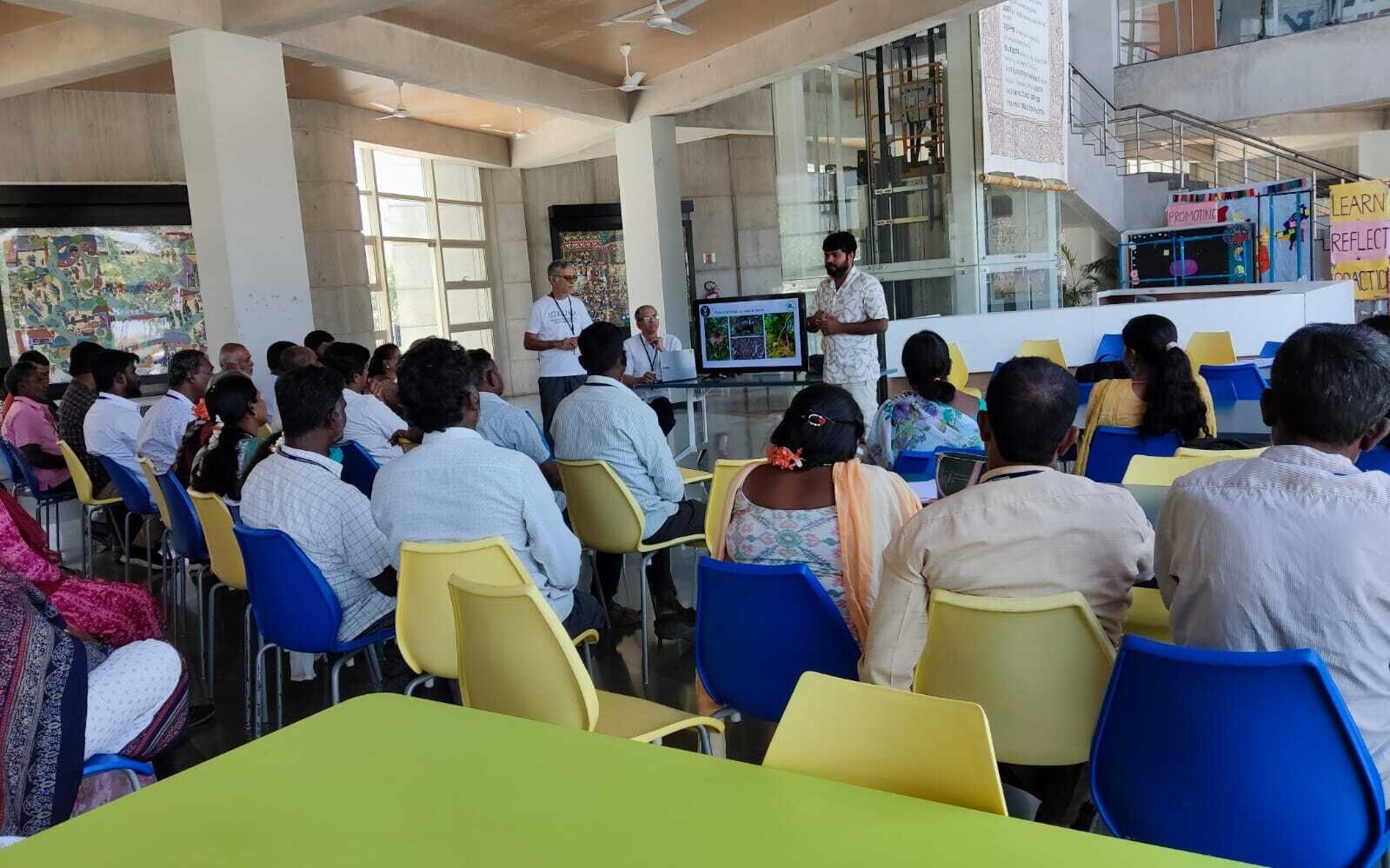
Bhoomi Farms provided consistent technical support through field monitoring and ensured procurement of organic produce at premium prices. This arrangement significantly reduced market uncertainty and encouraged Satish to persist despite initial yield reductions. Additionally, Azim Premji University facilitated weekly markets on its campus, enabling organic farmers from surrounding villages to sell produce directly to consumers (university members and students) and diversify marketing channels.
Outcomes after transitioning to organic farming
Satish experienced both positive outcomes and ongoing challenges during the initial months of organic farming. Even though the crop (beans) yield was lower compared to chemical farming, the quality of produce was markedly superior. The beans were tender, smooth, cooked faster, and had better taste and appearance, he remarks.
During the field assessments soil health conditions improvements became visible through improved soil structure (surface level soil becomes friable), enhanced moisture retention, and increased organic matter content. Biodiversity on the farm also improved gradually, indicated by increased earthworm activity and reduced pest incidence over time. However, chemical contamination from neighbouring farms through spray drift and rainwater runoff remained an unresolved challenge, particularly in a peri-urban landscape dominated by chemical farming.
From a financial perspective, Satish’s income remained stable, as premium pricing compensated for yield losses. Bhoomi Farms’ procurement guarantee ensured and assured market access.
Key insights for scaling organic farming
Based on his experience, Satish emphasised that the expansion of organic farming requires systemic institutional and market support. His dependence on purchased organic inputs from the private markets highlights the need for subsidised bio-inputs through RSK (Raitha Samparka Kendra) or FPO (Farmer Producer Organisation), etc. He recommended the establishment of separate organic markets or mandis to ensure assured procurement of organic products at premium prices and suggested that gradual phasing out of chemical inputs could encourage wider adoption of organic practices.
Satish also highlighted the role of FPOs in aggregating organic produce and distributing the inputs at wholesale rates. He also suggested that agrochemical vendors should progressively replace chemical products with organic inputs in the market. While acknowledging the support provided by Azim Premji University, he emphasised the importance of expanding collaboration with organisations such as Bhoomi Farms, who gave the assurance of organic produce procurement and Smile Foundation, who helped Satish with the water motor pump set for smoother irrigation to strengthen the organic farming system.
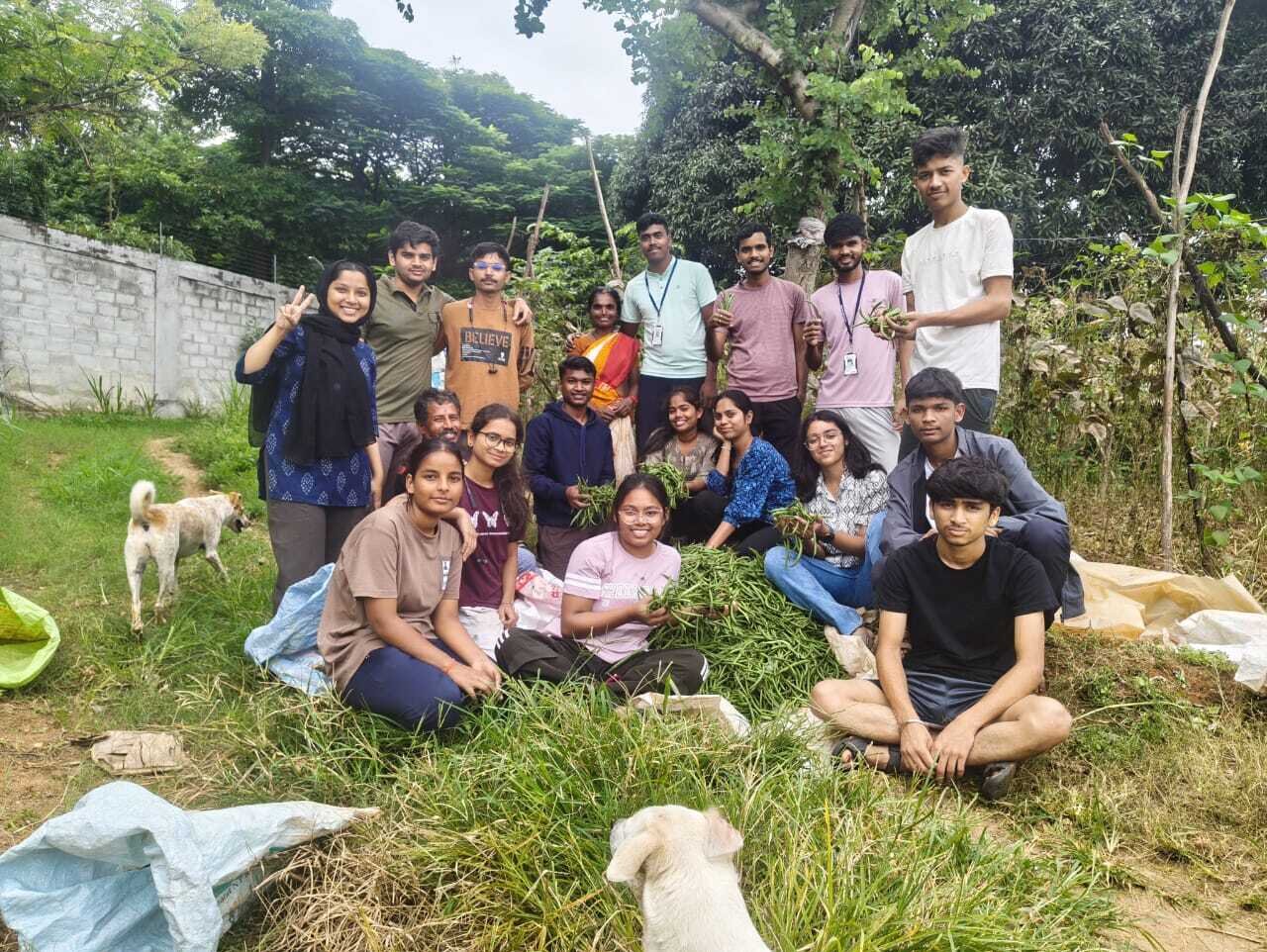
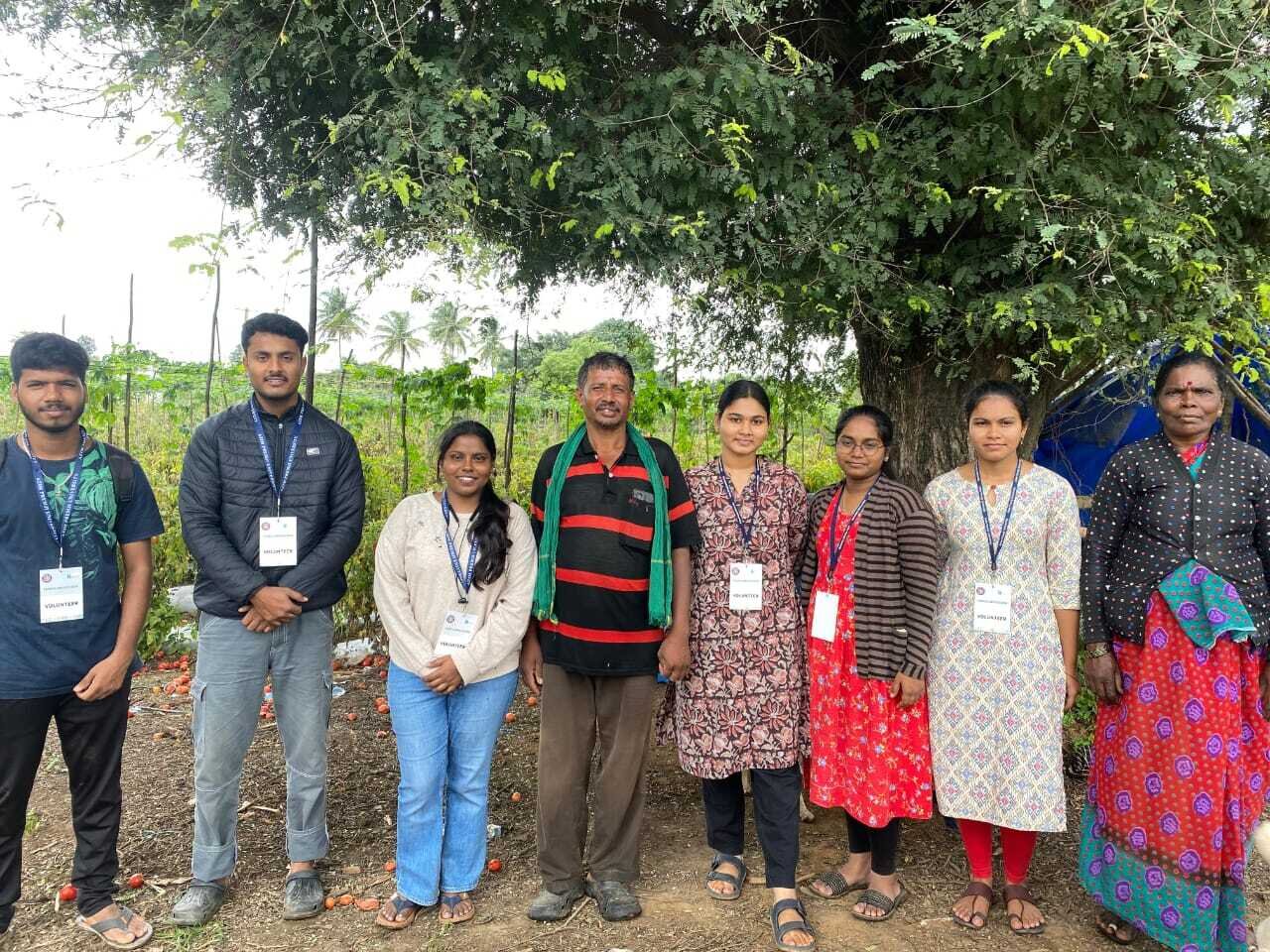
He also highlighted the voluntary participation of 42 university students, who supported the farmer during the transition phase by assisting with farm activities such as weeding, staking, pruning, and harvesting which profoundly helped reduce labour costs.
Personal impact and reflections
Satish expressed a sense of satisfaction and pride in adopting organic farming. Although immediate health improvements within his family are not evident, he remained confident about long-term benefits. For him, the transition represented not only an economic decision but also a moral commitment to producing safe food and restoring soil health. However, he emphasised the importance of consistent premium pricing to compensate for lower yields during the transition period.
Satish advises fellow farmers to begin organic farming on small parcels of land, initially for household consumption, and expand gradually as confidence and experience grow. He believes that farmers with multiple income sources other than agriculture are particularly well positioned to adopt organic practices. He challenges the perception that organic farming is unprofitable or ineffective in pest management, arguing that adequate training and institutional support can address these concerns.
Looking ahead, Satish expressed concern about ongoing land acquisition and declining interest in agriculture within his village. With nearly 400 acres already acquired by KIADB, he fears that farming may diminish over the next three decades as peri-urban expansion accelerates. Despite this, he remains hopeful that farmers who continue in agriculture will adopt organic practices, contributing to healthier soils and safer food systems for future generations.
Conclusion
Satish’s journey from chemical farming to organic farming showcases how awareness and reflections can lead to meaningful change in the field. When farmers realise that the continuous use of chemical inputs can degrade soil health, affect the health of those who spray these chemicals, and impact the wellbeing of people who consume chemically grown vegetables, they begin to explore more sustainable alternatives. Satish’s experience shows that transitioning to organic farming is not only about changing farming practices but also about taking responsibility for the health of the land, farmers and society. His story serves as an inspiring example for other farmers, showing that with awareness, support, and self-determination, agriculture can move towards a more sustainable and health-conscious path.
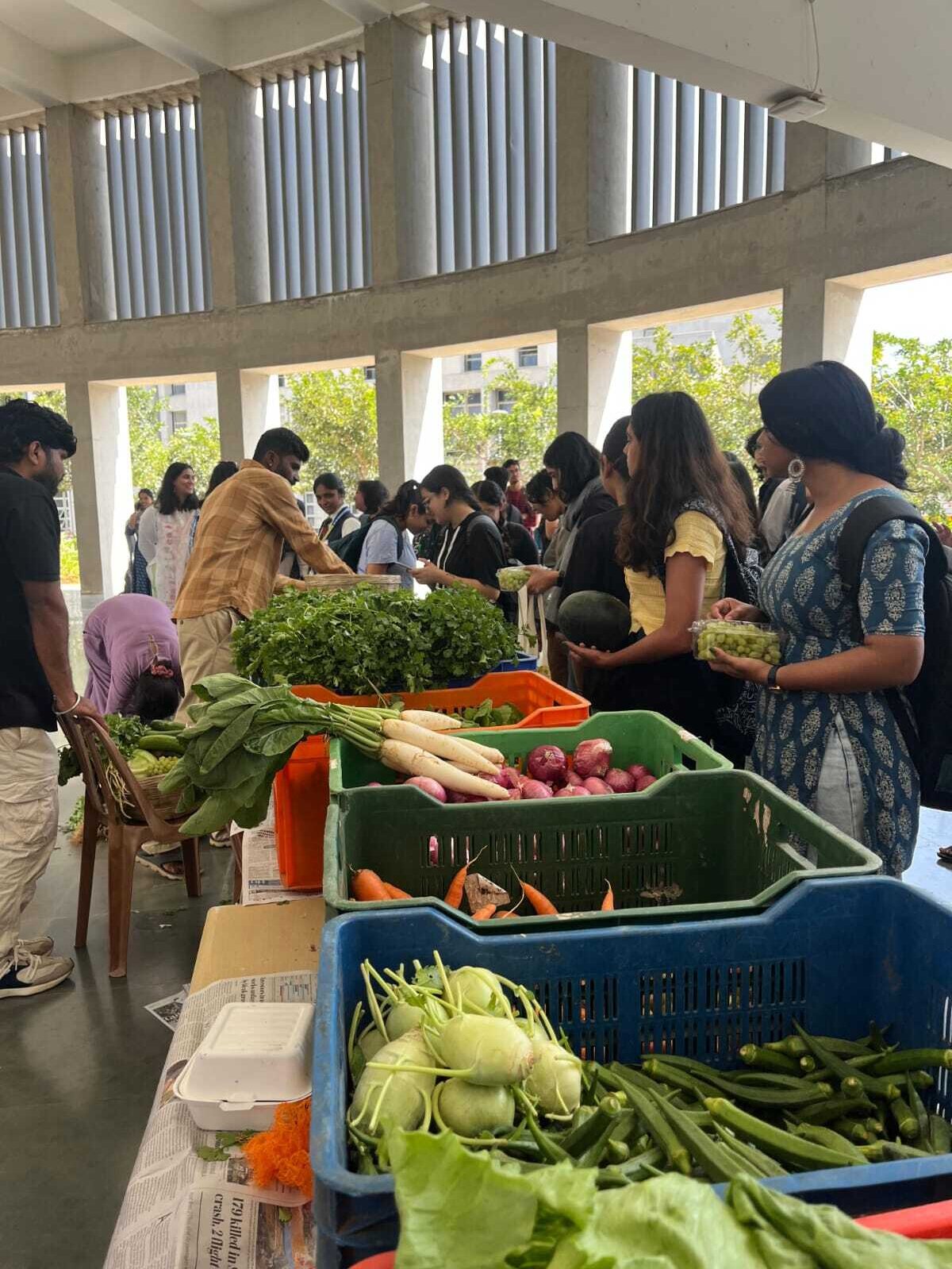
His journey also highlights the importance of farmers’ engagement with the universities, marketing partners, and social development organisations. Such collaborations help farmers to learn new practices, access resources, and build stronger and more sustainable farming systems across the region.
Overall, Satish’s story shows how farmers can adapt and remain resilient despite rapid social, economic, and environmental changes. Satish clearly understands that a complete transition to organic farming requires a minimum of four to five years. Nevertheless, he believes that small initiatives taken today can lead to larger and more meaningful impacts in the future, and he remains committed and prepared for this long-term transition.
The Community Engagement Initiative of the university handholds 10 other farmers who have successfully transitioned to organic means of production primarily because of the institution’s continuous support.
Acknowledgement
We thank Manjunath B for his extensive support and his critical inputs in the field and Sachin from Bhoomi Farms for their field level support, providing technical guidance, and supporting farmers during the transition to organic farming. Special appreciation is extended to all the farmers who have chosen to practice organic farming with a strong sense of purpose and responsibility towards societal well-being. Their commitment to nurturing healthy soils, producing safe food, and safeguarding ecological balance forms the foundation of this work and offers hope for a more sustainable agricultural future.
About the authors
Ambrish is a Research Associate at Azim Premji University, working with the Community Engagement Initiative (CEI) on sustainable agriculture. His work focuses on supporting small and marginal farmers in peri-urban Anekal contexts to transition from chemical-intensive practices to organic and ecologically sustainable farming systems. Through field-based research, farmer engagement, training facilitation, and documentation of grassroots experiences, he contributes to strengthening community-led agricultural transitions, market linkages, and knowledge-sharing platforms. His interests lie at the intersection of agrarian change, soil health, farmer livelihoods, and institutional support systems.
Dechamma C S anchors the Community Engagement Initiative at the Azim Premji University.