समुदाय की आवाज़ें — Voices from the Community
In the fifth and final episode of Season 1 of Likhe Jo Khat Mujhe with Mayur Trivedi, an elder from the Agariya tribe of salt-farmers in the Little Rann of Kutch asks a powerful question: why does the academic world treat them as mere statistics, and not as people?
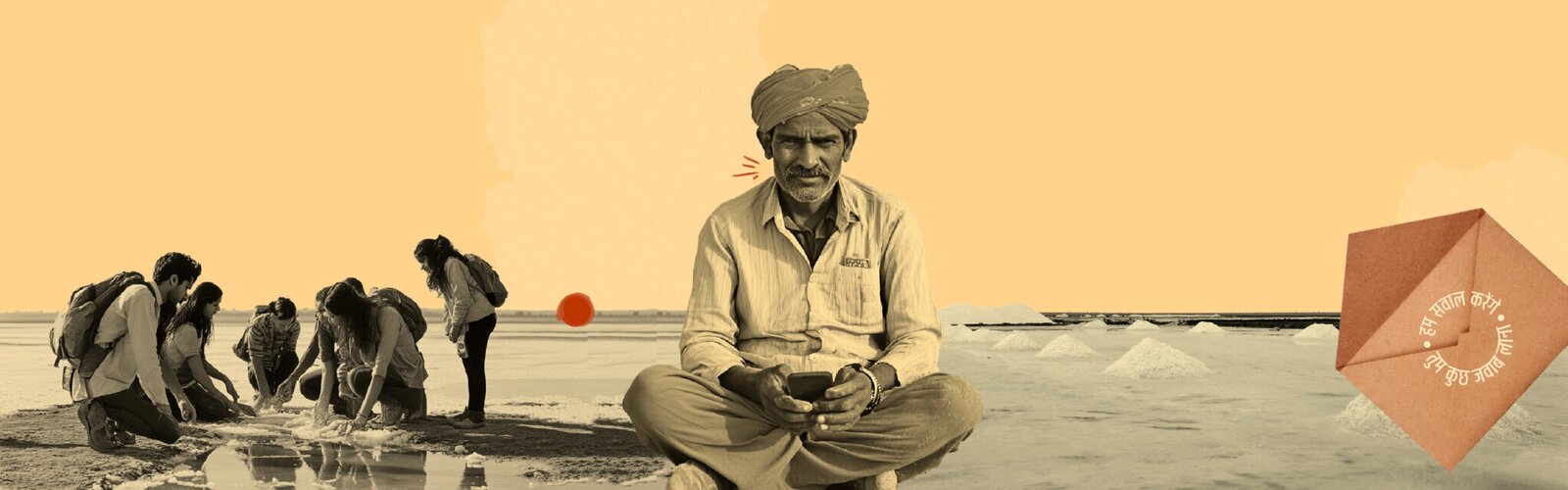
आज का पत्र है पश्चिमी भारत के लिटल रण ऑफ कच्छ से। शहर और गाँव से मिलों दूर ये एक ऐसी जगह हैं जहा अगारिया समुदाय के लोग नमक की खेती करते हैं। हमारे देश का आधे से ज्यादा नमक यही से इनकी मेहनत से ही आता हैं। यह पत्र विमुक्त जनजाति के एक बुजुर्ग अगारिया का हैं जो मुजे पिछले दस सालों से जानते हैं। मैं एक स्टूडेंट के रूप मे उनको मिला था और बाद मे अपने स्टूडेंट्स को फील्ड के अनुभव के लिए उनके पास ले जाया करता था। इस खत के जरिए वो मेरी और उनकी जिंदगी मे इन सालों मे आए बदलाव की बात कर रहे हैं। हमारे संपर्क के एकतरफ़े रुख से अपनी नाराज़गी जताकर वो इस खत मे उन सभी लोगों से सवाल कर रहे हैं जो समय-समय पर उनके पास जाकर उनसे सवाल पूछते रहे, उनकी कहानिया सुनते रहे, और उनके जीवन के आंकड़ों को लिखते रहे, लेकिन जो कभी वापस नहीं आए – न ही उनकी खबर पूछने आए या ना ही बदलाव की कोई खबर लेकर आए । आइए, सुनते हैं डांट, दर्द, और चाहभरी उनकी दास्तान जिनकी मेहनत से बना नमक हमारे खाने मे स्वाद लाता हैं ।
- मयूर त्रिवेदी
In the vast, desolate salt flats of the Little Rann of Kutch, the Agariya community toils under an unforgiving sky. Their labour produces over half of India’s salt, yet their voices remain unheard.
In this compelling episode, the host shares a deeply personal letter from an Agariya elder, a man he has known for a decade. The elder recounts years of interaction with researchers and students — outsiders who arrived with curiosity, gathered stories and data, and then disappeared, leaving behind only unanswered questions and unfulfilled promises.
Through vivid storytelling and immersive ambient sounds — the wind across the Rann, the distant hum of diesel pumps, the crackle of salt underfoot — listeners are drawn into the stark reality of Agariya life. The elder describes their unchanging hardships: living in tarp huts, enduring extreme weather, working tirelessly to harvest salt, only to sell it for a meagre 50 – 60 paise per kilo.
Yet, change has arrived — not as relief, but as a new struggle. The government has declared their ancestral salt-making lands a protected area, forcing them to seek permission for their own livelihood. They protested, spoke out, and made headlines — but no one from the academic world, which had studied them so intently, stood by their side.
The Agariya elder’s letter is not just an account of suffering but a demand for accountability. “We don’t want to be mere statistics or stories anymore,” he writes. If researchers truly wish to engage with marginalised communities, they must return — not just for data, but for solidarity.
The final episode of the first season of Likhe Jo Khat Mujhe with Mayur Trivedi leaves listeners with a powerful question: Are we merely observers of struggle, or are we willing to stand with those whose stories we tell?
Credits
Akshay Ramuhalli, Bijoy Venugopal, Bruce Lee Mani, Gorveck Thokchom, Narayan Krishnaswamy, Prashant Vasudevan, Sananda Dasgupta, Seema Seth, Shraddha Gautam, Supriya Joshi, and Velu Shankar
Acknowledgements
Agariya elder voiced by Sanjay Galsar
Resources
- No people, only wild asses: The struggles of Kachchh’s salt pan workers | IDR Online
- Solar pumps lift salt farmers out of diesel-fuelled poverty | The Migration Story
- Survey recognises rights of less than 500 salt workers in Little Rann of Kutch | Hindustan Times
- Saltpan workers protest | News Click
- Marginalisation of The Meal Makers | International Journal of Advanced Research
- Life at the Margins of Salt and Desperation: A Photo Essay | EPW Engage
- Traditional salt workers contribute to wild ass conservation and regain access to Little Rann of Kutch | Mongabay India
- Wounded souls of the Rann – A documentary on the Agariya community | YouTube
Listen to all episodes in this series
-

सड़कों की आवाज़ें | Sadakon Ki Awaazein
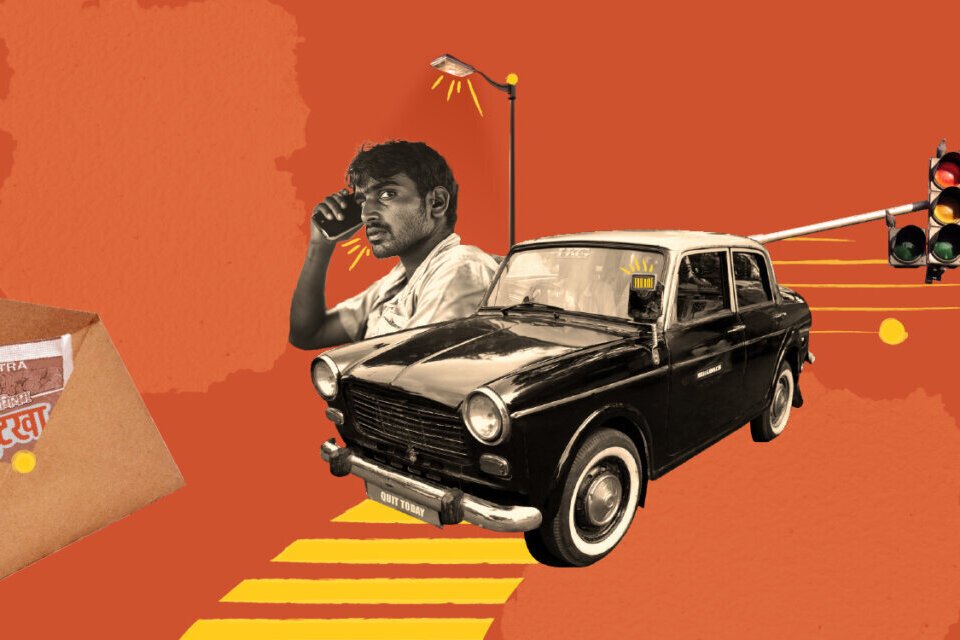
“If society or the government really wanted us to quit, they’d make it harder to access tobacco, wouldn’t they?” Ramesh asks. “But no, it’s available everywhere.” In the first episode of Likhe Jo Khat Mujhe presented by Mayur Trivedi, a public health researcher gets a letter from a taxi driver that raises thought-provoking questions.
-
जंगलों की आवाज़ें | Sounds of the Forest
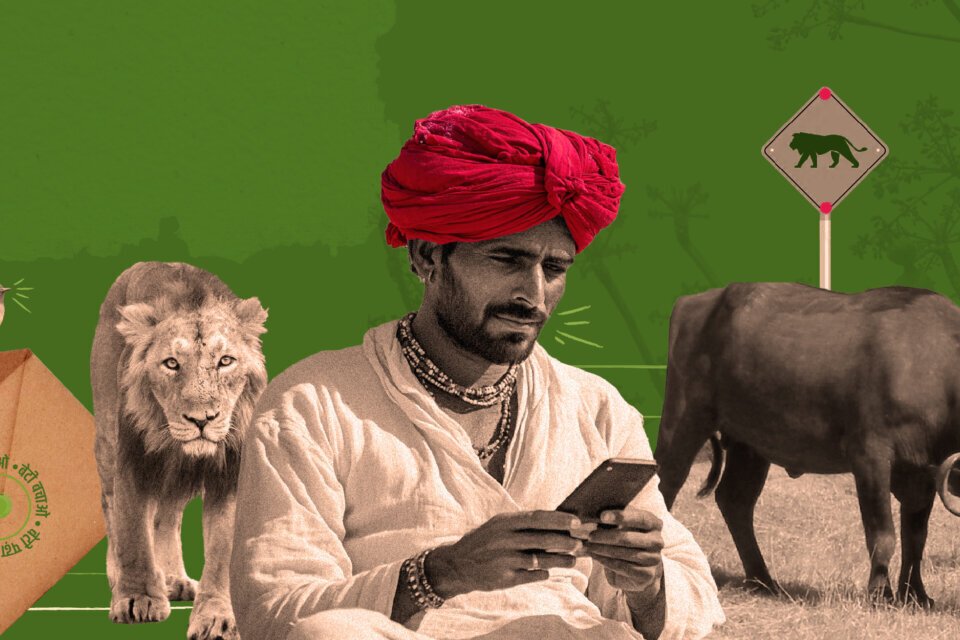
In this episode of Likhe Jo Khat Mujhe, Mayur Trivedi shares a heartfelt fictional letter from Bhikhabhai, a Maldhari shepherd who lives in the Gir Forest. Bhikhabhai says that in his pastoral community, having a son is not viewed as a rejection of daughters, but a necessity to ensure economic continuity. This poignant episode urges us to reflect on our inherent cultural biases and blind spots.
-
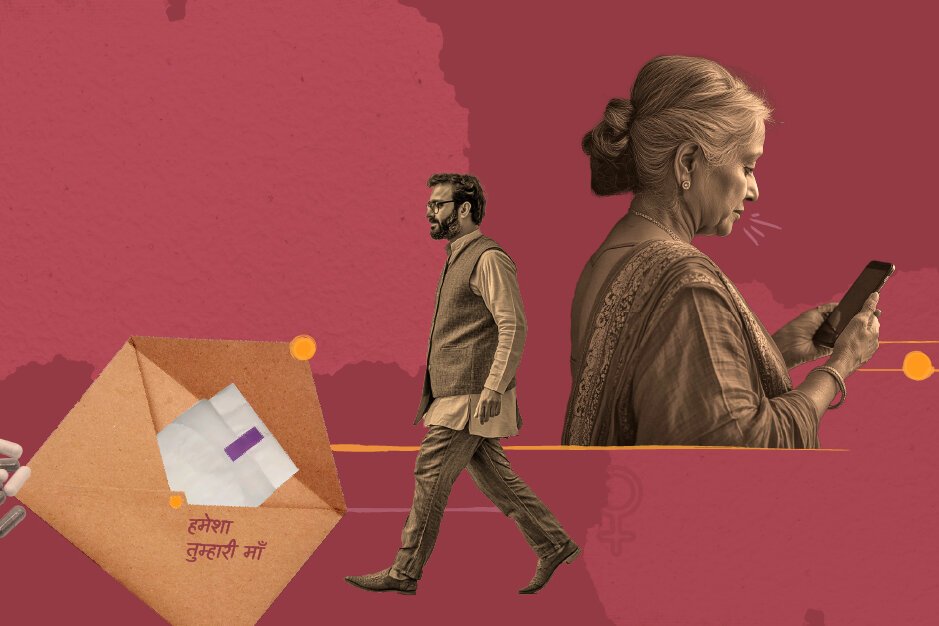

दिल की आवाज़ें | Sounds of the Heart
In this poignant episode, a mother shares her struggles with her son, a gender studies professor, offering a personal perspective on societal identity. In her message to him, she highlights the gap between academic theories and lived realities, reminding him, “You study gender; we women live it.”
-
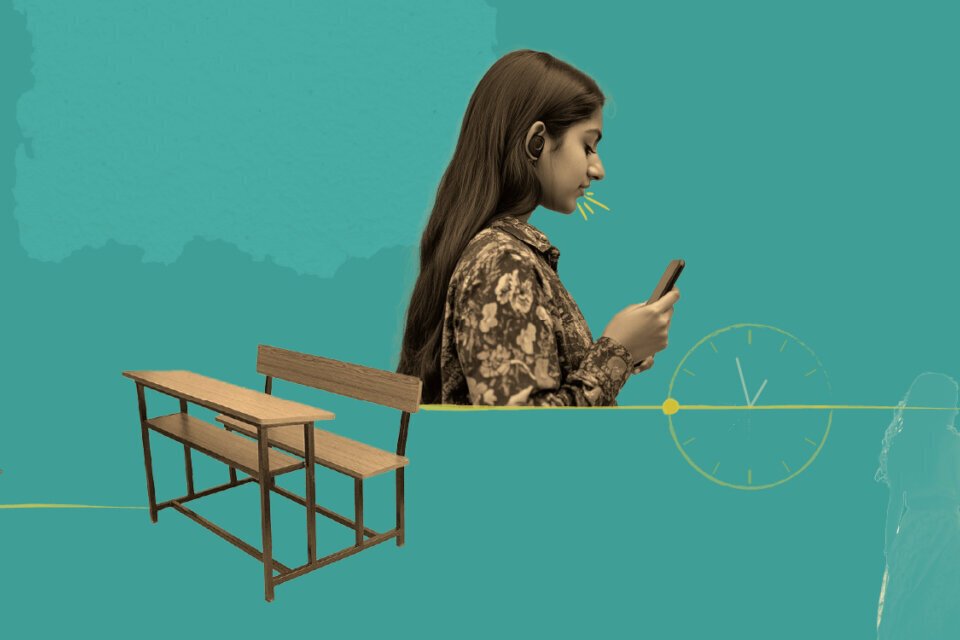
अनकही आवाज़ें | Unspoken Voices
In this deeply personal episode, a former student reconnects with her professor after a decade, sharing a heartfelt reflection on how the lessons from his demography and health economics classes have unexpectedly shaped her understanding of life. Through a recorded letter, she narrates her quiet struggle with infertility, the weight of societal expectations, and the unspoken emotional toll of reproductive choices.